The serious wine collectors we know spend more time researching a vintage before buying than most people would imagine. Tasting notes from Decanter, Wine Spectator, the Wine Advocate, and Vinous. The major Bordeaux primeur tastings in late March and early April.
- Serious collectors spend more time researching a vintage before buying than most people would imagine, with tasting notes from Decanter, Wine Spectator, the Wine Advocate, and Vinous as primary sources.
- The major Bordeaux primeur tastings in late March and early April set the initial reference for the new vintage, with critics filing notes within days.
- Liv-ex's en primeur reports, combined with the historical pricing data on prior vintages, give the trade-side benchmarks for release pricing.
- Independent merchants, including Berry Bros and Rudd and Farr Vintners, publish their own vintage assessments that often diverge meaningfully from the critic consensus.
- Producer tasting visits, where access allows, remain the structural depth-research method for collectors with serious Burgundy or Bordeaux positions.
- For serious collectors the research process is the buying process, and shortcuts on research show up as shortcuts on long-haul cellar performance.
- Who is this for?
- Active collectors approaching en primeur and library-vintage decisions, and new collectors trying to understand how vintage research actually works.
- What is happening?
- We walk through how serious collectors research a vintage, with the critic sources, trade data, merchant assessments, and producer relationships that anchor the work.
- When did this emerge?
- The piece reads the contemporary research workflow, with the modern post-2015 critic landscape and the en primeur calendar as live reference.
- Where is this happening?
- Bordeaux, Burgundy, and the broader European vintage circuit, plus the international critic, merchant, and Liv-ex ecosystems that surround them.
- Why does it matter?
- Vintage research is the structural work that separates collectors who buy well from those who buy on momentum, and the cost of skipping it compounds across decades.
Conversations with merchants who attended the producer visits. Cellar tracking on CellarTracker. Auction-result indexing through Liv-ex.
The work isn't because the wines are complicated to buy. It is because the wines are interesting to think about, and the research is half the pleasure of serious collecting. This is our editorial read on how serious collectors actually research a vintage before committing, the mechanics, the sources, the tactics, and the discipline that separates the cellars built carefully from the ones built impulsively.
Why the wine research matters
The research isn't really about avoiding mistakes, though it does that too. It is about building the depth of understanding that lets a serious collector make confident calls at moments when there isn't time for further deliberation. The Bordeaux en primeur campaigns happen in tight windows; allocations from the named Burgundy domaines clear in days; the major auction houses run their seasonal sales on fixed calendars.
The collectors who do best are the ones who arrived at those moments already knowing what they wanted and at what price. Sotheby's Wine and Christie's Wine both publish their seasonal calendars months in advance precisely so serious bidders can research lots before the catalogue lands.
Understanding the regions and terroirs
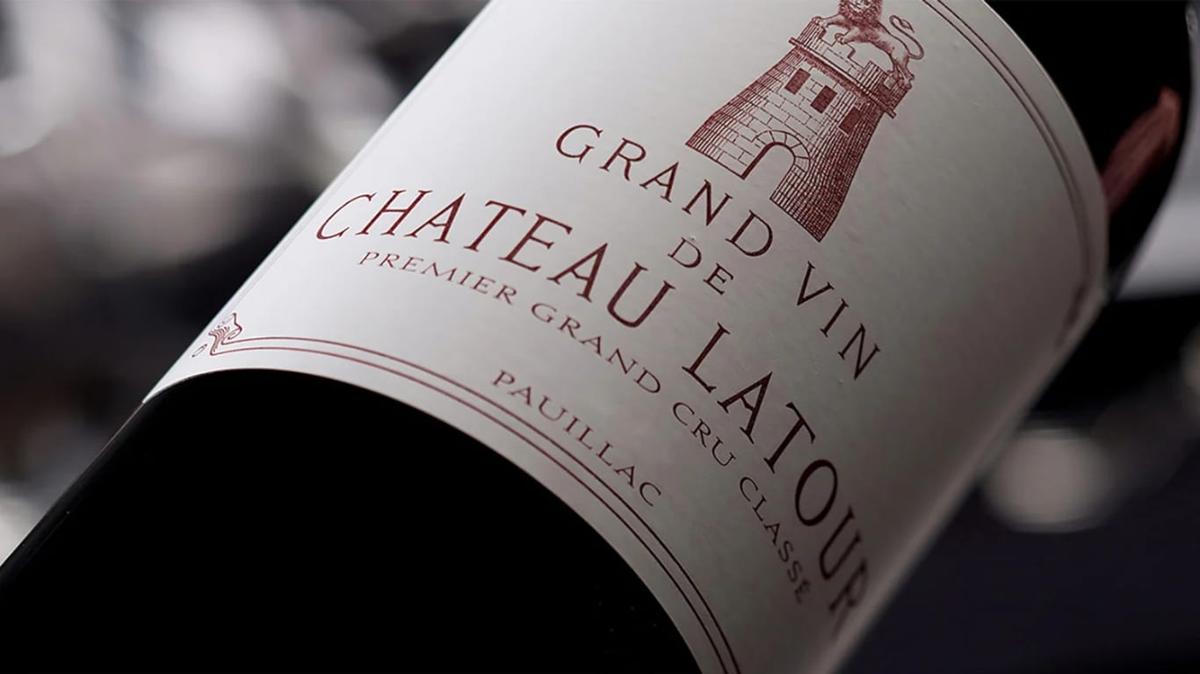
The first layer of any serious vintage research is regional context. The Bordeaux Left Bank's gravel soils support Cabernet Sauvignon-dominant blends from Pauillac, Saint-Estèphe, Saint-Julien, and Margaux. The Right Bank's clay-rich soils in Pomerol and Saint-Émilion produce Merlot-dominant wines led by Pétrus and Cheval Blanc.
Burgundy's narrow strip of the Côte d'Or produces grand crus from individual hectares of vineyard with character that shifts from one row to the next. Champagne's chalk-rich soils support the long-evolving sparkling wines from the great houses and the increasingly important grower-Champagne producers.
The work serious collectors do is to understand each region at a sufficient level of detail that the differences between producers, communes, and vintage character become legible. The classic regional-reference texts (Hugh Johnson's World Atlas of Wine, Jancis Robinson's The Oxford Companion to Wine, Karen MacNeil's The Wine Bible) remain the foundational background reading. The trade press extends the conversation through The World of Fine Wine, Decanter, Wine Spectator, Vinous, and The Wine Advocate.
Researching grape varieties and stylistic character
Each major variety brings characteristic ageability, drink-window dynamics, and stylistic register. Cabernet Sauvignon is long-ageing with structured tannins and savoury notes at maturity. Pinot Noir is more delicate, more terroir-expressive, with peak windows of 15–30 years for the great producers.
Nebbiolo is extraordinarily age-worthy, with the great Barolos peaking 25–40 years from a strong vintage. Riesling is one of the most underrated long-ageing whites in the world, with the great Mosel and Rheingau bottlings comfortably ageing 30–50 years.
The serious collector's work is to understand which producers handle each variety at the highest level, and which vintages have produced the most representative expressions. The trade press regularly publishes deep-dive features on these questions; the auction-house catalogues compile the secondary-market evidence; the merchant tastings provide the on-the-ground sensory data.
Investigating producers
The producer dimension is where the deepest serious-collector research happens. Each named domaine has its own multi-decade reputation, its own house style, its own historical strong and weak vintages, its own current trajectory. The collectors who do best build personal knowledge of perhaps 30 to 50 producers across the regions they care about.
Knowing how each handles a difficult vintage, where each sits relative to its peers, what each domaine's recent releases have shown.
The producer research builds across years. Trade-press features (the long-form domaine profiles in The World of Fine Wine and Vinous are particularly useful). Cellar visits when collectors travel to the regions.
Conversations with the merchants who handle the producers' allocations (Berry Bros & Rudd, Justerini & Brooks, Bordeaux Index). Tasting notes from previous vintages, both the collector's own notes and those published by the named critics. The cumulative effect across years is the depth of personal context that lets a serious collector make confident calls in the moment of release.
Reading critic scores and reviews
The major critic scores remain influential on the secondary market and worth understanding. Robert Parker's 100-point scale historically moved the Bordeaux market more than any other factor; Antonio Galloni's Vinous and William Kelley's work at the Wine Advocate now carry similar weight in different categories. Decanter's panel tastings, Wine Spectator's reviewer assignments, and Jancis Robinson's notes all contribute to the broader critical consensus.
The discipline experienced collectors apply is to read the critic scores in context. Understanding each critic's stylistic preferences, knowing which producers each rates more or less favourably than the broader market, and weighting accordingly.
A 96-point Galloni score on a Northern Rhône Syrah carries different information than a 96-point Parker score on the same wine. A Jancis Robinson 18.5 on a Burgundy white is read differently than a Galloni 95, and serious collectors learn the calibration over years.
Understanding market demand and supply dynamics
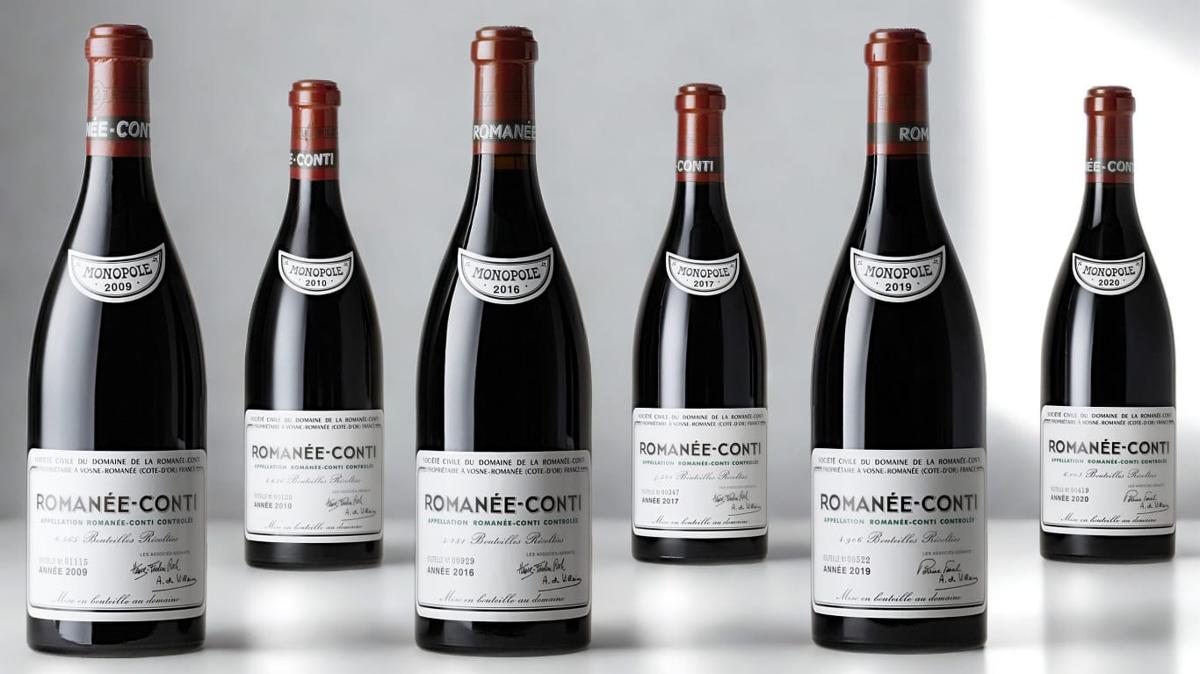
The supply side of the equation is often where amateur collectors miss. The named Burgundy domaines produce small quantities. Domaine de la Romanée-Conti's La Tâche runs to perhaps 1,800 cases globally per vintage; Coche-Dury's Corton-Charlemagne perhaps 300 cases.
When demand from collectors and the trade outpaces these tight supplies, the wines clear allocation lists and flow to the secondary market at substantial premiums.
Understanding which producers operate at which production volumes is part of the serious collector's working knowledge. The Romanée-Conti 1945 record at $558,000 reflects an extreme case of supply scarcity (production was tiny that year) meeting concentrated demand, but the underlying dynamic is the same one that moves prices across the Burgundy 150.
The demand side moves with broader shifts in collector geography. The China pullback of 2014–2015 from First Growth Bordeaux, the Asian market's increasing weight on the Burgundy demand picture since 2018, critic-driven discovery of previously-overlooked producers, broader economic conditions. The serious collector's work is to read these shifts through Liv-ex's reports, the trade press, and conversations with merchants, without overweighting any single factor.
Verifying authenticity and provenance
The research that matters most for individual purchases is provenance verification. Bottles without intact original wooden cases, verifiable storage history, and unbroken capsules increasingly struggle to clear at auction. The major auction houses' authentication programmes provide the practical defence against the counterfeit risk concentrated at the top of the market, particularly for the most-faked wines (1945 Mouton, the great older Pétrus and Le Pin vintages, any pre-1980 DRC).
The serious collector's discipline is to buy through reputable merchants and major auction houses, demand provenance documentation for any bottle of meaningful value, and walk away from any lot whose chain of custody can't be verified. The Rudy Kurniawan case in 2008 (the conviction of the Indonesian collector who counterfeited an estimated $35 million in rare Burgundy and Bordeaux) restructured the entire authentication discipline of the fine-wine market.
Bottles purchased from peer-to-peer channels without documentation carry the kind of risk that no amount of subsequent due diligence can fully rectify.
Planning the drink window
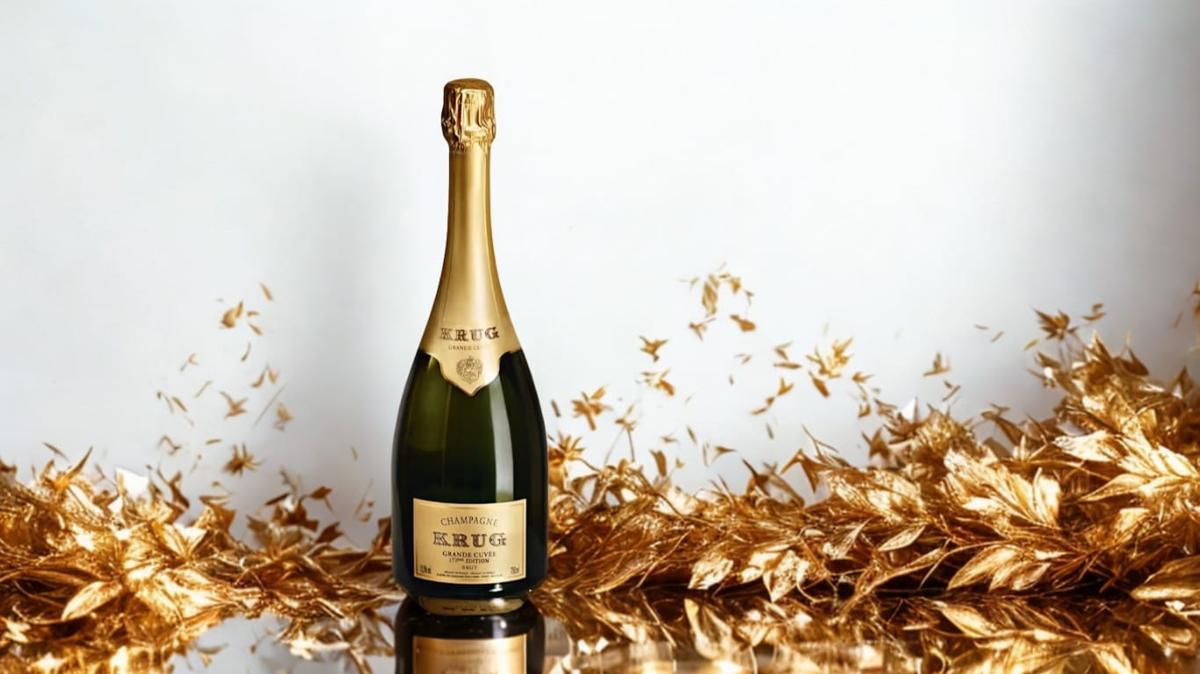
The other half of the research is about understanding when the wines will be ready. A 2010 Bordeaux from a First Growth is currently approaching peak drinking window; a 2018 Bordeaux from the same producer is still tightly wound and likely 10 years from peak. A 2002 Champagne from Krug or Cristal is at peak now; a 2012 vintage Champagne is still a decade from full development.
The serious collector's cellar planning is built around knowing when each producer's bottlings from each vintage will be ready, and timing the buying, holding, and drinking decisions accordingly. The published critic notes typically include drink-window estimates; the trade press extends the conversation through retrospective tastings of mature vintages, with Vinous's "Vintage" reports the most thorough.
Building the knowledge base over years
The pattern most serious collectors converge on is to read consistently, taste widely, attend the major regional events when the calendar allows (Vinexposium, the Bordeaux primeur week, the major auction-house pre-sale tastings), and build merchant relationships with the named houses that supply the wines they care about. The knowledge compounds. Year five looks nothing like year one.
Year fifteen, with the cellar fully built and the personal context across producers and vintages established, looks nothing like year five.
What this means for collectors
The research isn't a chore. For most serious collectors, it is the part of the work that is most rewarding. The slow accumulation of the kind of depth that lets the collector make confident calls in the moment, hold the right bottles for the right windows, and arrive at the dinner table with bottles that have been chosen rather than just bought.
The named publications and the major auction houses are the infrastructure that makes that depth possible. The collectors who use them consistently end up with cellars built around documented research rather than impulse, and that is most of what separates the cellars that compound from the ones that don't. We last reviewed this analysis in May 2026.