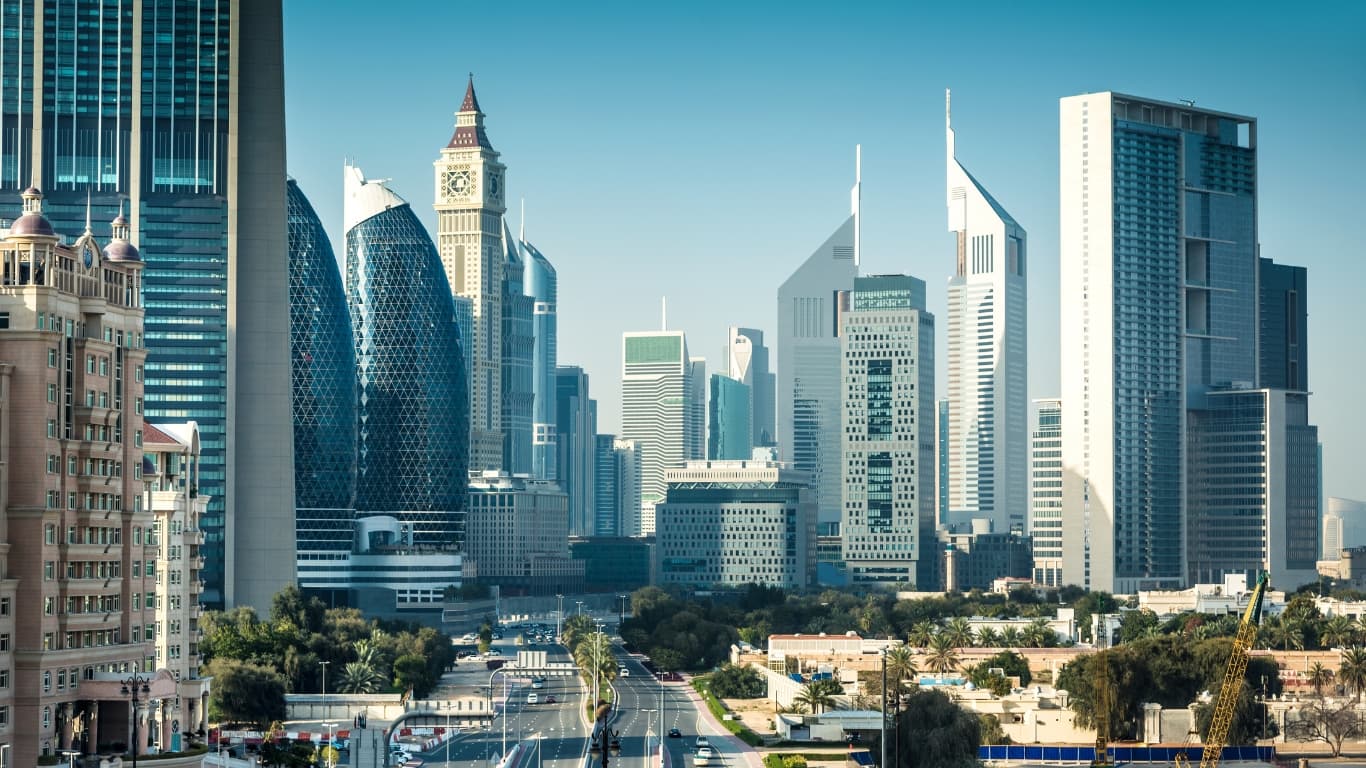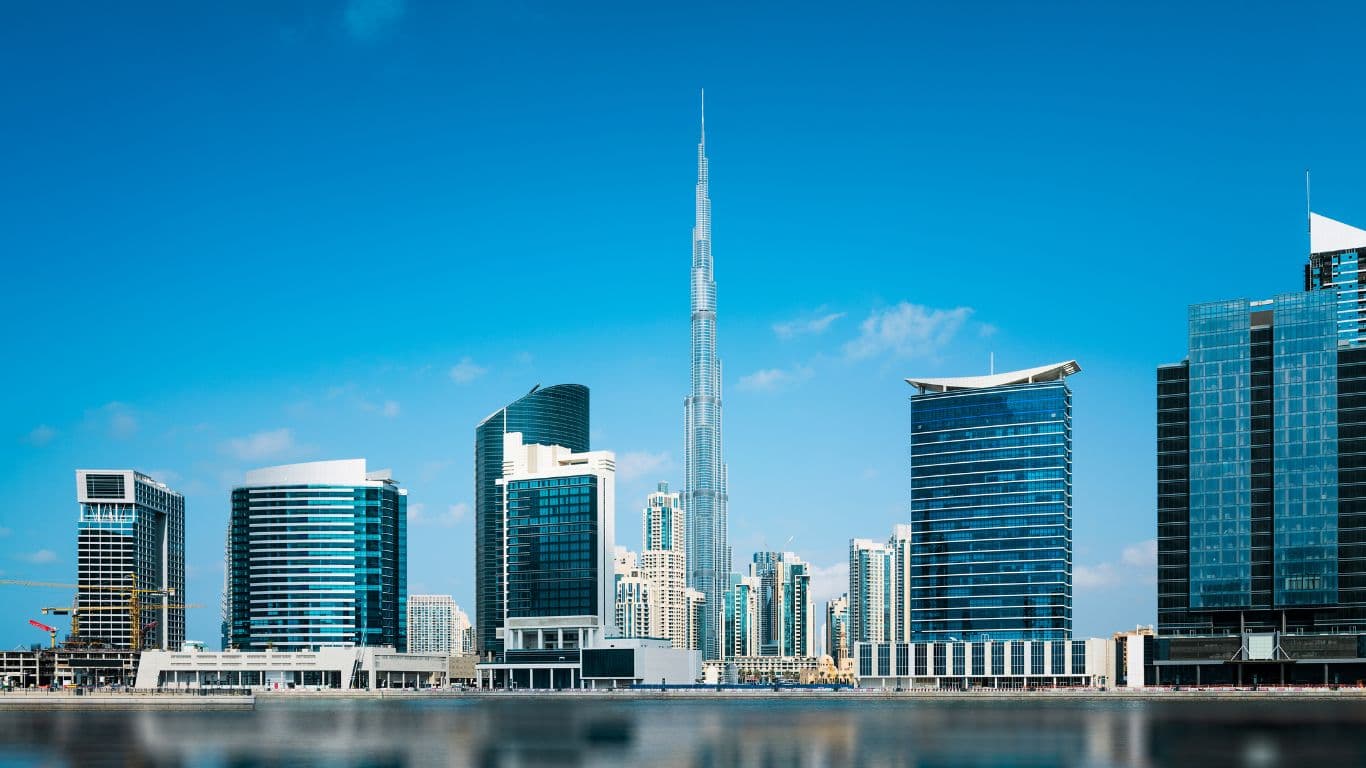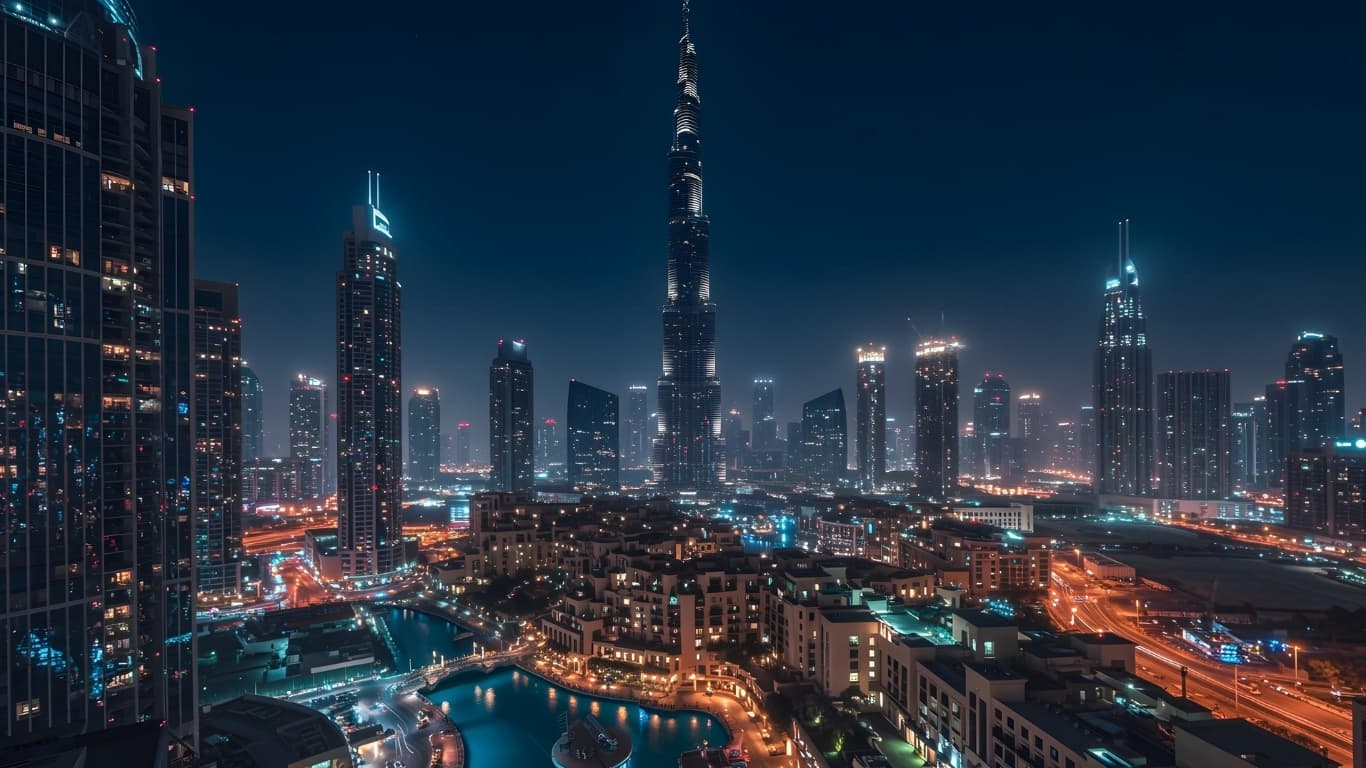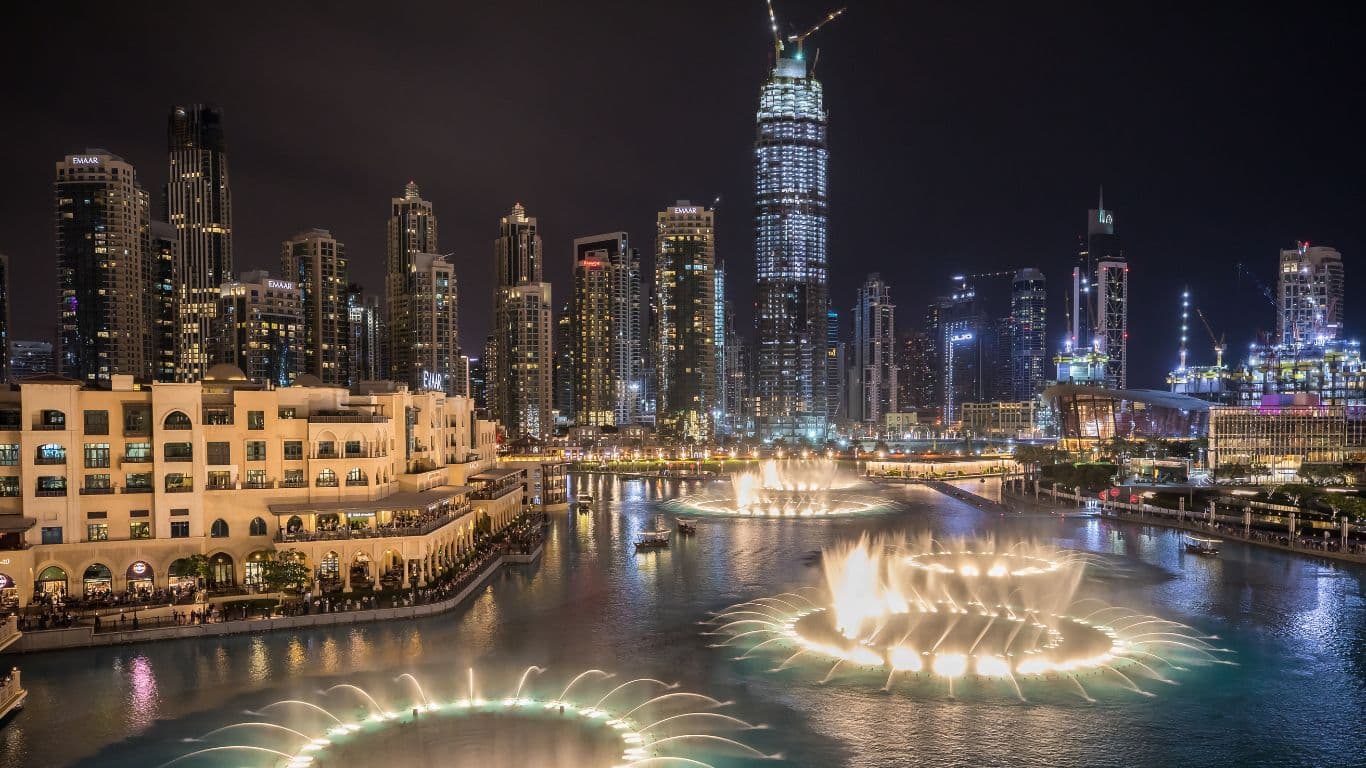
The question keeps surfacing in our inbox: is Dubai still the city that makes sense to buy a place in? The honest answer, from where we sit in 2026, is that the question itself has become harder to answer cleanly — and that's a sign of how much the market has matured. Five years ago Dubai was a story about pace. Today it's a story about which addresses, which builders, and which neighborhoods have settled into something that feels closer to permanence.
The numbers from the Dubai Land Department tell the broad arc. The DLD's 2024 transaction tally crossed AED 750 billion for the first time, an 18% jump on 2023, with the prime segment above AED 20 million accounting for roughly a third of that volume by value. Knight Frank's 2025 Wealth Report listed Dubai among the four most-bought-into prime markets globally, alongside London, New York, and Singapore. Those are the headline figures. The texture below them is more interesting.
The buyers, by passport
The Dubai of the 2010s was a Russian and South Asian story. The Dubai of 2026 is more diversified. Mansion Global's 2025 Dubai dispatch and Engel & Völkers' regional buyer survey both put British, Indian, Russian, German, and American purchasers in the top six nationalities by sale count last year — with American buyers up sharply year over year, partly tax-driven, partly a Miami-versus-Dubai weather call, partly the same ease-of-residency conversation Lisbon and Athens have been having.
The buyer profile has shifted too. Where Dubai once leaned on entry-level apartment buyers chasing rental flow, the prime segment is now anchored by family offices, second-home owners with primary bases in London or Geneva, and a wave of founders relocating after exits. The Golden Visa tied to property ownership at AED 2 million has been the legal pivot. Whether or not buyers exercise the visa, the existence of the option has moved Dubai from "a place to park money" to "a place to set up a household."
The neighborhoods that hold
The geography of demand has narrowed and deepened. Five neighborhoods do most of the prime work. Palm Jumeirah remains the ceiling — the Atlantis the Royal residences, Como Residences (Damac), and the Bulgari villas have pulled the per-square-foot conversation past AED 9,000. Emirates Hills holds the equestrian and large-villa segment; the lake-fronting plots there rarely come up at all, and when they do, the transactions are often off-market. Dubai Hills is the family choice, with the Vista Lux releases and the Address Residences turning the master-community model into something closer to a Beverly Hills-style enclave.
Downtown remains the high-rise marquee — the Burj Khalifa, the Address, Volta tower — and Marina has matured from the early-2010s investor circus into something quieter. The breakout in 2025 was Dubai South and the Expo City zone, where the post-Expo planning has produced master-planned releases pitched at owner-occupiers rather than flip-buyers. Architects who have done serious Riyadh and Doha work — Foster + Partners, Zaha Hadid Architects, KOZ — are involved in the schemes there.
The off-plan question
Off-plan still accounts for more than half of new residential deals. The DLD's 2024 figures put the split at roughly 55% off-plan to 45% ready. That ratio has implications for buyers. Dubai's developer ecosystem includes both anchor builders with three decades of delivery (Emaar, Damac, Nakheel, Sobha) and a long tail of newer players whose track record is shorter. Mansion Global's 2024 builder analysis listed delivery delay as the top complaint among repeat Dubai buyers; the takeaway, for anyone considering an off-plan unit, is that the builder matters more than the address.
The branded-residence wave continues. Bulgari, Armani, and Cavalli have anchored the early generation. The 2025 launches have included One&Only Za'abeel, the Mandarin Oriental Jumeirah, and the Bvlgari residences extension. Mansion Global put the global branded-residence pipeline at 740 schemes by Savills' count, with Dubai second only to Miami. The structure here is familiar — a developer partners with a hospitality brand, the brand provides the operations, the buyer pays a premium for service and resale predictability.
What's actually attractive about it
Three things. First, Dubai is one of the few prime cities in the world where the developer ecosystem can deliver a fully fitted apartment within 24 months from groundbreak. Owners landing into a finished unit don't have to go through the renovation cycle that defines London or Paris purchases. Second, the regulatory framework — RERA, the escrow account requirement, the title deed system — has matured to a point where transactions clear in days rather than weeks. The DLD's online platform is closer to a Land Registry than to a Wild West. Third, the no-personal-income-tax framework, the Golden Visa, and the world-class school system (Repton, Dwight, GEMS) give buyers operational reasons to actually move in.
What's still worth being honest about
The market has long cycles. The 2008-2009 correction took 30%-plus off the prime segment. The 2014-2015 oil-price-driven slowdown took another 15%. The 2020 pandemic correction was sharp but brief. Buyers who entered in 2015 and held through the cycle are sitting on meaningful gains; buyers who entered at the 2014 peak waited until 2022 to recover. The dynamic is what it is. Anyone buying in Dubai for a one-year horizon is misreading the city.
The other honest point: not all builders are equal. The four-decade ecosystem includes some names with paper-thin balance sheets and three-year delivery delays. The standard buyer's-side question — who built it, how many on-time projects do they have, and what's their service-charge record — applies more in Dubai than almost anywhere else.
The takeaway
Dubai in 2026 is no longer a frontier conversation. It's a prime market with depth, regulatory infrastructure, and a buyer field that looks more like London or Singapore than like a speculative outpost. The cities that compete for the global ultra-prime customer — London, New York, Paris, Singapore, Hong Kong, Miami — now include Dubai by every meaningful metric. The buyers we talk to who have actually moved in say the same thing: it's a city designed for the owner who plans to use the property, not just hold it. That's a durable place to be.

Savvas Agathangelou
Savvas Agathangelou co-founded The Luxury Playbook and has spent years reporting from the prime postcodes the magazine covers — Mayfair, Knightsbridge, the Athens Riviera, Dubai's Palm crescents, and the southern Mediterranean coastlines where the world's wealthy keep coming back. His background is in international hospitality, and that frame shapes how he writes about property: the developer's choices, the architect's signature, the agency's bench of named brokers, the building's service standard once the buyer moves in. He files developer spotlights, agency profiles, and the seasonal "Properties That Defined" listicles, and he hosts the magazine's founder-and-leadership interviews on the Voices side.