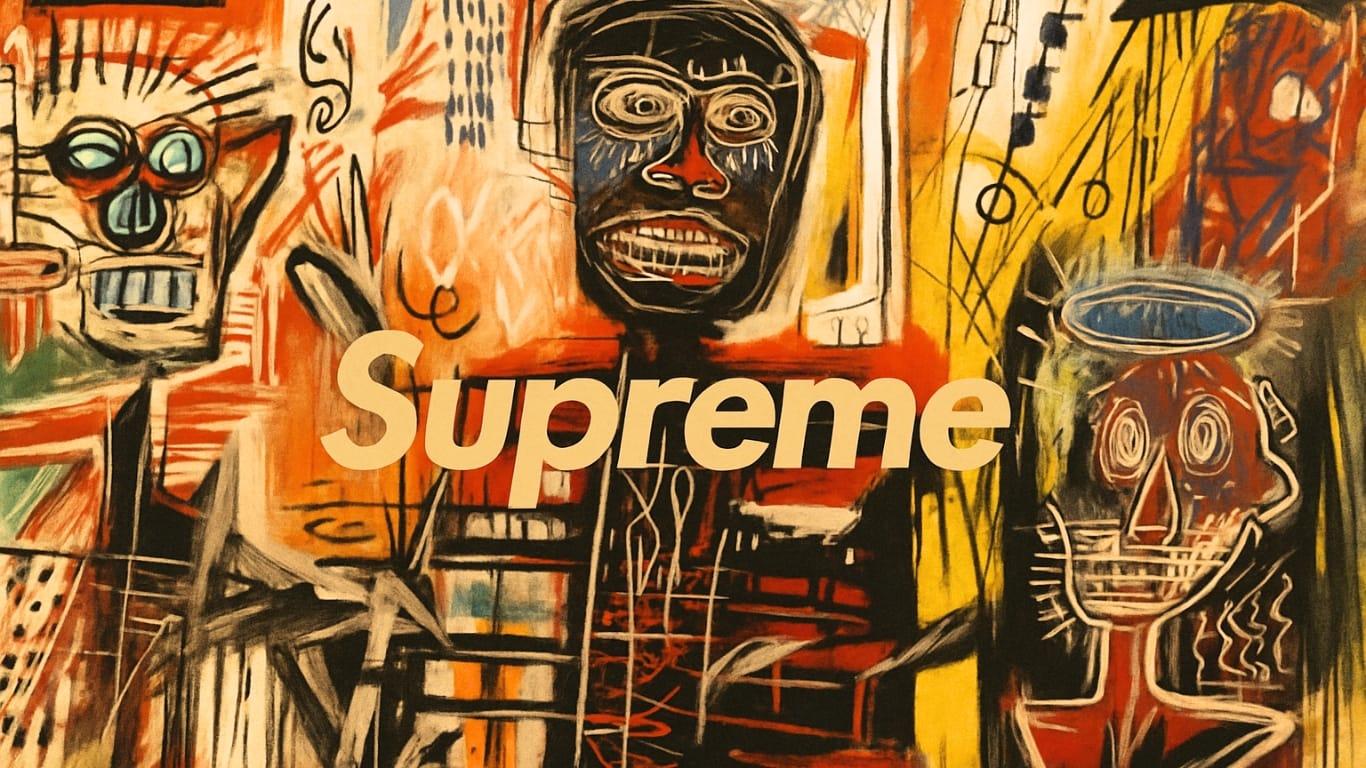
Luxury brands have been reshaping the contemporary art market for two decades, and the structural changes they have produced are no longer at the edge of the segment. They run through it. LVMH, Kering, and the Richemont group operate institutional collecting programmes, run exhibition spaces, and underwrite cultural sponsorship at a scale that puts them alongside the major foundation segment in market influence.
The pattern is recognisable to anyone who has followed the trade for a generation. The Fondation Louis Vuitton, the Pinault Collection through Kering's parent Artémis, and Cartier's Fondation Cartier pour l'art contemporain together command an acquisition footprint comparable to the largest institutional museums in their respective cities.
- LVMH, Kering and Richemont now operate institutional collecting programmes, run exhibition spaces and underwrite cultural sponsorship at a scale that matches major museum institutions.
- The Fondation Louis Vuitton, opened in 2014 with the Frank Gehry building in Paris, has hosted Schiele, Basquiat, Morozov, Joan Mitchell, Pierre Soulages and Mark Rothko.
- The Rothko exhibition at the Fondation Louis Vuitton drew over seven hundred and fifty thousand visitors in 2024, placing it among the most attended exhibitions in Europe.
- The Pinault Collection at Palazzo Grassi, Punta della Dogana and the Bourse de Commerce is the most active foundation collector in the broader European segment.
- Cartier’s Fondation Cartier pour l’art contemporain has the longest continuous track record of the luxury-brand foundation segment, dating to 1984 under Herve Chandes since 1991.
- The trade tracks Pinault Collection acquisitions as a leading indicator for which artists are likely to see institutional ratification across the following decade.
- Who is this for?
- Contemporary collectors, advisors and observers tracking how luxury groups operate cultural infrastructure that now sits alongside major foundations and museum institutions in market influence.
- What is happening?
- An editorial read on how LVMH, Kering and Cartier are reshaping the contemporary art market, covering the cultural footprint, exhibition programming and the collector and dealer effects.
- When did this emerge?
- Most relevant around the foundation-led exhibitions in Paris, Milan and Venice and the major contemporary sales at Christie’s, Sotheby’s and Phillips throughout each year.
- Where is this happening?
- Centred on Paris, Milan, Venice and the broader European luxury-foundation network, with active acquisition desks across the major mega-gallery, fair and auction channels.
- Why does it matter?
- Understanding the luxury-brand foundation footprint is essential context for collectors and advisors, because the segment now drives meaningful share of contemporary demand and institutional rerating.
The LVMH cultural footprint
Bernard Arnault's strategy across LVMH centres a deep cultural infrastructure that the brands then operate within. The Fondation Louis Vuitton, opened in 2014 with the Frank Gehry building in Paris, has hosted Schiele, Basquiat, Morozov, Joan Mitchell and Pierre Soulages, and the Mark Rothko exhibition that drew over 750,000 visitors in 2024.
The acquisitions function alongside the exhibition programme. The Foundation has built collection depth across early-20th-century masters, postwar abstraction, and the contemporary cohort our blue-chip artists defining 2026 coverage tracks.
The brand-level activity extends across the group. Louis Vuitton's continuing artist collaborations, Murakami, Kusama, the more recent Murakami refresh, sit alongside the Foundation's programming as parallel cultural projects.
The Pinault axis
François Pinault's collection, separate from but connected to Kering's broader cultural footprint through Artémis, is the most active foundation collector in the European segment. The Palazzo Grassi, the Punta della Dogana, and the Bourse de Commerce in Paris house a collection that adds contemporary and post-war material continuously through Pace, Zwirner, Hauser & Wirth, and the major auction houses.
The institutional throughput is large enough to be a measurable factor in the segment's overall demand. The trade quietly tracks Pinault Collection acquisitions as a leading indicator for which artists are likely to see institutional ratification across the following decade.
Cartier's longer arc
Cartier's Fondation Cartier pour l'art contemporain has the longest continuous track record of the luxury-brand foundation segment, dating to 1984. Hervé Chandès has directed the institution since 1991, and the programme has consistently supported artists outside the standard Western canon, including Beatriz Milhazes, Cai Guo-Qiang, Damián Ortega, Bill Viola, and the Daido Moriyama retrospectives.
The collection includes major holdings of Patti Smith's photographs, Ron Mueck sculptures, and contemporary African art that long predates the segment's broader institutional rerating. The 2025 reopening at the new Paris site sets the institution up for the next phase of its programme.
The collaboration economy
Brand-level artist collaborations have produced a market segment of their own. Louis Vuitton's Murakami and Kusama collaborations, Dior's Brian Donnelly (KAWS) collection, Hermès' Hiroshi Sugimoto and Paul Caponigro projects, and the Tiffany Daniel Arsham collaborations all sit at the intersection of luxury product and editioned art.
The market for these works is real and distinct. Our piece on KAWS figures covers the specific dynamics of the collaboration-led segment in detail.
The structural question the trade asks is whether the cohort's market will sustain through a generational shift. The answer is increasingly that it will, because the institutions have absorbed the cohort: the Pompidou, the Tate, and the Whitney all hold examples from the Louis Vuitton-Murakami and Dior-KAWS collaborations.
The corporate cultural budget at scale
The numbers behind the segment are large. LVMH, Kering, and Richemont together commit a multi-billion-dollar cultural budget annually across foundations, exhibitions, sponsorship, and collaboration projects. The figure is not publicly broken out, but the trade press tracks it through proxy measures: foundation visitor totals, exhibition catalogues, and sponsorship of major fair calendars.
The Venice Biennale, Art Basel Paris, Frieze London, and TEFAF Maastricht all carry visible luxury-brand presence at the booth, sponsorship, and reception layers. The brands have become structurally embedded in the calendar infrastructure of the market.
Our trends defining 2026 coverage tracks the broader convergence between luxury and the art-market institutional fabric.
The criticism, and the response
The art-world critique of luxury-brand involvement has been consistent for two decades: that the segment commodifies contemporary practice, distorts artist careers, and aligns institutional programming with commercial agendas. The critique has merit in specific cases.
The structural counter is that the luxury-brand foundation infrastructure has produced exhibition programming and scholarly catalogues of museum quality on artists who were under-supported by public institutions. The Fondation Cartier's role in supporting Cai Guo-Qiang's career, the Fondation Louis Vuitton's Schiele and Morozov projects, and the Fondazione Prada's deep engagement with Bruce Nauman are durable institutional achievements.
The trade has settled on the view that the segment is now part of the institutional infrastructure rather than a temporary commercial overlay. The artists know this, the galleries know this, and the auction houses estimate-set with the foundations and the brands in mind.
Where the model extends
The Middle East luxury cultural infrastructure is the segment's most visible recent expansion. The Louvre Abu Dhabi, the Sheikh Zayed Foundation acquisition activity, and the broader Gulf institutional programme have absorbed material at scale from the Western contemporary market and are now active programmers in their own right.
Asian luxury-brand cultural projects are extending in parallel. The Shiseido archives, the LVMH and Kering Asia exhibition programmes, and the regional foundation infrastructure in Singapore and Hong Kong all extend the model into the cohort our artists defining the market in 2026 coverage tracks.
The collector's read
For serious collectors, the luxury-brand foundation segment is a structural feature of the market to be navigated rather than ignored. Foundation exhibitions ratify artist reputations, foundation acquisitions remove supply from the secondary market, and foundation programming shapes which cohorts the trade treats as institutionally durable.
Our contemporary art collectors field guide sets out the broader segment and the way private collectors can build effective relationships with the foundation and brand infrastructure.
What this means for collectors
The luxury-brand foundations are not at the edge of the market. They are at the centre, and the centre is structurally embedded in their cultural strategy. Collectors who treat the segment as a partner rather than a competitor build more effectively than those who try to operate around it.
The next decade is likely to extend the model further: more geographies, more institutional capacity, more scale. The market that emerges will be more institutionally coordinated than the trade has been used to, and the collectors who adapt early will benefit most.
We last reviewed this analysis in May 2026.
Frequently Asked Questions
Which luxury brands run major art foundations?
LVMH operates the Fondation Louis Vuitton (Paris, opened 2014). Kering's parent Artémis is connected to the Pinault Collection at Palazzo Grassi, Punta della Dogana, and the Bourse de Commerce. Richemont's Cartier brand runs the Fondation Cartier pour l'art contemporain (Paris, founded 1984).
Prada operates the Fondazione Prada in Milan. The Beyeler Foundation in Basel anchors the segment's Swiss presence.
Do luxury-brand foundations affect art prices?
Measurably. Foundation acquisitions remove supply from the secondary market, foundation exhibitions ratify artist reputations, and the auction houses estimate-set with the foundations in mind. The Pinault Collection and Fondation Louis Vuitton in particular are treated by the trade as leading indicators for which artists will see institutional ratification across the following decade.
What are luxury-brand artist collaborations?
Brand-level projects where a major artist designs a product line, exhibition, or limited edition for a luxury maison. Louis Vuitton's Murakami and Kusama collaborations, Dior's KAWS collection, Hermès' Sugimoto and Caponigro projects, and Tiffany's Daniel Arsham collaboration anchor the cohort. The market for the resulting editions is real and distinct from the artists' primary studio markets.
Should serious collectors engage with luxury-brand foundations?
Yes, both as exhibition lenders and as relationship partners. The foundation infrastructure ratifies artist reputations and shapes which cohorts the trade treats as institutionally durable. Collectors who build effective relationships with the foundation and brand infrastructure benefit from the institutional support that comes with it, and the relationships are structured around lending, attendance, and shared exhibition programming.