Something shifted after younger investors watched inflation surge past 9% in 2022 while crypto markets imploded spectacularly, not once but multiple times.
The pandemic produced twin crises of confidence. Trust in paper assets eroded as inflation devoured purchasing power, while purely digital bets like NFTs proved worthless the moment hype cycles ended. You were left watching both ends of the spectrum fail at once.
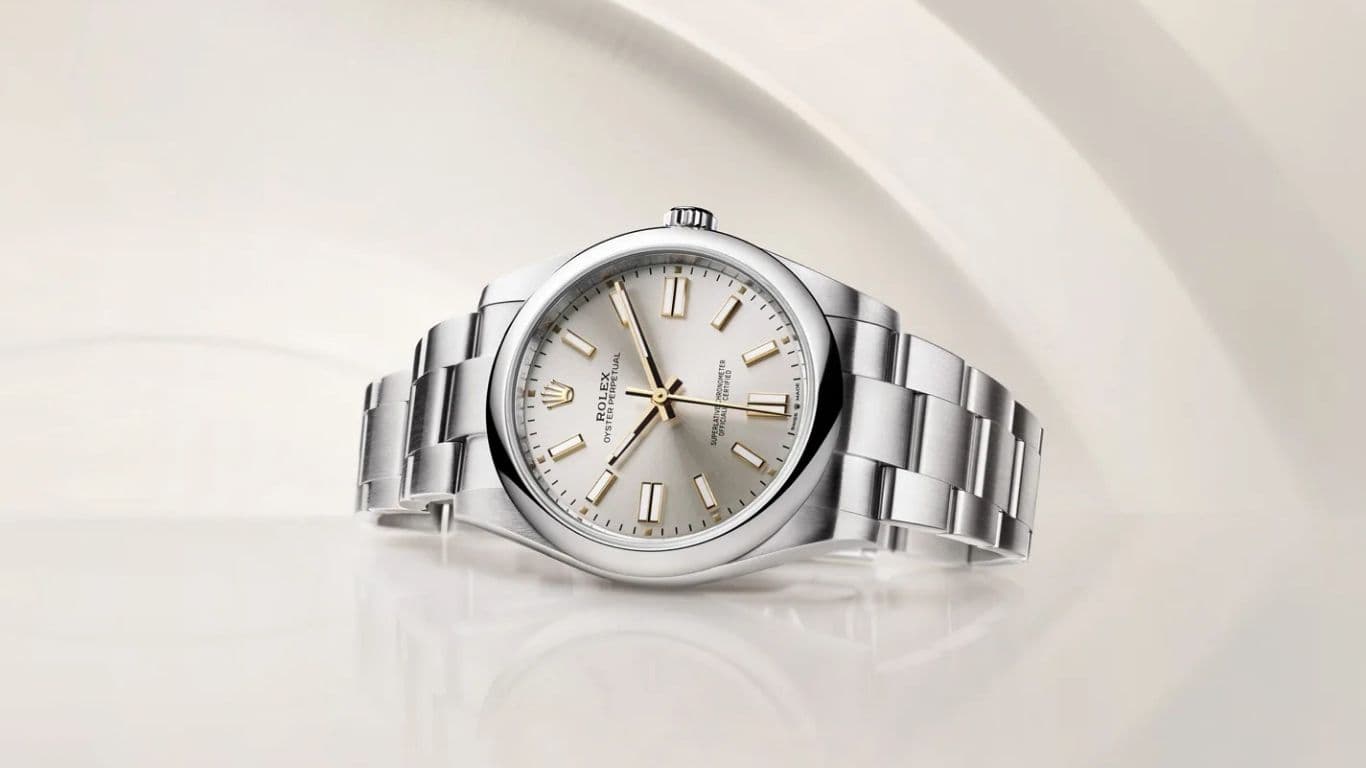
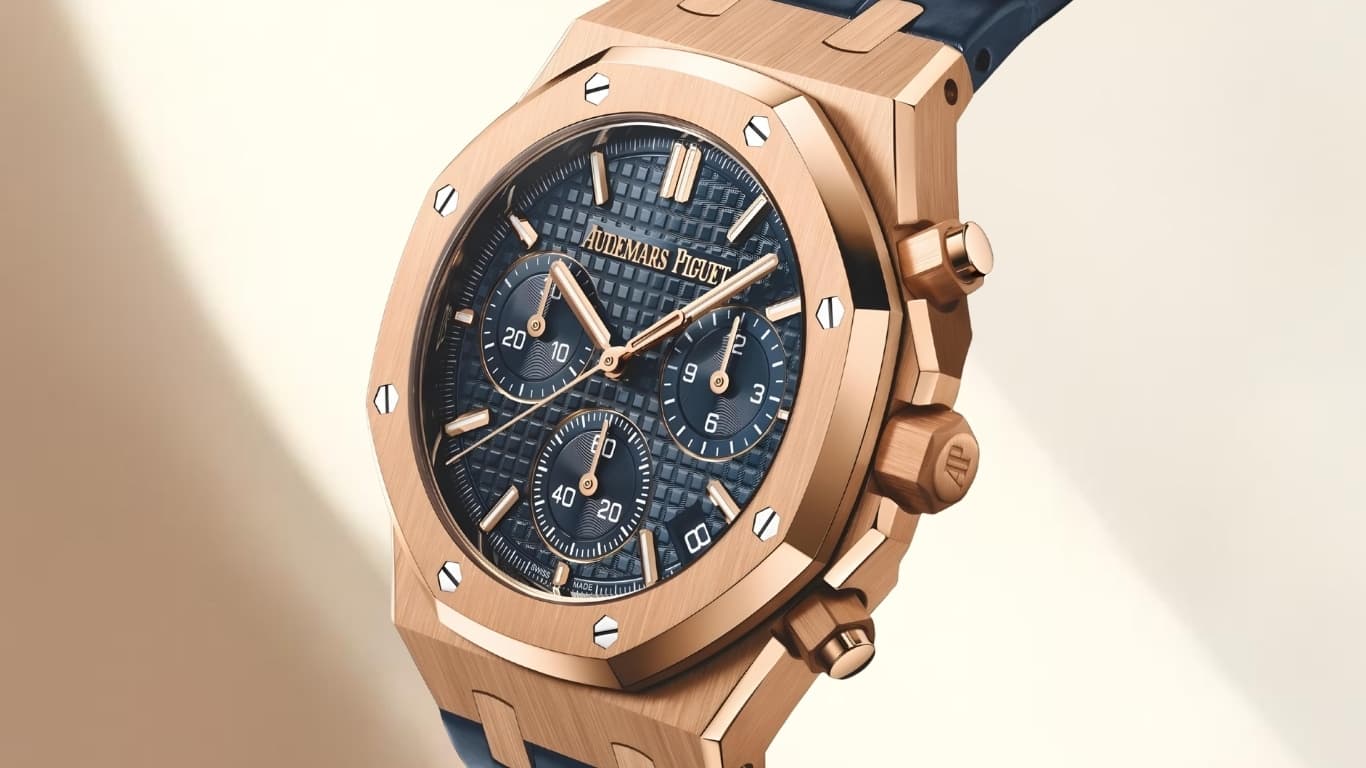
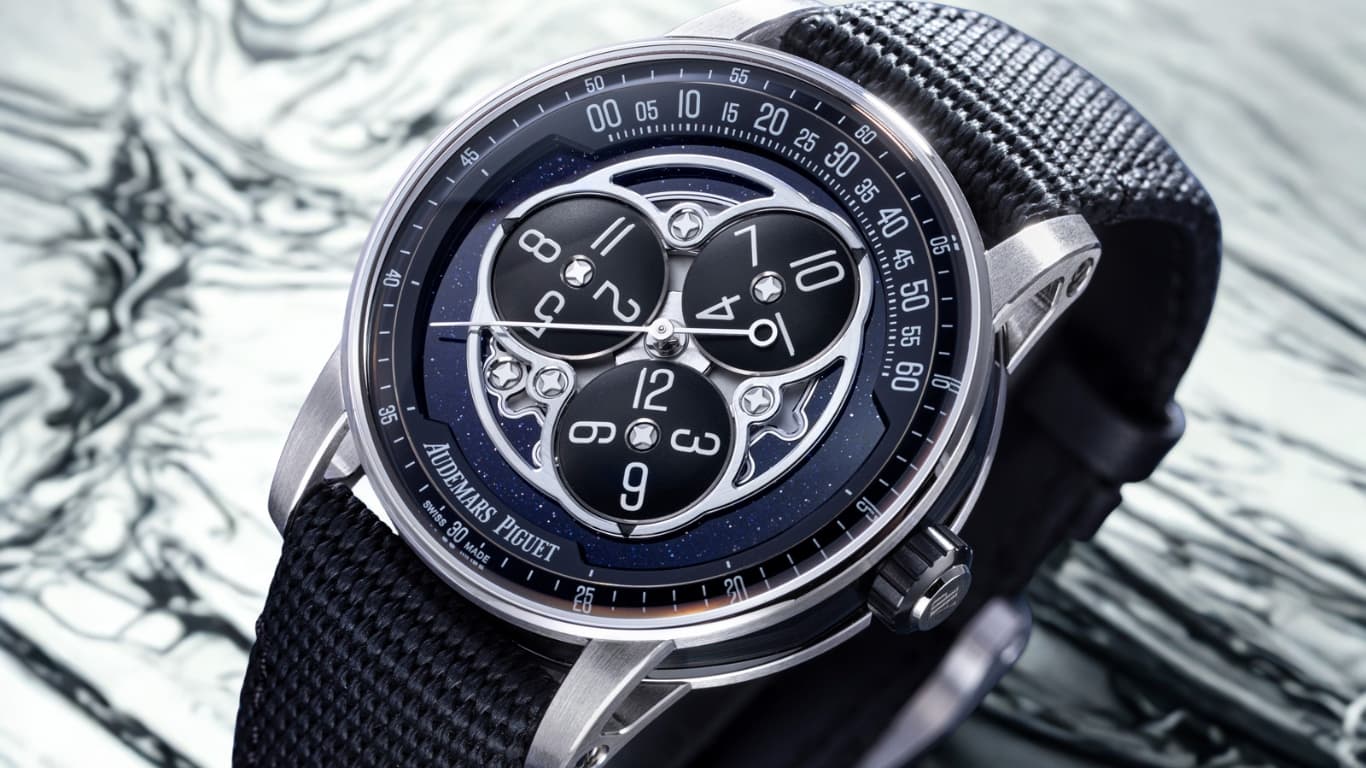
Luxury watches emerged as perhaps the most interesting beneficiary of this quality shift toward assets with genuine scarcity, serviceability, and provenance. If you were paying attention, the signal was hard to miss.
Deloitte’s 2024 watch study found that one in five consumers now view watch purchases explicitly as investments rather than lifestyle acquisitions, while market projections show the sector reaching anywhere from $62 billion by 2030 to potentially $134.5 billion by 2032 depending on methodology.
Table of Contents
Key Takeaways
Navigate between overview and detailed analysisKey Takeaways
- Gen Z investors are redefining luxury demand, prioritizing authenticity, longevity, and tangible value after watching inflation surge above 9% in 2022 and crypto markets implode multiple times.
- Deloitte’s 2024 data shows 1 in 5 consumers now view watches as investments, while market forecasts project the global watch sector reaching $62–134.5 billion by 2030–2032, underscoring watches’ new role as a credible asset class.
- The correction of 2023–2024 has given way to stability: Rolex prices flat to +0.2%, Patek Philippe +1.1%, and the Rolex Submariner 126610 selling within 21 days on average, demonstrating liquidity levels rivaling financial assets.
- Digital infrastructure—Chrono24, Bezel, eBay Authenticity Guarantee, and blockchain certificates—has democratized access, making global trading transparent and secure for younger investors comfortable blending analytics with passion.
- Mechanical watches now embody anti-obsolescence investing: durable, serviceable, and globally liquid assets that align with Gen Z’s long-term mindset, environmental values, and preference for tangible, inflation-resistant stores of value.
The Five Ws Analysis
- Who:
- Gen Z investors and collectors driving the fastest growth segment in the global luxury watch market.
- What:
- A generational shift positioning luxury watches as investment-grade tangible assets rather than lifestyle accessories.
- When:
- Momentum accelerating post-2022 amid inflation, crypto collapses, and renewed trust in physical value.
- Where:
- Global—led by the U.S., Japan, and the Middle East, with secondary-market hubs like Chrono24 and WatchCharts enabling cross-border liquidity.
- Why:
- Because watches combine scarcity, durability, transparency, and emotional permanence, offering both cultural relevance and portfolio stability in an era of digital volatility.
The Gen Z Investor Mindset Focuses on Lasting Value Over Fast Trends
The difference between how Gen Z and Millennials approach luxury shows up most clearly in what they actually value when opening their wallets. Where Millennials often chased novelty and digital experiences, Gen Z leans heavily into durability, heritage, and authenticity, as Deloitte’s research documents across categories.
Many in this younger cohort actively prefer walking into physical stores and using trusted resale channels after watching online hype cycles crash repeatedly. There’s a deep wariness about purely digital value propositions that comes from growing up watching crypto fortunes evaporate, NFT collections become worthless overnight, and influencer schemes collapse the moment new buyers stop showing up. If you’ve lived through that, you develop a healthy skepticism fast.
Social media paradoxically drives this flight toward tangible assets rather than away from them. TikTok watch content and Reddit finance discussions have democratized information about luxury timepieces in ways that would have been impossible a decade ago. Price index sites like WatchCharts and Subdial make real-time valuation data accessible to anyone, turning what used to be opaque dealer knowledge into transparent market information you can act on.
The interest translates into actual buying behavior rather than just aspiration. Chrono24 found that over one-third of Gen Z respondents already own or plan to buy a high-quality watch, with 20% of those aged 18 to 24 planning purchases within the next 12 months. These aren’t vague someday intentions but near-term buying plans backed by research and saved money.
Financial Times coverage documented Gen Z fueling second-hand watch growth in a sector already worth roughly $27 billion and expanding at double digits annually. Marketplace data consistently shows younger buyers’ outsized engagement with pre-owned inventory, where you can access quality timepieces at more reasonable entry points while still capturing appreciation potential if you choose models carefully, using the same data-driven approach you’d apply to stock investing.
What makes watches resonate psychologically goes beyond just financial returns into something deeper about permanence and identity. A well-made mechanical watch embodies craft with service lifecycles measured in decades rather than the 18 months before your smartphone becomes obsolete. It pushes back against the planned obsolescence defining most consumer technology, offering something you can potentially wear for fifty years or pass to your children.
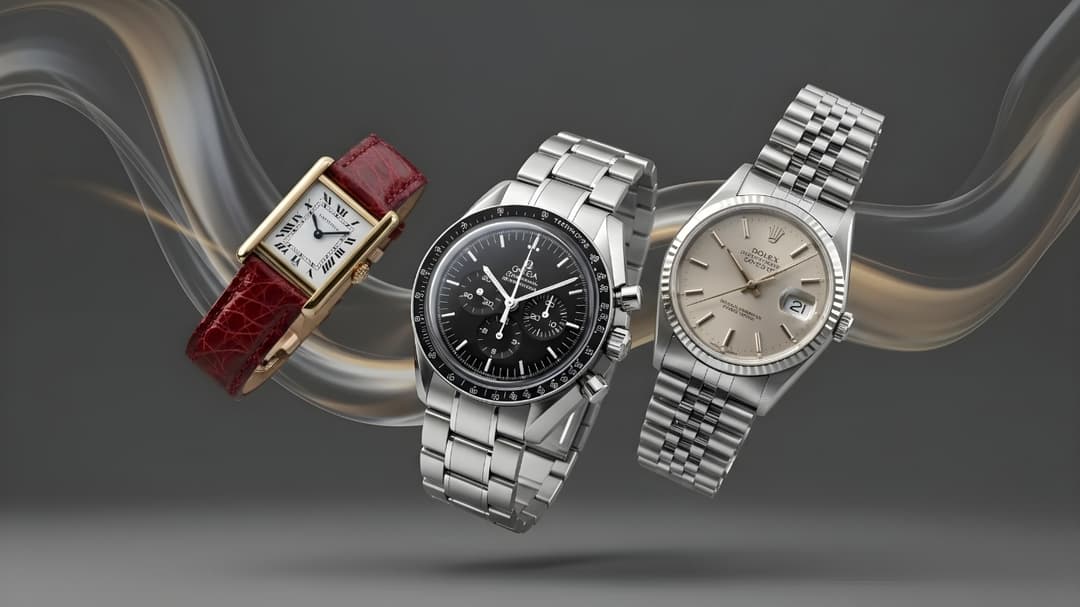 Omega Speedmaster Professional, and Rolex Datejust — showcasing iconic designs and enduring investment value in fine timepieces." class="wp-image-30873">
Watch Values Are Outpacing Inflation and Matching Equity Returns
The secondary watch market has found its footing after the sharp correction that worked through 2023 and 2024, stabilizing in ways that actually make watches more credible as investments because pricing now reflects genuine demand rather than speculative fever.
Morgan Stanley and WatchCharts analysis showed Patek Philippe up 1.1% quarter over quarter in Q2 2025, while Rolex dipped just 0.2%, meaning the blue chips have essentially flatlined or turned slightly positive after the excesses got wrung out.
This shift from froth to fundamentals, as analysts describe it, matters because it points to a sustainable base rather than artificial support waiting to collapse. And for you as an investor, that distinction is everything.
Brand concentration at the top creates structural advantages that smaller watchmakers simply cannot replicate. Morgan Stanley and LuxeConsult research shows Rolex commanding roughly 32% of Swiss watch market value share, with the top four brands exceeding 50% combined.
Luxury Watch Brand Retail Market Share
Estimated retail market share of premium watch brands showing Rolex’s market dominance at 32.1%, followed by Cartier at 8.0%, Omega at 7.0%, and other leading Swiss luxury watchmakers.
Key Market Insights
- Rolex Dominance: Rolex commands nearly one-third of the luxury watch retail market at 32.1%, significantly outpacing all competitors
- Top 3 Concentration: Rolex, Cartier (8.0%), and Omega (7.0%) collectively control 47.1% of the market, demonstrating strong brand consolidation
- Independent Brands: Patek Philippe (6.5%) and Audemars Piguet (5.2%) maintain significant market share despite being independent manufactures
- Ultra-Luxury Segment: Richard Mille (3.2%) has achieved remarkable market share for a relatively young brand in the ultra-high-end segment
- Swiss Trinity: Vacheron Constantin (2.5%), Audemars Piguet (5.2%), and Patek Philippe (6.5%) represent the traditional “Holy Trinity” with combined 14.2% share
- Fragmented Competition: “Others” category at 18.5% indicates significant market fragmentation below the top brands
When one manufacturer controls nearly a third of the entire luxury watch market, its core references essentially become blue chip holdings. That kind of concentration brings a stability that collectors can actually rely on when thinking seriously about capital allocation. If you're building a tangible asset portfolio, that matters more than most people realize.
Real-time data from 2026 reveals genuine strength emerging in specific references after the broader correction. WatchCharts monthly tracking caught the Rolex Sea-Dweller climbing 2.8% in a single month, while broader blue-chip baskets moved from sustained decline through early 2024 into flat or modestly positive territory. The pattern suggests the worst has passed and values are finding support at levels where serious collectors see opportunity rather than just speculators hoping for quick flips. For a deeper look at how individual Rolex references perform over time, this breakdown of the most expensive Rolex watches and their ROI is worth your time.
Popular Rolex references also sell remarkably fast. The Submariner 126610 showed a median time to sell of just 21.5 days in recent tracking data, moving faster than 96% of watches monitored by WatchCharts. That kind of liquidity is rare in the alternative asset world.
When you can liquidate a $15,000 asset in three weeks through established marketplaces with transparent pricing, you're operating with fluidity approaching publicly traded securities rather than the months or years typical for art, wine, or classic cars.
During inflationary periods, wealth historically rotates toward tangible stores of value, a pattern visible in Knight Frank's luxury investment tracking and reinforced by how Deloitte frames watches in their research. The correlation played out clearly in 2021 and 2022 when consumer prices surged and watch valuations followed. That said, the subsequent correction reminds you that gains concentrate in specific brands and models rather than lifting everything indiscriminately.
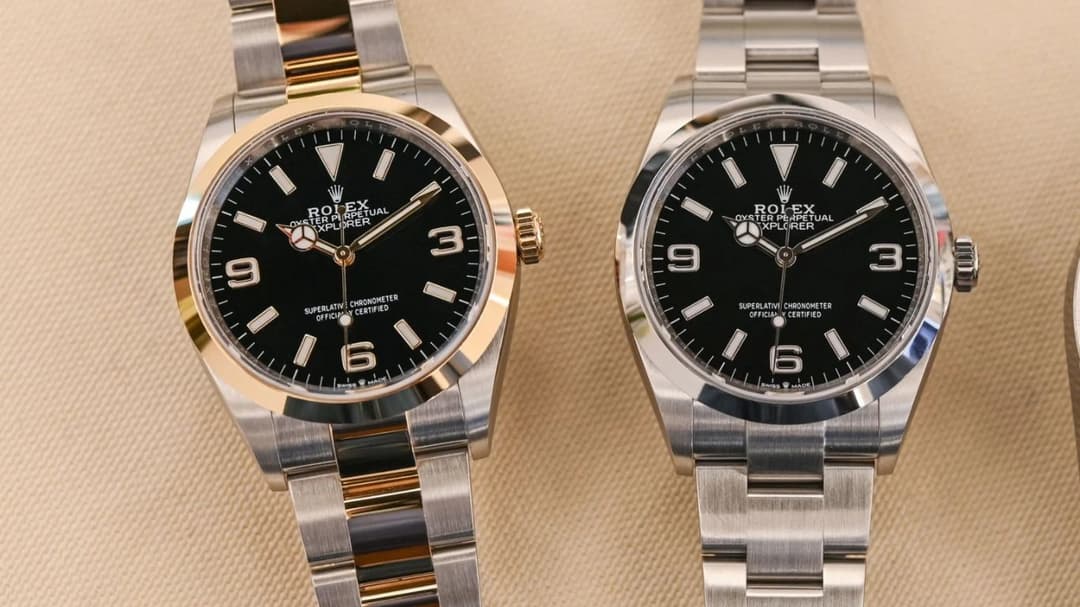
New Platforms Are Making Watch Investing Accessible and Liquid
The transformation of watch buying from relationship-dependent dealer transactions into transparent marketplace commerce has fundamentally altered who can participate and how confidently they can transact across borders. Platforms like Chrono24, Bezel, and WatchBox create global buyer pools with pricing transparency that directly benefits liquidity and market efficiency. If you've ever tried to sell a watch through traditional channels, you'll immediately understand why this shift matters.
Bezel alone processed over $750 million in listings during the first half of 2025, providing granular brand demand data while implementing counterfeit screening that addresses one of the biggest barriers preventing newcomers from buying with confidence.
Authentication infrastructure also evolved dramatically from the caveat emptor days when purchasing any watch outside authorized dealers meant accepting substantial fraud risk.
eBay's Authenticity Guarantee now covers watches at $2,000 and above, with optional coverage starting at $500, meaningfully lowering fraud concerns for first-time buyers who'd otherwise stick to authorized dealers despite paying premiums. Breitling went further by issuing blockchain digital passports through Arianee that provide cryptographic proof of authenticity and complete ownership history, bringing a level of transparency that was simply impossible five years ago.
Gen Z's natural comfort blending passion with analytics makes this generation a perfect fit for this newly liquid market structure. They follow WatchCharts and Subdial indices the way older generations tracked stock tickers, use social media for cross-market price comparisons, and rely on platform guarantees from Chrono24 and Bezel rather than just trusting individual sellers with unverifiable reputations. If you want to understand which specific references have the strongest investment track records, this guide on Daytona dial variants and their investment returns gives you a solid starting point.
Financial Times coverage of Gen Z's secondary market orientation captures how this generation approaches watches with an investment discipline older collectors often lacked, treating purchases as deliberate allocation decisions rather than impulse acquisitions justified after the fact.
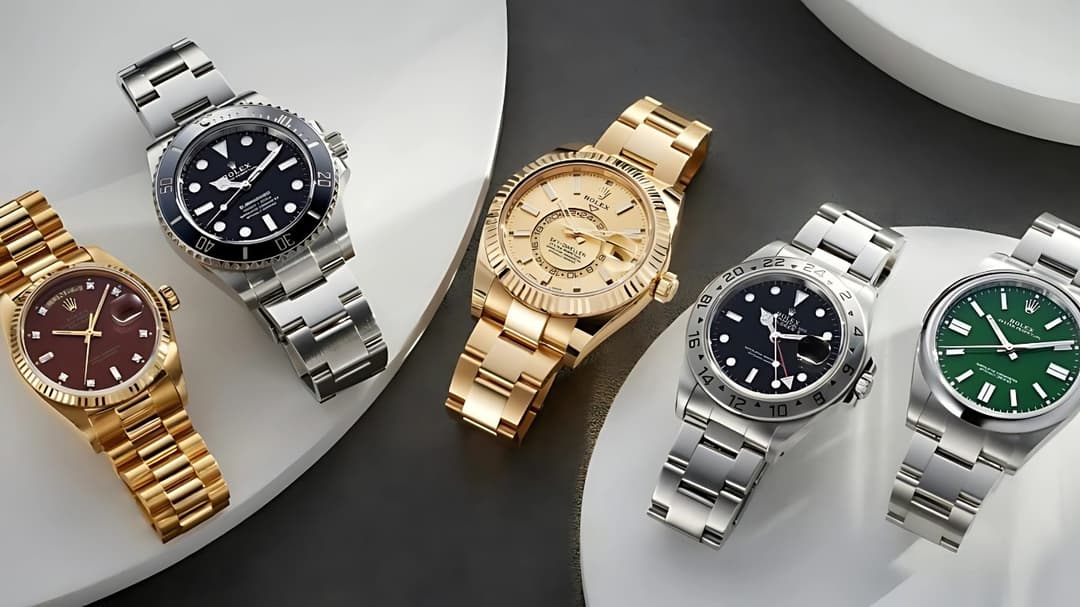
Timepieces Represent More Than a Passing Trend for Gen Z
Mechanical watches offer something increasingly rare in modern consumer culture, products explicitly designed to be repaired, serviced, and passed across generations rather than replaced on upgrade cycles. This aligns powerfully with Gen Z's documented preference for buying less but buying better, combined with active resistance to the planned obsolescence defining most technology and fashion.
Deloitte's research shows younger buyers explicitly seeking products with multi-decade lifespans, making luxury watches almost uniquely suited to these values compared to most contemporary luxury categories where obsolescence gets engineered in rather than designed out. Your watch should outlast your phone by about forty years. That's the point.
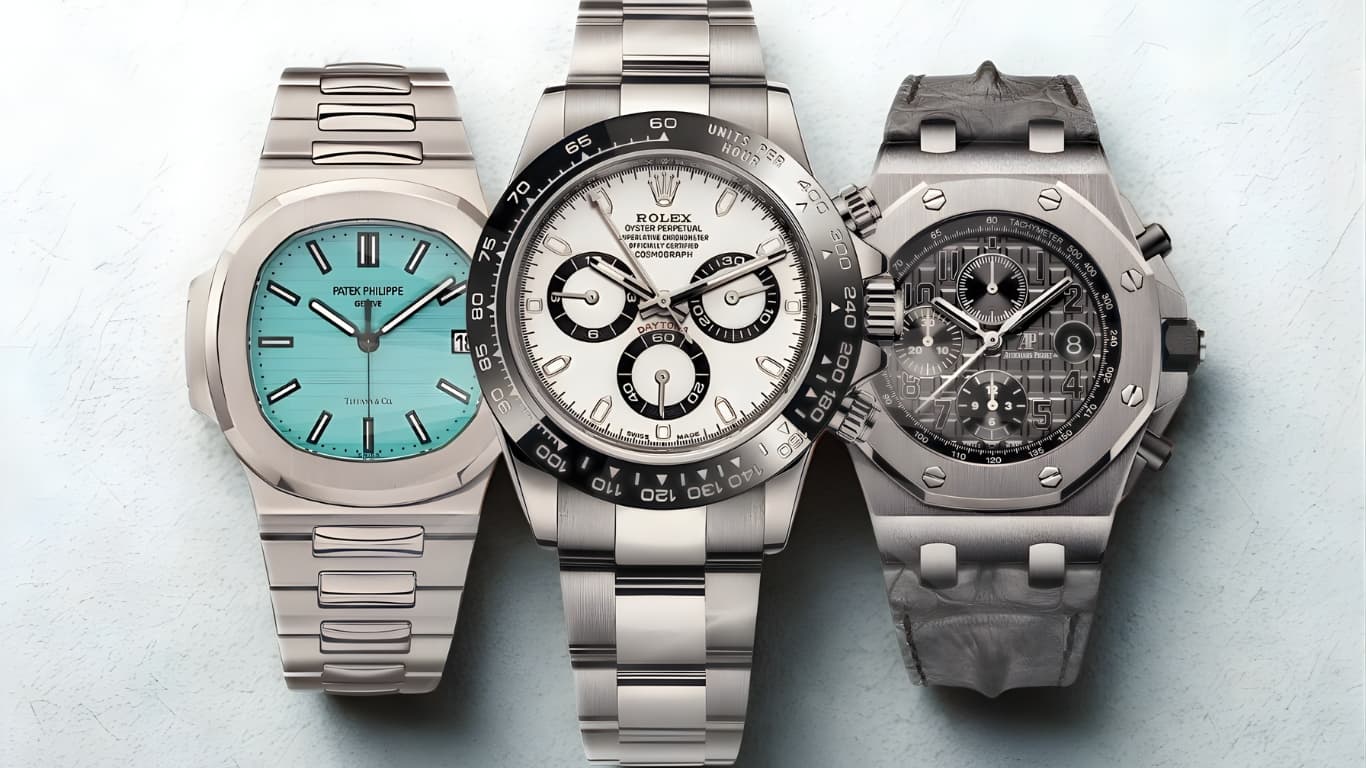
The investment case for core references from Rolex, Patek Philippe, and Audemars Piguet rests on their demonstrated ability to hold value while maintaining deep secondary market demand. Steel icons like the Daytona, Submariner, and Nautilus aren't just watches people admire but pieces they actively hunt when opportunities emerge, creating bid depth that supports genuine liquidity. For context on just how valuable the Daytona legacy runs, the story of the $17M Paul Newman Daytona shows you exactly what long-term provenance can do to a watch's value.
Regional demand provides additional confidence about sustained growth rather than cyclical boom dependent on one geography's economic health. Japan and the Middle East kept growing even as China softened from pandemic peaks, while American demand for top brands proved resilient through 2024 and into 2026, as Vogue Business documented across luxury categories.
This geographic diversification means the watch market doesn't depend on any single region's luxury spending patterns. Risk spreads across different wealth centers and cultural approaches to collecting, which gives you a more stable foundation than most alternative asset classes can honestly claim.

Stefanos Moschopoulos
Stefanos Moschopoulos is the Founder and Head of Editorial at The Luxury Playbook, specializing in fine assets and alternative investments. His work focuses on analyzing luxury asset classes such as art, watches, collectibles, and yachting as structured investment vehicles, aligning them with broader wealth-building strategies. He leads the editorial direction of the publication, ensuring all content around alternative assets is data-driven, macro-aware, and investment-focused. His expertise lies in translating niche luxury markets into clear frameworks for portfolio diversification, long-term capital preservation, and asymmetric returns within non-traditional asset classes.