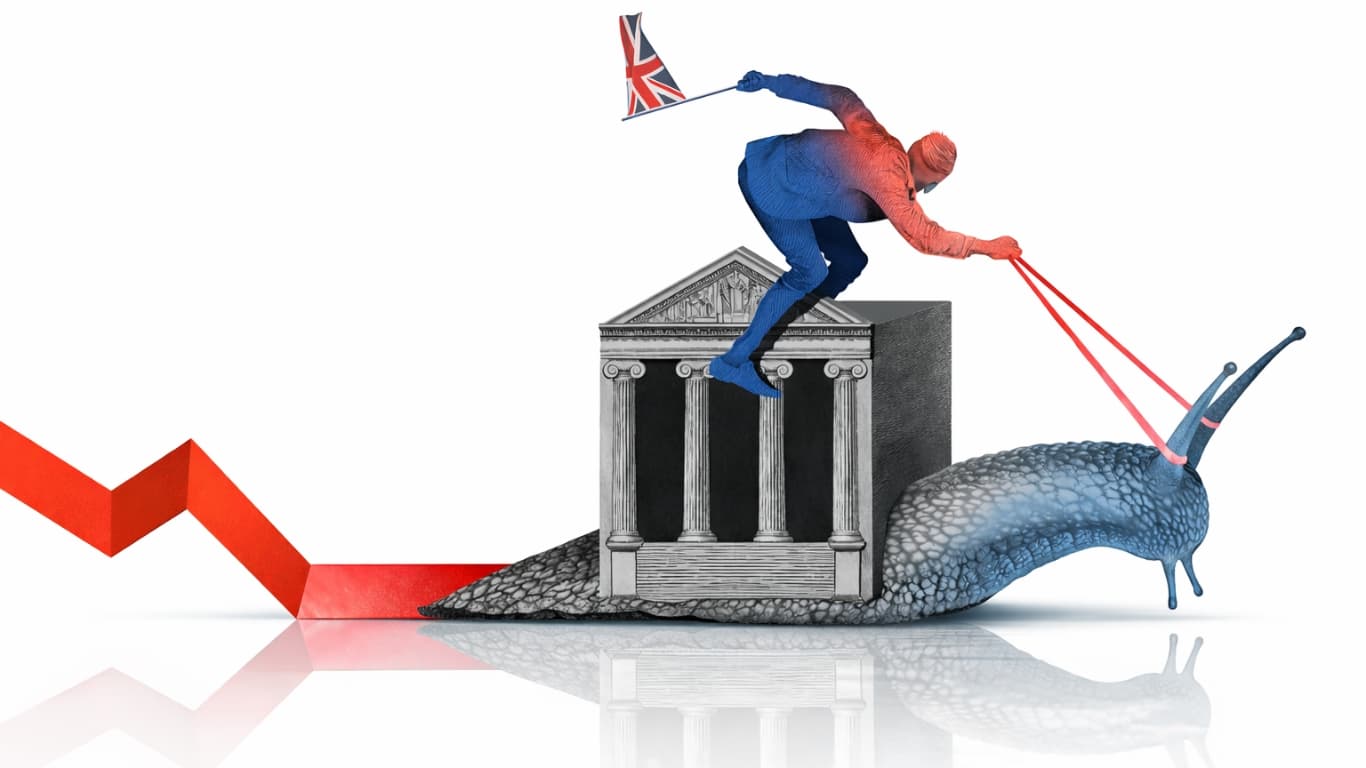

Normalcy bias is the tendency to assume that things will continue as they always have, pushing you to ignore or underestimate real risks, especially when a crisis is unfolding. This cognitive bias can do serious damage to your investment decisions, causing you to overlook warning signs, grow overconfident during bull markets, or freeze completely when things turn south. The good news is you can fight back.
Educating yourself on market cycles, diversifying your portfolio, sticking to a long-term plan, using stop-loss orders, rebalancing regularly, staying informed, seeking professional advice, and training your mind to adapt are all tools that can help you stay ahead of your own blind spots.
- Normalcy bias is the tendency to assume tomorrow will look like yesterday, which can leave investors unprepared for genuinely abnormal market events.
- It often manifests as failing to hedge, ignoring tail risks or refusing to reduce exposure even as warning signs accumulate around a position.
- Historical crises from 1929 to 2008 and 2020 each surprised investors who had treated long, calm periods as a permanent baseline rather than a phase.
- Behavioural research links normalcy bias to anchoring and availability heuristics, both of which favour recent experience over base-rate thinking.
- Written rules around stop losses, rebalancing and stress testing help neutralise normalcy bias by forcing action when conditions actually change.
- Recognising normalcy bias in our own thinking is the first step toward portfolios that survive the events most investors keep telling themselves cannot happen.
- Who is this for?
- Self-directed investors and active allocators who want to understand how normalcy bias quietly distorts decision making and what they can do at portfolio level to limit its impact.
- What is happening?
- An editorial exploration of normalcy bias in investing, including how it forms, where it shows up in real portfolios and the rules that help investors override it during stress.
- When did this emerge?
- Most dangerous late in long bull markets, when calm conditions feel permanent and investors quietly stop preparing for the kinds of events that historically have arrived without much warning.
- Where is this happening?
- Universally relevant across global equity, credit and currency markets, with the clearest historical case studies drawn from US and European crises of the past century.
- Why does it matter?
- Normalcy bias is one of the most expensive cognitive errors in investing because it disarms us precisely when discipline matters most, just before regime changes catch the unprepared.
What is Normalcy Bias?
Behavioural bias has graduated from academic interest to mainstream institutional research. Vanguard's behavioural-finance group publishes ongoing work on how cognitive biases erode long-run returns, and Morgan Stanley integrates the same frameworks into its wealth-management practice.
The data behind these patterns is well documented. Morningstar's Mind the Gap study tracks investor-versus-fund returns each year, and The Financial Times covers how normalcy bias surfaces at major cyclical inflection points.
Normalcy bias, also known as status quo bias, is your brain’s tendency to believe that tomorrow will look a lot like today. Think of it as the mental shortcut that says “stay put, nothing’s going to change.” This cognitive bias tends to surface most powerfully during crises or moments when the world around you is shifting fast.
reading the signals before acting on equities comes down to one core challenge, and psychological research points directly to normalcy bias as the culprit. Studies show it can cause people to freeze or respond poorly during disasters, simply because nothing catastrophic has happened before and so the brain concludes it won’t happen now. The result is delayed action, which is exactly the wrong move when timing matters most.
In investing, normalcy bias might push you to hold onto a declining stock far too long, convince yourself a booming market will keep climbing forever, or tune out the early signals of an approaching recession. But markets are cyclical, and history makes that abundantly clear. What goes up does come down, and sometimes it comes down hard and fast.
You can explore whether the S&P 500’s recent rally is sustainable or a bull trap to see this dynamic playing out in real time.

The Psychology Behind Normalcy Bias
For deeper context, the breakdown in how disciplined risk management counteracts normalcy bias is worth reading alongside this analysis.
Understanding the psychology behind normalcy bias helps you catch it before it costs you. At its core, this bias comes from your brain’s preference for cognitive ease. Change demands mental and emotional effort.
Acknowledging that something catastrophic could actually happen disrupts your sense of security, and that discomfort is something the brain actively tries to avoid. So it defaults to “everything will be fine” and moves on.
Mental shortcuts known as heuristics are closely tied to normalcy bias. Studies confirm that normalcy bias and heuristic thinking are deeply connected. These shortcuts speed up decision-making, which is useful in everyday life, but in complex situations like investing, they regularly lead you down the wrong path.
Speed of thought is not the same as quality of thought.
Your brain is wired to favor what’s familiar. The status quo feels safe, even when the data says otherwise. This is exactly why, during a financial bubble, so many investors keep pouring money into overvalued assets, convinced the good times have no expiration date.
And on the flip side, during a downturn, those same investors refuse to cut losing positions, telling themselves the market will bounce back. Both are the same bias, just wearing different clothes.

How Normalcy Bias Affects Investing
Normalcy bias can quietly dismantle your portfolio if you let it run unchecked. According to behavioral economics research, the ways it shows up in investing are surprisingly consistent across different types of investors and market conditions. Here are the patterns worth watching for.
- Ignoring Warning Signs: During the 2008 financial crisis, many investors ignored the warning signs that were evident before the crash. Housing prices had been skyrocketing, mortgage lending standards had plummeted, and there were clear signs of an impending correction.
However, normalcy bias led many to believe that the housing market would continue to grow indefinitely. This resulted in catastrophic losses when the bubble finally burst.
- Overconfidence During Bull Markets: When markets are on the rise, it’s easy to believe that the good times will last forever. Normalcy bias can lead to overconfidence, causing investors to take on more risk than they should.
They may ignore diversification principles, assume that the market will keep climbing, and make investment decisions based on the assumption that nothing bad will happen. This can result in significant losses when the market inevitably corrects.
- Paralysis During Downturns: During market downturns, normalcy bias can lead to paralysis. Investors may hold onto losing positions, hoping for a rebound, rather than cutting their losses. They may also delay rebalancing their portfolios or fail to take advantage of opportunities in a bear market because they believe the situation will improve on its own.
- Failure to Prepare for Future Risks: Normalcy bias can also cause investors to underestimate future risks. For example, they may neglect to hedge their portfolios against potential downturns, fail to adjust their asset allocation as they approach retirement, or overlook the need for a diversified investment strategy. This can leave them vulnerable to market volatility and significant losses.

How To Overcome Normalcy Bias
Awareness is your first real weapon against normalcy bias. Once you know it exists, you can start to catch it in the act. Here are practical steps you can take right now to reduce its grip on your investment decisions.
- Educate Yourself on Market Cycles: Understanding that markets are cyclical and that downturns are a natural part of investing can help you remain calm during periods of volatility. Study past market cycles, such as the dot-com bubble, the 2008 financial crisis, and the COVID-19 pandemic, to recognize the signs of overvaluation and potential corrections.
- Diversify Your Portfolio: Diversification is one of the most effective ways to protect your portfolio from the effects of normalcy bias. By spreading your investments across different asset classes, sectors, and geographical regions, you reduce the risk of significant losses in any one area. Diversification can also help you take advantage of opportunities in different markets.
- Set and Stick to a Long-Term Plan: Having a long-term investment plan can help you avoid making impulsive decisions based on short-term market fluctuations. Set clear financial goals, determine your risk tolerance, and create a diversified portfolio that aligns with your objectives. Stick to your plan, even during periods of market volatility.
- Use Stop-Loss Orders: A stop-loss order is an automatic sell order that triggers when the price of an asset drops to a predetermined level. Stop-loss orders can help you limit losses and prevent normalcy bias from causing you to hold onto losing investments for too long.
- Regularly Rebalance Your Portfolio: Regular portfolio rebalancing involves adjusting your asset allocation to maintain your desired level of risk. Rebalancing forces you to sell high-performing assets and buy underperforming ones, which can help you avoid the trap of normalcy bias during both bull and bear markets.
- Stay Informed and Seek Professional Advice: Keep yourself informed about market trends, economic indicators, and geopolitical events that could impact your investments. Don’t hesitate to seek professional advice from financial advisors or portfolio managers who can provide an objective perspective and help you make informed decisions.
- Practice Mental Flexibility: Mental flexibility is the ability to adapt your thinking and behavior in response to changing circumstances. Practice questioning your assumptions and consider alternative scenarios. Ask yourself, “What if I’m wrong?” and “What if the unexpected happens?” This mindset can help you avoid the pitfalls of normalcy bias and make more informed decisions.
Example: The COVID-19 Pandemic
When the COVID-19 pandemic hit in early 2020, markets went into freefall and volatility reached levels most investors had never experienced in their lifetimes. Many were caught completely off guard. Normalcy bias had told them the market would self-correct quickly and that no major intervention would be needed. The Financial Times documented how widespread that miscalculation turned out to be, with losses across portfolios that had simply not been stress-tested against a scenario that far outside the norm.
But one investor, call him John, chose a different path. He recognized early that the severity of the pandemic was being underestimated by the market. Rather than holding his breath and hoping for a quick recovery, he rebalanced his portfolio with purpose, rotating out of equities and into safer havens like bonds and gold.
He also raised his cash position, keeping dry powder ready for the buying opportunities he was confident would come.
John’s willingness to act decisively, rather than wait and hope, paid off. He shielded his portfolio from the worst of the crash, and when markets started recovering later that year, he was already positioned to benefit. His returns ended up well above those of peers who had frozen in place.
It’s a sharp reminder that behavioral discipline during market stress often separates the investors who come out ahead from those who simply survive.
We last reviewed this analysis in May 2026.


Alex Tzoulis
Alex Tzoulis is Co-Owner and Markets Analyst at The Luxury Playbook, specializing in equities, crypto, forex, and global financial markets. His work focuses on analyzing macroeconomic trends, geopolitical developments, and monetary policy, translating them into actionable insights across both traditional and digital asset classes. He leads the platform's financial market coverage, providing structured analysis across stock market investing, trading strategies, and cryptocurrency markets. His expertise strengthens the publication's authority in financial markets and capital allocation, bridging traditional finance with emerging digital investment ecosystems.