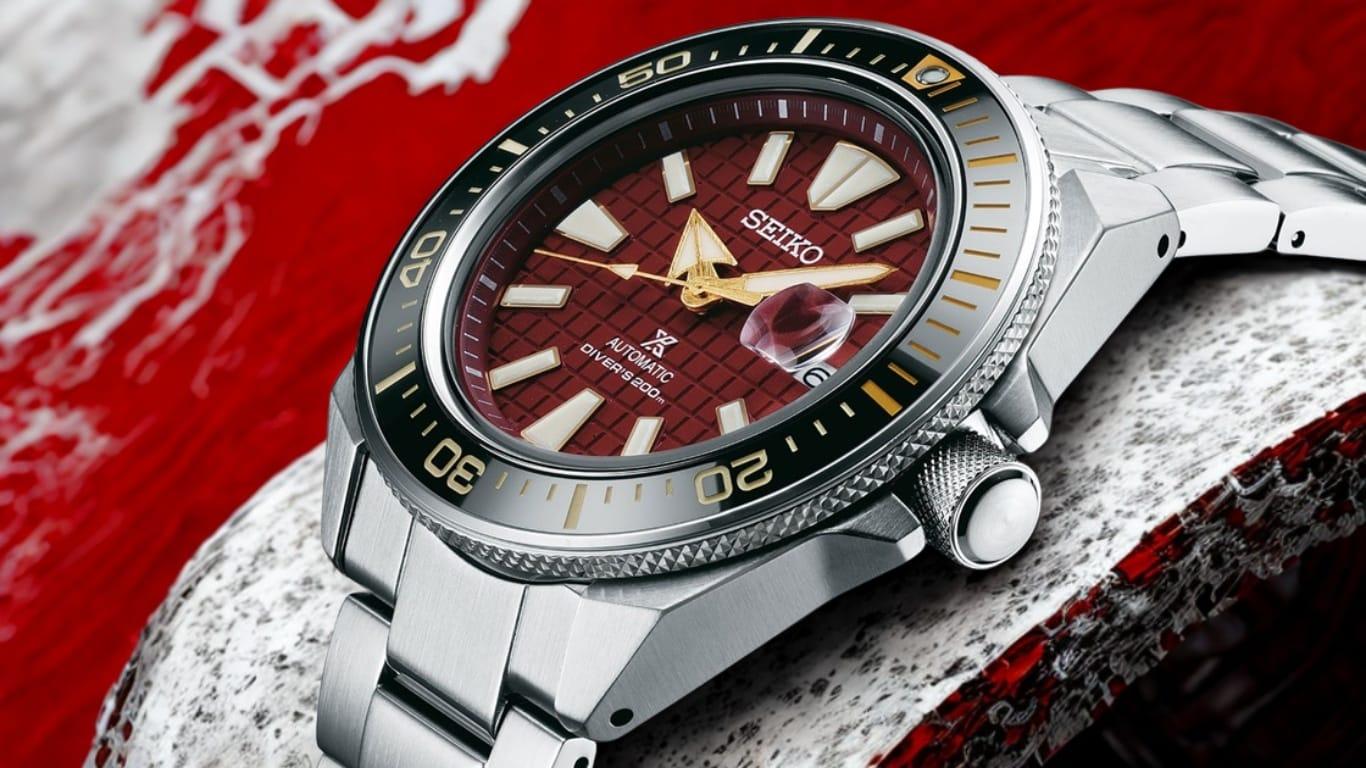
The Seiko Samurai has built a reputation as one of the most compelling entry points into the world of serious dive watches. First launched in the early 2000s and later brought back due to strong collector demand, the reference delivers the rugged functionality and aesthetic appeal of a professional-grade timepiece without the price tier that usually accompanies luxury divers.
- The Seiko Samurai has graduated from accessible-tier curiosity to legitimate collector reference, with the angular case design and 4R36 calibre supporting genuine dive credentials.
- Reference SRPB51, SRPB55, and the modern SRPF03 anchor the catalogue, with 200 metres of depth rating and the kind of build quality that justifies the price tier.
- The original 2004 to 2008 SBDA001 and SBDA003 references draw serious collector competition, with discontinued-era condition driving meaningful secondary premiums.
- We see the Samurai as one of the strongest sub-five-hundred-dollar dive watches collectors can still buy new, with case finishing that competes with much pricier alternatives.
- Limited-edition Samurai releases tied to PADI, Save the Ocean, and other programmes continue to outperform the broader Seiko Prospex catalogue on the secondary market.
- Daily-wear durability, lume performance, and bracelet quality all sit well above the entry-tier benchmark, making the Samurai a credible long-term ownership proposition.
- Who is this for?
- New collectors building a first dive shelf, accessible-luxury buyers, and established collectors exploring Seiko Prospex depth.
- What is happening?
- A grounded read on the Seiko Samurai as more than a budget dive reference, covering the original 2004 production, modern catalogue, and limited-edition releases.
- When did this emerge?
- The current Samurai conversation reflects the modern Prospex catalogue and the persistent collector demand for the discontinued early-era references.
- Where is this happening?
- Authorised Seiko dealers globally stock the modern catalogue, while Chrono24, eBay, and dedicated Seiko specialists handle the early-era and limited-edition market.
- Why does it matter?
- The Samurai offers genuine dive engineering and angular case originality at price points that still leave serious room for collectors building accessible-luxury depth.
For many collectors, the Samurai is more than just an affordable daily wearer. The reference is genuinely a gateway into the broader dive-watch category, with strong brand heritage, a robust design, and the limited editions that have built credible secondary-market support over time. In our coverage of Seiko's Prospex catalogue across the past five years, the Samurai has steadily moved from accessible entry-point to considered collector reference.
The reference's recent surge owes to a few things at once: growing interest in mechanical watches from a younger collector base, the rise of online watch communities like WatchUSeek and the various Seiko-focused dealer groups, and Seiko's ability to consistently deliver well-executed special editions that collectors actually want. That blend of mass appeal and niche collector interest is exactly what makes the Samurai worth attention as a piece of diversified investment portfolio of alternative assets consideration.
History and evolution of the Seiko Samurai dive watch
The Seiko Samurai first appeared in 2004 as part of Seiko's push to offer a professional-grade diver appealing to both recreational users and serious collectors. The nickname came from the sharply angled case design, which drew clear visual inspiration from the armour of a Japanese samurai warrior. From day one, the watch set itself apart with a bold angular case, robust water resistance, and an automatic movement built for durability rather than ornament.
The first generation came in both stainless steel and titanium. The titanium version turned heads fast for its lightweight feel and scratch resistance, winning over divers and collectors alike. The Samurai was discontinued in 2008, which made early models, especially the titanium versions, a serious target for collectors who recognised their rarity well before the broader Seiko revival firmed.
The 2017 return under the Prospex line marked a real turning point. Seiko updated the movement to the more reliable 4R35, refined the case finishing, and introduced dial designs that felt genuinely fresh. Limited editions tied to specific markets or collaborations, like the "Save the Ocean" series, fuelled renewed interest and gave certain models a clear collector angle.
Auction listings and secondary-market platforms began showing that well-preserved discontinued Samurais, alongside select modern limited editions, could appreciate in value over time, particularly when demand outstripped the constrained supply. This revival also coincided with a broader surge in the popularity of Japanese watchmaking.
Collectors stopped treating Seiko purely as an affordable alternative to Swiss brands and started recognising it as a manufacturer with its own heritage and technical legitimacy.
Design and build quality of the Seiko Samurai
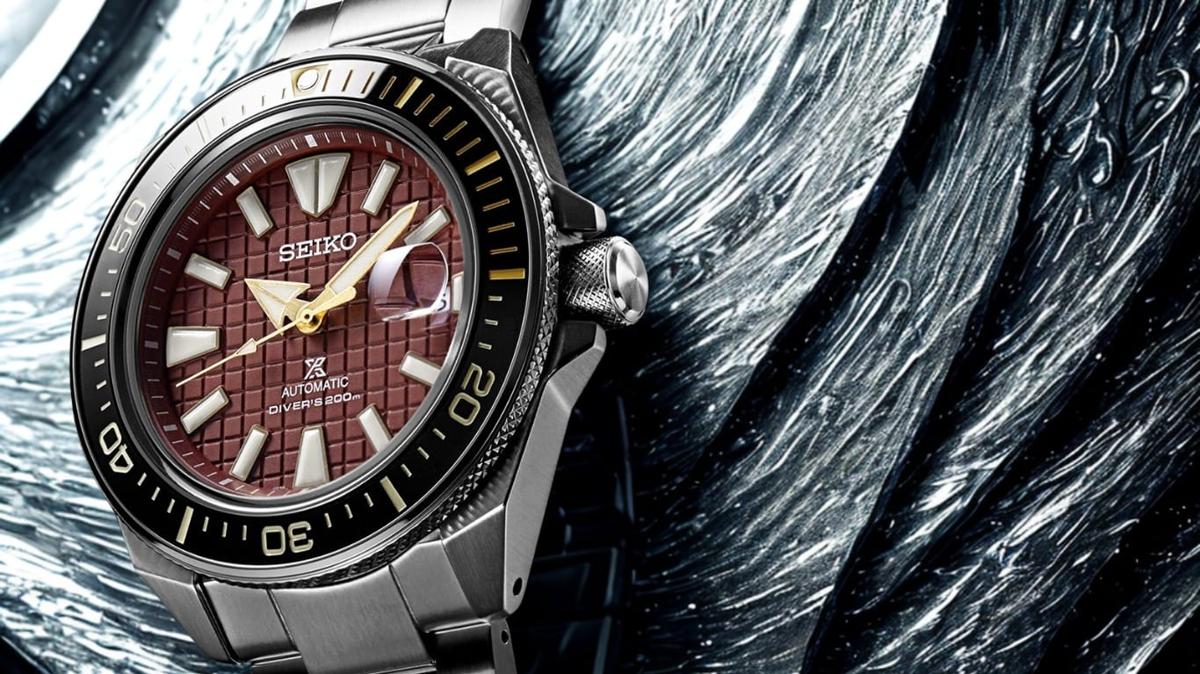
One of the strongest selling points of the Seiko Samurai, and a major factor in its collectability, is the distinct design language. The case features sharp, faceted edges that give it an almost architectural appearance, instantly setting it apart from the rounded silhouettes of most other dive watches. That angular geometry isn't just aesthetics: it improves grip and wearability when adjusting the bezel with wet or gloved hands.
The Samurai's case typically measures 44mm, which might sound large on paper, but the short, sharply angled lugs let it wear more comfortably than the dimensions suggest. The screw-down crown at 3 o'clock and the unidirectional 120-click bezel deliver a watch that feels rugged and balanced on the wrist. The finishing punches above its weight at this price point, with polished accents along the case edges complementing brushed surfaces in a way most accessible-tier divers don't attempt.
On the dial, the Samurai delivers exceptional legibility. Large lume-filled hour markers and bold sword-shaped hands mean no trouble reading the time in low-light conditions. Seiko's proprietary LumiBrite ensures strong visibility underwater, which is a non-negotiable for a serious dive instrument.
The textured dials found in certain editions (like the "Save the Ocean" wave pattern) add real depth and visual interest. That extra character is a big part of what makes those editions more appealing to collectors and therefore more likely to hold or grow their value. The original titanium models are prized for durability and lightweight feel, while modern stainless steel versions offer excellent scratch resistance and long-term resilience.
Movement and technical specifications of the Seiko Samurai
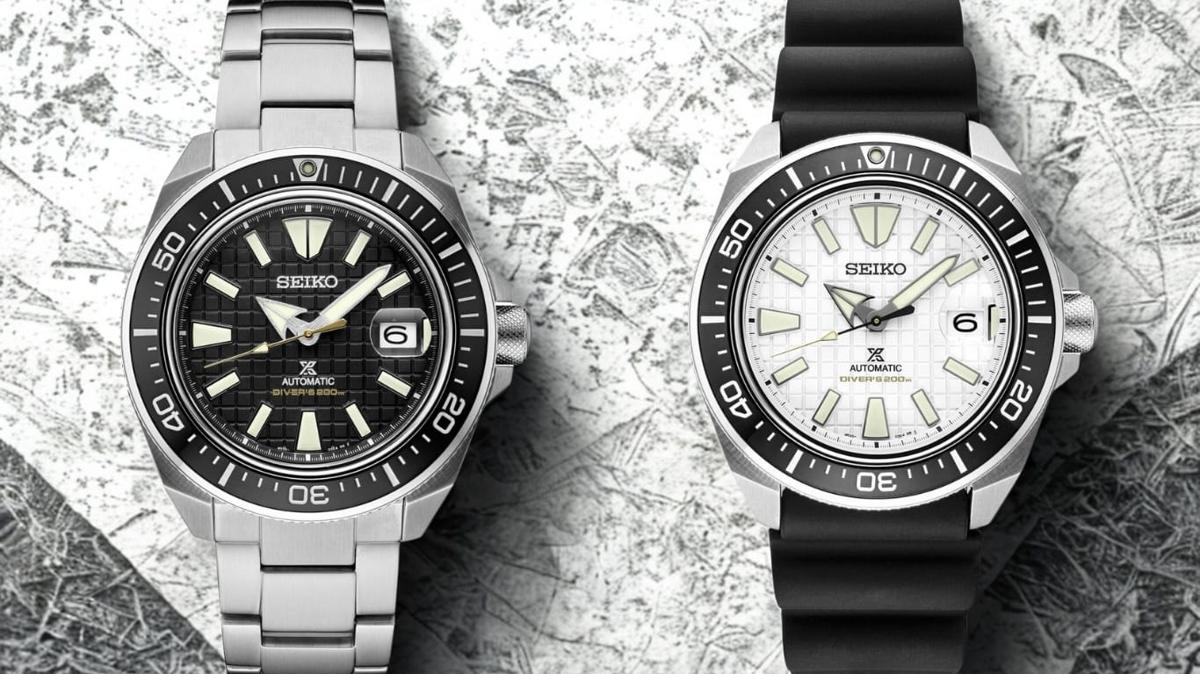
The Seiko Samurai runs on movements that balance reliability, ease of maintenance, and cost-effectiveness. These qualities directly influence both its usability and long-term collectability. Modern iterations under the Prospex line are equipped with Seiko's in-house 4R35 automatic movement.
The 4R35 calibre delivers a 41-hour power reserve, a hacking function for precise time-setting, and manual winding capability. Those features might sound standard in higher-end watches, but having them at this price point adds real everyday practicality. Operating at 21,600 vibrations per hour, the 4R35 isn't chasing chronometer-level precision, but its robustness and ease of servicing have made it a trusted workhorse among Seiko enthusiasts.
The movement's architecture is simple and proven, which translates to lower maintenance costs and excellent longevity. Earlier Samurai generations, including the sought-after titanium versions, housed the 7S25 movement. It lacked hacking and hand-winding, but it proved itself as a reliable, no-frills mechanism.
Collectors tend to look at these early references with a certain vintage charm, especially paired with the now-discontinued titanium cases.
Water resistance is rated at 200 metres with ISO certification, which puts the Samurai firmly in the category of a true dive watch rather than a desk diver. The screw-down crown, solid caseback, and robust gasket system back that up, making it a credible sports piece for anyone who values function alongside style.
Seiko Samurai compared to other Seiko dive watches
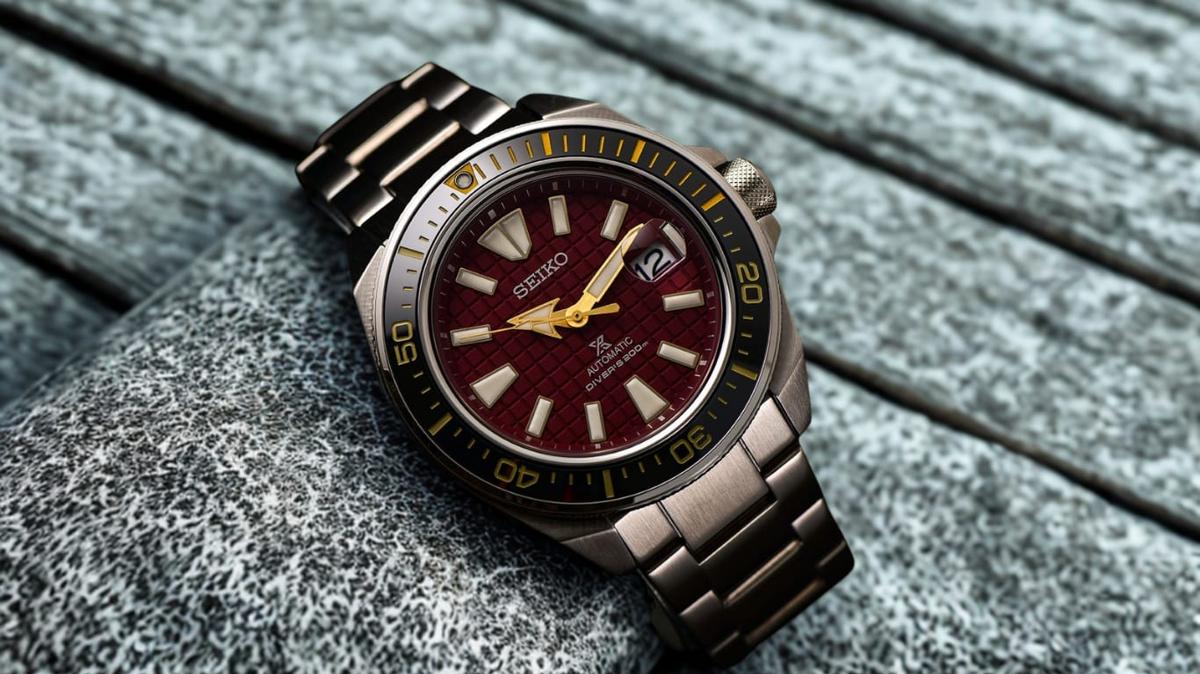
Within Seiko's extensive dive-watch lineup, the Samurai occupies a distinct position. It sits between entry-level mechanical divers like the Seiko Turtle and the higher-tier Prospex LX or Marinemaster series, which is exactly why it appeals to such a wide range of buyers. Its identity comes from a blend of bold design, modern proportions, and tool-watch functionality.
Put it next to the Seiko Turtle and the difference is immediate. The Samurai's sharp, angular case feels more contemporary and aggressive than the Turtle's rounded cushion shape. That wrist presence has resonated with younger collectors and anyone who wants a dive watch that feels modern without stepping into Swiss territory on price.
Limited-edition Samurais often post stronger short-term resale performance than Turtles, owing to the more distinctive design language and generally lower production numbers.
Against the Seiko Sumo, the Samurai typically comes out ahead on value for the money. The Sumo offers slightly higher finishing and a larger case, but the Samurai wins on wearability across a wider range of wrist sizes and on the sheer variety of dial and bezel combinations available, which directly influences collector demand. Even up against higher-end Seiko divers like the Marinemaster 300 or the Prospex LX line, the Samurai carves out its own niche.
For collectors looking at appreciation potential, the Samurai is an accessible gateway into Seiko's collectible dive-watch ecosystem, especially when the focus is on limited editions the way smart watch investors approach trophy references in any brand's catalog. Its position in Seiko's catalog lets it benefit from the brand's prestige in the dive-watch space without going head-to-head with ultra-high-end models.
Collector demand and long-term appeal of the Seiko Samurai
The collector appeal of the Seiko Samurai has grown measurably stronger in recent years. Data from watch trading platforms such as Chrono24 and WatchCharts shows that certain Samurai references have posted year-on-year resale value increases of 6 to 12 percent since 2020, outpacing the average appreciation rate for entry-level dive watches in the same price bracket.
One driver of this sustained demand is the steady tightening of supply in discontinued models. When Seiko phases out a specific Samurai reference, the number of mint-condition pieces available for sale can drop by as much as 40 percent within two years, based on dealer inventory tracking. That creates upward pricing pressure, especially for versions with unique dial textures or regional exclusivity.
The "Save the Ocean" SRPC93 has seen its average resale price climb from around $350 in 2019 to approximately $520 by 2026, a gain of nearly 49 percent in roughly six years. The Samurai's value trajectory also benefits from its positioning as a bridge between affordable and luxury tool watches.
The reference captures demand from new collectors seeking an upgrade from basic quartz models and from seasoned enthusiasts who want a robust mechanical diver without a premium price tag. A 2024 collector survey by WatchPro found that nearly 27 percent of Samurai owners also collect watches in the $3,000-plus range. That crossover appeal with higher-end buyers is a key factor in maintaining price stability.
Another thing working in the Samurai's favour is its low volatility compared to hype-driven releases. Trend-based watches can experience sharp price swings, but the Samurai's resale values have shown real resilience, even during broader market slowdowns in 2022 and 2023. In that period, many entry-level divers saw average resale declines of 8 to 15 percent.
The Samurai held steady with an average dip of only 3 percent before rebounding in late 2023.
As the pre-owned market becomes more globalised, the Samurai is also pulling in increased demand from Asia-Pacific and the Middle East, where Japanese tool watches have a strong following. Auction data from Hong Kong and Dubai shows a 15 to 20 percent higher hammer price for limited-edition Samurai models compared to U.S. or European averages.
Best Seiko Samurai models for watch collectors
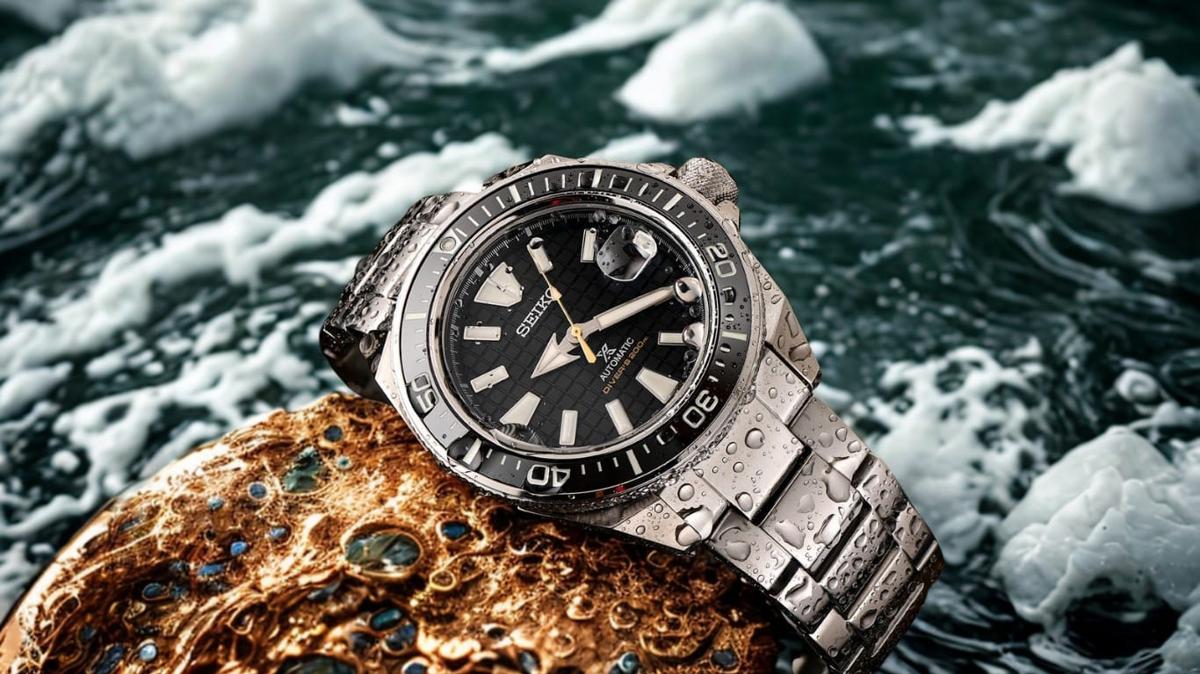
While the entire Samurai lineup offers solid value retention, a handful of models stand out based on secondary-market performance, scarcity, and collector demand. Here is a breakdown of the most notable references to track heading into 2026, according to pre-owned market data and leading collector communities.
| Model Name & Reference | Special Features | Current Avg. Market Price (2025) | 5-Year Price Change | Investment Notes |
|---|---|---|---|---|
| Seiko Samurai "Save the Ocean" SRPC93 | Ocean-wave textured blue dial, special edition | $520 | +49% | Continues to outperform due to unique dial design and strong thematic appeal. |
| Seiko Samurai SRPB51 | Classic black dial, stainless steel case | $470 | +38% | Popular entry point for first-time mechanical dive watch collectors. |
| Seiko Samurai "Great White Shark" SRPD23 | Shark fin dial pattern, themed seconds hand | $530 | +44% | Limited production run; high global demand, especially in Asia-Pacific. |
| Seiko Samurai SRPE33 | Special edition with vibrant aquatic blue dial | $515 | +32% | Popular in Middle Eastern and Southeast Asian markets. |
| Seiko Samurai "Blackout" SRPB55 | Black ion-plated case, gold accents | $560 | +41% | Appeals to both tool watch and fashion-focused buyers, boosting resale interest. |
What this means for serious Seiko collectors
With steady appreciation, controlled supply, and resilient demand across multiple regions, the Seiko Samurai is positioned to stay not just a functional dive watch, but a viable long-term hold for collectors seeking stable, incremental value retention. The combination of design distinctiveness, accessible movement architecture, and the discontinued-reference dynamic that has consistently rewarded patience is the working argument for the line.
For collectors weighing a serious Samurai pick in 2026, the "Save the Ocean" SRPC93 and the "Great White Shark" SRPD23 continue to look like the strongest secondary-market candidates, with the discontinued titanium first-generation references anchoring the vintage tier for collectors willing to navigate the specialist dealer network for clean original examples.
Box-and-papers documentation matters at every tier, and the original Seiko service-history record should accompany the standard documentation on any considered resale.
We last reviewed this analysis in May 2026.