
Diving into stock market investing can feel overwhelming at first. But the right book can cut through the noise and hand you a real edge. Whether you’re just getting started or you’ve been managing your own portfolio for years, these ten books deliver the kind of hard-won wisdom that no market ticker can give you.
Each one brings a different lens, a different strategy, and a different way of thinking about how to grow and protect your wealth.
- A short list of well-chosen investment books builds the mental scaffolding that no flow of articles or social-media posts can easily replicate.
- Classics such as The Intelligent Investor and Security Analysis remain the reference texts for value-based equity investing.
- Books by Howard Marks, Charlie Munger and Peter Lynch translate timeless principles into modern, readable language.
- Macro and behavioural titles such as Manias, Panics and Crashes or Thinking, Fast and Slow provide essential context outside pure stock analysis.
- Rereading a small core of favourite books periodically tends to be more valuable than chasing every new investment release.
- The point of a book is not to memorise it but to refine our framework for how we think about price, value and risk in markets.
- Who is this for?
- Self-directed investors building a long-term reading habit who want a curated list of stock-market books that genuinely repay the time invested in them.
- What is happening?
- A recommended set of books on stock-market investing, drawn from value classics, modern practitioner accounts and behavioural-finance literature that has aged remarkably well across decades.
- When did this emerge?
- Useful at any stage of an investing career, with different titles offering more value at different points in the investor’s development.
- Where is this happening?
- Most titles are written from a US-market perspective, but the underlying principles travel across global equity and credit markets and apply equally to European or Asian investors.
- Why does it matter?
- Reading widely is one of the cheapest sources of edge in investing, and a focused book list shortens the path from beginner to thoughtful allocator.
1. The Intelligent Investor by Benjamin Graham
The canon of investing literature gets refreshed regularly by the major financial outlets. The Financial Times and The Wall Street Journal both publish recurring lists of titles that institutional allocators keep on their shelves, and Barron's runs interviews with managers who routinely cite the same handful of authors.
The institutional research desks add the academic backbone. Morgan Stanley's wealth-management research and Vanguard's long-running educational library both lean heavily on the same body of work that these books distil into readable form.
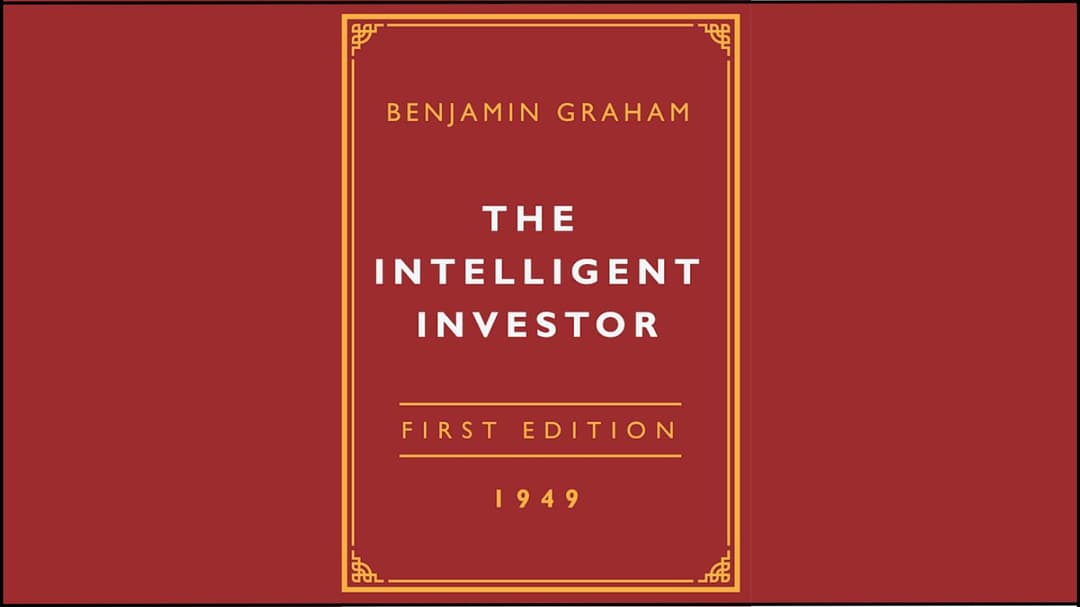
If you read only one book about investing in your lifetime, make it this one. Stock market investing has produced fortunes and wiped out others, and Benjamin Graham spent decades figuring out why. First published in 1949, The Intelligent Investor shaped the thinking of virtually every serious investor who followed, including Warren Buffett, who called it “by far the best book on investing ever written.” Graham pioneered value investing, and what he built here still holds up.
The book zeroes in on long-term strategy, risk management, and the kind of disciplined mindset that separates real investors from gamblers. Graham’s core message is simple but powerful. Wealth gets built slowly, through careful research and intelligent decisions, not by chasing whatever’s hot right now.
Key Concepts Worth Knowing
- Value Investing: At the core of Graham’s philosophy is the principle of value investing—the strategy of identifying stocks that are undervalued by the market but have strong intrinsic fundamentals. Investors are encouraged to look beyond short-term price movements and focus on the underlying value of the company.
- Margin of Safety: Graham introduces the concept of the margin of safety, which suggests buying stocks at a price significantly below their intrinsic value. This approach minimizes risk and ensures a buffer against market volatility or unforeseen financial setbacks.
- Mr. Market: One of the book’s most memorable metaphors is Mr. Market, a fictional character who represents the emotional volatility of the stock market. Mr. Market swings between optimism and pessimism, offering stocks at fluctuating prices. Graham advises investors to remain rational and not be swayed by market mood swings, focusing instead on the actual value of the investment.
Graham’s lessons cut straight to the heart of what investing actually requires. His focus on fundamental analysis, patience, and emotional control gives you a framework that works across every kind of market. If you’re stepping into the stock market for the first time, The Intelligent Investor teaches you to stop speculating, stay focused on long-term goals, and build wealth in a way that the Financial Times consistently recommends as the foundation of sound financial thinking.
Who Should Read It
- Beginners looking to understand the fundamentals of stock market investing.
- Experienced investors seeking to refine their investment strategies.
- Anyone interested in value investing principles and minimizing investment risk.
Decades after publication, The Intelligent Investor still tops every serious list of must-read stock market books. Its principles have shaped the strategies of the world’s most celebrated investors and set the benchmark for value-based investing that still gets taught in top business schools today.
This book is more than a guide. Think of it as a manual for staying rational in a market that often isn’t. If you’re serious about building a real financial foundation through stocks, The Intelligent Investor belongs on your shelf, and you’ll find yourself coming back to it again and again.
2. A Random Walk Down Wall Street by Burton G. Malkiel
For deeper context, the breakdown in how to put these book frameworks to work when you actually sit down to analyse a stock is worth reading alongside this analysis.
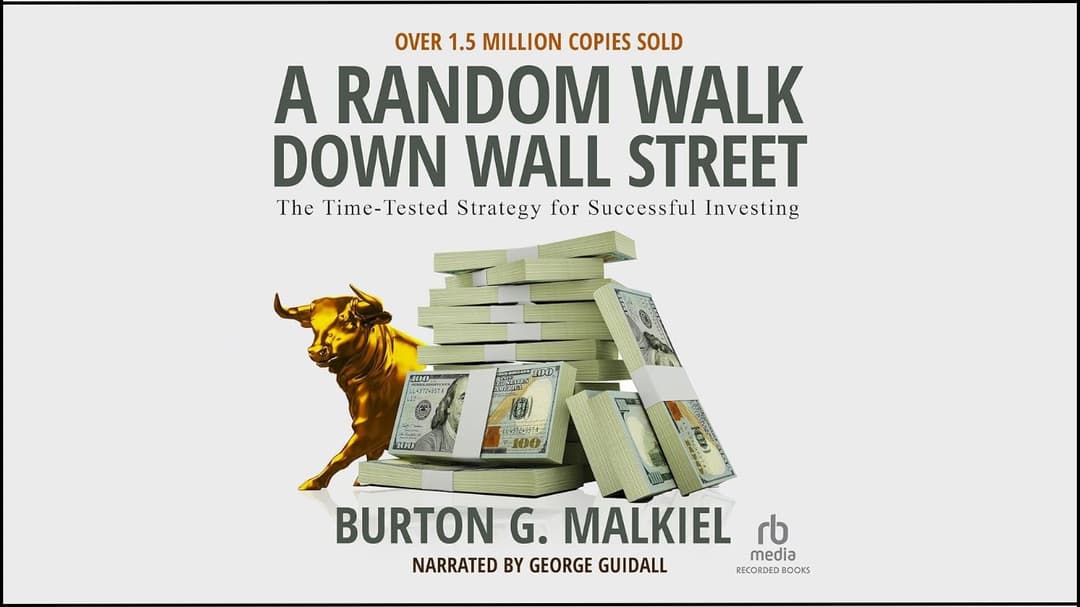
A Random Walk Down Wall Street by Burton G. Malkiel is one of those rare books that genuinely changed how millions of people think about money. First published in 1973 and updated multiple times since, it’s held its place as a cornerstone of investment education for good reason.
Malkiel, a Princeton economist, has a gift for taking academic theory and making it feel immediately useful, no matter where you are in your investing journey.
The book introduces you to the Efficient Market Hypothesis, one of the most debated ideas in modern finance. Malkiel’s argument is direct. Consistently beating the market through stock picking or market timing is far harder than most people think.
What actually works over time is diversification, passive investing, and the discipline to stay the course.
Key Concepts Worth Knowing
- Efficient Market Hypothesis (EMH): Malkiel argues that stock prices reflect all available information at any given time, making it nearly impossible for investors to consistently outperform the market. He stresses that market anomalies and arbitrage opportunities are rare and short-lived. The theory suggests that instead of trying to predict the market, investors should focus on broad market exposure through diversified portfolios.
- Index Funds: One of Malkiel’s most influential contributions is his advocacy for low-cost index funds. He explains how these funds, which track broader market indices like the S&P 500, offer investors a cost-effective and low-risk investment option. Index funds remove emotional decision-making and reduce the high fees associated with actively managed portfolios.
- Behavioral Finance: Malkiel explores how psychological biases affect investor behavior. Emotions like fear, greed, and herd mentality often drive irrational decisions, leading to market bubbles or crashes. By understanding these biases, investors can avoid common pitfalls and adopt a more disciplined, rational approach to investing.
What Malkiel teaches you throughout the book is that trying to outsmart the market is usually a losing game. The evidence points consistently toward low-cost, diversified strategies built for the long run. And once you understand why, the temptation to chase trends starts to fade fast.
- Timing the market rarely works.
- Diversification is essential for managing risk.
- Low-cost index funds outperform most actively managed funds in the long run.
- Understanding behavioral biases can improve investment decision-making.
The book doesn’t stop at traditional stocks and bonds either. Malkiel covers modern tools like ETFs, robo-advisors, and even cryptocurrencies, giving you relevant perspective on the full range of options available to today’s investors.
Who Should Read It
- Beginners seeking a solid foundation in stock market investing.
- Experienced investors looking to refine their investment strategy with academic-backed insights.
- Anyone curious about efficient markets and the logic behind index fund investing.
The cultural impact of this book is hard to overstate. It helped popularize index fund investing on a massive scale. According to Vanguard, over 45% of mutual fund assets in the U.S. now sit in index funds, a shift that Malkiel’s writing helped drive. That’s a real-world outcome that started with ideas on a page.
What sets this book apart from others is its grounding in academic research rather than market folklore. Malkiel doesn’t tell you what you want to hear. He tells you what the data actually shows.
And that kind of honest, evidence-based thinking is exactly what you need when real money is on the line.
3. One Up On Wall Street by Peter Lynch
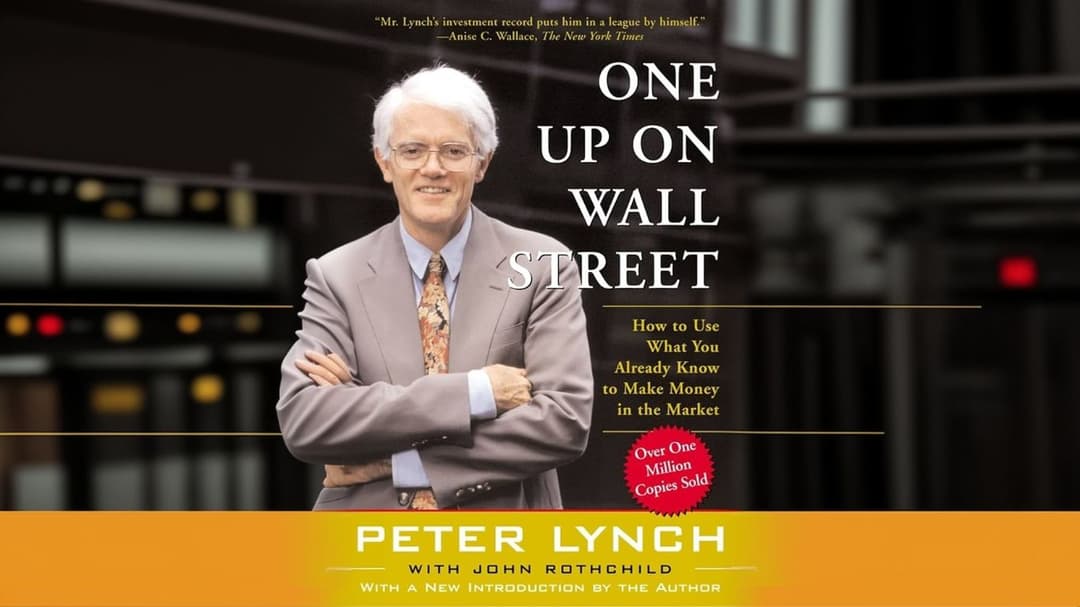
Peter Lynch ran the Fidelity Magellan Fund from 1977 to 1990 and delivered an average annual return of 29%. That’s not luck. That’s a system, and One Up On Wall Street is where he lays it all out.
Published in 1989, this book breaks down Lynch’s philosophy in a way that feels personal and practical, not academic. His central argument is one you’ll want to hear. You, as an individual investor paying attention to everyday life, can spot great investment opportunities before Wall Street does.
Key Concepts Worth Knowing
- Invest in What You Know: Lynch champions the idea of investing in businesses and industries you understand. Whether it’s a product you use daily or a company you’re familiar with through work, he believes that first-hand experience can offer powerful investment insights. For example, spotting a growing retail brand in your local mall or noticing a rise in popularity of a specific product can signal strong investment potential.
- The Power of Common Knowledge: Lynch highlights that valuable stock tips often come from everyday observations rather than complex financial models. Investors should pay attention to trends, consumer behavior, and their immediate surroundings to identify opportunities before institutional investors notice them. For example, a consumer might notice a restaurant chain becoming increasingly popular before it catches analysts’ attention.
- Growth Investing: Lynch introduces the concept of growth stocks—companies with significant potential for earnings growth. He explains how to spot companies in different growth phases, from fast growers to turnarounds, and how to align them with your investment goals. Lynch categorizes stocks into six groups: Slow Growers, Stalwarts, Fast Growers, Cyclicals, Turnarounds, and Asset Plays.
- Do Your Homework: Investing isn’t about luck; it’s about thorough research. Lynch stresses analyzing a company’s balance sheet, understanding its business model, and identifying its competitive edge. He advises investors to dig into annual reports and focus on fundamentals like earnings growth, debt levels, and profit margins.
- Ignore Market Noise: Lynch warns against making emotional decisions based on short-term market fluctuations or sensational headlines. He advocates for a long-term perspective, emphasizing that successful investing requires patience and resilience.
What makes this book stand out from most investing titles is how accessible it feels. Lynch writes the way a smart friend talks, with real stories, genuine humor, and zero condescension. He sorts stocks into six distinct categories, giving you a clear roadmap for building a diversified portfolio without needing a finance degree. His approach is built on observation and common sense, not complex charts or speculative bets.
Lynch’s advice holds up remarkably well even as markets have evolved. Pay attention to the brands and products you use every day. Only invest in businesses you actually understand.
Don’t panic when prices drop and stay focused on long-term fundamentals. And revisit your portfolio regularly so you always know what you own and why.
This book works brilliantly if you’re just starting out and want a clear, confidence-building introduction to stock picking. Intermediate investors will find it sharpens their instincts and improves how they manage their portfolios. And even long-term investors who’ve been at it for years will appreciate Lynch’s reminder that sustainable returns beat short-term excitement every time.
One Up On Wall Street has sold over one million copies worldwide, and its influence reaches well beyond retail investors. Professional portfolio managers still cite Lynch’s framework as foundational. He didn’t just write a great book.
He changed how a generation of investors thought about their own ability to find great companies.
If you want one of the best books for stock market investing that actually makes the whole process feel less intimidating, this is it. Lynch’s genius was showing you that exceptional investment opportunities often sit right in front of you, at the shops you visit, the services you use, and the brands you already trust. You just need to know how to look.
4. The Little Book That Still Beats the Market by Joel Greenblatt
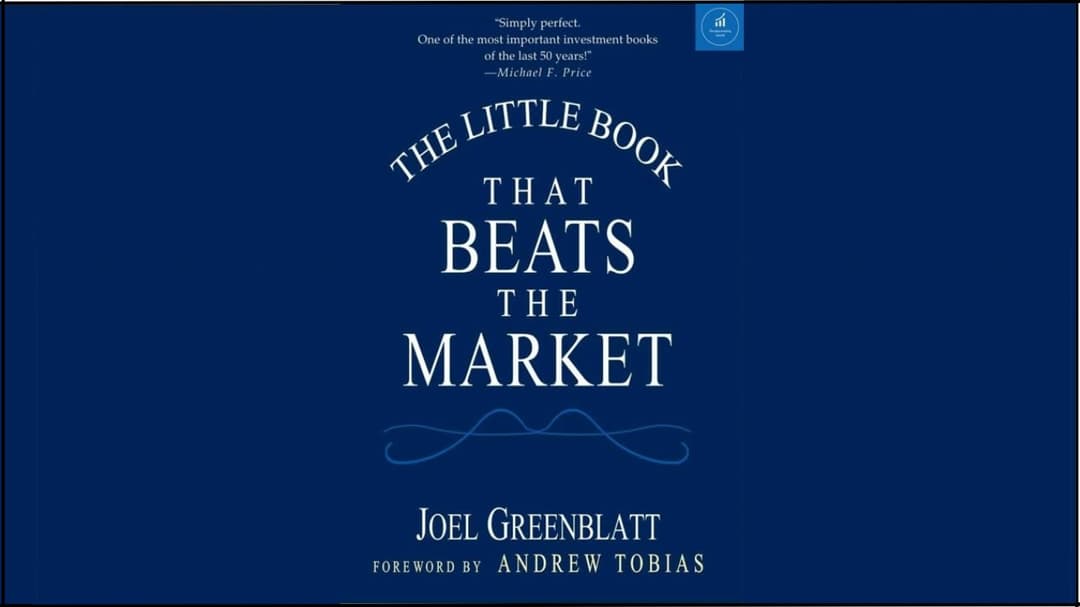
Joel Greenblatt is a hedge fund manager and Columbia Business School professor who built his reputation on one deceptively simple idea. You can beat the market by buying good companies at cheap prices. The Little Book That Still Beats the Market, originally published in 2005 and updated since, lays out a concrete strategy he calls the “Magic Formula,” and it’s one of the most practical frameworks in all of stock market literature.
Where most investing books bury you in theory and jargon, Greenblatt strips everything back. The result is a book that feels like a conversation rather than a lecture, approachable enough for complete beginners but substantive enough to give experienced investors something to think about.
Key Concepts Worth Knowing
- Magic Formula Investing: At the heart of Greenblatt’s strategy lies the Magic Formula, a systematic approach to picking winning stocks. The formula evaluates stocks based on two key financial metrics:
- Earnings Yield: A measure of how much a company earns relative to its stock price. A higher yield indicates a potentially undervalued stock.
- Return on Capital (ROC): This measures how effectively a company uses its capital to generate profits. Higher returns on capital suggest efficient management and a profitable business model.
The Magic Formula ranks stocks by two factors, earnings yield and return on capital, then prioritizes those that score well on both. By doing this systematically, you can identify undervalued companies with strong financial performance, the kind of combination that tends to reward patient investors over time.
- Long-Term Perspective: While the Magic Formula provides a clear framework, Greenblatt stresses the importance of patience and long-term investing. The strategy works best when applied consistently over several years rather than being used for short-term speculation. Investors must resist the urge to chase quick wins and instead allow the formula to work its magic over time.
- Simplicity and Discipline: One of the most compelling aspects of The Little Book That Still Beats the Market is its simplicity. Greenblatt makes it clear that you don’t need a finance degree or Wall Street experience to succeed in the stock market.
However, discipline is crucial—investors must stick to the formula even during periods of underperformance. Greenblatt reminds readers that even the most successful strategies can experience short-term setbacks.
- Avoiding Emotional Investing: The book underscores how emotions often lead investors astray. Fear during market downturns and greed during booms can cause poor investment decisions. By adhering to the formula, investors can remove emotional biases and focus on the data-driven selection of stocks.
What makes Greenblatt’s approach genuinely useful is that it bridges two schools of thought that often stay separate. Value investing, which looks for low prices, and quality investing, which looks for strong returns. Most strategies chase one or the other. The Magic Formula goes after both at once, and that dual focus is where much of its power comes from.
The book is full of real-world examples and case studies that show the formula in action. Greenblatt writes with a dry wit that keeps things entertaining, and he never assumes you already know the basics. That combination makes it one of the rare investing books you’ll actually enjoy reading.
Lessons for Modern Investors
- Stick to a proven investment strategy, even during market fluctuations.
- Focus on long-term gains rather than short-term wins.
- Remove emotions from investment decisions.
- Use objective, data-driven criteria to select stocks.
- Be patient and allow your investments time to grow.
Whether you’re building your first portfolio or refining a strategy you’ve used for years, this book has something to offer. Beginners get a clear, ready-to-use framework. Intermediate investors get a time-tested method to layer into their approach. And seasoned investors get a useful reminder that the fundamentals of smart investing rarely need to be complicated.
Since publication, The Little Book That Still Beats the Market has sold over one million copies and earned a permanent spot on the short list of books serious investors recommend to each other. Greenblatt’s Magic Formula inspired a generation of disciplined, systematic stock pickers.
Research tracking portfolios built on the Magic Formula shows they’ve delivered strong returns over extended periods, consistently outperforming major market benchmarks. That’s a track record worth paying attention to.
If you’re building out your reading list on the best books for stock market investing, this one earns its place. The simplicity, the proven strategy, and the no-nonsense writing style make it essential reading for anyone who wants to grow wealth through stocks without overcomplicating the process. And if you’re also curious how stocks stack up against other asset classes, it’s worth exploring the historical performance of real estate versus stock investing to get the full picture.
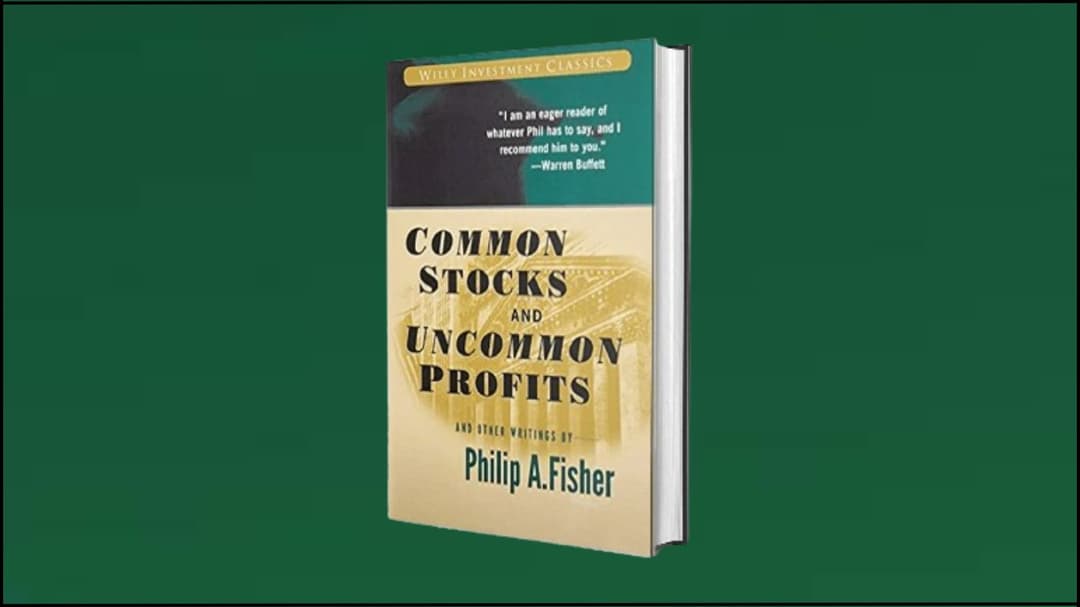
5. Common Stocks and Uncommon Profits by Philip Fisher
Philip Fisher’s Common Stocks and Uncommon Profits is one of the founding texts of qualitative investing. Where many books focus on financial ratios and balance sheets, Fisher teaches you to look deeper, at management quality, competitive advantages, and a company’s capacity to keep growing over the long haul. Warren Buffett himself credited Fisher as a major influence, alongside Graham.
That alone tells you this book belongs in your library.
Key Concepts:
- Scuttlebutt Technique: Gathering information from various sources to assess a company’s potential.
- 15 Points to Look for in a Stock: Fisher outlines key attributes to consider, such as competitive advantage and management quality.
- Long-term Growth Investing: Emphasizes investing in companies with sustainable growth prospects.
6. The Essays of Warren Buffett by Warren Buffett and Lawrence Cunningham
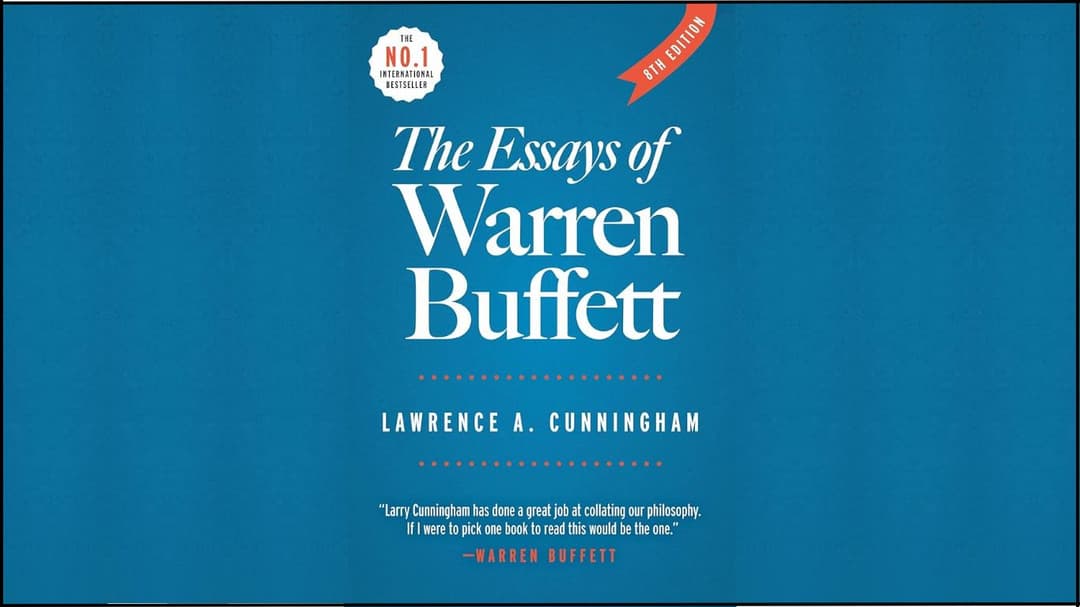
This book is as close as you’ll get to sitting across from Warren Buffett and having him explain exactly how he thinks. Lawrence Cunningham compiled Buffett’s shareholder letters to Berkshire Hathaway into a single, organized volume, and the result is an extraordinary window into the mind of the world’s most admired investor. You’ll come away with a much sharper understanding of capital allocation, business valuation, and why Buffett has always played the long game.
Key Concepts:
- Value Investing: Buffett’s approach to finding undervalued stocks with strong fundamentals.
- Long-term Focus: The importance of holding investments for the long term to realize their full potential.
- Business Principles: Buffett’s criteria for evaluating businesses, including management quality and economic moats.
7. You Can Be a Stock Market Genius by Joel Greenblatt
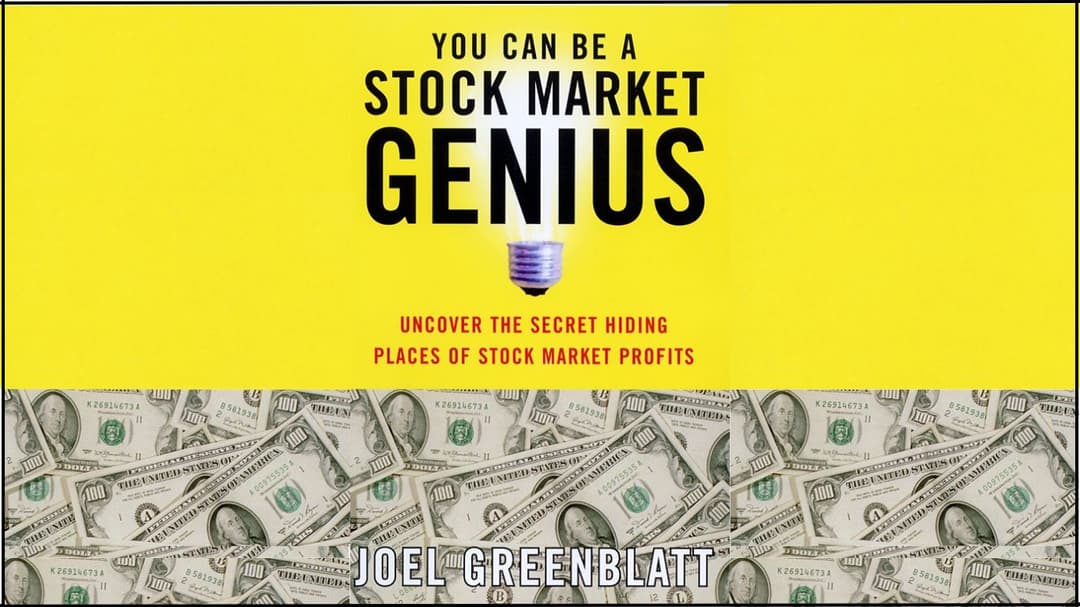
Before Greenblatt wrote the Magic Formula book, he wrote this one, and it’s a different beast entirely. You Can Be a Stock Market Genius focuses on special situations investing, the kind of opportunities that show up during spinoffs, mergers, bankruptcies, and restructurings. These events create pricing inefficiencies that most investors overlook. Greenblatt shows you exactly how to spot them and why they can generate outsized returns for those willing to do the work.
Key Concepts:
- Special Situations Investing: Strategies for capitalizing on unique opportunities like spin-offs, mergers, and restructurings.
- Research and Analysis: The importance of thorough research and understanding of complex transactions.
- Risk Management: Techniques for managing risks associated with special situations.
8. The Bogleheads’ Guide to Investing by Taylor Larimore, Mel Lindauer, and Michael LeBoeuf
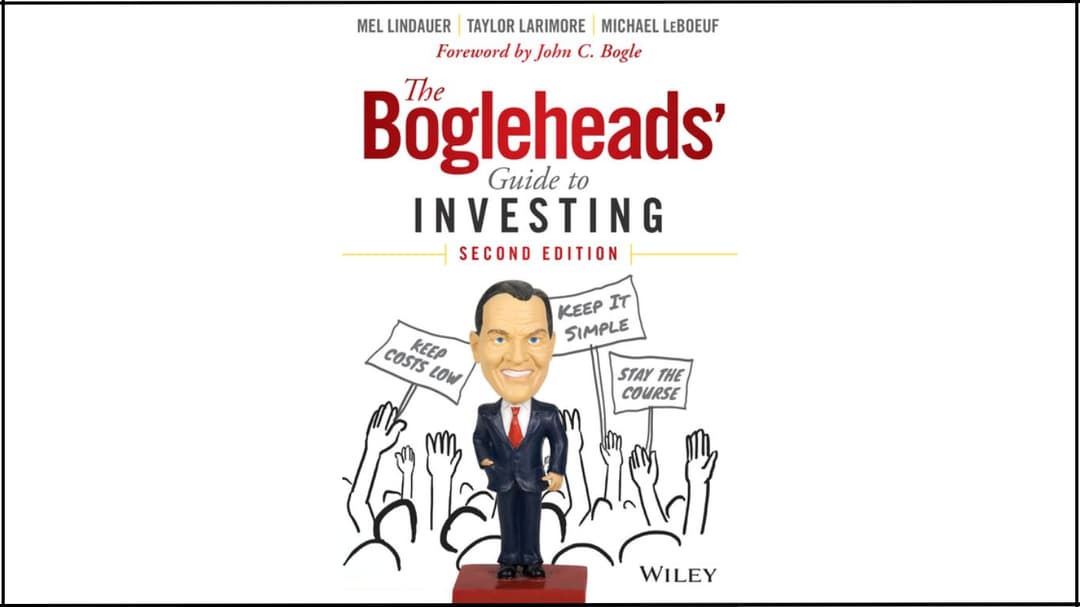
Built around the investing philosophy of Vanguard founder John Bogle, this book is a practical, no-nonsense guide for anyone who wants to build wealth without handing their financial future over to high-fee fund managers. The Bogleheads’ Guide to Investing covers everything from asset allocation and tax efficiency to retirement planning, all delivered in plain language that respects your intelligence without overwhelming you with complexity.
Key Concepts:
- Index Investing: Advocates for low-cost index funds as a core investment strategy.
- Diversification: The importance of spreading investments across different asset classes.
- Financial Planning: Comprehensive guidance on retirement planning, tax strategies, and asset allocation.
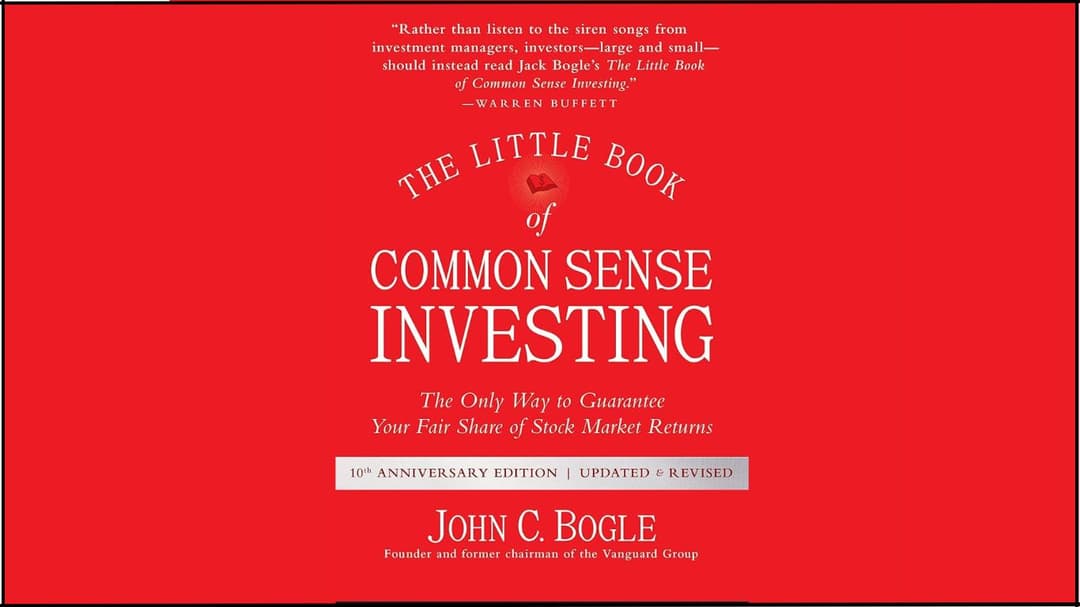
9. The Little Book of Common Sense Investing by John C. Bogle
John Bogle spent his career making the case for index fund investing, and this book is his most direct argument. The premise is straightforward. Most actively managed funds underperform the market after fees, so your best move is to own the whole market at the lowest possible cost and let compounding do its work. Bloomberg has tracked this trend extensively, and the data keeps pointing in the same direction Bogle always pointed.
Key Concepts:
- Index Fund Investing: Bogle makes a strong case for the superiority of index funds over actively managed funds.
- Cost Efficiency: The impact of low fees on long-term investment returns.
- Market Efficiency: The challenges of consistently beating the market and the benefits of passive investing.
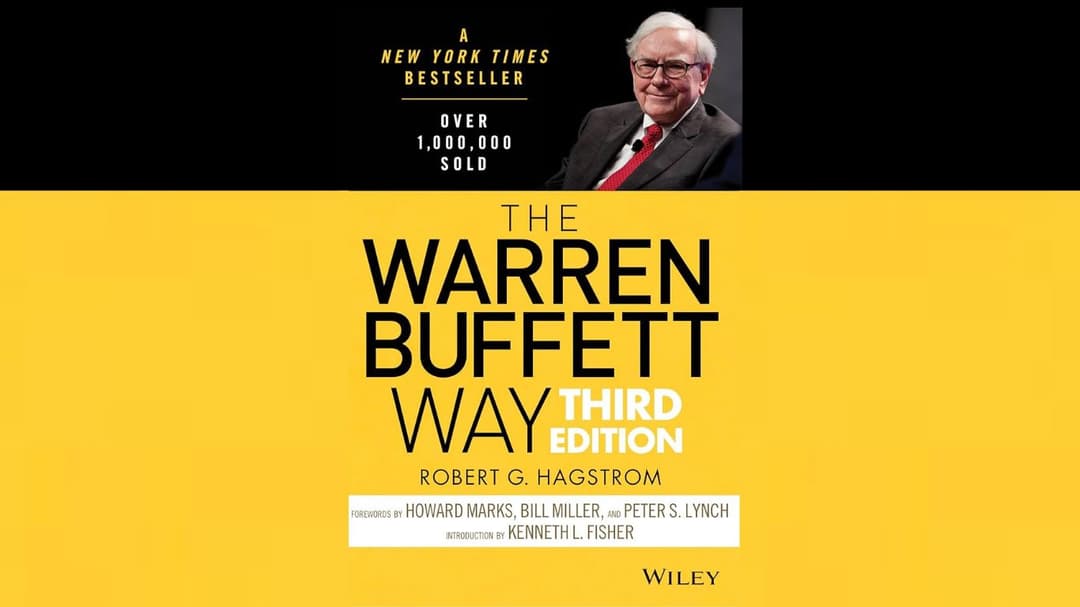
10. The Warren Buffett Way by Robert G. Hagstrom
Robert Hagstrom spent years studying Warren Buffett’s investment decisions and distilled his findings into one of the clearest breakdowns of Buffett’s methodology ever written. The Warren Buffett Way walks you through the principles behind some of Buffett’s most famous investments, giving you a practical framework you can apply to your own stock analysis. If you want to understand how to analyze a company’s earnings and fundamentals the way Buffett does, this is your starting point.
Key Concepts:
- Investment Principles: A close look at Buffett’s principles, including business analysis, management evaluation, and financial metrics.
- Case Studies: Real-world examples of Buffett’s investments and their outcomes.
- Value Investing: Practical applications of value investing strategies in various market conditions.
Benefits of Reading Books About Investing
Reading serious investment books is one of the highest-return activities you can do with your time. The knowledge compounds just like the money does. Whether you’re new to markets or you’ve been investing for decades, the right books sharpen your thinking, challenge your assumptions, and give you frameworks that hold up across all kinds of market conditions. Here’s what you actually gain.
1. Comprehensive Knowledge
Good investment books don’t just skim the surface. They give you the full picture, financial concepts, market history, economic context, and practical strategy, all in one place. You get the kind of depth that a quick article or a podcast rarely delivers.
2. Expert Insights
The best investing books are written by people who’ve actually done it, fund managers, economists, and investors who’ve navigated bull markets and crashes alike. Their hard-earned perspective gives you access to thinking that would otherwise take decades of experience to develop on your own.
3. Learning from Mistakes
One of the most valuable things great investment books do is show you where smart people went wrong. Case studies of real losses and bad decisions are worth their weight in gold. Understanding those mistakes upfront means you’re far less likely to repeat them with your own capital.
4. Diverse Perspectives
No single strategy works in every market environment. Reading widely across value investing, growth investing, technical analysis, and fundamental analysis gives you a far more complete toolkit. You’ll develop your own approach rather than blindly following one school of thought.
5. Long-term Strategies
The best investing books push back hard against short-term thinking. They teach you how to build a plan you can actually stick to through volatility, and how to stay disciplined when the market is trying to make you panic. That patience is where the real returns come from.
6. Risk Management
Every serious investing book treats risk as the central problem to solve. You’ll learn how to assess downside exposure, build in appropriate buffers, and structure your portfolio so that no single loss can derail your long-term plans. That kind of strategic thinking about risk and return applies whether you’re in stocks, real estate, or anywhere else.
7. Improved Decision-making
When you understand how markets actually work, including economic indicators, company fundamentals, and sector dynamics, your decisions get sharper. You stop reacting to noise and start responding to what actually matters.
8. Financial Independence
The more you know, the less you need to pay someone else to manage your money. That’s not a knock on advisors, some are genuinely excellent. But a well-read investor who understands their own portfolio is always going to be in a stronger position than one who delegates blindly and hopes for the best.
9. Keeping Up with Trends
Markets shift. New instruments emerge. Economic cycles evolve. Reuters Markets covers these changes daily, but books give you the deeper context to understand what those changes actually mean.
The best investing books are regularly updated to reflect the current environment, keeping your thinking current.
10. Developing Critical Thinking
Perhaps the most underrated benefit of reading investment literature is what it does to your analytical mind. You learn to question narratives, stress-test assumptions, and weigh evidence before acting. In a world full of hot tips, social media noise, and market hype, that kind of clear-eyed thinking is your most valuable asset.
We last reviewed this analysis in May 2026.


Alex Tzoulis
Alex Tzoulis is Co-Owner and Markets Analyst at The Luxury Playbook, specializing in equities, crypto, forex, and global financial markets. His work focuses on analyzing macroeconomic trends, geopolitical developments, and monetary policy, translating them into actionable insights across both traditional and digital asset classes. He leads the platform's financial market coverage, providing structured analysis across stock market investing, trading strategies, and cryptocurrency markets. His expertise strengthens the publication's authority in financial markets and capital allocation, bridging traditional finance with emerging digital investment ecosystems.