
If you’re leasing an apartment or a house, renters insurance is something you genuinely cannot afford to skip. It gives you real, substantial protection for your personal possessions against threats like theft, fire, and vandalism. And it goes well beyond just covering your stuff.
Your policy also includes liability coverage, which shields you from lawsuits tied to accidents on your rental property that cause injury or property damage to others. On top of that, renters insurance steps in to cover your extra living costs if your home suddenly becomes uninhabitable, picking up the tab for things like hotel stays and meals.
Renters insurance is genuinely affordable for most people, though your final premium will depend on where you live and the coverage limits you choose. The key is understanding exactly what your policy covers so you’re never left underprotected when something goes wrong.
- Renters insurance covers personal property, liability and additional living expenses for tenants whose landlord insurance only protects the building structure itself.
- We see premiums typically running between fifteen and forty dollars per month in major US markets, with equivalent product pricing across the United Kingdom and other Anglophone countries.
- Personal property coverage protects tenants against theft, fire and water damage to their belongings, with replacement cost policies preferred over the cheaper actual cash value alternative.
- Liability coverage protects tenants if guests are injured in the unit or if the tenant damages someone else's property, with limits typically ranging from one hundred thousand to one million dollars.
- Additional living expenses cover the cost of temporary accommodation if the rental unit becomes uninhabitable due to a covered event, easing the displacement burden.
- For all renters we view the modest monthly premium as substantial protection against meaningful financial loss, particularly given the gap left by landlord insurance coverage.
- Who is this for?
- Renters across all income levels considering whether to purchase renters insurance, alongside landlords explaining the gap left by their building coverage and insurance brokers serving the tenant market.
- What is happening?
- A clear explanation of renters insurance, covering personal property protection, liability coverage, additional living expenses and the price points typical across major rental markets.
- When did this emerge?
- The article reflects current rental insurance market practice through 2025 and 2026, including the latest premium pricing and post-pandemic claims trends.
- Where is this happening?
- The piece covers the United States in most detail, with reference to United Kingdom, Canadian and Australian rental insurance products where structural principles translate.
- Why does it matter?
- Renters consistently underestimate their property value and liability exposure, which is why understanding the modest cost of protection matters before any covered event occurs.
What Is Renters Insurance
The renters-insurance market sits inside a regulatory framework documented across the trade bodies. The National Association of Realtors covers the landlord-side rationale, and RICS publishes parallel standards for the property-management profession that often handles the policy paperwork.
The financial-press coverage tracks the consumer side. The Wall Street Journal and The Financial Times property desks both report on how policy structures and premium pricing have shifted across recent cycles.
Renters insurance is a policy built specifically to protect you, as a tenant, from financial losses connected to your rented home or apartment. It covers your personal belongings, wraps you in liability protection, and takes care of additional living expenses when unexpected events like fire, theft, vandalism, or certain natural disasters turn your world upside down. Your landlord has insurance on the building itself, but that policy does nothing for your personal property.
That’s where your own renters insurance comes in.
A standard renters insurance policy is built around three core components you need to know about.
- Personal Property Coverage: Protects your belongings, such as furniture, electronics, clothing, and valuables, against covered risks like fire, theft, or water damage.
- Liability Coverage: Offers financial protection if someone is injured on your rental property or if you accidentally cause damage to someone else’s property.
- Additional Living Expenses (ALE): Covers temporary housing costs if your rental unit becomes uninhabitable due to a covered event.
Renters insurance is surprisingly affordable. Most premiums come in under $20 per month, depending on your coverage limits and where you live. For that kind of money, you get genuine peace of mind and a solid financial safety net against the unexpected.

How Renters Insurance Works
For deeper context, the breakdown in when a property manager actually adds value to a rental portfolio is worth reading alongside this analysis.
Renters insurance gives you financial protection when unexpected incidents like fire, theft, vandalism, or certain natural disasters strike. Your landlord’s policy covers the building itself. Yours covers everything inside it, from your personal belongings to your liability exposure, and can even step in to cover your living costs if the rental becomes uninhabitable.
When you buy a renters insurance policy, you choose your coverage limits based on the value of your belongings and how much liability protection makes sense for your situation. When a covered event hits, the process kicks in to make you whole again.
- File a Claim: Notify your insurance provider and submit details about the loss or damage.
- Assessment: The insurer evaluates the claim, possibly inspecting the damage or requesting proof of ownership.
- Payout: If the claim is approved, you’ll receive compensation up to your policy limits, either for repair, replacement, or reimbursement of your belongings.
Liability coverage within your policy protects you financially if someone gets hurt in your rental space or if you accidentally damage someone else’s property. Your Additional Living Expenses coverage, often called ALE, picks up the cost of temporary accommodation, meals, and related expenses if your rental unit becomes uninhabitable due to a covered loss.
Monthly premiums on renters insurance typically run between $15 and $30, making it one of the most cost-effective safety nets available to tenants. It’s a straightforward policy that delivers real financial security and genuine peace of mind.
Why Do You Need Renters Insurance?
A lot of renters assume their landlord’s insurance has them covered. It doesn’t. Your landlord’s policy only covers the building itself, not a single item you own.
For comprehensive protection of your personal belongings, you need your own policy.
Here are the key reasons to get renters insurance sorted sooner rather than later.
- Protection Against Common Perils: It covers events like fire, theft, and others.
- Liability Coverage: Offers $100,000 to $300,000 in liability protection, covering legal and damage costs.
- Additional Living Expenses: Supports you with temporary housing costs if your rental is uninhabitable.
- Requirement by Landlords: Many leasing agreements require tenants to have renters insurance.
Choosing the right renters insurance comes down to comparing your options carefully. Pull quotes from several insurers so you can weigh what each one actually offers. A little research goes a long way toward finding coverage that gives you genuine financial security and real peace of mind. If you’re navigating property decisions more broadly, these advanced real estate strategies for high-level investors are worth your time.
| Insurance Coverage | Details |
|---|---|
| Personal Possessions | Losses from fire, theft, vandalism, plumbing, and electrical malfunctions |
| Liability Coverage | $100,000 to $300,000, with an option for umbrella policies |
| Additional Living Expenses | Covers temporary housing if the rental unit is uninhabitable |
| Optional Riders | Additional coverage for high-value items like electronics, jewelry, art |
Types of Coverage Included
Renters insurance covers a wide range of financial risks, from damage to your personal belongings to liability concerns and temporary housing needs. The whole point is to minimize financial exposure and give you confidence that you’re protected when life goes sideways. Here’s a breakdown of the key coverage types you’ll find in a standard renters insurance policy.
Personal Property Coverage
Personal property coverage is the heart of your renters insurance policy. It protects your clothing, electronics, furniture, and appliances from covered perils like theft, fire, vandalism, and water damage, though floods are typically excluded. Most policies set specific limits for high-value items, such as $500 for jewelry or $2,100 for business-related equipment.
When a covered loss occurs, your insurer will compensate you based on either the replacement cost value or the actual cash value of the damaged or stolen items, depending on the policy you’ve chosen.
Liability Coverage
Liability coverage is another critical piece of your renters insurance policy. If you’re found legally responsible for injuring someone or damaging their property, this coverage protects your finances. According to the Insurance Information Institute, liability protection within renters policies extends across a range of situations you might not expect.
- Medical bills resulting from injuries caused to others within your rental space.
- Legal expenses and attorney fees if you face a lawsuit related to the incident.
- Property damage claims caused accidentally by you or your household members.
Most standard policies start with at least $100,000 in liability coverage. But if your lifestyle or assets warrant it, you can purchase higher limits without much hassle.
Guest Medical Coverage
If a visitor gets injured in your rental, your renters insurance policy typically includes guest medical coverage to handle it. This pays for medical expenses like doctor visits, emergency room costs, and minor treatments, regardless of who was at fault. It’s a practical buffer that handles smaller claims cleanly, before they have any chance of escalating into larger liability disputes.
Additional Living Expenses
If a fire or severe storm damage makes your rental unit uninhabitable, your renters insurance steps in with Additional Living Expenses coverage. This benefit takes care of the costs that pile up while repairs are underway.
- Temporary accommodation costs (e.g., hotel stays).
- Meal expenses if you cannot cook at your temporary location.
- Other essential costs that arise from being displaced.
ALE coverage means an unexpected disaster doesn’t have to drain your savings while you wait to get back home. It’s one of those benefits that feels invisible until you genuinely need it.
Optional Add-Ons and Endorsements
Many renters insurance policies let you layer on optional coverage add-ons for stronger, more tailored protection. These endorsements are worth considering depending on what you own and how you live.
- Flood Insurance: Standard policies typically exclude flood damage; separate coverage can be purchased.
- Earthquake Coverage: Protection against damage caused by seismic activity.
- Replacement Cost Coverage: Ensures items are replaced at their current market value instead of their depreciated value.
Whether you’re renting an apartment, a condo, or a full house, renters insurance gives you an affordable safety net against financial losses you didn’t see coming. With average monthly premiums sitting between $15 and $30, it’s a cost-effective way to protect your belongings, shield yourself from liability claims, and have a backup plan ready when disaster strikes. If you’re thinking about property ownership as your next move, buying real estate in Cyprus as an expat is one path worth exploring.
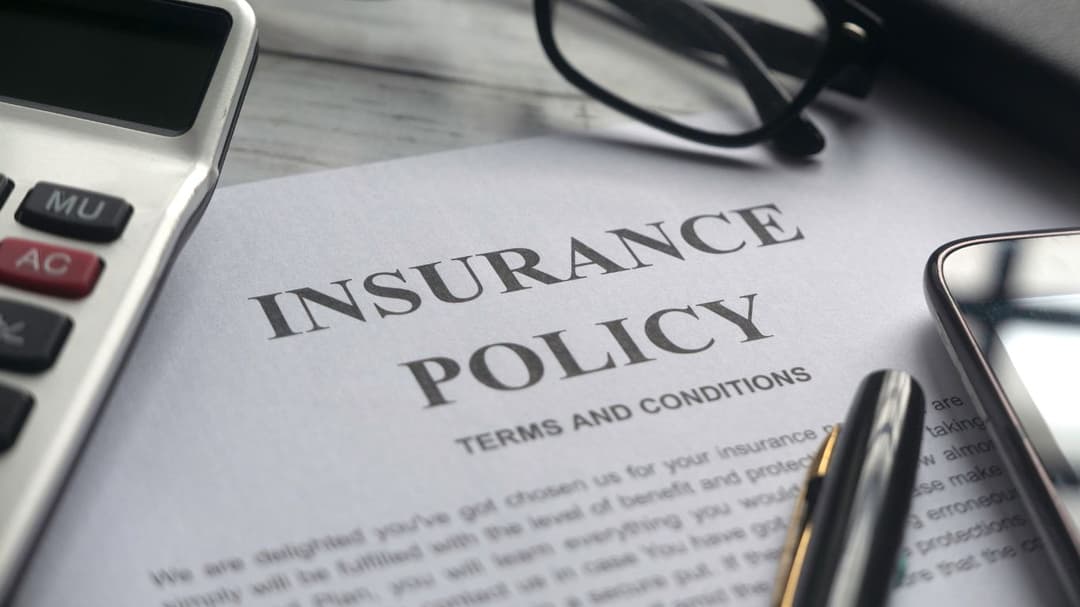
What Does Renters Insurance Cover?
Renters insurance protects you against a wide range of risks. Your personal belongings are covered against damage or loss from theft, vandalism, and natural disasters including fire, lightning, and storms. Think of it as a financial buffer between you and the kind of unexpected losses that can set you back significantly.
Weather-related damage coverage is one of the most underestimated features of a good renters policy. If a storm or similar event causes destruction, your items are protected. Most people don’t think about this until nature reminds them why it matters.
Your personal belongings coverage also extends well beyond the walls of your rental unit. If theft happens from your car or a storage unit, you’re still covered. That kind of broad protection means your possessions are looked after wherever they happen to be.
Here’s a detailed breakdown of the typical coverages you can expect from a standard renters insurance policy.
| Type of Coverage | Details |
|---|---|
| Theft | Protection against stolen personal belongings both inside and outside the rental property. |
| Weather-Related Damages | Coverage for damages caused by perils such as windstorms, hail, and lightning. |
| Fire and Smoke Damage | Compensation for loss or damage due to fire or smoke within the rental property. |
| Vandalism | Protection against damages caused by malicious destruction of property. |
| Water Damage | Coverage for specific types of water damage, though some sources may be excluded. |
| Additional Living Expenses | If your rental becomes uninhabitable, this covers living costs for up to 24 months. |
| Special Coverage Limits | Includes limits for items like jewelry, boats, and business equipment. Some high-value items may require additional premiums. |
Most renters insurance policies provide $100,000 in liability coverage, which meets the needs of the majority of tenants. That said, your specific situation matters. You should assess whether you need additional protection, such as a personal liability umbrella policy or pet medical insurance, on top of your standard coverage.
Knowing what your renters insurance covers puts you in a much stronger position. This isn’t just about protecting against theft or storm damage. It’s about building a comprehensive layer of security around your belongings and your finances, so the unexpected doesn’t become a financial crisis.
What Isn’t Covered by Renters Insurance?
Renters insurance protects you from a lot, but knowing its limits is just as important as knowing its strengths. Understanding the exclusions in your policy will sharpen your coverage decisions and help you identify where extra protection might be worth adding.
Exclusions in Renters Insurance Policies
Renters insurance offers broad coverage, but certain situations fall outside its scope. Damage to the physical structure of your rental, for example, is your landlord’s responsibility, not yours. The same goes for fixtures or appliances your landlord provides.
Your policy simply doesn’t cover those.
- Damage from natural disasters like floods and earthquakes requires separate insurance policies.
- Issues stemming from routine maintenance, including renters insurance mold damage caused by poor humidity control, are generally not covered.
- Pest infestations, such as bed bugs, are excluded.
- Theft of motor vehicles isn’t covered by renters insurance but might be under auto insurance.
Another area to watch is personal property that exceeds your policy’s limits. High-value items often aren’t fully covered without added endorsements or floaters. Jewelry, fine art, and certain specialized equipment frequently fall into this gap.
Optional Coverage for Special Items
If you own high-value possessions, adding scheduled personal property coverage, sometimes called Extra Coverage, is a smart move. This type of add-on is designed to protect items like the following.
- Jewelry
- Bikes
- Fine art
- Musical instruments
- Cameras and electronics
Scheduled personal property coverage protects these items up to their appraised value, giving you a level of coverage that goes well beyond what a standard policy delivers.
| Feature | Covered by Standard Policy | Requires Extra Coverage |
|---|---|---|
| Fire damage | Yes | No |
| Theft of personal property | Yes | No |
| High-value jewelry | Limited | Yes |
| Flood damage | No | Yes |
| Renters insurance mold damage | No | Yes |
Getting clear on your policy’s exclusions and standard limitations is essential. Once you understand where the gaps are, you can build a coverage strategy that actually matches what you own and what you stand to lose. This review of Ohmyhome’s real estate agency touches on how savvy renters and buyers think about protecting their assets from the start.

How to Get Renters Insurance Quotes
Getting renters insurance sorted is one of the smartest moves you can make as a tenant. But to find the right policy, you need to compare your options properly. Here’s how to gather the information you need to make a confident decision.
The top renters insurance companies have built clean, streamlined online quote systems that make it easy to get started. You enter details about your property and belongings, and within minutes you have a number to work with. Companies like GEICO, Progressive, and State Farm all offer user-friendly platforms built for exactly this kind of comparison.
Calling a licensed agent directly is another strong option, especially if you want detailed answers and advice tailored to your situation. Providers like Liberty Mutual and Allstate have agents who will walk you through the specifics of their coverage, from personal property protection to liability limits and additional living cost coverage.
Working with an independent insurance agent gives you access to a broader range of options. Independent agents work with multiple insurers, which means they can pull together a variety of quotes and policies and help you find the best match for your specific circumstances.
When you request quotes, keep in mind that your property’s location, the coverage limits you choose, and your deductible all play a role in shaping your premium. Progressive outlines that the quote process typically involves a straightforward set of questions about your rental property and your possessions.
- Address of the rented property
- Type and age of the building
- Estimated value of personal property
- Desired coverage limits and deductibles
- Any additional endorsements (e.g., jewelry, electronics)
To get a real sense of what you’re comparing, it helps to look at the offerings and pricing from several major renters insurance companies side by side.
| Company | Estimated Monthly Premium | Coverage Options | Unique Features |
|---|---|---|---|
| GEICO | $12 | Personal Property, Liability, Additional Living Expenses | Multi-policy discount with auto insurance |
| Progressive | $15 | Personal Property, Liability, Guest Medical Coverage | Easy online quotes |
| State Farm | $16 | Theft, Vandalism, Water Damage, Fire/Smoke | Local agent assistance |
| Liberty Mutual | $17 | Personal Property, Liability, Additional Living Expenses | Flexible payment options |
| Allstate | $18 | Personal Property, Liability, Guest Medical Coverage | Personalized policy advice |
Factors Influencing the Cost of Renters Insurance
Your renters insurance premium doesn’t appear out of thin air. Several key factors shape what you pay, and understanding them puts you in control. Once you know what drives the cost, you can make smarter decisions, balance coverage with affordability, and get genuine value from your policy.
Location and Crime Rates
Where your rental property sits has a direct impact on your premium. Areas with higher crime rates, whether that means frequent theft or ongoing vandalism, come with higher insurance costs because the risk exposure is greater. The same logic applies to regions prone to natural disasters like hurricanes, wildfires, or floods.
Mississippi, for instance, carries some of the highest renters insurance premiums in the country, averaging around $252 annually, largely because of its vulnerability to storms. North Dakota sits at the other end of the spectrum, with average premiums as low as $115 per year. If your rental sits inside a gated community or comes equipped with security systems and smoke alarms, you’ll often qualify for discounts because those features lower the likelihood of theft or fire damage.
Coverage Limits and Deductibles
Your coverage limit is the maximum your insurer will pay out after a covered loss, and it has a direct effect on your premium. A standard renters insurance policy bundles together personal property coverage, liability coverage, and additional living expenses coverage, and the limits you set on each one shape what you pay.
- Opting for higher coverage limits (e.g., $500,000 for liability coverage) results in higher premiums because the insurer assumes greater financial risk.
- A higher deductible (the out-of-pocket amount you pay before insurance coverage kicks in) usually lowers your monthly or annual premium but increases your financial responsibility during a claim.
In New Jersey, for example, a renters insurance policy covering $14,000 to $19,999 in personal property averages around $120 annually, which is a reasonable balance between protection and cost for most tenants.
Type of Property and Number of Units
The type of rental you’re living in affects your insurance rate. An apartment in a large multi-unit complex tends to come with a lower premium because the risk is spread across many units. A single-family home or smaller building typically costs more to insure because isolated incidents like fires or break-ins carry more weight when there’s less of a risk pool.
Buildings with modern safety features like sprinkler systems, security cameras, and controlled access points often qualify for lower premiums. Some insurers will also offer bundled discounts if you combine your renters insurance with another policy, such as auto insurance, under the same provider.
Tenant’s Personal Claims History
Your claims history matters more than most tenants realize. If you’ve filed multiple claims in the past, insurers tend to view you as a higher-risk client, and your premium will reflect that. Keep a clean claims record and you’ll likely qualify for no-claims discounts or lower annual rates over time.
Property Value and Belongings
The total value of your personal belongings shapes how much personal property coverage you need, and that directly affects your premium. If you own high-value items like jewelry, electronics, or artwork, you’ll likely need additional coverage or policy endorsements on top of your base policy. Keeping a detailed inventory of your possessions, complete with receipts and appraisals, helps you dial in the right coverage amount without overpaying.
For context on how art valuations work and what drives prices, this breakdown of contemporary art versus modern art is a useful reference.
Credit Score
In many regions, insurers factor your credit score into the premium calculation. Tenants with stronger credit scores are typically seen as lower-risk clients, which translates into lower premiums. A poor credit history, on the other hand, can push your insurance costs higher.
According to NerdWallet’s renters insurance research, credit score is one of the more significant variables insurers use when setting rates.
A standard renters insurance policy covers the most common risks, but adding protection for flood damage, earthquakes, or identity theft will raise your premium. Choosing replacement cost coverage, which reimburses you based on the current market value of items rather than their depreciated value, also costs more than an actual cash value policy. But the payout difference when you file a claim can be substantial, and Forbes Advisor breaks down the trade-offs clearly.
Most insurers offer discounts that can meaningfully reduce what you pay for renters insurance. Here are the ones worth asking about.
- Multi-policy discounts: Bundling renters insurance with auto or life insurance.
- Safety equipment discounts: Properties equipped with fire alarms, security systems, or smart home devices.
- Loyalty discounts: Long-term customers often receive reduced rates.
Understanding the factors that drive your premium gives you real leverage. Here’s how you can put that knowledge to work.
- Choose a higher deductible if you’re comfortable assuming more out-of-pocket risk.
- Invest in home security systems to qualify for safety discounts.
- Regularly review and adjust your coverage limits to match your belongings’ value.
Renters insurance is an affordable safety net no matter how you look at it, with average monthly premiums sitting between $15 and $30 depending on all the factors above. By understanding what drives your costs and managing those variables strategically, you can lock in comprehensive coverage without stretching your budget further than it needs to go.
We last reviewed this analysis in May 2026.


Savvas Agathangelou
Savvas Agathangelou co-founded The Luxury Playbook and has spent years reporting from the prime postcodes the magazine covers — Mayfair, Knightsbridge, the Athens Riviera, Dubai's Palm crescents, and the southern Mediterranean coastlines where the world's wealthy keep coming back. His background is in international hospitality, and that frame shapes how he writes about property: the developer's choices, the architect's signature, the agency's bench of named brokers, the building's service standard once the buyer moves in. He files developer spotlights, agency profiles, and the seasonal "Properties That Defined" listicles, and he hosts the magazine's founder-and-leadership interviews on the Voices side.