
London is one of the most vibrant and diverse cities on the planet. You get world-class cultural attractions, a dynamic job market, and a cosmopolitan lifestyle that few cities can match. But living here comes with a real price tag, and understanding what that looks like before you commit is essential whether you’re relocating, investing, or simply planning an extended stay.

London consistently ranks among the most expensive cities in the world, and what you’ll actually spend depends heavily on your lifestyle, location, family setup, and personal taste. That said, as a single person you can expect to spend somewhere between £2,000 and £3,000 per month on living expenses. For a couple maintaining a comfortable lifestyle, that figure climbs to between £3,000 and £4,500 per month.

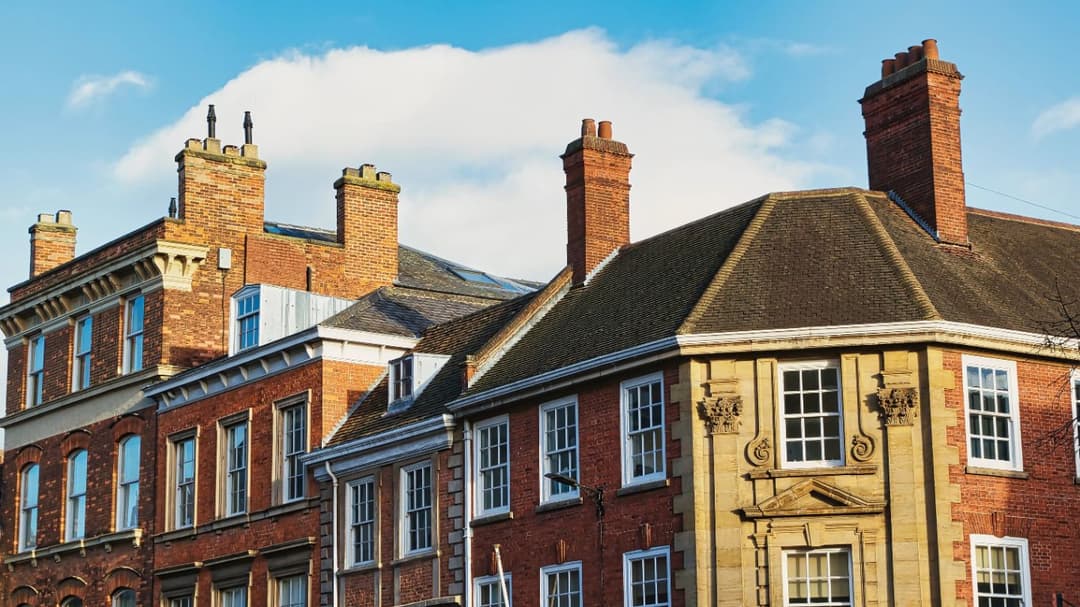
Housing Costs in London

Housing in London sits among the most expensive in the UK, driven by relentless demand, tight supply, and the city’s position as a global financial hub. What you pay to rent or buy varies widely depending on the neighbourhood, property type, and how close you are to central London. Here’s a detailed look at what housing actually costs across different parts of the city.

Housing Costs in London


Rental Prices

Renting in London can be eye-opening, especially in central areas. Your rental costs will shift based on location, size, and the quality of the property you’re after.

  1. Central London (Zones 1-2):
    Renting a one-bedroom apartment in Central London can range from £1,500 to £3,500 per month.

    In prime locations such as Mayfair, Chelsea, and Knightsbridge, rents often exceed £4,000 per month. High demand, luxury amenities, and proximity to business districts drive up these prices.

  2. Outer London (Zones 3-4):
    Rental prices are somewhat lower in Outer London. A one-bedroom apartment typically costs between £1,200 to £2,000 per month.

    Areas like Wimbledon, Clapham, and Ealing offer more affordable options while still providing good transport links to Central London.

  3. Greater London (Zones 5-6):
    In these suburban areas, such as Croydon, Barking, and Hounslow, rents are more affordable, ranging from £900 to £1,500 per month for a one-bedroom apartment.

    These areas attract families and professionals looking for more space and lower living costs​.

Buying Property

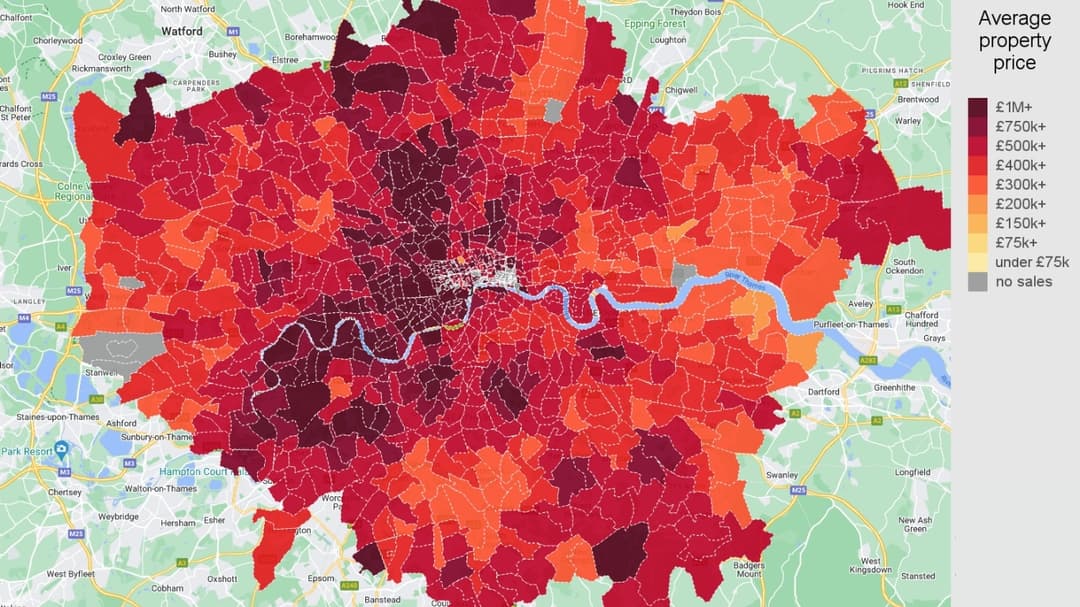
Buying property in London is a serious financial commitment, with prices that swing dramatically by postcode. To give you a clear picture, here are the average prices per square metre across different parts of London.

  1. Central London:
    In premium areas like Westminster, Kensington, and Chelsea, property prices range from £12,000 to £15,000 per square meter. These areas are known for their high-end properties, historical significance, and luxury living options.

  2. Outer London:
    Prices decrease in areas like Greenwich, Richmond, and Wandsworth, where the average price is between £7,000 to £9,000 per square meter. These neighborhoods offer a mix of suburban and city living, with excellent schools, parks, and local amenities.

  3. Greater London:
    The most affordable areas are in Greater London, such as Croydon, Hounslow, and Barking, where prices range from £4,500 to £6,500 per square meter. These suburbs provide more space, lower property prices, and a more relaxed pace of life while remaining accessible to central areas​.

Luxurious villa with a pool

Find Exclusive Properties

20+ Qualified Consultants ready to help

Express Interest

Property Taxes and Other Costs

Beyond the purchase price, owning property in London means accounting for a range of taxes and additional costs that can add up quickly. Make sure you factor all of these into your budget before signing anything.

  1. Council Tax:
    Council tax varies by borough and property valuation band. For example:

    • In Westminster, council tax for a Band D property is around £827 annually, which is one of the lowest rates in London.

    • In Richmond upon Thames, council tax for the same band can reach up to £2,000 per year due to higher local authority charges for public services and amenities​.

  2. Stamp Duty Land Tax (SDLT):
    SDLT is a significant cost for property buyers in London, particularly for high-value properties:

    • For properties priced between £250,001 and £925,000, the SDLT rate is 2%.

    • For properties valued between £925,001 and £1.5 million, the rate increases to 5%.

    • Properties over £1.5 million incur a 12% SDLT rate.


      Additional surcharges apply for second homes or buy-to-let properties, which can add another 3% on top of the standard rates​.

London House Prices 2025

Utility Costs in London

Utilities are a meaningful slice of your monthly budget in London, covering electricity, gas, water, internet, and TV licensing. What you pay depends on the size of your property, how much energy you use, and which providers you go with.

Electricity and Gas

Electricity and gas costs for London residents average between £100 and £150 per month. That estimate shifts depending on the size of your property, how many people live there, energy efficiency, and your day-to-day usage habits. A few examples help put it in perspective.

  • A one-bedroom apartment typically incurs monthly costs of around £100 to £120.

  • Larger properties, such as three-bedroom houses, might see monthly bills closer to £150 or more.

The UK energy price cap, set by Ofgem, the Office of Gas and Electricity Markets, has a direct impact on what you’ll pay. As of October 2024, the cap sits at £1,834 per year for a typical household, which works out to roughly £152 per month for combined gas and electricity. Your actual costs can vary based on your tariff, provider, and consumption levels.

Water Costs

The average water bill in London runs between £25 and £40 per month, depending on your provider and usage. Thames Water, the primary supplier for the city, charges a typical household around £390 to £420 annually, which works out to about £32.50 to £35 per month. If you’re on a water meter, you may see slightly lower bills since you’re paying for what you actually use rather than a fixed rate.

Internet Costs

High-speed internet in London typically costs between £30 and £50 per month. The price depends on your provider, connection speed, and whether you bundle it with TV or phone services. Major providers like BT, Virgin Media, and Sky all offer packages with varying speeds and price points to suit different needs.

  • BT: Offers packages starting from £28 per month for basic broadband up to £60 per month for high-speed fiber.

  • Virgin Media: Prices range from £34 to £54 per month for different broadband speeds.

  • Sky: Offers packages from £25 to £50 per month, depending on speed and additional services like TV​.

TV License

A TV licence is required in the UK if you watch or record live television or use BBC iPlayer. The cost sits at £169 annually as of 2026. Every household needs one, and it’s mandatory for anyone using these services. The licence fee funds public broadcasting, including the BBC.

Calculating the Utility Costs in London

Transportation Costs in London

London’s public transportation network is one of the most comprehensive in the world, covering buses, trams, trains, and the iconic Underground. What you spend on getting around depends on which mode of transport you use, which travel zones you move between, and how often you commute. Here’s a detailed breakdown to help you plan your travel budget accurately.

Public Transport Costs

  1. London Underground (Tube)

    • A single journey on the London Underground costs between £2.40 and £6.00, depending on the number of zones traveled. The cost increases with the distance covered, particularly when traveling through multiple zones.

      For example, a trip within Zones 1-2 costs £2.40 during off-peak hours and £2.90 during peak times.

    • A monthly travelcard for unlimited travel within Zones 1-2 is priced at £147, while a travelcard covering Zones 1-6 costs £270. The travelcards are valid on all public transport within these zones, including buses, trams, and the Tube .

  2. Buses

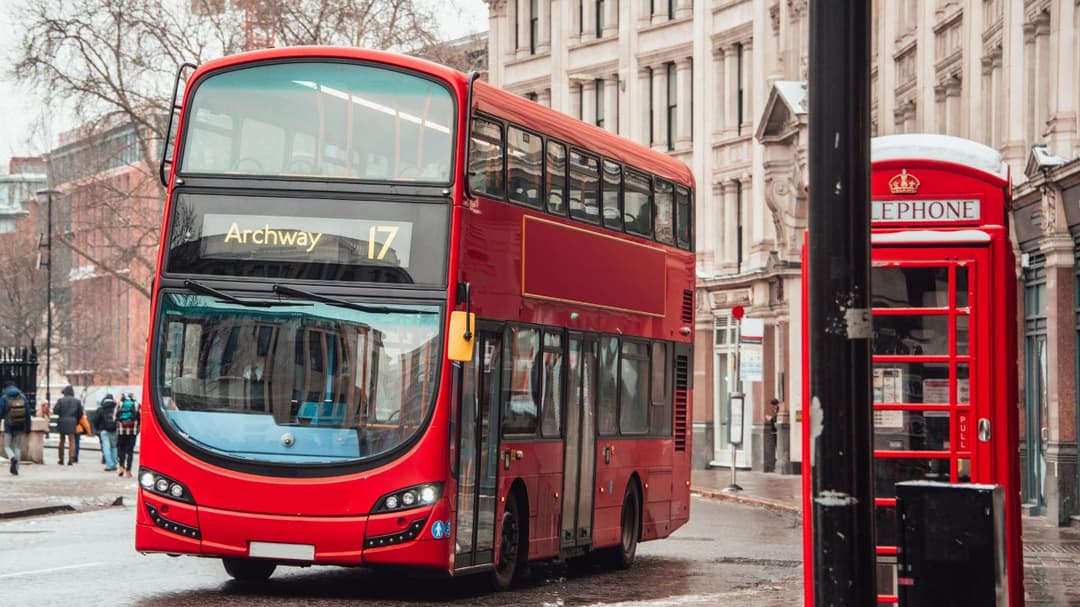
    • A single bus fare in London is £1.75, regardless of the distance traveled. A daily cap for bus travel is set at £5.25, meaning no more charges will accrue after reaching this amount.

    • Unlimited bus and tram travel for a single day costs £4.95. These fares apply to all Transport for London (TfL) bus and tram services across the city, providing a cost-effective way to navigate London.

  3. Oyster Card and Contactless Payment

    • Oyster cards and contactless payment options provide significant savings. These methods offer daily and weekly fare caps, making them ideal for frequent travelers.

      The daily cap for travel within Zones 1-2 is £7.70, while the weekly cap is £38.40. For Zones 1-6, the daily cap is £14.10, and the weekly cap is £70.30. These caps ensure that regular travelers do not spend more than a certain amount on public transportation within the capped period.

Other Transportation Costs

  1. Taxis and Ride-Sharing

    • Taxis in London, known as “black cabs,” have a starting fare of £3.20. The rate increases by approximately £2.20 per mile. Taxis are readily available but can be expensive, particularly during peak hours or in high-demand areas.

    • Ride-sharing services like Uber and Bolt offer slightly lower rates than traditional taxis. However, costs can still add up, especially during surge pricing periods.

      For instance, a typical 3-mile journey could range from £10 to £15 with Uber, while black cab fares might reach £20 or more for the same distance.

  2. Owning a Car

    • Owning a car in London involves several costs. The average cost of car insurance is around £800 annually, but this can vary significantly based on factors like the driver’s age, vehicle type, and driving history.

    • Parking fees in London are another significant expense. Parking in central London can cost from £4 to £7 per hour, with some areas charging as much as £10 per hour. Many areas also require a residential parking permit, which can cost between £100 to £300 per year, depending on the borough.

    • The Congestion Charge of £15 per day applies to vehicles driving in central London between 7 a.m. and 6 p.m. on weekdays. This charge is aimed at reducing traffic and emissions in the city center.

      Additionally, an Ultra Low Emission Zone (ULEZ) charge of £12.50 per day applies to most vehicles that do not meet emissions standards, making it even more costly for older cars to operate in central areas.

Additional Transportation Methods

  • Bicycle Hire and Walking: Cycling and walking are cost-effective alternatives. The Santander Cycle Hire scheme offers bikes for £2 for unlimited 30-minute journeys within 24 hours. For longer distances, cycling can be a cost-effective and healthier option, especially with London’s expanding network of cycle lanes.

  • Discounts and Travel Cards: Various discounts are available for specific groups, such as students, seniors, and disabled persons, providing up to 30% off the cost of travel cards and bus passes.

London Bus

Food and Groceries in London

What you spend on food in London depends heavily on your lifestyle, dietary habits, and where you choose to shop. Grocery prices stay relatively consistent across the city, but dining out can take you from a casual £10 lunch to a multi-course fine dining experience running well into the hundreds.

Groceries

As a single person, your monthly grocery bill will likely fall between £200 and £300. A couple can expect to spend around £350 to £500 per month. The factors that shift this number include your preferred brands, where you shop, and any specific dietary requirements. Below are average prices for common grocery items in London to help you benchmark your spending.

  • Milk (1 liter): £0.90

  • Bread (500g loaf): £1.10

  • Eggs (12): £2.50

  • Chicken (1kg): £6.00

  • Apples (1kg): £2.20

Where you shop makes a real difference. Budget supermarkets like Aldi and Lidl offer noticeably lower prices compared to premium retailers like Waitrose and Marks & Spencer. A litre of milk at Aldi might cost you £0.80, while the same product at Waitrose could be £1.20. Shopping at local markets and buying in bulk can also bring your costs down, especially for fresh produce and everyday essentials.

Dining Out

Dining out in London covers a wide spectrum. You can find affordable options for well under £15 a head, or push into luxury dining territory where a single dinner for two can easily run £200 or more. The city caters to virtually every taste and budget, from street food markets to Michelin-starred restaurants. For those who enjoy the finer side of London’s food scene, Time Out’s guide to London’s best restaurants is worth bookmarking.

  1. Fast Food Meals: A meal at a fast food restaurant, such as McDonald’s or KFC, typically costs between £6 and £10. This makes fast food one of the most affordable dining options in London, particularly for students and those on a budget.

  2. Mid-Range Restaurants: Dining at a mid-range restaurant, which might include a three-course meal for two people, generally costs between £50 and £80. Popular areas like Soho, Shoreditch, and Covent Garden offer a range of mid-priced dining experiences, from international cuisine to traditional British fare.

  3. High-End Restaurants: London is home to numerous Michelin-starred and high-end restaurants, where prices can start at £100 per person for a meal. Dining at renowned establishments such as The Ledbury or Dinner by Heston Blumenthal can easily cost upwards of £200 per person, particularly when including wine pairings and service charges.

  4. Takeaway and Delivery Costs: Services like Uber Eats, Deliveroo, and Just Eat provide a wide range of options, from local favorites to chain restaurants. Delivery fees and service charges typically add £2 to £5 to the cost of each order, and food prices on these platforms may be slightly higher than in-store.

expensive restaurant in london

Healthcare Costs in London

Healthcare in London is primarily delivered through the National Health Service (NHS), which gives UK residents free access to GPs, hospital services, and emergency care at the point of use. That said, certain treatments and services do come with out-of-pocket costs. And many London residents choose to layer private healthcare on top of NHS coverage to access faster treatment or services the NHS doesn’t cover.

NHS Prescription Costs

  • Prescription Charges: As of 2024, the cost of an NHS prescription in England is £9.65 per item. This is a flat rate charged for most medications prescribed by NHS doctors.

    Some groups, such as those over 60, under 16, or with certain medical conditions, may qualify for free prescriptions or exemptions.

    Alternatively, frequent prescription users can opt for a Prescription Prepayment Certificate (PPC), which costs £31.25 for three months or £111.60 for 12 months, potentially saving money for those requiring multiple medications​.

Dental Care Costs

  • NHS Dental Care: While many aspects of healthcare are free, NHS dental care in London involves charges that fall under three bands:

    • Band 1: Covers a basic examination, diagnosis, and advice. It costs £25.80.


    • Band 2: Includes all treatments in Band 1 plus additional procedures like fillings, root canals, and extractions, costing £70.70.


    • Band 3: Covers more complex procedures, such as crowns, dentures, and bridges, costing £306.80.


    These charges are uniform across the country. However, many people choose private dental care to avoid long waiting times or access services not available through the NHS.

    A private dental check-up in London typically ranges from £30 to £80, with additional costs for treatments like fillings or root canals, which can range from £70 to £300 depending on the complexity​.

Private Health Insurance

  • Private Health Insurance Costs: Many London residents opt for private health insurance to access faster care, choose specific hospitals, or receive treatments not covered by the NHS.

    The cost of private health insurance in London varies widely depending on the level of coverage, age, and pre-existing conditions.

    On average, private health insurance premiums can range from £50 to £150 per month. Comprehensive coverage that includes outpatient consultations, diagnostic tests, and elective surgeries is generally at the higher end of this range.

  • Key Providers: Major providers of private health insurance in London include Bupa, AXA PPP Healthcare, and Vitality Health. Each provider offers different levels of coverage, from basic policies covering only inpatient care to more comprehensive plans that include dental, optical, and mental health services.

    Additionally, some policies provide access to London’s private hospitals, such as The London Clinic or Harley Street clinics, which are renowned for specialized treatments​.

Other Healthcare Costs

  • Optical Care: Routine eye tests are not covered by the NHS for most adults in England. An eye test at a high street optician like Specsavers or Vision Express typically costs £20 to £25. If glasses or contact lenses are needed, the cost can range from £50 to several hundred pounds depending on the frames or lenses chosen.

  • Vaccinations and Travel Health: While childhood immunizations and certain vaccines (like the flu shot for eligible groups) are free on the NHS, others, such as travel vaccines, may incur a fee. For example, a typhoid vaccination may cost around £30 to £50, while the rabies vaccine could be up to £160 for a full course.

Doctors having a meeting

Education Costs in London

Education costs in London vary widely depending on the type of school, level of education, and associated expenses. If you’re a family or student planning for education in one of the world’s most expensive cities, getting a clear picture of these numbers early makes a significant difference to your overall financial planning.

Public Schools

State schools in London are government-funded and free for all residents, covering both primary and secondary education. They follow the national curriculum with no tuition fees attached. But as a parent, you’ll still encounter some costs along the way.

  • Uniforms: Most public schools in London require uniforms, and the cost can range from £70 to £300 per year depending on the school and the items required.

  • School Meals: The cost of school meals is approximately £2.20 to £2.80 per day, adding up to around £418 to £532 per academic year for a child who has a meal every school day.

  • Extracurricular Activities: Many public schools offer extracurricular activities, such as music lessons, sports clubs, and school trips, which can add further expenses. These activities may cost anywhere from £50 to £500 annually depending on the type and frequency​.

Private Schools

Private schools in London are well known for high academic standards, smaller class sizes, and exceptional facilities. The trade-off is the cost, and it’s substantial. Here’s what you can expect to pay at London’s top independent schools.

  • Day Schools: Tuition fees for private day schools range from £4,000 to £8,000 per term, depending on the school’s prestige, location, and facilities. This translates to £12,000 to £24,000 annually, as the academic year typically consists of three terms.

    Some of the most prestigious day schools, such as Westminster School and St. Paul’s School, can charge upwards of £7,000 per term.

  • Boarding Schools: Boarding school fees are higher due to the cost of accommodation and additional care. Fees typically range from £10,000 to £15,000 per term, amounting to £30,000 to £45,000 per year. For example, the fees at Harrow School and Eton College can reach up to £44,000 per year.

    These costs may not cover extras like uniforms, books, extracurricular activities, and trips, which can add several thousand pounds to the total annual expenditure​.

Higher Education

Higher education in London carries a significant price tag, especially if you’re an international student. Here’s a breakdown of what you’re looking at across different institutions and programmes. You can also explore the best tax-friendly European countries if you’re weighing up where to base your family long term.

  • Tuition Fees for UK Residents: For undergraduate courses, UK residents typically pay an average annual tuition fee of £9,250. This fee is capped by the government and applies to most universities across the UK, including those in London like University College London (UCL), King’s College London, and London School of Economics (LSE).

  • Tuition Fees for International Students: The tuition fees for international students vary significantly based on the course and institution. On average, international students can expect to pay between £12,000 and £30,000 annually.

    Some specialized courses, such as medicine, law, and business, can cost up to £40,000 per year. For instance, medical courses at Imperial College London can cost over £45,000 annually for non-EU students.

  • Living Expenses for Students: Besides tuition, university students in London need to budget for living expenses, which can range from £1,100 to £1,400 per month. This includes accommodation, food, transport, and leisure. The University of London suggests that students should budget at least £15,000 per year for living expenses.

Additional Costs and Considerations

After-school care and clubs are a real cost to factor in for younger children. These programmes typically run between £10 and £20 per session, which can add up to £200 to £400 per month depending on how frequently your child attends and what activities are on offer.

Many private schools and universities offer scholarships and bursaries to help offset the cost of education. These are usually awarded on the basis of academic merit or financial need. Institutions like the London School of Economics (LSE), for example, offer financial aid packages that can cover both tuition and living expenses for eligible students.

UK residents can apply for government student loans to cover tuition fees and living costs. Repayment kicks in after graduation, but only once your income exceeds the current threshold, which sits at £27,295 annually. For international students, financing options are more limited and worth researching well in advance.

London school teacher with her students

Entertainment and Leisure Costs in London

London offers an extraordinary range of entertainment and leisure, from West End theatre and world-class museums to buzzing nightlife and premium fitness clubs. Enjoying the city at its best does come at a cost, and those costs can add up faster than you might expect. Here’s a clear breakdown of what entertainment and leisure typically run in London.

Cinema Tickets

  • A standard cinema ticket in London costs between £10 and £15, depending on the cinema chain, location, and time of day.

    For instance, tickets at central locations like Leicester Square cinemas are typically on the higher end of this range, while cinemas in outer London or less popular areas might charge closer to £10. Premium options like IMAX or 3D screenings can cost even more, ranging from £17 to £25 per ticket​.

  • Discounts and Deals: Many cinemas offer discounted rates for students, children, and seniors. Chains like Odeon and Cineworld provide membership options, such as the Odeon Limitless card or Cineworld Unlimited card, allowing unlimited viewing for a flat monthly fee of £9.99 to £18.40, depending on the membership level.

Theatre Tickets

  • West End Theatre Tickets: London’s theatre scene, particularly in the West End, offers a range of ticket prices.

    Tickets for popular shows like “Hamilton,” “The Lion King,” or “Les Misérables” can range from £20 for restricted view seats to £150 or more for premium seating on peak days.

    The price depends significantly on the show’s popularity, the performance day, and the seating location within the theatre.

  • Discounts and Offers: Websites like TodayTix, TKTS, and LastMinute.com offer discounted tickets for same-day performances, often providing up to 50% off the original price. Additionally, many theatres offer “day seats” at reduced prices for early arrivals.

Gym Membership

  • Monthly Fees: Gym memberships in London vary widely based on the gym’s location, brand, and facilities. Basic gym chains such as The Gym Group and PureGym charge around £20 to £40 per month, while mid-range options like Fitness First or Nuffield Health range from £50 to £70 per month.

    High-end gyms such as Equinox or Third Space can charge between £100 and £200 per month, offering extensive amenities like swimming pools, saunas, and personal training services​.

  • Additional Costs: Many gyms charge additional fees for personal training sessions, classes, or premium facilities, which can range from £30 to £100 per session. Some gyms also offer short-term passes or pay-as-you-go options, ideal for those not wanting a long-term commitment.

Clubbing and Nightlife

  • Night Out Costs: London’s nightlife can be expensive, especially in trendy areas like Shoreditch, Soho, or Mayfair. The cost of a night out typically ranges from £50 to £200, depending on the venue, activities, and the number of drinks or food consumed.

    Entrance fees to popular nightclubs like Fabric or Ministry of Sound can range from £10 to £30, with VIP tables and bottle service significantly increasing the cost to £200 or more.

  • Drinks and Cover Charges: In central London bars and nightclubs, drinks are typically priced between £5 and £12 for cocktails, £4 to £6 for a pint of beer, and £8 to £15 for a glass of wine. Many clubs and bars in popular areas charge cover fees, especially on weekends or for special events, which can range from £5 to £20.

Other Entertainment Costs

  • Museums and Galleries: Many of London’s museums and galleries, like the British Museum, Tate Modern, and National Gallery, offer free entry to their permanent collections. However, special exhibitions may have ticket prices ranging from £10 to £25.

  • Live Music and Concerts: Concerts and live music events in London can vary from £15 for smaller gigs to over £100 for major artists at large venues like The O2 Arena or Wembley Stadium.

Carousel in London

Most Important Neighbourhoods and Their Cost of Living

1. Chelsea

Chelsea sits among London’s most affluent postcodes, known for jaw-dropping property prices, luxury boutiques, and an atmosphere that attracts high-end property buyers from around the world. If you want the best of London with no compromises, this is where you’ll find it. Just be prepared for the bill that comes with it.

  • Average Rent for One-Bedroom Apartment: £3,000 to £4,500 per month

  • Average Property Price: £14,000 per square meter

  • Average Monthly Cost for a Single Person: £4,000 to £5,000

2. Camden

Camden draws young professionals and creatives with its energetic culture, eclectic markets, and music scene. Living costs here are noticeably more accessible than in prime central London, making it a smart choice if you want character and convenience without the Chelsea price tag. Rightmove’s Camden listings give you a real-time sense of what’s available and at what price.

  • Average Rent for One-Bedroom Apartment: £1,800 to £2,500 per month

  • Average Property Price: £10,000 per square meter

  • Average Monthly Cost for a Single Person: £2,500 to £3,500

3. Richmond

Richmond, tucked into South West London, is a genuinely lovely place to put down roots. It’s family-friendly, packed with green spaces, and has the kind of village atmosphere that feels a world away from central London while still keeping you well connected to the city. Property prices reflect the desirability, but they remain more measured than prime central postcodes.

  • Average Rent for One-Bedroom Apartment: £1,600 to £2,500 per month

  • Average Property Price: £8,000 per square meter

  • Average Monthly Cost for a Single Person: £3,000 to £4,000

4. Hackney

Hackney in East London has been one of the city’s most talked-about neighbourhoods for years now. A mix of modern developments and period architecture, a thriving arts scene, and a younger demographic have all pushed living costs up considerably compared to a decade ago. But relative to Chelsea or Kensington, it still offers real value. The Guardian’s property section regularly covers how London’s emerging neighbourhoods like Hackney are evolving, making it a useful read if you’re weighing up where to plant your flag.

  • Average Rent for One-Bedroom Apartment: £1,500 to £2,200 per month

  • Average Property Price: £8,500 per square meter

  • Average Monthly Cost for a Single Person: £2,200 to £3,200

London's New Home Supply Is Collapsing And Prices Will Follow
London’s New Home Supply Is Collapsing And Prices Will Follow

London’s New Home Supply Is Collapsing And Prices Will Follow

Just 19,969 new homes were completed across London in 2026, according to the Greater London…
UK House Prices Had The Biggest Price Increase In A Decade

UK House Prices Had The Biggest Price Increase In A Decade

UK house prices spent much of 2025 trapped in an uncomfortable holding pattern, with buyers…
Crypto Real Estate Purchases Are Skyrocketing in Dubai, London, and Miami
Crypto Real Estate Purchases Are Skyrocketing In Dubai, London, and MiamiReal Estate Market Insights

Crypto Real Estate Purchases Are Skyrocketing In Dubai, London, and Miami

Crypto-backed property finance is scaling fast because it solves a very specific problem for wealthy…