A large balance sheet is a wonderful thing to own and a poor thing to learn from. It absorbs the very mistakes it should be teaching you to stop making, and it does so silently, for years.
Most of what people learn, they learn from pain that arrives quickly. Touch the stove, feel the burn, do not touch the stove again. The lesson sticks because the consequence is immediate, unambiguous and personal. Strip out any one of those three and learning slows. Strip out all three and it stops almost entirely. This is the quiet problem with managing a large fortune. Wealth is, among other things, a machine for delaying and diffusing the consequences of error, which makes it a superb thing to have and a treacherous thing to learn beside.
Key Takeaways
- A large balance sheet absorbs the very mistakes it should teach an investor to stop making, so flawed decisions can persist silently for years.
- Learning depends on consequences that are immediate, unambiguous and personal. Abundant capital delays and diffuses all three, which slows learning almost to a stop.
- Kahneman and Klein found that sound intuition forms only where feedback is rapid and clear. Cushioned environments let people accumulate confidence without accumulating competence.
- The recurring shape of disaster is an investor who is right for a long time and then catastrophically wrong once, when a process hardened by early success breaks in a new environment.
- The protection and the danger are the same capital. The buffer that rides out downturns also muffles the warning signs of structural error, and it cannot tell the two apart.
- The disciplined answer is to manufacture feedback deliberately. Written reasoning before outcomes, scheduled reviews of past choices and a seriously heard dissenting voice replace the pain wealth has engineered out.
- Who: Wealthy investors, family principals and the advisers around them, along with anyone whose capital cushions the results of their decisions.
- What: Why abundant wealth mutes the feedback that turns experience into skill, and how to rebuild that feedback deliberately.
- When: Now, and across the long horizons over which cushioned mistakes quietly compound before the bill finally arrives.
- Where: Inside the portfolios and decision processes of high net worth investors and family offices.
- Why: Because the people with the most room to be wrong most need a system for noticing when they are.
A poor decision made with limited capital announces itself fast. The account drops, the plan stalls, the discomfort is real and the connection between choice and result is hard to miss. The same decision made with abundant capital can sit quietly for years. The damage is absorbed by the cushion around it, the overall picture still looks healthy, and the line between what you did and what happened never gets drawn. The investor feels no burn, draws no lesson, and carries the flawed process forward, often onto something larger. The mistake does not get corrected because nothing forced it to.
When the Feedback Loop Goes Quiet
Psychologists who study how expertise actually forms have a useful way of framing this. Daniel Kahneman and Gary Klein, two researchers who spent much of their careers disagreeing about intuition, examined the conditions under which experience reliably turns into skill and reached a rare agreement. Sound intuition develops only where the environment is regular enough to hold real patterns and where feedback is both rapid and clear. Where outcomes are slow, noisy or cushioned, people accumulate confidence without accumulating competence. They feel more expert with every passing year while learning very little, because the world is no longer telling them when they are wrong.
Wealth manufactures exactly the second kind of environment. Returns are noisy, so a bad call and a bad year are hard to tell apart. Horizons are long, so the verdict on a decision may not arrive for a decade. And the buffer means that even a clear loss rarely hurts enough to register as a lesson. The affluent investor is operating in a setting almost designed to prevent learning, while feeling, reasonably enough, that a lifetime of success has earned them the right to trust their instincts. The instincts may simply have stopped being tested.
The Mistake That Waits
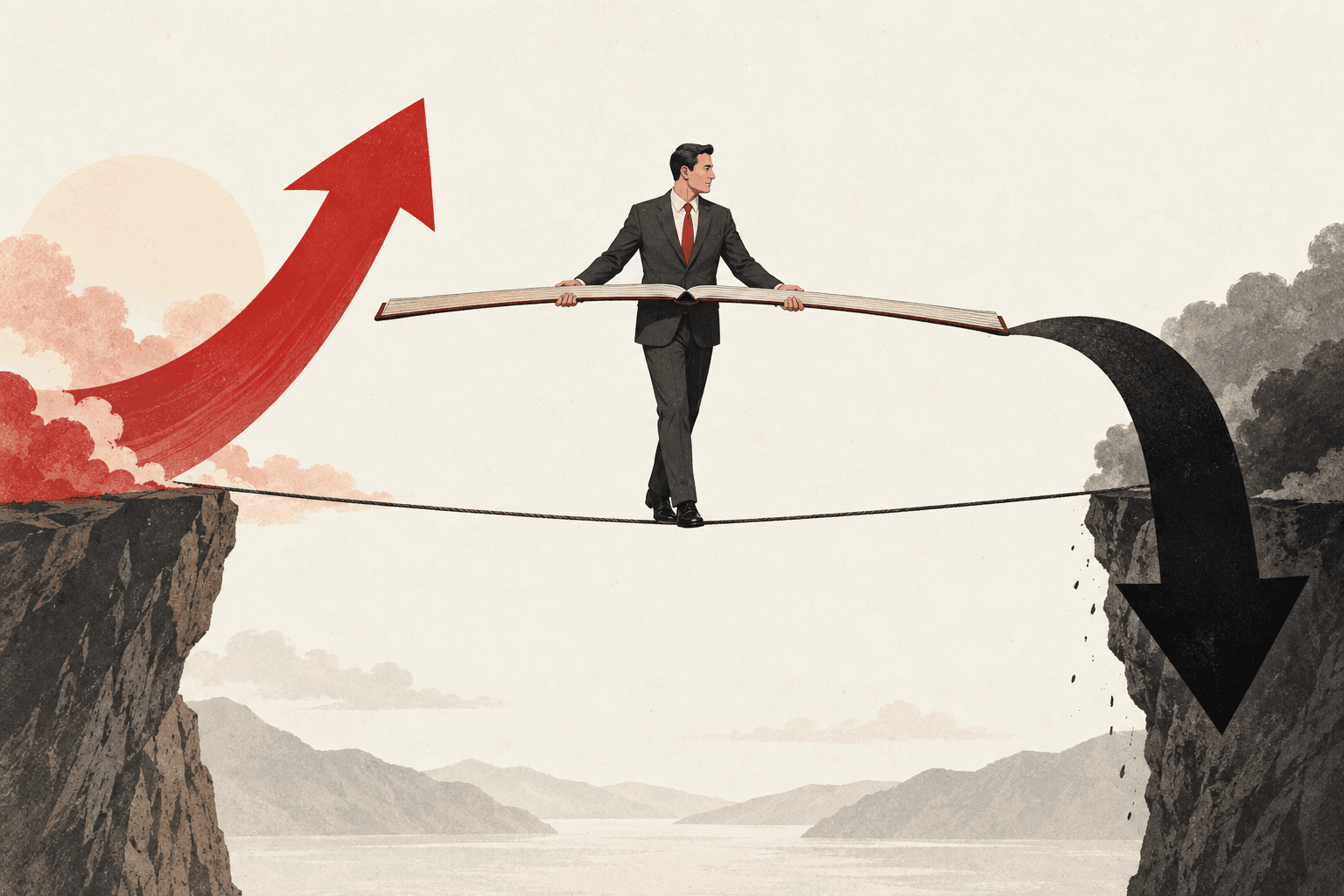
This produces a particular shape of disaster, and it is worth recognising because it recurs. The investor is right for a long time, then catastrophically wrong once. The early success was genuine, but it was also a poor teacher, because it hardened a process that suited one environment into a habit that breaks in another. Nothing argued with the process while it was winning. The cushion kept absorbing the small warning signs that, in a leaner life, would have forced a rethink years earlier. By the time the consequence finally lands, it is large enough to undo a great deal of patient work, and it feels like bad luck rather than what it usually is, which is a long-deferred bill.
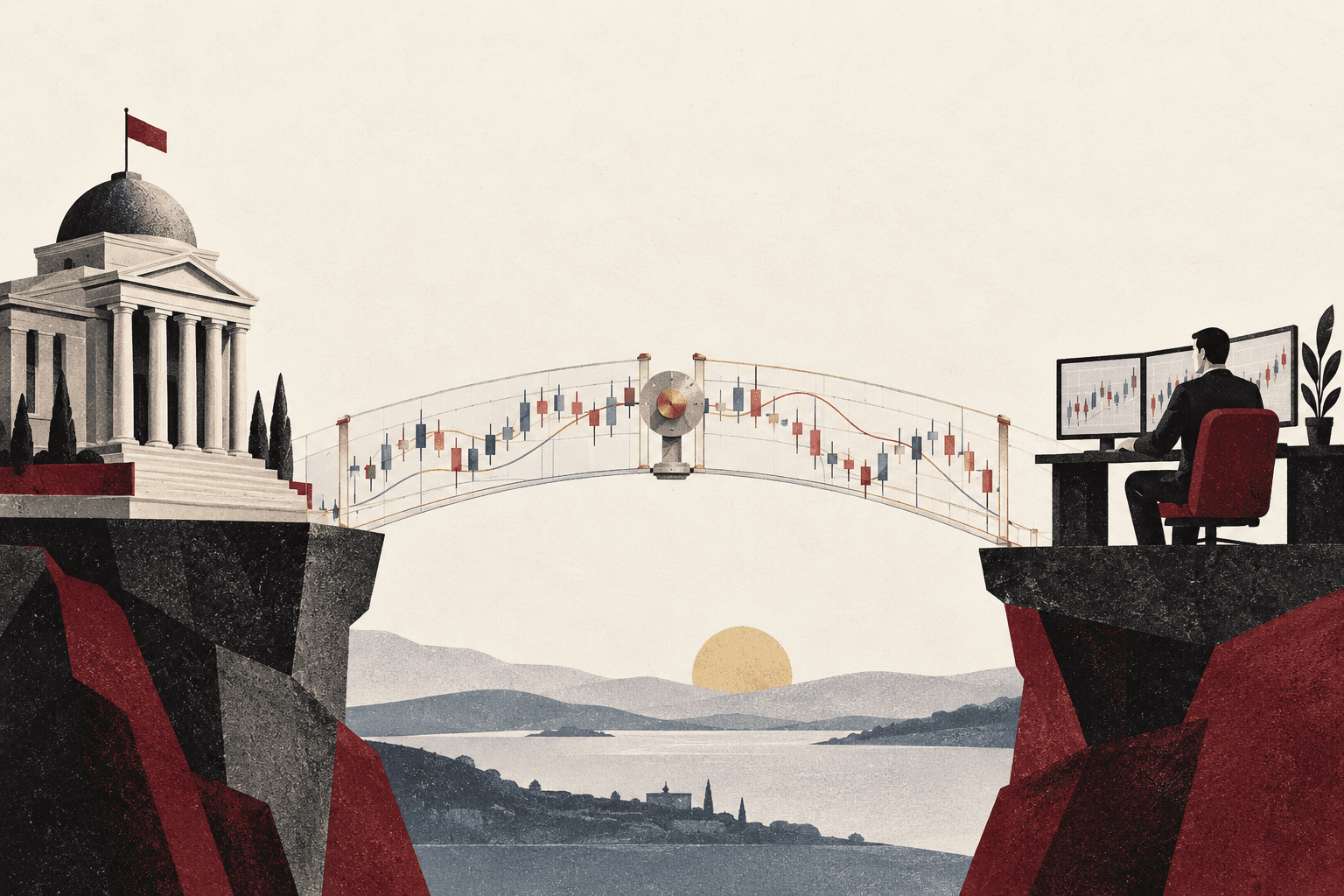
The cruelty of it is that the protection and the danger are the same thing. The capital that lets you ride out a downturn without panic is the same capital that lets you ignore a structural error without noticing. You cannot keep one and discard the other by wishing. The buffer does not distinguish between turbulence you should sit through and rot you should act on. It muffles both.
Manufacturing the Feedback You No Longer Get
If the environment will not supply honest feedback, the disciplined response is to manufacture it deliberately. The investors who manage this tend to do a few unglamorous things on purpose. They write down the reasoning behind every major decision before the outcome is known, which makes it far harder to rewrite the story afterwards in their own favour and far easier, later, to tell a good decision from a lucky one. They schedule honest reviews of past choices on a calendar rather than waiting for pain to prompt them, because pain has been engineered out and will not arrive on time. And they go looking, actively, for the person willing to take the other side of a position, then take that person seriously rather than merely enduring them.
None of this is comfortable. It amounts to taxing your own confidence at precisely the moment it feels most deserved, and it runs against the grain of a successful life, which teaches you to trust the judgment that got you here. That is exactly why it is rare, and rare is why it works. The structures and the advisers sit downstream of it. They can hold and protect capital with great skill, but they cannot supply the feedback the owner has stopped receiving, and they are rarely incentivised to be the one who argues.
The uncomfortable truth is that the people with the most room to be wrong are the ones who most need a system for noticing when they are. A modest investor is corrected by reality, roughly and often. A wealthy one has to build the correction by hand, because reality has politely agreed to stop sending the invoice until it is much too large to pay quietly. The blind spot is not a lack of intelligence or care. It is the predictable cost of being cushioned, and the only reliable answer is to stop trusting the cushion to teach you anything.
Why capable, well resourced people can repeat the same errors for years before noticing is explored further in Behavioral Arbitrage, which focuses on the decision processes behind long term financial outcomes.
Source: Daniel Kahneman and Gary Klein, Conditions for Intuitive Expertise: A Failure to Disagree, American Psychologist (2009).
We last reviewed this analysis in July 2026.


Daniel Jark
Daniel Jark is an asset and wealth manager, author, and active angel investor whose work sits at the intersection of practical portfolio management and behavioral finance. He is the founder of FinCoTech AB, the company behind Behavioral Arbitrage, an educational platform dedicated to the psychology of money and better financial decision-making. His background spans 15+ years in asset and wealth management, with a strong focus on high-net-worth and ultra-high-net-worth individuals. Alongside this, he has built a long-standing body of published work on behavioral economics and financial literacy across major educational platforms. At The Luxury Playbook, he writes about behavioral finance and the psychology of money, examining the cognitive biases and decision errors that shape investor outcomes and offering practical ways readers can recognize and correct them in their own financial lives.