Wine is one of the few categories in serious collecting where the place a thing comes from is half the conversation. The producer matters; the vintage matters; but the region (the soil, the climate, the centuries of practice that made the wines what they are) is the framing through which everything else is read. The serious cellars we have watched develop over the long run are built on a recognisable handful of regions.
- Wine is one of the few collecting categories where the place a thing comes from is half the conversation, and the regional canon matters structurally.
- Bordeaux remains the anchor region for nearly every serious cellar, with First Growths, Super-Seconds, and the Right Bank apex driving the structural weight.
- Burgundy sits alongside Bordeaux as the second structural anchor, with the grand cru tier of the Cote d'Or commanding the highest secondary-market premiums.
- Champagne, the Rhone, Tuscany, and Piedmont form the structural second tier, with allocations that nearly every mature cellar carries.
- The international cluster includes Napa, Australia, Germany, and Spain, with Rioja, Riesling, and Shiraz the structural representatives.
- For serious collectors the regional canon defines the cellar's architecture, and missing entire regions creates structural gaps that show up in maturity.
- Who is this for?
- Cellar builders working through the regional architecture of a serious cellar, with structural completeness in mind across the canonical wine regions.
- What is happening?
- We map the wine regions that anchor serious cellars worldwide, with the structural roles each region plays in a mature cellar architecture.
- When did this emerge?
- The piece reads the contemporary market through the post-2020 Liv-ex Fine Wine 1000 sub-indices, with regional weights as currently traded.
- Where is this happening?
- Bordeaux, Burgundy, Champagne, the Rhone, Tuscany, Piedmont, Napa, the Mosel, Rioja, and the Barossa as the structural regional canon.
- Why does it matter?
- Cellars built around a single region concentrate vintage and producer risk in ways that diversified regional allocations meaningfully reduce across the long haul.
Each region contributes something specific that the others can't quite replicate. This is our editorial read on the wine regions every serious cellar includes, the canonical names, what each contributes, and why the cellar feels incomplete without depth in each. Wine Spectator, Decanter and Jancis Robinson have all written about the regional architecture of serious cellars in roughly the same terms for thirty years, and the consensus is durable.
Bordeaux (France)
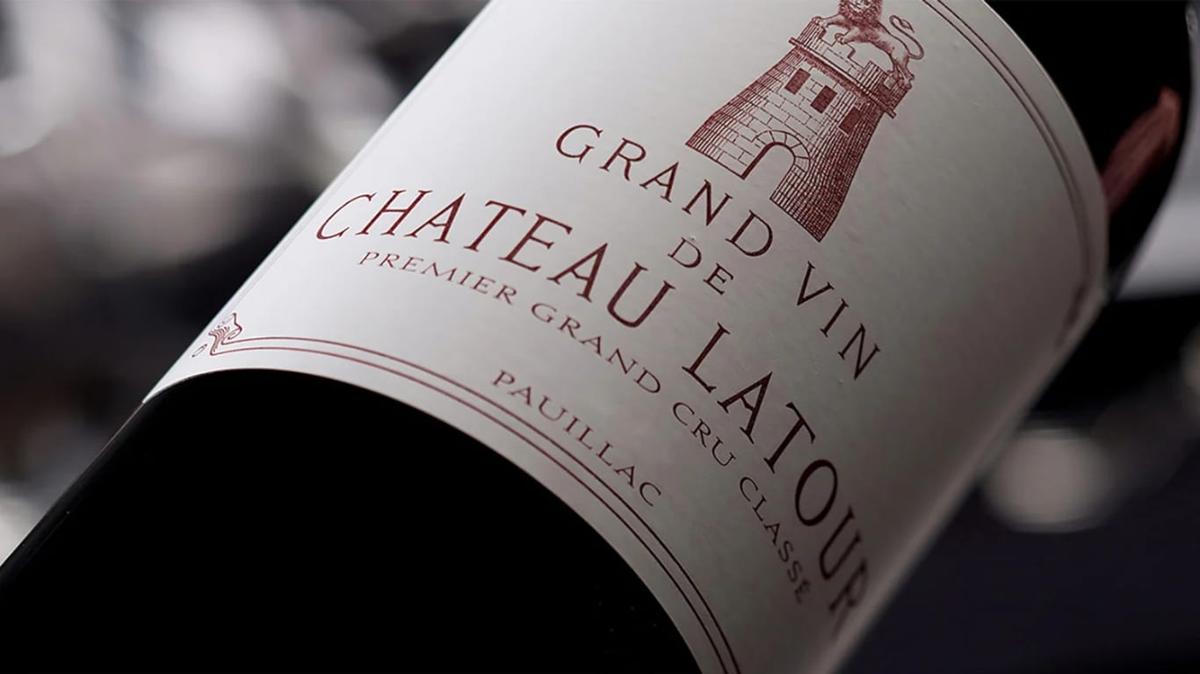
Bordeaux is where most serious cellars start. The Médoc on the Left Bank (Pauillac, Saint-Estèphe, Saint-Julien, Margaux) produces the Cabernet Sauvignon-dominant wines that anchor the cellar's red-wine canon. Lafite, Latour, Margaux, Mouton, and Haut-Brion are the First Growths classified in 1855.
The Right Bank, with Pomerol and Saint-Émilion, produces the Merlot-dominant wines led by Pétrus, Le Pin, Cheval Blanc, Lafleur, and Ausone. The case for Bordeaux is overwhelming: the deepest secondary market in fine wine, the longest documented track record (the 1855 classification still largely defines the hierarchy), the most-analysed vintages, the broadest collector following.
En primeur from a strong vintage (2005, 2009, 2010, 2015, 2016, 2018) remains one of the more reliable ways to access these wines at a workable basis through Bordeaux Index and Berry Bros & Rudd. Mature vintages clear $1,000 to $5,000 a bottle on the secondary market for the First Growths, with the Right Bank icons (particularly Pétrus and Le Pin) running well into five figures, and Lafite 1869 set the modern record at $233,972 at Sotheby's Hong Kong in 2010.
Burgundy (France)
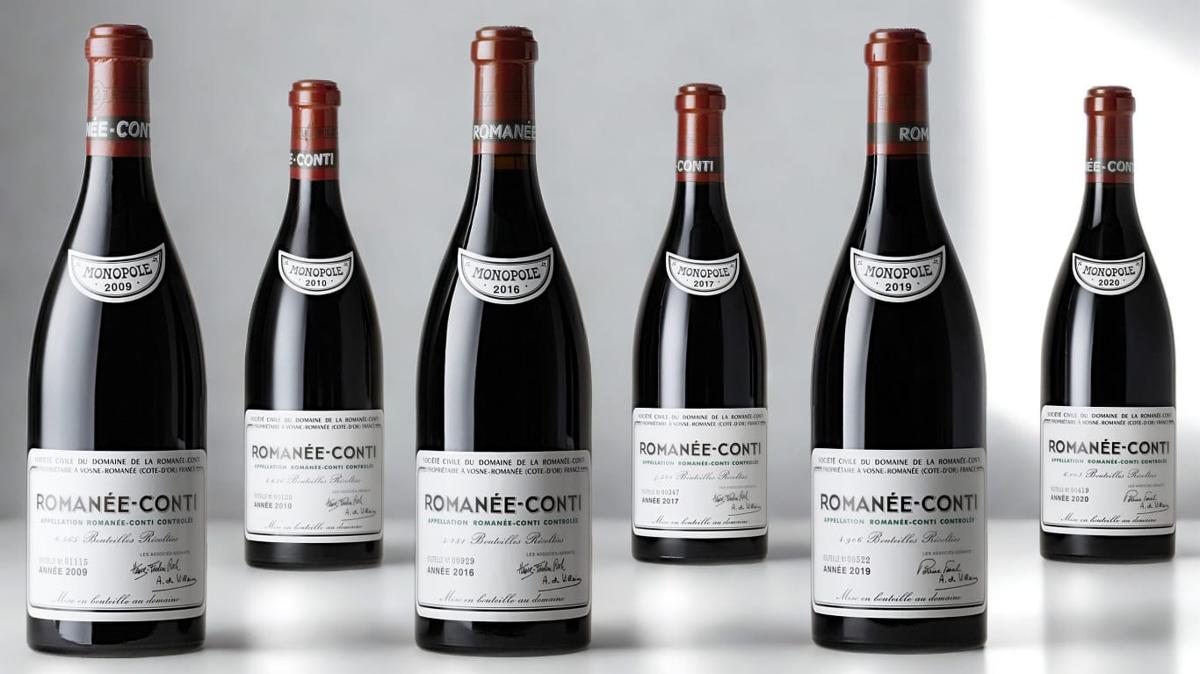
If Bordeaux is the cellar's anchor, Burgundy is its centre of gravity. The Côte d'Or, running from Dijon through Beaune to the south, produces the Pinot Noir and Chardonnay grand crus that have driven the most dramatic moves in fine wine over the past decade. Domaine de la Romanée-Conti, Domaine Leroy, Domaine Leflaive, Coche-Dury, Comte Georges de Vogüé, Mugnier, Roumier, Rousseau.
Allocations are tight; relationships with Berry Bros & Rudd, Justerini & Brooks, Hedonism, and the equivalent serious merchants matter more than money. The grand crus from these domaines have run dramatically over the past decade.
Mature DRC bottlings clear five figures a bottle at major auctions routinely, and Romanée-Conti 1945 sold for $558,000 at Sotheby's New York in 2018, the modern auction-record bottle. Coche-Dury's Corton-Charlemagne is one of the most-coveted whites in the world. The Burgundy section of the cellar is where most serious collectors find the deepest learning curve and the slowest, most rewarding compounding.
Champagne (France)
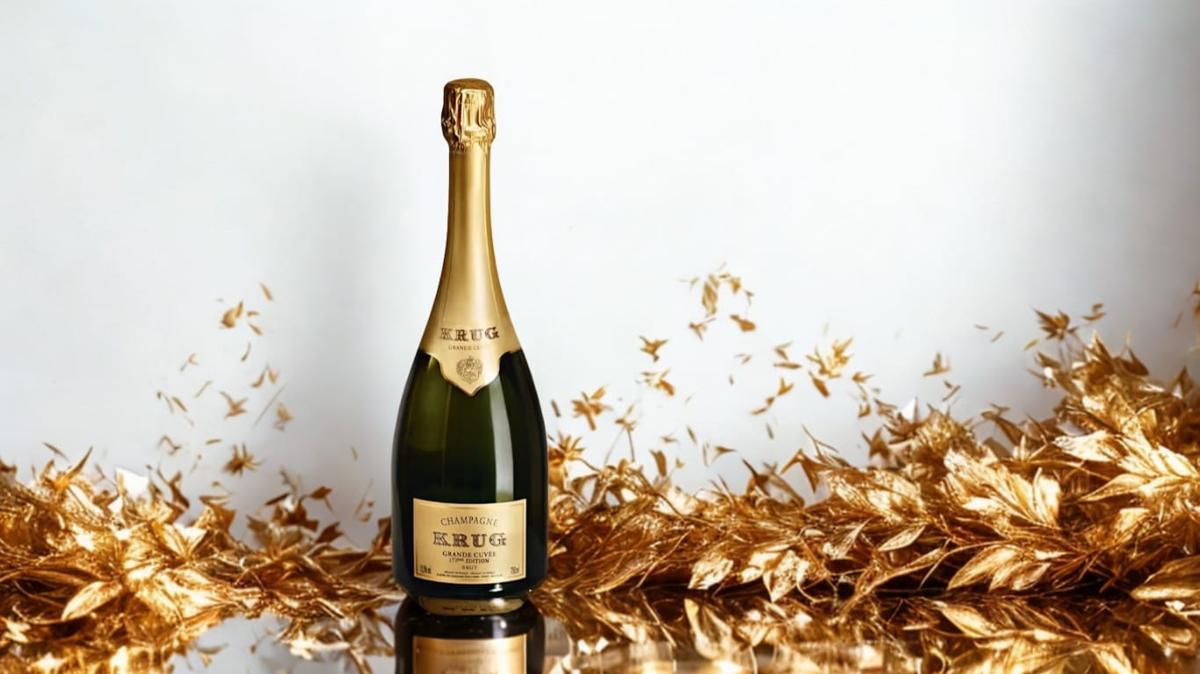
Champagne's run since 2018 has been the most-watched move in the category. Vintage Krug, Cristal, Salon, Dom Pérignon (particularly the late-released Plénitude tiers), Pol Roger Sir Winston Churchill, Bollinger La Grande Année lead the band. The grower-Champagne icons (Selosse, Egly-Ouriet, Larmandier-Bernier, Ulysse Collin, Jacques Lassaigne) have built a parallel collector market that increasingly rivals the great houses.
Champagne's appeal in a serious cellar is partly about drinkability. Vintage Champagne ages remarkably well, but it also drinks beautifully young, which makes it one of the most-flexible categories in the cellar. The strong vintages of the past two decades (1996, 2002, 2008, 2012, 2013) are the spine of the cellar's Champagne section, and Liv-ex's Champagne 50 has tracked the move closely.
The Rhône (France)
The northern Rhône (Hermitage, Côte-Rôtie, Cornas) produces the Syrah that defines the variety at its most ageworthy. Guigal's La-La trilogy (La Mouline, La Landonne, La Turque), Chave Hermitage, Jaboulet's La Chapelle, Auguste Clape, M. Chapoutier. Mature vintages of these wines clear $1,000 to $3,000 a bottle on the secondary market.
The southern Rhône (Châteauneuf-du-Pape, Gigondas) extends the conversation through Grenache-led blends led by Château Rayas, Domaine du Vieux Télégraphe, and Château de Beaucastel. Vinous's Rhône reports cover both halves in detail every vintage.
Tuscany (Italy)
Tuscany is where Italy's case for serious cellaring lives. Brunello di Montalcino from Biondi-Santi and Gianfranco Soldera's label is the canonical Sangiovese expression. The Super Tuscans of Bolgheri, born of the 1970s and 1980s breakaway from the DOC system, gave the world Sassicaia, Solaia, Tignanello, Ornellaia, and Masseto (Italy's answer to Pétrus, made from 100% Merlot).
Chianti Classico Riserva from the named producers (Castello dei Rampolla, Fontodi, Isole e Olena) extends the regional contribution at workable prices. Wine Spectator has carried multiple Tuscan wines in its top 100 every year since the modern Super Tuscan era began.
Yunnan (China)
Yunnan, in the high mountains of southwest China, has emerged as China's most-credible fine-wine region over the past decade. LVMH's Domaine Ao Yun, planted at altitudes between 2,200 and 2,600 metres in the Mekong River valley, produces Cabernet-led wines that have already cleared serious critical scoring from Decanter and the Wine Advocate. The category remains thin in the secondary market, but the early bottles from Ao Yun are increasingly turning up at major auctions, and the producer's first-decade trajectory has put Yunnan on the serious cellar's radar.
Piedmont (Italy)
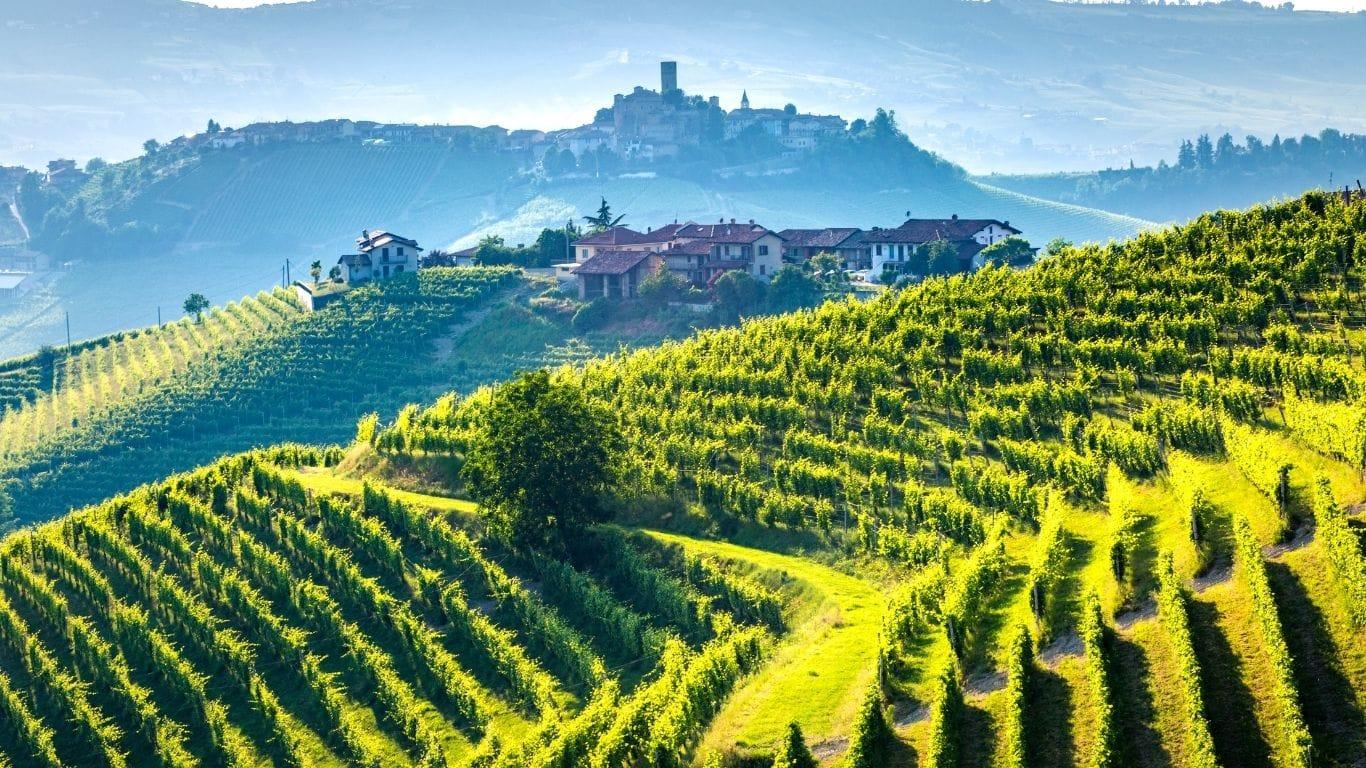
Piedmont's Barolo and Barbaresco, both made from the Nebbiolo grape, are the most-ageworthy wines Italy produces. Giacomo Conterno's Monfortino is the canonical Barolo; Bartolo Mascarello, Bruno Giacosa, Gaja, Vietti, and Roberto Voerzio extend the producer roster. The strong recent vintages (2010, 2013, 2016, 2019) define the modern Barolo conversation.
The wines age extraordinarily well, often peaking 25 to 40 years from a strong vintage. Vinous's annual Piedmont report is the standard reference for navigating new releases.
Napa Valley (USA)
Napa Valley's First Growth equivalents (Screaming Eagle, Harlan Estate, Scarecrow, Schrader, Dominus, Opus One) anchor the New World contribution to a serious cellar. The cult Cabernets from the 1990s and 2000s have established a parallel market to Bordeaux's First Growths, with similar pricing dynamics and similar collector behaviour. Mature vintages of Screaming Eagle and Harlan Estate clear $3,000–$5,000 a bottle routinely.
The deeper Napa programme (Caymus, Heitz, Ridge Monte Bello, Continuum, Hourglass) extends the regional contribution at workable basis. The Wine Advocate has carried Napa Cabernet at the top of its annual top-100 list across multiple recent vintages.
Veneto (Italy)
The Veneto contributes Amarone della Valpolicella from the named producers. Quintarelli (the most-coveted), Giuseppe Quintarelli's library releases, Dal Forno Romano, Allegrini's La Poja, Masi. The Amarone production technique, which involves drying the grapes for months before fermentation, produces wines with extraordinary depth and ageability.
Quintarelli's Amarone runs $400–$1,000 a bottle on release for current vintages, with mature library releases clearing several thousand at Sotheby's Wine and Acker.
Rioja (Spain)
Spain's anchor is Rioja's Tempranillo from the named producers. López de Heredia, La Rioja Alta, Marqués de Murrieta, CVNE, Vega Sicilia (technically Ribera del Duero but in the same conversation). The Gran Reserva tier from the traditionalist producers, particularly López de Heredia's Viña Tondonia, ages remarkably well across decades and remains underpriced relative to its quality.
Vega Sicilia's Único from a strong vintage runs $400–$800 on release, with mature vintages clearing several thousand at Christie's Wine and Bordeaux Index.
Douro (Portugal)
The Douro Valley's Vintage Port from declared years anchors the cellar's sweet/fortified position. Quinta do Noval Nacional, produced only from ungrafted vines on the Quinta do Noval estate, declared in approximately one year per decade, is the rarity within the rarity. The 1931 Nacional is widely treated as the greatest Vintage Port ever made and clears tens of thousands of dollars at Zachys and Acker auctions.
Fonseca, Taylor's, Graham's, Dow's, Warre's anchor the broader Vintage Port market. The strong recent declarations (2003, 2007, 2011, 2016, 2017) define the current cellar's holding window.
The countries serious cellars increasingly include
The cellar that goes beyond the canonical regions is the cellar that has the room to. Australia's Penfolds Grange and Henschke Hill of Grace from the Barossa Valley. New Zealand's Felton Road from Central Otago.
Argentina's Catena Zapata and Achaval-Ferrer from Mendoza. Chile's Don Melchor from Maipo Valley. South Africa's Mullineux from the Swartland.
Hungary's Royal Tokaji and Disznókő for the great Tokaji Aszú and Essencia. Germany's Egon Müller, J.J. Prüm, and Dönnhoff for the Mosel and Rheingau Riesling that ages alongside Burgundy's white grand crus.
The emerging regions worth a collector's attention
Beyond the established canon, several regions have made credible cases for serious collector attention over the past decade. Tasmania's sparkling wines from House of Arras and Jansz. Greece's Naoussa Xinomavro from Kir-Yianni and Thymiopoulos, increasingly compared to Nebbiolo in Decanter's Greek-wine coverage.
Lebanon's Château Musar from the Bekaa Valley, with a multi-decade track record of long-evolving reds. Georgia's Saperavi from the Kakheti region, drawing on 8,000-year-old qvevri winemaking traditions. Bulgaria's Thracian Valley work from Edoardo Miroglio.
Croatia's Plavac Mali from Dalmatia rounds out the emerging set. None has yet built a deep secondary market, but the early bottles from named producers in each are increasingly worth the cellar's small allocation.
What this means for collectors
The pattern most serious collectors converge on, weighted by bottle count, is roughly the following. Thirty to forty percent Bordeaux, 20–25% Burgundy, 10–15% Champagne, 10% the Rhône and Italy, 5–10% Napa and the New World, 5% sweet wine and Port, and the remaining single-digit percentage across the other regions the collector has come to back.
The proportions shift over decades as bottles are opened or sold and as the collector's tastes evolve. The architecture remains roughly stable. The cellar isn't a portfolio; it is a working collection that gets enjoyed, replenished, and refined over decades, and the depth across regions exists in service of the collector's pleasure in opening different bottles for different occasions.
We last reviewed this analysis in May 2026.