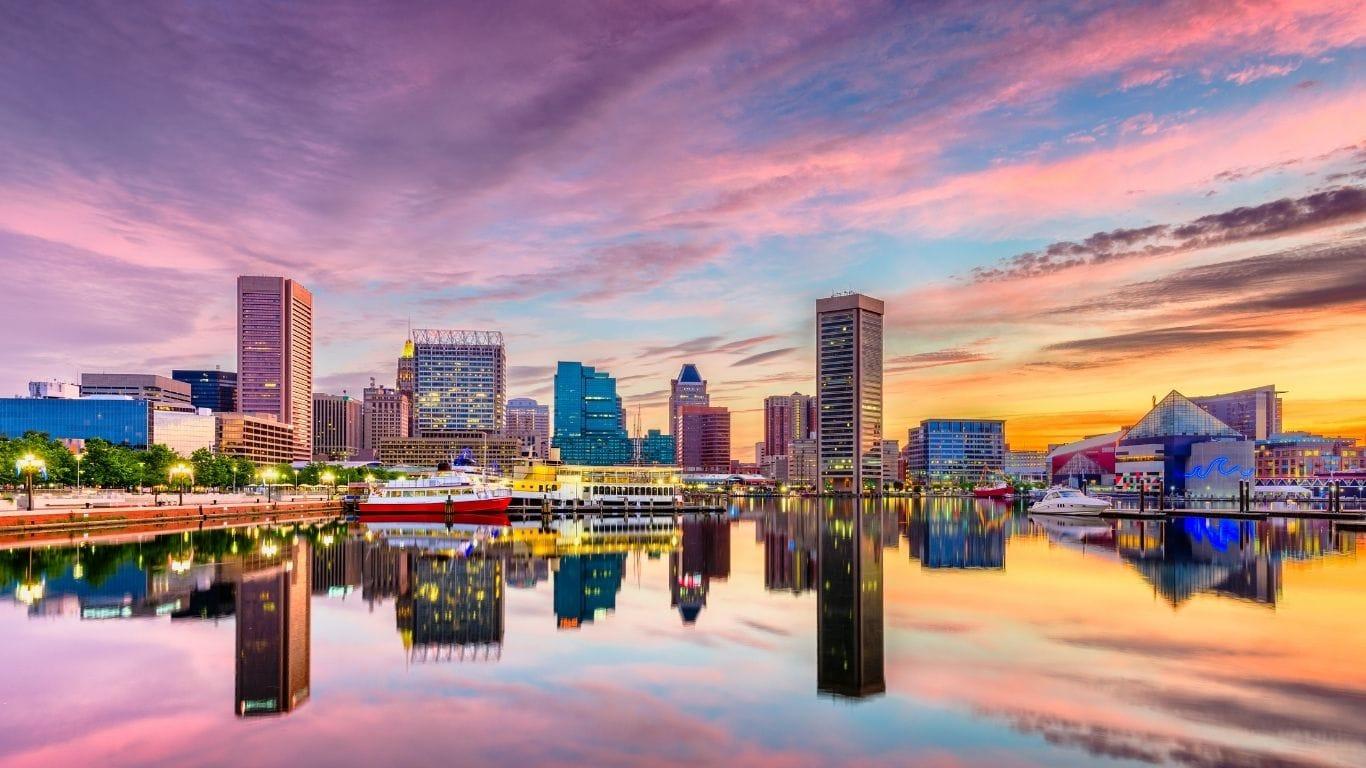
Baltimore stands out as one of the most dynamic and multifaceted real estate markets on the East Coast. If you’re watching where smart money is moving, this city deserves your attention.

With its rich historical heritage, diverse neighborhoods, and strategic proximity to Washington, D.C., Baltimore keeps drawing in homebuyers, investors, and real estate professionals who are hunting for both opportunity and genuine value.

As we move toward 2026, several key trends and economic forces are set to redefine the city’s real estate trajectory. Think shifts in buyer behavior, major urban development projects, and evolving market dynamics that could work in your favor.

This in-depth analysis covers the current state of the Baltimore housing market, unpacks the essential numbers, and gives you forward-looking insights to help you navigate the opportunities and challenges ahead in this fast-moving urban market.

Article Summary

Baltimore’s housing market is affordable, diverse, and packed with growth potential. Median home prices sit around $300,000, with an expected annual increase of 3% to 4%. Inventory is tight, which keeps pushing prices higher. The rental market stays strong, with average rents running about $1,500 per month. Key sectors like healthcare and education anchor the local economy and support housing demand. And despite rising interest rates, Baltimore’s affordability and ongoing revitalization make it a genuinely attractive option for both homebuyers and investors.

Overview of the Baltimore Housing Market

In 2024, Baltimore’s housing market showed a blend of resilience and adaptation, driven by strong demand and persistent supply challenges, making it one of the better places to put your real estate dollars in the US. As the city moved past the economic disruptions of the COVID-19 pandemic, real estate trends began to stabilize. A closer look at key metrics like median home prices, inventory levels, and days on market gives you a clear picture of what’s actually driving this market right now.

Median Home Prices

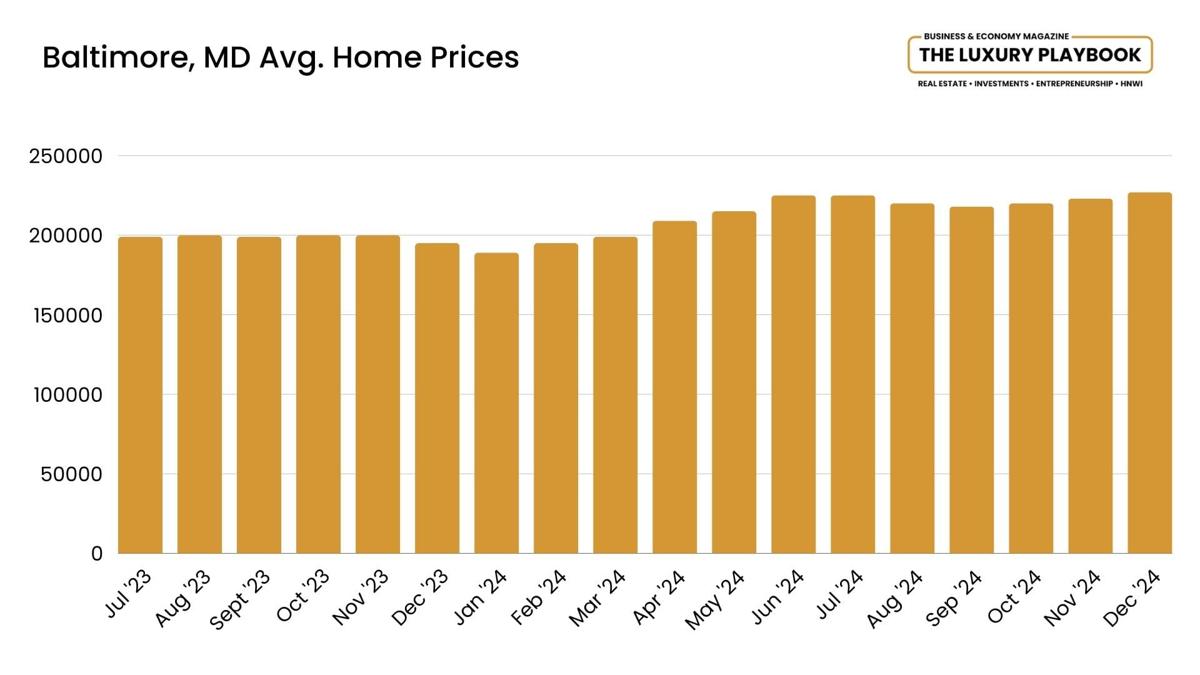
As of December 2024, Baltimore home prices climbed 2.3% compared to the same period the prior year, bringing the median home price to $227,000.

Baltimore, MD Avg. Home Prices

That rise in home values reflects ongoing demand across the city. Buyers are increasingly competing for limited inventory, especially in desirable neighborhoods, and that competition keeps pushing prices up.

Inventory Levels

Inventory in Baltimore has tightened sharply. Active listings currently sit at around 2,500 homes, a nearly 10% drop compared to the same period last year. That decline in available homes has intensified competition among buyers, especially in high-demand areas like Federal Hill and Canton. Many homeowners are simply holding onto their properties longer, unwilling to sell amid rising interest rates and the real difficulty of finding a new home in such a competitive market. The result is a limited supply that keeps pushing prices higher, and that dynamic is not easing anytime soon. If you want to understand how to negotiate effectively in this kind of tight market, it pays to go in prepared.

Luxurious villa with a pool

Find Exclusive Properties

20+ Qualified Consultants ready to help

Express Interest


Days on Market

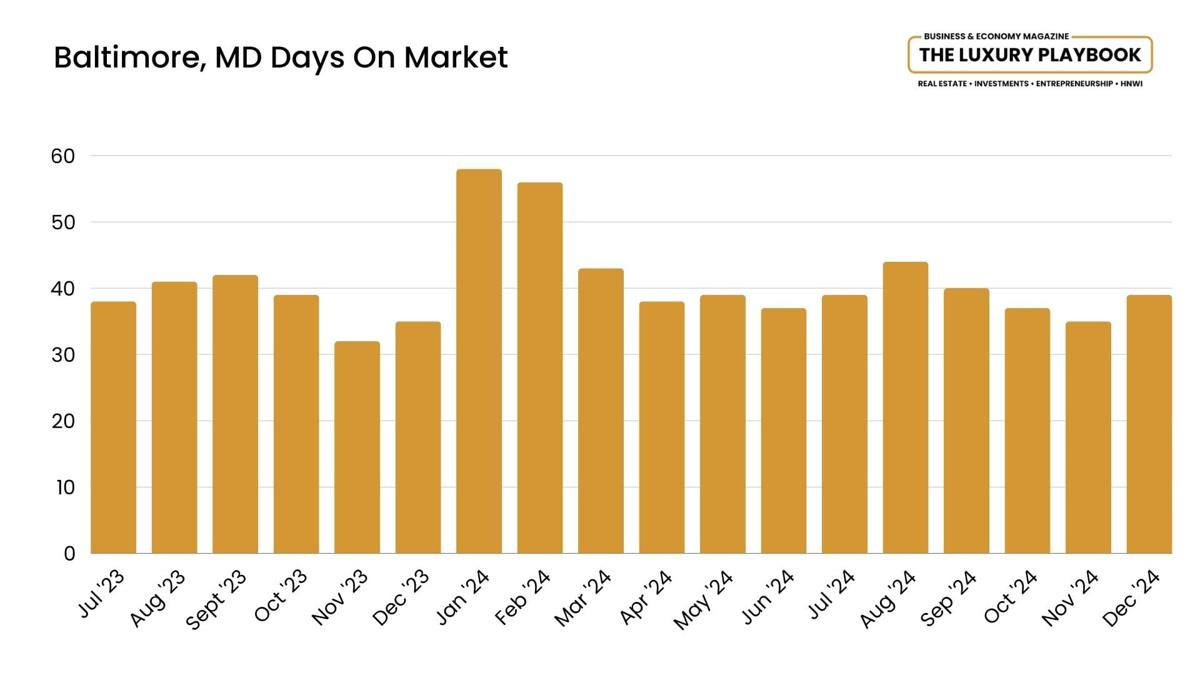
As of December 2024, Baltimore’s housing market kept up its brisk pace, with homes moving fast and buyer activity staying strong.

  • Median Days on Market (DOM): Properties are typically on the market for 39 days, reflecting a 11% increase compared to 35 days in December 2023.

  • Units Sold: A total of 559 homes were sold in November 2024, representing a 4% decrease from 624 homes sold in December 2023.

These numbers point to a market with real momentum, where sustained buyer interest is driving quick transactions and steadily appreciating home values.

Baltimore, MD Days On Market

Homes priced right are drawing multiple offers and selling fast. Buyers are moving quickly to lock in properties, often landing in bidding wars just to edge out the competition. That speed tells you everything about how competitive Baltimore’s housing market has become.

Baltimore’s Neighborhood Analysis

Baltimore is a city of neighborhoods, and each one comes with its own character, price points, and market dynamics. Some areas have seen strong appreciation in home values, while others stay more affordable, pulling in different types of buyers.

Federal Hill

Federal Hill sits among Baltimore’s most sought-after neighborhoods, with its historic charm and walkable proximity to downtown making it a favorite for professionals and families alike. The median home price in Federal Hill has reached around $450,000, up 7% from the previous year. High demand means homes here often sell well above asking price. The neighborhood’s vibrant nightlife, walkability, and wide range of amenities keep drawing a steady stream of buyers, and that keeps property values strong.

Canton

Canton is another high-demand pocket of the city, known for its waterfront views and mix of modern developments alongside historic row homes. The median home price in Canton runs around $430,000, up 6% from the prior year. Easy access to the Inner Harbor and major highways adds to its appeal for buyers who want city living without giving up convenience. That demand keeps the market tight, with homes in Canton often selling within days of hitting the market.

Hampden

Hampden gives you a more affordable entry point within Baltimore’s city limits while still delivering solid price growth. The median home price here sits at approximately $350,000, up 4% year over year. Its artsy, eclectic atmosphere and strong community identity draw buyers who want a neighborhood with real character. Annual events like HonFest, unique local shops, and a lively dining scene add to its appeal. As more buyers discover what Hampden offers, home values are expected to keep climbing.

West Baltimore

West Baltimore offers some of the most affordable housing in the city, with a median home price around $150,000. Prices have risen about 2% over the past year, a slow but steady upward trend. For investors, West Baltimore draws real interest thanks to ongoing revitalization efforts aimed at improving infrastructure and community amenities. The challenges are real, but so is the opportunity for meaningful appreciation as development projects take hold and affordability continues to attract new residents.

NeighborhoodMedian Listing Home PriceListing $/SqFt
Canton$430K$246
Frankford$249.5K$151
Belair – Edison$170K$119
Riverside$419.5K$267
Inner Harbor$483.3K$293
Washington Village – Pigtown$195K$156
Hampden$350K$260
Broadway East$160K$145
Fells Point$377.5K$269
Waltherson$255K$159
Carrollton Ridge$41K$33
Coldstream – Homestead – Montebello$190K$120
Brooklyn$167.2K$147
Patterson Park$275K$198
Oliver$225K$126
Sandtown-Winchester$109K$80
Upper Fells Point$330K$222
South Baltimore$400K$237
Central Park Heights$177.5K$125
Penrose – Fayette Street$67.5K$101
Neighborhood Analysis for Baltimore

Baltimore Rental Market Overview

Baltimore’s rental market has shifted considerably in recent years, largely because rising home prices are pushing more potential buyers toward renting instead. As homeownership costs climb, demand in the rental sector keeps building. That pressure is driving up rent prices and squeezing vacancy rates across the city, creating a competitive environment for renters and a favorable one for investors using modern real estate platforms to find and manage properties.

Average Rent Prices in Baltimore

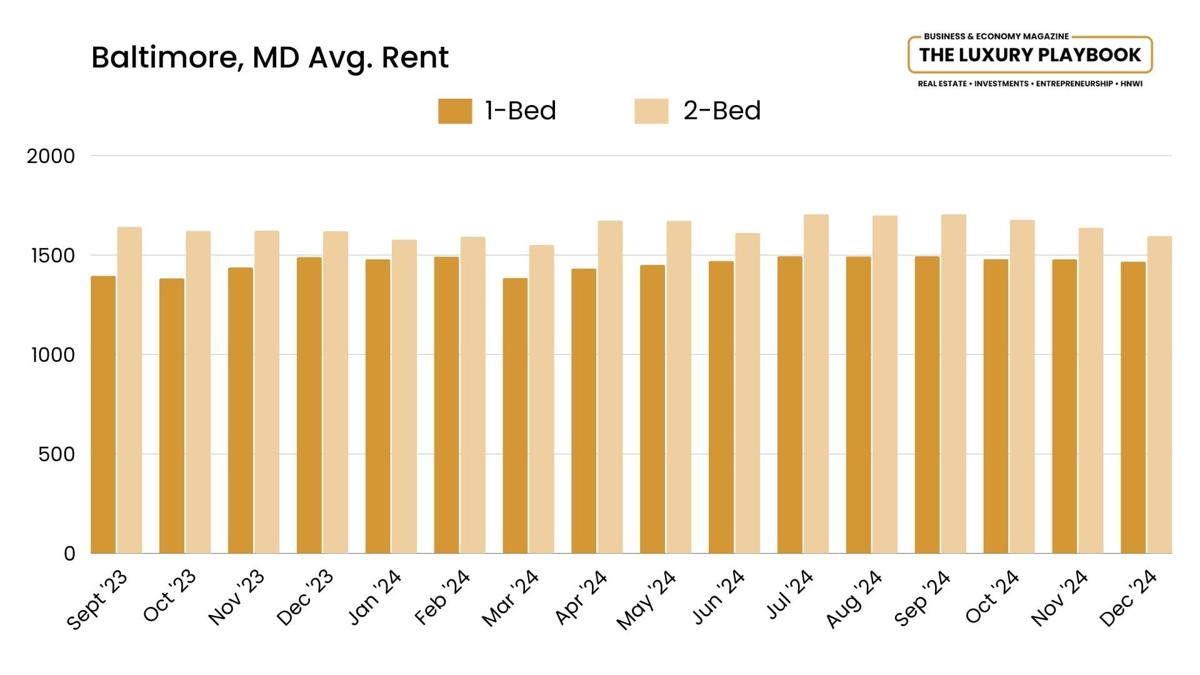
As of December 2024, Baltimore’s rental market showed some clear trends worth knowing.

  • Average Rent: Approximately $1,467 per month, reflecting a 3% increase over the past year.

  • Studio Apartments: Average rent around $1,310 per month.

  • One-Bedroom Apartments: Average rent approximately $1,467 per month.

  • Two-Bedroom Apartments: Average rent about $1,596 per month.

Across the board, rental costs in Baltimore have been moving steadily upward across apartment sizes.

Keep in mind that rental prices shift quite a bit depending on the neighborhood. In Canton, average rents run around $2,425 per month, while a place like Mount Vernon offers more accessible options at around $1,301 per month.

Baltimore, MD Avg. Rent

That upward trend in rents holds across most of Baltimore’s neighborhoods, though the actual number you’ll pay depends heavily on location, property type, and what amenities come with the unit.

  • Federal Hill: Federal Hill, one of Baltimore’s most desirable neighborhoods, commands some of the highest rental rates in the city. The average rent for a one-bedroom apartment in this area exceeds $2,000 per month. This premium is driven by Federal Hill’s vibrant social scene, historic charm, and proximity to downtown Baltimore, making it a top choice for young professionals and those who prefer a lively urban lifestyle.

  • Canton: Similarly, Canton has seen a surge in rental prices, with the average rent for a one-bedroom apartment also surpassing $2,000 per month. Canton’s appeal lies in its waterfront views, trendy eateries, and easy access to major highways, making it a popular neighborhood for both renters and homebuyers.

    The demand for rentals in Canton continues to push prices upward, especially for properties that offer modern amenities and convenient locations.

  • Hampden: In Hampden, the average rent is slightly more affordable, typically ranging between $1,600 and $1,800 per month for a one-bedroom apartment. Hampden’s quirky, artsy atmosphere attracts a diverse mix of residents, including students, artists, and young professionals. While rents here are lower than in Federal Hill or Canton, they have been steadily increasing as the neighborhood’s popularity grows.

  • West Baltimore: West Baltimore offers some of the most affordable rental options in the city, with average rents around $1,200 per month for a one-bedroom apartment. Despite the lower rental rates, the area is gradually attracting more interest, particularly as ongoing revitalization projects improve the neighborhood’s infrastructure and amenities. This trend could lead to future rent increases as demand grows.

Vacancy Rates

Baltimore’s rental market is running tight right now. The rental vacancy rate sits at about 6%, slightly below where it was the previous year. Fewer vacancies mean rental units fill up fast, often drawing multiple applications from prospective tenants at once.

A few key forces are behind these low vacancy rates.

  • Limited New Construction: New construction in Baltimore’s rental sector lags behind demand. While developers have focused on luxury apartments and high-end condos, affordable and mid-range rental units remain scarce.

    This lack of new supply increases pressure on existing rental properties, keeping vacancy rates low.

  • Increased Demand: Rising home prices push more individuals and families to rent instead of buying. This trend is especially common among younger professionals who may lack the financial resources for a down payment or prefer the flexibility of renting.

    Additionally, some potential homebuyers delay purchasing homes, expecting possible market corrections or higher interest rates, further increasing demand for rental housing.

  • Economic and Demographic Shifts: Baltimore’s strong economy, anchored by sectors like healthcare, education, and technology, continues to draw new residents.

    Many of these newcomers, particularly younger workers and families, choose to rent before deciding to buy a home. This influx of residents further boosts demand for rental housing, particularly in neighborhoods near employment centers and public transportation.

Put those forces together and Baltimore’s rental market stays competitive well into the coming years. Landlords can expect high occupancy rates, and rents are likely to keep climbing in neighborhoods where demand outpaces supply. For renters, that means more competition for desirable units and higher costs, especially in the city’s most popular areas. Going in with that expectation gives you a better chance of securing what you want.

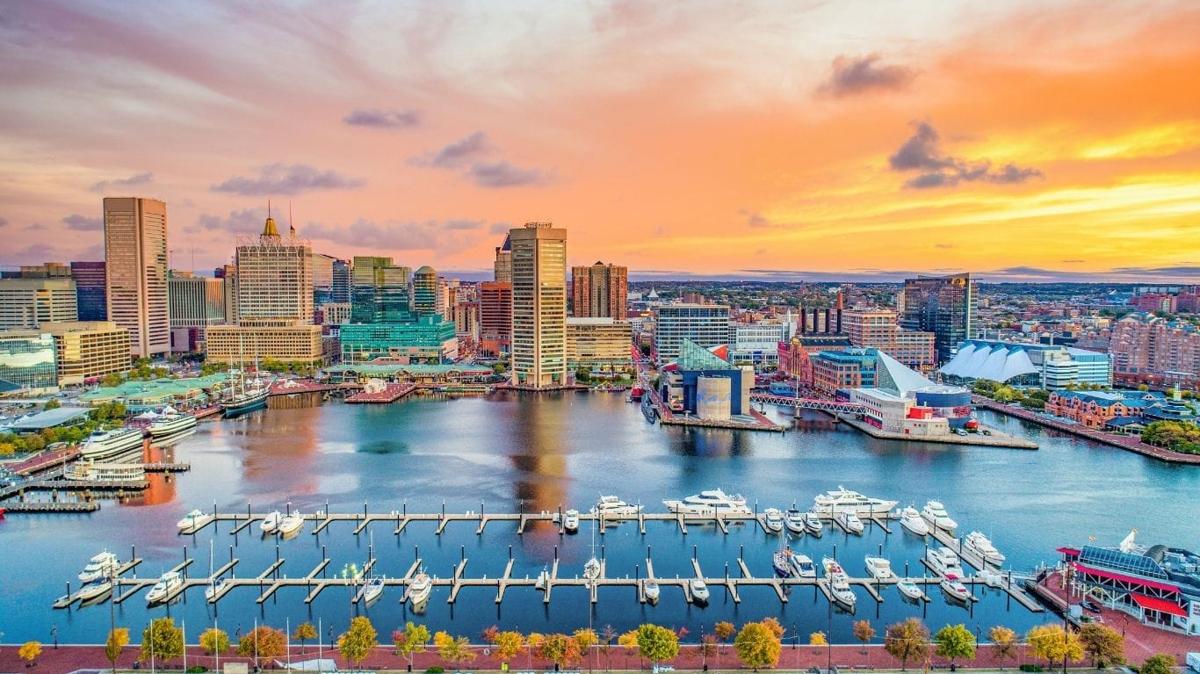
Baltimore harbor  during sunset

Factors Influencing the Baltimore Housing Market

Several critical forces are shaping Baltimore’s housing market right now, and they will keep guiding where things go from here.

Economic Conditions

Baltimore’s economy has held up well against national economic headwinds. The city benefits from a diverse job base anchored by strong sectors like healthcare, education, and technology. Major employers like Johns Hopkins University and its health system provide the kind of stability that keeps housing demand steady. As of late 2024, the Baltimore metro area’s unemployment rate sat around 3.7%, slightly below the national average. That low unemployment rate supports consistent demand for both owned and rented homes.

But rising interest rates and inflation are real concerns you can’t ignore. The Federal Reserve’s moves to bring inflation under control pushed rates higher, which directly hits mortgage affordability. Inflation peaked at 9.1% in mid-2022 and has come down since, but elevated prices on essentials like food and energy still squeeze household budgets. That pressure affects both buyer and renter behavior, since less disposable income means less flexibility on housing costs.

Population Growth and Demographics

Baltimore’s population has seen modest growth and stayed relatively stable. The city itself holds around 585,000 residents, while the broader metro area is home to over 2.8 million people. After years of population declines, recent trends have shown stabilization, and some neighborhoods have even started growing again.

Younger professionals and families are driving much of that demographic shift. Baltimore’s affordability compared to Washington, D.C. is a major pull for young professionals who want urban amenities without the D.C. price tag. Neighborhoods like Canton, Federal Hill, and Hampden are especially popular with this crowd, offering vibrant communities, solid public transportation, and easy access to downtown. Families tend to gravitate toward Roland Park and Mount Washington, where good schools and family-friendly amenities make the case for putting down roots.

The influx of younger residents, especially millennials and Generation Z, keeps housing demand healthy. That sustained interest supports both homeownership and rentals, particularly in the mid-range price segment.

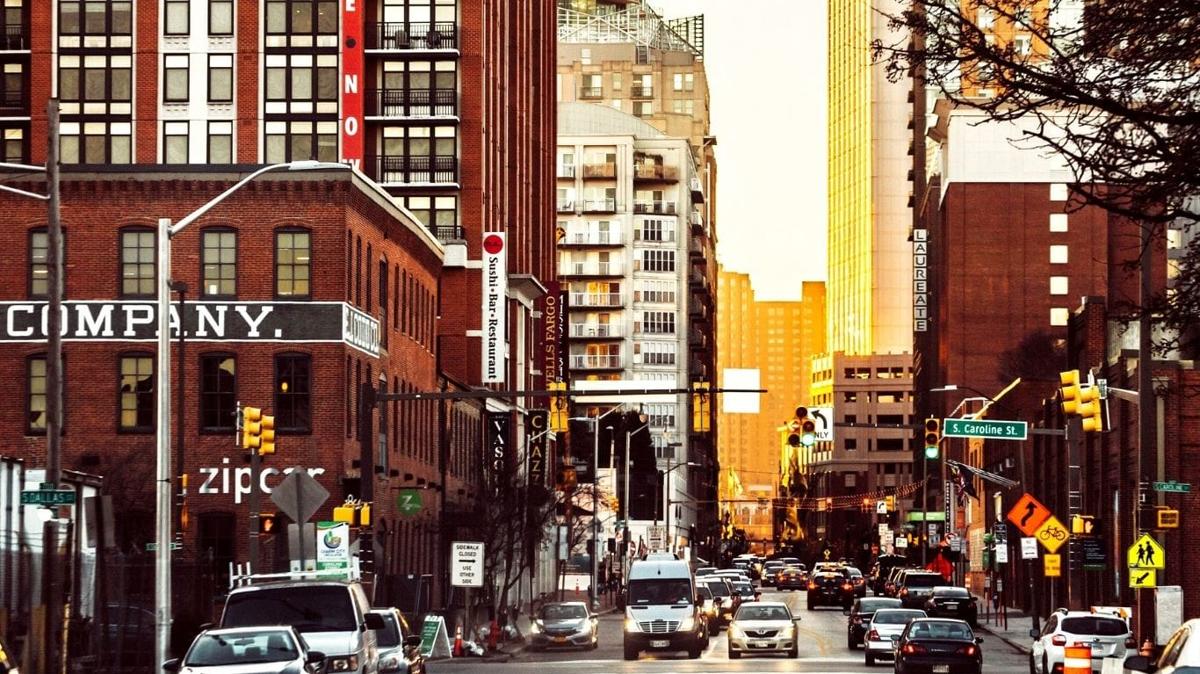
Baltimore downtown during busy hours

Interest Rates and Mortgage Availability

Interest rates have climbed sharply over the past two years. The average rate on a 30-year fixed mortgage now hovers around 6%, a dramatic jump from the sub-3% rates seen during the pandemic. By historical standards, 6% is still workable, but for buyers who locked in mental expectations at pandemic-era rates, the monthly payment difference is hard to ignore.

Here’s what that looks like in practice. A $300,000 mortgage at 3% interest runs you about $1,265 per month, not counting taxes and insurance. At 6%, that same mortgage costs around $1,798 per month, an increase of over $500. That gap hits first-time buyers hardest, especially those without significant equity to bring to the table. The result is that higher rates are slowing home price growth, simply because fewer buyers can qualify or afford to stretch their budgets.

Lenders have also tightened their standards in response to higher rates and economic uncertainty. Stricter criteria mean some buyers, particularly those with lower credit scores or smaller down payments, are finding it harder to get financing. If you’re heading into this market, it’s worth understanding how predatory lending tactics work so you can spot unfavorable terms before you sign anything.

New Construction and Development

New construction in Baltimore simply hasn’t kept pace with demand, and that gap is a big reason inventory stays tight. In 2023, around 1,500 new housing units were completed in the city, well short of estimated demand. The shortfall hits hardest in the affordable housing segment, where the need is greatest.

Most new development has targeted the high end of the market. Luxury apartments and condos dominate areas like Harbor East and Fells Point, catering to higher-income residents with amenities like concierge services, fitness centers, and rooftop pools. Those properties are selling and renting well, but they do nothing for buyers looking in the affordable or mid-range price bands.

That gap in affordable housing keeps widening. Neighborhoods like West Baltimore and Highlandtown, where prices are lower, are pulling in buyers who’ve been priced out elsewhere. That added demand drives up prices even in traditionally affordable areas, making them less accessible to the lower-income buyers they once served.

The lack of affordable new construction ripples into the rental market too. With fewer affordable homes available to buy, more residents stay in rentals longer, which drives up rent prices and keeps vacancy rates low. Developers and policymakers are under growing pressure to address this. The solutions being discussed include affordable housing incentives, zoning reform, and public-private partnerships, but meaningful supply increases will take time to materialize.

Baltimore during spring time

Baltimore Housing Market Forecast for 2026

Several key trends are expected to shape Baltimore’s housing market as we move into 2026. The market will likely stay competitive, though growth may moderate as broader economic conditions continue to shift.

Home Price Growth

Home prices in Baltimore are expected to keep rising, just at a more measured pace. Analysts project median home prices could increase by 3% to 4% annually over the next couple of years. That’s a step down from the 5% growth seen in 2023, but it still points to a healthy, appreciating market worth being in.

With the median home price sitting at around $227,000 as of December 2024, a 3% annual increase would bring that figure to roughly $237,000 by 2026, while a 4% gain would push it closer to $239,000. That steady appreciation keeps Baltimore looking attractive for homeowners and investors alike, especially when you stack it up against far pricier East Coast markets like Washington, D.C. Bloomberg’s housing market analysis backs up the case for secondary markets like Baltimore as value plays in the current environment.

Inventory and Market Conditions

Baltimore’s shortage of available homes isn’t going away. With around 2,500 active listings as of December 2024, down nearly 10% from the prior year, that scarcity keeps demand pressure on prices.

New construction could ease some of that pressure, particularly in the affordable housing segment. But with only about 1,500 new units completed in 2023, and that number falling well short of actual demand, any meaningful relief is still a way off. Until the city sees a significant jump in new builds, especially at accessible price points, the shortage will favor sellers. Homes in desirable neighborhoods will keep selling fast, often above asking price.

Rental Market Outlook

Baltimore’s rental market looks set to stay strong through 2026. Higher home prices and elevated mortgage rates will keep pushing potential buyers toward renting, especially younger professionals and families who find renting the more practical near-term option.

Average rents in Baltimore sat around $1,500 per month as of December 2024, up 4% from the prior year. By 2026, expect that figure to land somewhere between $1,560 and $1,600 per month on average. In popular spots like Federal Hill and Canton, one-bedroom rents already exceed $2,000 per month, and those areas are likely to push even higher. Forbes covers current rental market trends that align closely with what you’re seeing play out in Baltimore right now.

Vacancy rates are expected to hold at around 5% to 6%, reflecting strong demand and limited supply. Good access to jobs, transit, and amenities drives that demand, and the lack of new rental construction keeps vacancies tight. If you’re a renter in Baltimore’s competitive pockets, expect to move quickly and budget for higher costs than a year or two ago.

Baltimore’s economy is expected to stay resilient through 2026. A diverse job base and proximity to Washington, D.C. give the city an economic cushion that many mid-sized markets lack. Healthcare, education, and technology anchor the local economy, and institutions like Johns Hopkins University and the University of Maryland Medical Center provide steady employment that flows directly into housing demand. You can get a broader sense of how major employment anchors shape city growth by looking at what drives wealth concentration in top cities.

Broader economic uncertainties could still throw a wrench in things. A potential recession, shifts in federal policy, or further interest rate increases could slow growth and cool the housing market. That said, Baltimore’s relatively affordable cost of living compared to other East Coast cities keeps it on the radar for people relocating and looking for value. The Financial Times has tracked affordability trends that put Baltimore in a favorable light against comparable metros.

Demographic trends also support a strong market. Baltimore keeps drawing younger residents and families, with millennials and Generation Z attracted by the city’s culture, job opportunities, and lower cost of living relative to nearby metros. These groups are fueling demand for both purchases and rentals. Neighborhoods with good schools, solid public transportation, and proximity to employment centers are pulling the most interest, and that’s a pattern that supports a diverse, dynamic housing market with staying power across multiple price points.

Is It Worth Buying A Property In Baltimore?

The short answer is yes, and here’s why. Baltimore offers genuine value through relative affordability, steady home price appreciation, and a strong rental market that rewards patient investors. The range of neighborhoods with real growth potential, backed by a stable local economy and ongoing revitalization efforts, makes a compelling case for getting in. Interest rates have risen and that matters, but the long-term investment potential is hard to dismiss. If you’re also weighing other markets or considering a broader relocation strategy, the HNWI relocation guide lays out how to think through that decision with the full picture in view.

Other Market Forecasts & Overviews

Japanese Giants Spend Billions To Take Over The US Homebuilding Industry
Japanese Giants Spend Billions To Take Over The US Homebuilding IndustrySpotlight

Japanese Giants Spend Billions To Take Over The US Homebuilding Industry

America built roughly 1.4 million new homes in 2023, yet the country still faces a…
Is The US Housing Market Crashing Or Simply Correcting In 2026?

Is The US Housing Market Crashing Or Simply Correcting In 2026?

US home prices shot up more than 47 percent between 2020 and 2023, creating one…
Global Tensions In Iran in 2026 Are Forcing U.S. Home Buyers To Delay Purchases

Global Tensions In Iran in 2026 Are Forcing U.S. Home Buyers To Delay Purchases

Every major geopolitical crisis in modern history has left fingerprints on the American housing market,…