The best Hublot watches for collectors that actually retain value sit in a tighter band than the brand's broad catalogue suggests, and the references that hold up share a clear set of structural conditions. Hublot has a reputation problem among serious collectors that has become almost reflexive in enthusiast circles, with the headline complaint pointing to devastating depreciation across most of the volume catalogue.
- The best Hublot watches for collectors that actually hold value cluster around the Big Bang Unico, the Classic Fusion, and the limited-edition collaboration releases tied to specific cultural moments.
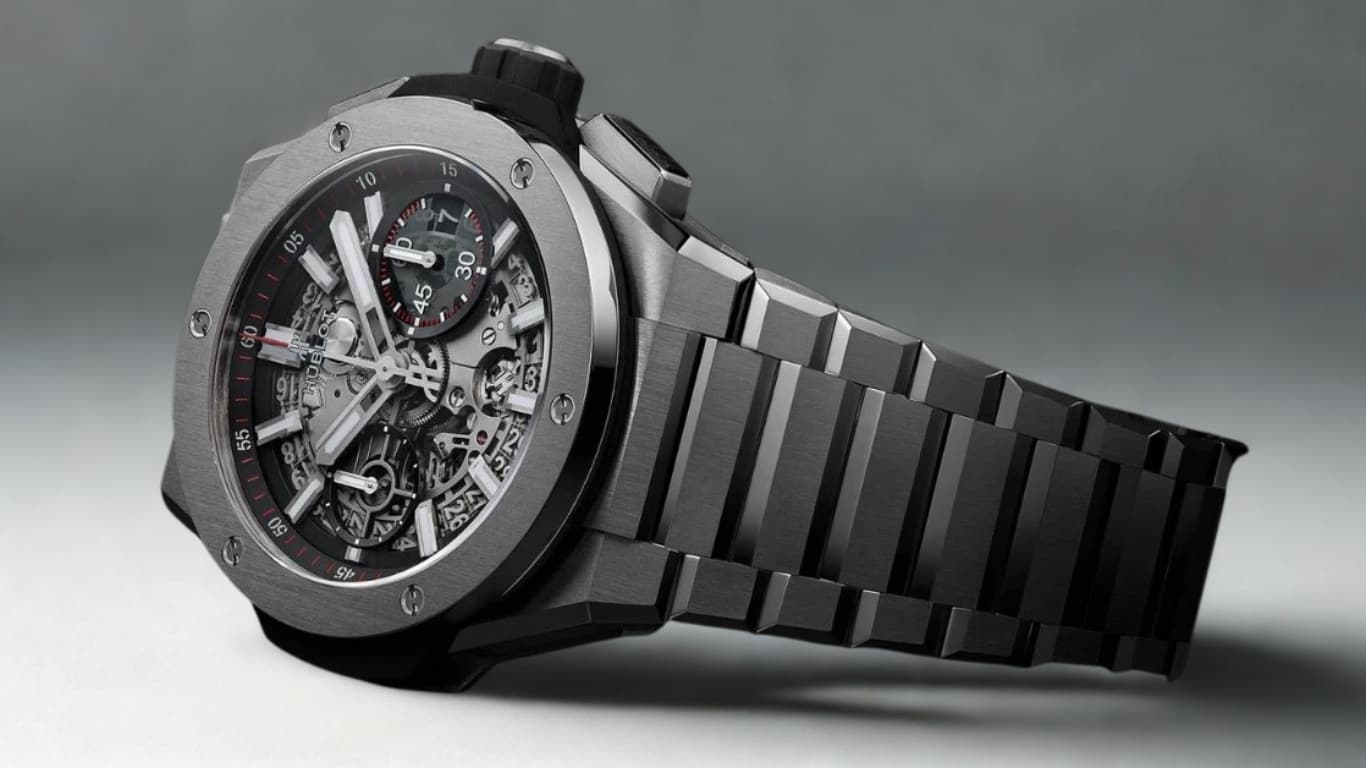
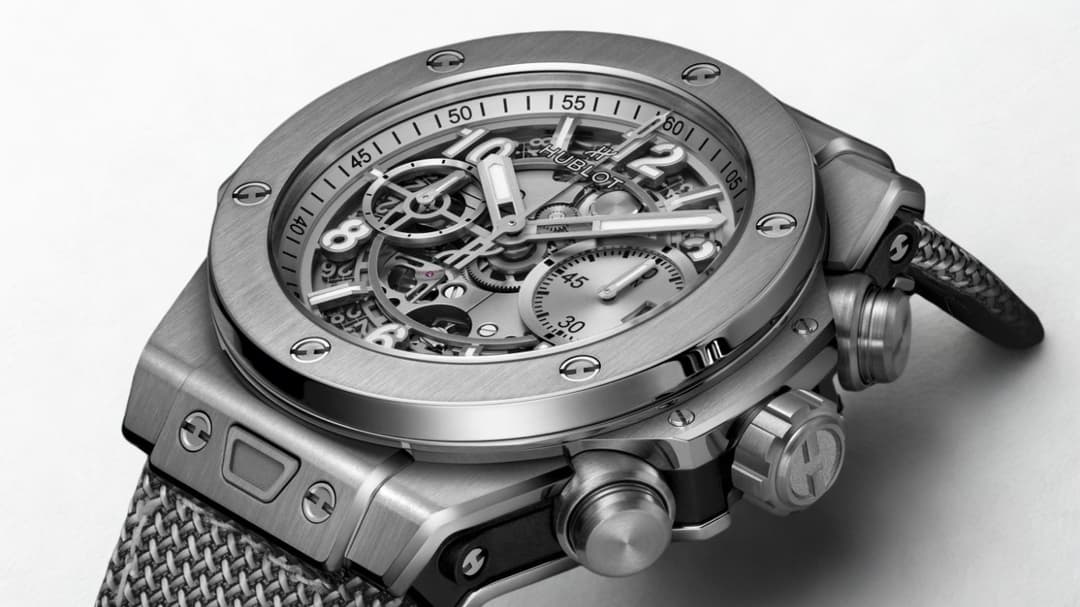
- Reference 421.NX.1170.RX Big Bang Unico Titanium and Reference 521.CM.1471.RX Big Bang Unico Magic Sapphire anchor the modern catalogue with material innovation collectors value.
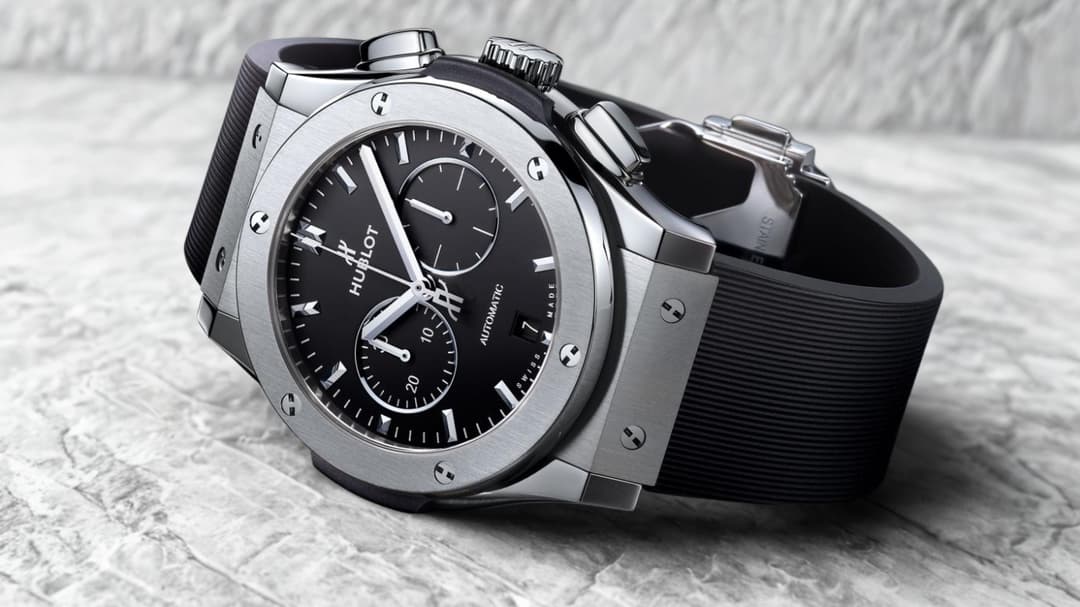
- Classic Fusion references in titanium and ceramic offer the most disciplined Hublot collector entry, with secondary-market depreciation materially less aggressive than the broader catalogue.
- We see the Big Bang Unico Magic Sapphire as the strongest single Hublot collector reference, with the sapphire case construction setting it apart from every other modern luxury alternative.
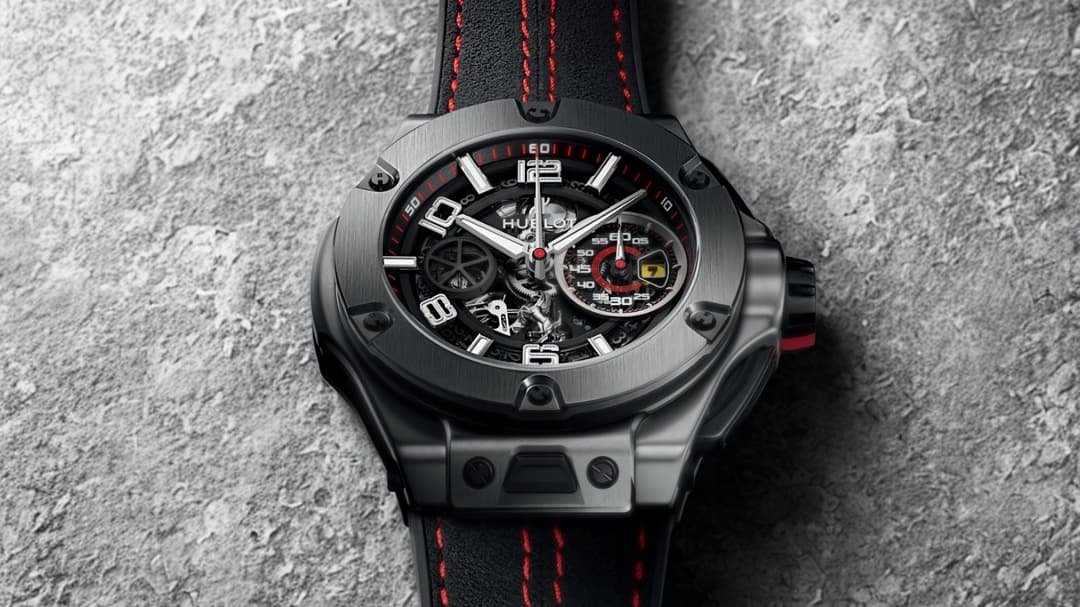
- Limited-edition Hublot collaborations with Ferrari, Berluti, and the broader cultural partnership programme continue to outperform the standard catalogue on the secondary market.
- Buyers entering the Hublot market should anchor on titanium, ceramic, and sapphire case constructions, with material innovation supporting the value retention that gold and steel alternatives cannot match.
- Who is this for?
- Hublot collectors, material innovation enthusiasts, and buyers weighing Hublot value retention against broader luxury watch alternatives.
- What is happening?
- A grounded read on the best Hublot watches that hold value, covering the Big Bang Unico Titanium, Classic Fusion, Magic Sapphire, and limited-edition collaborations.
- When did this emerge?
- The current Hublot collector hierarchy reflects post-2022 secondary-market dynamics, with material innovation continuing to inform the broader value retention conversation.
- Where is this happening?
- Authorised Hublot boutiques globally stock the modern catalogue, while Chrono24 and specialist Hublot dealers handle the broader secondary market.
- Why does it matter?
- Understanding which Hublot references actually hold value informs better purchase decisions, with the material innovation tier supporting the strongest long-term collector positioning.
The complaint is largely accurate at the volume level, but the catalogue is not uniform, and reading the credible references honestly is the practical baseline.
The brand operates an unusually wide catalogue across the Big Bang, Classic Fusion and Spirit of Big Bang families, with case sizes, materials and complications spread thinly across hundreds of references. The structural conditions that make the volume catalogue secondary-market vulnerable, broad production, marketing-driven design language, limited boutique-allocation discipline, also explain why the references that hold up tend to be the ones outside the volume base.
The credible Hublot collecting frame is narrower than the wider catalogue suggests.

Why most Hublot watches don't hold value
The volume Hublot catalogue carries unusually weak secondary-market behaviour by Swiss high-grade standards. WatchCharts and the major dealer platforms both record meaningful depreciation across most of the standard Big Bang and Classic Fusion references, with secondary-market levels regularly running at 40 to 60 percent below original retail across the standard production runs.
The structural reasons are clear. Production runs at scale that, against most credible Swiss peer competition, sit at meaningfully higher levels. The catalogue is genuinely broad, with hundreds of case-size, case-material and dial variants across the families.
The marketing posture has, across most of the brand's modern history, leaned into celebrity endorsement and sport-partnership programmes at a level that the serious collecting community has calibrated against.
The third condition is the brand's allocation discipline at the boutique level. The references that hold up at the modern Hublot upper end operate with tighter allocation than the volume catalogue, but the discipline does not extend across the broader line in the way the trinity manages or the credible Swiss high-grade catalogue maintains.
The Hublot references that actually hold value
The Classic Fusion catalogue at the considered specialty references operates with meaningfully better secondary-market behaviour than the broader Big Bang volume base. The Classic Fusion Titanium 42mm carries credible secondary-market depth at clean documented examples, with the disciplined dial work and the structural design that anchors the catalogue's most considered tier.
The Big Bang Unico chronograph at the considered limited-edition variants operates at a separate tier. The Calibre HUB1280 in-house chronograph movement gives the upper references credible technical credentials, and the limited-edition production at tight scale produces structural conditions that the volume catalogue lacks. The boutique-routed limited editions, particularly the considered material variants, draw the most credible specialty-collector attention.
The collaboration pieces with credible production discipline operate at the strongest secondary-market level. The Big Bang Ferrari limited editions, particularly the considered variants released in genuinely tight scale, hold credible secondary-market depth. The piece's distinct visual signature and the production discipline at the limited-edition level give the references the kind of structural conditions the volume catalogue does not credibly replicate.
The Hublot specialty complications worth knowing
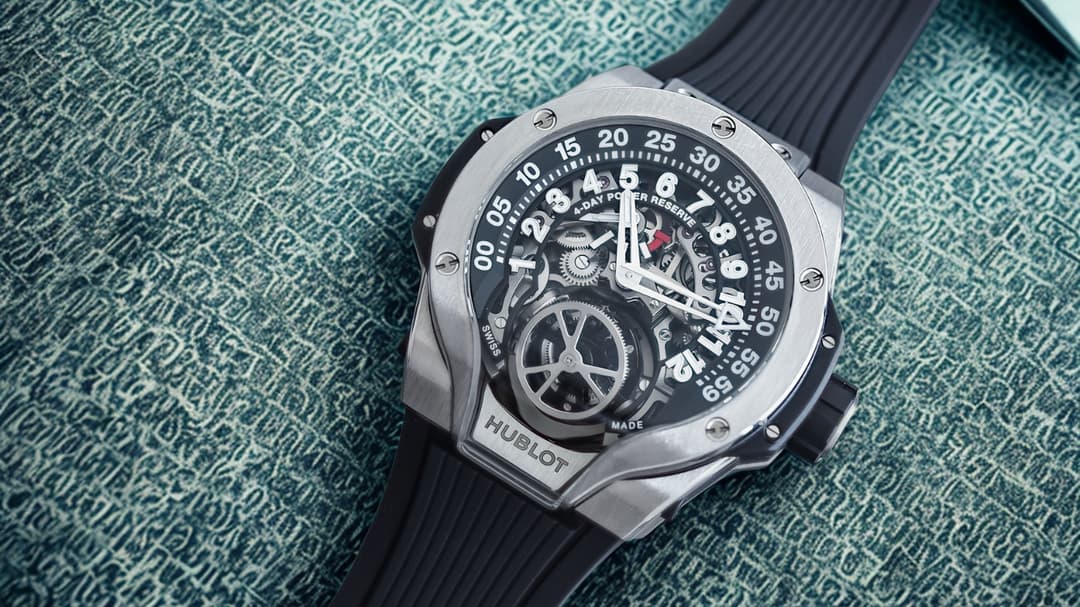
The MP series, the manufacture's haute horlogerie specialty programme, anchors the upper end of credible Hublot collecting. The MP-05 LaFerrari, the MP-09 Tourbillon Bi-Axis and the recent MP-13 Tourbillon Bi-Axis Bi-Retrograde all operate with the kind of technical specifications, multi-axis tourbillon architecture, considered case work, genuinely tight production discipline, that the serious specialty-watchmaking conversation recognises.
The MP series references hold credible secondary-market depth at the upper end of the catalogue. Production scale is genuinely small, with most references running in the low double digits to low hundreds, and the technical credentials at the manufacture's specialty-complication tier sit at a credible level against the broader Swiss high-grade competition.
The Hublot Sang Bleu references, the collaboration with the tattoo artist Maxime Plescia-Büchi, sit in a separate specialty band. The references operate with disciplined design vocabulary and credible production scale, and the secondary-market behaviour reflects the structural conditions the limited-edition discipline supports.
How the credible Hublot references actually trade
The Classic Fusion Titanium 42mm secondary market sits at clean documented examples in the band the brand's better mid-tier work supports, with the disciplined dial variants and the boutique-routed limited editions drawing credible upward pressure. The piece operates as the practical entry to credible Hublot collecting for buyers who want to engage with the catalogue without the depreciation overhang of the volume base.
The Big Bang Unico limited editions at credibly tight production scale hold meaningful value at clean examples. The boutique-routed variants, particularly the considered material and dial-variant pieces, draw the most credible specialty-collector attention. Secondary-market behaviour reflects the structural conditions the limited-edition discipline supports.
The MP series upper-complication catalogue trades at the upper end of the credible Hublot conversation, with the considered MP-09 and MP-13 references operating in the high six-figure to seven-figure secondary-market band on the most considered variants. The auction-house treatment confirms the reading; Phillips and Christie's catalogue the credible MP references with serious estimates.
How Hublot sits versus credible Swiss peer competition
The reference comparison matters because it shows where the credible Hublot frame actually operates. The full Rolex vs Hublot breakdown goes deeper on the structural comparison, but the credible reading is clear: the trinity and the broader credible Swiss high-grade catalogue operate on structural conditions that the Hublot volume catalogue does not replicate.
At the specialty-complication tier, the credible Hublot MP series references operate as credible peers to the wider Swiss specialty-complication catalogue. The technical credentials and the production discipline are real, and the dealer-network recognition reflects that. The structural reading is that Hublot's specialty work earns serious modern collecting attention at a narrower band than the volume catalogue suggests.
What serious collectors actually do with the Hublot catalogue
The credible Hublot collecting frame operates on a narrower set of references than the wider catalogue suggests. Serious specialty collectors who engage with the brand do so at the MP series and the considered limited-edition Big Bang Unico tier, with the credible Classic Fusion Titanium references as the practical entry. The volume Big Bang catalogue and the broader Classic Fusion volume references do not sit at the centre of the credible collecting conversation.
Box-and-papers documentation is the working baseline for any Hublot secondary-market transaction. The brand's authorisation discipline at the boutique level is real, and the credible dealer network operates with verification standards that the wider Hublot market depends on.
The structural reading is that credible Hublot collecting concentrates around the references where production discipline, technical credentials and considered design all reinforce each other. The volume catalogue lacks the structural conditions; the considered specialty references and the upper-complication MP series carry them.
What we'll watch next on Hublot collecting
The trajectory at the specialty tier looks credible. The MP series continues to operate with serious technical work, the limited-edition Big Bang Unico programme has shown more allocation discipline across recent releases than the broader catalogue carries, and the Classic Fusion Titanium references at the credible mid-tier have earned the kind of dealer-network attention the structural reading supports.
Whether the manufacture extends the specialty-collection discipline across the wider catalogue is the question that matters most for any meaningful rotation in the brand's wider collecting reputation. On present evidence, the volume catalogue continues to operate at production scale that the credible secondary-market behaviour cannot support, and the credible Hublot collecting frame remains the narrow band of considered specialty work the brand produces at meaningful scale discipline.
We last reviewed this analysis in May 2026.
Frequently Asked Questions
- Which Hublot watches hold their value the best?
- The Hublot models with the best value retention are the Big Bang Unico (specifically with in-house movements), the Classic Fusion Titanium 42mm, and limited Ferrari collaborations. These references typically retain 60% to 75% of their retail value, significantly outperforming standard Hublot models which can lose over 40% immediately.<br><br>
- How much value does a Hublot Classic Fusion lose?
- The Classic Fusion Titanium 42mm is Hublot's most stable performer, consistently retaining 65% to 75% of its retail price. Despite using non-manufacture movements, its lower entry price ($8,000–$12,000) and classic design make it safer than more expensive, volatile models.<br><br>
- Why is Hublot resale value generally low?
- General Hublot references often depreciate 40% to 60% due to high retail prices relative to finishing, a lack of waiting lists, and an oversupply of limited editions. However, this "reputation for depreciation" does not apply to the Unico or MP collections, which hold value much better due to technical scarcity.<br><br>
- Are Hublot Ferrari and MP watches hard to sell?
- Yes, they have low liquidity but high value retention. While Hublot Ferrari editions and MP Masterpieces retain 70% to 80% of their value, they target a very narrow niche. Sellers should expect longer holding periods to find a buyer compared to high-volume brands like Rolex.

Stefanos Moschopoulos
Stefanos Moschopoulos founded The Luxury Playbook in Athens and has spent the better part of a decade following the auction calendar, the en primeur releases, and the watchmakers, gallerists, and shipyards the magazine covers. He writes the field guides and listicles that anchor the Connoisseur section — pieces built on Phillips and Christie's results, Liv-ex movements, and conversations with collectors he has met across Geneva, Bordeaux, Basel, and Monaco. His own collecting habits sit closer to watches and wine than art, and it shows in the level of detail in the magazine's coverage of those categories. Under his direction, The Luxury Playbook now publishes long-form field guides, market-defining year-end listicles, and the Voices interview series with the founders behind the houses and the brands.