Watches

Rolex vs Hublot: What Is Best For You In 2026? (Prices & Models)

By Stefanos Moschopoulos14 min

Which watch actually wins between Hublot and Rolex? Few debates in the luxury watch world run hotter than this one. And once you look closely, you’ll see why: these two…

AuthorStefanos Moschopoulos
Published11 April 2026
Read14 min
SectionWatches
Image

Which watch actually wins between Hublot and Rolex? Few debates in the luxury watch world run hotter than this one. And once you look closely, you’ll see why: these two brands couldn’t be further apart in philosophy, design, and purpose.

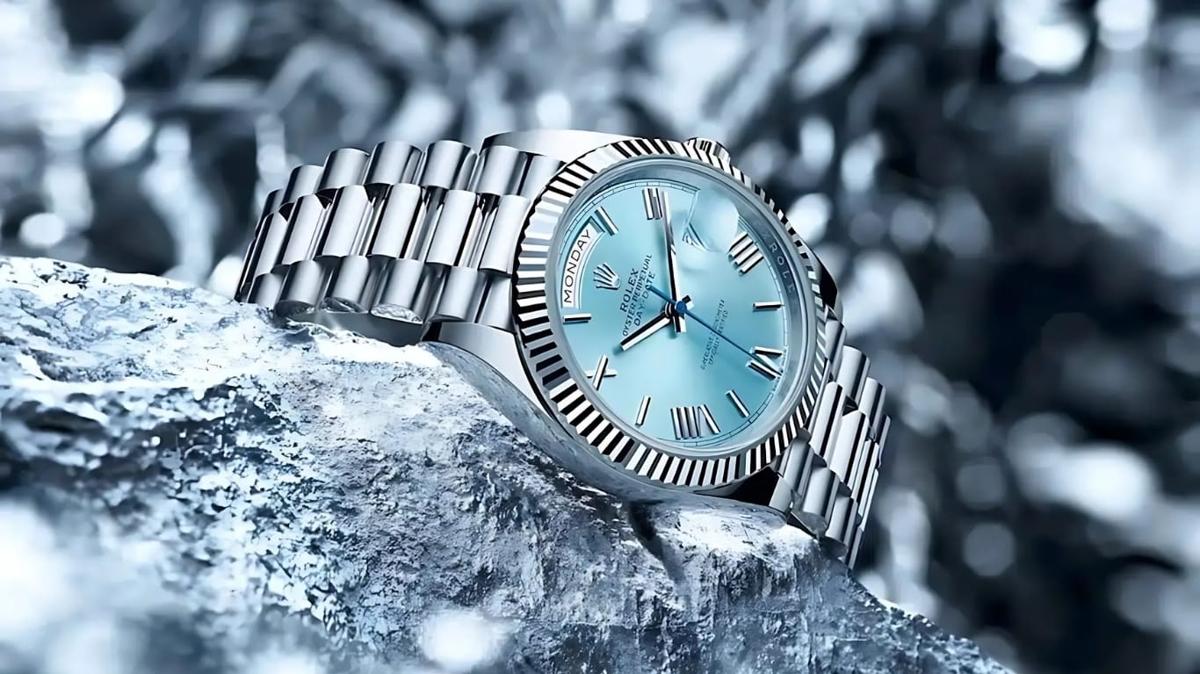
Rolex has built its name on timeless elegance, bulletproof durability, and obsessive precision. It’s a brand that treats tradition as a competitive advantage. Hublot, by contrast, arrived on the scene as a disruptor, carving out its identity through bold, avant-garde designs and a fearless embrace of unconventional materials.

Whether you’re chasing an iconic classic or a modern statement piece that turns heads in every room, knowing the real differences between these two houses will help you decide which watch is the right fit for your wrist and your portfolio.


Rolex

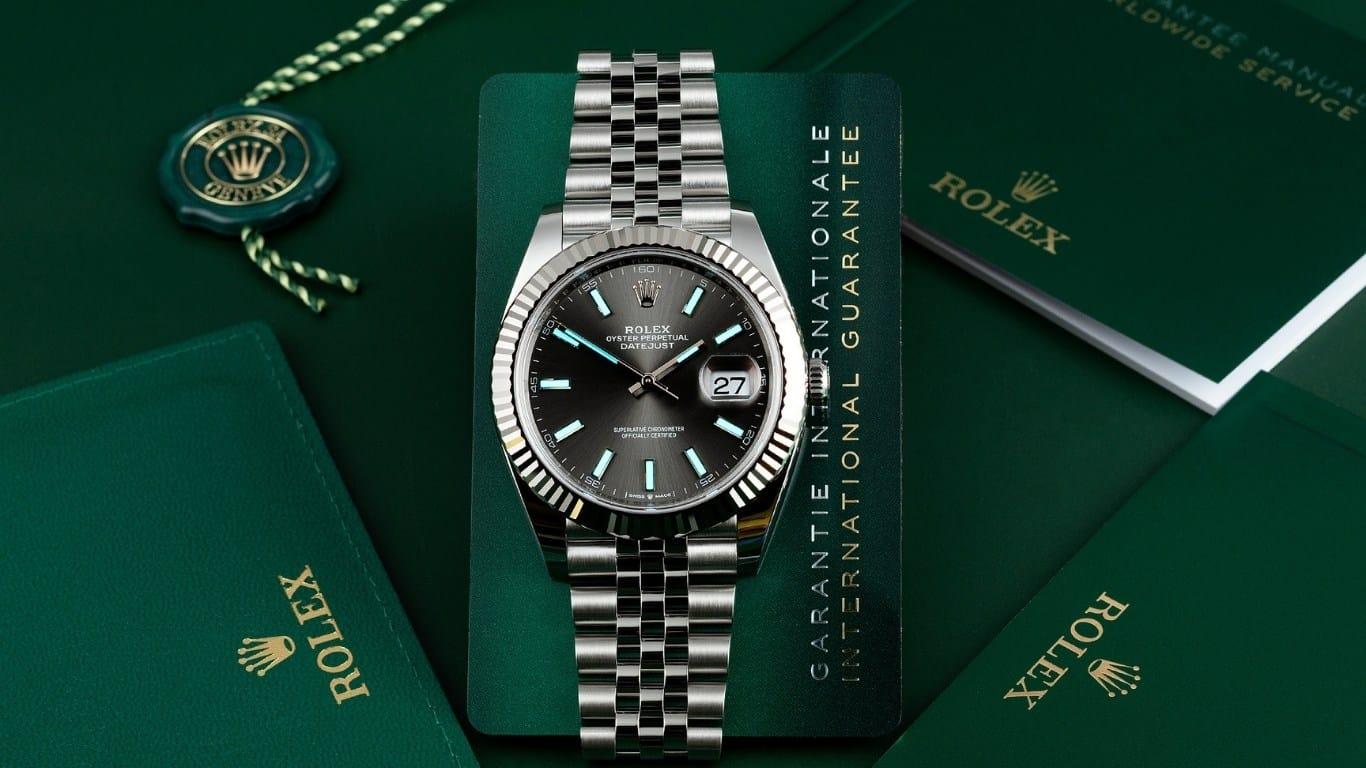
Founded in 1905 by Hans Wilsdorf, Rolex has grown into one of the most respected names in watchmaking, full stop. Its reputation rests on three pillars: precision, durability, and timeless design. But beyond being a luxury object, a Rolex is widely treated as a financial asset, one that holds its value and, in many cases, quietly appreciates while sitting on your wrist.

A big part of that enduring success comes down to Rolex’s refusal to cut corners. The brand produces nearly every component in-house, giving it a level of quality control that few manufacturers can match. Take its use of 904L Oystersteel, a corrosion-resistant alloy that outperforms standard stainless steel by a wide margin. That kind of material choice isn’t a marketing decision. It’s an engineering one.

Over the decades, Rolex has quietly introduced breakthroughs that shaped the entire Swiss watch industry. The Perpetual rotor, which powers Rolex’s self-winding movements. The Cerachrom bezel, a virtually scratch-proof ceramic insert you’ll find on the Submariner and Daytona. And every Rolex movement carries Superlative Chronometer certification, meaning accuracy within plus or minus 2 seconds per day, a standard that leaves most Swiss chronometers in the dust.

Rolex’s dedication to mechanical excellence shows up most clearly in its in-house movements, built for durability, pinpoint accuracy, and minimal maintenance over a lifetime of wear. A few standout calibers are worth knowing about.

  • Caliber 3235: Found in the Datejust, Sea-Dweller, and other models, this automatic movement offers a 70-hour power reserve and features Rolex’s Chronergy escapement, enhancing efficiency and precision.

  • Caliber 4130: Powering the Daytona, this chronograph movement is widely regarded as one of the most reliable and efficient chronographs in the industry.

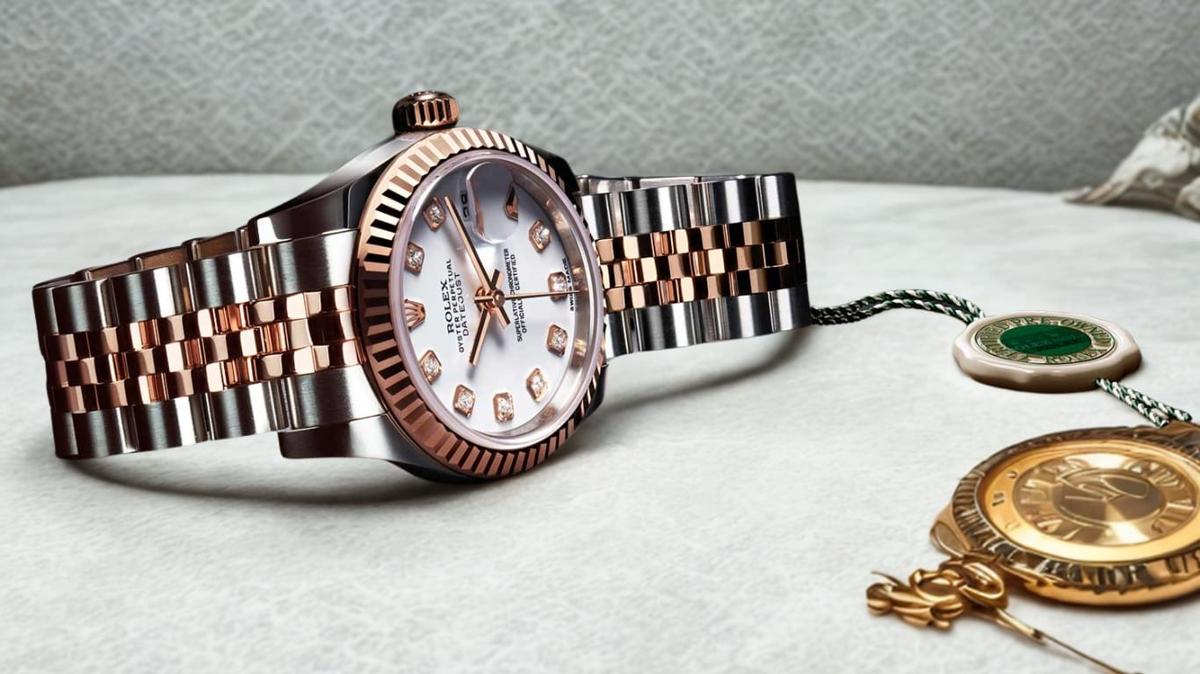
Beyond the mechanics, Rolex has mastered something that very few luxury brands ever crack: a timeless design language. The Submariner, Daytona, and Datejust have barely changed their silhouettes over decades. And that’s not a lack of imagination. That’s confidence. Those clean lines and enduring aesthetics appeal equally to seasoned collectors and first-time buyers stepping into the world of luxury watches.

Every Rolex timepiece is built around the balance of functionality and elegance. The result is a watch versatile enough to wear to a board meeting and a beach dinner without missing a beat.

Image Source: Perpetual.gr


Hublot

Founded in 1980 by Carlo Crocco, Hublot is a relative newcomer in Swiss watchmaking. But don’t let its age fool you. The brand made an immediate impact by pioneering what it calls the Art of Fusion, a philosophy that combines materials like rubber, ceramic, carbon fiber, titanium, and sapphire crystal with traditional Swiss craftsmanship. Hodinkee has covered Hublot’s material innovations extensively, and the brand’s influence on contemporary watchmaking is hard to overstate.

One of Hublot’s earliest breakthroughs was the natural rubber strap, which was considered radical when it debuted in the 1980s. Most fine watchmakers wouldn’t go near rubber. Hublot leaned into it. That willingness to experiment set the tone for everything that followed.

Today, Hublot pushes material science further than almost anyone else in the industry. Magic Gold, a scratch-resistant gold alloy developed in-house, and fully transparent sapphire crystal cases are just two examples of how the brand treats its watches as much as design objects as they are timekeeping instruments.

Where Rolex builds consistency, Hublot builds buzz. High-profile partnerships with FIFA, Ferrari, and the NBA have kept the brand in front of a global audience hungry for watches that feel current and culturally connected. These collaborations have turned Hublot into something of a tastemaker brand, one that appeals to a new generation of collectors who want performance and personality in the same package.

On the movement side, Hublot blends in-house calibers with modified ETA movements, though the brand has been investing more heavily in proprietary mechanisms in recent years. Two in-house movements stand out from the rest.

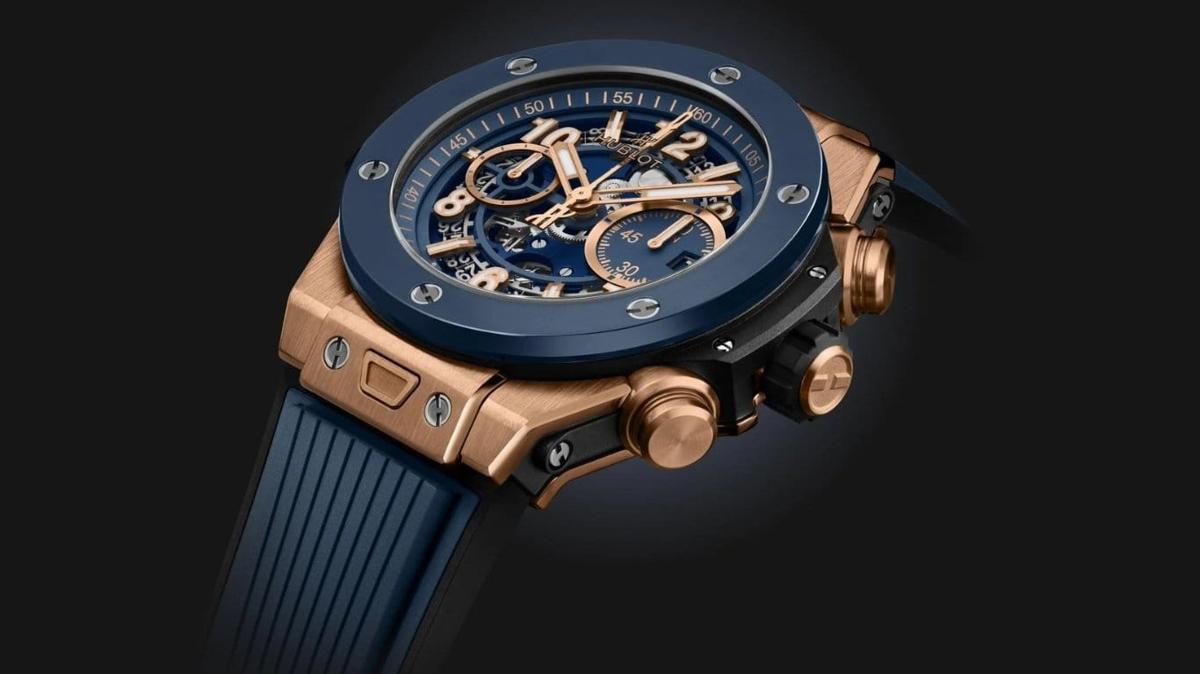
  • Unico Movement: An automatic chronograph movement with a 72-hour power reserve and flyback chronograph function, found in flagship models like the Big Bang Unico. It represents Hublot’s growing emphasis on horological innovation and vertical integration.

  • MP-11 Movement: An engineering feat offering a 14-day power reserve, driven by seven series-coupled barrels and visible through the movement’s distinctive horizontal architecture. This caliber powers the MP-11 collection, highlighting Hublot’s capacity for ultra-modern mechanical design.

Hublot’s aesthetic is unmistakable. Oversized cases, exposed screws, skeletonized dials that put the movement on full display. The Big Bang series, launched in 2005, became the anchor of contemporary luxury watchmaking almost immediately and has never really let go of that position.

With its fusion of bold materials, strong visual presence, and deep customization options, the Big Bang captures everything Hublot stands for and keeps selling accordingly.

hublot vs rolex
Image Source: luxurywatcher.com

Price Comparison

Pricing is one of the first things you need to wrap your head around when choosing between these two brands. Both live comfortably in the luxury tier, but their pricing structures, resale performance, and long-term value propositions tell very different stories.

Rolex is broadly seen as the more stable investment play. Hublot, recognized for its avant-garde designs and exotic materials, often commands a higher entry price at retail but tells a different story once the watch leaves the boutique.

Rolex watches are famous for holding their value in a way most luxury goods simply don’t. Based on secondary market data, Rolex models retain an average of 85% to 120% of their retail price, with many appreciating well beyond that, especially discontinued references or high-demand models in short supply. Bloomberg has tracked the Rolex secondary market premium closely, and the numbers consistently favor the brand.

Current Rolex Price Ranges for 2026

  • Entry-Level Rolex (Oyster Perpetual): $5,000 – $7,000

  • Mid-Range Rolex (Submariner, Explorer, GMT-Master II): $8,000 – $22,000

  • High-End Rolex (Daytona, Sky-Dweller, Yacht-Master II): $14,000 – $60,000+

Popular models like the Submariner 116610LN have climbed from an original retail of around $8,500 to well over $13,000 to $17,000 on the secondary market. The Daytona 116500LN routinely fetches upwards of $30,000, nearly double its retail price, driven by sustained demand and deliberately tight supply.

Hublot watches often carry higher retail prices thanks to exotic materials like Magic Gold, sapphire crystal cases, and carbon fiber. But on the resale market, the numbers soften considerably. On average, Hublot watches retain around 60% to 75% of their retail value, and that range depends heavily on the model and prevailing market trends.

Current Hublot Price Ranges for 2026

  • Entry-Level Hublot (Classic Fusion): $7,000 – $10,000

  • Mid-Range Hublot (Big Bang, Spirit of Big Bang): $12,000 – $20,000

  • High-End Hublot (MP-11, Big Bang Ferrari, Sapphire Editions): $40,000 – $80,000+

High-concept pieces like the MP-11 or Big Bang Tourbillon Sapphire can push well past $100,000 at retail. But limited demand and a narrower collector base often translate into steep depreciation once those watches hit the secondary market. Even crowd-pleasers like the Big Bang Unico, retailing around $14,000 to $18,000, typically resell for $10,000 to $13,000 depending on condition and edition.

Hublot delivers on design, bold limited editions, and material innovation. But its watches tend to lose ground quickly on the resale market. Rolex, by contrast, is the benchmark for value retention, with models frequently appreciating over time thanks to brand prestige, controlled supply, and deep collector demand.

If long-term investment and resale value are your priority, Rolex holds a clear edge. That said, if you’re drawn to modern styling, bold aesthetics, and materials that no one else is using, Hublot offers a genuinely compelling luxury experience. Just go in knowing that its value is better measured in personal enjoyment than financial return.

Iconic Models Comparison

Both Rolex and Hublot have produced standout timepieces that have captured the attention of collectors, enthusiasts, and serious buyers worldwide. Rolex earns respect for its classic design language, durability, and investment credentials. Hublot earns attention for bold aesthetics, material innovation, and a thoroughly modern attitude.

Rolex Submariner vs. Hublot Big Bang

The Rolex Submariner is the quintessential dive watch. With 300-meter water resistance, a robust Oystersteel case, and a clean, timeless design that has barely aged in decades, it’s a watch that works equally well at a formal dinner or on a boat. Its resale value and enduring collector demand make it one of the most financially sound watches you can buy.

The Hublot Big Bang plays a completely different game. Skeletonized dial, exposed screws, a wide palette of material combinations spanning ceramic, carbon fiber, and sapphire. If you want a watch that announces itself, this is it. It won’t match the Submariner’s investment credentials, but in terms of sheer visual impact and design ambition, it’s in a league of its own.

Rolex Daytona vs. Hublot Classic Fusion Chronograph

The Rolex Daytona is one of the most revered chronographs in horological history. Its motorsport roots, iconic tachymeter bezel, and exceptional in-house Caliber 4130 movement have made it a collector obsession. Many Daytona references sell well above retail on the secondary market, and that trend shows no signs of cooling. Robb Report’s Daytona buying guide breaks down exactly why it commands such a premium.

The Hublot Classic Fusion Chronograph takes a different route, offering a minimalist, modern design with a slim profile and a strong variety of case materials. It doesn’t carry the Daytona’s heritage or resale muscle, but it delivers excellent aesthetic variety and suits buyers who want understated contemporary luxury without sacrificing personality.

Rolex GMT-Master II vs. Hublot Spirit of Big Bang

The Rolex GMT-Master II is a traveler’s watch built for people who actually travel. Dual time zone functionality, a robust ceramic bezel, and a refined in-house movement make it as practical as it is desirable. Variants like the Pepsi and Batman bezels have developed their own cult followings among collectors and frequent flyers alike.

The Hublot Spirit of Big Bang goes in a completely different direction. Its tonneau-shaped case and skeletonized dial push firmly into futuristic territory. Powered by the HUB4700 movement, it’s technically impressive and visually striking, aimed squarely at collectors who want to break away from traditional watch silhouettes entirely.

Resale Value and Investment

For many serious watch buyers, design and brand reputation are just the starting point. What really matters is how a watch performs financially over time. And on that question, Rolex and Hublot give you very different answers. If you’re thinking about watches as alternative investments, understanding resale dynamics is non-negotiable.

Rolex is widely considered the gold standard for value retention in luxury horology. Hublot, for all its innovation and modern appeal, caters more to aesthetic preferences than long-term financial gain.

Rolex

Rolex has earned its place as one of the most trusted names in watch investment. That reputation is built on a combination of global brand recognition, consistently high demand, deliberately limited supply of key models, and a slow, intentional product evolution that keeps both modern and vintage references desirable for decades.

Models like the Submariner, Daytona, and GMT-Master II have become icons not just for their design but for their track record on the secondary market. Production constraints, authorized dealer waitlists, and design consistency all feed into the price premiums these watches command in resale. The Financial Times has explored how Rolex watches outperform many traditional assets in certain market conditions.

  • Rolex Submariner (116610LN): Originally retailed around $8,500; now trades for $13,000–$17,000 depending on condition.

  • Rolex Daytona (116500LN): Initially sold for $12,000, this model can fetch $30,000–$40,000+ today due to extreme demand.

  • Rolex Hulk (116610LV): After discontinuation in 2020, values soared from $9,350 retail to $18,000–$25,000 on the secondary market.

Even entry-level models like the Oyster Perpetual and Datejust tend to retain between 85% and 110% of their original retail price.

Their timeless design, range of sizes, and deep brand equity make them reliable long-term assets for collectors and investors who want a watch that does double duty.

Hublot

Hublot commands attention with bold, contemporary designs and materials that no one else is using at scale. But it hasn’t historically matched Rolex’s resale performance. A younger brand history, higher retail price points, and a frequent release cycle that keeps flooding the market with new references all work against long-term collector interest.

Many Hublot watches begin depreciating almost immediately after purchase. On average, Hublot models retain 50% to 70% of their retail value, though that figure shifts depending on the model and when you’re selling.

  • Hublot Big Bang Unico: Retailing at $14,000–$18,000, often resells for $9,000–$12,000.

  • Hublot Classic Fusion Chronograph: Priced at $7,000–$10,000, but typically trades between $4,000–$6,000 in the secondary market.

There are exceptions worth knowing. Limited-edition collaborations, especially those tied to Ferrari or featuring exotic materials, have shown stronger staying power. The MP-11 with its 14-day power reserve and sapphire crystal editions hold value better than most Hublot references, driven by exclusivity and technical complexity.

Still, these are a small slice of Hublot’s overall catalog, and returns tend to be volatile and trend-dependent rather than the kind of slow, steady appreciation you see with Rolex.

Quality and Mechanisms

One of the sharpest differences between Rolex and Hublot comes down to how each brand approaches movement manufacturing. Rolex builds for precision, durability, and reliability over a lifetime. Hublot builds for mechanical drama, pushing complications and avant-garde design as far as the engineering will allow.

Rolex movements are the definition of reliability. Every caliber is developed and built entirely in-house, engineered for robust construction, long-term serviceability, and chronometric precision. Superlative Chronometer certification means every movement is regulated to an accuracy of plus or minus 2 seconds per day, a standard that exceeds the baseline COSC certification by a meaningful margin.

The Caliber 3235 is a prime example. Powering the Sea-Dweller, Datejust, and Submariner Date, this movement features the Chronergy escapement, which boosts energy efficiency by 15%, and delivers a 70-hour power reserve. The Parachrom hairspring adds resistance to shocks and magnetic fields, keeping the movement stable under conditions that would rattle most calibers.

Beyond movement performance, Rolex’s 904L Oystersteel, Cerachrom ceramic bezels, and Triplock and Oyster case systems ensure the calibers inside stay protected whether you’re diving deep or flying high.

Hublot doesn’t carry the same movement heritage, but the brand has made serious strides in recent years. Its in-house calibers, the Unico and the MP-11 chief among them, are designed to impress with complexity and bold visual presence rather than volume production.

The Unico movement, found in the Big Bang Unico, delivers a 72-hour power reserve alongside a flyback chronograph function. The column wheel and double-clutch mechanism are visible from the dial side, which is pure Hublot, putting the engineering on display as part of the aesthetic. Its modular architecture also allows for additional complications, adding real flexibility to the platform.

The MP-11 goes even further. Seven series-coupled barrels give this caliber a jaw-dropping 14-day power reserve. The lateral layout, fully visible through the dial, is Hublot’s clearest statement of its love for design transparency and experimental mechanics.

These calibers reflect genuine innovation. But because they’re produced in lower volumes and are relatively young to the market, they don’t carry the decades-long reliability track record that Rolex calibers like the 3135 and 4130 have built. That gap matters if you’re buying a watch you expect to pass down.

Rolex is the industry benchmark for reliability, longevity, and performance. Its movements are engineered to run flawlessly for decades with minimal servicing. Hublot appeals to buyers who value mechanical creativity and want a watch that reflects contemporary design and avant-garde horology rather than proven tradition.

Which Watch Brand Should You Choose?

When you strip everything back, the choice between Rolex and Hublot comes down to what you want a watch to do for you. And that’s a more personal question than most people expect.

Choose Rolex if you want a watch that holds its value, carries decades of heritage, and works in every room you’ll ever walk into. Rolex is for buyers who think long term, value understated authority, and want a timepiece that means something 20 years from now. Much like the Cartier Tank, Rolex rewards patience and a taste for the enduring over the trendy.

Choose Hublot if you want a watch that makes a statement the moment you walk in. Hublot suits buyers who are drawn to bold materials, modern design, and a brand with genuine cultural cachet. If you’re buying for enjoyment and self-expression rather than resale, Hublot delivers in ways that more conservative brands simply don’t.

  • You want a bold, modern watch that pushes the boundaries of design and materials.

  • You are more interested in aesthetics and innovation than in resale value or investment potential.

  • You appreciate technology and unique collaborations with sports teams, car brands, or artists.

Both Rolex and Hublot are genuine leaders in luxury watchmaking. But they speak to very different buyers. Rolex is for the person who wants a tried-and-true classic that quietly commands respect. Hublot is for the modern collector who wants something that stands apart and makes no apologies for it. Know which one you are, and you’ll never question your choice.

Stefanos Moschopoulos
About the author

Stefanos Moschopoulos

Founder & Head of Editorial

Stefanos Moschopoulos is the Founder and Head of Editorial at The Luxury Playbook, specializing in fine assets and alternative investments. His work focuses on analyzing luxury asset classes such as art, watches, collectibles, and yachting as structured investment vehicles, aligning them with broader wealth-building strategies. He leads the editorial direction of the publication, ensuring all content around alternative assets is data-driven, macro-aware, and investment-focused. His expertise lies in translating niche luxury markets into clear frameworks for portfolio diversification, long-term capital preservation, and asymmetric returns within non-traditional asset classes.

View author profile →