Fine wine never stands still. Iconic producers keep building on their legacies while a new generation of estates captures the attention of collectors and investors across the globe. As we move through 2026, the best wine brands strike a rare balance between tradition, innovation, and quality that simply cannot be faked. From the hallowed vineyards of Burgundy and Bordeaux to the sun-drenched estates of Tuscany and California, these wines speak to collectors, investors, and enthusiasts in a language all their own.
Every brand in this guide brings something genuinely distinct to the table. Whether you’re drawn to the whisper-quiet refinement of a Domaine de la Romanée-Conti Pinot Noir or the deep, sun-baked richness of a Penfolds Grange Shiraz, the appeal goes far beyond the glass. Serious collectors and investors treat these wines as tangible assets, and with good reason — the right bottles appreciate in ways that rival traditional investment vehicles.
This guide walks you through the finest wine brands to know in 2026, covering their history, grape varieties, standout vintages, market performance, and investment potential. Whether you’ve been building a cellar for decades or you’re just beginning your fine wine journey, you’ll find the kind of insider perspective here that helps you make decisions with real confidence. And if you want to go deeper on the investment side, the OENO Group wine investment firm review is worth reading alongside this.
Table of Contents
Domaine de la Romanée-Conti (DRC) — Pinot Noir, France (Burgundy)
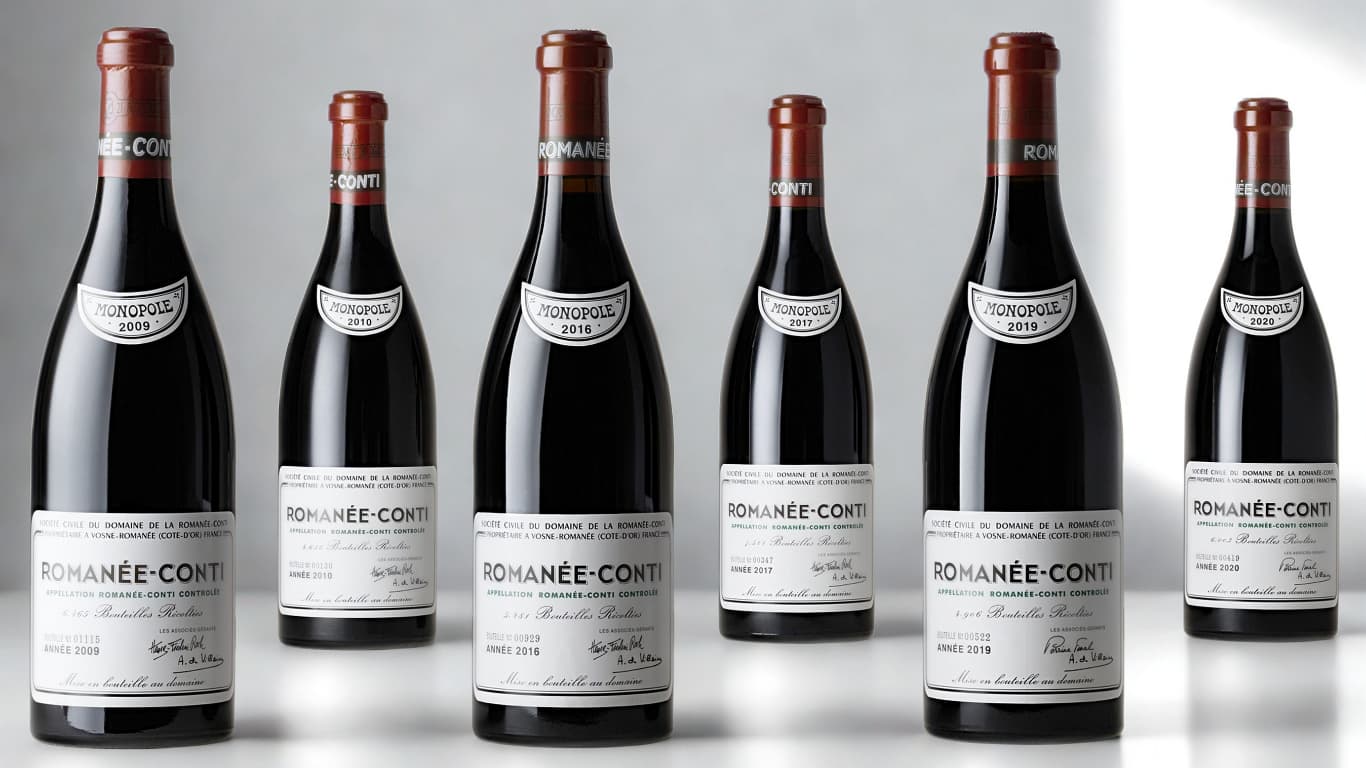
If you want to understand the very top of the fine wine world, start here. Domaine de la Romanée-Conti, known universally as DRC, sits at the absolute pinnacle of prestige, quality, and rarity. Based in Burgundy, the estate produces wines so coveted that simply owning a bottle puts you in rare company. The focus is Pinot Noir, though DRC also crafts tiny quantities of Chardonnay that command their own extraordinary prices.
The estate traces its roots back to the 13th century, and the name itself comes from the Romanée-Conti vineyard, one of the most prized parcels of land on earth. Annual production sits at roughly 5,000 to 6,000 bottles. That scarcity is not an accident. It is the engine that drives the extraordinary demand and the prices that come with it.
Key Wines and Characteristics
- Romanée-Conti Grand Cru: The flagship wine of the estate, characterized by its complexity, finesse, and unmatched aging potential. It offers aromas of ripe berries, earth, truffle, and an ethereal elegance on the palate.
- La Tâche Grand Cru: Known for its bold structure, intense aromatics, and ability to age gracefully.
Right now, a bottle of Romanée-Conti Grand Cru commands anywhere from $20,000 to $30,000 depending on the vintage. Rare years like 1990 and 2005 have blown past that ceiling at auction, with some bottles exceeding $40,000. These are not outliers. They are what the market has decided this wine is worth.

La Tâche Grand Cru, while slightly easier to access, still trades at $8,000 to $12,000 per bottle. A bargain only by DRC standards.
DRC wines punch hard in both primary and secondary markets, with annual returns that regularly exceed 10 to 15%. Their unmatched reputation, razor-thin supply, and relentless global demand make them the kind of cornerstone holding that anchors a serious fine wine investment portfolio. If you’re comparing this asset class to others, it’s worth looking at how Bordeaux versus Napa Valley wines appreciate over time.

For collectors and investors alike, securing even a single bottle of Domaine de la Romanée-Conti is more than a financial move. You are acquiring a piece of winemaking history that very few people on earth will ever hold.

Château Lafite Rothschild — Cabernet Sauvignon-based Blend, France (Bordeaux)
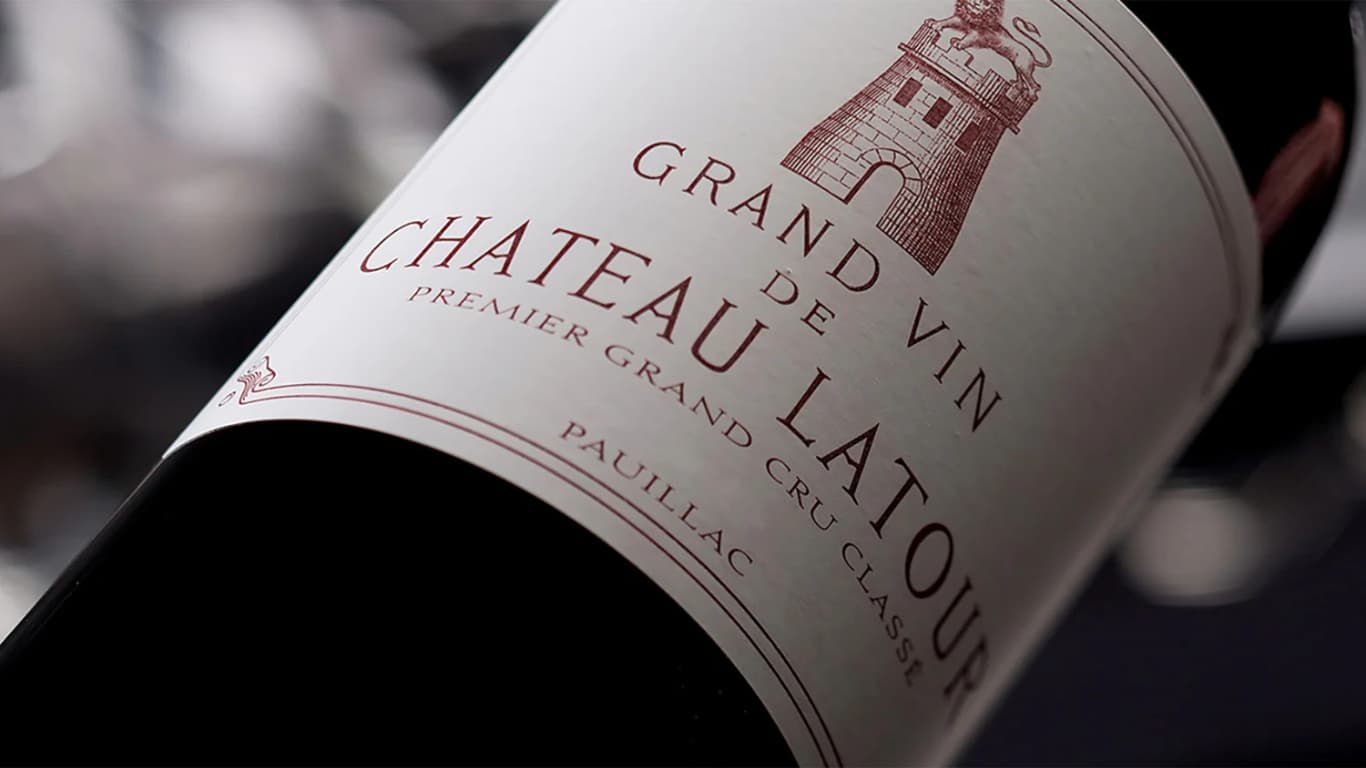
Few names in wine carry the weight of Château Lafite Rothschild. Nestled in the Pauillac appellation of Bordeaux, this First Growth estate crafts Cabernet Sauvignon-based blends that have defined luxury winemaking for centuries. If you are building a fine wine cellar or investment portfolio and Lafite is not in it, you are missing the cornerstone.
The estate’s story stretches back to the 17th century, and its wines were once a fixture at the court of King Louis XV of France. Today the estate spans roughly 112 hectares, with vines averaging around 40 years of age — though some prized plots carry vines a century old. That vine age translates directly into the concentration and complexity you find in every bottle.
Key Wines and Characteristics
- Château Lafite Rothschild Grand Vin: Known for its powerful yet refined structure, this wine offers rich flavors of blackcurrants, cedar, graphite, and subtle tobacco notes. Its silky tannins and impeccable balance allow it to age gracefully for several decades.
- Carruades de Lafite: The estate’s second wine, offering exceptional quality at a slightly more accessible price point. It shares the hallmark finesse of the Grand Vin but is often more approachable in its youth.
A bottle of Château Lafite Rothschild Grand Vin from a strong vintage will set you back $1,000 to $1,800. Push into the exceptional vintages — 2009, 2010, and 2016 being the standouts — and secondary market prices can clear $2,500 per bottle without breaking a sweat.
The Carruades de Lafite, the estate’s second wine, trades between $400 and $800 per bottle depending on the vintage. It offers genuine Lafite DNA at a fraction of the flagship price.
The investment case for Château Lafite Rothschild is built on consistency. Fine wine analysts at the Financial Times have tracked the Bordeaux First Growths for years, and Lafite’s average annual return of 8 to 12% tells a compelling story. Rare vintages can run well ahead of that. Asia and Europe drive especially strong demand, and that appetite shows no sign of cooling.
For investors, Château Lafite Rothschild offers the combination of stability, prestige, and long-term value appreciation that very few assets — in any class — can match.
Petrus — Merlot, France (Bordeaux)
Petrus does not need a grand château. It does not need elaborate marketing. Its reputation stands entirely on what is in the bottle. Situated in the Pomerol appellation of Bordeaux, Petrus crafts Merlot-based wines that are widely considered among the finest ever produced. Full stop.
The estate covers just 11.5 hectares, making it tiny even by Pomerol standards. Its rise to global fame accelerated in the mid-20th century through the vision of Jean-Pierre Moueix, who understood what the unique blue clay soil of this vineyard was capable of producing. That clay is found nowhere else, and it drives the concentration, texture, and complexity that define Petrus.
Key Wine and Characteristics
- Petrus Grand Vin: Petrus is celebrated for its opulent texture, velvety tannins, and deep layers of black fruit flavors, often accompanied by hints of truffle, licorice, and chocolate. Its exceptional aging potential allows it to develop beautifully over 20–50 years or more.
A standard bottle of Petrus trades at $4,000 to $7,000 depending on the vintage. Step into the exceptional years — 2000, 2005, and 2010 — and you are looking at prices above $10,000 at auction. Magnums and larger formats carry a further premium, driven purely by their rarity in the market.
Petrus has earned its reputation as the gold standard of fine wine investment. Historical returns average between 10% and 15% annually, with top vintages pushing considerably higher. Limited production combined with relentless worldwide demand from collectors and investors means this wine does not sit still. Bloomberg’s coverage of fine wine markets regularly places Petrus among the most liquid and reliable assets in the category.
For collectors and investors, Petrus is not simply a wine. It is a financial and cultural asset that delivers prestige and real returns in equal measure.
Sassicaia — Cabernet Sauvignon-based Blend, Italy (Tuscany)
Sassicaia changed Italian wine forever. Produced in the Bolgheri region of Tuscany, this pioneering Super Tuscan broke every traditional rule in the book by blending Cabernet Sauvignon with Cabernet Franc — and the world rewarded it with some of the most passionate collector followings in fine wine.
The story begins in the 1940s when Marchese Mario Incisa della Rocchetta planted French grape varieties along the Tuscan coast, convinced that the Bolgheri terroir mirrored Graves in Bordeaux. For years the wine stayed within the family. Then in 1978, Sassicaia entered a blind tasting against the finest Bordeaux wines and won. The international wine community has never looked at Italian wine the same way since. Today, the estate behind Sassicaia, Tenuta San Guido, is recognized globally for exactly the kind of visionary thinking that launched this wine.
Key Wine and Characteristics
- Sassicaia Bolgheri DOC: Known for its rich structure, complex aromas of blackberries, cassis, cedar, and spice, and firm yet refined tannins. It has excellent aging potential, often improving significantly after 10–20 years in the bottle.
Recent vintages of Sassicaia Bolgheri DOC typically sell for $250 to $400 per bottle. Older treasures like the 1985, 2010, and 2016 vintages can clear $1,000 per bottle in the secondary market — a strong signal of how the market values age and provenance.
The financial case is equally compelling. Sassicaia has posted average annual appreciation of around 8 to 12%, supported by global demand from both serious collectors and the world’s top fine dining establishments. Its Bordeaux-style structure blended with Tuscan character gives it a crossover appeal that keeps buyers coming from every corner of the market.
For investors and collectors, Sassicaia offers something rare — bold innovation that has stood the test of decades, backed by a track record of steady value growth.

Ornellaia — Cabernet Sauvignon-based Blend, Italy (Tuscany)
Also from Bolgheri, Ornellaia occupies a place at the very top of Super Tuscan winemaking. Its Cabernet Sauvignon-based blends are built on precision and meticulous craft, delivering wines that balance power with elegance in a way that makes them equally compelling at the dinner table and in the investment cellar.
The estate was founded in 1981 by Marchese Lodovico Antinori, one of Italy’s most storied winemaking dynasties. The first vintage came in 1985, and Ornellaia quickly established itself as a flag-bearer for the Super Tuscan movement. Today the Frescobaldi family owns the estate and upholds the same uncompromising standards that made Ornellaia famous.
Key Wine and Characteristics
- Ornellaia Bolgheri Superiore: Known for its intense flavors of blackberries, dark cherries, chocolate, and exotic spices, complemented by silky tannins and remarkable depth. Its structure allows it to age gracefully over 15–25 years.
- Le Serre Nuove dell’Ornellaia: The estate’s second wine, offering approachability and elegance, but with the hallmark finesse of its flagship label.
A bottle of Ornellaia Bolgheri Superiore currently trades at $200 to $350 depending on vintage and provenance. The standout years — 2001, 2010, and 2015 — regularly exceed $800 per bottle at auction.
Le Serre Nuove dell’Ornellaia, the estate’s more accessible second wine, sits at $60 to $100 per bottle and still carries real investment appeal for those looking to build a position in Tuscan fine wine at a lower entry point.
Ornellaia has delivered average annual appreciation of 8 to 10%, with a devoted collector base that shows up consistently at major auctions around the world. The wine’s global following is as much about the story and the craftsmanship as it is about the numbers.
For investors, owning Ornellaia means owning a piece of winemaking history — one that combines prestige, scarcity, and quality in a way that the market continues to reward.
Gaja Barbaresco — Nebbiolo, Italy (Piedmont)
Gaja Barbaresco is the wine that put Piedmont on the global fine wine map. Built from Nebbiolo grown in the famed Barbaresco zone, it carries the kind of elegance and structure that rewards patience — both in the cellar and in the investment portfolio. The Gaja family has been central to turning Italian wine into a serious global conversation.
The winery dates back to 1859, founded by Giovanni Gaja as a modest family estate. But it was Angelo Gaja, the fourth generation, who rewrote the rulebook. He introduced small French oak barrels, challenged entrenched traditions, and took his wines to international markets with the confidence of someone who knew exactly what he had. The results speak for themselves.
Key Wine and Characteristics
- Gaja Barbaresco DOCG: This flagship wine is renowned for its intense aromas of red cherries, rose petals, and licorice, along with a refined tannic structure and incredible aging potential. The wine evolves beautifully over 15–30 years, offering layers of complexity with age.
- Gaja Sorì Tildìn: Known for its rich texture and vibrant acidity, this single-vineyard Barbaresco delivers finesse and depth.
- Gaja Costa Russi: A powerhouse with dark fruit flavors and hints of truffle, Costa Russi is celebrated for its longevity and layered profile.
A bottle of Gaja Barbaresco DOCG currently trades at $250 to $400. The top vintages — 2010, 2013, and 2016 in particular — regularly climb above $600 per bottle in secondary markets.
The single-vineyard expressions, Sorì Tildìn and Costa Russi, command even higher prices. Expect to pay $500 to $1,000 per bottle, with rare vintages pushing past $1,500.
Gaja wines have posted consistent annual returns of around 8 to 12%, driven by limited production and a global following that spans both established Western markets and the fast-growing fine wine hubs of Asia. Robb Report’s fine wine coverage regularly highlights Gaja as one of the most dependable names in Italian wine investment.
For collectors and investors, Gaja Barbaresco brings Italian tradition and forward-thinking innovation together in a bottle that belongs in every serious fine wine portfolio.
Ridge Monte Bello — Cabernet Sauvignon-based Blend, USA (California)
Ridge Monte Bello is California’s closest answer to the great estates of Bordeaux. Grown in the Santa Cruz Mountains, this Cabernet Sauvignon-based blend is built for the long haul — structured, elegant, and capable of aging in ways that most New World wines simply cannot match. The nickname “the Lafite Rothschild of California” is bold, but the wine earns it.
The Monte Bello estate was first planted in the 1880s, but the modern story really starts in 1969 when Paul Draper joined Ridge Vineyards and began championing minimal intervention and sustainable farming. The high-altitude vineyards, sitting between 1,300 and 2,700 feet, create a microclimate that produces wines of uncommon complexity and balance — and Draper knew exactly how to translate that into the bottle.
Key Wine and Characteristics
- Ridge Monte Bello: Known for its deep flavors of cassis, blackberries, graphite, and tobacco, this wine combines richness with refined tannins and vibrant acidity. It is renowned for its incredible aging potential, often improving for 20–30 years or more.
- Ridge Estate Cabernet Sauvignon: A more approachable yet equally impressive offering, this wine captures the Monte Bello terroir at a slightly lower price point.
A standard bottle of Ridge Monte Bello currently trades at $250 to $350. Exceptional vintages — 1992, 2001, and 2013 stand out — can reach $800 to $1,000 per bottle at auction.
The Ridge Estate Cabernet Sauvignon offers genuine quality at a more accessible price point, sitting between $80 and $150 per bottle depending on the vintage.
The investment track record is strong. Historical returns average 8 to 10% per year, with iconic vintages delivering over 15% annual appreciation. Limited production and a dedicated global following keep demand steady across both primary and secondary markets.
For wine enthusiasts and investors, Ridge Monte Bello is proof that California can produce wines that don’t just compete with the world’s best — they stand alongside them.

Screaming Eagle — Cabernet Sauvignon, USA (California)
You want scarcity? Screaming Eagle is the standard by which fine wine scarcity is measured. Produced in Napa Valley from a tiny 57-acre estate, this Cabernet Sauvignon has achieved a mythical status that keeps it permanently out of reach for most collectors. Production runs at fewer than 1,000 cases per year, and demand is measured in multiples of that. The result is a wine that functions as its own asset class.
Jean Phillips founded the estate in 1986, with the first commercial vintage released in 1992. Winemaker Heidi Barrett guided that debut vintage to a perfect 100-point score from Robert Parker’s Wine Advocate — a launch that no marketing budget in the world could have engineered. Today, under the ownership of Stan Kroenke, Screaming Eagle holds every bit of the mystique it built in those early years.
The estate spans just 57 acres, and only a fraction of that goes into the flagship Cabernet Sauvignon. When a wine produces fewer than 1,000 cases annually and every critic in the world wants it, the economics are straightforward.
Key Wine and Characteristics
- Screaming Eagle Cabernet Sauvignon: Known for its intense blackcurrant, dark cherry, and cassis flavors, complemented by hints of cedar, licorice, and floral notes. The texture is silky, and the tannins are finely integrated, providing a wine that ages effortlessly for 20–30 years.
- Screaming Eagle Sauvignon Blanc: A rare white wine offering from the estate, produced in extremely small quantities and reserved for a select few clients.
At release, a bottle of Screaming Eagle Cabernet Sauvignon commands $3,500 to $5,000. In the secondary market, exceptional vintages like 2010, 2015, and 2018 regularly exceed $10,000 per bottle at auction.
The Screaming Eagle Sauvignon Blanc is even rarer. Expect to pay upwards of $8,000 per bottle depending on the vintage and provenance.
The investment case is among the most compelling in fine wine. Annual returns often exceed 15 to 20%, and the cult following is as devoted as any in the collector world. Reuters reporting on luxury investment markets consistently highlights cult California wines like Screaming Eagle as a standout alternative asset class.
For investors, Screaming Eagle is not just a bottle. It is a rare, appreciating asset with a demand profile that most investment vehicles cannot touch.
Opus One — Cabernet Sauvignon-based Blend, USA (California)
Opus One is what happens when two of the greatest minds in wine sit down together and ask what the finest California wine could be. Located in the heart of Napa Valley, this Cabernet Sauvignon-based blend was born from a collaboration between Baron Philippe de Rothschild of Château Mouton Rothschild and Robert Mondavi, the man who put Napa on the world map. Old World craftsmanship meets New World terroir, and the result is extraordinary.
Founded in 1979, Opus One was among the very first California wines to position itself as a global luxury product. The estate covers 68 hectares of meticulously tended vineyards, and every aspect of production reflects a commitment to refinement and consistency that was rare in California at the time.
It was also one of the earliest California wines to develop genuine cult status internationally, building a collector base across Europe, Asia, and North America that has only deepened with time.
Key Wine and Characteristics
- Opus One Napa Valley: A blend predominantly featuring Cabernet Sauvignon, often complemented by Merlot, Cabernet Franc, Petit Verdot, and Malbec. It offers flavors of blackcurrants, dark cherries, graphite, and hints of violets and cedar, wrapped in velvety tannins and vibrant acidity.
- Aging Potential: Opus One wines are built to age gracefully, reaching their peak between 10–20 years after vintage.
A bottle of Opus One Napa Valley currently retails at $350 to $500. The stand-out vintages — 2010, 2013, and 2019 — command secondary market prices above $1,000 per bottle.
Older vintages in magnum and large format are especially coveted, with global auction prices reaching $2,500 to $5,000 for the right bottle from the right year.
Opus One delivers average annual returns of 8 to 12%, with strong secondary market liquidity that gives investors genuine confidence. Its blend of Old World prestige and New World energy makes it a reliable performer that holds broad appeal across collector demographics. For more context on how Bordeaux and Napa Valley wines compare as investments, that deep dive is well worth your time.
For collectors and investors, Opus One is a wine that carries history, ambition, and global appeal in every bottle.
Penfolds Grange — Shiraz, Australia
Penfolds Grange is Australia’s greatest wine. That is not hyperbole — it is the verdict of decades of critical acclaim, auction records, and the simple fact that it became the first Australian wine to be heritage-listed. Produced by Penfolds in South Australia, Grange holds its own against the finest wines in the world and has built Australia’s reputation in the global fine wine market almost single-handedly.
The wine was born in 1951 through the vision of Max Schubert, Penfolds’ head winemaker, who came back from a trip to Bordeaux determined to create something uniquely Australian but capable of standing alongside the world’s best. Early vintages were dismissed and nearly abandoned. Later, those same bottles became the most celebrated in Australian wine history.
Grange is built primarily from Shiraz, often with a touch of Cabernet Sauvignon in the blend. The style is powerful and rich, but always balanced — a reflection of Australia’s warm climate and the depth of its soils. If you want to understand Shiraz as both a variety and an investment, the guide to Syrah wine and its investment potential covers the broader picture well.
Key Wine and Characteristics
- Penfolds Grange Shiraz: Known for its intense flavors of blackberries, dark plums, licorice, dark chocolate, and spice, accompanied by firm tannins and a rich, velvety texture.
- Aging Potential: Penfolds Grange is built to age gracefully for 30–40 years or more, with older vintages becoming increasingly rare and valuable.
- Terroir Influence: The grapes are sourced from multiple vineyards across South Australia, including Barossa Valley, McLaren Vale, and Coonawarra, ensuring complexity and consistency.
A standard bottle of Penfolds Grange currently retails between $600 and $900. The exceptional vintages — 2010, 2015, and 2018 — clear $1,500 per bottle in secondary markets with ease.
Magnums and jeroboams are among the most coveted formats in the collector market, with prices frequently reaching $3,000 to $5,000 per bottle.
Annual appreciation averages 8 to 12%, supported by consistent critical scores, limited production, and a global collector base that stretches from London to Hong Kong to New York. Boat International’s luxury investment coverage has noted how Grange performs alongside other prestige collectibles in portfolio contexts.
For collectors and investors, Penfolds Grange is Australian wine history in a bottle — and a reliable, appreciating asset.

Catena Zapata Adrianna Vineyard Malbec — Malbec, Argentina
If you want to understand what Argentine Malbec can achieve at its absolute ceiling, the Adrianna Vineyard from Catena Zapata is your answer. This wine has done more to redefine the global perception of Malbec than anything else in the category, earning scores and auction prices that put it firmly in the company of the world’s great wines.
The Catena Zapata winery was founded in 1902 by Nicola Catena, an Italian immigrant with a keen eye for Argentina’s winemaking potential. But it was Nicolás Catena Zapata in the 1990s who took the estate to global prominence. His belief in high-altitude viticulture led to the planting of the Adrianna Vineyard in 1992, positioned at 1,500 meters above sea level in the Gualtallary region of Mendoza. At that altitude, the combination of intense sun, cool nights, and rocky soils produces grapes of extraordinary concentration.
The Adrianna Vineyard is often called the Grand Cru of South America, and after tasting the wines, it is difficult to argue with that description.
Key Wine and Characteristics
- Catena Zapata Adrianna Vineyard Malbec: Known for its intense flavors of blackberries, plums, violets, and dark chocolate, this wine displays remarkable freshness and balance. Its refined tannins and vibrant acidity ensure excellent aging potential, often peaking between 10–20 years.
- Soil Influence: The vineyard’s calcareous soils contribute to the wine’s minerality, elegance, and structure.
- Limited Production: This wine is produced in small quantities, enhancing its rarity and appeal among collectors.
A bottle of Catena Zapata Adrianna Vineyard Malbec typically sells for $120 to $200 on release. Exceptional vintages — 2013, 2015, and 2018 in particular — can reach $300 to $400 per bottle in auctions and secondary markets.
Large-format bottles, especially magnums, carry a serious premium and regularly command prices above $500 per bottle among dedicated collectors.
The investment case is compelling. Annual returns average 8 to 12%, driven by limited production, consistent critical acclaim, and a global demand that keeps growing as Malbec earns more respect on the international fine wine stage.
For fine wine investors, the Adrianna Vineyard Malbec is not just Argentina’s finest wine. It is a growing asset backed by one of South America’s most ambitious and disciplined producers.
Vega Sicilia Unico — Tempranillo-based Blend, Spain
Spain has produced exceptional wine for centuries, but Vega Sicilia Unico sits in a category of its own. This Tempranillo-based blend from the Ribera del Duero region is one of the most sought-after wines on earth — scarce, age-worthy, and produced only in years the estate deems worthy of the name.
The estate was founded in 1864 by Eloy Lecanda y Chaves, but it gained its full global stature under the ownership of the Álvarez family, who have maintained an obsessive commitment to quality and patience that runs through every aspect of the winemaking.
What makes Unico so distinctive is the combination of Tempranillo dominance — blended with Cabernet Sauvignon and other varieties — and an extended aging program that can keep the wine in barrel and bottle for a decade or more before release. You are never buying Vega Sicilia Unico young. By the time it reaches you, it already carries years of the estate’s care.
Key Wine and Characteristics
- Vega Sicilia Unico: This wine offers flavors of black cherries, plums, vanilla, leather, and tobacco, with subtle hints of spice and earthiness. Its full-bodied structure and firm tannins allow it to evolve gracefully for 30–40 years in the bottle.
- Vega Sicilia Unico Reserva Especial: A blend of multiple outstanding vintages, this wine represents the pinnacle of winemaking artistry at the estate.
A bottle of Vega Sicilia Unico on release trades at $400 to $600. The most sought-after vintages — 2004, 2010, and 2015 — regularly clear $1,000 per bottle in secondary markets.
The Reserva Especial, a blend of exceptional years bottled without a single vintage declaration, is even rarer and commands $1,500 to $2,500 per bottle, with large formats reaching higher still.
The investment track record mirrors the quality profile — consistent annual appreciation of 8 to 12%, driven by limited production, enduring global demand, and cellar-worthiness that rivals the finest Bordeaux.
For wine investors and collectors, Vega Sicilia Unico is a timeless asset. The kind of wine that delivers emotional and financial value in equal measure — and rarely disappoints on either front.
Egon Müller Scharzhofberger Riesling Trockenbeerenauslese — Riesling, Germany
Few wines anywhere in the world carry the combination of rarity, precision, and sheer critical reverence that the Egon Müller Scharzhofberger Riesling Trockenbeerenauslese commands. This is not a wine you open casually. From the Saar region of Germany, it sits at the very pinnacle of sweet wine production — a benchmark that even the most experienced collectors approach with genuine awe.
The Egon Müller estate traces its history back to the 18th century and has built a reputation in the Mosel-Saar-Ruwer region that no other producer has matched. The vineyards on the Scharzhofberger hill enjoy a microclimate uniquely suited to producing Rieslings of exceptional purity and structural balance.
What separates the Trockenbeerenauslese from everything else is the process behind it. Grapes are harvested at peak ripeness, often heavily affected by noble rot — Botrytis cinerea — which concentrates the sugars and flavors to an extraordinary degree. The yields are minuscule. Each bottle is genuinely a rare treasure, and the market prices reflect exactly that.
Key Wine and Characteristics
- Egon Müller Scharzhofberger Riesling Trockenbeerenauslese: This wine offers intense notes of honey, apricot, peach, candied citrus, and exotic spices. Its sweetness is perfectly balanced by vibrant acidity, creating a wine of exceptional harmony and complexity.
- Aging Potential: These wines are built to age for 50 years or more, developing layers of flavor and unparalleled elegance over time.
- Production Volume: Produced in extremely limited quantities, often just a few hundred bottles per vintage.
A standard 375ml bottle of Egon Müller Scharzhofberger Riesling Trockenbeerenauslese currently sells for $3,000 to $5,000. The standout vintages — 2011, 2015, and 2019 — have exceeded $10,000 per bottle at auction.
Magnums and larger formats are even more exclusive, commanding prices well above $20,000 per bottle in the right auction room.
From an investment standpoint, the Trockenbeerenauslese is among the most profitable assets in fine wine. Historical returns average 12 to 18% per year — a figure that would be impressive in any asset class. Scarcity, critical acclaim, and exceptional aging potential keep demand permanently ahead of supply.
For serious investors and collectors, Egon Müller Scharzhofberger Riesling Trockenbeerenauslese is a masterpiece with financial weight behind it. The kind of acquisition that delivers sensory delight today and significant returns over time.

Cloudy Bay Sauvignon Blanc — Sauvignon Blanc, New Zealand
Cloudy Bay Sauvignon Blanc did not just launch a successful wine brand. It redefined the world’s understanding of what Sauvignon Blanc could be. When it arrived from the Marlborough region of New Zealand, collectors and critics alike reconsidered their assumptions about white wine. That first impression has held for four decades.
David Hohnen and Kevin Judd founded Cloudy Bay in 1985, and their debut vintage landed like a thunderclap — vibrant, pure, and unlike anything the market had seen from the Southern Hemisphere. Marlborough has never looked back. And neither has the global appetite for premium New Zealand Sauvignon Blanc.
The wine’s signature style — bold fruit, crisp acidity, and unmistakable freshness — set a standard that the entire category still measures itself against. That kind of founding influence is hard to replicate, and it is a big part of why the brand continues to command a premium.
Key Wine and Characteristics
- Cloudy Bay Sauvignon Blanc: Known for its aromas of passionfruit, gooseberry, lime, and fresh herbs, the wine delivers a refreshing palate with vivid acidity and mineral undertones.
- Signature Style: The wine balances fruit intensity with herbal nuances, creating an elegant yet approachable profile.
- Terroir Influence: Marlborough’s cool climate and gravelly soils contribute to the wine’s distinct character and vibrant flavors.
- Aging Potential: While most Sauvignon Blancs are enjoyed young, premium vintages can evolve gracefully over 5–7 years.
A current vintage bottle of Cloudy Bay Sauvignon Blanc retails at $25 to $40. Limited editions and exceptional years like 2016 and 2020 move closer to $60 to $80 per bottle in secondary markets.
Older vintages are increasingly interesting to collectors, offering added complexity and aging characteristics that most Sauvignon Blanc drinkers never get to experience.
Sauvignon Blanc is not typically the first category that comes to mind for fine wine investment, but Cloudy Bay breaks that rule. With average annual returns of 5 to 8%, driven by consistent international demand and carefully controlled premium releases, it offers a reliable, lower-entry-point option in a world of six-figure trophy bottles. For those looking to build a broader alternative asset portfolio, understanding how professional wine investment firms structure their approach is a natural next step.
For seasoned investors and newcomers to fine wine alike, Cloudy Bay Sauvignon Blanc strikes a smart balance — prestigious enough to hold value, accessible enough to build a meaningful position without committing a fortune.
FAQ
What makes a wine a good investment?
A good investment wine typically comes from a renowned vineyard or region, has a proven track record of aging potential, and enjoys global demand and limited availability. Wines from estates like Domaine de la Romanée-Conti, Château Lafite Rothschild, and Screaming Eagle meet these criteria consistently.
How long should I hold an investment-grade wine?
The holding period varies based on the wine. Wines like Penfolds Grange and Vega Sicilia Unico can age gracefully for 30–40 years or more, while others, like Cloudy Bay Sauvignon Blanc, offer shorter investment horizons of 5–7 years.
What is the most popular brand of wine?
Barefoot wine was the top selling table-wine brand in the United States in 2024.