
Choosing a luxury property goes far deeper than where you park your capital. It’s about crafting a lifestyle that actually reflects who you are, what you value, and how you want to live. Whether you’re drawn to a secluded private island, a soaring city penthouse, or a sprawling family villa, every type of luxury property brings something distinct to the table.
Start by taking a hard look at your current lifestyle, your long-term ambitions, and the kind of daily experience you want to wake up to. The luxury real estate market is shifting fast, and demand for properties that blend comfort, exclusivity, and smart technology is only climbing. That means the right choice today isn’t just your dream home, it’s also a powerful long-term investment.
If you want to understand the most profitable types of real estate before you commit, that context matters more than most buyers realize.
- The luxury market splits into city penthouses, country estates, branded residences, waterfront homes and ski or beach retreats, each with its own buyer behaviour.
- Branded residences attached to hotel operators have grown into a category of their own, with the brand premium itself adding measurably to resale value in established markets.
- Country estates trade on land, history and tax structure as much as the house itself, which is why valuations diverge sharply from urban prime comparables.
- Waterfront product, whether oceanfront, riverfront or lakeside, carries climate-risk exposure that increasingly shapes insurance pricing and long-hold underwriting.
- Ski chalets and beach villas function as both lifestyle assets and short-let income generators, with the balance shifting based on local rental regulation.
- For buyers new to the category, matching the property type to actual use patterns is more important than chasing whichever segment happens to be running hottest.
- Who is this for?
- First-time luxury buyers, second-home shoppers and advisers helping clients understand how the category breaks down before they commit to a particular product.
- What is happening?
- A field guide to the main types of luxury property, covering penthouses, estates, branded residences, waterfront homes and resort retreats, drawing on Knight Frank and Savills commentary.
- When did this emerge?
- The article reflects market conditions through 2025 and 2026, including the continued expansion of branded residence pipelines and the climate-risk recalibration affecting waterfront pricing.
- Where is this happening?
- The categories play out across London, New York, Miami, the French Riviera, the Alps, the Mediterranean coast and the established branded-residence corridors of Dubai and Miami.
- Why does it matter?
- Picking the wrong property type for a buyer's actual use case is the most common expensive mistake we see, often more costly than getting the address itself slightly wrong.
What is Considered a Luxury Property?
The taxonomy of luxury property is mapped in depth by the major brokerage research teams. Knight Frank's Wealth Report and Savills' world-cities work both break out the segment into trophy, prime, ultra-prime and second-home categories.
From the brokerage side, Sotheby's International Realty and Christie's International Real Estate publish listing data that confirms how the segmentation plays out on the ground. The two views together give a realistic picture of where each buyer profile fits.
Luxury properties aren’t set apart by price alone. What truly defines them is a combination of exclusivity, prime location, superior craftsmanship, and an amenity offering that goes well beyond the ordinary. You’ll typically find these properties in the world’s most coveted settings, waterfront enclaves, mountain retreats, or the beating heart of a global city, built from premium materials with custom designs that speak directly to an affluent buyer’s taste.
According to Knight Frank’s Wealth Report, ultra-prime residential real estate continues to attract the highest concentration of UHNW capital globally.
A luxury property earns that title through several defining factors worth understanding before you buy.
- Prime Location: Luxury properties are often found in prestigious locations with scenic views, proximity to cultural hubs, or exclusive settings like private islands.
- High-End Materials and Finishes: Only the finest materials are used, including marble countertops, hardwood flooring, and custom fixtures.
- Exclusive Amenities: High-end properties offer exclusive features such as infinity pools, private gyms, concierge services, and advanced security systems.
- Spacious Layouts: Many luxury homes provide extensive square footage, offering sprawling living spaces and unique architectural details.
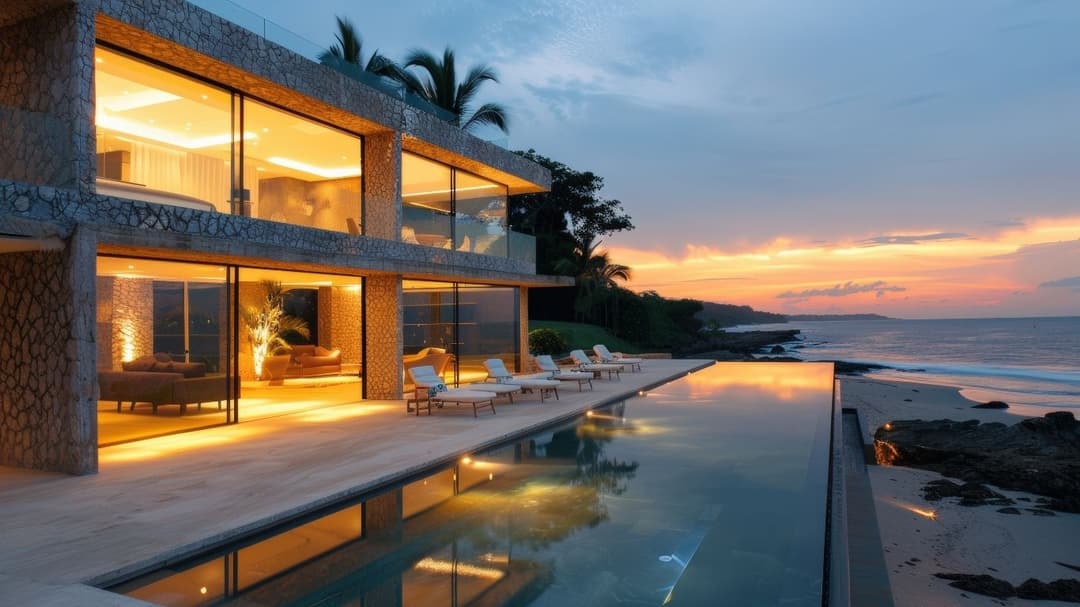
1. Luxury Villas
For deeper context, the breakdown in what defines a trophy property at the very top of this hierarchy is worth reading alongside this analysis.
Luxury villas are all about space, privacy, and design that doesn’t compromise on anything. You’ll find them anchored in the world’s finest resort destinations, where they deliver a rare combination of elegance and genuine livability. Think private gardens that feel like personal sanctuaries, infinity pools that dissolve into the horizon, and panoramic views you genuinely never stop appreciating.
Features:
- Located in exclusive resort settings or tranquil, scenic areas.
- Spacious interiors with multiple bedrooms, often ranging from 5,000 to over 10,000 square feet.
- Premium features such as expansive living rooms, kitchens, and custom-designed interiors.
- Private amenities like swimming pools, fitness centers, and sometimes even private beaches or golf courses.
Pros:
- Privacy: Villas offer a secluded environment, often shielded by natural landscapes or gated communities.
- Personalized Spaces: Owners can enjoy the freedom to personalize interiors and outdoor spaces.
- High Investment Potential: Villas in prime locations can appreciate significantly over time.
Cons:
- High Maintenance Costs: Villas come with substantial upkeep, especially those with extensive landscaping and custom pools.
- Limited Flexibility: Villas are generally located in specific regions, limiting relocation options if market demands shift.
2. Penthouses
Penthouses sit at the very top of urban luxury living, literally and figuratively. They occupy the highest floors of the most prestigious buildings, giving you commanding city views, access to exclusive building amenities, and a level of security and privacy that standard city living simply can’t match. If you love the energy of a world-class city but refuse to sacrifice your personal space, a penthouse is built exactly for you. Architectural Digest regularly profiles how the world’s best penthouse designs are pushing the boundaries of urban luxury.
Features:
- Located on the top floor of high-rise buildings, offering panoramic views.
- Exclusive access to amenities such as private elevators, rooftop terraces, and indoor pools.
- Often designed with floor-to-ceiling windows, high ceilings, and designer interiors.
Pros:
- City-Centric Lifestyle: Ideal for those who enjoy being in the heart of urban life with access to cultural events and fine dining.
- Privacy and Security: Exclusive entryways and high-floor locations enhance privacy.
- High Resale Value: Penthouses, especially in thriving cities, are highly sought after and maintain their value.
Cons:
- Limited Outdoor Space: Unlike villas, penthouses offer limited private outdoor areas, though they may have terraces or balconies.
- Higher HOA Fees: Penthouses come with significant maintenance costs, including high HOA fees for building amenities and services.
3. Luxury Apartments
Luxury apartments offer something the bigger trophy assets often don’t, a smart balance between exclusivity and genuine everyday convenience. Set within major cities and upscale suburban pockets, they give you a strong entry point into the luxury property market without sacrificing access to the services, culture, and connectivity you rely on. And with layouts ranging from compact pied-à-terre configurations to full-floor residences, your options are wider than you might expect. For those weighing the urban versus suburban living decision, a luxury apartment often tips the scales toward city life.
Features:
- Available in various styles, including studio, loft, and multi-bedroom configurations.
- Located in well-maintained complexes offering services like valet parking, concierge, and gym access.
- Modern interiors with upscale appliances and finishes.
Pros:
- Affordability Compared to Other Luxury Options: Luxury apartments are generally less expensive than villas or penthouses.
- Low Maintenance: Maintenance is handled by property management, reducing personal responsibility.
- Community Amenities: Residents can enjoy shared spaces, such as gyms, pools, and lounges.
Cons:
- Shared Spaces: Apartments offer less privacy than standalone properties.
- Limited Customization Options: Apartment layouts and finishes are often standardized, offering minimal personalization.
4. Boutique Resorts
Boutique resorts occupy a unique corner of the luxury property world. Rather than owning an entire standalone home, you invest in a share of a high-end resort, which means you get access to world-class services, curated amenities, and exceptional hospitality without the full weight of sole ownership. These properties tend to sit in exotic or highly sought-after vacation destinations, making them as much a lifestyle asset as a financial one.
Features:
- Located in vacation hotspots, often near beaches or natural reserves.
- Offers access to high-end services like spas, fine dining, and personal concierge.
- Ownership is often fractional, allowing for specific periods of usage annually.
Pros:
- Resort Lifestyle: Owners enjoy the perks of a resort stay, including housekeeping, fine dining, and recreational activities.
- Low Maintenance Requirements: Resort staff handle upkeep, reducing the need for personal involvement.
- Flexible Investment: These properties can serve as vacation homes or rental income sources when not in use.
Cons:
- Limited Usage Rights: Fractional ownership means you only have access for a portion of the year.
- Less Control Over Property: Owners have little say in property modifications or upgrades.
5. Private Island Mansions
If absolute exclusivity is what you’re after, private island mansions are the ultimate expression of that ambition. Your property, your island, your rules. These estates are typically designed from the ground up around your specific preferences, with architectural features you won’t find replicated anywhere else in the world. Bloomberg Wealth has tracked a sharp rise in private island transactions among ultra-high-net-worth buyers seeking total separation from the public eye.
Features:
- Located on private islands, providing complete seclusion.
- Custom-built mansions with premium amenities like helipads, private beaches, and dock access.
- Often comes with staff quarters, guest houses, and expansive outdoor spaces.
Pros:
- Unmatched Privacy: No neighbors or public access, providing total seclusion.
- Ultimate Personalization: Owners can design the property from scratch to suit their lifestyle.
- Exclusive Investment: Limited availability enhances property value over time.
Cons:
- High Acquisition and Maintenance Costs: Private islands require significant investment, not only for the purchase but also for infrastructure and staff.
- Limited Access: Reaching private islands often requires private transportation, adding to logistical complexity.
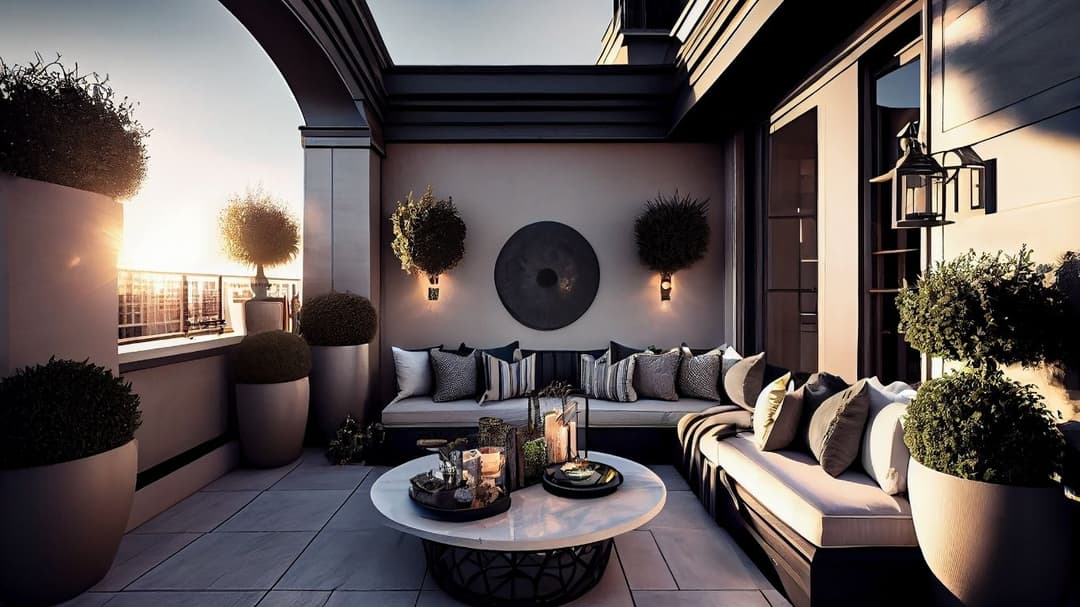
Popular Architecture Styles of Luxury Properties
Architectural style shapes far more than the way a luxury property looks from the street. It defines how you feel inside the space, how it performs across different climates, and how well it holds its prestige over time. Across the luxury market, a handful of styles consistently stand out for their aesthetic power and long-term appeal.
- Colonial Style: Known for its symmetry, brick or stone construction, and grand entryways, this style exudes timeless elegance.
- American Foursquare: Characterized by boxy shapes, large front porches, and handcrafted woodwork, offering a cozy, traditional feel.
- Modern Style: Emphasizes minimalism, open floor plans, and large glass windows, catering to a contemporary, urban aesthetic.
- Mediterranean Style: Inspired by Spanish and Italian villas, featuring stucco walls, red tile roofs, and open courtyards, ideal for warm climates.
- European Style: A broad category that includes French, Tuscan, and English country styles, focusing on intricate stonework, arches, and luxurious finishes.
- Victorian Style: Known for its ornate detailing, gabled roofs, and spacious interiors, offering a sense of grandeur and history.
- Arts and Crafts Style: Reflects a rustic charm with handcrafted details, wooden accents, and a focus on craftsmanship.
- Cape Cod Style: Simple, one-story homes with steep roofs and central chimneys, popular for their cozy, seaside feel.
- Storybook Style: Often referred to as “fairy tale” homes, with whimsical architecture, pointed roofs, and artistic details.
What is Best for You?
Picking the right luxury property is one of the most personal decisions you’ll make. Your lifestyle, your investment horizon, and how much involvement you want in day-to-day property management all play into it. Here’s a breakdown of who tends to get the most out of each property type, so you can find the one that genuinely fits your situation. And if you’re weighing this alongside broader real estate market conditions, the Dubai real estate market overview is worth a read for context on where global luxury demand is heading.
1. Luxury Villas
- Best For: Those who prioritize privacy and prefer a resort-like atmosphere without leaving home. Ideal for families or individuals who want ample space and are willing to manage property maintenance or hire a management service.
- Considerations: Villas are often located in tranquil, scenic areas, making them perfect for those looking to escape the city’s hustle and bustle. However, they may not be ideal for people who need easy access to urban amenities.
2. Penthouses
- Best For: High-profile professionals, couples, or singles who enjoy an urban lifestyle and want easy access to city amenities, entertainment, and business centers. Penthouses offer a balance between luxury and convenience for those not looking for extensive property maintenance.
- Considerations: Penthouses provide excellent views and exclusivity but typically lack expansive outdoor spaces like private gardens. They’re a better fit for those comfortable in a bustling urban setting.
3. Luxury Apartments
- Best For: Those who appreciate luxury living without the commitment of homeownership. Ideal for people who want a low-maintenance lifestyle and enjoy having access to shared amenities in a high-end setting.
- Considerations: Luxury apartments work well for individuals who travel frequently or for those not ready to commit to buying. They’re also a good fit for young professionals or empty nesters looking for easy living.
4. Boutique Resorts
- Best For: People seeking a luxury vacation property with minimal maintenance responsibilities. Great for individuals who desire high-end amenities and services without the need to maintain the property full-time.
- Considerations: Boutique resort properties offer a unique lifestyle but come with fractional ownership limitations. They’re ideal for vacationers but may not serve as primary residences.
5. Private Island Mansions
- Best For: Ultra-high-net-worth individuals who value privacy, exclusivity, and the ability to design their ideal paradise. Private island mansions are perfect for those looking for a unique and secluded getaway that also serves as a prestigious investment.
- Considerations: While private islands provide unmatched privacy, they demand substantial resources for maintenance, staffing, and logistics. This option is best suited for those prepared for the commitment and cost associated with island ownership.
Key Factors to Consider When Choosing a Luxury Property
Before you sign anything, there are a few critical factors every serious buyer should think through carefully. Getting these right separates a property that elevates your life from one that quietly drains it. The Financial Times property desk consistently highlights due diligence, location liquidity, and lifestyle alignment as the three pillars that separate smart luxury acquisitions from costly ones.
- Purpose of Investment: Are you buying primarily for personal use, rental income, or long-term investment? Villas and penthouses are popular for personal use and appreciation, while boutique resorts can serve as vacation homes with rental potential.
- Location Preferences: Decide whether you prefer a serene, natural setting or the energy of a bustling city. Luxury villas and private islands are perfect for tranquility, while penthouses and luxury apartments offer a more urban lifestyle.
- Maintenance Needs: Luxury properties, especially villas and private islands, can come with high maintenance costs. Apartments and boutique resorts, however, have property management in place, making them ideal for low-maintenance lifestyles.
- Level of Customization Desired: Villas and private islands allow for extensive customization, while apartments and boutique resorts offer fewer options for personalization.
- Resale and Appreciation Potential: Real estate markets vary, but high-end properties in prime locations, such as penthouses and waterfront villas, often appreciate well over time, enhancing their resale potential.
- Amenities Required: Determine your preferred amenities, such as private pools, gyms, or spas. While villas and private islands offer more private amenities, apartments and boutique resorts provide access to shared facilities with reduced upkeep.
We last reviewed this analysis in May 2026.


Savvas Agathangelou
Savvas Agathangelou co-founded The Luxury Playbook and has spent years reporting from the prime postcodes the magazine covers — Mayfair, Knightsbridge, the Athens Riviera, Dubai's Palm crescents, and the southern Mediterranean coastlines where the world's wealthy keep coming back. His background is in international hospitality, and that frame shapes how he writes about property: the developer's choices, the architect's signature, the agency's bench of named brokers, the building's service standard once the buyer moves in. He files developer spotlights, agency profiles, and the seasonal "Properties That Defined" listicles, and he hosts the magazine's founder-and-leadership interviews on the Voices side.