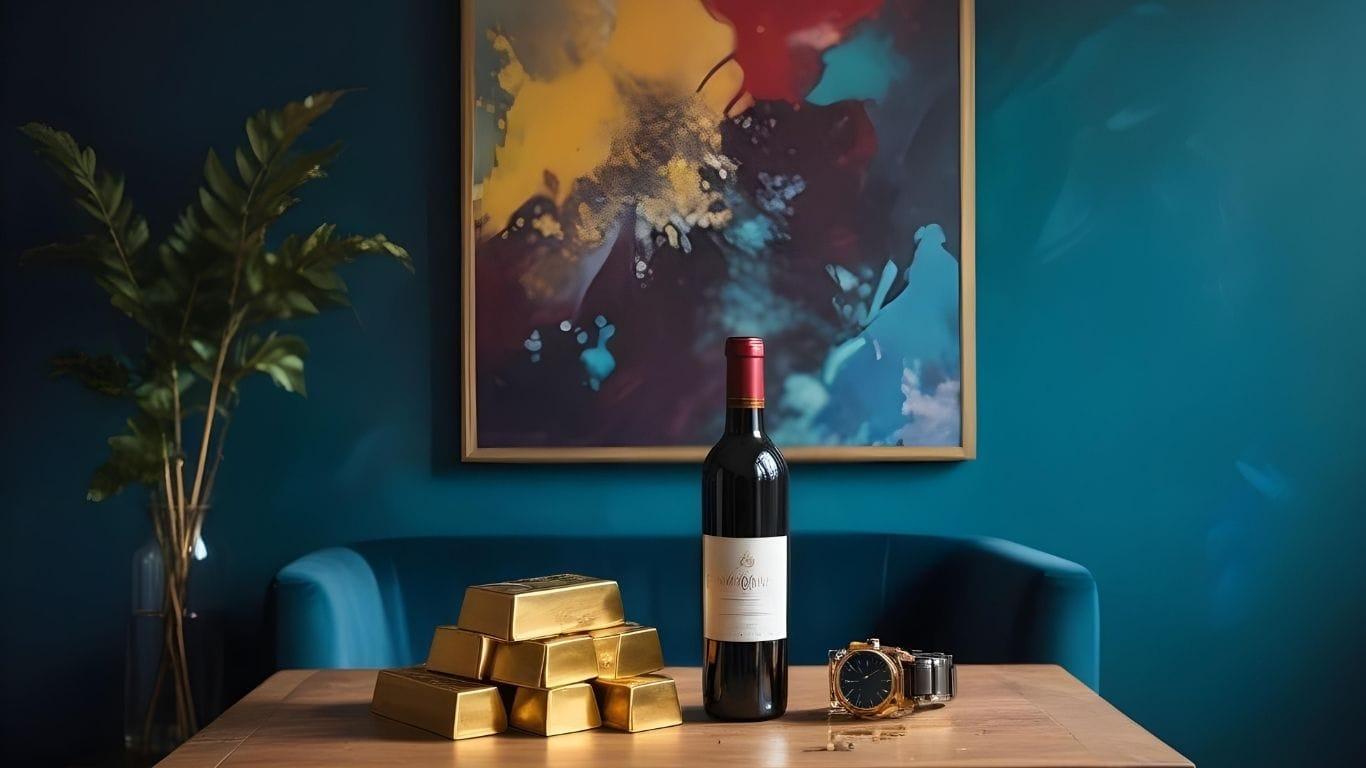
Most serious collectors hold more than one thing. The wine cellar sits next to the watch box, the small handful of paintings in the dining room, the property in the country, perhaps a few cars under cover. The categories are different, but the impulse is recognisable across all of them.
- Most serious collectors hold more than one category, with wine, watches, art, and property sitting alongside one another in the wider collecting position.
- Wine offers the unique consumable element that none of the other categories provide, and that consumption is the cellar's defining feature.
- Property runs at scale that dwarfs the other categories, with single-asset positions that can swallow an entire wine, watch, or art budget.
- Watches and art reward visual presence and provenance theatre that wine cannot match, but neither offers comparable cultural continuity at the dinner table.
- Wine's liquidity profile sits midway between watches and property, with Liv-ex and the major auction houses providing reasonably reliable price discovery.
- The categories play different roles in a serious portfolio, and the cellar argument rests on a structural complement, not a substitution.
- Who is this for?
- Multi-category collectors trying to position fine wine against their watch, art, and property holdings, with structural allocation in mind.
- What is happening?
- We compare fine wine to the other major serious collecting categories on liquidity, consumption, presence, and long-haul appreciation.
- When did this emerge?
- The piece reads the contemporary post-2020 market across all four categories, with the recent corrections in Burgundy and watches as live reference points.
- Where is this happening?
- The international collecting market, with Liv-ex for wine, the major auction houses for art and watches, and the global private-treaty market for property.
- Why does it matter?
- Sizing wine correctly against the rest of a collection depends on understanding what each category uniquely contributes, and wine's consumable role is genuinely structural.
The desire to own something the maker cared about, that gets harder to come by as the years pass, that the collector enjoys in the meantime. The differences between the categories matter, and serious collectors tend to know them well. This is our editorial comparison of fine wine alongside the other collector pursuits a serious cellar tends to keep company with.
Not as a portfolio allocation exercise. What each category actually offers, what it asks of the collector, and where the temperaments diverge.
Why fine wine occupies its own corner of collecting
Fine wine has a few things almost nothing else in collecting offers. The first is that it can be enjoyed along the way without diminishing the rest of the cellar. A bottle drunk at dinner doesn't reduce the value of the unopened bottles in the next case; if anything, the wine that is actually drunk is the wine that is actually doing what it was made to do.
The second is the long evolution. The wines that will mature most beautifully are typically the ones the collector won't open for 20 to 40 years. The third is the cultural specificity: the producers, the vintages, the appellations form a body of knowledge as deep as any in the connoisseur world.
What the wine cellar shares with the rest of serious collecting is straightforward. Scarcity at the top, a thriving secondary market at Sotheby's Wine and Christie's Wine, deep cultural reference, the discipline of provenance, and the long timelines that reward patience.
Wine vs property
Property is the most-held collector category in the world by a wide margin. The wealthy buy houses long before they buy wine, and the property tends to outlast everything else in the collection. The category's distinguishing features are well-known: the residence is liveable as it appreciates, the maintenance is structural rather than supplemental, and the trophy markets (Mayfair, the Upper East Side, Monaco, Aspen, the Cap d'Antibes) have shown sustained price discipline across decades.
What wine offers that property doesn't: smaller capital commitments per acquisition, no maintenance beyond storage, no dependence on a buyer pool of fewer than 100 people for the top end of the market, and the ability to enjoy the holding without selling it. What property offers that wine doesn't: liveable utility, the option to lease, dramatic visual presence, a stronger cultural marker.
Both categories sit comfortably inside a serious collector's life. Most of the wine collectors we know hold meaningful property too. The categories don't compete; they complement.
Wine vs gold
Gold is the oldest collector category in human history, and modern bullion buyers tend to think of it less as a collection than a hedge. The metal's appeal is its dense store of value, its century-spanning durability, its essentially universal liquidity. The dealer network for physical gold is vast, spot prices are continuously transparent, and selling is quick.
What wine offers that gold doesn't: cultural specificity, drinkability, deep collector communities, evolving character, the joy of the actual experience. What gold offers that wine doesn't: instant liquidity, no storage degradation risk, no provenance complexity, no critical scoring to track.
The honest framing is that the two serve different purposes. Gold is a store of value; wine is something the collector loves. Most serious collectors keep small positions in physical gold and treat them as a different category entirely.
Wine vs the equities market
Public equities are the broadest collector-adjacent category in modern wealth, and they share almost nothing with fine wine in temperament. Equities are quoted continuously, settle in days, are liquid in any size, and require no storage. The cultural reference is corporate rather than producer-specific; the holding is a claim on a business rather than ownership of a physical thing.
The honest comparison: equities are not a collecting category at all. They sit alongside collecting in most serious portfolios but rarely substitute for it. The wine cellar exists because the collector wants the wine; the equity book exists because the collector wants exposure to the productive economy.
Different things entirely.
Wine vs bonds
Bonds occupy the most predictable corner of the modern wealth conversation. Investment-grade fixed income offers steady income and limited principal risk; sovereign issues are the closest thing in the financial world to a guaranteed outcome. The category has nothing to do with collecting and everything to do with capital preservation.
The relevance to wine collectors is practical. Serious collectors typically hold bonds for the boring, predictable income that funds the wine cellar's expansion. The two categories are complementary in the most literal sense, with the bond coupon paying the auction bills and the storage fees.
Wine vs fine art
Of all the collector categories, fine art is the one with the deepest cultural overlap with serious wine collecting. The temperaments are similar. A willingness to read deeply, to follow the careers of individual makers, to value provenance and authenticity, to participate in a thriving secondary market with similar dynamics (auction houses, named dealers, condition reports, scarcity at the top of the market).
What art offers that wine doesn't: visible presence in the home, no degradation risk in normal conditions, no consumption decision (the work doesn't disappear when enjoyed), and the cultural conversation that flows around contemporary artists. What wine offers that art doesn't: drinkability, broader cultural accessibility, a more democratic entry point (good wine starts at $30; serious art rarely starts below $20,000), and the secondary market is more transparently priced through Liv-ex and the major auction houses.
The two categories sit comfortably together. Most of the serious wine collectors we know hold meaningful art positions too, and the temperaments translate directly between the categories.
Wine vs watches
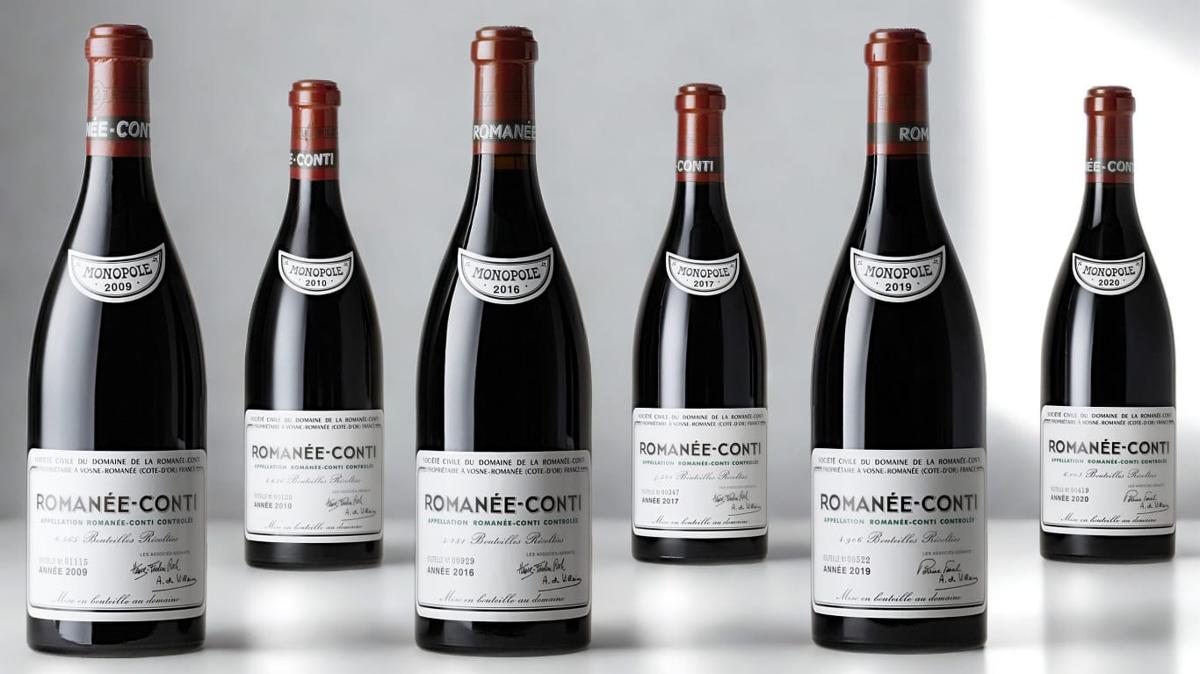
Fine watches and fine wine attract overlapping collector temperaments more often than not. Both reward depth of knowledge, both have rich producer cultures (Patek Philippe and Domaine de la Romanée-Conti share more than the visible parallels), both have sophisticated secondary markets, both reward provenance discipline, both can be enjoyed along the way without diminishing the broader collection.
The differences are practical. Watches are wearable as the collection grows; wine is consumable rather than wearable. Watches require service rather than storage; wine requires storage rather than service.
Watches don't evolve in value through use the way unopened wine evolves through cellaring; wine doesn't accumulate the patina of years on the wrist that mature watches develop. Both categories sit very comfortably together. A serious watch collector with a serious cellar is one of the most-recognisable profiles in the connoisseur world.
How to think about your own mix
The honest answer is that the categories don't compete. They cover different facets of what serious collecting actually is. The wine cellar is consumable, evolving, deeply cultural, and rewards patience over decades.
The watch box is wearable, mechanical, and rewards depth in a small handful of makers. The art collection is visible, stationary, and rewards backing individual makers across their careers. The property holds the rest of life and appreciates around it.
Most serious collectors hold meaningful positions across at least three of these categories. The mix tilts toward whatever the collector personally loves most, and the cellar tends to be one of the categories almost everyone keeps, because the wines themselves are easy to love and the practical commitment is more modest than property or art at comparable ambition.
What this means for collectors starting a cellar
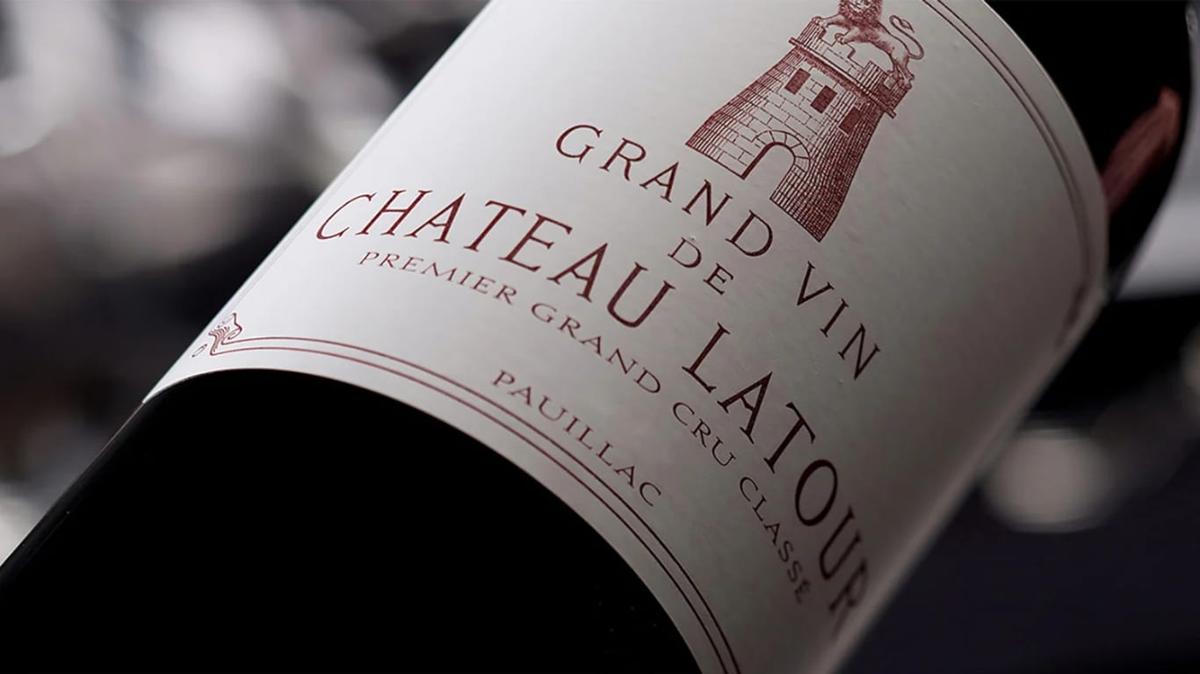
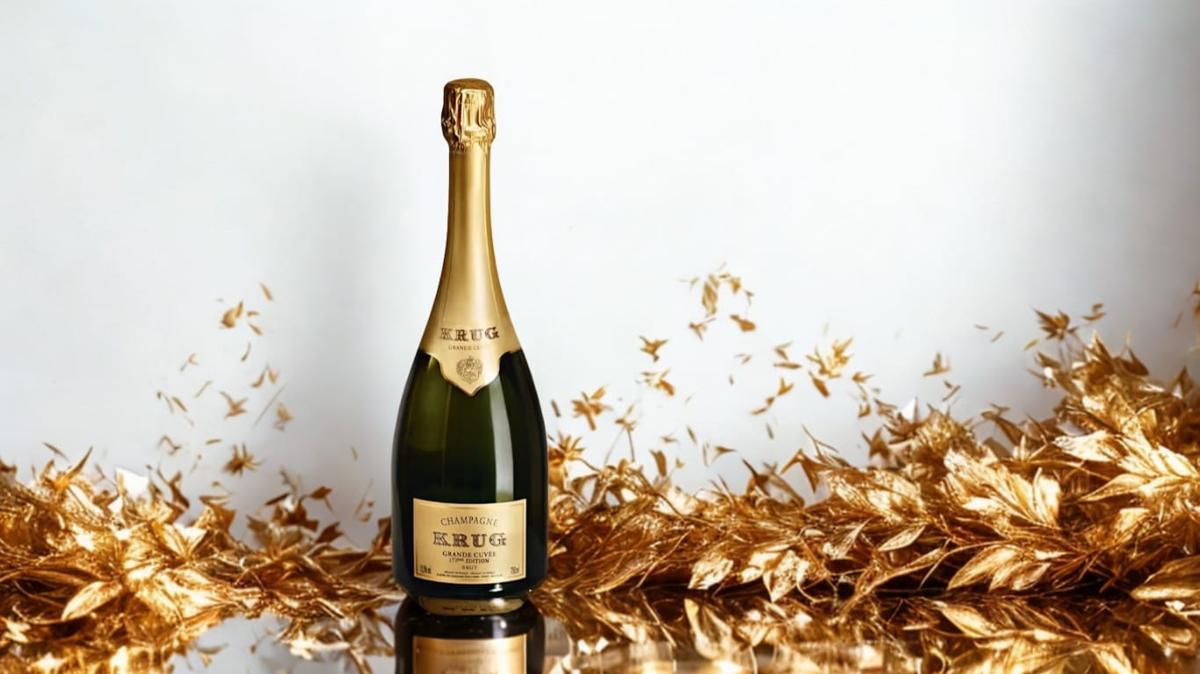
If the cellar is the new addition to an already serious collection, the path is well-trodden. Start with the canon: Bordeaux First Growths and Right Bank icons, Burgundy from the named domaines, vintage Champagne, the great Italian and Rhône bottlings. Build relationships with two or three serious merchants (Berry Bros & Rudd, Bordeaux Index, Justerini & Brooks for European collectors; Acker and Zachys for American buyers).
Get on a Bordeaux en primeur list. Cellar conservatively in the early years, drink what is ready, sell at major auctions (Sotheby's Wine, Christie's Wine) if a position justifies it. The cellar that compounds best across decades is the one that gets drunk regularly, replenished thoughtfully, and built on producers whose track records the collector has come to know personally.
The wine doesn't need to displace anything else in the collection. It just adds a category that most collectors find, once they get into it, genuinely difficult to give up. We last reviewed this analysis in May 2026.