

Trading forex and crypto demands more than charts, indicators, and technical know-how. You also need to manage something far less predictable than any market: your own emotions. The traders who last are the ones who understand that feelings can cloud judgment fast, and that a single emotionally driven decision can undo weeks of disciplined work.
Master your emotions and you dramatically improve your odds of making smart, consistent investment decisions. This guide goes deep into the psychology behind forex and crypto trading, with real-world examples and practical techniques to help you build genuine emotional control.
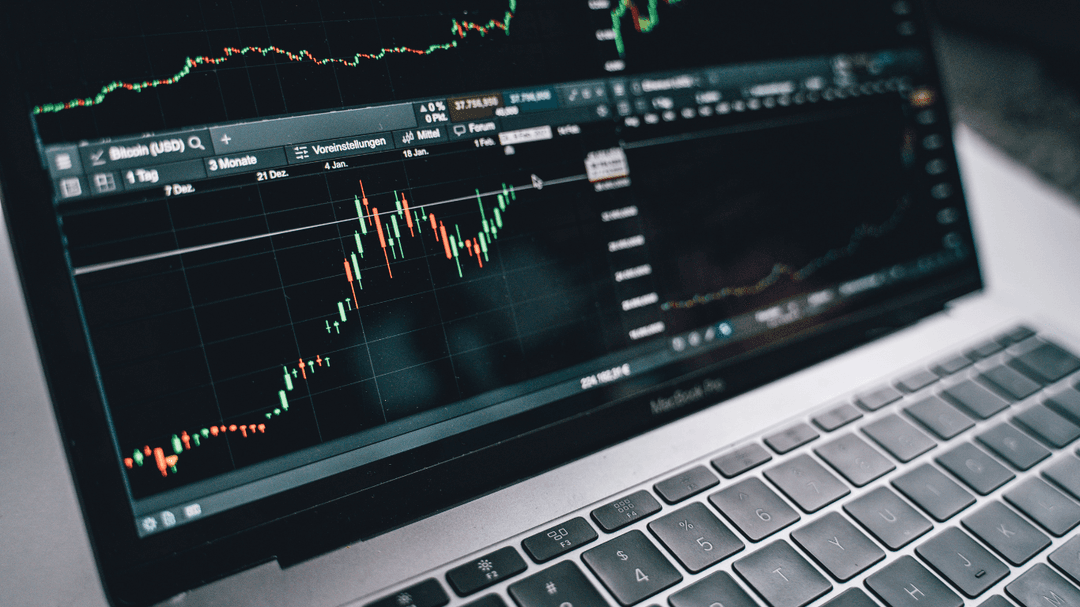
- In leveraged markets, the dominant edge is rarely the model and almost always the trader’s ability to stay inside the plan under stress.
- Loss aversion drives most blow-ups, with traders cutting winners early and letting losers run far past the original stop.
- Pre-mortem journaling, where we describe how a position could fail before sizing it, materially reduces revenge-trading after losses.
- Position sizing built around a fixed percentage of equity protects the trader from the single bad day that ends most retail accounts.
- Sleep, screen time and trading hour discipline matter as much as any technical setup in markets that trade around the clock.
- A documented playbook removes the need to make discretionary calls in real time, which is when biases do most of the damage.
- Who is this for?
- Active traders in foreign exchange and digital assets, including HNW principals who run their own trading book alongside a managed portfolio.
- What is happening?
- We are unpacking the behavioural failure modes that drain trading accounts and the disciplines that keep capital intact across cycles.
- When did this emerge?
- The lessons apply across the cycle, though they bite hardest during the volatility spikes that periodically shake out leveraged participants.
- Where is this happening?
- The dynamics described are global and follow the 24-hour rhythm of FX and crypto markets, with no single dominant trading hub.
- Why does it matter?
- In trading, capital preservation compounds, and the discipline to sit out marginal setups is the foundation of any long career in the market.
Cognitive Biases and Emotional Influences
The behavioral-finance literature on this is now mature. Federal Reserve staff papers and academic work from major behavioral economists both document the same loss-aversion patterns that retail forex and crypto traders run into every cycle.
Reuters has tracked institutional desks adopting structured pre-trade routines for exactly this reason. Reuters market coverage notes that the gap between disciplined and undisciplined traders shows up most clearly in drawdown periods, when emotional responses overwhelm process.
Your brain is wired with shortcuts that made sense for survival but can quietly wreck your trading account. Confirmation bias is one of the most common traps you’ll face. It’s the tendency to seek out information that backs up what you already believe, while brushing aside anything that challenges it.
Say you’re convinced a currency pair is heading higher. You’ll find yourself gravitating toward bullish analysis and tuning out the warning signs. Research into retail trading behavior shows this kind of selective thinking is one of the leading causes of preventable losses. Recognizing the bias is step one.
Acting against it is where the real discipline kicks in.
The fix here is deliberate and a little uncomfortable. Before you commit to a trade, actively go looking for the opposing view. Read the bearish case.
Seek out analysts who disagree with your thesis. This isn’t about talking yourself out of every trade. It’s about stress-testing your thinking so your decisions are grounded in a fuller picture of what’s actually happening in the market.
Fear and Greed
For deeper context, the breakdown in the seven psychological biases that affect investors is worth reading alongside this analysis.
Fear and greed are the two forces that move markets more than any technical indicator ever will. Fear pushes you to sell at exactly the wrong moment, right when a short-term dip starts to feel like a collapse. Greed keeps you in a winning trade too long, turning a solid gain into a painful loss.
Both are emotional responses, and both tend to fire at the worst possible time. Bloomberg’s markets coverage regularly documents how sentiment swings between these two extremes, often with dramatic consequences for unprepared traders.
Picture this. You buy a digital asset and watch it double in a matter of weeks. That surge of excitement feels like validation.
Greed whispers that there’s more to come, so you hold. Then the sentiment shifts. The asset starts sliding and you keep holding, telling yourself it will bounce back.
By the time you exit, a large chunk of your unrealized gains has evaporated. That’s not bad luck. That’s emotion running the trade instead of your strategy.
A trailing stop-loss order is one of the cleanest tools you have for keeping both fear and greed in check. As your trade moves in your favor, the stop level adjusts upward automatically, locking in more of your profit as it builds. You stay in the trade if momentum holds, and you exit with protected gains if it reverses.
The market decides the outcome, not your emotional state in the moment.
Overcoming Impulsiveness
Impulsive trades rarely end well. When you act on a gut reaction instead of a reasoned plan, you’re essentially gambling rather than trading. The entry has no real basis, the exit has no clear target, and the result tends to be inconsistent at best. Understanding how crypto markets actually function can help you slow down and think more systematically before you act.
Here’s a scenario you’ve probably felt before. A cryptocurrency spikes hard in a short window and your feed lights up with excitement. FOMO kicks in and you jump into the trade without any real analysis, just the fear of being left behind.
But without a clear strategy behind the entry, you’re exposed the moment the momentum stalls. Markets reverse fast, and impulsive traders are usually the ones caught on the wrong side.
Build a rule-based framework and stick to it. Define the exact conditions that need to be in place before you enter a trade, things like a specific price level, a volume signal, or a pattern confirmation. Do the same for your exits.
When you have clear rules written down ahead of time, you give yourself something concrete to follow instead of reacting to whatever the market is doing in that moment. It takes the emotion out of the equation.
Dealing with Losses
Losses are part of trading. Every serious trader knows this. The question isn’t whether you’ll take losses.
It’s how you respond to them when they come. Letting a loss bleed into your next decision is one of the fastest ways to turn a bad day into a bad week. The Financial Times has covered extensively how emotional responses to drawdowns are a key differentiator between traders who survive long-term and those who don’t.
A string of consecutive losses is genuinely hard to handle. Self-doubt creeps in and suddenly you start second-guessing your system, your analysis, everything. That doubt leads to deviating from your plan, which leads to impulsive trades, which usually leads to even deeper losses.
You can see how quickly the spiral builds.
The anchor that keeps you steady through a losing streak is a solid risk management framework. Set your stop-loss levels before you enter any trade. Know your risk-reward ratio going in.
When you’ve already defined what an acceptable loss looks like, a single bad trade doesn’t feel like a catastrophe. It feels like part of a system that will produce positive results over time. That mental shift is everything.
The Importance of Mindset
Your technical edge means very little if your mindset isn’t built to sustain it. The best traders aren’t the ones who never feel fear or doubt. They’re the ones who have built enough discipline, patience, and mental resilience to act correctly even when those feelings are loud. Building a resilient investment portfolio and building a resilient trading mindset follow very similar principles.
Mindfulness and meditation are no longer fringe concepts in the trading world. Reuters and other financial outlets have covered how institutional traders are increasingly adopting these practices to sharpen focus and reduce emotional noise. Try incorporating even ten minutes of mindfulness into your morning before the market opens. Step away from the screens during volatile sessions.
Give yourself space to reset. The clarity you bring back to your desk will show up in your decision-making.
Emotional mastery in forex and crypto trading doesn’t happen overnight. It’s a skill you build through awareness, repetition, and honest self-reflection. Spot your cognitive biases before they steer your trades.
Keep fear and greed from running the show. Replace impulsive reactions with rule-based decisions. Learn from your losses without letting them define your next move.
And invest in the kind of mindset that can weather real volatility without breaking. Do all of that consistently, and you give yourself a genuine edge in markets where most people are trading against their own psychology.
We last reviewed this analysis in May 2026.


Stefanos Moschopoulos
Stefanos Moschopoulos founded The Luxury Playbook in Athens and has spent the better part of a decade following the auction calendar, the en primeur releases, and the watchmakers, gallerists, and shipyards the magazine covers. He writes the field guides and listicles that anchor the Connoisseur section — pieces built on Phillips and Christie's results, Liv-ex movements, and conversations with collectors he has met across Geneva, Bordeaux, Basel, and Monaco. His own collecting habits sit closer to watches and wine than art, and it shows in the level of detail in the magazine's coverage of those categories. Under his direction, The Luxury Playbook now publishes long-form field guides, market-defining year-end listicles, and the Voices interview series with the founders behind the houses and the brands.