The story most people hear about wine collecting starts with the Liv-ex headlines: Burgundy up X percent, Bordeaux up Y percent, sparkling indices outperforming First Growths. The story tells you very little about how a real cellar actually behaves over a decade. The numbers are real, but they are abstracted from the things that actually matter to a working collector.
- The Liv-ex headlines describe the market but not how a real cellar behaves across a decade of buying, drinking, and selective selling.
- Producer relationships at release matter more than secondary-market pricing for collectors building structural positions in Bordeaux and Burgundy.
- Drink-window discipline separates collectors who hold their value from those whose cellars age past prime and lose secondary-market interest.
- The bottles opened at dinner are the real return, not the ones quietly tripling in value through speculative cycles.
- Storage costs, insurance premiums, and the slow drag of inflation eat the headline returns more aggressively than most collectors model.
- A serious cellar performs as a long-haul cultural asset first and an investment position second, and reversing the priority distorts the buying.
- Who is this for?
- Long-haul cellar builders trying to understand how serious wine collecting actually plays out beyond the Liv-ex index headlines.
- What is happening?
- We read what a serious wine cellar actually does across a decade of holding, drinking, and selective release, with the structural variables that matter.
- When did this emerge?
- The piece works from the contemporary post-2018 market through the recent Bordeaux and Burgundy cycles tracked by Liv-ex.
- Where is this happening?
- The Bordeaux, Burgundy, Champagne, and Rhone allocations that anchor most serious cellars, plus the Napa and Tuscan secondary positions.
- Why does it matter?
- Collectors who treat a wine cellar as a pure investment portfolio routinely underperform the cultural-asset model, and the gap shows up across the second decade of holding.
Which producers were buying friends with at release, which vintages held their drink window, which bottles got opened at dinners, and which ones quietly tripled. This is our editorial read on what serious wine collecting actually looks like in the long run. The cellar, not the index returns, is the proper unit of analysis.
We will work through the producers a serious cellar includes, the vintages it holds, the producers serious collectors recognise as benchmarks, and the slower truth that the wines that perform best in a cellar are also, almost without exception, the ones the collectors most enjoy drinking.
What "performance" actually means in a serious wine cellar
The Liv-ex Fine Wine 100 is the most-referenced wine market benchmark, measuring the secondary-market price of 100 of the most-traded fine wines. The Liv-ex 1000 broadens the picture across nine sub-indices. Both have shown the kind of long-run trajectory that put fine wine on the map for serious collectors over the past two decades: roughly 8–10% annual movement on the broader index over the last twenty years, with Burgundy outpacing the rest of the category most years and Champagne emerging as the surprise category leader since around 2018.
What the indices don't capture is the experience of holding the wines. A cellar with twenty cases of Domaine Leflaive's grand crus, ten of Pétrus across multiple vintages, and twenty of Cristal back to 1996 has one number on Liv-ex. Its worth as a working collection over twenty years is something else entirely.
The same wines have been opened at family dinners, sold to friends, traded for bottles the collector wanted more, written about, photographed, talked about. That is the cellar serious collectors actually build, and what Vinous, Decanter and Wine Spectator have been documenting in their long-form retrospectives for thirty years.
The ten-year arc of a serious wine collection
The collectors we have watched build serious cellars over the past decade tend to follow a recognisable pattern. Year one and two are about education: the books, the tasting groups, the early bottles bought too dear from retail because the buyer didn't yet know the merchant network.
Years three through five are about access, meaning building relationships with the small handful of merchants who allocate the wines that matter (Berry Bros & Rudd, Justerini & Brooks, Hedonism, Atherton, Acker, the better American shops), getting on allocation lists for Bordeaux en primeur, learning the auction circuit at Sotheby's Wine and Christie's Wine.
Years six through ten are about depth. Backing the producers and vintages the collector has come to trust, holding what is already in the cellar, drinking what is ready, selling the bottles that have moved past their drink window or whose secondary-market position justifies it.
By year ten, the typical serious cellar holds 1,500 to 5,000 bottles, weighted heavily toward Bordeaux, Burgundy, and Champagne, with selective depth in the Rhône, Tuscany, Piedmont, and the better Napa producers. The Liv-ex value tracks alongside the broader index, but the cellar's worth as a collection has compounded in ways the index can't quantify.
The producers serious cellars actually keep
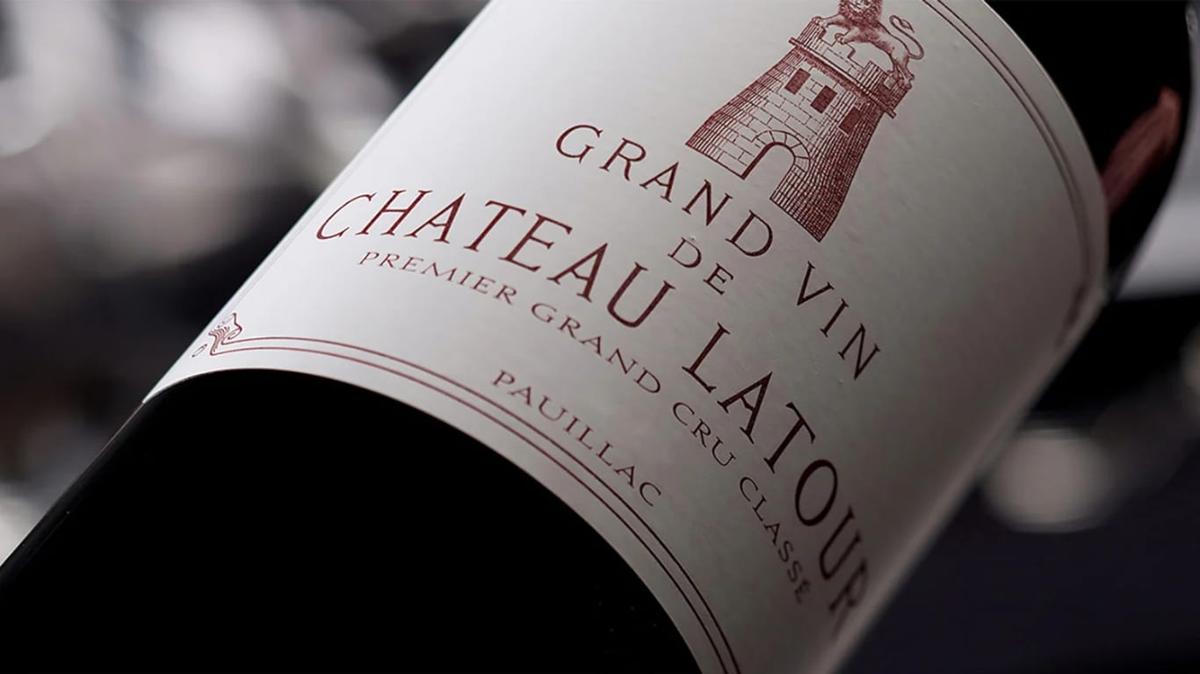
Bordeaux is the starting point. The First Growths (Lafite, Latour, Margaux, Mouton, Haut-Brion), the Right Bank icons (Pétrus, Le Pin, Cheval Blanc, Lafleur, Ausone), and a Super-Second tier that the working collector knows by name (Léoville Las Cases, Pichon Lalande, Cos d'Estournel, Léoville Barton). En primeur from a great vintage (2005, 2009, 2010, 2015, 2016, 2018) remains one of the more reliable ways to access these wines at a workable basis through Bordeaux Index and Berry Bros & Rudd.
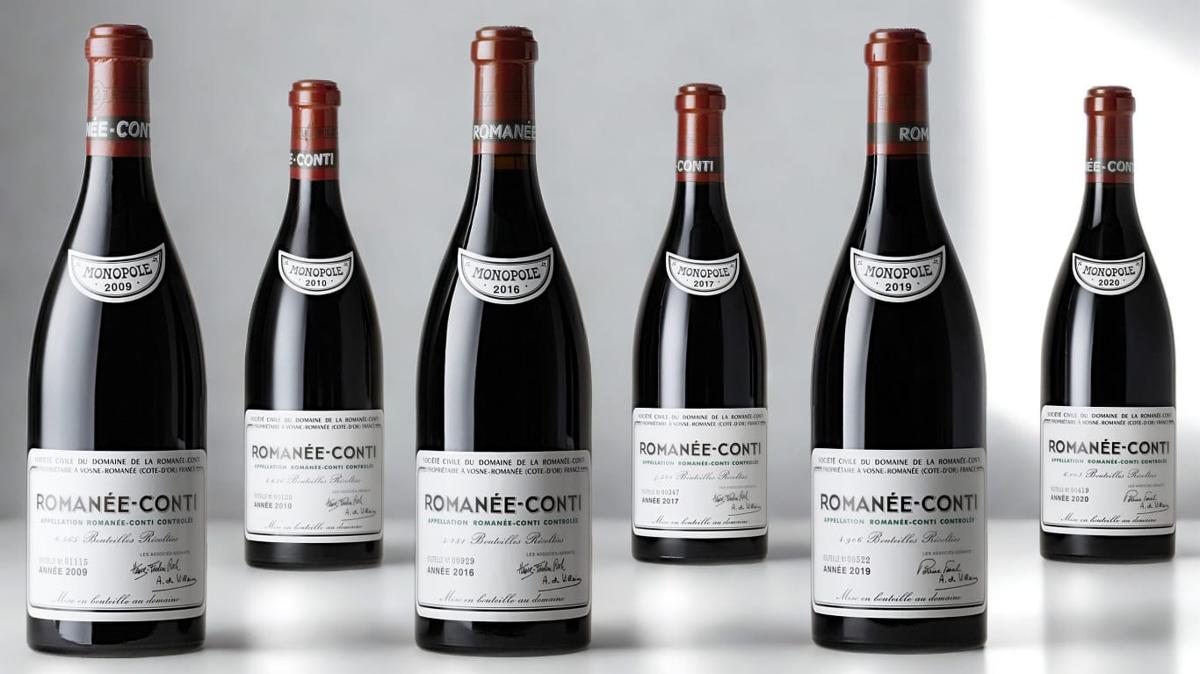
Burgundy is where the secondary market has run hottest. Domaine de la Romanée-Conti, Leroy, Domaine Leflaive, Coche-Dury, Henri Jayer's library releases, Comte Georges de Vogüé, Mugnier, Roumier, Rousseau. The grand crus from the named domaines have been the standout performers in fine wine over the past decade, and the Romanée-Conti 1945 bottle that sold for $558,000 at Sotheby's New York in 2018 remains the modern auction-record benchmark.
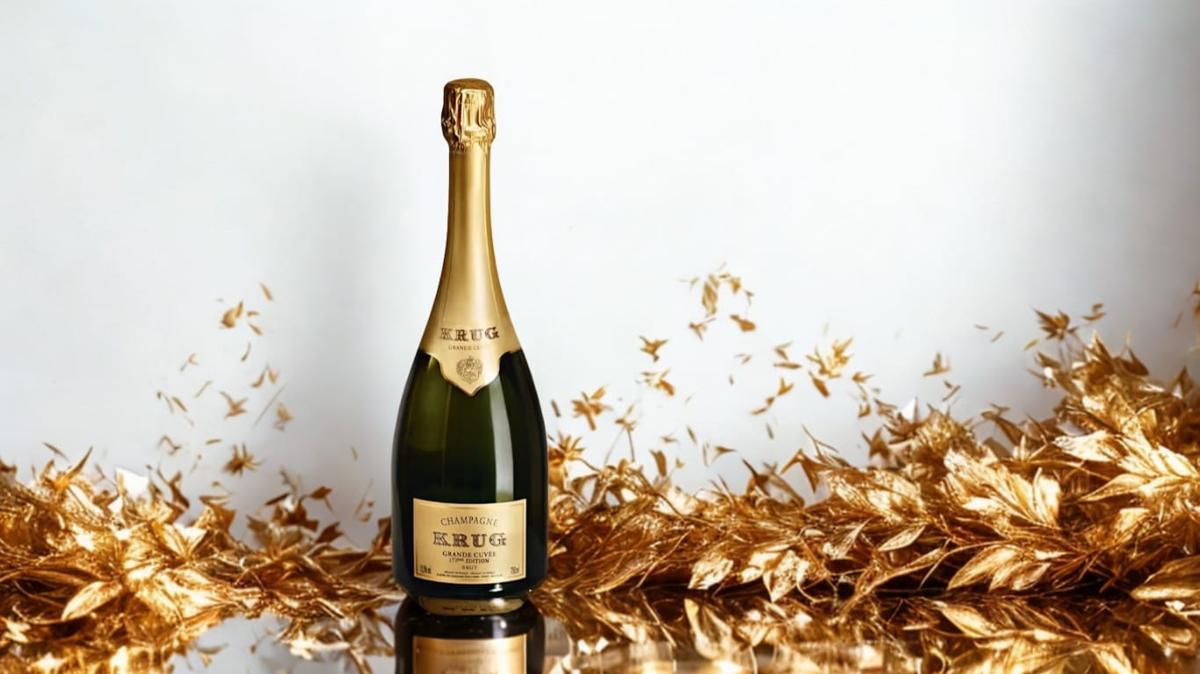
Champagne carries its own canon. Vintage Krug, Cristal, Salon, Dom Pérignon (particularly the late-released Plénitude tiers), Pol Roger Sir Winston Churchill, Bollinger La Grande Année, and the grower-Champagne icons (Selosse, Egly-Ouriet, Larmandier-Bernier, Ulysse Collin). Champagne's run since 2018 has been the most-watched move in the category, and Liv-ex's Champagne 50 sub-index reflects it.
The Rhône and Italy round out the European core. Guigal's La-La trilogy, Chave Hermitage, Jaboulet La Chapelle, Sassicaia, Solaia, Tignanello, Masseto, Giacomo Conterno's Monfortino, Gaja's Barolo and Barbaresco, Bartolo Mascarello, Bruno Giacosa. Napa and Washington add Screaming Eagle, Harlan Estate, Scarecrow, Schrader, Dominus, Opus One, plus Washington's Quilceda Creek and Leonetti.
What the great vintages actually return
The cellar's economic story turns on which vintages get held and for how long. A 2000 Bordeaux from a First Growth, bought en primeur for around $200 a bottle, currently trades $2,000 to $4,000 at auction depending on label and provenance. A 1990 La Tâche from Domaine de la Romanée-Conti, originally released around $300 a bottle, now changes hands at five figures.
A 1996 Cristal that retailed for $200 routinely clears $800–$1,200 today. Lafite 1869 sold for $233,972 at Sotheby's Hong Kong in 2010, and that lot is still cited as the high-water mark for pre-phylloxera Bordeaux on the secondary market.
The numbers are real, but they are concentrated. The vast majority of wine produced, even from named producers, doesn't move the way the icons do. The discipline of building a serious cellar is in identifying, vintage by vintage, the producers and bottlings that warrant the long hold versus the ones built for current drinking, and the mistake amateur collectors make is buying broadly across a vintage rather than going deep into a small handful of names whose track records justify the patience.
The risks the headlines understate
Provenance is the single largest variable in long-term cellar value. A bottle with intact original wooden case, verifiable storage history, and unbroken capsule routinely commands a 15–25% premium over a loosely sourced counterpart at major auctions. Bottles without that documentation increasingly struggle to clear at all in the post-Rudy Kurniawan world, the 2008 fraud case at the heart of fine-wine collecting that triggered the auction houses' provenance discipline.
Storage matters as much as anything in the cellar. Temperature consistency around 13°C, humidity around 70%, no light, no vibration. A cellar left to fluctuate over a decade compromises corks, accelerates oxidation, and can destroy the value of the most carefully chosen wines.
Professional storage at Octavian Vaults in the UK, Le Clos in Switzerland, Domaine Storage in Hong Kong, or Vinfolio in the U.S. costs roughly $20 to $50 per case per year, a modest insurance against the much larger risk of mismanaged cellaring. Counterfeit risk is real and concentrated at the top of the market.
The most-faked wines in the world are 1945 Mouton, the great older Pétrus and Le Pin vintages, and any pre-1980 DRC. Buying through reputable merchants and major auction houses with established authentication programmes (Christie's Wine, Sotheby's Wine, Acker, Hart Davis Hart, Zachys) is the practical defence.
How serious collectors actually choose what to buy
The criteria that separate the bottles worth holding from the rest are well-understood inside the trade and worth surfacing here. Producer track record: domaines with multi-generation reputations and tightly-controlled production. Vintage quality: ratings from Wine Spectator, Decanter, the Wine Advocate, and the secondary-market data on prior strong vintages from the same producer.
Critical scoring: Robert Parker scores historically moved the Bordeaux market more than any other factor; Antonio Galloni's Vinous and William Kelley's work at the Wine Advocate now carry similar weight in different categories. Production volume: scarcity drives the secondary market, and the wines from the smallest domaines tend to outperform. Drink window: longer windows give the collector more flexibility, both to drink and to sell.
Building the cellar across a decade
The working pattern most serious collectors converge on is roughly the following. Fifty percent Bordeaux and Burgundy weighted toward the strong vintages of the past two decades, 15–20% Champagne, 15% Rhône and Italian, 10% New World icons, and 5% sweet wine and Port for occasion bottles. Within that, depth matters more than breadth; twenty bottles of one Burgundy grand cru from a strong vintage will almost always outperform a single bottle each across twenty different producers.
The cellar's economics work best on a 10-to-25-year holding window. Bottles ready for drinking get pulled; bottles past their drink window or whose secondary-market position justifies it get sold at auction; bottles in their drinking window stay in the cellar to be opened.
The cellars that compound best over decades are the ones that get drunk regularly. The wines were made to be opened.
What this means for collectors
The story isn't really about returns. It is about access, the kind of access that gets harder to source as the years pass, to vintages that stop being available, to bottles that the major collectors have already locked away. The cellar built carefully over a decade is one of the few collecting projects where the product is enjoyable along the way, ageable for the long hold, and resaleable at any point if the collector decides to redirect.
Serious collectors hold wine for decades because the wine asks them to, not because the spreadsheet does. We last reviewed this analysis in May 2026.