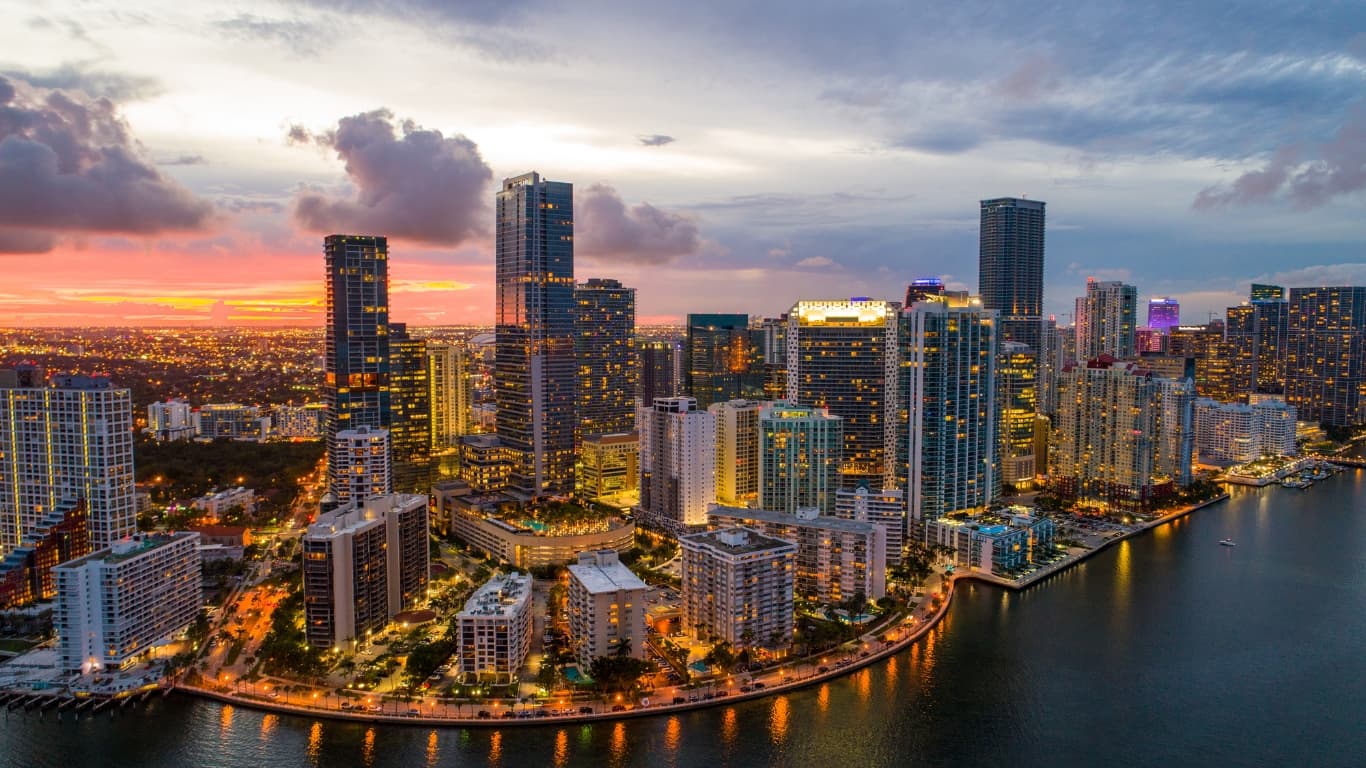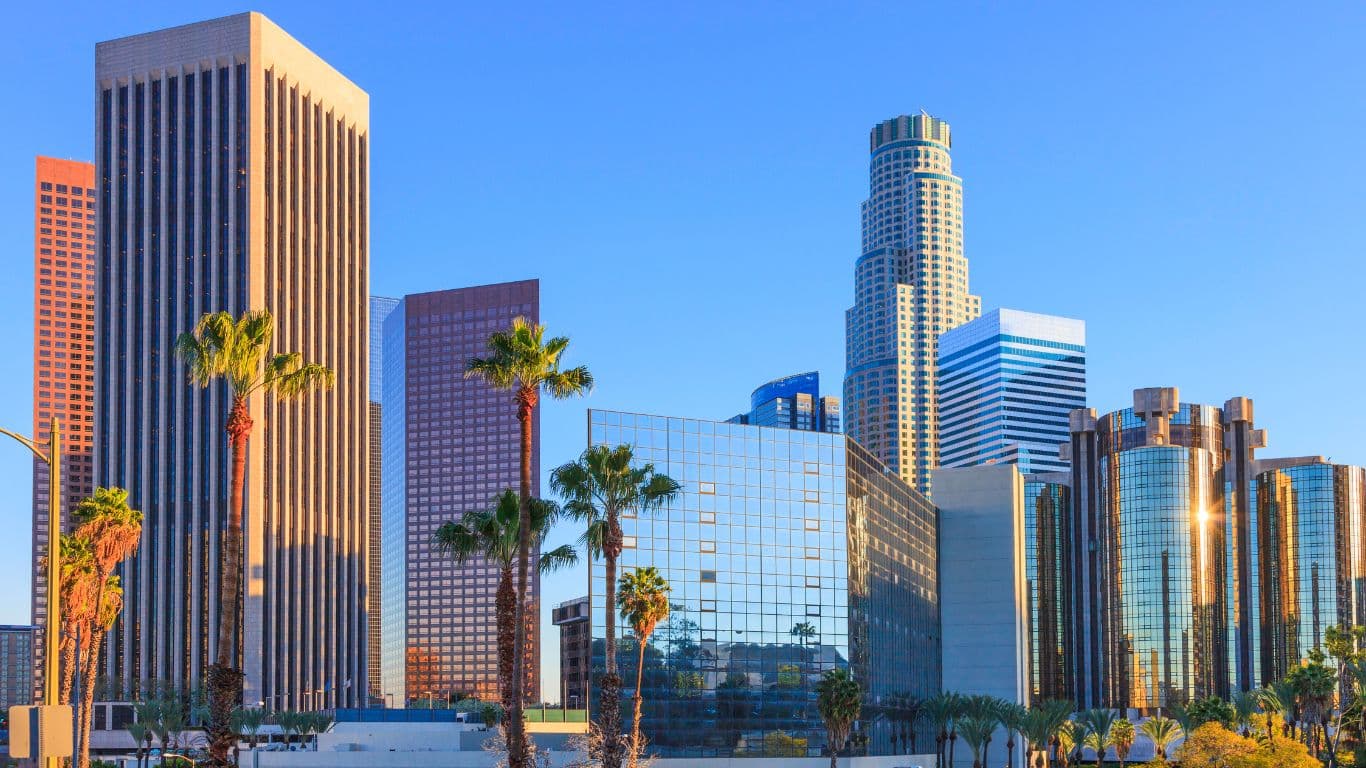
Climate change and US real estate are now part of the same pricing model, not separate analyses. Climate change is quietly reshaping the US real estate market, and if you own property or plan to buy, you need to pay attention. The industry is now baking climate risk data into every major decision, from where to build to what a property is actually worth.
Homes in flood-prone coastal zones or wildfire corridors are losing their appeal fast, and that’s driving real price drops that aren’t coming back.
Beyond falling values, climate change is pushing people to move. When entire neighborhoods become uninsurable or routinely underwater, residents leave, and that exodus pumps up demand and prices in the safer regions they move to. The insurance market is feeling it too, with premiums climbing and coverage shrinking for high-risk properties, adding a financial squeeze that compounds the drop in property values.
- Climate change exposure has moved from background concern to active diligence consideration across the most exposed US real estate markets, including hurricane, wildfire and flood-prone regions.
- We see Florida and California insurance markets having experienced material restructuring, with private insurer withdrawals shifting buyers toward state-backed and surplus lines coverage.
- Coastal property pricing in some Florida markets has shown early signs of climate discount emergence, although the broader migration into the Sun Belt continues to dominate the picture.
- Hurricane Ian and the broader run of major storms have shifted lender behaviour, with stricter flood zone underwriting and insurance coverage verification requirements at closing.
- Wildfire risk in California, Colorado and the broader West has shifted insurance availability, with non-renewal notices reaching households at meaningful scale across high-risk zones.
- For most considered buyers we view climate diligence as warranting explicit attention in any acquisition decision in the most exposed markets, well beyond traditional flood zone checks.
- Who is this for?
- Buyers, investors, lenders and insurers navigating climate exposure in US real estate, alongside advisers and family office staff structuring acquisitions in exposed regions.
- What is happening?
- An analysis of how climate change is affecting the US real estate market, covering insurance market restructuring, lender behaviour shifts, climate discount emergence and the diligence considerations.
- When did this emerge?
- The article covers conditions through 2025 and 2026, with reference to Hurricane Ian, recent wildfire seasons and the broader insurance market restructuring across exposed states.
- Where is this happening?
- The piece covers Florida, California, the Gulf Coast, the West and the broader US regions most exposed to hurricane, wildfire and flood risks.
- Why does it matter?
- Climate exposure now shapes ownership economics directly through insurance markets and lender behaviour, which is why explicit climate diligence matters before any acquisition in exposed regions.
Understanding Climate Change and its Effects
The signs are everywhere now. Rising temperatures, more frequent disasters, and unpredictable storms are no longer distant projections. They’re current events hitting real communities and real portfolios.
If you own or invest in real estate, understanding these forces isn’t optional anymore.
Rising Global Temperatures
Average temperatures are climbing in measurable, consequential ways. Heatwaves today are three times more likely than they were in the 1960s, and they run hotter and longer, stretching the heatwave season by 49 days compared to six decades ago. By 2050, nearly 1,000 cities could see summer highs of 95 degrees Fahrenheit, affecting around 1.
6 billion people.
Increasing Frequency of Natural Disasters
In 2023, the US recorded 28 separate weather and climate disasters, with combined costs approaching $100 billion. That’s a record-breaking number. Back in the 1980s, you’d see just over three billion-dollar disasters per year on average.
Now the three-year average sits at 22 per year. Hurricanes, wildfires, and floods are driving billions in property damage, and the real estate market is absorbing every hit.
Erratic Weather Patterns
Unpredictable weather is becoming the new normal, and your property is caught in the middle of it. Since 1901, the US has seen rainfall increase by 0.2 inches per decade, and extreme single-day rainfall events are becoming more frequent.
Nine of the ten rainiest days on record in the US have occurred since 1996. For real estate, that translates directly into higher insurance costs, elevated risk factors, and pressure on property values. understanding how risk compounds in real estate investments has never been more relevant than it is right now.

Coastal Real Estate Impact
Coastal property has always carried a premium, but that premium is under serious pressure. By 2018, nearly 40 percent of the US population lived in coastal counties, according to the National Oceanic and Atmospheric Administration. That density of people and capital in vulnerable zones makes the stakes extraordinarily high as climate risks intensify.
Sea Level Rise
Rising sea levels are a slow but relentless threat to coastal properties. They gradually erode land and, with it, the value of prime real estate. Accurate flood risk assessments are now essential tools for anyone trying to predict or protect their property’s worth.
And the $12 billion spent on beach nourishment over the past century hasn’t delivered a lasting fix.
Storm Surge Vulnerability
Storm surges are hitting coastal real estate hard, and the frequency and intensity of these events keep climbing. Every surge puts properties at direct risk of flood damage, eroding their value as investments. Federal aid and tax benefits have propped up values for some wealthy owners in the short term, but they don’t solve the long-term viability problem for these regions.
Flood Risk Assessment
Detailed flood risk assessments are now a non-negotiable part of any serious coastal property decision. Current approaches like beach nourishment simply aren’t cutting it as a climate adaptation strategy. The Coastal Home Ownership Model points toward shifting management costs directly to property owners, which could fundamentally redraw both the market and the demographics of coastal communities.
Wildfires and Real Estate in the West
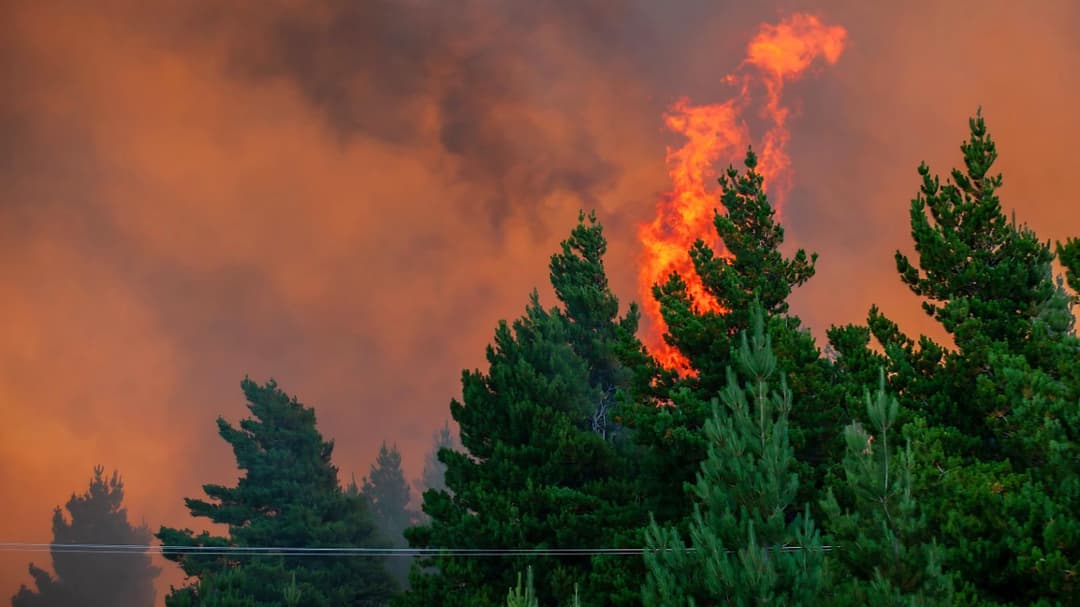
The American West is on the front lines of climate change, and wildfires are the defining threat. These fires don’t just destroy homes in the moment. They leave lasting scars on property values, insurance markets, and buyer confidence for years afterward.
Recent Catastrophic Fires
Wildfires fueled by climate change have shifted from occasional disasters to a near-annual reality. Around 5.5% of US homes, valued at roughly $3 trillion, sit at high wildfire risk right now.
California accounts for 39% of those homes. In Colorado Springs, an alarming 74.4% of homes are rated highly vulnerable.
That scale of exposure is already disrupting local economies, and the pressure is building.
Insurance Crisis
The wildfire insurance crisis is no longer a warning. It’s already here. Wildfire damage costs insurers around $14.
8 billion every year, forcing a complete rethink of coverage policies.
Insurance premiums are rising by roughly $1.6 billion annually across the sector.
In California, some major insurers have stopped writing new policies entirely. For anyone trying to buy in these zones, that makes financing a home dramatically more difficult.
Impact on Property Values
With close to $3 trillion in home values sitting in high wildfire risk zones, the pressure on property prices is real and growing. Buyer interest in these areas is already declining. Analysts estimate the real estate market could lose anywhere from $67.
5 billion to $337. 5 billion annually due to wildfire-related factors.
Rising insurance rates are pushing affordability to a breaking point, especially across California, where the loss of insurability is reshaping entire markets.
You can see similar dynamics playing out in regional real estate forecasts for 2026, where climate risk is increasingly factored into pricing models.
Green Building Standards and Sustainable Urban Planning
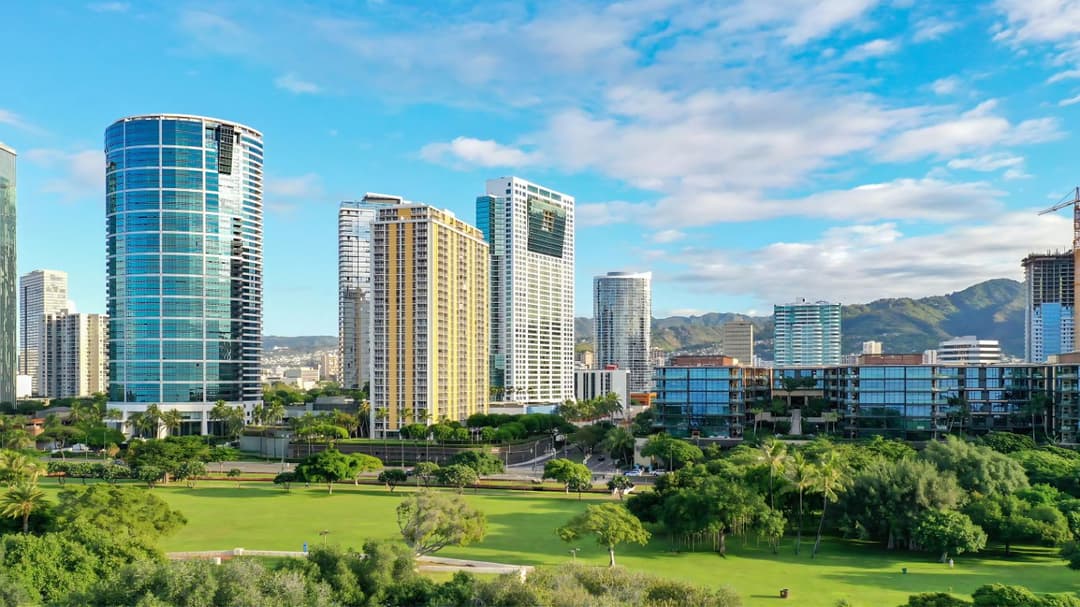
The construction industry is responding to climate pressure with a real pivot toward sustainability. Across the US and Europe, green building standards are moving from niche preference to regulatory requirement. Governments are pushing developers to cut their carbon footprint, and sustainable construction is becoming both a financial strategy and a community value.
Energy-Efficient Housing
Energy efficiency isn’t just a selling point anymore. It’s becoming a legal requirement in a growing number of states. California, New York, and Massachusetts are all enforcing strict sustainability standards on new construction.
Europe’s Passive House standard sets an even higher bar, demanding near-zero energy use for heating and cooling. For homeowners, that means lower utility bills and stronger long-term value.
Carbon Footprint Reduction
Cutting a building’s carbon emissions is now central to how forward-thinking cities are planning for growth. PropTech tools like smart energy systems and real-time monitoring platforms are making it easier to hit those targets. Solar and wind power adoption is reducing reliance on fossil fuels across the sector.
Germany’s solar energy push, backed by strong policy support, is one of the clearest examples of what’s possible when government and private investment align. sustainable development discussions are increasingly shaping how developers and investors think about long-term asset value.
Climate Resilience Strategies
Building climate-resilient structures is one of the smartest moves you can make to protect a real estate investment right now. That means following strict building codes, using innovative design approaches, and choosing materials built to last under extreme conditions. A resilient property holds its value better, stays insurable longer, and weathers the financial storms that climate-exposed properties simply can’t.
The shift toward sustainability accelerated sharply after the pandemic, and it hasn’t slowed down. People across America and Europe are actively seeking homes and communities that align with eco-conscious values. Investing in energy-efficient properties and carbon reduction isn’t just an ethical choice.
It’s a smart financial one that positions you well as regulations tighten and buyer preferences evolve.
The Financial Impact of Climate Risks
Climate change is creating a real and growing financial threat to the US real estate market. Homes in flood zones, storm corridors, drought regions, and wildfire areas are being carried on the books at values that no longer reflect reality. That overvaluation reaches into the hundreds of billions across the country.
A study from 2023 put the flood-risk overvaluation alone at somewhere between $121 billion and $237 billion, with some estimates pushing past $520 billion.
Potential Housing Bubble
The gap between what these properties are valued at and what climate risk actually implies is becoming impossible to ignore. Some analysts believe the unaccounted flood risk exposure could trigger a correction nearly 25% the size of the 2008 financial crash. Federal agencies have made the situation worse by continuing to encourage development in flood-risk zones, inflating the bubble rather than deflating it.
Bloomberg’s coverage of climate financial risk has tracked how this exposure is quietly spreading through the broader market.
Insurance Cost and Availability
Soaring insurance costs and shrinking availability are compounding the financial pressure on property owners. The National Flood Insurance Program caps coverage at $250,000 in high-risk zones, and private insurers are pulling out of Florida, Louisiana, and California at a rapid pace. That retreat is creating a genuine insurance crisis for millions of homeowners.
Without adequate coverage, buyers can’t secure mortgages, and that opens the door to panic selling and market crashes. Drops in property values also risk gutting property tax revenues that local governments depend on, which can damage the broader investment case for some of what were considered the strongest real estate markets globally when compared to alternatives abroad.
Put it all together and the picture is clear. Climate change is creating a three-pronged financial threat through property overvaluation, a growing housing bubble risk, and rising insurance costs. These forces feed each other.
And the only real path through it runs through serious climate risk disclosures and proactive mitigation at every level of the market.
Government Policies and Regulations
Governments are stepping in with policies designed to reshape real estate around climate reality. The goal is to reduce environmental harm while still enabling sustainable growth, and the regulatory environment is moving faster than many property owners realize.
Inflation Reduction Act (IRA)
The Inflation Reduction Act stands out as one of the most consequential pieces of sustainability legislation to hit the real estate sector in decades. Its tax incentives are pushing developers and property owners toward eco-friendly choices in a meaningful way. Buildings account for roughly 39% of global emissions, according to the International Energy Agency, and the IRA’s energy efficiency incentives take direct aim at that number.
Green Building Codes
Green building codes are raising the floor on what new construction has to achieve. These regulations demand higher energy efficiency and smarter resource management across the board. Cities like New York and Seattle are leading the charge by requiring energy usage reporting, which creates a level of transparency the market has never had before.
For developers willing to meet these standards, it’s also a competitive advantage in attracting quality tenants and buyers.
Tax Incentives for Sustainability
Tax incentives are doing real work to move the needle on eco-friendly real estate practices. Rebates and credits tied to renewable energy adoption and efficiency upgrades are making green renovations financially viable for more property owners. As the Financial Times has reported, climate-related insurance costs are rising sharply, and these incentives help offset the burden while pushing the sector toward a more resilient future.
If you’re sitting on a property in a high-risk area, these programs deserve a serious look.
What this means for buyers reading climate change and US real estate
Climate change in the US real estate market is now a pricing variable, not a footnote: insurance withdrawal, lender repricing, and migration patterns out of high-risk corridors are reshaping headline indices. Buyers reading Miami, Houston, the New Jersey shore, the Carolinas and California's wildfire zones should treat carrier behaviour and FEMA flood map revisions as leading indicators, not lagging ones.
Knight Frank, Cushman & Wakefield and CBRE all publish climate-risk overlays worth reading alongside the headline market reports.
We last reviewed this analysis in May 2026.


Savvas Agathangelou
Savvas Agathangelou co-founded The Luxury Playbook and has spent years reporting from the prime postcodes the magazine covers — Mayfair, Knightsbridge, the Athens Riviera, Dubai's Palm crescents, and the southern Mediterranean coastlines where the world's wealthy keep coming back. His background is in international hospitality, and that frame shapes how he writes about property: the developer's choices, the architect's signature, the agency's bench of named brokers, the building's service standard once the buyer moves in. He files developer spotlights, agency profiles, and the seasonal "Properties That Defined" listicles, and he hosts the magazine's founder-and-leadership interviews on the Voices side.