Interest rates are one of the most powerful levers in any economy. They shape how much it costs to borrow, how aggressively businesses invest, and whether consumers open their wallets or keep them shut. For Greece, a country that has clawed its way back from one of the worst financial crises in modern European history, the impact of rate cuts in 2024 is a story worth paying close attention to.
Whether you have money in Greek assets, are eyeing property on the islands, or simply want to understand where this economy is heading, the details here matter.
- Lower ECB policy rates flow quickly into Greek mortgages, business credit and sovereign debt servicing costs.
- Greek banks should benefit from improved credit demand even as net interest margin compresses on the asset side.
- Real estate transaction volumes and prices tend to react positively to a sustained easing cycle, particularly in coastal markets.
- Lower financing costs strengthen the case for accelerated infrastructure and energy transition investment across the country.
- A weaker euro alongside cuts would lift Greek tourism receipts, the single largest external revenue line for the economy.
- For HNW investors, easier money sharpens the case for selectively adding Greek equity, property and credit exposure.
- Who is this for?
- European macro investors, HNW property buyers and allocators positioning Greek equity, credit and real estate into the next easing cycle.
- What is happening?
- We are tracing how a sustained ECB easing cycle is likely to transmit through the Greek banking system, property market and real economy.
- When did this emerge?
- The analysis reflects the current easing phase that the ECB has begun and the expected path through the next several quarters.
- Where is this happening?
- The channels described operate across Greece, with the strongest visible effects in Athens, Thessaloniki and the major coastal markets.
- Why does it matter?
- Rate cycle timing is one of the most powerful inputs into Greek asset prices, and getting the read right shapes the case for fresh capital deployment.
Why Interest Rates Matter
For the macro framework on rate transmission, we lean on the Bank for International Settlements working papers and the IMF Greece Article IV. Both publications break down how ECB decisions hit a small open economy like Greece's.
Live yield and spread moves are easier to track through Bloomberg terminals and Reuters rates desks. We watch both whenever the ECB updates its policy stance.
Think of interest rates as the price of money. When that price drops, borrowing gets cheaper, spending tends to rise, and investment flows more freely. When it climbs, the opposite happens.
Every corner of the economy feels the shift, from what you pay on a mortgage to what your business pays to expand. The relationship between rate cuts and real estate investment alone can reshape entire markets overnight.
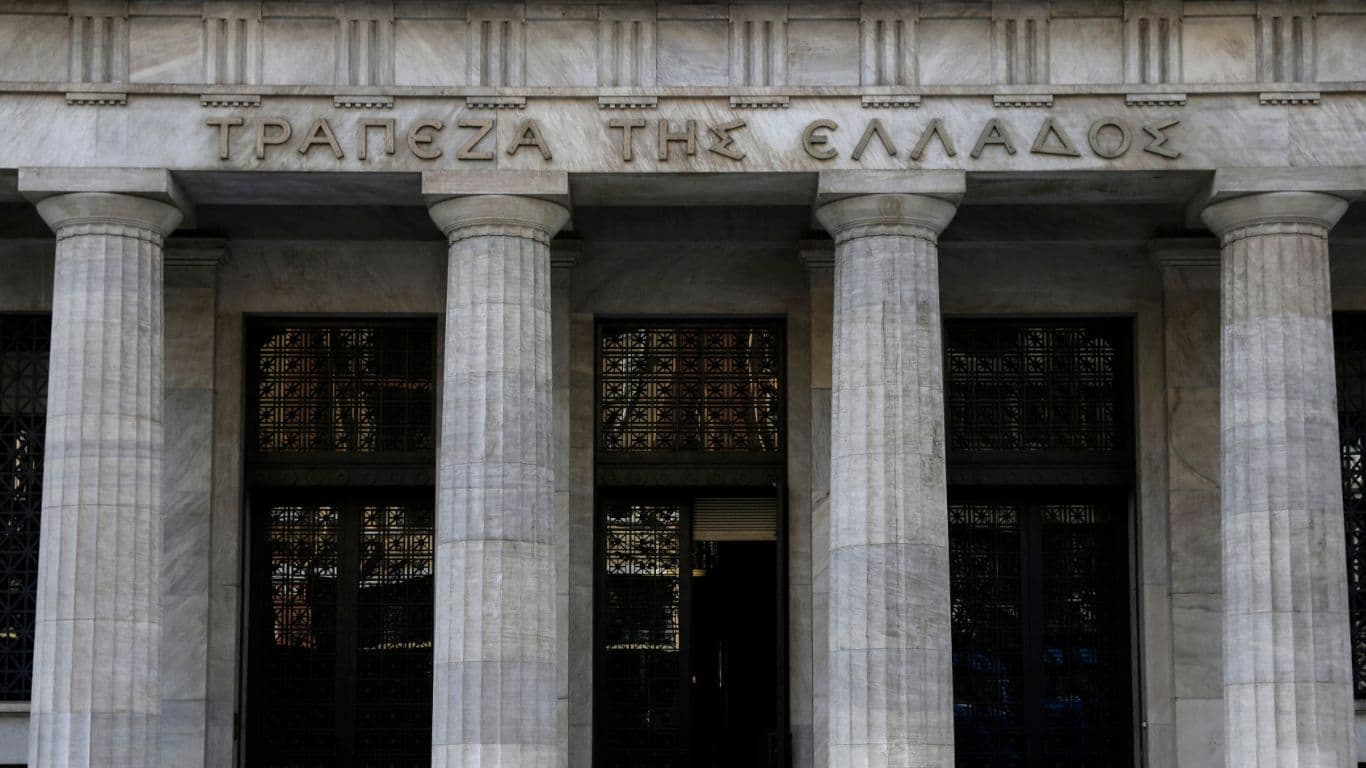
Greece has spent years rebuilding after the brutal financial crisis of the 2010s. Growth has returned in patches, but the legacy of austerity and elevated debt still shapes how the country operates. As of 2024, the European Central Bank and the Bank of Greece are navigating rate cuts designed to keep economic momentum alive in a world that is anything but predictable.

The Impact of Interest Rate Cuts on Consumer Spending and Inflation
Increased Consumer Spending
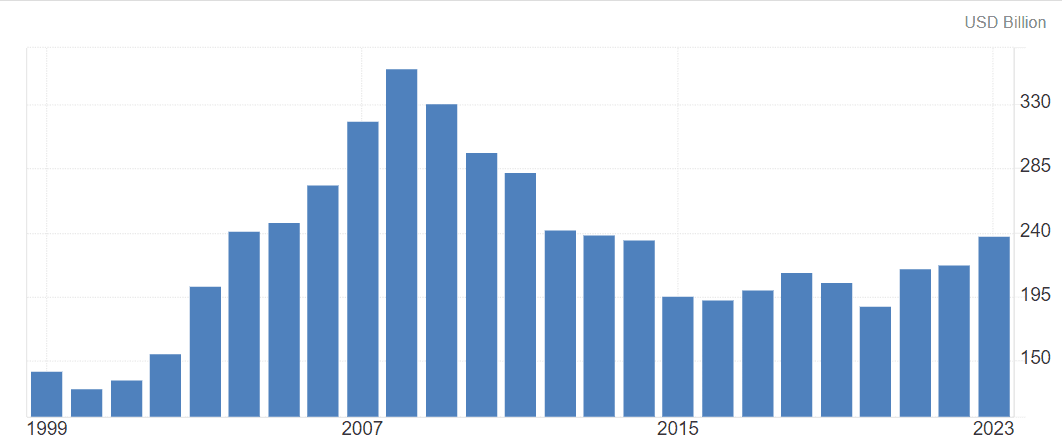
When borrowing gets cheaper, people spend more. In Greece, where household consumption drives a substantial share of GDP, that dynamic plays out quickly. Bank of Greece data shows consumer loans becoming more accessible as rates fall, with spending on durable goods like cars and home appliances already ticking upward. That is not a small detail.
It signals real momentum starting to build at the household level.
More spending means more demand, and more demand means businesses start hiring and expanding. In the short term, that cycle can push GDP higher and chip away at unemployment, which has stubbornly refused to fall as fast as anyone would like in Greece.
Moderated Inflation
Rate cuts can fire up inflation, and that is a legitimate concern. But in Greece’s case, the inflationary pressure looks manageable. The ECB projects that Eurozone inflation, Greece included, will settle close to the 2% target by the close of 2024.
That is a reasonable outcome, not a red flag. You can read more about the ECB’s monetary policy positioning directly on the European Central Bank’s official site.
For a country that has bounced between deflation and runaway prices in recent memory, a stable 2% inflation rate is genuinely good news. It protects purchasing power, gives businesses the confidence to plan ahead, and keeps the recovery on solid footing.
Business Investment and Economic Growth
Boost to Business Investment
Lower rates cut the cost of capital, and that changes the math on investment decisions. For Greek businesses that have spent the better part of a decade treading carefully, cheaper borrowing can be the nudge that turns a cautious plan into an actual project.
Data from CEIC points to a lift in business investment across manufacturing, tourism, and technology in 2024. Those three sectors are not random choices. Tourism is Greece’s economic backbone.
Manufacturing needs modernization. And technology is where the next generation of Greek growth will come from. Investment flowing into all three at once is a meaningful signal.
GDP Growth
The ECB has noted that Eurozone GDP growth, which came in at a modest 0.3% in Q2 2024, could get a meaningful lift from the rate cutting cycle. For Greece, that could translate into stronger headline growth numbers in the months ahead.
A higher GDP growth rate would mark a real milestone for a country that watched its economy contract so sharply during the crisis years. But growth needs to be managed. Push too fast and you risk overheating, particularly in sectors like real estate where speculative pressure can build quickly.
Impact on Savings and Interest Income
Lower Savings Yields
Here is the uncomfortable side of rate cuts. Lower rates mean lower returns on savings. For Greek savers, especially those drawing down savings accounts or living off fixed-income investments, that squeeze is real.
Bank of Greece figures show savings rates on a downward trend, which over time could reduce household income and dampen the very consumer spending that rate cuts are meant to encourage.
The concern is sharpest for Greece’s older population. Many retirees depend on savings income to cover day-to-day expenses. When those yields shrink, spending follows.
That dynamic can quietly offset the boost that younger, credit-hungry consumers bring to the economy.
Shift in Investment Patterns
As savings accounts stop delivering, investors start looking elsewhere. Equities, real estate, and alternative assets start to look more attractive when your bank account is earning almost nothing. That shift is already visible across Europe, and Greece is no exception.
The challenge is that not everyone who moves into riskier assets understands what they are getting into. For policymakers, the job is to let markets function while making sure that rush for yield does not create pockets of instability or widen the gap between those who can afford to invest and those who cannot.
Housing Market Dynamics
Potential Housing Market Revival
Cheaper mortgages mean more buyers, and more buyers mean a more active property market. Greece’s real estate sector has been one of the slower parts of the recovery story, but the signals are shifting. Mortgage approvals are climbing, according to Bank of Greece data, and that points to genuine renewed interest in Greek property.
If you are thinking about buying property in Greece, the current rate environment is worth factoring into your timing.
A healthier housing market does a lot of good things at once. Construction activity picks up. Jobs get created.
Homeowners feel wealthier and spend more freely. That wealth effect ripples outward and touches nearly every part of the economy.
Risk of Overheating
But cut rates too far, too fast, and that same housing market can turn into a problem. Prices can run ahead of fundamentals, speculative buying takes over, and before long you have a bubble. If that bubble pops, the damage spreads well beyond real estate.
The Bank of Greece and Greek regulatory bodies need to stay sharp here. Watching mortgage growth, price-to-income ratios, and speculative activity closely is not optional. Getting ahead of excess is far easier than cleaning it up afterward.
Impact on Public Debt
Reduced Debt Servicing Costs
Greece carries one of the heaviest debt loads in the Eurozone, sitting at over 159% of GDP as of early 2024. Lower interest rates directly reduce what the government pays to service that debt, and that creates real fiscal space. Not a lot, but enough to matter.
That breathing room could fund investment in infrastructure, education, and healthcare, all areas that were squeezed hard during the austerity years. And lower borrowing costs tend to improve a country’s credit profile over time, making future borrowing cheaper still. It is a virtuous cycle, if managed well. The Financial Times covers Greece’s fiscal trajectory in detail if you want to follow the numbers closely.
Long-term Fiscal Health
The risk is real though. If the government treats lower borrowing costs as an invitation to spend freely, debt levels creep back up. And when rates eventually rise again, that heavier debt load becomes a serious burden.
The window that lower rates create needs to be used wisely, not squandered.
Greece has fought hard to escape the debt spiral that defined the crisis decade. Protecting that progress means balancing the short-term opportunity of cheap borrowing against the long-term discipline of keeping finances in order.
Exchange Rate and Competitiveness
Exchange Rate Impact
Rate cuts can weaken the Euro, and for Greece that is a double-edged outcome. A softer Euro makes Greek exports cheaper for foreign buyers and makes the country a more affordable destination. For tourism, which pumps enormous volumes of money into the Greek economy, that competitive edge matters a great deal.
Greek manufacturers benefit too. When your products cost less in dollar or pound terms, foreign buyers pay attention. Export volumes in industrial goods and agricultural products can climb, supporting growth across sectors that have historically been undervalued in the Greek economic story.
Import Costs
But a weaker Euro also makes imports more expensive. Greece leans heavily on imported energy, and when those costs rise, businesses and households both feel it. Higher import costs can push inflation up and squeeze margins, chipping away at some of the gains from stronger export performance.
Navigating that balance requires careful attention from both policymakers and business leaders. The upside of a competitive exchange rate is real, but so is the cost of getting the calculus wrong.

Global Influences and Domestic Realities
Global Economic Trends
Greece does not operate in a vacuum. The ECB’s rate decisions are shaped by global forces, and those same forces flow directly into how effective any cut will be for the Greek economy. What the US Federal Reserve does, how China’s economy performs, and how major trade relationships evolve all feed into the picture. Bloomberg’s European economic coverage tracks these cross-currents in real time.
Take energy as a simple example. If global oil prices spike, Greece’s import bill rises sharply. That single variable can offset a meaningful chunk of what lower interest rates are designed to achieve.
The global backdrop always matters, and in 2024 it is more unpredictable than most.
Domestic Political and Economic Factors
Closer to home, Greece faces structural challenges that no rate cut can fix on its own. High unemployment, bureaucratic drag, and ongoing fiscal constraints create headwinds that monetary policy alone cannot overcome. Political stability matters too.
When governments shift and policy direction becomes uncertain, business confidence softens and investment decisions get delayed.
The effectiveness of rate cuts in Greece will ultimately depend on how seriously the government pursues structural reform. Cutting red tape, reducing corruption, improving public administration, and making Greece a more straightforward place to do business, these are the things that turn cheaper money into lasting growth.
Conclusion
The rate cuts playing out in Greece in 2024 carry real promise and real risk at the same time. On the upside, cheaper borrowing can revive consumer spending, accelerate business investment, and push GDP in the right direction. Those are meaningful gains for an economy that has worked so hard to rebuild.
If you are watching where currency dynamics and monetary policy intersect, Greece offers a compelling case study right now.
But the risks deserve equal attention. Inflation, financial instability, and the temptation to borrow too freely at low rates are all genuine concerns. Getting the most out of this rate cutting cycle means staying disciplined, investing strategically in the sectors that create lasting value, and keeping a close eye on the price signals that warn when things are moving too fast.
As Greece moves through 2024 and into 2026, the government’s ability to reform, manage its finances, and attract serious investment will determine whether this monetary policy window leads to durable growth or opens the door to new problems. The opportunity is real. So is the responsibility that comes with it.
The balance Greece strikes in this period will shape the economic story told about this country for years to come.
We last reviewed this analysis in May 2026.


Stefanos Moschopoulos
Stefanos Moschopoulos founded The Luxury Playbook in Athens and has spent the better part of a decade following the auction calendar, the en primeur releases, and the watchmakers, gallerists, and shipyards the magazine covers. He writes the field guides and listicles that anchor the Connoisseur section — pieces built on Phillips and Christie's results, Liv-ex movements, and conversations with collectors he has met across Geneva, Bordeaux, Basel, and Monaco. His own collecting habits sit closer to watches and wine than art, and it shows in the level of detail in the magazine's coverage of those categories. Under his direction, The Luxury Playbook now publishes long-form field guides, market-defining year-end listicles, and the Voices interview series with the founders behind the houses and the brands.