

Cyprus is on track for a robust 2.9% economic growth rate in 2024, well ahead of the Eurozone and EU forecasts sitting at just 1.3%. But the Israeli-Hamas war is casting a long shadow over that momentum. The conflict is raising serious concerns among economists about what comes next for tourism, real estate, and the energy sector.
In August 2023, Israelis made up 14.9% of all tourists arriving in Cyprus, totalling 76,130 visitors in a single month. That number alone tells you how much weight Israeli travelers carry in the Cypriot economy. And when you layer on top of that the spike in oil prices and the fragility of Cyprus’s energy ties with Israel, the picture gets complicated fast.
Nicosia cannot afford to look away from these threats.

- Cyprus has absorbed inbound capital and population flows from the regional conflict, with measurable effects on housing and services demand.
- The island has reinforced its position as a regional safe-harbour for HNW relocations from the wider eastern Mediterranean.
- Tourism has shown sensitivity to regional security headlines but has stabilised after the initial shock period.
- Banking and professional services have processed elevated activity from incoming residents and corporate relocations.
- The construction and rental property sectors have experienced sharp pricing pressure in the main coastal urban centres.
- Policy makers face the challenge of absorbing growth without unbalancing the broader economy or social infrastructure.
- Who is this for?
- Investors, HNW relocators and policy observers tracking how regional conflict reshapes the Cypriot economy and property market.
- What is happening?
- We are examining the channels through which the regional conflict has reached the Cypriot economy, from migration to capital flows to real estate.
- When did this emerge?
- The article covers the period since regional tensions intensified and the cumulative economic adjustments that have followed.
- Where is this happening?
- The effects are concentrated in Limassol, Larnaca, Paphos and Nicosia, with the most visible pricing pressure in the coastal cities.
- Why does it matter?
- Cyprus is a strategically important entry point into Europe for HNW families, and understanding the current dynamics is essential for any allocation decision.
Overview of the Cypriot Economy
Our macro reading of Cyprus draws on the IMF country reports and the OECD economic surveys. Both teams keep tight time series on Cypriot fiscal indicators that we lean on whenever the headlines move faster than the data.
The recent ratings actions from Fitch and S&P Global confirm that the island's investment-grade story has held even with regional shocks. We treat those bulletins as a useful sanity check.
Cyprus has built a reputation for economic stability and a positive fiscal surplus, but right now economists are watching it closely. Inflation and geopolitical pressure are keeping everyone on edge. The GDP for 2024 is projected at $34.221 billion, with a per capita income of $37,149.
The economy leans heavily on services at 85.5%, with industry accounting for 12.5% and agriculture making up the remaining 2%.
Inflation held at 2.4% in April 2024, which points to a broadly stable economy. Still, 16.7% of the population was living below the poverty line as of 2022, a reminder that prosperity is not evenly spread. The workforce sits at 655,118 people, with an unemployment rate of 6.0% as of March 2024.
Youth unemployment is a sharper problem at 20.7%. The average gross salary came in at €2,402 per month toward the end of 2023.
| Economic Indicators | 2024 Estimates |
|---|---|
| Population | 0.921 million |
| GDP (Nominal) | $34.221 billion |
| GDP per Capita | $37,149 |
| Inflation (CPI) | 2.4% |
| Unemployment Rate | 6.0% |
| Youth Unemployment Rate | 20.7% |
| Average Gross Salary | €2,402 per month |
Impact on the Tourism Industry
The conflict between Israel and Hamas is hitting Cyprus’s tourism industry in real time. Israeli tourists rank as the second-largest visitor group to the island, and any sharp drop in their numbers sends ripple effects across the entire travel sector. This is not a minor footnote for the Cypriot economy.
It is a direct hit to one of its most vital revenue streams.
The Decline in Israeli Tourists
Israeli tourists are a cornerstone of Cyprus’s tourism revenue, and the conflict has cut their numbers dramatically. When hostilities broke out, many Israelis who were already on the island rushed home, while others held on hoping things would calm down. That uncertainty is damaging for local businesses that depend on a steady, predictable flow of visitors throughout the season.
Shifts in Tourist Preferences
The Middle East conflict is reshaping how Israelis think about travel. Some now view Cyprus as a temporary safe haven rather than a holiday destination, which changes the nature of that tourism entirely. A short-term influx of people seeking refuge is not the same as a wave of free-spending vacationers.
And with the EuroAsia Interconnector project potentially affected by regional tensions, the long-term appeal of Cyprus as a destination could take a hit too.
Economic Consequences for Local Businesses
Fewer Israeli visitors means real pain for the businesses that rely on them. Restaurants, hotels, and service providers are all dealing with unpredictable demand. The Chairman of the Hoteliers Association in Cyprus has made clear just how worried the industry is.
Airlines are shifting their focus toward transporting Israeli passengers back to Cyprus rather than running typical leisure routes, which disrupts the usual rhythm of tourism and squeezes income across the board.
The longer the conflict drags on, the more permanent the damage to Cyprus’s tourism could become. Europeans living in Israel may look to relocate to Cyprus for safety, but that is a very different dynamic from attracting leisure tourists. On top of that, rising global fuel prices are pushing up the cost of travel, which gives potential visitors yet another reason to stay home.
Effects on Foreign Investment
Regional instability is putting real pressure on foreign investment in Cyprus. Under normal conditions, the country offers an attractive environment for investors, with solid frameworks for enforcing foreign awards from EU member states. But the conflict next door is making international capital cautious. Protecting your capital during times of war becomes the priority, and Cyprus is feeling the consequences of that defensive mindset spreading through investor communities.
Investor Confidence Amid Regional Instability
The Israeli-Hamas conflict is shaking investor confidence in ways that go beyond the headlines. Secure transaction methods like SWIFT bank transfers are seeing a surge in use because reliability matters more than ever when the surrounding region feels unpredictable. That said, the continued use of post-dated cheques in international dealings involving Cyprus adds a layer of risk that serious investors find uncomfortable, especially in a volatile environment.
Shifts in Investment Patterns
You can see a clear shift toward shorter-term investments as the situation unfolds. Debt collection legal proceedings in Cyprus can stretch beyond three years, which makes long-horizon commitments feel risky when nobody knows how the conflict resolves. Restructuring proceedings are trying to restore confidence by creating viable recovery plans for debtors, but the uncertainty lingers.
Strategic investors with a sharp eye can still find compelling long-term opportunities in Cyprus, but the calculus has changed. For a deeper look at where smart capital is flowing, exploring the best real estate investment types is a good place to start.
Implications for Trade Relations
For trade-flow analysis we triangulate Bloomberg commodity desks against Reuters shipping data. We also keep a finger on our Cyprus prime markets coverage for how property flows are reacting.
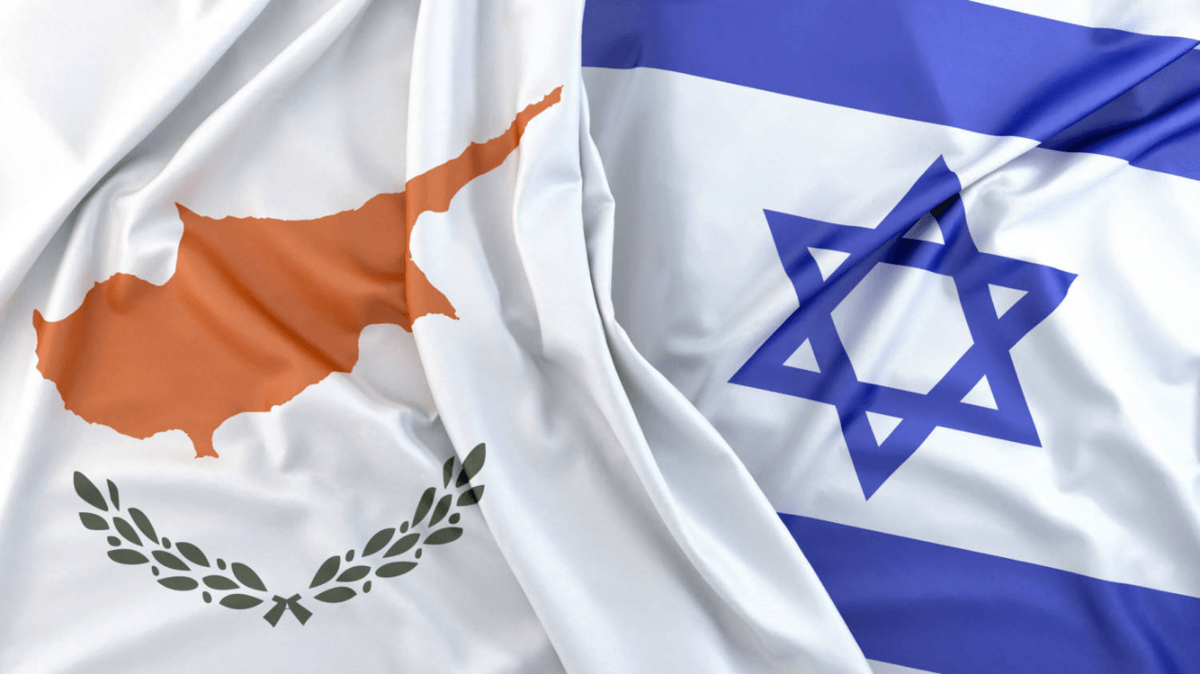
The Middle East conflict has put real strain on Cyprus’s trade relationships, hitting both imports and exports. The ties between Cyprus and Israel are under particular stress right now. Israel is one of Cyprus’s most important trading partners, and that relationship has grown steadily over the years, with bilateral trade climbing from $950.7 million in 2014 to $1.33 billion in 2022.
That is too much volume to absorb without pain if the relationship frays.
Cyprus’s dependence on Israeli tourism runs deep. Nearly 300,000 Israeli visitors arrived in 2019 alone, a sharp rise from earlier years. That kind of volume shapes the entire hospitality sector.
And now, with conflict driving migration patterns, Europeans based in Israel are starting to consider Cyprus as a relocation option for safety reasons, which could reshape the hospitality industry in ways nobody fully anticipated. You can get a broader read on the pressures on Israel’s economy to understand what’s really driving these shifts.
Some economists are warning that escalating regional instability could gradually brand Cyprus as a danger zone by association. If that perception takes hold, it does not just hurt tourism. It could also push Israeli companies to relocate their operations to Cyprus, which sounds positive on the surface but comes with complications if the conflict deepens and the motivation is survival rather than growth.
| Year | Import Value from Israel (€) | Export Value to Israel (€) |
|---|---|---|
| 2023 | 829.5 million | 102.8 million |
| 2022 | 776.4 million | 98.2 million |
The trade between Cyprus and Israel spans a wide range of goods. Cyprus imports mineral fuels worth €776.4 million from Israel, along with electrical and aircraft equipment and plastic and paper products. On the export side, Cyprus sends fishery products worth €28.7 million to Israel, plus electrical equipment, salt, plastics, and pharmaceuticals.
The overall trajectory of this trade relationship has been one of growth, which makes the current disruption all the more costly.
How much the Middle East conflict ultimately reshapes Cyprus trade depends almost entirely on how long the fighting lasts and how far it spreads. A prolonged conflict could do lasting damage to both tourism and trade, fundamentally altering the economic balance in the region for years to come.
Rising Energy Costs and Inflation
The Israeli-Hamas conflict is sending economic shockwaves through the region, and Cyprus is absorbing more than its share. Rising energy costs and the inflation that follows are not just abstract statistics. They are showing up in the daily lives of ordinary Cypriots, and the changes feel more permanent than temporary.
Impact on Household Incomes
When energy costs go up, inflation follows, and household budgets take the hit. Families across Cyprus are dealing with surging bills and rising prices on essentials. Oil touched nearly $98 per barrel recently, and that kind of price moves through the whole economy fast, pushing up the cost of basic goods and squeezing the money left over at the end of the month.
Changes in Energy Pricing Policies
Cyprus is rethinking its energy policy in response to the mounting pressure. The government is exploring policy adjustments and alternative energy sources to blunt the impact of inflation. Awarding 12 licenses for natural gas exploration off the Mediterranean coast is a concrete step toward building greater energy independence and long-term stability.
The economic strain is not contained to Israel’s borders. Neighboring countries and territories are all being forced to re-examine their fiscal strategies. War costs for Israel are expected to reach USD 58 billion, and that scale of spending pushes instability outward into the wider region.
| Country | Estimated Increase in Energy Costs | Inflation Rate |
|---|---|---|
| Cyprus | +15% | 6.5% |
| Israel | +20% | 4.75% |
| Egypt | +10% | 7.2% |
All of this puts Cyprus in a difficult position. Managing energy costs, keeping inflation in check, and protecting household incomes are not separate challenges. They are deeply connected, and getting any one of them wrong makes the others harder to handle.
Geopolitical Tensions and Security Concerns
The geopolitical fallout from the Israeli-Hamas conflict is hitting Cyprus’s security environment hard. Israel’s push for energy self-sufficiency through natural gas exploration is a major economic story in its own right, but it also reshuffles power dynamics across the Middle East in ways that affect everyone in the region, including Cyprus.
Israel’s natural gas discoveries have effectively secured the country’s energy independence for the next 40 years and positioned it to become a net exporter. That shift could boost annual revenue by $100 million to $150 million over three decades. But greater economic strength in Israel, achieved under conflict conditions, also raises regional tensions, and Cyprus sits squarely in the middle of that pressure.
Turkey’s exclusion from the Eastern Mediterranean Gas Forum has pulled Israel, Cyprus, and Greece into a closer alliance. Joint summits and military drills have underlined that cooperation, and the goal is clear: securing the Eastern Mediterranean. But that alignment also deepens the geopolitical friction in a region that was already on edge.
The 2018 gas deal with Egypt and Turkey’s continued exclusion from regional energy frameworks are redrawing alliances in real time. For Cyprus, which has built its reputation as a stable business hub, any shift in the security environment introduces risk that investors and businesses will factor into their decisions. The Paphos real estate market, for instance, is one area where foreign investor sentiment is being tested directly by these geopolitical pressures.

Potential Long-term Economic Outcomes
The conflict between Israel and Hamas has the potential to redirect Cyprus’s economic trajectory in ways that will take years to fully understand. Cyprus was targeting 2.9% growth for 2024, and that number is still within reach. But the regional turbulence introduces risks that could chip away at sustainable progress and fiscal stability if they are not managed carefully.
Projections for Economic Growth
Projections point to slow growth for Israel’s economy through 2024, and given how tightly Cyprus and Israel are linked, that slowdown carries consequences. A drop in Israeli domestic demand, combined with export challenges driven by currency depreciation and higher import prices, could bleed into Cyprus’s own growth numbers. Central bank policy may provide some cushion, but the uncertainty is real and the variables are hard to control.
Impact on Key Sectors
The conflict could put serious pressure on Cyprus’s core economic pillars all at once. Tourism may suffer as Israeli visitor numbers thin out, shifting the demographic profile of arrivals in ways that hurt revenue. Rising energy costs could push inflation higher and strain household budgets further.
And the real estate sector in key Cypriot markets could face headwinds if foreign investment pulls back. These sectors do not operate in isolation, which is exactly what makes the situation so challenging. A smart, coordinated response is not optional.
It is the only way to protect what Cyprus has built. For context on how investors are repositioning capital during geopolitical conflict, the playbook is changing fast and Cyprus will need to adapt alongside it.
We last reviewed this analysis in May 2026.