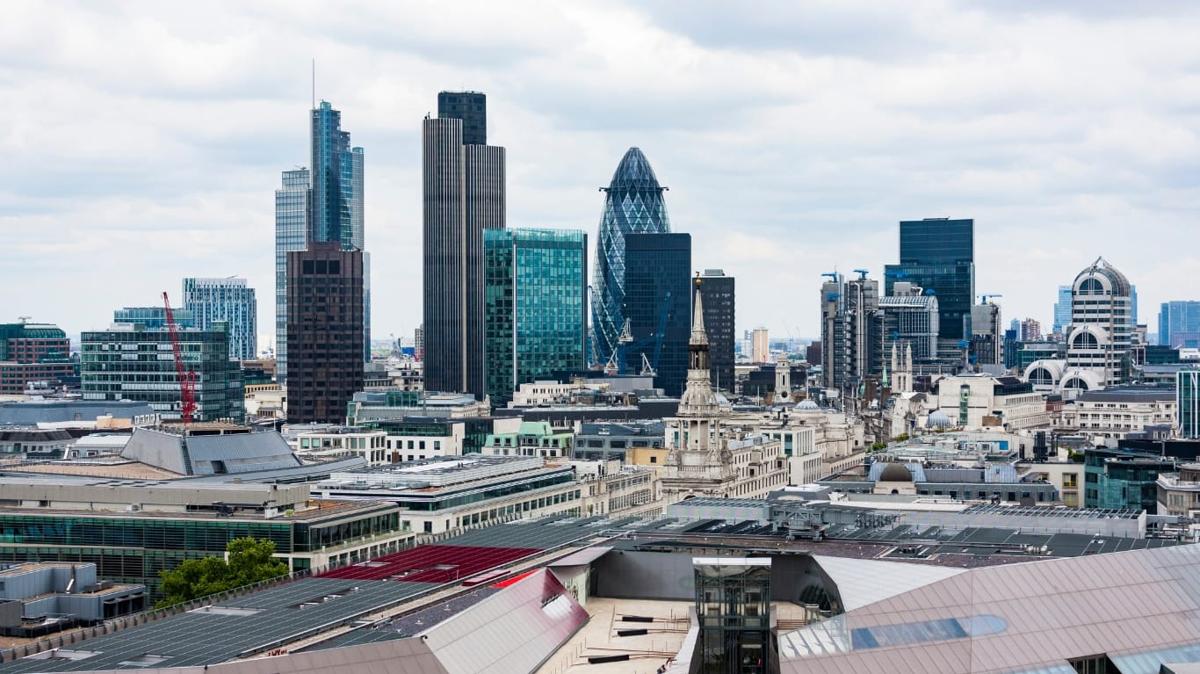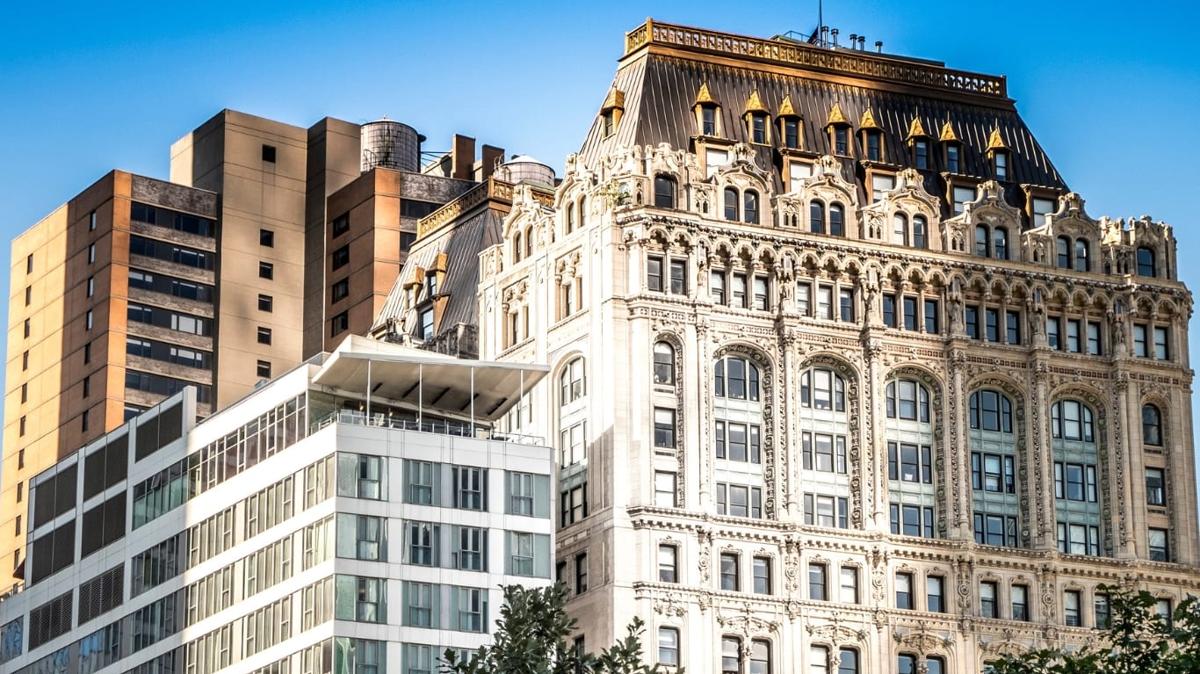

The Manchester property market in 2026 reads as one of the most architecturally productive cities in the UK. The unofficial capital of the North combines a Victorian industrial heritage and a contemporary regeneration agenda that are visibly remaking the urban fabric on the same streets. The average residential property price sits near GBP 241,000, up roughly 5.
3 percent year on year, with average monthly rents now crossing GBP 1,300 (up 10. 2 percent annually).
Knight Frank's UK Cities tracking and Savills's Northern residential research both describe Manchester as the most consistent regional outperformer in England. The drivers are clear: a population now approaching three million in Greater Manchester, a deep employment base across finance, technology, media and life sciences, and a housing pipeline that has continued to lag demand.
We track Manchester as the deepest regional prime conversation in the UK. The converted mill stock of Ancoats sits next to the rebuilt Mayfield district (the Manchester Goods Yard, the Mayfield Park) where studios including Studio Egret West and U+I have been working for nearly a decade. The MediaCityUK at Salford Quays anchors the contemporary commercial axis.
- Manchester has emerged as the most credible regional UK alternative to London, with city-centre regeneration, a deepening corporate base and steady residential appreciation through recent cycles.
- We see the Spinningfields, Castlefield, Ancoats and Salford Quays arcs anchoring the upper end of the local market, with new-build delivery from major developers supporting steady absorption.
- Halifax HPI and Nationwide HPI data shows Manchester tracking among the stronger UK regional markets, with annual price growth in the mid-single digits across recent quarters.
- Yields on well-located Manchester rental stock remain among the more attractive in the UK, particularly in student-heavy submarkets near the universities and the central business district.
- Infrastructure investment, including the ongoing Metrolink expansion and HS2 implications, continues to support the city-centre value proposition for both end-users and investors.
- For most considered UK regional buyers we view Manchester as offering the strongest combination of liquidity, yield and appreciation potential outside the London prime complex.
- Who is this for?
- UK and international buyers evaluating Manchester property, alongside the advisers, brokers and family office staff framing regional UK allocation decisions.
- What is happening?
- A market read of Manchester property in 2026, covering city-centre regeneration, the major submarkets, appreciation trends, yields and the infrastructure context.
- When did this emerge?
- The article reflects 2026 market conditions through Halifax HPI, Nationwide HPI, RICS and major Manchester broker data alongside our own observations.
- Where is this happening?
- The piece focuses on Manchester, including Spinningfields, Castlefield, Ancoats and Salford Quays, with reference to the broader north-west UK property complex.
- Why does it matter?
- Manchester has established itself as the leading UK regional market, which is why understanding the dynamics matters for any buyer tracking regional alternatives to London.
The Manchester market today
The market in 2026 is supported by structural undersupply, rising population, and a deepening institutional Build-to-Rent presence. Demand is strongest in the city centre and inner-ring suburbs, where regeneration schemes and infrastructure improvements continue to unlock new residential capacity.
The buyer mix is unusually broad: owner-occupiers, UK-based landlords, institutional Build-to-Rent platforms, and rising international interest from US, Hong Kong and Gulf-based purchasers. Christie's International Real Estate and Savills both describe a city where transaction volumes have stabilised and the upper-end (Hale, Bowdon, Didsbury, central Manchester penthouses) has been quietly active.
The mortgage environment has been improving since the 2024 rate volatility. Lending availability has recovered, particularly for fixed-rate products on stock with strong EPC ratings.
- Citywide average around GBP 241,000
- Annual price movement around 5.3 percent (2024 to 2025)
- Prime growth zones: Ancoats, Salford Quays, Castlefield, Chorlton, Hale
- New supply: high-density flats and mid-rise schemes in regeneration areas
Neighbourhoods defining Manchester in 2026
Ancoats
Ancoats is one of the most distinctive residential offerings in central Manchester. The Victorian mill stock (Murray's Mills, the listed Ancoats Hospital) has been progressively converted into apartments alongside contemporary new-build by Buttress Architects and Hodder + Partners. Average prices sit around GBP 320,000, or roughly GBP 4,700 per square metre.
Salford Quays
Salford Quays has matured into a self-contained residential and commercial hub anchored by MediaCityUK. The neighbourhood draws professionals working in technology, media and creative industries. Properties range from GBP 260,000 to GBP 300,000, or roughly GBP 4,200 to GBP 4,600 per square metre.
The Lowry, the Imperial War Museum North (Daniel Libeskind, 2002) and the Quays-side promenade give the area a cultural register few outer-city UK districts match.
Northern Quarter
Manchester's creative district. Loft-style apartments, independent retail and the Affleck's Palace as the long-running anchor. Typical prices hover around GBP 310,000, or about GBP 4,800 per square metre.
Chorlton
Chorlton is a suburban, lifestyle-led neighbourhood in South Manchester. Strong schools, a substantial green belt and the kind of demographic stability that anchors family demand. Property prices sit at approximately GBP 370,000, or around GBP 4,500 per square metre.
Hulme
Hulme remains an underpriced inner-city district in active regeneration, with proximity to the city centre and Manchester Metropolitan University driving steady demand. Prices average around GBP 220,000, or roughly GBP 3,200 per square metre.
The architectural and cultural register
The St John's neighbourhood (Allies and Morrison-led masterplan) and Victoria North (the Far East Consortium / Manchester City Council collaboration) represent the next generation of contemporary residential commissioning. The skyline now includes Beetham Tower (Ian Simpson, 2006) and the Deansgate Square cluster, taller and denser than anything outside London.
The Manchester International Festival, the HOME arts centre, the Whitworth Art Gallery and the Manchester Museum together anchor a cultural calendar unusually deep for a UK regional capital. Mansion Global and Architectural Digest have used the Ancoats mill stock as the journalistic entry point into the broader Manchester conversation.
JLL UK Cities, Knight Frank Manchester and Engel & Völkers UK all describe a market where the architectural register matters more to the buyer than headline pricing growth. The Mayfield and Victoria North regeneration corridors are reshaping the urban fabric.
The Manchester rental landscape
The rental market in 2026 has been outperforming the national average. A young, mobile population, a growing student base and a deep employer presence in finance, technology and media support steady demand.
Average monthly rents now sit at GBP 1,321, with the strongest movement in Salford Quays, Ancoats and Castlefield. One-bedroom apartments rent between GBP 950 and GBP 1,200, two-bedrooms between GBP 1,200 and GBP 1,450, three-bedrooms between GBP 1,450 and GBP 1,800. Premium city-centre units exceed GBP 2,000.
The regulatory framework is national: deposit protection, HMO licensing where applicable, EPC minimum-rating requirements at E or above. Short-term lets are permitted but local councils have tightened enforcement on transient rentals in city-centre buildings.
How Manchester compares with UK and international prime markets
Manchester prime at GBP 4,800 per square metre sits well below London prime (Mayfair trophy around GBP 30,000 to GBP 40,000 per square metre according to Savills's World Cities Prime tracker). Mayfair sits at roughly six to eight times Manchester per square metre.
Manchester is broadly comparable to Bristol on a per-square-metre basis (Bristol prime around GBP 5,500 to GBP 6,200 per square metre in Clifton). It sits well above Liverpool prime (around GBP 3,000 per square metre at the central tier).
Dubai Marina prime trades near AED 22,000 per square metre (around GBP 4,800), broadly in line with central Manchester. Monaco prime at EUR 55,000 per square metre and Mayfair trophy stock both sit in entirely different categories.
What we expect through year-end 2026
Property prices are projected to rise 4. 0 to 5. 5 percent through 2026.
The strongest movement is expected in Hulme, Ardwick, Newton Heath and the areas adjacent to Victoria North, where regeneration is accelerating.
Established hotspots (Ancoats, Salford Quays, Castlefield) are projected to grow more modestly between 3. 0 and 4. 5 percent.
Citywide average prices are expected to reach GBP 258,000 to GBP 265,000 by Q4 2026.
Rents are projected to grow 5. 0 to 6. 5 percent.
The HS2 high-speed rail link (still subject to scope adjustments), the Metrolink expansion and the ongoing public-realm works around Piccadilly Gardens and St Peter's Square continue to reshape urban accessibility.
What this means for buyers
Manchester rewards the buyer drawn to one of England's most architecturally productive regional cities. The Victorian-mill heritage, the contemporary regeneration agenda and the deep employment base across finance, technology and media together make Manchester the most defensible regional UK prime position we cover.
For UK-based and international buyers comparing regional prime cities, Ancoats's converted mill stock, Salford Quays's cultural cluster and the Mayfield and Victoria North regeneration corridors read as the strongest positions. Stamp duty surcharges apply to non-UK-resident buyers and second homes.
We last reviewed this analysis in May 2026.
Frequently asked
What is the average property price in Manchester in 2026?
Approximately GBP 241,000, with higher prices in central neighbourhoods like Ancoats, Castlefield and Hale.
Can international buyers purchase property in Manchester?
Yes. There are no restrictions on foreign property ownership in the UK, though stamp duty surcharges apply to non-UK-resident purchasers and additional homes. The expat-buyer framework covers the wider regulatory and tax structure.
Are rent caps in effect?
No. Manchester does not enforce rent controls. Landlords must comply with national tenancy laws, deposit protection, HMO licensing where applicable, and EPC minimum-rating requirements.
Are short-term rentals permitted?
Yes, with local council oversight tightening for transient rentals in city-centre buildings.
Which neighbourhoods are seeing the most buyer attention?
Ancoats, Salford Quays, Castlefield and the Hale and Didsbury family-buyer corridors anchor prime activity. Hulme, Fallowfield and the Victoria North regeneration zone draw the most consistent value-tier interest.