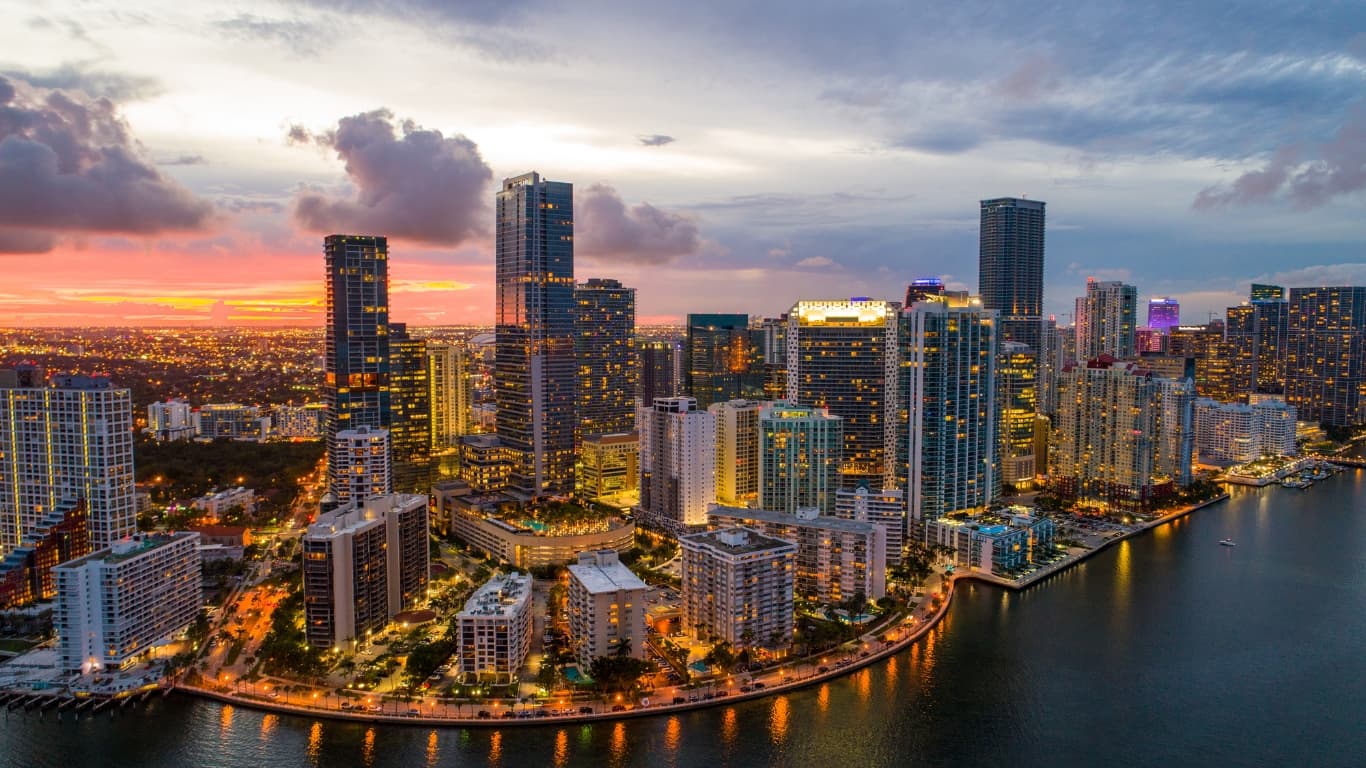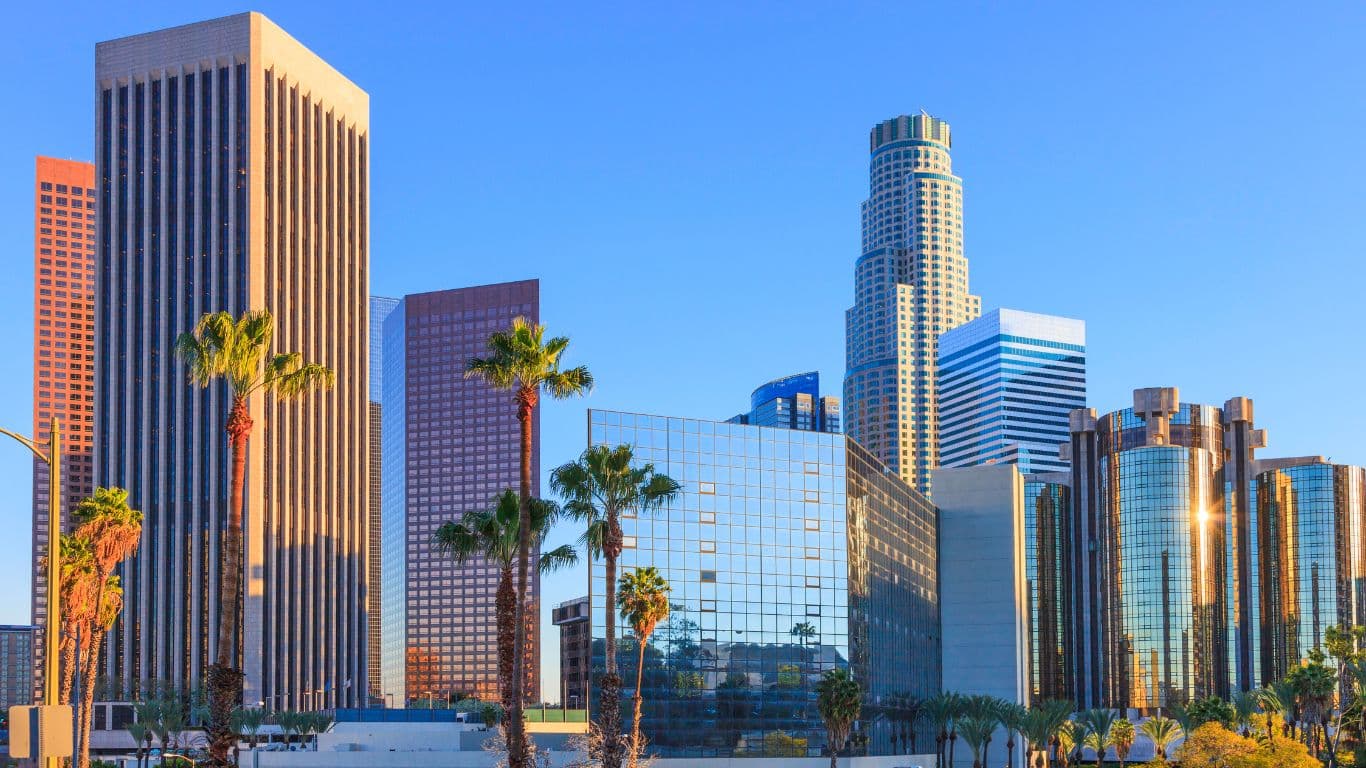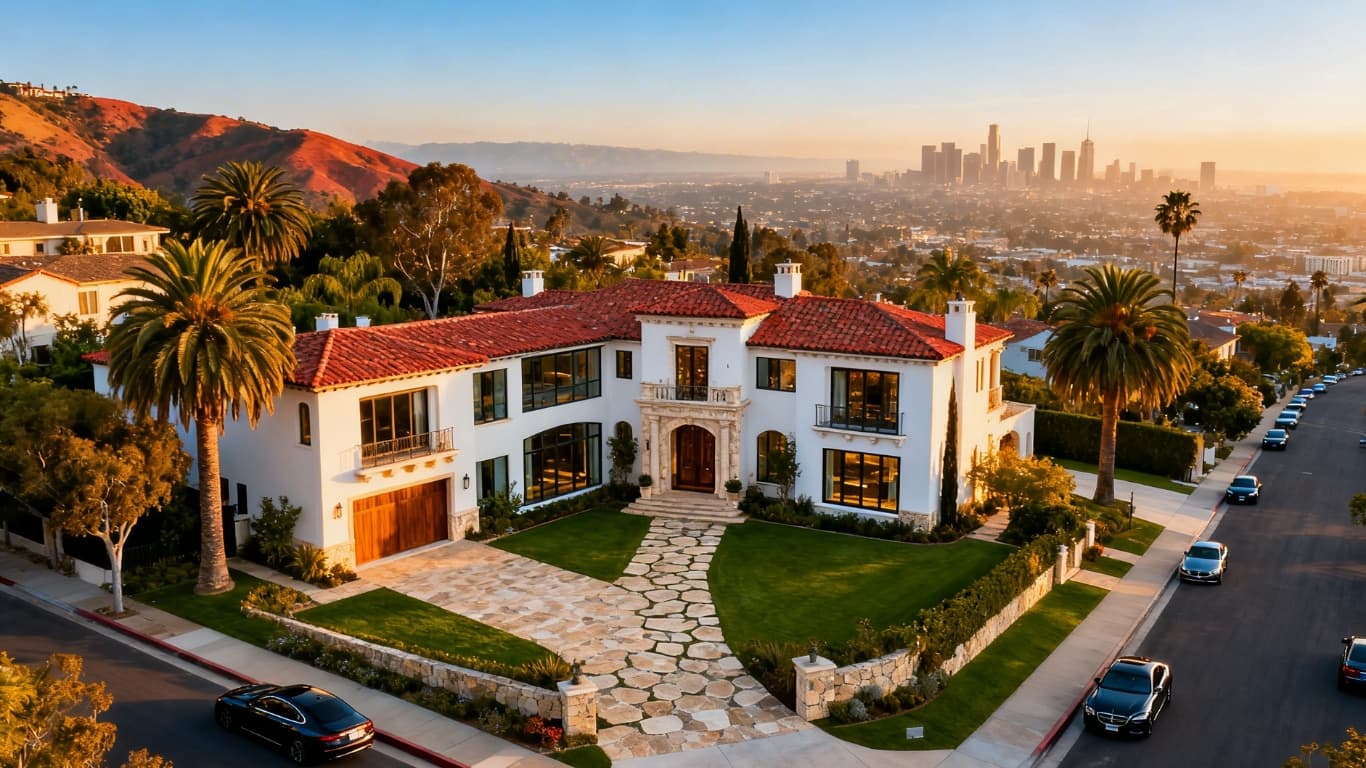

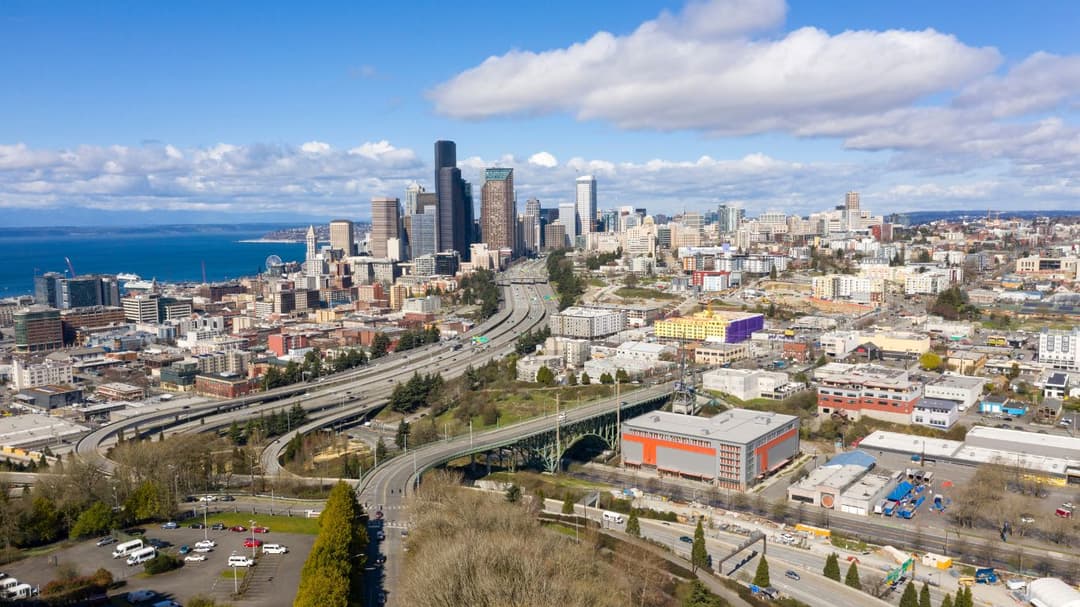
Buying property in Washington can be one of the smartest moves you make, but only if it aligns with your goals. Washington State, and Seattle in particular, has delivered strong real estate growth year after year, driven by a tech and aerospace job market that keeps pulling high earners into the region. That demand pushes property values up steadily.
And here’s a detail that matters to anyone watching their tax burden closely: Washington has no state income tax, which makes it genuinely attractive from a financial planning standpoint.
That said, strong demand cuts both ways. You’re looking at high property prices and serious competition, especially in urban cores. Before you commit, dig into specific neighborhoods carefully.
Future development plans, school quality, and local amenities all shape both your lifestyle and your resale value. You also want to keep a close eye on market trends and economic forecasts for whichever part of the state interests you most.
If your goal is investment income, rental properties in Washington’s high-demand areas can generate solid returns, simply because so many people need housing and supply keeps falling short. If you’re buying for personal use, the quality of life here is hard to argue with. Natural beauty, outdoor access, and genuine economic opportunity make Washington a place people actively want to live.
Go in with thorough due diligence and the right local guidance, and this market can reward you well. You can also explore luxury real estate investment strategies to sharpen your approach before committing capital.
- Buying property in Washington state remains structurally attractive given the absence of state income tax, the tech sector employment base and the broader Pacific Northwest lifestyle appeal.
- We see Seattle and Bellevue continuing to anchor the most expensive submarkets, with the Microsoft, Amazon and broader tech corporate footprint supporting prices across the cycle.
- Washington imposes a graduated real estate excise tax on transfers, with the top tier reaching three percent on the highest-priced sales and warranting explicit underwriting attention.
- Inventory has improved through 2025 and 2026, with months-of-supply moving toward balanced conditions across most metropolitan Washington submarkets after the recent tech sector restructuring.
- Outside the Seattle metro the picture varies sharply, with the Spokane, Tacoma and Olympic Peninsula markets each carrying their own demand drivers and price trajectories.
- For most considered buyers we view Washington property as a structurally attractive long-term hold, with the state-specific tax structure warranting careful attention in any acquisition.
- Who is this for?
- Buyers and investors evaluating Washington state property, alongside relocation clients and the brokers, lenders and tax advisers supporting Pacific Northwest transactions.
- What is happening?
- A practical read of whether buying property in Washington is genuinely worthwhile, covering Seattle and Bellevue dynamics, excise tax considerations and the broader state market context.
- When did this emerge?
- The article covers conditions through 2025 and 2026, with reference to the post-pandemic inventory cycle and the latest tech sector employment and tax framework data.
- Where is this happening?
- The piece covers the Washington state property market, with particular focus on Seattle, Bellevue and the broader King County submarket landscape.
- Why does it matter?
- Washington offers Pacific Northwest tech sector support and the state income tax advantage in 2026, which is why understanding the excise tax structure matters before any acquisition.
Understanding the Washington Real Estate Market
Washington’s real estate market draws interest for good reason. You get varied environments, strong industrial sectors, and residential desirability that keeps demand elevated across the state. Land prices shift dramatically depending on location and use.
In Seattle, the average home sale price hit $885,000 in May 2024, a figure powered largely by the city’s affluent tech workforce flooding the market with purchasing power.
Spokane tells a different story. With a median sale price around $380,000, it offers a much lower barrier to entry for buyers who want a foothold in Washington without Seattle’s price tag. Across the state, the median home price sits at $602,100 with a 2% year-over-year growth rate.
Steady, consistent appreciation like that signals a market that builds wealth gradually rather than through volatile swings.
| City | Median Home Price | Residential Appeal |
|---|---|---|
| Seattle | $885,000 | High tech industry demand |
| Spokane | $380,000 | Affordable with growth potential |
| Tacoma | Moderate | Balance between cost and growth |
| Vancouver | Rising | Suburban feel, lower taxes |
| Yakima | Affordable | Steady growth |
| Kennewick | Affordable | Steady growth |
Home inventory in Washington dropped 8.9%, and that shift is pushing conditions firmly toward sellers. Competition in city areas is sharp, and you need to arrive prepared.
Average down payments are running around $77,800, and closing costs on a typical home can come close to $14,000. Understanding Washington’s housing affordability picture before you move is not optional; it’s essential. Knowing these numbers upfront puts you in a far stronger negotiating position.
Key Factors Influencing Washington Property Prices
If you want to invest wisely in Washington real estate, you need to understand what actually drives prices here. Several forces are at play, and looking at each one honestly gives you a clearer picture of where value is heading and why.
Economic Growth
Economic momentum is one of the biggest forces behind Washington property prices, particularly in the Seattle area. Tech giants and aerospace companies cluster here, and the workers they attract earn well above national averages. With Seattle’s average home sale price at $885,000 as of May 2024, the link between economic strength and property values is obvious.
A booming local economy pulls in high-income residents, spikes housing demand, and pushes real estate values upward.
Population Trends
Where people move, prices follow. Seattle’s population keeps growing, pulled by tech job openings and a diversifying economy that creates opportunity across multiple sectors. That steady population growth translates directly into rising housing demand and price increases over time.
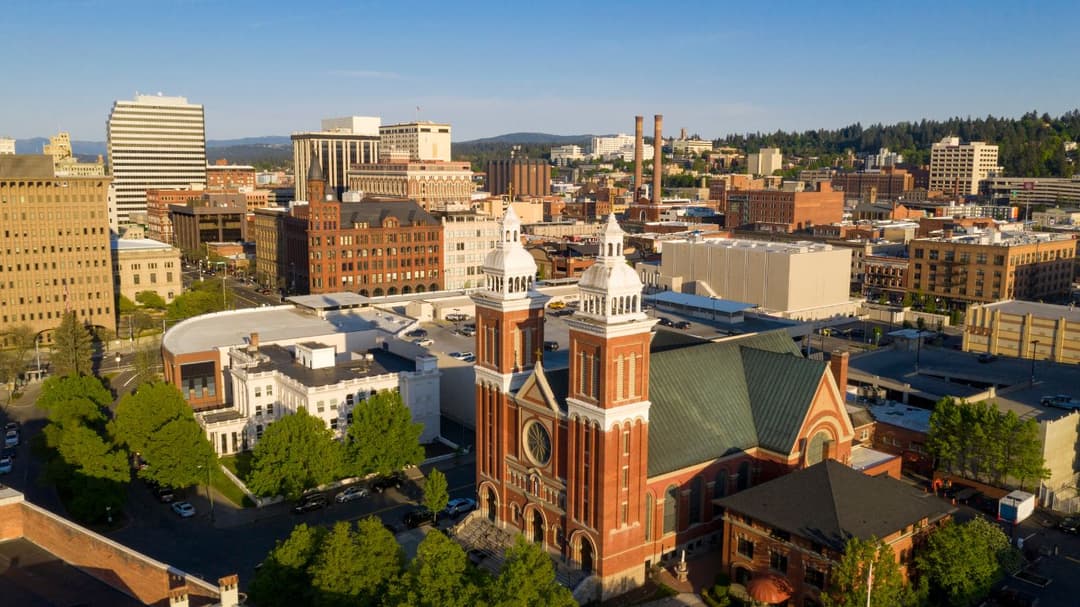
Spokane, with its median price around $380,000 and a cost of living more than 30% lower than Seattle’s, gives you a different kind of opportunity if you’re targeting buyers or renters who prioritize affordability without leaving the state.
Supply and Demand Dynamics
Supply and demand shape property prices more than almost anything else, and Washington’s imbalance is pronounced. A persistent housing inventory shortage keeps prices elevated even as demand stays fierce. Homes across the state sell in roughly 11 days on average, which tells you everything about how competitive this market really is.
As of March 2024, with just 13,203 homes available and 5,655 new listings, supply simply cannot keep pace with demand. The result is that nearly 29.3% of Washington homes sell above their listing price.
If you’re buying, that’s the reality you’re stepping into.

Cost of Buying Property in Different Washington Cities
Property prices in Washington vary widely depending on where you look. Seattle sits at the luxury end of the spectrum, while cities like Spokane and Vancouver offer more accessible entry points. Knowing the differences between these markets helps you match your budget and investment goals to the right location.
Seattle
Seattle occupies the top of Washington’s property cost range. With a median home price of $885,000 as of May 2024, the city draws buyers who are serious about luxury and long-term appreciation. The concentration of high-earning tech professionals keeps demand elevated and values climbing.
For investors with the capital to participate, Seattle’s potential for continued appreciation is hard to ignore.
Spokane
Spokane offers something very different. Homes here carry a median sale price around $380,000, making it genuinely accessible for first-time buyers or anyone working within a tighter budget. With living costs running more than 30% below Seattle’s, Spokane attracts buyers who want quality of life without the premium price tag.
It’s a market worth watching if affordability and steady growth matter to you.
Vancouver
Vancouver sits between these two extremes, giving you urban amenities at a more reasonable price point. Its housing market appeals to buyers who want city life without Seattle’s costs but aren’t ready to move as far east as Spokane. If you’re searching for balance between price and lifestyle, Vancouver deserves a serious look.
Impact of Mortgage Rates on Washington Property Investment
Mortgage rates have a direct and immediate impact on what you can afford in Washington. As rates climb, monthly payments rise, and affordability shrinks fast. For buyers already stretching toward Washington’s higher price points, that rate hike can be the deciding factor between getting in and staying on the sidelines.
First-time buyers face the steepest challenge, especially when you compare Washington to some of the most accessible US real estate markets where entry-level buyers have far more breathing room.
The average median home price in Washington has climbed to $602,100, a 2% increase from the prior year. Layer rising mortgage rates on top of that appreciation and budgets tighten quickly. And yet, the sale-to-list price ratio holds steady at 99.
60%, meaning homes are still selling very close to asking price. Even with inventory down 8.9%, demand refuses to soften.
That makes this a competitive market for buyers, but a reassuring one for sellers and long-term investors.
Washington does present real challenges around affordability, but opportunities are still out there if you know where to look. Spokane offers affordable growth with a stable trajectory. Seattle delivers high property values backed by one of the strongest job markets in the country.
Tacoma balances accessibility with active economic development. The issue you need to plan around carefully is that median prices in many areas are outpacing income growth, which complicates entry for buyers who aren’t bringing significant capital to the table.
Get a personalized property consultation
Washington DC Home Trends
Washington DC’s property market is moving through a period of real change right now. New patterns are emerging, and if you want to position yourself well, you need to understand what’s actually shifting.
Inventory Levels
Washington DC currently has around 2,581 homes listed on the market, with prices ranging from $180,000 to $2,995,000. That range gives you flexibility whether you’re targeting a condo entry point or a full luxury acquisition. The city’s real estate market covers apartments, houses, and premium homes, meaning there’s genuine variety regardless of what you’re looking for.
Price Trends
The median sale price for homes in Washington DC sits at $699,000, a 2.1% increase from the prior year as of April 2024. That upward trend signals a stable investment environment rather than a speculative bubble.
You’ll find properties ranging from one to six bedrooms and one to 4.5 bathrooms, with lot sizes varying enough that both urban and suburban preferences are well served.
Market Competition
Washington DC’s real estate scene is competitive, and low inventory is the primary reason why. When supply is tight, buyers compete harder, and sellers gain the upper hand on price and terms. Bidding wars are common, and a meaningful number of properties sell above list price.
Short sale properties and listings flagged as ‘coming soon’ add their own layer of complexity, but for the prepared buyer, they can also open doors that the general market misses.
Pros and Cons of Investing in Washington Real Estate
Washington has earned its place as a serious real estate investment destination, but like any market, it comes with both advantages and friction points. Understanding both sides honestly is what separates smart investors from ones who buy on hype.
Advantages
Washington’s strongest growth corridors offer real return potential. Amazon’s new headquarters gave Northern Virginia’s property values a visible boost, and that kind of corporate anchor effect ripples outward. Geographically, Washington sits within easy reach of major cities like Philadelphia, Baltimore, and New York City, which adds connectivity that buyers and renters consistently value.
The economic base here is genuinely diverse. Amtrak, Marriott International, and a host of other major employers contribute to a resilient local economy. Add in the fact that 60% of residents over 25 hold at least a bachelor’s degree, and you have a highly educated workforce that fuels consistent real estate demand across both ownership and rental markets.
Disadvantages
On the other side of the ledger, Washington DC’s property tax rate of 0.9% sits below the national average, but it still affects your total cost of ownership. The state’s real estate laws also carry complexity, particularly around dual agency arrangements and seller disclosure requirements.
Know these rules before you sign anything. Forbes Real Estate regularly covers regulatory shifts that affect buyers in competitive markets like this.
In developed urban areas, the scarcity of land for new builds puts upward pressure on prices, which is good for appreciation but makes entry harder for new investors. Managing a property remotely adds another layer of difficulty, though partnering with experienced local property managers goes a long way toward solving that problem.
Washington offers real investment merit, but it rewards investors who go in with their eyes open. Weigh these dynamics carefully against your own goals, your capital position, and your timeline before committing.

Best Places to Buy Property in Washington
Washington gives you a surprisingly wide range of neighborhoods and environments to choose from. Urban cores, waterfront access, mountain proximity, and quiet suburban pockets all exist within the same state. Whether you’re targeting high-end Washington DC condos or hunting for a better-value entry point, this breakdown covers the locations worth your attention.
Seattle Metro Area
The Seattle Metro Area has a magnetic pull for serious investors. Average property values here sit around $750,000, a direct reflection of the region’s thriving tech sector and the high earners it concentrates in one place. Prices are steep, but the growth potential is equally substantial.
For anyone looking to buy into a dynamic, high-performing urban market, Seattle puts itself at the front of the conversation.
Spokane
Spokane gives you a completely different entry point. Property values range from $150,000 to $650,000, with the city’s average home price sitting around $350,000. And Spokane isn’t just affordable; it’s been appreciating, with value increases between 9.
5% and 12%. That combination of accessible pricing and meaningful growth makes it one of the stronger value plays in the state right now. You can also compare it against other high-growth US city real estate markets to see how it stacks up.
Tri-Cities
The Tri-Cities, made up of Kennewick, Pasco, and Richland, are growing fast. Lower property costs paired with notable appreciation make this cluster of cities worth considering if you want investment exposure outside Seattle’s premium price range. For buyers looking at both residential use and investment potential in one location, the Tri-Cities deliver a compelling case.
Olympic Peninsula
The Olympic Peninsula is in a category of its own. Stunning natural scenery, genuine outdoor recreation, and a pace of life that couldn’t feel further from the city. If you’re drawn to nature, want space, or are looking for a retreat property that appeals to renters seeking that same escape, this is where you look.
For land purchases or homes positioned near serious outdoor activities, it’s an ideal destination.
Washington Property Taxes
Property taxes in Washington carry real weight. They account for nearly a third of all state and local tax revenue, which means understanding how they work is not optional for any serious homeowner or investor here. All property is assessed at true market value, and that assessed value is what determines your tax bill each year.
Bloomberg’s real estate coverage regularly highlights how property tax structures affect investment returns across different US states.
Washington property tax rates are expressed in dollars per every $1,000 of assessed value. The state constitution caps the rate at 1% of market value, which works out to $10 per $1,000. Beyond that constitutional limit, levy limitations add another layer of control over how much your taxes can climb.
The 1% Constitutional Limit and the Levy Limit together restrict taxing districts to a 1% increase over their highest levy since 1985, with specific exceptions carved out for certain situations.
Actual tax rates vary across the state based on your taxing district, its budget, and any special levies in effect. You receive your tax statement in February each year. At least half must be paid by April 30, with the balance due by October 31.
Depending on your county, you can pay in person, by mail, or online. And if you have a mortgage, your lender may handle these payments directly from an escrow reserve account. Worth confirming that detail with your lender early so there are no surprises.
For context on how Washington’s tax structure compares globally, the top countries with no income tax make for an interesting benchmark if you’re thinking about where your overall tax burden sits.
What this means for buyers reading buying property in Washington
Buying property in Washington rewards buyers who weight the long-term Seattle prime growth, the Eastside tech-driven demand and the Pacific Northwest lifestyle against the higher state and local tax burden and the headline price level. Bellevue, Mercer Island, Madison Park and Madrona anchor the Seattle prime end. Knight Frank, Christie's International Real Estate and Realogics Sotheby's International Realty all publish Washington-specific reads worth tracking each cycle.
We last reviewed this analysis in May 2026.


Savvas Agathangelou
Savvas Agathangelou co-founded The Luxury Playbook and has spent years reporting from the prime postcodes the magazine covers — Mayfair, Knightsbridge, the Athens Riviera, Dubai's Palm crescents, and the southern Mediterranean coastlines where the world's wealthy keep coming back. His background is in international hospitality, and that frame shapes how he writes about property: the developer's choices, the architect's signature, the agency's bench of named brokers, the building's service standard once the buyer moves in. He files developer spotlights, agency profiles, and the seasonal "Properties That Defined" listicles, and he hosts the magazine's founder-and-leadership interviews on the Voices side.