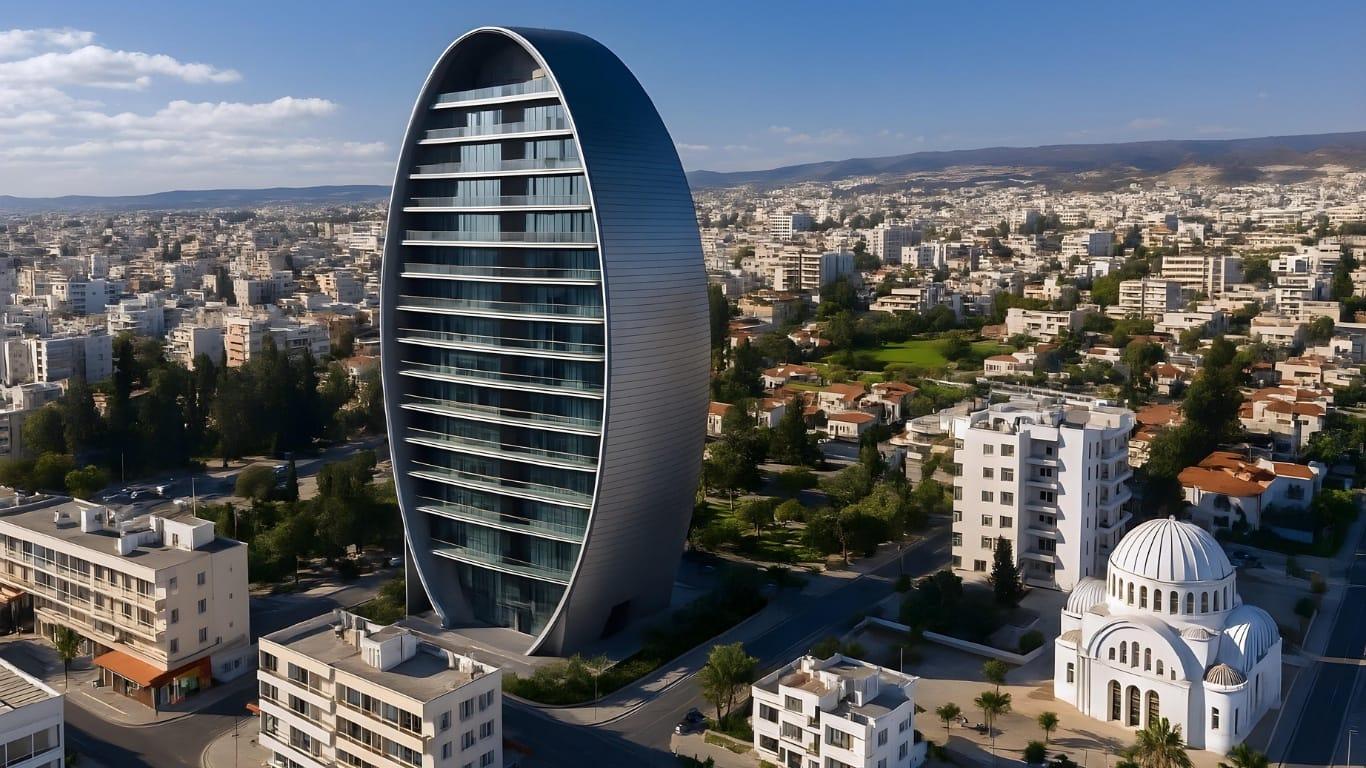
On the sun-kissed shores of the Mediterranean, Limassol has quietly transformed into one of the most talked-about luxury destinations on the planet. The skyline gleams with modern towers, the streets pulse with international energy, and the real estate market is thriving at a pace that has some people asking serious questions.
Property prices now average €6,485 per square meter, and rents have surged well past €2,000 per month even for modest apartments. That puts Limassol firmly on the radar of the global elite, and it is not hard to see why the city keeps attracting serious capital.
But here’s the thing. As this meteoric growth pushes forward, one question keeps coming up among investors and analysts alike. Is Limassol’s real estate market a sustainable success story, or a bubble quietly building pressure?
To find out, you need to look at the historical roots, the current dynamics, and how the city stacks up against major markets like Athens, Barcelona, and London.
From Coastal Charm to a Global Investment Magnet
For Limassol pricing context, we benchmark against the Knight Frank Wealth Report prime international index. The Cyprus growth ranking has been a regular feature in their annual table.
Reporting from Reuters and the Financial Times on Mediterranean residency programmes also shapes our read. Our Cyprus prime markets hub tracks the same flows.
Limassol’s rise to real estate powerhouse did not happen by accident. It was built on Cyprus’s strategic pivot after joining the European Union in 2004. The island quickly positioned itself as a tax-friendly haven, pulling in foreign capital, multinational corporations, and wealthy individuals looking for a foothold in Europe. If you are watching Cyprus closely, the Paphos market tells a fascinating parallel story worth reading.
The real fuel came from the Cyprus Investment Programme, the now-infamous passport scheme. Launched in 2013, the program let foreign investors secure EU citizenship by putting €2 million into real estate. That single policy turned Limassol into a magnet for high-net-worth individuals, with buyers flooding in from Russia, China, and the Middle East. The Financial Times covered the scheme’s rise and eventual controversy in detail.
By 2019, developers were in a full sprint to meet demand, constructing luxury high-rises catering almost exclusively to an international clientele with deep pockets.
That rapid expansion came at a price, though. When the passport scheme was abruptly shut down in 2020 amid corruption scandals, Limassol’s deep reliance on foreign investment became impossible to ignore. The market has since stabilized, but the overconcentration in luxury properties left it exposed to external shocks and a worsening local affordability crisis that has not gone away.
Current Market Snapshot
Right now, Limassol’s real estate market is holding strong, driven by persistent foreign demand and a supply side that simply cannot keep up. If you are looking at where the best rental yields in Europe are being generated, Limassol deserves a place on your shortlist, though the full picture is more complicated than the headline numbers suggest.
Key Numbers
- Property Prices: €6,485/m² (2024), marking an 8.7% year-on-year increase.
- Rental Costs: A two-bedroom apartment in central Limassol rents for over €2,000/month.
- Transaction Volume: Over 3,300 sales in the first eight months of 2024, leading all Cypriot cities.
- Buyer Demographics: A significant portion of demand comes from high-net-worth individuals seeking investment opportunities, citizenship, or permanent residency.
Demand Drivers
- Corporate Attraction: Cyprus’s low corporate tax rate continues to draw multinational firms, particularly in shipping and technology.
- Residency Incentives: Cyprus remains a favorable destination for investors seeking a foothold in Europe.
- Limited Supply: Development constraints in prime coastal areas and high construction costs have kept prices elevated, particularly in the luxury segment.
Limassol vs. the World
Stack Limassol against other Mediterranean and global cities, and the comparison tells you everything you need to know about both its strengths and the fault lines running underneath. Bloomberg has tracked the city’s price trajectory against other European coastal markets, and the gap is striking.
Property_Market_Comparison_2025.csv
- Limassol: A staggering price-to-income ratio of 12:1 signals an affordability crisis. The market caters almost exclusively to international buyers, leaving locals and mid-tier professionals priced out.
- Athens: With average property prices at €2,600/m² and rents for two-bedroom apartments below €1,000/month, Athens offers a far more balanced market. Its housing stock accommodates a diverse range of incomes, attracting both local and international buyers.
- Barcelona: Similar to Athens, Barcelona balances luxury developments with affordable housing options. Property prices average €4,000/m², making it more accessible than Limassol while maintaining strong international appeal.
- London: While London’s prices exceed Limassol’s (€13,000/m² in prime areas), its market benefits from far greater diversity, scale, and economic resilience.
Unlike Athens or Barcelona, which have built diverse housing markets serving buyers and renters at multiple price points, Limassol has gone all-in on high-end development. Speculative investment dominates the scene, with properties bought for citizenship purposes or rental income rather than actual occupancy. That is a structural vulnerability you should not overlook.
That imbalance leaves the city far more exposed to economic shocks and swings in global demand than a more diversified market would be.

Is the Market Overheating?
Limassol’s housing crunch is making it genuinely hard to attract talent. Mid-level professionals, especially in technology and corporate roles, are being priced out. Companies face a tough choice: subsidize housing and watch operational costs climb, or lose people to more affordable cities like Athens or Thessaloniki.
Neither option is good for long-term business.
Athens has stepped up as a real competitor for operational bases, offering lower costs, strong infrastructure, and an improving business environment.
- Housing Costs: Properties in Athens average €2,600/m², with rents below €1,000/month.
- Talent Pool: Greece offers a larger, more diverse workforce, particularly in tech and creative industries.
- Operational Costs: Lower expenses make Athens an attractive alternative for multinational firms.
Many companies are now splitting their operations, keeping headquarters in Limassol for the tax advantages while moving staff-heavy functions to Athens. That trend could quietly erode demand for Limassol’s mid-tier housing and deepen its dependence on luxury buyers to keep the market afloat. Understanding property taxes across European countries gives you useful context for why Cyprus still wins on the fiscal side of the equation.
And the market’s reliance on foreign investors who are buying for speculative gains creates real fragility. A slowdown in global liquidity or a spike in geopolitical instability could trigger a sharp price correction faster than most people expect. Reuters has reported on the risks tied to Cyprus’s dependence on foreign capital flows.

High-end rental properties are increasingly difficult to fill as well. While expatriates drive some demand, many units sit under-occupied for long stretches, putting quiet downward pressure on yields. If vacancy rates keep climbing, property values could feel the ripple effect sooner than the headline prices suggest.
Charting a Sustainable Future
Limassol’s future comes down to one thing: can it balance ambition with inclusivity? Long-term stability requires confronting the structural challenges head-on, from diversifying the housing supply to supporting mid-market development that keeps talent in the city rather than pushing it toward cheaper alternatives.
- Encourage Affordable Housing: Tax incentives and subsidies could prompt developers to diversify their offerings.
- Expand Talent Pools: Investments in education, infrastructure, and public transport could make Cyprus more attractive to skilled workers.
- Curb Speculation: Policies promoting long-term ownership and regulating short-term investment could stabilize the market.
- Diversify the Economy: Beyond tax advantages, Cyprus must invest in innovation and emerging industries to reduce reliance on expatriates and luxury buyers.
Boom or Bubble? The Verdict
Limassol’s real estate market is a evidence of the city’s genuine appeal. It has reinvented itself as a beacon of luxury and global prestige, and that is no small feat. But this kind of success carries real risk. An overreliance on high-end development, combined with affordability pressures and corporate relocations, is quietly weakening the foundations. The Financial Times has examined how similar dynamics have played out in other European luxury markets.
Limassol is not a bubble yet. But the warning signs are flashing. The city stands at a genuine crossroads, with the chance to build a more balanced and sustainable market, or risk becoming a cautionary tale about what happens when growth goes unchecked and unchallenged.
For now, the clock is still ticking in Limassol’s favor. But how long that lasts depends entirely on the decisions being made right now. The next few years will tell you whether this boom holds, fades, or finds a smarter path forward.
This article is the result of a collaborative analysis by a team of nine seasoned industry experts. To protect their safety and maintain the integrity of their work, the identities of our analysts are not disclosed, ensuring they stay free from external influence or undue pressure.
We last reviewed this analysis in May 2026.