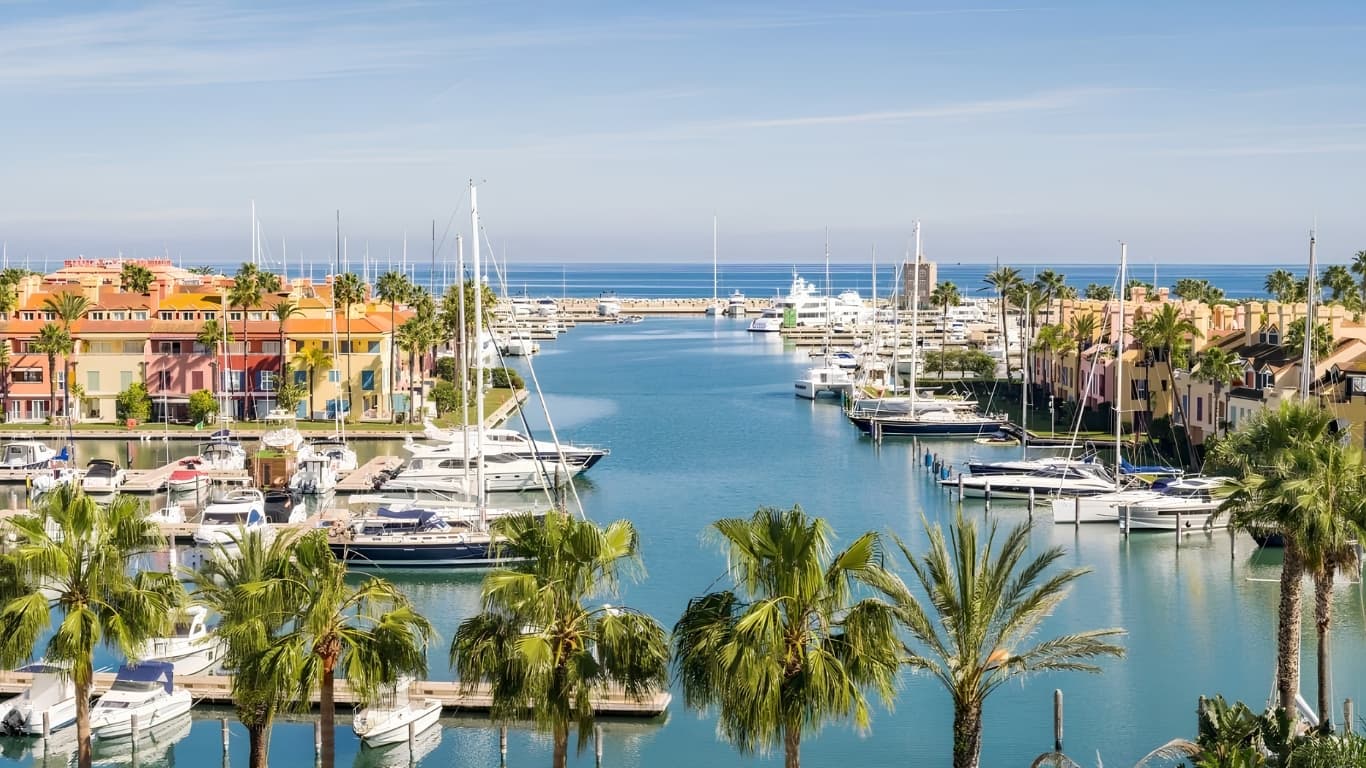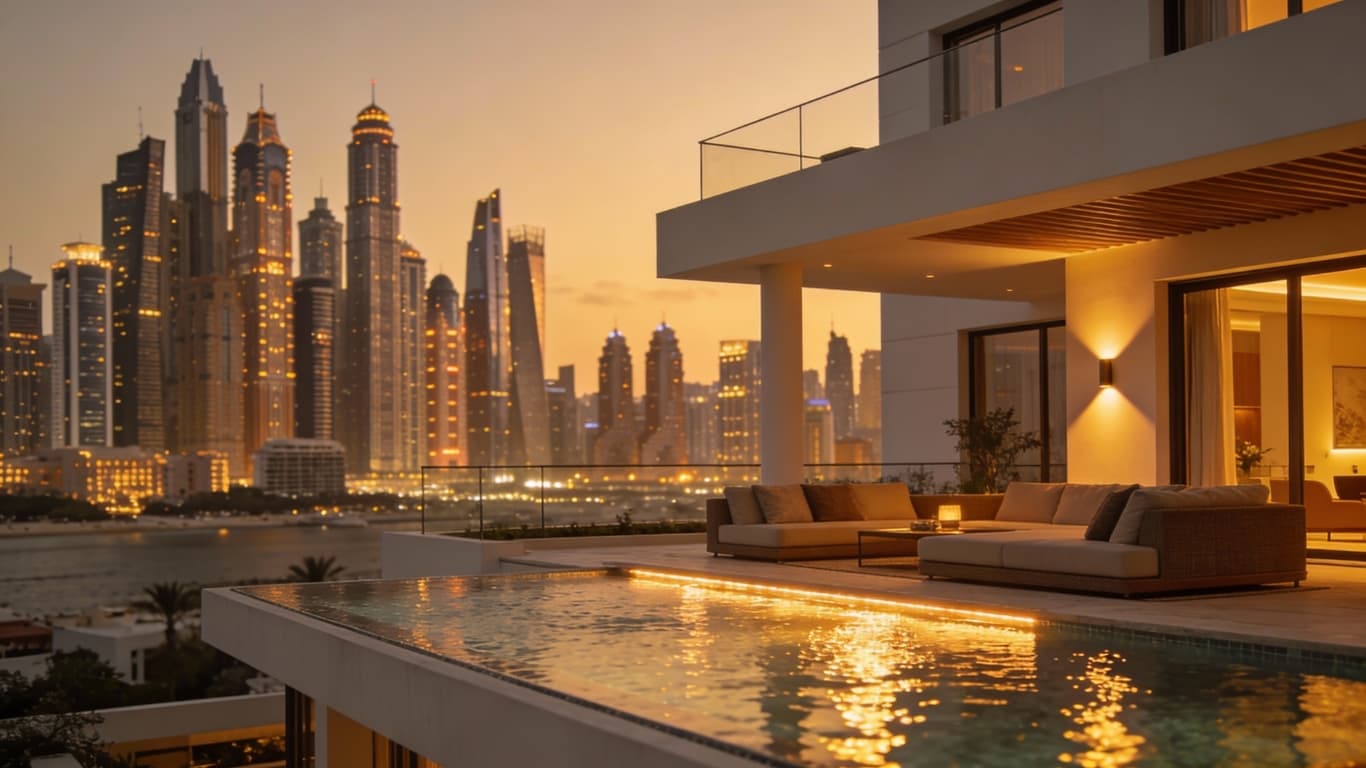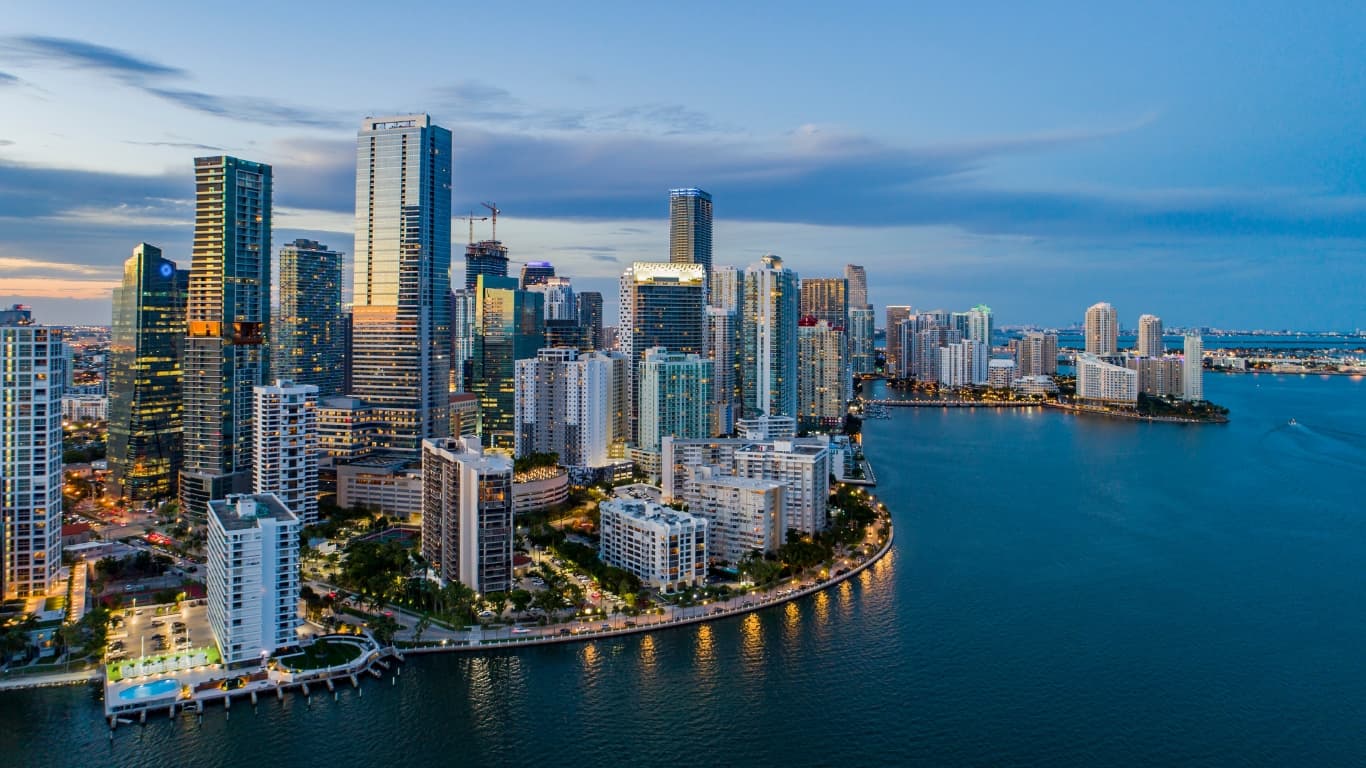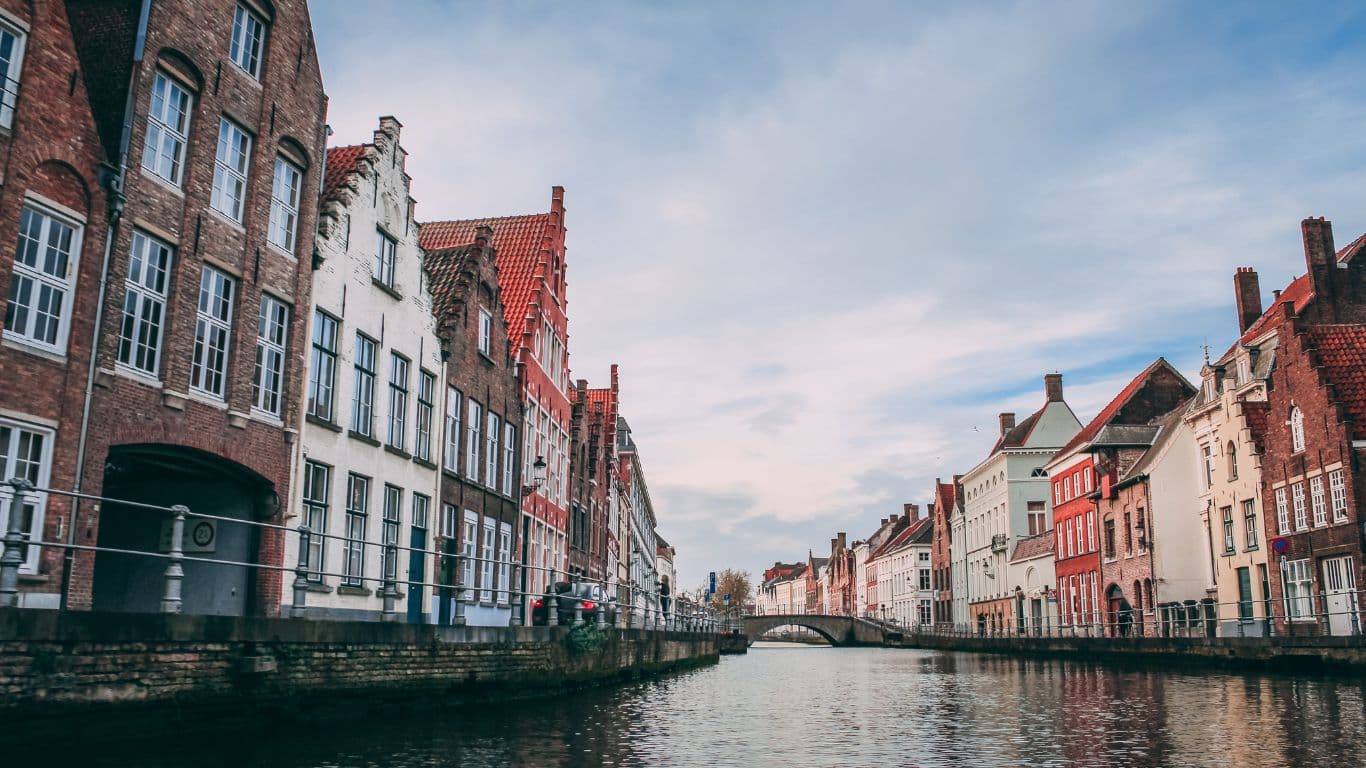
The European prime rental conversation in 2026 sits across multiple cities with very different textures. The detailed yield-and-tax analysis is a YMYL question and lives on the wealth pages. The lifestyle reading is the question of which neighbourhoods retain owner-occupier character, where the architectural texture has held and which cities feel best to actually live in.
Below, our cut of the European cities and second-home destinations doing the most interesting work in 2026. Each city reads as an architectural and cultural proposition rather than a financial-performance comparison. Knight Frank's European Wealth Report, Mansion Global's continuing European coverage and the senior pan-European brokerage networks (Engel & Völkers, Christie's International Real Estate, Sotheby's International Realty, Knight Frank Private Office) all reinforce a consistent reading.
- The best European rental property markets in 2026 span selected Iberian, Greek, Eastern European and German secondary cities offering attractive yield combinations.
- We see Lisbon, Porto, Athens, Thessaloniki and Warsaw as the more consistent yield performers in the European context, with steady tenant demand and reasonable acquisition pricing.
- Knight Frank European Cities reports place these secondary capitals at attractive yield tiers, with the gap to the major prime capitals reflecting different acquisition economics.
- Short-term rental regulatory frameworks have tightened across many major European destinations, with the licensing landscape shaping yield outcomes in pressured tourist neighbourhoods.
- Currency dynamics, capital control variation and rental control frameworks all factor into the cross-market yield comparisons in ways that deserve explicit modelling.
- For most considered European rental investors we view market selection as requiring local diligence on tenant law, tax frameworks and short-term licensing constraints.
- Who is this for?
- European buy-to-let-focused investors tracking yield opportunities, alongside the advisers, brokers and property managers framing cross-border allocation decisions.
- What is happening?
- A read of the best rental real estate markets in Europe in 2026, covering Lisbon, Porto, Athens, Thessaloniki, Warsaw and the broader yield-focused secondary cities.
- When did this emerge?
- The article reflects 2026 market conditions through Knight Frank European Cities, INE, ELSTAT and our observations across the major European rental markets.
- Where is this happening?
- The piece covers a cross-section of European secondary capitals, including Lisbon, Porto, Athens, Thessaloniki, Warsaw and selected German cities.
- Why does it matter?
- Cross-market yield analysis requires explicit consideration of local frameworks, which is why upfront diligence pays back across European buy-to-let allocation decisions.
Lisbon and the post-Golden Visa prime
Lisbon's prime through Príncipe Real, Lapa, Estrela, Chiado and Santos has absorbed a generation of international owners over the past decade. The city offers a Mediterranean climate, a mature culinary and gallery scene and a regulatory framework that, despite the Golden Visa restructuring in 2023, remains tractable for owners. The threshold revisions removed real-estate as a qualifying instrument but left the wider residency framework intact.
Architects working in the city include Aires Mateus, Joana Astolfi, the Souto de Moura restoration desk and the various Pritzker-recognised Portuguese practices. They have reset the dialogue between the eighteenth-century azulejo-tiled facades and contemporary interior architecture.
Owners landing on Lisbon prime in 2026 are typically buying a primary or dual-base residence rather than a yield-oriented holding, and the regulatory shift toward owner-occupier-prioritising frameworks has reinforced this.
Dublin and the Georgian core
Dublin's prime through Ballsbridge, Donnybrook, Dalkey, Killiney and the Georgian streets of the city centre (Merrion Square, Fitzwilliam Square) holds character that is harder to find anywhere else in Western Europe. The Georgian terraces, with their characteristic doors and proportions, remain finite.
The broader Georgian Dublin, developed under the Wide Streets Commissioners' nineteenth-century planning programme, constitutes one of the most complete Georgian-architectural ensembles surviving in Europe.
Knight Frank's 2025 Dublin dispatch tracked record demand for restored Ballsbridge family homes. Sotheby's International Realty's Dublin desk reported off-market clearance times running at well under three months for the upper tier through 2024 and into 2025. The architectural texture has stayed coherent through multiple market cycles.
Berlin and the Wilhelmine-era prime
Berlin's prime is concentrated in Charlottenburg, the streets around the Tiergarten, parts of Mitte and the Wannsee lakefront band. The city has matured from the early-2010s frontier-prime conversation into something institutionally deeper. Mansion Global's 2025 Berlin dispatch noted record international demand for restored Wilhelmine-era apartment blocks, particularly in Charlottenburg and Schöneberg.
The architectural texture is high-ceilinged, parquet-floored and stuccoed. It is a different proposition from London or Paris and has its own appeal. The contemporary architectural commissioning, including the work of David Chipperfield, Sauerbruch Hutton, Graft Architekten and the broader cohort of Berlin-based studios, has supported the prime conversation across the past decade.
Athens, the Greek islands and Costa Navarino
Athens's Riviera (Glyfada, Vouliagmeni, Lagonisi), the Cyclades trophy islands (Mykonos, Paros, Antiparos, Tinos) and Costa Navarino on the Peloponnesian coast are the Greek prime addresses doing the most interesting work in 2026. Branded residences anchor the upper tier: Four Seasons Astir Palace, Mandarin Oriental Costa Navarino, the Aman Karpathos pipeline, the Aman Zoë in Porto Heli.
The buyer field skews toward owner-occupiers and second-home owners rather than yield-oriented holders, which has been good for the architectural texture. The Greek tax framework (the 7-percent flat tax for new tax residents, the non-dom regime) has reshaped the buyer demographic over the past three years. Knight Frank's 2025 Greek market dispatch flagged the Athenian Riviera as the most-asked-about new entrant in the European prime conversation.
Madrid and the Salamanca breakout
Madrid's Salamanca district has been the breakout European prime story of the past three years. Knight Frank's 2025 figures put it among Europe's top three for capital growth. The buyer field is heavily Latin American, with Mexican, Colombian, Venezuelan and Argentine families joined by meaningful US and European secondary demand.
The architectural texture is Belle Époque and early-twentieth-century Beaux-Arts apartment blocks, restored by practices like Lucas y Hernández-Gil and Bonell Studio. The broader Madrid prime expansion through Chamberí, the streets around the Castellana corridor and Recoletos extends the prime conversation across multiple districts. Mansion Global's Madrid coverage has tracked the structural emergence in detail.
Vienna, Prague and the Central European prime
Vienna's first district, Hietzing and the streets around the Belvedere hold a tightly-held prime market with strong owner-occupier character.
The Habsburg-era apartment blocks (the Beletage layouts characteristic of nineteenth-century Vienna prime residential), the considered planning framework that has protected the historic centre and the broader cultural infrastructure (the State Opera, the Burgtheater, the Albertina, the broader museum and concert-hall cluster) all support the structural prime register.
Prague's Malá Strana, Vinohrady and Smíchov districts have absorbed serious international demand in the past five years. Both cities offer architectural texture that goes deep: Habsburg-era apartment blocks, baroque and rococo details and a planning framework that has protected the historic centre. The Vinohrady restoration market specifically has been one of the more consequential Central European prime stories of recent years.
Copenhagen, Stockholm and the Scandinavian quiet prime
Scandinavian prime is a quieter conversation but a real one. Copenhagen's Frederiksstaden and Hellerup neighbourhoods, alongside Stockholm's Östermalm and Djurgården, hold character that has held through a century of cycles. Buyers who land on Scandinavian prime are typically owner-occupiers, since the rental-yield-oriented buyer profile is thin in these markets by both regulation and culture.
The Danish and Swedish private-banking sectors (Nordea, SEB, Handelsbanken and the various Scandinavian wealth-management arms) anchor the structural buyer base. The architectural conversation through the work of BIG (Bjarke Ingels Group), Snøhetta, Henning Larsen Architects and the broader Scandinavian-modernist tradition supports the prime register. Cushman & Wakefield's Nordic desk reported record international interest in Copenhagen prime through 2024-2025.
Italian regional prime and the Milan-and-Tuscany axis
Milan's Brera and Quadrilatero, Florence's Oltrarno, Venice's residential quarters away from the tourism axis and the Tuscan countryside (the Val d'Orcia, the Chianti, the Maremma) hold the Italian prime conversation. The architectural texture is the deepest of any European market. Italian restoration architects work fluently with Renaissance, baroque and rationalist vocabularies, and the planning rules have protected the regional character.
Milan's contemporary commissioning includes the work of Stefano Boeri Architetti, Antonio Citterio Patricia Viel, Park Associati and the various studios active across the city. This has extended the prime conversation across multiple districts. The Brera and Quadrilatero district transactions through 2025 cleared at record per-square-meter pricing for Italian prime apartment stock.
Paris and the Haussmann continuity
Paris's 7th arrondissement (the streets around the Champ-de-Mars, the Faubourg Saint-Germain), the 6th (Saint-Germain-des-Prés, the streets around the Luxembourg Gardens) and the 16th (Passy, Auteuil, Trocadéro) hold the structural Paris prime conversation. The Haussmann-era apartment blocks, the protected planning framework that has anchored the city's prime residential continuity and the broader cultural infrastructure (the Louvre, Musée d'Orsay, Centre Pompidou, the broader museum and gallery cluster) all support the prime register.
The contemporary architectural conversation through Joseph Dirand's interior commissions, Studio KO's Parisian work and the various design ateliers operating across the prime arrondissements sustains the contemporary side of the prime story. Daniel Féau and Barnes International dominate the off-market book at the upper tier.
What this means for buyers
The European prime cities that hold for owner-occupied or dual-base buyers tend to share three things: a depth of architectural texture, a planning regime that has protected the character and an estate-agency layer with decades of off-market relationships. The yield-oriented conversation is real but separate, and lives more comfortably on the wealth pages.
For buyers landing on European prime in 2026, the question worth asking is which architectural and cultural register matches how the owner wants to live.
The texture of the choice (Lisbon's azulejo facades, Berlin's stuccoed apartment ceilings, Madrid's Belle Époque ironwork, Vienna's parquet floors, the Italian Renaissance proportions, the Haussmann-era Parisian volumes) is what makes the decision durable. The numbers are downstream. We last reviewed this analysis in May 2026.


Savvas Agathangelou
Savvas Agathangelou co-founded The Luxury Playbook and has spent years reporting from the prime postcodes the magazine covers — Mayfair, Knightsbridge, the Athens Riviera, Dubai's Palm crescents, and the southern Mediterranean coastlines where the world's wealthy keep coming back. His background is in international hospitality, and that frame shapes how he writes about property: the developer's choices, the architect's signature, the agency's bench of named brokers, the building's service standard once the buyer moves in. He files developer spotlights, agency profiles, and the seasonal "Properties That Defined" listicles, and he hosts the magazine's founder-and-leadership interviews on the Voices side.