Malbec has gone from background player to global headliner across just three decades. A grape born in the Old World, historically used as a blending component in Bordeaux, was reinvented in the high-altitude deserts of Mendoza, Argentina, into one of the most distinctive single-varietal reds in production. Today it commands serious vineyard real estate, sustained export demand, and a small but dedicated collector following at the top of the market.
- Malbec moved from background Bordeaux blender to global headliner in three decades, anchored almost entirely by Mendoza Argentina.
- Cahors in southwest France remains the structural ancestral home, with Chateau Lagrezette and a handful of named domaines leading the European collectibility tier.
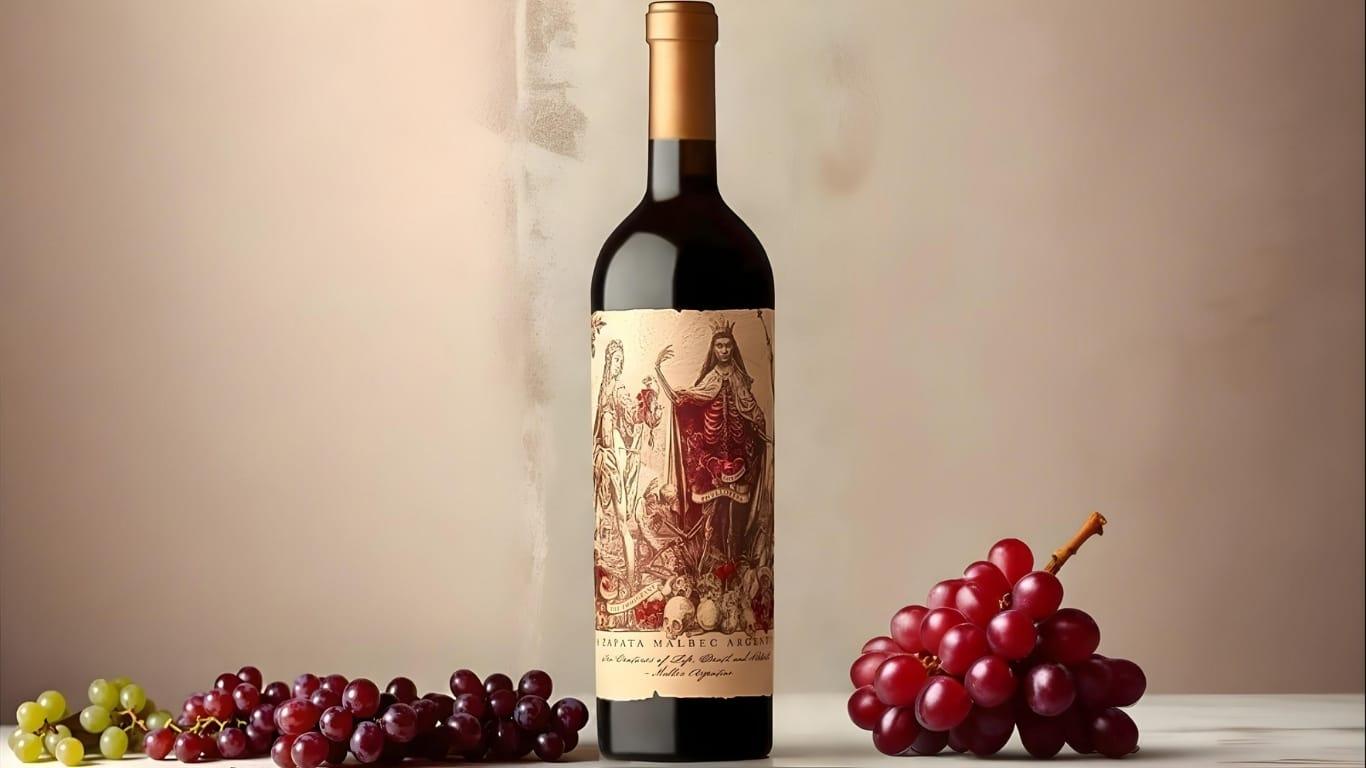
- The Catena, Achaval-Ferrer, and Vina Cobos apex tier sets the Argentine collectible reference, with Bodega Catena Zapata Adrianna Vineyard the standout.
- High-altitude Uco Valley sites have rewritten the structural assumptions about what Malbec can do across long-haul cellaring.
- Critic-driven momentum from Robert Parker and James Suckling reshaped the global perception faster than almost any other varietal in collecting history.
- For collectors the case rests heavily on a small cluster of named producers, not the variety itself.
- Who is this for?
- Cellar builders considering a New World position outside Napa, and Bordeaux-weighted collectors curious about where Malbec earns a slot.
- What is happening?
- We trace Malbec from Cahors blending grape to Mendoza apex producer, with the structural case for collecting it as a serious cellar position.
- When did this emerge?
- The piece reads the contemporary market through the post-2015 Argentine premium tier and the recent critical re-evaluation of Cahors.
- Where is this happening?
- Mendoza, the Uco Valley, and the high-altitude Argentine sites, plus Cahors and the small Bordeaux Malbec presence that remains.
- Why does it matter?
- Malbec is one of the few cases where collectible status was rebuilt almost from scratch through producer-led work, and that history matters when sizing the position.
This is our field guide for collectors thinking about Malbec the way the serious producers do. Wine Spectator, Decanter, and James Suckling have all spent the past decade rebuilding the Argentine fine-wine map around the variety, and the secondary market is starting to catch up. The bottles worth knowing about, and the regions producing them, are worth setting out plainly.
What Malbec actually is
Malbec is a thick-skinned, dark-hued grape varietal producing wines known for depth, richness, and velvety tannic structure. The varietal originated in southwest France, specifically in Cahors, where it is still known as Côt or Auxerrois, and made its global mark only after being recontextualised in Mendoza. What emerged was not a copy of French tradition; it was a different wine altogether, defined by altitude-driven freshness, polished tannins, and the kind of aromatic intensity that came from the unique combination of high-elevation vineyards, poor soils, abundant sunlight and minimal rainfall.
In stylistic terms, Malbec delivers full-bodied density, often marked by plum, blackberry, cocoa, violet and spice. The acidity, particularly in high-elevation vineyards, lends structure that supports both ageing and immediate approachability. Unlike Bordeaux reds, which often require blending, modern Malbec stands confidently on its own.
Oak integration, micro-vinification and single-parcel bottlings have elevated the varietal from a value red into a serious flagship offering at the top of the Argentine and French categories. Vinous has tracked that shift in detail through its Argentine vintage reports.
The history, briefly
Malbec's history is one of reinvention. In Bordeaux, its performance was inconsistent, prone to rot and frost, and gradually phased out across the twentieth century in favour of more resilient varietals. In Cahors, the grape was bottled solo as a dark, rustic red known as the "Black Wine" for its inky concentration, but remained a regional curiosity for most of its history.
The pivot came in 1853, when French agronomist Michel Aimé Pouget introduced the varietal to Mendoza. It wasn't until the 1990s that Argentine winemakers began to realise its full potential. At elevations between 3,000 and 5,000 feet above sea level, Malbec began showing what it never could in France: vibrant acidity, complex aromatics, age-worthy tannin integration.
Between 2005 and 2020, Malbec exports from Argentina increased over 400%, reaching more than 120 countries. Producers like Catena Zapata, Bodega Noemia and Achaval Ferrer elevated the wine beyond value status, releasing small-production bottlings that received high critic scores from Wine Spectator, James Suckling, and the Wine Advocate, and began appearing on high-end wine lists and at Acker, Zachys and Sotheby's Wine auctions.
Cahors quietly experienced its own revival in parallel. Modern French producers like Château du Cèdre and Fabien Jouves began leaning into single-vineyard expressions and biodynamic farming, offering a more restrained, age-worthy interpretation of the grape that has built its own collector following.
The regions that matter for collectors
Mendoza, Argentina. The epicentre of Malbec's global renaissance. High-altitude vineyards in Luján de Cuyo, Uco Valley and Tupungato sit between 2,800 and 5,000 feet, producing wines with lifted acidity, structured tannins and remarkable ageing potential.
Flagship producers Catena Zapata, Achaval Ferrer and Bodega Noemia routinely receive scores above 95 points from global critics, with top cuvées trading between $250 and $600 on release. Decanter has carried Catena's flagship Adrianna Vineyard wines in its top 100 multiple times.
Cahors, France. Often overshadowed by its Argentine counterpart, Cahors is the varietal's birthplace. Here, Malbec is structured, mineral and firm, with notable earth, spice and black plum character.
Leading estates Château du Cèdre and Château Lagrezette are seeing renewed collector interest, particularly among Old World traditionalists. Price points remain accessible, typically $25 to $75, though select back vintages have appreciated meaningfully on the secondary market at Berry Bros & Rudd and Bordeaux Index.
Salta, Argentina. The country's far northwest, with some of the highest vineyards in the world, including plantings over 10,000 feet above sea level. Producers like Colomé and El Porvenir lead this region's export growth.
Top-tier bottlings range from $50 to $150 and command growing interest from sommeliers and collectors looking for regional differentiation. Wine Spectator's Argentina report has flagged Salta as the most distinctive new-vintage source in the country.
Patagonia, Argentina. The cool-climate profile gives Malbec a more refined, aromatic structure: violet, graphite, blueberry, balanced by moderate alcohol and crisp acidity. Bodega Chacra and Humberto Canale produce age-worthy Malbecs that diverge stylistically from Mendoza's intensity.
California. Malbec remains an underdog varietal in California, but Paso Robles and Napa Valley have produced compelling results. Boutique wineries like Blackbird Vineyards and Shafer Vineyards offer small-lot, single-varietal bottlings in the $60 to $150 range, with limited allocations driving secondary-market premiums.
Tasting profile and ageing window
Young Malbec is aromatic and expressive, with violets, liquorice, and dark chocolate on the nose. In warm, high-altitude regions like Mendoza and Salta, the wine shows ripe blackberry, plum and blueberry, with secondary notes of cocoa, tobacco, vanilla and clove from oak ageing. Alcohol typically sits between 14.
5% and 15. 5%, with a full, plush mouthfeel.
Cooler-climate Malbec from Patagonia and Cahors leans toward redder fruit (cranberry, pomegranate, redcurrant) alongside graphite, dried herbs and floral notes like violet. The structure is more linear acidity, firmer tannins and a more savoury ageing trajectory.
Premium single-vineyard bottlings can comfortably age 10 to 25 years, with peak drinking often falling between 8 and 15 years post-vintage. With time, the bouquet deepens into earthier tertiary aromas: leather, dried fig, forest floor, cigar box. Texturally, the wine is medium to full-bodied with moderate to high tannins and balanced acidity that supports both early drinking and long cellaring.
Cellaring and condition
Premium Malbec deserves the same cellar conditions as any serious wine. The targets are 12-14°C temperature, 70% humidity, dark storage away from vibration, and bottles laid on their sides so corks stay moist and oxidation is avoided. For collectors holding more than a case or two of premium examples, professional bonded warehouse storage offers documented provenance that auction houses and private buyers expect when bottles eventually change hands.
Liv-ex's broader Fine Wine 1000 has begun including isolated Catena Adrianna Vineyard releases, a useful signal that the secondary market is starting to give the top Mendoza Malbecs the documented price history serious collectors rely on.
Where Malbec sits in 2026
The varietal occupies an unusual position in the fine wine conversation. At one end, accessible Argentine bottlings between $10 and $25 dominate retail shelves and have built genuine consumer loyalty. At the other end, the iconic single-vineyard releases from Catena Zapata, Achaval Ferrer and the top Cahors estates trade in territory that competes directly with prestige labels from Tuscany, Ribera del Duero and Stellenbosch.
Few varietals span that range as confidently. The Wine Advocate's annual Argentine vintage report routinely names Mendoza single-vineyard Malbec among the best-value high-score categories in fine wine.
What collectors are watching most closely is the continued evolution of the high-altitude Argentine sites, particularly Salta and the upper reaches of Uco Valley, where the next generation of single-parcel bottlings is being made. Decanter's recent coverage of the Mendoza wine market has framed this as one of the more interesting structural shifts in the New World wine map.
What this means for collectors
The grape's dual heritage of Old World austerity from Cahors and New World exuberance from Argentina gives it a cross-market appeal that few single varietals can claim. The top tier is small, well-documented, and trades with the kind of slow-moving conviction that suits a cellar built for the next twenty years.
For collectors thinking about how to add a serious South American position alongside Bordeaux and Burgundy, the top Mendoza and Salta Malbecs are the easiest entry point on offer. We last reviewed this analysis in May 2026.