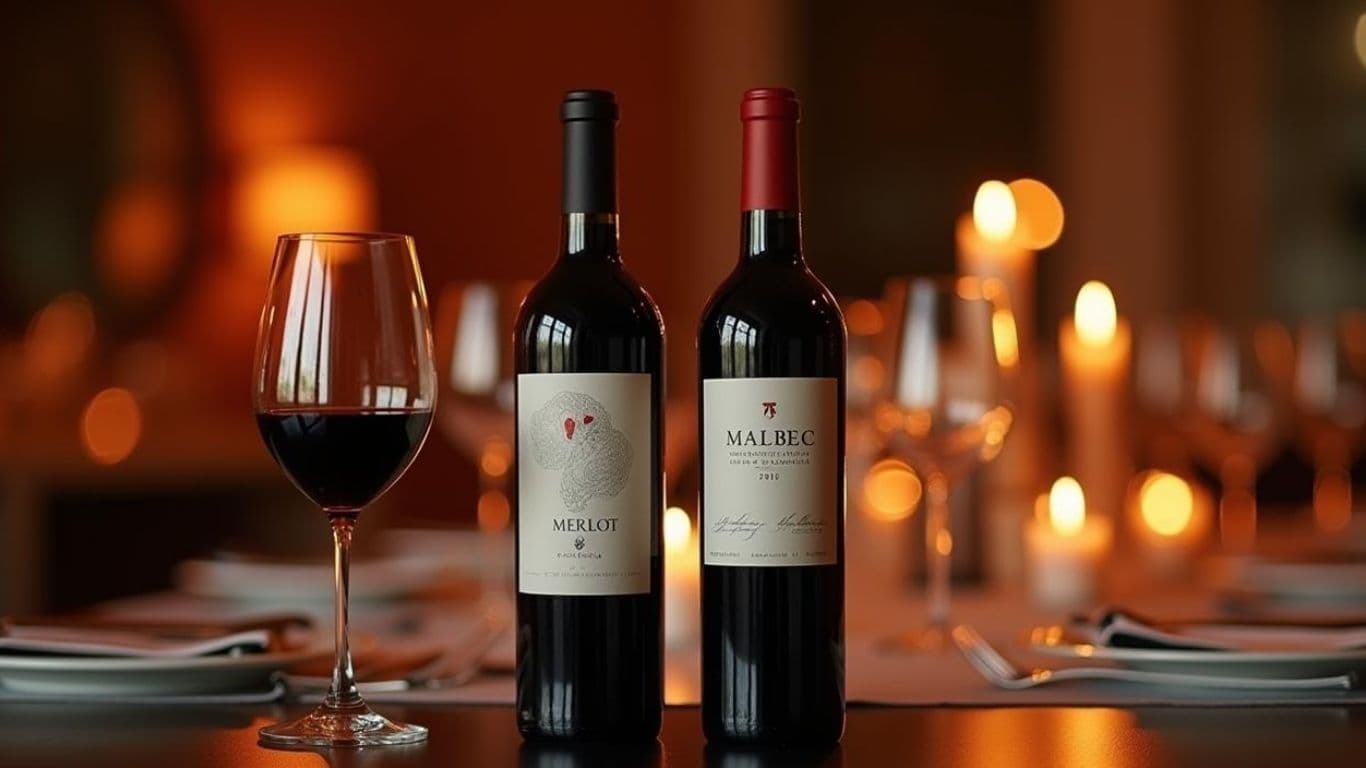
If you’re thinking about wine investments in 2026, both Malbec and Merlot deserve a serious look. These two red wines share a boldness that makes them easy to love, but they differ widely in character, regional identity, and how they behave in the market.
Whether you’re a passionate collector or a calculated investor, knowing exactly where these two varietals diverge is what separates a smart buy from a missed opportunity.
Malbec is most at home in the high-altitude vineyards of Argentina, where the thin mountain air produces grapes with an intense, fruit-forward richness and tannins so smooth they almost melt.
Merlot, by contrast, is a creature of Bordeaux. Elegant, soft, and approachable across a wide range of palates, it carries centuries of winemaking prestige in every bottle.
Those differences go far beyond taste. They shape average pricing, global demand, and the kind of historical returns you can realistically expect from each.
This article breaks down everything you need to know about Malbec vs Merlot, from their growing regions and grape characteristics to pricing trends and investment potential.
By the time you finish reading, you’ll have a clear picture of which wine fits your investment strategy and why both could earn a place in a well-balanced portfolio.
Table of Contents
Malbec vs Merlot: Regions & Origins
To really understand what makes Malbec and Merlot tick as investments, you need to start where every great wine begins: the ground it grows in.
Both varietals have deep roots and flourish in very specific climates, and those conditions shape everything from flavor and production costs to long-term market appeal.
Malbec Regions & Origins
Malbec actually comes from southwest France, specifically the Cahors region, where it has been grown for centuries.
But Argentina is where the grape truly found its fame. Today, Argentina accounts for over 75% of the world’s Malbec production, and that share keeps climbing.
The high-altitude vineyards of Mendoza, especially in Luján de Cuyo and Uco Valley, produce Malbecs known for their intense fruit and beautifully smooth tannins. The altitude is everything here, pushing the grape to its absolute best.
Key regions for Malbec worth knowing as an investor
- Argentina: The leading producer, offering a wide range of styles from affordable wines to high-end investment-grade bottles. Mendoza, Salta, and Patagonia are prominent wine-producing areas.
- France: Cahors produces darker, more tannic Malbecs, often referred to as “black wine” due to their deep color.
- United States: California and Washington State are emerging as new hubs for premium Malbec production.
- Australia: Produces fruit-forward Malbecs, primarily in regions like Clare Valley.
Merlot Regions & Origins
Merlot traces its lineage back to Bordeaux, France, where it anchors some of the world’s most celebrated blends, particularly on the Right Bank in Pomerol and Saint-Émilion.
Beyond France, you’ll find Merlot growing across the globe, from Napa Valley to Tuscany, prized everywhere for its adaptability and broad consumer appeal.
Key regions for Merlot that matter in the investment conversation
- France: Bordeaux remains the benchmark for Merlot production, with Château Pétrus in Pomerol being one of the most famous Merlot-dominant wines globally.
- United States: California, particularly Napa Valley and Sonoma, produces rich, full-bodied Merlots with ripe fruit flavors.
- Italy: Merlot plays a significant role in Tuscany’s Super Tuscan blends, contributing softness and balance.
- Chile: Known for producing value-driven, high-quality Merlot with bold fruit characteristics.
Comparative Analysis
- Climate Influence: Malbec thrives in high-altitude vineyards with warm days and cool nights, such as those in Mendoza, which enhance its concentrated flavors and acidity. Merlot prefers moderate climates like Bordeaux and parts of California, where it develops its signature softness and complexity.
- Global Reach: While Malbec is heavily concentrated in Argentina, Merlot has a broader geographic footprint, making it more recognizable and accessible worldwide.
- Historical Prestige: Merlot’s reputation is bolstered by its role in Bordeaux blends, particularly in iconic Right Bank wines. In contrast, Malbec’s rise to fame is more recent, driven largely by Argentina’s export success.
From a pure investment standpoint, Merlot brings historical prestige and a commanding presence in the world’s most liquid luxury wine markets, starting with Bordeaux.
Malbec, on the other hand, is where the growth story lives. Demand has accelerated sharply, especially for high-end Argentine bottles targeting collectors who want something bold and terroir-driven.
Each varietal opens a different door for investors. The one you walk through depends on whether you’re chasing blue-chip stability or early-mover upside.

Malbec vs Merlot: Grape Characteristics
The physical characteristics of the Malbec and Merlot grapes are what make each wine taste and feel the way it does. And for investors, those traits directly affect how a wine ages, how it’s made, and ultimately how much it’s worth over time.
Malbec Grape Characteristics
- Color and Thickness: Malbec grapes have dark purple, almost black skins that contribute to the wine’s deep, inky color. The thick skins also impart bold tannins and concentrated flavors.
- Size: Malbec berries are medium-sized and grow in loose clusters, allowing better airflow, which helps prevent rot in humid climates.
- Acidity and Sugar Levels: Grown in high-altitude regions like Mendoza, Malbec grapes achieve high acidity levels, balancing their natural richness and enhancing aging potential.
- Yield: Malbec vines produce moderate yields, with controlled production resulting in higher-quality wines.
Merlot Grape Characteristics
- Color and Thickness: Merlot grapes have thinner skins compared to Malbec, resulting in wines with softer tannins and a lighter ruby hue.
- Size: Merlot berries are larger than Malbec and grow in tighter clusters, which can make them more susceptible to diseases in wet climates.
- Acidity and Sugar Levels: Merlot has medium acidity and a higher natural sugar content, which contributes to its smooth, fruity flavor profile and lower tannin levels.
- Yield: Merlot vines are generally high-yielding, making it a reliable choice for large-scale production while still allowing for premium, small-batch wines.
Key Differences
- Tannin Levels: Malbec is more tannic due to its thicker skins, giving it a bold structure suitable for aging. Merlot, with its softer tannins, is often described as more approachable, especially for new wine drinkers.
- Ripening Time: Malbec ripens later, requiring warm conditions to reach full maturity, while Merlot ripens earlier and thrives in moderate climates.
- Versatility: Merlot is often used as a blending grape, particularly in Bordeaux wines, due to its ability to soften and balance more robust varietals like Cabernet Sauvignon. Malbec is typically bottled as a single varietal, showcasing its unique qualities.
From an investment angle, Malbec’s bold structure and firm acidity make it a standout candidate for aging, especially when you’re looking at premium Argentine bottles from top producers.
That structure is exactly what collectors want. As the wine evolves in the cellar, complexity builds, and so does the price.
Merlot brings something different to the table. Its global reputation and extraordinary versatility, especially in Bordeaux blends, put it at the center of some of the most prestigious and collectible wines on earth. Dig deeper into what makes Merlot a genuine investment-grade wine before you commit capital.
Malbec vs Merlot: Taste & Alcohol
Taste and alcohol content might seem like purely sensory details, but they matter enormously when you’re thinking about investment potential.
Both wines deliver richness and complexity, but they speak to very different drinkers, and understanding those preferences tells you a lot about where demand is heading.
Malbec: Taste & Alcohol
- Flavor Profile: Malbec is known for its bold, robust flavors. Common tasting notes include blackberry, plum, black cherry, cocoa, leather, and hints of smoke or spice. The influence of oak aging often adds layers of vanilla and chocolate. Wines from higher-altitude vineyards, like those in Mendoza, exhibit enhanced acidity and a touch of minerality.
- Tannins and Acidity: Malbec is medium to full-bodied with moderate to high tannins and balanced acidity, giving it a smooth but structured mouthfeel. This makes it a favorite for pairing with hearty dishes like grilled meats or stews.
- Alcohol Content: Malbec typically ranges from 13.5% to 15% ABV, with warmer climates, such as Argentina, producing wines with higher alcohol levels.
Merlot: Taste & Alcohol
- Flavor Profile: Merlot is celebrated for its softness and elegance, offering flavors of red fruits like raspberry, cherry, and plum, along with secondary notes of herbs, chocolate, and vanilla. French Merlots, especially those from Bordeaux, lean towards earthy and savory tones, while New World Merlots, like those from California, emphasize ripe, fruity notes.
- Tannins and Acidity: Merlot has lower tannins and a silkier texture compared to Malbec. Its medium acidity and smooth finish make it approachable for new wine enthusiasts.
- Alcohol Content: Merlot’s alcohol content is slightly lower than Malbec, typically ranging from 13% to 14.5% ABV, depending on the region and climate.
Key Differences in Taste
- Intensity: Malbec is bolder and more intense, appealing to those who prefer rich, full-bodied wines. Merlot is lighter and smoother, catering to a broader audience.
- Pairing Flexibility: While both wines pair well with red meats, Malbec’s tannic structure makes it ideal for grilled or smoky flavors. Merlot’s softness complements a wider variety of dishes, including pasta, chicken, and vegetarian options.
- Terroir Influence: Malbec’s flavors are heavily influenced by altitude, with higher elevations producing more complex wines. Merlot’s profile varies widely depending on its region, with Bordeaux’s earthy elegance contrasting sharply with California’s fruit-forward expressions.
From an investment angle, Malbec’s bold flavors and graceful aging curve make it a strong pick for collectors who want wines that build value over time.
High-altitude Argentine Malbecs from top producers are increasingly showing up on serious collectors’ radar, and the prices reflect that growing appetite. A smart fine wine portfolio strategy can help you decide how much exposure to give each varietal.
Merlot, meanwhile, plays a long and proven game. Its versatility and deep roots in Bordeaux blends keep it at the center of some of the most globally sought-after wines, with Château Pétrus as the most obvious proof point.
Both varietals offer genuine opportunities. The right one for you comes down to your timeline, your risk appetite, and which market trends you believe in.

Malbec vs Merlot: Winemaking Methods
How a wine is made shapes what it becomes. The winemaking techniques behind Malbec and Merlot are tailored to pull the best from each grape, and those choices have a direct impact on aging potential, flavor depth, and collector appeal.
From how the vines are managed in the vineyard to fermentation choices and time spent in oak, every decision reflects the regional style and what consumers expect from each varietal.
Malbec Winemaking Methods
- Harvesting: Malbec is often harvested later in the growing season, especially in high-altitude regions like Mendoza. The extended ripening period allows for optimal sugar development and flavor concentration. Hand-harvesting is common for premium wines to ensure only the highest-quality grapes are used.
- Fermentation: Malbec is typically fermented at slightly cooler temperatures to preserve its vibrant fruit flavors. Stainless steel tanks are widely used for fermentation, although some premium producers employ open-top fermenters to enhance complexity.
- Oak Aging: Oak barrels are a defining aspect of Malbec production. Many high-end Malbecs are aged in French oak for 12 to 24 months, which imparts notes of vanilla, chocolate, and spice while softening the wine’s tannins.
- Blending: Malbec is often bottled as a single varietal, especially in Argentina. In regions like Cahors, France, it may be blended with Tannat or Merlot to add structure or soften its boldness.
- Techniques for High-Altitude Malbecs: Wines from elevated vineyards, such as those in the Uco Valley, focus on balancing ripeness with natural acidity. These wines often feature enhanced minerality and brighter fruit profiles.
Merlot Winemaking Methods
- Harvesting: Merlot is harvested earlier than Malbec, which helps preserve its softer tannins and fresh fruit flavors. Precision harvesting, especially in Bordeaux, ensures optimal ripeness for blending with other varietals.
- Fermentation: Merlot is commonly fermented in stainless steel or concrete tanks to retain its fruit-forward character. Bordeaux winemakers often use traditional open-top fermenters to enhance depth and complexity.
- Oak Aging: Aging in French oak barrels is typical, with durations ranging from 12 to 18 months, depending on the style. Bordeaux Merlots emphasize subtle oak influence, while New World Merlots may feature more pronounced vanilla and spice notes from American oak.
- Blending: Merlot is a key component of Bordeaux blends, often paired with Cabernet Sauvignon, Cabernet Franc, and Petit Verdot. This blending enhances its complexity and aging potential.
- Winemaking Variations by Region: In Bordeaux, Merlot production leans towards elegance and balance, while New World regions like California focus on crafting bold, fruit-driven styles.
Key Differences in Winemaking
- Aging Potential: Malbec’s high tannins and acidity lend themselves to extended oak aging, which enhances its complexity and age-worthiness. Merlot’s softer structure typically requires less aging but can still achieve remarkable depth in Bordeaux blends.
- Blending Practices: Malbec is more commonly bottled as a single varietal, showcasing its bold, concentrated flavors. In contrast, Merlot is frequently blended to complement and soften other grapes, particularly in Bordeaux wines.
- Regional Influence: Malbec winemaking in Argentina emphasizes bold fruit flavors and smooth textures, whereas French Malbecs focus on tannic structure. Similarly, Merlot styles differ between Old World elegance and New World fruitiness.
For investors, winemaking quality is a core value driver. High-end Malbecs aged in French oak, particularly from Argentina’s premier growing zones, have shown strong appreciation on the secondary market over the past decade.
Merlot, especially from Bordeaux’s Right Bank, draws on centuries of blending expertise. That accumulated knowledge and tradition is a big part of why it holds such a firm place in the fine wine investment conversation.
Both varietals offer distinct entry points. Malbec appeals to those who want bold single-varietal wines with upside, while Merlot delivers the kind of historical prestige that seasoned investors find hard to argue with.
Malbec vs Merlot: Appearance, Aromas, and Tasting Notes
The way a wine looks, smells, and tastes is what creates desire, and desire is what drives demand. For investors, these sensory qualities are more than just nice to know.
They define a wine’s identity, influence how critics score it, and play a real role in determining its collector appeal and long-term value.
Appearance
- Malbec: Known for its deep, inky purple color, Malbec often appears nearly opaque in the glass. Its intense hue reflects the grape’s thick skins and high anthocyanin content. Over time, aged Malbecs may develop subtle garnet edges, indicating maturity.
- Merlot: Typically lighter in color compared to Malbec, Merlot features a ruby red hue with hints of garnet in aged examples. The thinner skins of Merlot grapes contribute to its softer, more translucent appearance.
Aromas
- Malbec: The aromatic profile of Malbec is bold and inviting, with dominant notes of blackberry, plum, black cherry, and blueberry. Secondary aromas include hints of cocoa, tobacco, leather, and smoke, especially in wines aged in oak barrels. Malbecs from high-altitude vineyards may also exhibit floral notes like violet.
- Merlot: Merlot offers a softer, more nuanced aromatic profile. Key notes include raspberry, cherry, and red currant, complemented by hints of mocha, chocolate, and herbs. French Merlots often carry earthy undertones of cedar and truffle, while New World Merlots are more fruit-forward.
Tasting Notes
- Malbec: On the palate, Malbec delivers a bold, full-bodied experience with rich fruit flavors and velvety tannins. The high tannin levels provide structure, while balanced acidity ensures a smooth finish. Oak-aged Malbecs feature layers of vanilla, spice, and dark chocolate, making them ideal for pairing with grilled meats or hearty stews.
- Merlot: Merlot’s hallmark is its silky, medium-bodied texture. It offers a smooth, approachable mouthfeel with flavors of red plum, cherry, and blackberry. In Bordeaux blends, Merlot adds softness and balance to more robust grapes like Cabernet Sauvignon, while standalone Merlots often highlight a rich, velvety profile with a touch of chocolate or spice.
Key Differences
- Intensity: Malbec is more intense and concentrated, appealing to those who prefer bold, full-bodied wines. Merlot’s lighter profile makes it accessible to a wider audience, including novice wine drinkers.
- Acidity and Tannins: Malbec’s higher tannins and acidity contribute to its age-worthiness, while Merlot’s smoother tannins and moderate acidity make it drinkable at a younger age.
- Floral vs. Earthy Notes: Malbec often features floral undertones like violet, particularly in wines from Argentina. Merlot, especially French Merlot, leans towards earthy notes like cedar and truffle.
From an investment perspective, Malbec’s bold flavors and aging trajectory make it an excellent choice if you’re building a cellar of wines that evolve and appreciate over time.
High-altitude Malbecs from Argentina are especially prized for their striking floral notes and vibrant acidity, qualities that set them apart from New World competition and attract serious collector interest.
Merlot, on the other hand, earns its investment credentials through versatility and reputation. In Bordeaux, it anchors some of the most sought-after bottles on the planet, with Château Pétrus standing as the most compelling example of what Merlot can achieve at the top of the market.
Both wines speak to different collector segments, which is actually a strength. A diversified approach to either varietal gives you meaningful exposure across distinct demand pools.

Malbec vs Merlot: Storage
Great wine stored badly is money left on the table. Proper storage is essential to protecting the quality, flavor, and resale potential of both Malbec and Merlot.
Each varietal has its own storage requirements, and getting those conditions right is what unlocks the full value of your investment over time.
Storage Requirements for Malbec
- Aging Potential: Malbec is known for its robust tannins and balanced acidity, which make it ideal for aging. Premium Malbecs, particularly those from Argentina’s high-altitude vineyards, can age gracefully for 10–20 years.
- Temperature: Malbec thrives in storage conditions maintained at 55°F (13°C) to prevent flavor degradation.
- Humidity: Ideal humidity levels for storing Malbec are 60–70%, which helps keep the cork moist and prevents oxidation.
- Positioning: Bottles should be stored horizontally to ensure the cork remains in contact with the wine, reducing the risk of air leakage.
- Light and Vibration: Malbec should be stored in a dark, vibration-free environment to preserve its bold fruit flavors and structural integrity.
Storage Requirements for Merlot
- Aging Potential: Merlot’s softer tannins and medium acidity make it suitable for shorter aging periods compared to Malbec. Most Merlots, particularly New World styles, are best consumed within 5–10 years of vintage. However, exceptional Merlots from Bordeaux, such as those from Pomerol, can age for 20–30 years, developing complex secondary and tertiary flavors.
- Temperature: Like Malbec, Merlot should be stored at a consistent temperature of 55°F (13°C) to maintain its freshness and balance.
- Humidity: The recommended humidity for Merlot storage is also 60–70% to protect the cork and prevent oxidation.
- Positioning: Horizontal storage is crucial for long-term aging, ensuring the cork remains hydrated and airtight.
- Light and Vibration: Merlot wines, especially older vintages, are sensitive to light and vibration. A controlled environment, such as a wine cellar, is ideal for preserving their delicate aromas and flavors.
From an investment standpoint, storage quality can make or break a wine’s resale value. Premium Argentine Malbecs with serious aging potential need meticulous, professional-grade cellar conditions to deliver the complexity collectors are willing to pay for.
Merlot’s shorter aging window, particularly for New World styles, actually suits investors looking to move inventory and realize gains faster.
That said, Bordeaux Merlots are a different story entirely. Their extended aging potential demands strict, consistent storage conditions if you want to maximize your return.
Malbec vs Merlot: Pricing
Pricing tells you a lot about where a wine sits in the market and where it might be headed. For Malbec and Merlot, the price ranges are shaped by region, production quality, brand reputation, and the kind of demand each varietal is generating right now.
Understanding those price dynamics is essential whether you’re buying for the cellar, the secondary market, or both.
Malbec Pricing
Malbec has earned a reputation as one of the best value plays in wine, particularly when you look at quality relative to price.
Yes, it’s accessible for everyday drinking. But premium Malbecs have quietly carved out a serious niche in the fine wine market, and collectors worldwide are paying attention.
- Entry-Level Pricing: Affordable Malbecs are widely available, with bottles starting at $10–$20, particularly from regions like Mendoza. These wines offer exceptional value for their bold flavors and versatility.
- Premium Malbecs: High-quality Malbecs, particularly those from top producers in Argentina’s Uco Valley and Luján de Cuyo, range from $50 to $200 per bottle. These wines are often aged in French oak and come from single-vineyard or high-altitude sites.
- Collectible Malbecs: Limited-edition and award-winning Malbecs, such as those from Catena Zapata or Achaval Ferrer, can command prices of $500 or more per bottle. These wines are increasingly sought after in global fine wine markets.
Merlot Pricing
Merlot covers a broader pricing spectrum, which reflects just how widely it’s produced and how differently it performs across categories. From entry-level bottles to ultra-premium Bordeaux, its versatility and reputation as a blending powerhouse strengthen its market position at every price point.
- Entry-Level Pricing: Everyday Merlots, particularly from California and Chile, are accessible, with prices ranging from $10 to $30 per bottle. These wines cater to casual drinkers looking for smooth, fruit-forward options.
- Premium Merlots: High-quality Merlots, such as those from Napa Valley or Tuscany, typically fall within the $50 to $150 range. These wines often showcase greater complexity and aging potential.
- Collectible Merlots: Bordeaux Merlots, especially from the Right Bank regions like Pomerol and Saint-Émilion, dominate the high-end market. Iconic wines such as Château Pétrus can fetch prices exceeding $5,000 per bottle, making them a cornerstone of wine investment portfolios.
Key Differences in Pricing
Malbec generally offers more affordability than Merlot, especially at the premium level. That makes it a compelling entry point for new collectors and investors who want bold, high-quality wines without committing to Bordeaux-level prices.
Merlot, on the other hand, dominates the ultra-luxury end of the market, particularly in Bordeaux, where it anchors some of the most prestigious and expensive bottles produced anywhere on earth.
Merlot’s pricing stays relatively stable thanks to its established prestige. But Malbec has been moving fast, with values climbing sharply over the past decade on the back of rising global demand for premium Argentine wine.
From a pure investment perspective, both varietals bring something real to the table.
Malbec’s rising profile, especially at the premium Argentine level, points to strong growth potential. The combination of affordability and growing collector recognition makes it genuinely appealing for investors who want meaningful upside from an early position.
Bordeaux Merlots, and especially those from the Right Bank, are widely regarded as blue-chip wine investments.
These are the bottles that hold value through market cycles, generate consistent demand, and appreciate reliably over time. For seasoned investors, that kind of predictability is worth paying for.
Understanding the pricing dynamics of both varietals lets you build a portfolio that balances growth potential with proven stability.
Malbec vs Merlot: Historical ROI
Past returns don’t guarantee future performance, but in fine wine, history matters. The track records of Malbec and Merlot tell you a lot about the kind of investor each varietal suits best.
Both have delivered strong performance in their respective niches, but the drivers behind those returns are quite different, shaped by regional reputation, global demand, and where each wine sits in its own growth cycle.
Malbec’s rise as an investment-grade wine is a relatively recent story, powered by the global breakthrough of Argentine fine wine over the past two decades.
Premium Malbecs from Mendoza have seen real, meaningful value appreciation across that period, and the trajectory is still pointing upward.
In the early 2000s, Malbec was mostly seen as a great-value everyday wine. But as producers like Catena Zapata and Achaval Ferrer started releasing premium, age-worthy bottles, the fine wine world took notice and the prices followed. Wine Spectator has tracked this shift closely, documenting how Argentine Malbec moved from bargain find to collector trophy.
Limited-edition Malbecs, particularly those sourced from high-altitude vineyards, have posted annual growth rates of 8 to 12%, outperforming many other New World wines by a wide margin.
Wines from Argentina’s Uco Valley and Luján de Cuyo are especially notable for their consistent appreciation. Bottles that were priced around $50 to $100 in the 2010s are now fetching $300 or more at auction.
The accelerating demand for terroir-driven, high-altitude wines has firmly positioned premium Malbec as a long-term investment worth taking seriously.
Merlot has been a cornerstone of fine wine investment for decades, anchored by its dominance in Bordeaux’s Right Bank and its role in producing some of the most prestigious bottles ever made.
Unlike Malbec, Merlot carries a well-established secondary market track record, with consistent and sometimes exponential returns at the top end of the price range.
Iconic wines like Château Pétrus and Le Pin, both predominantly Merlot, have posted annual ROI of 10 to 15% over the past three decades. These are wines that collectors fight over at auction, with prices regularly crossing the $5,000 to $10,000 per bottle threshold.
These wines are highly sought after by collectors, and auction results have repeatedly broken records across the world’s major sale rooms.
Even mid-range Bordeaux from Saint-Émilion and Pomerol has delivered steady value growth, with entry-level bottles appreciating at 5 to 8% annually on a consistent basis.
Outside Bordeaux, Merlot-based wines from Napa Valley and Tuscany have also performed well from an investment standpoint.
California’s premium Merlots, including those from Duckhorn Vineyards, have seen growing demand fueled by the global appetite for bold, fruit-forward wines that age beautifully.
Similarly, Tuscany’s Super Tuscans, many of which lean heavily on Merlot, have achieved strong returns thanks to their cult status among serious collectors worldwide.
Malbec’s ROI story is about momentum and early-mover advantage. Its growth rates are impressive, especially for premium Argentine bottles, but it’s still a relatively new player in the fine wine investment space. Emerging wine markets like India are increasingly driving demand for accessible yet investment-grade varietals like Malbec.
Merlot, by contrast, plays the long game with confidence. Its established reputation and consistent performance, especially in Bordeaux where it underpins some of the world’s most collectible wines, make it the safer bet for investors who want reliability alongside returns.
Which Is Better for Investment: Malbec vs Merlot?
Choosing between Malbec and Merlot as an investment in 2026 isn’t a simple question with one right answer. Both varietals bring real advantages, and the best choice for you depends on your goals, your risk tolerance, and what you expect the market to do.
Here’s how the two stack up when you put investment potential front and center.
Malbec has established itself as an emerging powerhouse in the fine wine investment world.
Argentina’s relentless focus on quality, especially in Mendoza’s Uco Valley, has transformed Malbec from a value-category staple into a wine that serious collectors are building portfolios around. Liv-ex market data has tracked the steady migration of premium Argentine bottles into fine wine trading platforms, a sign that institutional interest is growing.
- Affordability: Malbec is more accessible, with premium bottles starting at $50–$200, compared to the often higher entry price points for investment-grade Merlot.
- Rising Demand: Global recognition of Argentine wines has fueled increasing demand, particularly in emerging markets. Limited-production Malbecs, especially those aged in French oak and sourced from high-altitude vineyards, are becoming highly collectible.
- Market Growth: Malbec’s relatively recent rise means there is still untapped potential. Investors looking for long-term growth opportunities may find Malbec appealing, particularly as top producers continue to gain prestige.
- Strong ROI Trends: With annual growth rates of 8–12% for premium bottles, Malbec offers strong upside potential for those entering the market now.
Merlot, on the other hand, sits at the heart of fine wine investment in a way that few other grapes can claim. Its prominence in Bordeaux’s Right Bank and its role in producing iconic wines like Château Pétrus give it a track record and a collector base that Malbec is still building toward.
- Proven Track Record: Merlot has a long-established history of delivering consistent ROI, particularly for Bordeaux wines, which have achieved annual growth rates of 10–15% over decades.
- Prestige and Scarcity: Wines like Château Pétrus and Le Pin command ultra-premium prices, with bottles often exceeding $5,000–$10,000. Their scarcity and prestige ensure continued demand among high-net-worth collectors.
- Versatility in Regions: Beyond Bordeaux, Merlot thrives in Napa Valley, Tuscany, and Chile, providing diverse investment opportunities. Napa’s bold, fruit-forward Merlots and Tuscany’s Super Tuscans have shown strong appreciation in recent years.
- Market Stability: Merlot’s established reputation makes it a stable choice for investors seeking reliability over speculative growth.
Key Considerations
- Risk vs. Reward: Malbec offers higher potential returns for those willing to invest in a rising market, while Merlot provides stable, proven performance, particularly in Bordeaux.
- Budget: Investors with smaller budgets may find Malbec more accessible, allowing entry into the market at a lower cost.
- Region-Specific Demand: Malbec’s dominance in Argentina gives it a focused appeal, while Merlot’s global footprint provides diversification.
- Aging Potential: Malbec’s robust structure and high acidity make it suitable for long-term aging, but its track record is shorter compared to Merlot. Bordeaux Merlots, particularly from the Right Bank, have a centuries-long reputation for improving with age.
Best Malbec Collections to Invest in 2026
Best_Malbec_Collections_to_Invest_in_2025.csv
Best Merlot Collections to Invest in 2026
Best_Merlot_Collections_to_Invest_in_2025 (1).csv
FAQ
Should I invest in both Malbec and Merlot?
Yes, diversifying your portfolio with both Malbec and Merlot allows you to benefit from Malbec’s growth potential in emerging markets and Merlot’s stability in established fine wine markets. This approach balances risk and reward while offering exposure to different price points and consumer bases.
Which wine is more affordable for new investors, Malbec or Merlot?
Malbec is generally more affordable, with premium bottles starting around $50–$200. In contrast, top-tier Merlot wines, particularly from Bordeaux, can start at $500 and exceed $5,000 for collectible bottles like Château Pétrus.
Which wine has better aging potential, Malbec or Merlot?
Both wines have excellent aging potential, but Malbec’s higher tannins and acidity make it suitable for long-term aging of 10–20 years. Certain Merlots, especially Bordeaux Merlots, can age even longer, up to 30 years or more, developing complex tertiary flavors.
Why is Merlot considered a safer investment?
Merlot is a safer investment due to its established reputation and consistent demand, especially in Bordeaux. Iconic wines like Château Pétrus have a proven track record of delivering strong returns, making them reliable choices for seasoned investors.