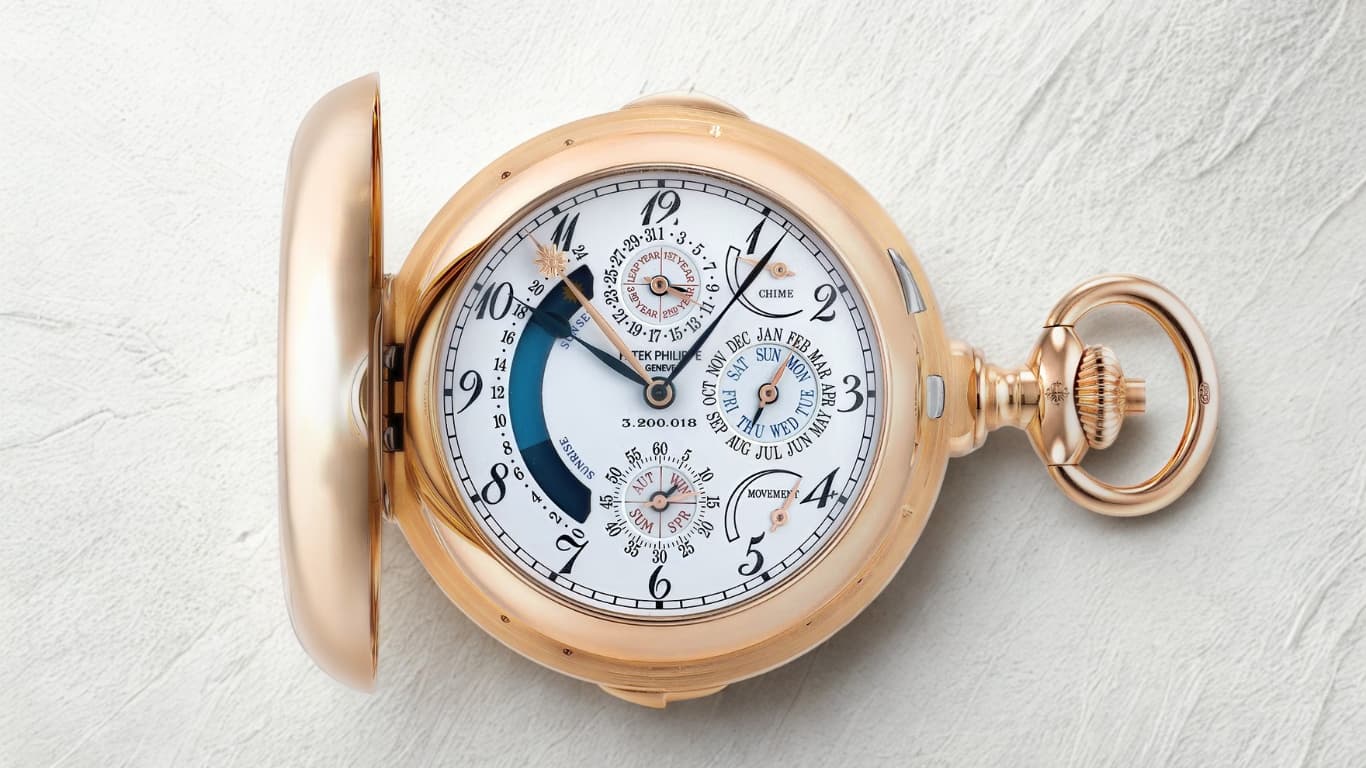
Watch collectors around the world are holding their breath as Sotheby’s prepares to auction one of the most extraordinary timepieces ever created, the Patek Philippe Star Caliber 2000.
Scheduled for December 2026, this auction is far more than the sale of a single watch. It’s being watched as the ultimate test of appetite for ultra-high-end horological investments in the current market climate.
According to Sotheby’s pre-auction estimates released in October 2025, the Star Caliber 2000 is expected to achieve between $8-12 million, which would potentially set new records for modern watchmaking complexity.
Whether you’re a devoted watch enthusiast or a hard-nosed investor, this sale lands at a critical moment. The luxury watch market is showing signs of both incredible strength and real volatility, making the Star Caliber 2000 auction a true bellwether for where serious horological investments are headed in the years ahead.
Table of Contents
The History of the Patek Philippe Star Caliber 2000
The Star Caliber 2000 emerged from Patek Philippe’s workshops as the company’s millennium celebration masterpiece, standing as the absolute pinnacle of Swiss watchmaking achievement.
Development began in 1993 and ran for seven full years, according to Patek Philippe’s official archives. The result was a timepiece housing 21 complications, making it one of the most complex watches the Geneva manufacture has ever produced.
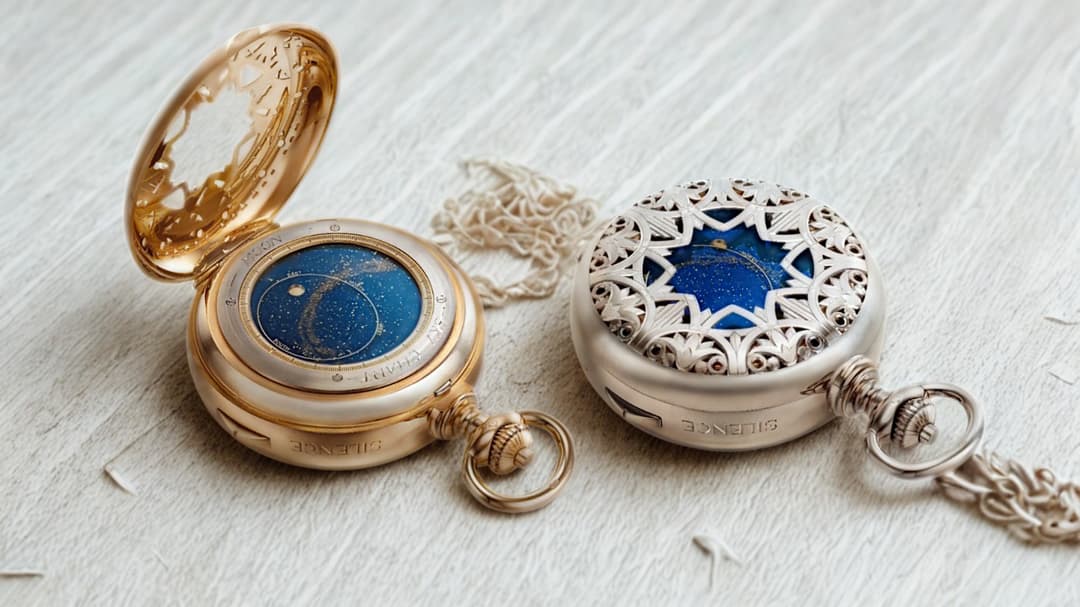
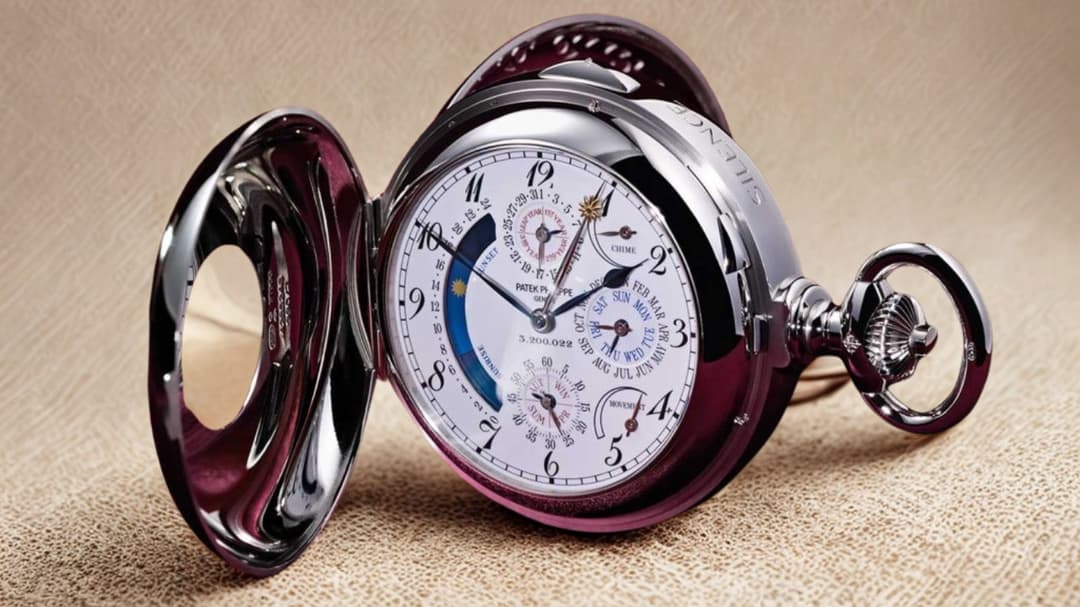
The watch packs a minute repeater, tourbillon, perpetual calendar, moon phases, equation of time, and a celestial chart mapping the night sky over Geneva, all within a case measuring just 44mm across.
What sets the Star Caliber 2000 apart in horological history is not just its complexity but the sheer craftsmanship required to bring it to life. According to Patek Philippe’s production records, only six examples were ever completed, with each one demanding over 1,200 hours of hand assembly from the manufacture’s most skilled watchmakers.
The movement alone contains 1,118 individual components, every one finished to the exacting standards that have made Patek Philippe the most respected name in luxury watchmaking for over 180 years.
The watch’s significance goes well beyond its technical achievements. It stands as a direct expression of Patek Philippe’s commitment to preserving traditional watchmaking techniques that might otherwise disappear entirely.
When the Star Caliber 2000 was unveiled at the Basel Fair in 2000, industry reports from that era confirm it immediately set a new benchmark for what was possible in mechanical watchmaking. It inspired a generation of independent watchmakers while cementing Patek Philippe’s position as the ultimate expression of horological artistry.
What This Sotheby’s Sale Means for the Watch Market
The December 2026 auction of the Star Caliber 2000 arrives at a pivotal moment for luxury watch investments. However this sale plays out, the result will shape collector behavior and market sentiment for years to come.
According to Crown & Caliber’s Q3 2025 Market Report, ultra-luxury timepieces priced above $5 million have shown mixed performance this year, with some achieving record prices while others have struggled to meet expectations, creating uncertainty about appetite for the highest-tier horological investments.
Sotheby’s pre-auction marketing campaign, launched in September 2026, has generated extraordinary interest from collectors worldwide, with private viewing appointments booked solid through November according to the auction house’s client services team.
That level of demand signals strong underlying appetite for truly exceptional timepieces, even as the broader luxury watch market has cooled from the pandemic-era highs that pushed prices to unsustainable levels.
The auction’s timing also raises bigger questions about luxury asset performance in 2026’s economic environment. According to the Knight Frank Luxury Investment Index released in late 2026, watches as an asset class have delivered mixed returns, with vintage Rolex and Patek Philippe showing resilience while contemporary pieces have faced real pressure.
The Star Caliber 2000’s final hammer price could tell you whether investors are still committed to horology as a store of value, or whether they’re starting to rotate toward other luxury asset categories.
Auction History and Previous Sales Records
The Star Caliber 2000’s auction history reveals a pattern of steady appreciation that has outpaced most traditional investments over the past two decades. The first example to appear at public auction sold at Christie’s Hong Kong in 2012 for US$3.28 million, according to Christie’s sales records.
That result established an immediate benchmark, positioning the watch among the most valuable timepieces ever sold at that point in time.
Subsequent sales have shown a remarkable consistency in price appreciation. A Star Caliber 2000 achieved $5.12 million at Phillips Geneva in May 2019, according to Phillips auction results. That was an 83% increase over the earlier sale, delivering compound annual returns of roughly 5.7%, which beat most equity indices over the same period while giving the buyer the added pleasures of tangible ownership and genuine cultural prestige.
Comparisons with other record-setting Patek Philippe auctions put the Star Caliber 2000’s market position into sharp context. The Patek Philippe Henry Graves Supercomplication achieved $24 million at Sotheby’s New York in November 2014, according to Sotheby’s records, while the Patek Philippe Grandmaster Chime Reference 6300A sold for CHF 31 million at Only Watch 2019.
But those examples are unique historical pieces rather than production timepieces, which makes the Star Caliber 2000’s commercial availability especially compelling for serious collectors looking to acquire something both definable and extraordinarily rare.
Why The Star Caliber 2000 is Attractive to Investors
From a pure investment standpoint, the Star Caliber 2000 offers you a rare combination of extreme scarcity, proven provenance, and demonstrated market demand. That trifecta appeals strongly to sophisticated collectors who want alternatives to traditional asset classes. If you’re already thinking along those lines, it’s worth comparing how tangible asset investments like art stack up against watches for long-term portfolio diversification.
With only six examples ever produced according to Patek Philippe records, and likely fewer than four remaining in private hands, the Star Caliber 2000 offers the kind of supply scarcity that underpins long-term value appreciation in any serious collectible market.
The investment appeal goes well beyond rarity. According to Antiquorum’s 2026 market analysis, Patek Philippe grand complications have delivered average annual returns of 8.2% over the past 15 years, outperforming most traditional investments while providing the portfolio diversification benefits that uncorrelated luxury assets can offer any investor.
When you run expected ROI calculations based on historical performance, the continued appreciation potential for the Star Caliber 2000 looks compelling, especially given the growing global population of ultra-high-net-worth individuals actively seeking trophy assets.
According to Wealth-X’s 2026 billionaire census, the global population of individuals with liquid assets exceeding $30 million grew 7.3% in 2024, creating expanding demand for the kind of ultimate luxury objects that a watch like the Star Caliber 2000 embodies.
The watch’s investment characteristics hold up well against other blue-chip timepieces when you evaluate them on risk-adjusted return metrics. Unlike vintage sports watches that can suffer from condition issues or market manipulation, the Star Caliber 2000’s modern construction and Patek Philippe’s comprehensive service capabilities provide long-term durability that protects your investment value. For a broader perspective on how watches compare to other collectible asset classes, the Jaeger-LeCoultre Reverso investment case offers some useful context.
Beyond that, the watch’s complexity and provenance create natural barriers to counterfeiting, giving serious investors a layer of security that’s simply not available in many other collectible categories.
The upcoming Sotheby’s auction represents more than just another luxury watch sale. It’s a referendum on the continued appetite for horological investments at the highest levels.
For the global community of watch collectors and investors, the Star Caliber 2000’s performance at auction will provide crucial insight into whether the market for ultra-rare timepieces stays robust or starts showing signs of saturation.
Given the watch’s extraordinary rarity, impeccable provenance, and position within Patek Philippe’s legacy, the December 2026 auction may well set new benchmarks that shape luxury watch investments for years to come. Watch this one closely.

Stefanos Moschopoulos
Stefanos Moschopoulos is the Founder and Head of Editorial at The Luxury Playbook, specializing in fine assets and alternative investments. His work focuses on analyzing luxury asset classes such as art, watches, collectibles, and yachting as structured investment vehicles, aligning them with broader wealth-building strategies. He leads the editorial direction of the publication, ensuring all content around alternative assets is data-driven, macro-aware, and investment-focused. His expertise lies in translating niche luxury markets into clear frameworks for portfolio diversification, long-term capital preservation, and asymmetric returns within non-traditional asset classes.