If you’re serious about investing in fine wine, knowing the difference between varietals isn’t just useful — it’s essential. Two of the most celebrated red wines in the world, Pinot Noir and Merlot, each offer distinct opportunities for collectors and investors who know where to look.
Both are renowned for their unique flavor profiles, aging potential, and global recognition. But they cater to very different markets and investment strategies, and confusing the two could cost you.
Pinot Noir is often called the “heartbreak grape” — and for good reason. Its notoriously difficult cultivation demands specific conditions to coax out that hallmark elegance and complexity. That challenge is exactly what makes it so prized, especially from prestigious regions like Burgundy and Oregon.
Merlot takes a different path. With its soft, plush texture and wide-ranging cultivation, it’s appreciated for versatility and consistency. It anchors iconic blends like Bordeaux and holds its own as a standalone varietal in regions like Napa Valley.
By 2026, the global fine wine market is on track to surpass $450 billion, fueled by surging demand from collectors and alternative asset investors who see wine as a credible store of value. Understanding what drives fine wine prices has never mattered more.
With Pinot Noir and Merlot both holding prominent positions in this market, knowing their key differences, pricing structures, and historical ROI is what separates a smart bet from an expensive mistake.
What follows is a detailed comparison of Pinot Noir vs Merlot, covering their origins, grape characteristics, winemaking methods, and investment potential.
By the time you finish reading, you’ll know exactly which varietal fits your portfolio strategy.
Table of Contents
Pinot Noir vs Merlot: Regions & Origins
Where a grape grows shapes everything. The regions where Pinot Noir and Merlot thrive define their flavor profiles, production quality, and ultimately their market value.
These regional distinctions are the first thing you need to understand before evaluating either varietal as an investment wine.
Pinot Noir: Regions & Origins
Pinot Noir is one of the oldest grape varietals on earth, with a history stretching back over a thousand years. It’s notoriously difficult to grow, demanding very specific climatic conditions to achieve that signature elegance and complexity collectors pay a premium for.
Its spiritual home is Burgundy, France. But it has carved out serious reputations in other cool-climate regions around the world, from Oregon’s Willamette Valley to New Zealand’s Central Otago.
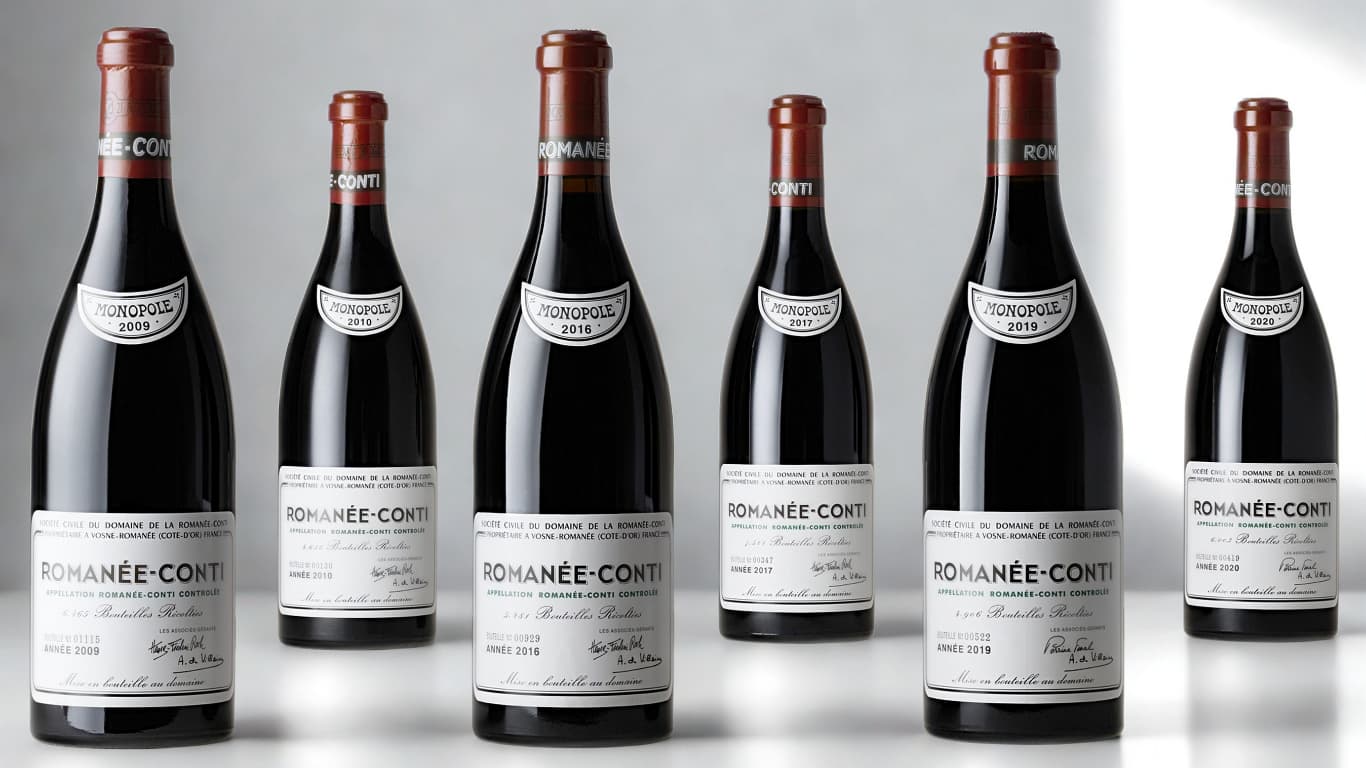
- Burgundy, France: The birthplace of Pinot Noir and home to some of the world’s most prestigious wines, such as those from Domaine de la Romanée-Conti (DRC). Burgundy Pinot Noir is renowned for its complexity, balance, and exceptional aging potential, making it a cornerstone of wine investment.
- Oregon, USA: Particularly in the Willamette Valley, Pinot Noir has flourished, producing wines with bright acidity, red fruit flavors, and a delicate, earthy complexity. Oregon Pinot Noir has gained global recognition and offers excellent value for investors.
- California, USA: Regions like Russian River Valley and Santa Barbara produce richer, fruit-forward Pinot Noirs, appealing to a broader market.
- New Zealand: Especially in Central Otago and Marlborough, New Zealand Pinot Noir combines vibrant fruit flavors with a refined structure, attracting collectors looking for emerging market potential.
Merlot: Regions & Origins
Merlot traces its roots to Bordeaux, France, where it forms the backbone of some of the region’s most iconic blends. Its ability to thrive across a wide range of climates makes it one of the most widely planted varietals on the planet.
That global footprint means diverse styles, buyers at every price point, and a consumer base that spans from casual drinkers to serious collectors.
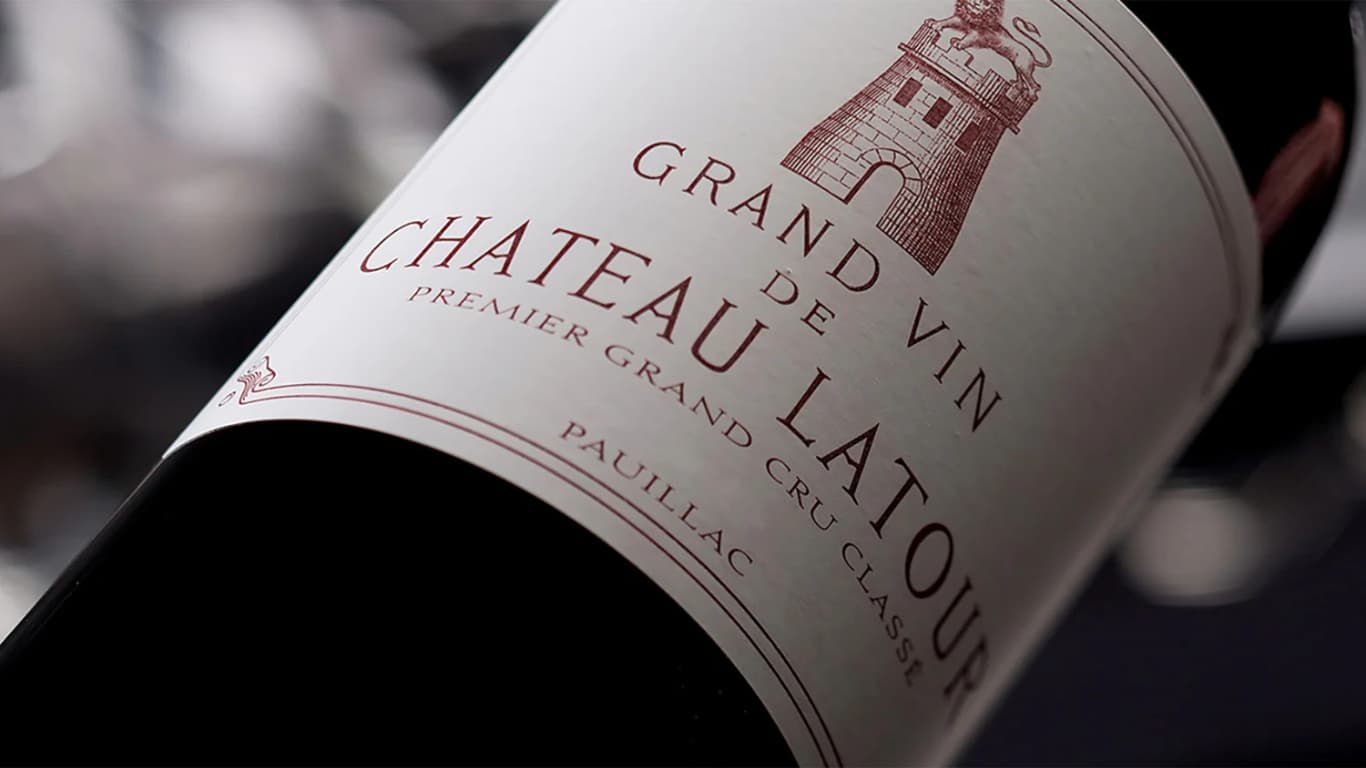
- Bordeaux, France: The Right Bank of Bordeaux, particularly Pomerol and Saint-Émilion, is the heart of premium Merlot production. Wines like Château Pétrus and Château Cheval Blanc showcase the varietal’s potential for richness and longevity, commanding top prices in the secondary market.
- California, USA: Napa Valley produces robust, fruit-forward Merlot wines with velvety textures, offering both accessibility and luxury. Producers like Duckhorn Vineyards are highly regarded for elevating Merlot’s reputation.
- Italy: Known as “Merlot” in the Veneto and Tuscany regions, it is often blended with native varietals or made into single-varietal wines. Super Tuscans like Masseto have cemented Italy’s place in the premium Merlot market.
- Chile: Offering excellent value, Chilean Merlot is known for its ripe fruit flavors and approachable style. While primarily targeting the entry-level market, some producers are gaining recognition for premium expressions.
Pinot Noir’s exclusivity is rooted in geography and difficulty. Because it demands such specific conditions, production stays limited and demand from collectors stays high. That scarcity drives value in ways few other varietals can match.
Burgundy Pinot Noir sits at the very top of this hierarchy. Legendary bottles from producers like Domaine de la Romanée-Conti fetch record prices at auction year after year.
Merlot plays a different but equally compelling game. Its versatility and global production keep demand steady. Premium expressions from Bordeaux’s Right Bank, including Château Pétrus, and from Napa Valley producers like Duckhorn Vineyards, deliver robust long-term returns. And Super Tuscans like Masseto add another dimension for investors who want high-value Merlot beyond France.

Pinot Noir vs Merlot: Grape Characteristics
The physical characteristics of Pinot Noir and Merlot grapes shape everything downstream, from flavor and texture to aging potential and price.
Get familiar with these differences and you’ll start to see why each varietal attracts a distinct type of collector.
Pinot Noir: Grape Characteristics
Pinot Noir is a thin-skinned, delicate grape. It thrives only in cool climates and sits highly exposed to weather conditions and disease. That fragility isn’t a weakness in investment terms — it’s a feature. It’s precisely what keeps supply tight and prices elevated.
- Skin and Color: Thin-skinned, producing wines with light ruby hues and a transparent appearance. This translucency reflects its elegant and nuanced character.
- Acidity and Tannins: Pinot Noir typically has high acidity and low-to-medium tannins, creating a refined, silky mouthfeel.
- Flavor Profile: Known for red fruit flavors such as cherry, raspberry, and cranberry, complemented by earthy and floral notes like truffle, mushroom, and violet. Aging often enhances these characteristics with hints of spice and leather.
- Aging Potential: Due to its acidity and balanced structure, Pinot Noir from top regions like Burgundy can age gracefully for decades, developing intricate layers of complexity.
Merlot: Grape Characteristics
Merlot is thicker-skinned and far hardier. Its adaptability across a wider range of climates allows for consistent production and a broad spectrum of styles, from approachable everyday wines all the way up to world-class collectibles.
- Skin and Color: Thicker skins produce wines with deeper ruby to garnet colors, often appearing richer and more opaque than Pinot Noir.
- Acidity and Tannins: Merlot has moderate acidity and medium-to-high tannins, giving it a round, plush texture.
- Flavor Profile: Dominated by dark fruit flavors like plum, black cherry, and blackberry, with secondary notes of chocolate, vanilla, and baking spices. In cooler climates, it may exhibit herbal and earthy characteristics.
- Aging Potential: Premium Merlot, especially from Bordeaux, can age for decades, developing velvety textures and complex tertiary flavors such as tobacco, cedar, and graphite.
Pinot Noir’s thin skin and climate sensitivity produce more delicate wines built around elegance and finesse rather than power.
That subtlety is exactly what serious collectors chase. Merlot’s thicker skin and adaptability yield richer, more robust wines. They’re approachable, versatile, and easy to love — which matters a great deal when you’re thinking about long-term resale demand.
Pinot Noir’s challenging cultivation and the exclusivity it creates have elevated its status in the fine wine market to near the very top. Burgundy Pinot Noir is the benchmark for collectibility, and the grape’s aging potential only adds to that story.
Merlot, while far more widely grown, finds its investment power in its premium forms. The best expressions from Bordeaux — including Château Pétrus — and Italy’s Super Tuscans like Masseto compete at the highest levels of the market.
Pinot Noir vs Merlot: Taste & Alcohol
Taste profiles and alcohol levels tell you a lot about who buys a wine, why they buy it, and what they’re willing to pay. For Pinot Noir and Merlot, those answers are quite different.
Both offer diverse expressions depending on region and production, but their core characteristics pull in opposite directions and serve different corners of the market.
Pinot Noir: Taste & Alcohol
Pinot Noir is built on elegance and complexity. Its nuanced flavor profile makes it a favorite among collectors who value subtlety over sheer power.
Naturally high acidity and low-to-moderate tannins create a smooth, refined drinking experience that rewards patience and attention.
- Taste Profile: Pinot Noir is characterized by its bright red fruit flavors, such as cherry, raspberry, and strawberry. Secondary notes often include earthiness, such as forest floor and truffle, along with floral undertones like rose and violet. With age, tertiary notes like spice, leather, and tea leaves emerge, adding depth and complexity.
- Alcohol Content: Typically ranges from 12.5% to 14%, depending on the region and winemaking style. Cooler-climate Pinot Noir, like those from Burgundy or Oregon, tends to have lower alcohol levels, while warmer regions like California may produce fuller-bodied, higher-alcohol wines.
Merlot: Taste & Alcohol
Merlot leans into richness. Its smooth, fruit-forward profile and approachable texture have made it one of the most widely consumed red wines in the world.
Moderate acidity and plush tannins produce a velvety finish that draws in a broad audience, from first-time wine buyers to seasoned collectors.
- Taste Profile: Merlot showcases dark fruit flavors such as plum, black cherry, and blackberry, with complementary notes of chocolate, vanilla, and spice. In cooler climates like Bordeaux, herbal and earthy tones, including mint and tobacco, add complexity. Aged Merlot often develops tertiary flavors like cedar, graphite, and dried fruits.
- Alcohol Content: Typically ranges from 13.5% to 15%, with warmer regions like Napa Valley producing bolder, higher-alcohol wines. Cooler regions like Bordeaux may yield more balanced and restrained expressions.
Pinot Noir’s lighter body and red fruit character give it a refinement that appeals to those chasing genuinely delicate wines. Lower alcohol levels and bright acidity also make it one of the more food-friendly reds you’ll find at the premium end of the market.
Merlot delivers a fuller-bodied experience with dark fruit flavors and a round, smooth finish. Its higher alcohol content and broader flavor profile give it wide commercial appeal — which, for an investor, translates directly into consistent resale demand.
The complexity Pinot Noir develops with age is one of its most compelling investment attributes, especially for Burgundy collectors. The flavors it builds over decades are a significant draw for connoisseurs willing to pay serious premiums.
Merlot’s fruit-forward style ensures steady demand at multiple price points, while premium expressions from Bordeaux and Napa Valley have demonstrated reliable long-term ROI for those who pick their producers carefully.
Both varietals hold their own in their respective niches. But Pinot Noir’s elegance and exclusivity give it a sharper edge in the ultra-premium fine wine investment market.

Pinot Noir vs Merlot: Winemaking Methods
How a wine is made shapes its flavor, structure, aging trajectory, and ultimately its value on the secondary market. For Pinot Noir and Merlot, the winemaking approaches are shaped by very different grapes, regional traditions, and stylistic goals.
These methods are not just technical details. They’re a direct driver of collectibility and long-term price performance.
Pinot Noir: Winemaking Methods
Pinot Noir demands meticulous care at every stage of production. Its delicate nuances can vanish with even slight missteps, and its thin skins and sensitivity to environmental factors require a level of precision that very few other grapes demand.
This is not a grape that forgives shortcuts.
- Harvest Timing: Grapes are typically harvested early in cooler climates to preserve acidity and balance. In warmer regions, careful monitoring ensures that sugars don’t overpower the wine’s subtle flavors.
- Fermentation: Pinot Noir is often fermented at lower temperatures to retain its delicate aromatics. Winemakers may use whole-cluster fermentation to enhance structure and complexity by incorporating stems during fermentation.
- Aging: Most premium Pinot Noirs are aged in French oak barrels, with a typical aging period of 12–18 months. The use of oak is carefully calibrated to avoid overwhelming the wine’s subtle fruit and earthy notes.
- Focus on Terroir: Pinot Noir is highly reflective of its terroir, with minimal intervention techniques often employed to highlight regional characteristics. Burgundy producers, in particular, prioritize showcasing the vineyard’s unique expression.
Merlot: Winemaking Methods
Merlot is far more forgiving, both in the vineyard and in the winery. Its adaptability opens the door to a wider range of winemaking styles, whether used in blends to add softness and roundness or as a standalone varietal built for bold expression.
- Harvest Timing: Merlot is harvested later than Pinot Noir, allowing the grapes to achieve full ripeness and maximize their plush, fruit-forward character.
- Fermentation: Warm fermentation temperatures are often used to extract deep color, rich tannins, and bold flavors. In Bordeaux blends, Merlot complements other varietals like Cabernet Sauvignon by softening the overall structure.
- Aging: Merlot is typically aged in French or American oak barrels for 12–24 months, with some premium producers extending the aging period to add complexity. Oak contributes flavors of vanilla, spice, and toast, enhancing the wine’s richness.
- Blending: Merlot plays a key role in blends, particularly in Bordeaux. On the Right Bank, it often forms the dominant component, adding softness and balance to the structure of Cabernet Sauvignon or Cabernet Franc.
Pinot Noir winemaking centers on preserving the grape’s delicate character and showcasing the terroir it comes from. Minimal intervention and careful use of oak are the tools of choice, with the goal of producing wines defined by elegance rather than extraction.
Merlot allows winemakers considerably more creative latitude. You can craft bold, fruit-driven wines or build complex, structured blends, and the grape responds well to both approaches.
That flexibility is one reason Merlot commands strong demand across such a wide range of styles and price points.
The intensive, hands-on winemaking required for top Pinot Noir adds directly to its exclusivity, especially for bottles from Burgundy and Oregon. The commitment to terroir and minimal intervention is a quality signal that collectors understand and reward.
Merlot’s diverse production styles create investment opportunities at both the entry level and the ultra-premium tier. For the best returns, focus on oak-aged examples from iconic producers in Bordeaux and Napa Valley, where the winemaking craft is matched by consistent demand. Not every wine region offers that combination, which is exactly why producer selection matters so much.
Across both varietals, focusing on high-quality, well-aged wines from established producers is your clearest path to strong returns.
Pinot Noir vs Merlot: Appearance, Aromas, and Tasting Notes
A wine’s sensory profile drives its appeal to collectors and shapes demand in the secondary market. For Pinot Noir and Merlot, the sensory experience is dramatically different, and those differences matter for how each wine is valued and traded.
Their distinct appearances, aromas, and flavor developments cater to different palates — and to different segments of the collector market.
Pinot Noir: Appearance, Aromas, and Tasting Notes
Pinot Noir is celebrated for its transparency, both literally and figuratively. Its light, luminous color and nuanced bouquet evolve beautifully with age, rewarding those patient enough to let it develop.
- Appearance: Pinot Noir is known for its light ruby hue, with a translucent quality that sets it apart from fuller-bodied red wines. As it ages, the color may transition to garnet, reflecting its maturity.
- Aromas: Pinot Noir boasts a delicate aromatic profile, often featuring bright red fruits such as cherry, raspberry, and strawberry. Secondary aromas include earthy notes like forest floor, truffle, and mushroom, while floral hints of violet and rose add complexity.
- Tasting Notes: The palate of Pinot Noir is characterized by a silky texture and vibrant acidity. Flavors of red fruit dominate, with subtle undertones of spice, tea leaves, and leather developing with age. Its light-to-medium body and low tannins make it approachable yet complex.
Merlot: Appearance, Aromas, and Tasting Notes
Merlot brings depth upfront. Its deeper, richer appearance and bold, fruit-driven bouquet make an immediate impression, appealing to buyers who want presence and intensity without waiting years to find it.
- Appearance: Merlot typically presents a deep ruby to garnet color, often appearing more opaque and saturated than Pinot Noir. This richness reflects its fuller body and robust character.
- Aromas: Merlot offers a bold and inviting aromatic profile, with dark fruits such as plum, blackberry, and black cherry taking center stage. Secondary notes of chocolate, vanilla, and spice are common, particularly in oak-aged wines. Cooler-climate Merlot may also exhibit herbal and earthy aromas like mint and tobacco.
- Tasting Notes: The palate of Merlot is round and plush, with moderate acidity and soft, velvety tannins. Its flavors are dominated by ripe dark fruits, complemented by notes of mocha, cedar, and spice in aged examples. The full-bodied richness makes it versatile for both casual drinkers and seasoned collectors.
Pinot Noir’s lighter body, bright red fruit, and refined elegance are precisely what serious collectors gravitate toward. Its aromatic evolution over time — from fresh cherry to earthy complexity — is one of the defining pleasures of aging a great Burgundy.
Merlot’s fuller body and dark fruit profile are more accessible and immediately satisfying, which keeps demand broad and consistent across a wide buyer base.
These sensory differences reflect two very distinct market positions. Pinot Noir commands higher premiums in part because of its exclusivity and the depth of character it develops over decades.
The finest Pinot Noir from Burgundy, with its pale garnet color and evolving earthy bouquet, is among the most recognizable quality signals in the fine wine world. That recognizability translates directly into strong collector demand and premium pricing driven by both quality and scarcity.
Merlot’s bolder style and broader appeal make it a dependable investment, especially in premium expressions from Bordeaux’s Right Bank and Napa Valley, where quality and brand recognition combine to support long-term value.
Both varietals offer real and distinct opportunities. Pinot Noir excels at the ultra-premium end, while Merlot punches across a wider price range, giving you more entry points and more flexibility in how you build a position.
Pinot Noir vs Merlot: Storage
Proper storage isn’t optional when you’re treating wine as an investment. For both Pinot Noir and Merlot, the right conditions are the difference between a wine that appreciates and one that deteriorates before you can sell it.
Understanding what each varietal needs ensures you protect your asset and maximize the return when the time comes.
Pinot Noir: Storage
Pinot Noir’s delicate structure and high acidity make it especially sensitive to storage conditions. The upside is that premium Pinot Noir, particularly from Burgundy, can age for decades, building complex flavors that collectors pay serious premiums to experience.
- Temperature: Store Pinot Noir at a consistent 50°F to 55°F (10°C to 13°C) to prevent rapid aging or spoilage. Temperature fluctuations can compromise its delicate balance and lead to premature oxidation.
- Humidity: Maintain humidity levels between 60% and 70% to preserve the cork’s integrity and prevent oxygen from entering the bottle.
- Light Protection: Exposure to light can degrade Pinot Noir’s subtle flavors and aromas, so storing it in a dark environment is crucial.
- Aging Potential: High-quality Pinot Noir can age for 10–20 years or more, particularly Grand Cru Burgundy or top-tier Oregon Pinot Noir. As it ages, the wine’s acidity and tannins integrate, creating a harmonious and complex profile.
Merlot: Storage
Merlot’s richer structure and moderate tannins make it slightly more forgiving in storage than Pinot Noir. Premium Merlot from Bordeaux or Napa Valley still benefits from ideal conditions, but it has a bit more margin for error as it develops toward its peak.
- Temperature: Store Merlot at a consistent 55°F to 58°F (13°C to 15°C) to maintain its bold flavors and plush texture.
- Humidity: Like Pinot Noir, Merlot requires humidity levels of 60% to 70% to ensure the cork remains intact and the wine stays well-preserved.
- Light Protection: Protecting Merlot from UV light is essential to prevent degradation of its rich fruit and oak-driven notes.
- Aging Potential: While most Merlot is best consumed within 5–10 years, premium examples from Bordeaux’s Right Bank (e.g., Château Pétrus) or Napa Valley can age for 20–30 years, developing layers of complexity over time.
Pinot Noir demands the most precise storage of the two, especially for ultra-premium bottles with long aging windows. Temperature stability, humidity control, and protection from light aren’t optional extras — they’re non-negotiable for preserving value.
Professional-grade storage solutions are worth every penny if you’re holding serious Burgundy.
Merlot, while still requiring proper care, gives you a slightly broader tolerance in storage conditions. That makes it a somewhat less demanding option for collectors who are building out their first temperature-controlled cellar.
For both varietals, meticulous storage is the foundation of your investment thesis. Burgundy Pinot Noir with its exceptional aging potential is one of the strongest cases for long-term cellaring you’ll find anywhere in the fine wine market.
Premium Merlot from Bordeaux offers an equally compelling aging story, with certain vintages building value steadily over decades. Vintage quality plays an outsized role in that trajectory, so staying close to harvest conditions is part of the job.

Pinot Noir vs Merlot: Pricing
Pricing reflects where a wine sits in the market, how much prestige its region carries, and how much production limits supply. For Pinot Noir and Merlot, both variables play out in very different ways.
Both offer options across a range of price points, but their premium expressions follow distinct patterns of value retention and appreciation that any serious investor needs to understand.
Pinot Noir: Pricing
Pinot Noir, particularly from Burgundy, occupies the higher end of the fine wine pricing spectrum. Exclusivity, limited production, and the prestige of the region all push prices up, and the best bottles stay there.
- Entry-Level Pricing: Affordable Pinot Noir, primarily from mass-market producers in California or New Zealand, is priced between $15–$30. These wines cater to casual consumers but have limited investment appeal.
- Mid-Tier Pricing: Higher-quality Pinot Noir from regions like Oregon’s Willamette Valley or New Zealand’s Central Otago falls in the $30–$70 range. These wines often deliver exceptional value and modest appreciation potential.
- Premium Pricing: Iconic Pinot Noir from Burgundy, such as Premier Cru and Grand Cru wines, starts at $100 and can exceed $10,000 per bottle. For instance, a bottle of Domaine de la Romanée-Conti (DRC) can fetch upwards of $20,000–$50,000, making it one of the most sought-after wines in the world.
- Ultra-Premium Pricing: Limited-production Pinot Noir from boutique wineries in California or Oregon, such as Kosta Browne or Domaine Serene, often commands $100–$300 per bottle, appealing to collectors seeking exclusive offerings.
Merlot: Pricing
Merlot covers far more of the pricing spectrum. Its widespread cultivation and diverse production styles mean you can enter the market at a modest level and scale all the way up to ultra-premium territory.
- Entry-Level Pricing: Most entry-level Merlot, from regions like Chile or California, is priced between $10–$25. These wines dominate the mass market but offer minimal appreciation.
- Mid-Tier Pricing: Premium single-varietal Merlot from Napa Valley or high-quality producers in Italy falls within the $30–$70 range. These wines are well-crafted and offer decent value retention.
- Premium Pricing: Top Merlot from Bordeaux’s Right Bank, such as Château Pétrus, Château Le Pin, or Château Cheval Blanc, starts at $500 and can exceed $5,000 per bottle. These wines are recognized for their aging potential and consistent demand on the secondary market.
- Ultra-Premium Pricing: Super Tuscan Merlots like Masseto from Italy are priced between $700–$1,500 per bottle, appealing to investors seeking high-end, globally recognized wines.
Pinot Noir’s higher average pricing reflects its exclusivity and the sheer difficulty of growing it well. Burgundy leads the premium market, with top bottles regularly outpacing Merlot at auction.
But Merlot has its own ultra-premium power players. Bordeaux’s Right Bank and the Super Tuscans command serious prices, and those wines hold their own against almost anything the market has to offer.
Entry-level Merlot is notably more accessible than entry-level Pinot Noir, which already carries a prestige premium even at the lower end. That gap gives Merlot broader appeal to investors who are still building their wine knowledge and capital base.
Pinot Noir opens doors in the premium and ultra-premium segments that few other varietals can match. Fine wine’s performance as an alternative asset is perhaps most clearly illustrated by the trajectory of limited-production Burgundy, where prices for the best producers have climbed consistently for decades.
Merlot’s broader price range and strong track record in the luxury segment make it an excellent tool for diversification. You don’t have to choose one over the other — a portfolio that holds both gives you both upside and stability.
Iconic Merlot labels like Château Pétrus and Masseto are among the most reliable long-term holds in fine wine investment. If you can access them at fair prices, they belong in a serious collection.
Pinot Noir vs Merlot: Historical ROI
ROI is what ultimately separates an interesting wine from a smart investment. For both Pinot Noir and Merlot, the historical numbers make a compelling case — but the story plays out differently depending on which tier of the market you’re operating in.
Both varietals offer real opportunities for investors who know where to focus their capital.
Pinot Noir: Historical ROI
Pinot Noir from Burgundy has been one of the standout performers in the fine wine investment market over the past two decades. Its exclusivity, aging potential, and tight production have made it one of the most sought-after alternative assets globally, with returns that rival traditional financial instruments in strong vintage years.
- Burgundy’s Market Dominance: Over the past decade, Burgundy Pinot Noir has consistently outperformed other wine categories. Investment-grade wines like those from Domaine de la Romanée-Conti (DRC) and Leroy have seen annual price increases of 10–20%, with rare vintages appreciating even further.
- Oregon’s Rising Potential: Pinot Noir from Willamette Valley has shown promising growth, with top producers like Domaine Serene and Beaux Frères achieving annual ROI of 5–8%. As global recognition of Oregon’s quality grows, so does its investment potential.
- Secondary Market Success: Pinot Noir from California (e.g., Kosta Browne) and New Zealand (e.g., Felton Road) often trades at 20–30% above release price, particularly for limited-production wines.
Merlot: Historical ROI
Merlot’s strongest historical returns are concentrated in Bordeaux’s Right Bank and the Super Tuscan category. While its global production is broader, the investment performance is driven by a relatively small number of iconic labels that dominate the secondary market.
- Bordeaux’s Right Bank: Iconic labels like Château Pétrus and Château Cheval Blanc have shown annual ROI of 8–12%, driven by their global reputation, aging potential, and scarcity. For example, a 1982 Château Pétrus appreciated by over 500% since its release.
- Super Tuscans: Wines like Masseto and Ornellaia consistently deliver annual returns of 10–15%, with rising demand from emerging markets like China and the U.S. contributing to their appreciation.
- Emerging Regions: Chilean Merlot offers entry-level ROI of 2–5%, primarily for high-quality producers like Lapostolle and Casa Silva, which are gaining recognition in the premium segment.
Pinot Noir’s exclusivity and consistent outperformance, especially from Burgundy, make it a standout choice for collectors targeting high ROI in the ultra-premium category. Its historical numbers rival the most prestigious Bordeaux wines — which is saying something.
Merlot, while broader in production overall, delivers exceptional returns at its premium tier. Bordeaux’s Right Bank and Super Tuscans offer a combination of steady appreciation and long-term stability that serious investors find hard to ignore.
For investors focused on high, consistent ROI, Burgundy Pinot Noir is the benchmark, with Domaine de la Romanée-Conti sitting at the very top of the market. The Financial Times has tracked how top Burgundy outperforms many traditional asset classes over long holding periods.
Merlot’s strength lies in its ultra-premium anchors — Château Pétrus and Masseto both offer meaningful growth potential combined with the kind of name recognition that sustains demand through market cycles.
Spreading your capital across both varietals gives you exposure to top-performing regions while building the kind of balance that holds up even when one segment of the market softens.
Which Is Better for Investment: Pinot Noir vs Merlot?
Choosing between Pinot Noir and Merlot for wine investment in 2026 comes down to understanding what each one does best. Both hold real potential, but their appeal diverges based on exclusivity, global demand, and the kind of returns you’re targeting.
Both varietals carry serious weight in the fine wine market. The question is which one fits the strategy you’re building.
Pinot Noir is a symbol of elegance and exclusivity, particularly from Burgundy, France. Its demanding cultivation — requiring ideal cool-climate conditions year after year — keeps production volumes low and collector demand permanently elevated.
Burgundy Pinot Noir, especially Grand Cru wines from producers like Domaine de la Romanée-Conti, commands some of the highest prices in the global wine market. Full stop.
These wines don’t just offer exceptional quality — they age brilliantly, often across 20 to 30 years or more. That combination of scarcity, prestige, and aging capacity drives strong secondary market performance, with annual ROIs of 10% to 20% or higher for top vintages.
Emerging Pinot Noir markets like Oregon’s Willamette Valley and New Zealand’s Central Otago give you a lower entry point with genuine medium-term growth potential. These regions are earning serious recognition for their terroir-driven expressions, and getting in early has worked well for investors who did their homework.
The producers to watch are the ones with limited output and growing critical acclaim — that combination tends to produce the kind of price appreciation you’re looking for.
Merlot plays a different game and plays it well. Where Pinot Noir is about exclusivity, Merlot is about versatility. It works across multiple price points and reaches a far wider audience, which keeps demand consistent even when market conditions shift.
Premium Merlot-based wines from Bordeaux’s Right Bank — including Château Pétrus, Château Cheval Blanc, and Le Pin — are celebrated for their depth, richness, and remarkable aging capacity. Robb Report has documented how Right Bank Bordeaux consistently outperforms in the secondary market.
These wines deliver annual ROIs in the 8% to 15% range, and the best vintages from iconic estates have achieved considerably more.
Merlot also powers the Super Tuscan category, with wines like Masseto and Ornellaia earning global recognition for both quality and investment performance. Demand from Asian markets has added fuel to that growth, making Super Tuscans one of the more interesting plays for investors with a 5 to 10 year horizon.
Merlot’s role in broader Bordeaux blends also contributes to its long-term value story. Its ability to add softness and balance to some of the world’s most collectible wines means its influence extends well beyond the bottles labeled purely as Merlot.
In terms of global prestige, Pinot Noir’s connection to Burgundy places it at the very top of the fine wine investment hierarchy. The exclusivity is unmatched and the brand value of top Burgundy producers has held steady through multiple market cycles.
Merlot’s versatility ensures it never loses relevance. For investors who want diversity in their wine portfolio, Merlot covers ground that Pinot Noir simply doesn’t reach. And for those targeting the ultra-premium segment, Pinot Noir is the clearest path to the highest returns.
Your decision ultimately comes down to strategy. If long-term growth and prestige are your primary goals, Burgundy Pinot Noir is the strongest case you’ll find in fine wine.
If stability and diversification matter more, Merlot from Bordeaux’s Right Bank or Tuscany delivers excellent returns with broader market support. A portfolio that holds both gives you the best of both worlds — top-tier performance on one side and dependable diversification on the other.
Whether you lean toward the exclusivity of Pinot Noir or the versatility of Merlot, both stand out as additions to a serious fine wine investment strategy worth building.
Best Pinot Noir Collections to Invest In 2026
Your starting point should be Grand Cru wines from Burgundy. Domaine de la Romanée-Conti consistently leads the market in both prestige and ROI, and its position at the top of the fine wine hierarchy looks secure for the foreseeable future.
For diversification at a more accessible entry price, Oregon and New Zealand offer producers with genuine terroir-driven quality and promising medium-term growth trajectories. These regions are still building their global reputations, which means pricing hasn’t yet fully caught up with quality.
Boutique producers with limited production runs — Kosta Browne being one strong example — are worth tracking closely for secondary market potential as their critical profiles continue to rise.
Best Merlot Collections to Invest In 2026
Merlot gives you one of the widest ranges of investment options in fine wine, from ultra-premium Bordeaux labels like Château Pétrus down to emerging market producers in Chile who are building reputations one vintage at a time.
For long-term stability and meaningful appreciation, Bordeaux Right Bank wines and Super Tuscans like Masseto are the strongest bets. Wine Enthusiast’s investment wine coverage consistently points to these labels as anchors for serious collectors.
Napa Valley producers like Duckhorn Vineyards offer strong growth potential in the North American market, where demand for premium domestic Merlot has been building steadily.
If you’re working with a smaller initial budget, high-quality Chilean Merlots like Clos Apalta give you solid ROI with lower upfront costs — a smart way to build wine investment experience while your capital grows.
FAQ
Which regions are the best for investing in Pinot Noir and Merlot?
Pinot Noir: Focus on Burgundy, France, for the highest returns, with secondary options in Oregon, USA, and Central Otago, New Zealand.
Merlot: Prioritize Bordeaux’s Right Bank (Château Pétrus, Château Cheval Blanc), Tuscany, Italy (Masseto), and Napa Valley, USA for premium wines.
How does aging potential differ between Pinot Noir and Merlot?
Pinot Noir: Grand Cru Burgundy and premium Oregon Pinot Noir can age gracefully for 20–30+ years, with acidity and balance enhancing their complexity over time.
Merlot: Premium Merlots, such as Château Pétrus, Château Le Pin, and Masseto, can age for 20–30+ years, developing rich layers of tertiary flavors like cedar and truffle.
What are the best emerging markets for Pinot Noir and Merlot?
Pinot Noir: Emerging regions like Oregon and New Zealand are gaining global recognition for their terroir-driven styles and represent excellent medium-term growth opportunities.
Merlot: Chilean Merlot, particularly high-quality blends like Clos Apalta, is an affordable entry point with growing collector interest