Imagine spending your entire life building a €100 million legacy. You invest in property, set up companies, open private banking accounts across several countries, and hire the best lawyers and tax advisers to protect everything you have built.
You prepare a will, establish inheritance structures, and make sure your children will inherit your wealth. Then you die, and your family discovers that owning €100 million and being able to use it are two very different things.
As soon as banks learn that an account holder has died, they restrict access until they receive the official documents confirming the new owners. Meanwhile, fees and taxes fall due, businesses still need to pay their employees, and properties keep generating expenses.
Your family could suddenly be extraordinarily wealthy on paper while struggling to find enough cash to pay the bills.
This is one of the most overlooked risks in wealth preservation: your family can legally inherit your fortune while the banks decide when they can reach it.
Key Takeaways
- A will settles who inherits, not when the family can use the money: once a death is reported, banks generally freeze withdrawals and transfers until the new owners are confirmed.
- Every additional country adds its own inheritance procedures, document requirements and certified translations, and some banks ask for historical source-of-wealth evidence.
- Inheritance tax can reach 40% in the UK, 45% in France and 55% in Japan, with deadlines that do not wait for banks to release funds.
- Family businesses still have salaries and suppliers to pay, while frozen accounts, suspended credit lines and change-of-control clauses can disrupt them.
- Crypto is not exempt: regulated platforms require the same documents, and a lost private key can lock heirs out for good.
- In one case, a €280 million family office had €48 million restricted for five to eight months while €14.2 million in taxes fell due, costing about €1.8 million in interest and penalties.
- Who: Founders of significant fortunes, family offices and the heirs who inherit from them.
- What: The gap between legally inheriting wealth and being able to use it, as banks, custodians and tax authorities each run their own processes.
- When: In the months after a founder’s death, and in the planning years before it.
- Where: In every country where the family banks, invests or owns companies, from Switzerland and Luxembourg to the UK and the UAE.
- Why: Because a will settles ownership, not access, and frozen funds can collide with tax deadlines and business obligations.
Your Will Is Only One Part of the Process
Most wealthy individuals spend considerable time preparing for inheritance. Their lawyers draft wills and create trusts and holding companies, while their tax advisers calculate inheritance obligations and structure assets to minimise unnecessary tax.
But there is an elephant in the room that receives far less attention: what actually happens to the money when you die?
Banks have their own rules to follow. They need to confirm who legally inherits the money and whether the new owners meet their requirements. When a bank learns that an account holder has died, it generally freezes withdrawals and transfers until the inheritance process confirms who owns the funds.
Company accounts work differently: what happens depends on who owns the company, who manages it and who has authority over its accounts. A change in ownership can also trigger additional checks, document requests and account reviews, all of which take time.
The process takes longer still when the deceased owned several companies, held bank accounts in different countries or had investments with several financial institutions.
Even a perfectly legal inheritance plan can therefore leave money tied up for months, and during those months interest and penalties accumulate.
Different Countries, Different Banking Rules
International diversification has become increasingly popular among wealthy families. They buy property in Dubai, hold investments in Switzerland, establish companies in Luxembourg and maintain private banking relationships in London. From an investment and tax perspective, diversification makes perfect sense. But every additional country brings its own inheritance procedures, documentation requirements and banking regulations.
Documents issued in one country may need official translation and certification before another country will accept them. Banks can also ask for specific documents, such as inheritance certificates, death certificates, updated beneficial ownership declarations, and passports and proof of address for every heir.
Some stricter institutions may even request historical source-of-wealth documents, especially where older transactions have limited records. Imagine inheriting a house your father bought in the early 2000s, only to discover that a bank wants evidence of how he originally funded the purchase. You may legally own the asset, but the bank still decides whether it can release or accept the funds.
Now imagine the added difficulty when some assets sit in countries facing capital controls, sanctions, war or entirely different legal systems.
Different countries may also recognise different heirs or apply conflicting inheritance laws, creating ownership disputes that can take years and substantial legal fees to resolve. Currency movements can cause further losses while families wait for access, especially when inheritance taxes and other obligations must be paid in a different currency.
The Tax Authorities Have Their Own Deadlines
Inheritance taxes can be one of the biggest financial pressures in the succession process. Different countries impose different taxes, filing obligations, deadlines and payment conditions.
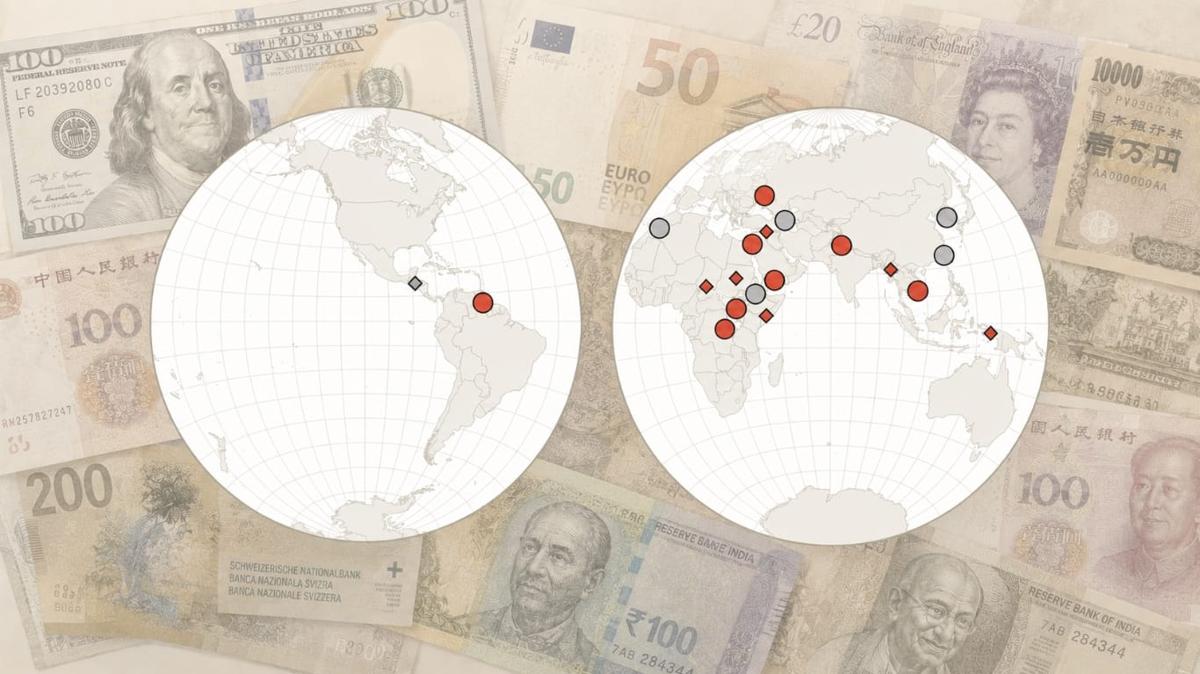
And the numbers can be startling: in Europe, inheritance tax reaches 40% in the UK and 45% in France. In Asia, Japan’s top rate is 55%.
Imagine inheriting €20 million in real estate and investments, only to discover that you owe €4 million in inheritance tax. The authorities expect payment within their deadlines, while banks may take months to release the inherited funds. You might need to sell assets quickly, but even that takes time, leaving you dependent on expensive short-term financing or facing interest and penalties on unpaid tax.
The situation becomes worse still when different countries claim taxing rights over the same inheritance, adding legal costs and potentially overlapping tax obligations.
The Family Business Still Needs to Operate
Inheritance problems also reach the businesses wealthy families own. A family might control several operating companies and holding structures, and those businesses keep their financial obligations after the owner’s death.
Imagine a family business with six companies, 200 employees, €500,000 in monthly salaries and several million euros in supplier payments. Employees still expect their salaries, suppliers still expect to be paid, and the business must keep operating, even when banks restrict account access following the death of the sole director or authorised signatory.
Changes in ownership or management must also be reported to the relevant financial institutions, which may require updated documentation, sometimes translated and certified. These procedures can add significant costs through legal fees, administrative expenses and emergency financing to keep the business running.
Banks may also suspend credit facilities, demand new guarantees or raise financing costs. Delayed payments can trigger contractual penalties and interrupt supplier deliveries, leading to lost revenue and damaged business relationships.
Some commercial contracts also contain change-of-control clauses, allowing business partners to renegotiate or terminate valuable agreements after an ownership transfer. Disagreements between heirs over who should run the company can cause further delays, potentially costing the business important customers or commercial opportunities.
Crypto Is Not Exempt
Many wealthy families now hold crypto alongside traditional investments. People often associate crypto with independence from the traditional banking system, but when it comes to inheritance, digital assets face many of the same tax obligations and ownership checks as traditional investments.
Imagine inheriting several million euros in crypto while the market keeps moving and you struggle to access the assets to exchange them. Crypto platforms are now regulated too, and require the same inheritance documents and updated identity checks before releasing funds.
A missing private key can permanently lock a family out of millions, even when the will clearly identifies the rightful heirs. Crypto-backed loans can also trigger automatic liquidations in a market downturn, potentially wiping out valuable holdings before the inheritance process is complete.
Inheritance planning must therefore consider who can access digital assets, how the family will manage market exposure during a lengthy transfer, and what happens to existing crypto obligations. Many families overlook these risks entirely.
When €280 Million Became a Liquidity Problem
One of our clients at PSP Angels, a European family office, managed around €280 million in assets, including properties, companies, investments and bank deposits in several countries, among them Switzerland, Luxembourg, the United Kingdom and the United Arab Emirates, as well as a considerable amount of crypto.
When the founder died, banks and custodians restricted access to more than €48 million in liquid assets. They needed inheritance documents and updated ownership checks before releasing the funds. The family still owned the money, but each financial institution had to complete its own review, which took roughly five to eight months.
Meanwhile, the heirs had to pay approximately €14.2 million in inheritance and transfer taxes across four countries, much sooner. Suddenly, a family worth hundreds of millions faced a serious cash-flow problem. The delays added costs too: approximately €1.8 million in additional interest and penalties.
Payment and banking planning had been outside the scope of the family’s lawyers and financial advisers, and it proved a very expensive omission. The full case study is published by PSP Angels.
Inheritance Planning Must Begin While You Are Alive
Most wealthy individuals already work with excellent lawyers, accountants and financial advisers. But a lawyer or an accountant is not a payment and banking adviser. Ownership is only one part of inheritance: preparing a legal inheritance structure and making sure your family can actually reach the money are two very different responsibilities.
You also need to assess the risks of the institutions holding your wealth. What happens if your bank runs into financial difficulty, loses its licence, changes its risk appetite or decides to close certain accounts? Your inheritance strategy is only as reliable as the institutions responsible for holding and transferring your assets.
Regulation can change everything, sometimes overnight. Imagine building an inheritance plan around crypto investments, only for new rules to restrict how those assets can be transferred or converted. Sanctions, changes in banking law and new compliance requirements can also affect a family’s access to money, even when the original arrangements were perfectly legal.
This is why inheritance planning needs continuous monitoring and regular adjustment, with the right professionals involved.
Someone with payment and banking expertise should review the risks of your banking partners, understand the likely taxes and banking fees, assess the legal requirements in each country, and make sure enough accessible liquidity is in place to cover expenses during the inheritance process.
Perhaps most importantly, prepare reliable source-of-wealth (SOW) and source-of-funds (SOF) documentation today. Keeping records of how you originally acquired your assets, including historical bank statements, property purchase agreements, investment records and evidence of business income, is vital if your children are to move funds in the future.
You spent your life building your family’s wealth. Make sure your children can actually reach it when they need it.
Related thinking on why banking relationships deserve as much attention as asset allocation can be found in Banking Matters More to Wealth Preservation Than Most Investors Realise.
We last reviewed this analysis on 3 November 2026.