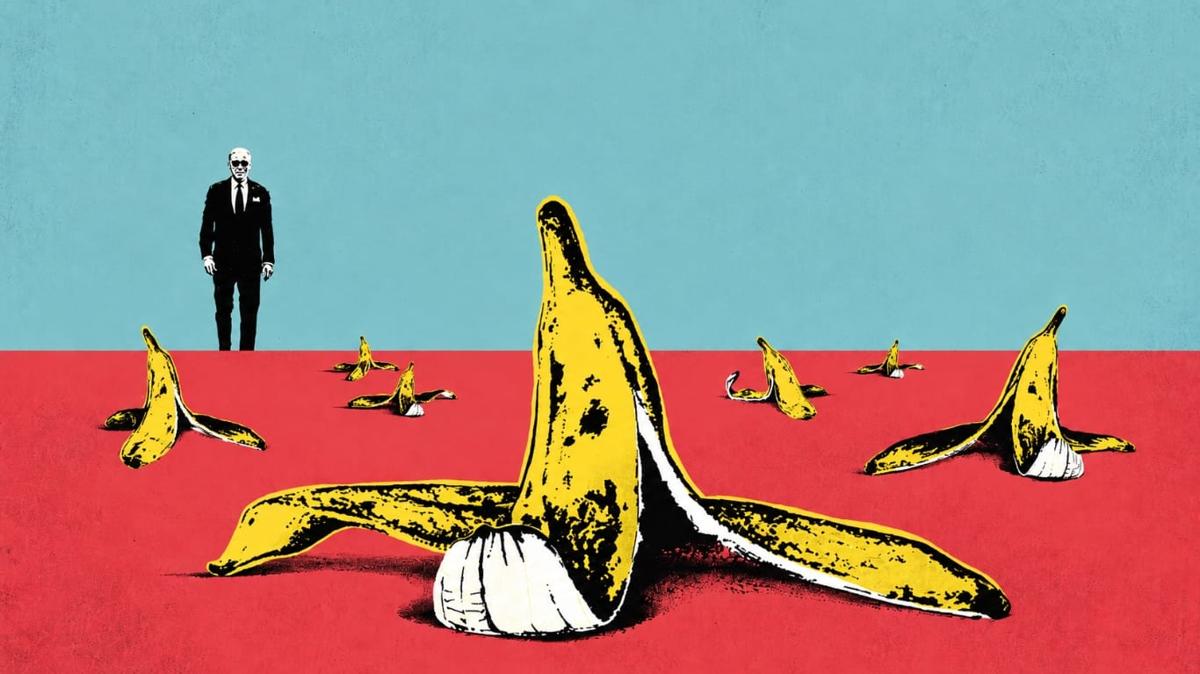
There is a particular week in the life of a successful founder, usually a month or two after the sale completes, when he notices that the problem has changed shape. For twenty years the question was how to make more of it. That question was difficult, but it had a scoreboard, a rhythm and an obvious next move on any given Tuesday. Now the money exists. The question has become what to do with it, and this one has no scoreboard, no natural end, and no morning on which it is finally answered. He has exchanged a problem that rewarded effort for a problem that rewards judgment, and judgment is a far less reliable instrument, particularly in a man whom events have just congratulated at length.
This is the wealth paradox at its plainest. Capital buys options, and options feel like freedom right up to the moment they have to be exercised. A modest portfolio contains perhaps four real decisions. A large one contains several hundred, distributed across asset classes, currencies, jurisdictions, structures, generations and time horizons, most of them reversible only at cost and a number of them entangled with people the owner loves. Every option is a decision in waiting. Every decision is an opportunity to be wrong. And the mistakes no longer stay small, because nothing about the amounts involved is small any more.
Key Takeaways
- Building a fortune rewards effort; keeping one rewards judgment, which gets harder as the sums and the number of decisions grow.
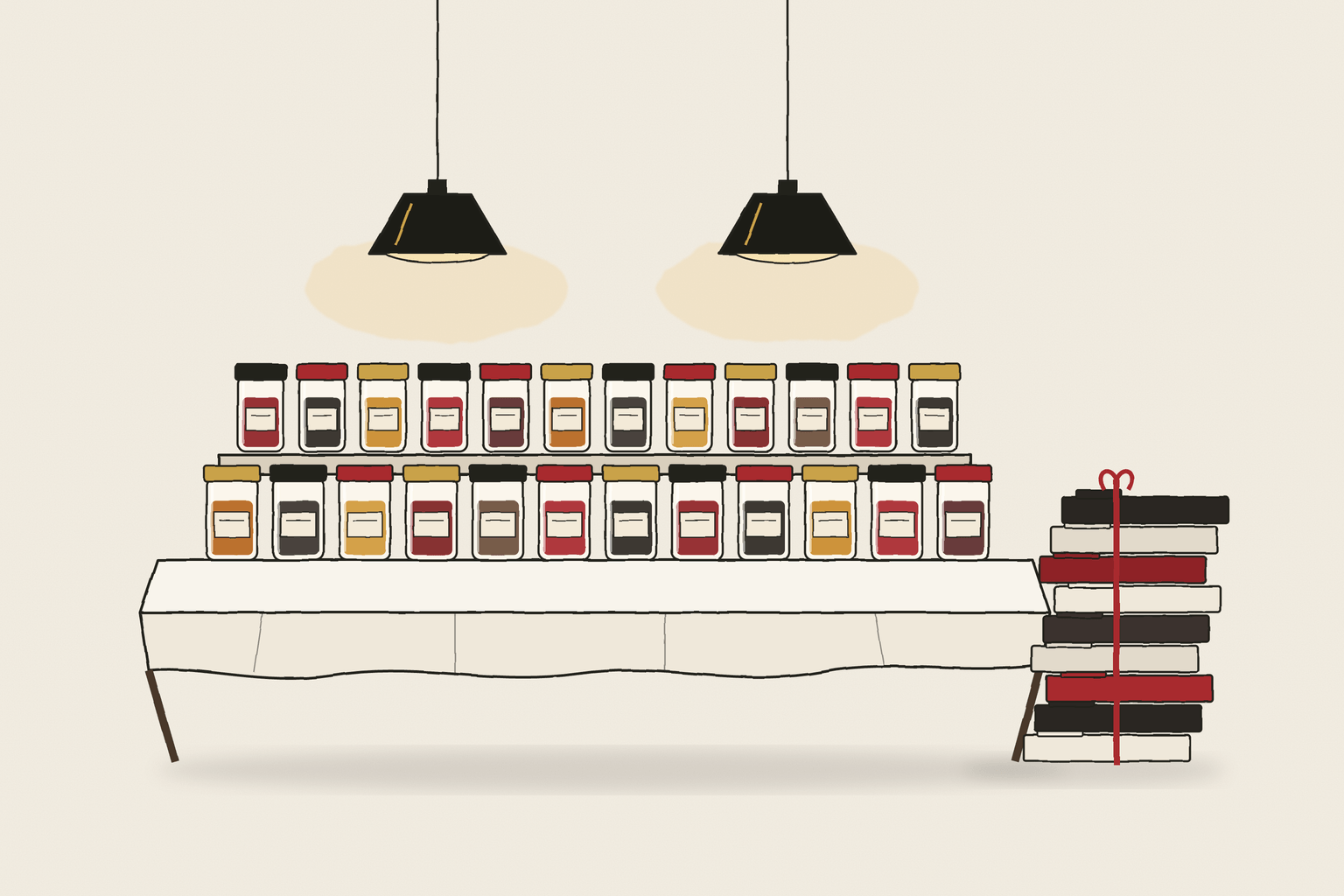
- In Iyengar and Lepper's jam study, a display of 24 jams drew more shoppers than one of 6, but those offered fewer choices were far more likely to buy and happier with what they chose.
- Large portfolios sit permanently at the bigger table, and the usual responses, deferring to the most certain voice or holding a little of everything, feel like decisions without being decisions.
- Complexity can pass for sophistication: forty funds may hold the same companies several times over, while six advisers each see only a fragment.
- The endowment effect and status quo bias keep legacy holdings in place at prices nobody would pay to buy them today.
- Keeping capital means becoming a good editor of one's own affairs, deciding again and again what still deserves a place.
- Who: Founders after a sale, families with large and growing portfolios, and the advisers who serve them.
- What: Why more capital brings more options, more complexity and more room for cognitive bias, and how that wears down judgment.
- When: Typically in the months after a liquidity event, and then continuously as structures accumulate.
- Where: Across asset classes, jurisdictions, banking relationships and family holdings that rarely sit on the same desk.
- Why: Because large fortunes are more often diluted slowly by reasonable additions than lost in a single bad decision.
When More Choice Stops Helping
Sheena Iyengar and Mark Lepper established something awkward about abundance in a set of experiments published in 2000, the best known of which involved a tasting table in a grocery store. Shoppers offered a display of twenty-four jams stopped to look more often than those offered six. They were markedly less likely to buy anything at all. Those who chose from the smaller range also reported greater satisfaction with what they had chosen. More options produced more interest, less action and less contentment with the action finally taken.
The affluent investor lives permanently at the larger table, and it keeps getting larger. Private credit, secondaries, co-investments, direct deals, structured notes, four jurisdictions, six banking relationships, each with a platform and a specialist eager to explain it. The response is rarely paralysis, because a man of means has people whose function is to prevent paralysis. It is subtler than that. He defers to whoever sounds most certain, or he takes a modest position in everything so that nothing has to be actively refused. Both feel like decisions from the inside. Neither one is.
Complexity That Dresses as Sophistication
There is a real pleasure in a complicated portfolio. It looks like the product of long thought and privileged access, which is exactly what a person who has just been paid for twenty years of long thought would like his money to look like. Simplicity at scale looks faintly embarrassing, as though the owner has failed to make full use of what is available to him. So the structure accumulates. Another manager, another vehicle, another jurisdiction with its own adviser and its own internal logic. Each addition is defensible on its own terms, and almost nothing is ever subtracted.
What goes missing is the view of the whole. A portfolio holding forty funds may hold the same thirty companies four times over, and nobody notices, because the concentration is spread across statements that never sit on the same desk. Six advisers each see a fragment and each report sensibly on it. Diversification of counterparties has been mistaken for diversification of risk. The owner feels robust, and feels it precisely because he can no longer hold the entire picture in his head at once, which from the inside is indistinguishable from not knowing.
The Holdings That Became Relatives
Then there are the assets that are not really assets any longer. The first building. The residual stake in the company he sold, retained out of something between loyalty and superstition. The house in the mountains bought the year the children were small. These holdings sit in the portfolio and are counted in the portfolio, but they are not being judged by the portfolio’s standards, and everyone involved knows it without saying so.
Kahneman, Knetsch and Thaler catalogued the underlying mechanics some time ago. People demand considerably more to give up something they already own than they would ever have paid to acquire it, and they lean heavily toward leaving existing arrangements in place even when better ones are plainly available. Ownership itself becomes part of the valuation. So a holding that would never be bought at today’s price is nonetheless not sold at today’s price, and no one has to explain why, because inertia requires no explanation. Inside a family the effect is stronger still, since selling is also a verdict on the person who bought it, frequently someone loved and sometimes someone dead.
None of this argues for treating a family’s history as inventory. There are holdings worth keeping for reasons that have nothing to do with return, and a life arranged purely around net present value would be a poor life. The error is not keeping them. The error is keeping them inside the investment case, where they distort the arithmetic around them, absorb risk budget that was never consciously allocated, and quietly determine the shape of everything else. A legacy asset held knowingly, at a price the owner has agreed to pay in foregone return, is a defensible luxury. Held unknowingly, it is running the portfolio.
The character of the work changes, and very few people are warned. Earning capital asks a person to be decisive, energetic, willing to add. Keeping it asks him to become a good editor of his own affairs, which means deciding repeatedly, and without any applause, what still deserves to remain attached to the money. Almost nothing in a successful career prepares anyone for that. It is a discipline of its own, and how judgment changes as capital, structure and attachment accumulate is exactly what Behavioral Arbitrage sets out to examine. Large fortunes are rarely destroyed in a single afternoon. Rather more of them are diluted slowly, over two decades of individually reasonable additions, by owners who were never quite able to refuse anything.
Related thinking on how wealth changes the price of a mistake can be found in Why the Wealthy Can Afford Bad Decisions Until They Cannot.
Sources: Sheena S. Iyengar and Mark R. Lepper, “When Choice is Demotivating: Can One Desire Too Much of a Good Thing?”, Journal of Personality and Social Psychology, 2000, the foundational evidence that expanding the range of available options can reduce both the likelihood of deciding and satisfaction with the decision eventually made. Daniel Kahneman, Jack L. Knetsch and Richard H. Thaler, “Anomalies: The Endowment Effect, Loss Aversion, and Status Quo Bias”, Journal of Economic Perspectives, 1991, on why owners value what they already hold far above what they would pay to acquire it, and why existing arrangements persist even when better alternatives are available.
We last reviewed this analysis on 19 October 2026.