The debate around single-vineyard wines vs blends has become one of the most compelling in the modern wine world, especially for collectors and investors looking to balance their cellars for quality and return. Single-vineyard wines often promise purity and a distinct expression of place, while blends highlight the art of the winemaker, combining grapes from different plots or even regions to achieve complexity and balance. Knowing which side of that line your money belongs on is the kind of edge that separates serious collectors from casual buyers.
Over the last decade, global demand for both categories has grown, but in very different ways. Premium blends from Bordeaux and Napa have commanded top auction results, driven by historic brand strength and scores that rarely disappoint. And if you follow the Financial Times fine wine coverage, you already know how fiercely contested the top lots have become.
At the same time, demand for meticulously crafted single-vineyard wines, especially from Burgundy, Barolo, and cult estates in California, has surged. Some rare cuvées have appreciated by over 250% in the past ten years. That kind of trajectory gets attention fast, and rightly so.
In 2024 alone, the global fine wine market saw sales of single-vineyard designated bottles increase by 18%, while high-profile blended wines from traditional houses still captured the highest dollar values, up 11% year over year. Both categories are moving. The question is which one moves in the direction that suits your portfolio.
Table of Contents
Single-Vineyard Wines vs Blends: Terroir
When talking about terroir, single-vineyard wines stand out as the purest expression of this concept. These wines come from a single, precisely defined plot of land. That means the soil type, slope, altitude, and microclimate, even the orientation of the vines, all leave a direct imprint on what ends up in the bottle. You are not guessing at the source. You are reading it in every sip.
As renowned Burgundy grower Dominique Lafon once said, “A single-vineyard wine is a story of one place, told honestly.” That idea is exactly why collectors chase these bottles. They want something unique, something that could not be replicated anywhere else on earth.
From a data angle, nearly 80% of the highest auction hammer prices in Burgundy over the past five years have been single-vineyard wines, reflecting how strongly buyers value that direct link to place. But it is not just Burgundy. In Barolo, top cru wines command 20 to 35% higher release prices than blends or generic DOCG bottlings from the same producers. If you want to understand how terroir-driven narratives shape wine investment globally, that gap in pricing tells you everything.
Blended wines take a different approach to terroir. Instead of telling the story of one plot, they aim to balance characteristics from multiple sites, sometimes even multiple regions. This allows winemakers to combine the freshness of higher-altitude grapes with the depth of warmer valley fruit. In Bordeaux, blending is the rule, not the exception.
That is how châteaux achieve consistency and complexity year after year, despite the unpredictability that each new vintage brings.
As a Bordeaux consultant noted recently, “Blending is an art. It is not less about terroir, it is more about layering different terroirs into a single, unified voice.” That philosophy has built some of the most recognizable wine brands on the planet.
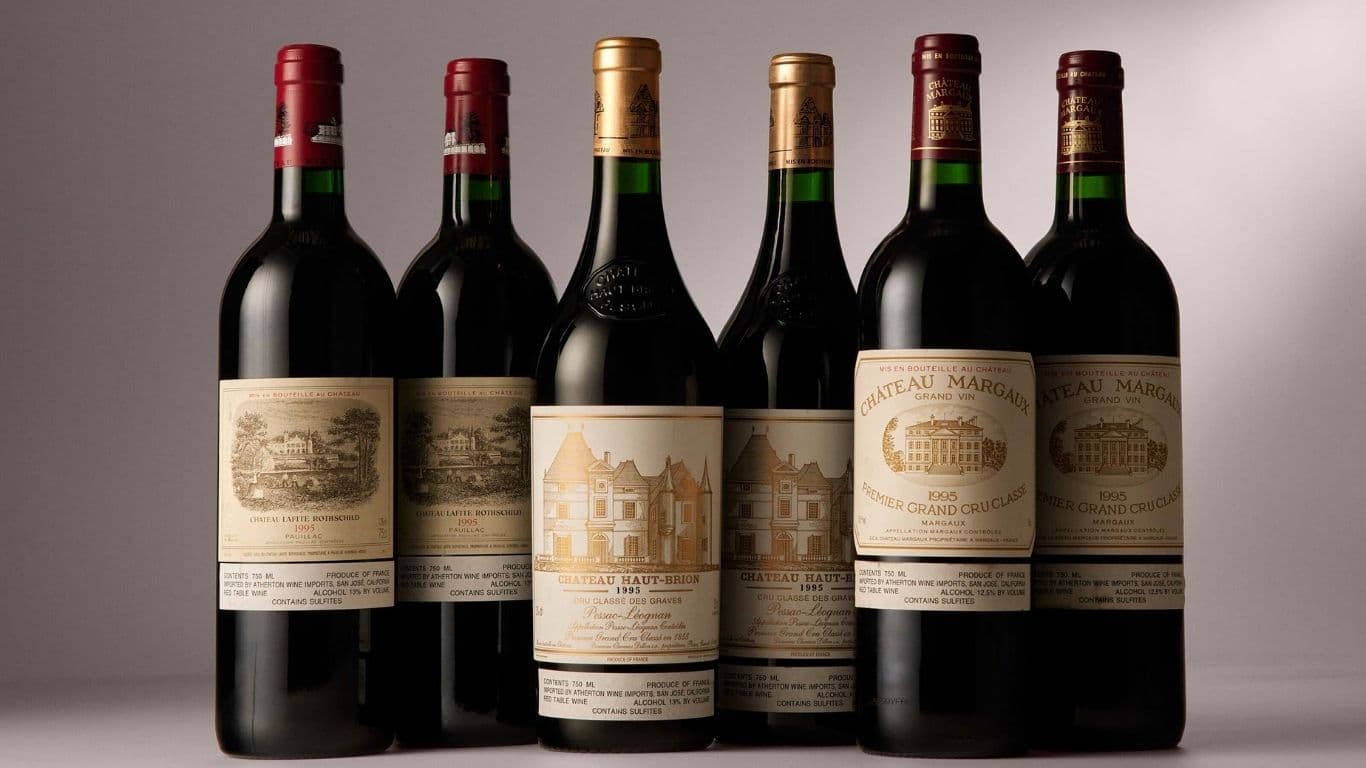
And that brand power translates directly into market performance. The top Bordeaux blends like Château Lafite Rothschild or Château Margaux often outperform single-site wines in total global trade volume, driven by name recognition that crosses every market and culture.
So whether a wine celebrates a single piece of ground or artfully combines many, terroir still sits at the heart of value. The difference is just in how that value gets communicated. For investors, knowing which style fits current global demand trends and future market narratives is key to building a balanced, appreciating portfolio. According to Liv-ex, the fine wine exchange, both philosophies have delivered strong returns, but through very different mechanisms.
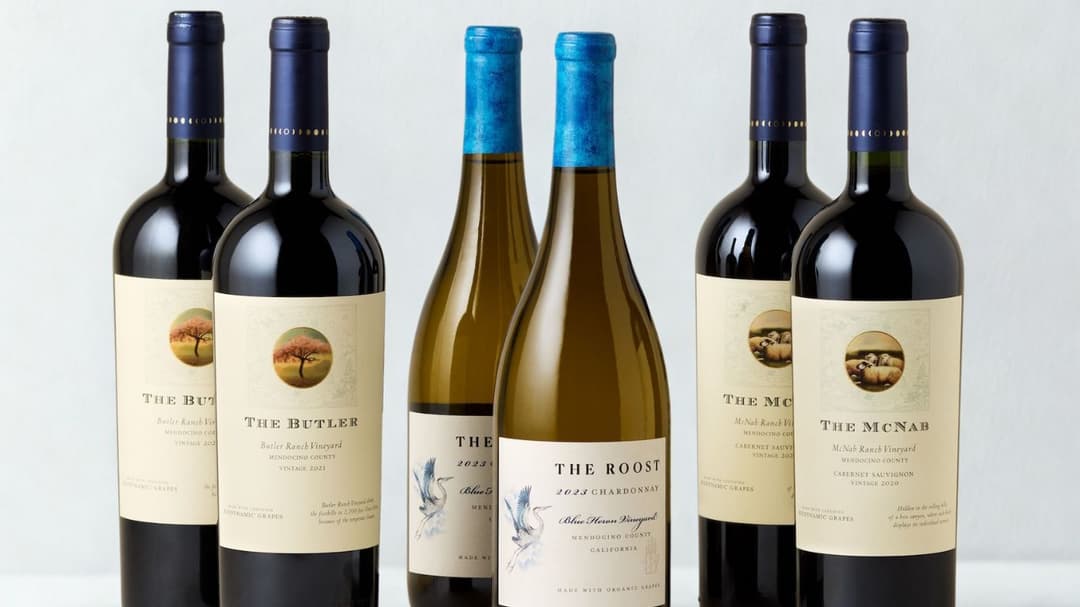
Single-Vineyard Wines vs Blends: Grape Varieties
When looking at grape varieties, the difference between single-vineyard wines and blends becomes even clearer. Single-vineyard wines are usually crafted from one primary grape variety grown in that specific parcel. This lets the grape speak directly of its environment, without other varieties masking or modifying its flavors. You get an unfiltered conversation between vine and soil.
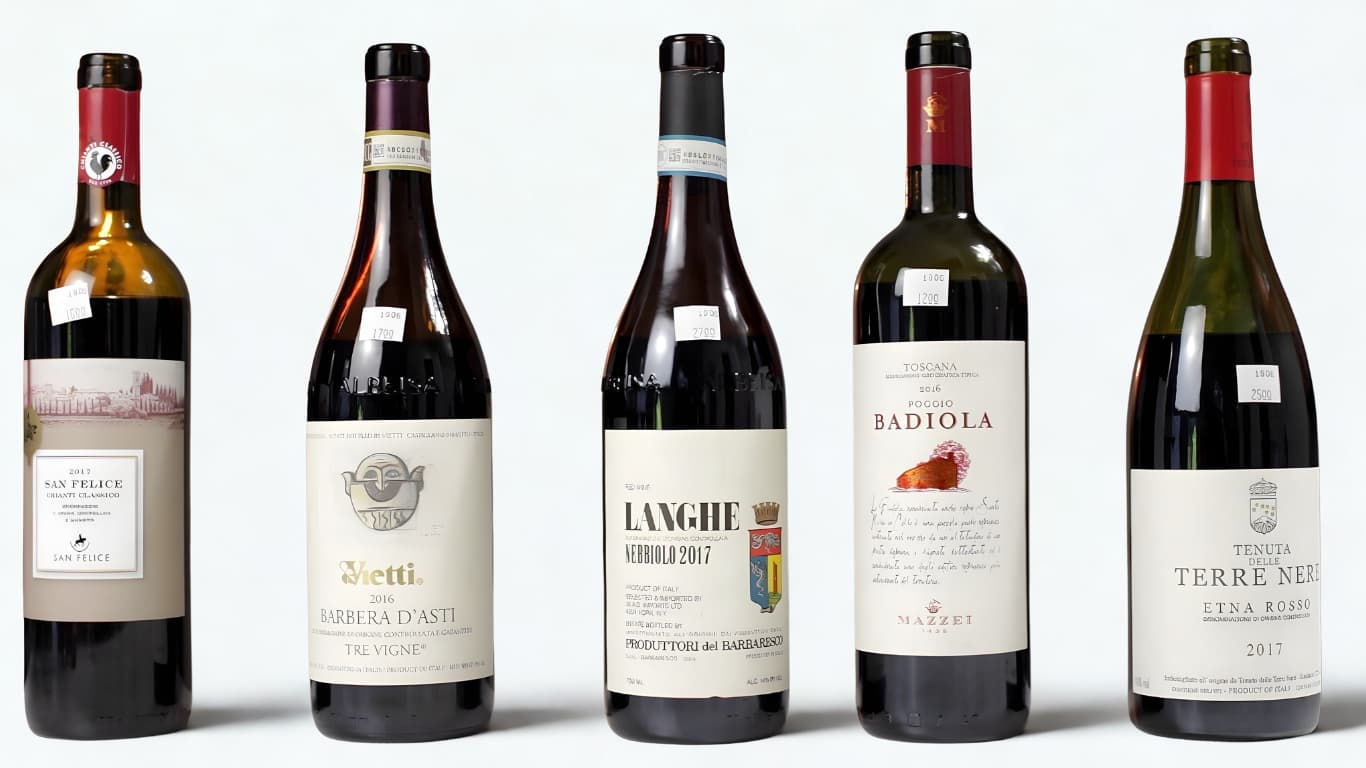
That is why regions famous for single-vineyard wines, like Burgundy for Pinot Noir or parts of Barolo for Nebbiolo, focus almost entirely on showcasing a single varietal from a particular plot. The grape and the ground become inseparable.
Jean-Marie Fourrier, a well-known winemaker in Gevrey-Chambertin, put it simply: “If you plant Pinot Noir on the wrong soil, no amount of blending will save it. A great vineyard gives you everything you need in one grape.” That is the single-vineyard philosophy in one sentence.
This is exactly why single-vineyard wines are often tied so closely to particular grapes that are sensitive to every shift in soil and climate. The variety becomes a lens, and the vineyard is what you are actually tasting.
Blends, on the other hand, take full advantage of multiple grape varieties to achieve balance and complexity. Bordeaux is the classic example, where Cabernet Sauvignon provides structure and tannin, Merlot adds softness and lush fruit, and smaller portions of Cabernet Franc or Petit Verdot bring aromatics and color stability. This approach is not just traditional. It is practical in the best possible way.
By drawing on different grapes, winemakers can adapt to each vintage’s strengths and weaknesses, creating consistent quality even when the weather does not cooperate. That flexibility is worth real money on the secondary market.
Recent figures from the Bordeaux trade show that over 92% of classified growths use at least three grape varieties in their final blend. This approach not only stabilizes year-to-year quality but also makes these wines attractive to buyers who want predictability in aging and style. As Boat International has noted in its coverage of ultra-high-net-worth spending habits, wine and other collectibles reward those who understand the fundamentals before committing capital.
You benefit from understanding these dynamics directly. Single-vineyard, single-variety wines often command premiums because of their scarcity and sense of place, especially when tied to iconic grapes. Blends shine for consistency and broader global recognition, traits that support steady resale activity and brand-driven price resilience. Both have a clear role in a well-rounded investment cellar, and both can be tracked intelligently through the best wine investment platforms available today.
Whether a wine is a pure expression of Pinot Noir from one slope or a masterful mix of Bordeaux varietals, both paths carry real weight in a serious cellar. The key is knowing which one aligns with your investment thesis.
Knowing which grape strategies match your goals helps you pick bottles that perform both on the palate and in long-term value. That alignment is what separates a great wine cellar from a great wine investment.
Single-Vineyard Wines vs Blends: Aging Potential and Holding Period
One of the biggest considerations for collectors and investors is how well a wine ages. This directly shapes how long you might hold it in a cellar and what kind of returns you can realistically expect when the time comes to sell.
Single-vineyard wines often have excellent aging potential, especially when made from grapes like Pinot Noir, Nebbiolo, or Syrah grown on exceptional sites. The concentration that great terroir produces gives these wines a remarkable ability to evolve over time without losing identity.
In Burgundy, top single-vineyard wines, called Premier Cru or Grand Cru, commonly reach their peak 15 to 30 years after vintage. That is a long holding period, but the patience tends to pay off handsomely when those bottles finally hit the auction block.
Barolo’s cru-level Nebbiolos tell a similar story, often needing 10 to 20 years to fully show their depth. If you are not comfortable with a long horizon, these might not be your best entry point.
Jean-Charles Cazes of Château Lynch-Bages once said, “Great wine is patient. A special vineyard has the bones to age without losing its soul.” That patience, when matched with the right buyer at the right moment, is where the real returns are made.
Blends also excel in aging, but for slightly different reasons. In Bordeaux or Napa, blending grapes with different structural strengths means the final wine can achieve both early approachability and long-term durability. You get a wine that works at year five and still rewards you at year forty.
Cabernet might provide the tannic backbone, Merlot the mid-palate softness, and Cabernet Franc the aromatic lift that keeps a wine lively even decades later. Many First Growth Bordeaux wines regularly age beautifully for 30 to 50 years, their layered construction helping them mature gracefully rather than fade.
Data from Liv-ex over the past decade shows that top Bordeaux blends maintain stable price growth from release through 30 years of age, often outperforming more volatile single-vineyard regions during broader economic downturns. Stability matters when markets get choppy.
That resilience makes blends attractive for investors seeking not only flavor complexity but also reliable long-haul portfolio anchors. If you think of your cellar the way investors separate real returns from hype in other asset classes, the same discipline applies here. Know your holding period before you buy.
Single-Vineyard Wines vs Blends: Price Appreciation and ROI
For price appreciation, both single-vineyard wines and blends have shown strong results, but often for very different reasons. Single-vineyard wines tend to rise in value because of scarcity and a unique sense of place that no amount of money can manufacture once the bottles are gone.
Each bottle captures a specific vineyard in a specific year. When those bottles are gone, they are truly irreplaceable. That limited supply is a key reason why prices can climb steadily once the wine enters the secondary market, and why patient collectors tend to win.
In Burgundy, auction data from the past five years shows that Grand Cru single-vineyard wines have appreciated by an average of 12 to 15% annually, outpacing many broader indices. That performance is partly driven by intense global demand, especially from collectors in Asia who place enormous value on the direct link between a bottle and a vineyard’s reputation. As Bloomberg’s markets desk has tracked, alternative assets including fine wine have drawn growing allocations from high-net-worth portfolios.
Blended wines, on the other hand, often achieve their gains through brand power and consistent critical acclaim. Bordeaux is the clearest example. Top estates like Château Lafite Rothschild or Château Margaux blend grapes from multiple plots and sometimes multiple communes to create a house style that buyers trust year after year. That reliability builds a robust global resale market that holds firm even when sentiment wobbles.
Recent Liv-ex data shows First Growth Bordeaux blends appreciating by 8 to 10% annually over the past decade, with periods of even stronger growth when new high scores are announced or top vintages are re-rated by influential critics.
Blends also tend to hold up well during market downturns. Their established names and broad international collector bases mean prices do not fluctuate as dramatically as more niche single-vineyard wines might. For investors seeking steadier growth, these blends can act almost like blue-chip stocks within a wine portfolio. The logic is not so different from how art investors balance trophy pieces against reliable blue-chip names to manage risk.
So while single-vineyard wines can deliver standout gains tied to vineyard reputation and vintage rarity, blends often offer smoother, more predictable upward trends driven by global brand loyalty. Both categories clearly carry investment merit. It just comes down to whether you are chasing unique scarcity or the proven track record of iconic blended labels. Neither answer is wrong. But knowing which one fits your strategy makes all the difference.
Best Single-Vineyard Wines For Investment
| Wine & Vineyard | Region | Typical Annual ROI | Aging Potential |
|---|---|---|---|
| La Tâche Grand Cru (Domaine de la Romanée-Conti) | Burgundy, France | 14–18% | 20–40 years |
| Clos de Tart Monopole Grand Cru | Burgundy, France | 12–15% | 20–30 years |
| Barolo Cannubi (Vietti, Sandrone) | Piedmont, Italy | 10–13% | 15–25 years |
| Achaval Ferrer Finca Altamira | Mendoza, Argentina | 8–11% | 12–20 years |
| Harlan Estate (Estate Parcel) | Napa Valley, USA | 9–12% | 15–25 years |
| Penfolds Magill Estate Shiraz | Adelaide, Australia | 7–10% | 10–20 years |
Best Blended Wines For Investment
| Wine & Producer | Region | Typical Annual ROI | Aging Potential |
|---|---|---|---|
| Château Lafite Rothschild | Bordeaux, France | 8–11% | 30–50 years |
| Château Margaux | Bordeaux, France | 8–10% | 30–50 years |
| Opus One | Napa Valley, USA | 7–9% | 20–30 years |
| Sassicaia (Tenuta San Guido) | Tuscany, Italy | 7–10% | 20–30 years |
| Penfolds Grange | South Australia | 8–11% | 20–40 years |
FAQ
Do single-vineyard wines cost more to produce than blends?
Generally yes. Managing a single parcel to highlight its unique traits often involves lower yields and more meticulous vineyard work, which raises production costs.
Can blended wines ever outperform single-vineyard wines in auction price?
Yes. Top Bordeaux and Napa blends frequently sell for higher absolute prices than many single-vineyard wines, thanks to strong brand recognition and historical prestige.
Is it easier to find older single-vineyard wines or blends on the market?
Older blends are more common. Estates like Château Lafite Rothschild or Sassicaia release library stocks regularly, while older single-vineyard wines are scarcer due to smaller original production.
Do sommeliers usually recommend blends or single-vineyard wines with food?
It depends on the dish. Sommeliers often suggest blends for richer meats due to their layered complexity, and single-vineyard wines with delicate dishes where subtle terroir notes shine.
Are single-vineyard wines more prone to vintage variation?
Yes. Because they come from one site, weather impacts them more directly. Blends can adjust by sourcing from multiple plots, making them more stable year-to-year.
Can I add single-vineyard wines to a wine investment fund?
Most funds focus on globally recognized blends and classic single-vineyard names from Burgundy or Barolo. Less famous single-site wines typically don’t qualify for fund portfolios.

Stefanos Moschopoulos
Stefanos Moschopoulos is the Founder and Head of Editorial at The Luxury Playbook, specializing in fine assets and alternative investments. His work focuses on analyzing luxury asset classes such as art, watches, collectibles, and yachting as structured investment vehicles, aligning them with broader wealth-building strategies. He leads the editorial direction of the publication, ensuring all content around alternative assets is data-driven, macro-aware, and investment-focused. His expertise lies in translating niche luxury markets into clear frameworks for portfolio diversification, long-term capital preservation, and asymmetric returns within non-traditional asset classes.