The auction record book is the structural document that anchors the broader art market. The works that have cleared the highest prices set the reference points that the rest of the market prices against, and the canon they form (a tight group of names across Renaissance, Modern, Post-War, and Contemporary categories) is the structural backbone of how serious collecting has been practised over the past three decades.
We have been tracking the top tier through every cycle, and the names that anchor the conversation in 2026 are the names that have anchored it for most of the past twenty years.
What follows is the magazine's editorial read on the eleven most expensive paintings ever sold, drawn from public auction records and the small number of meaningful private sales that have been independently confirmed. The list is not just a curiosity. The works on it provide the structural map of how the deepest tier of the art market actually functions, and understanding the works and the artists behind them is foundational to serious engagement with the broader category.
- The most expensive paintings in the world include Salvator Mundi, Interchange, The Card Players and a small group of canonical modern and Old Master works.
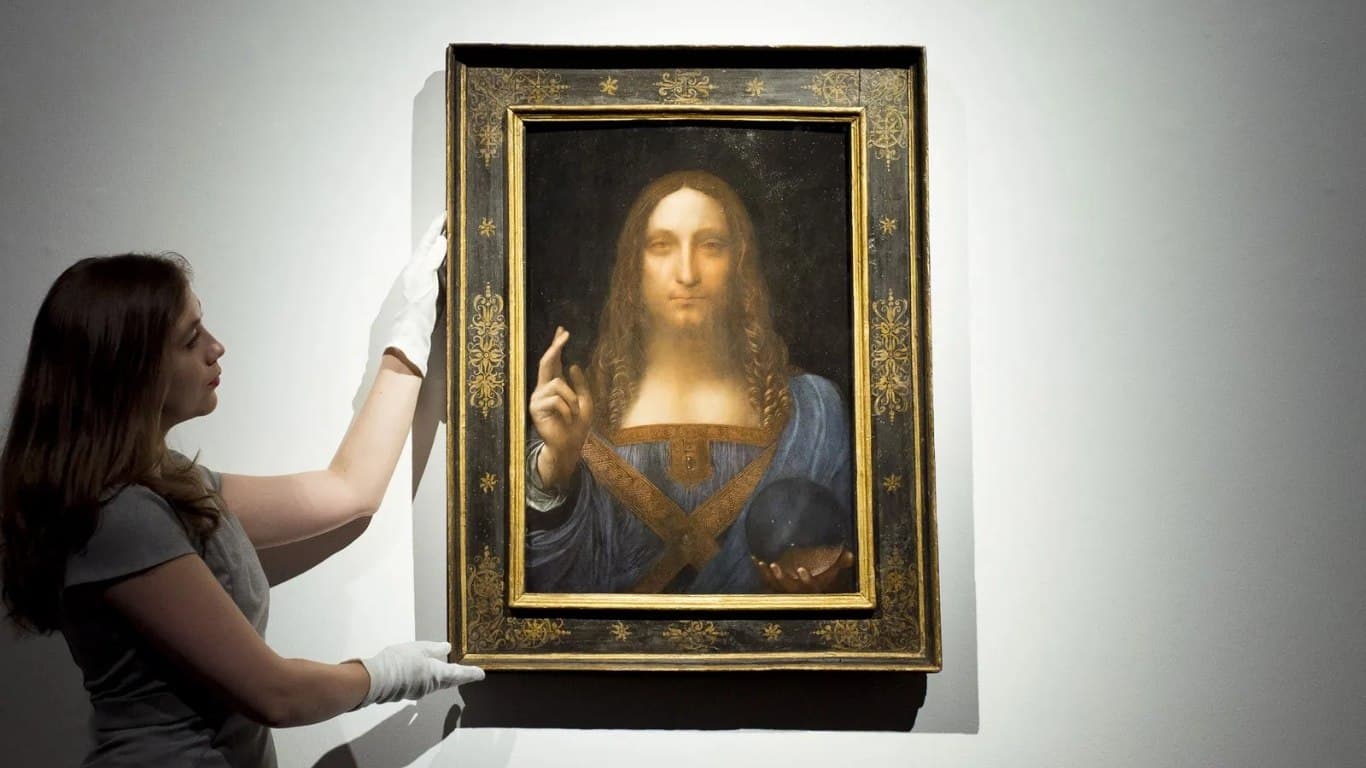
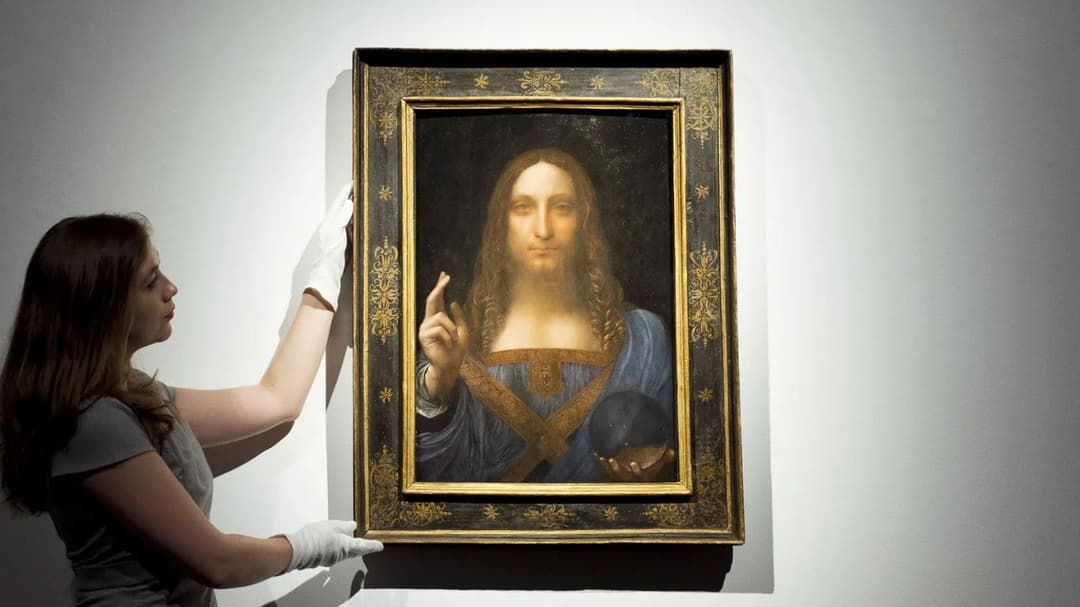
- Salvator Mundi cleared four hundred and fifty point three million dollars at Christie’s New York in November 2017, the highest public price ever paid for a painting.
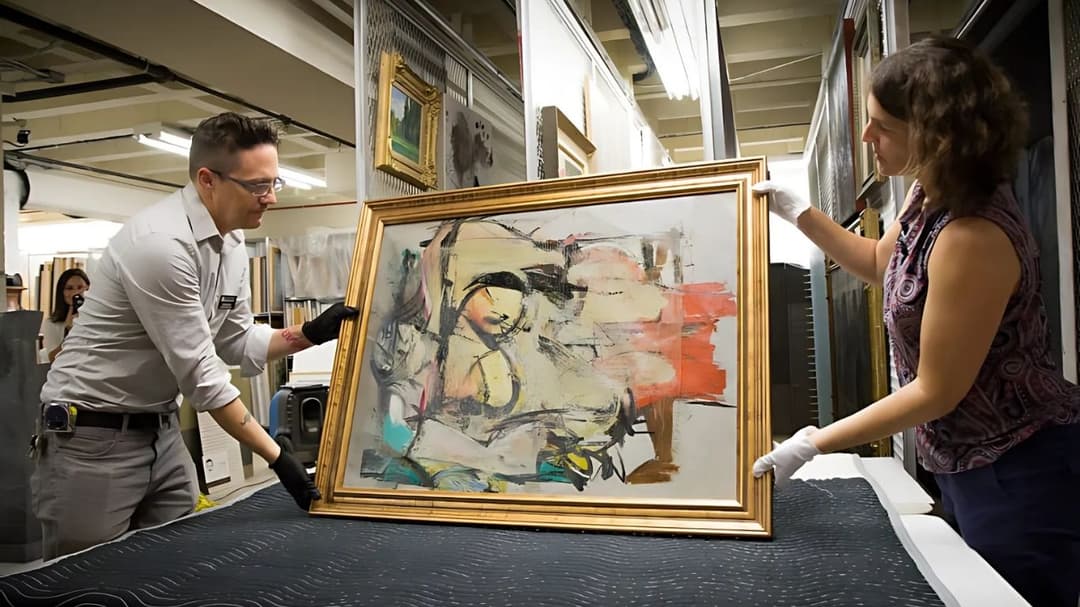
- Interchange by Willem de Kooning sold privately for around three hundred million dollars in 2015, a benchmark for post-war American painting.
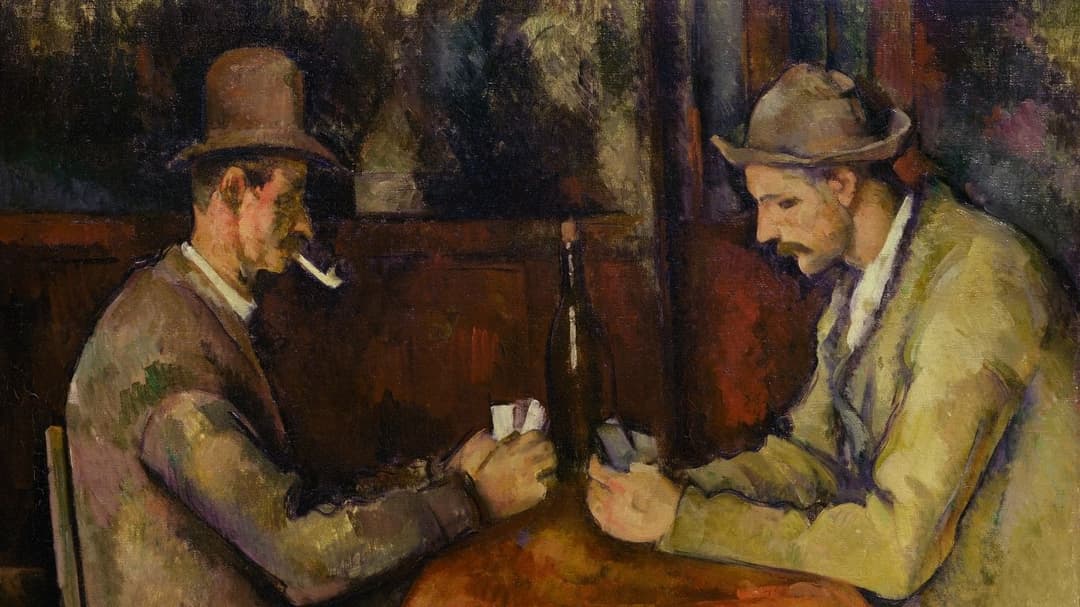
- The Card Players by Paul Cezanne reportedly sold to the Qatari royal family for around two hundred and fifty million dollars in 2011 in a private sale.
- Top-tier prices at this level usually involve sovereign museums, ultra-high-net-worth collectors and private channels rather than open auction salesrooms.
- These benchmark sales reset what the deepest tier of canonical painting can fetch and quietly recalibrate the entire structure of the global art market.
- Who is this for?
- Collectors, advisors and observers of the global art market who want a clear reference list of the eleven most expensive paintings ever sold and the buyers behind them.
- What is happening?
- An editorial overview of the eleven most expensive paintings in the world, covering Salvator Mundi, Interchange, The Card Players and the canonical works at the very top of the market.
- When did this emerge?
- Always relevant as benchmark reference, with renewed interest each time a major sale resets the top of the market through a record public or private transaction.
- Where is this happening?
- Most benchmark sales have cleared at Christie’s and Sotheby’s in New York and London, with private transactions executed through dealer channels in the same global cities.
- Why does it matter?
- Understanding the deepest sales in the market clarifies how the top tier actually behaves and provides essential context for any collector building or analysing serious holdings.
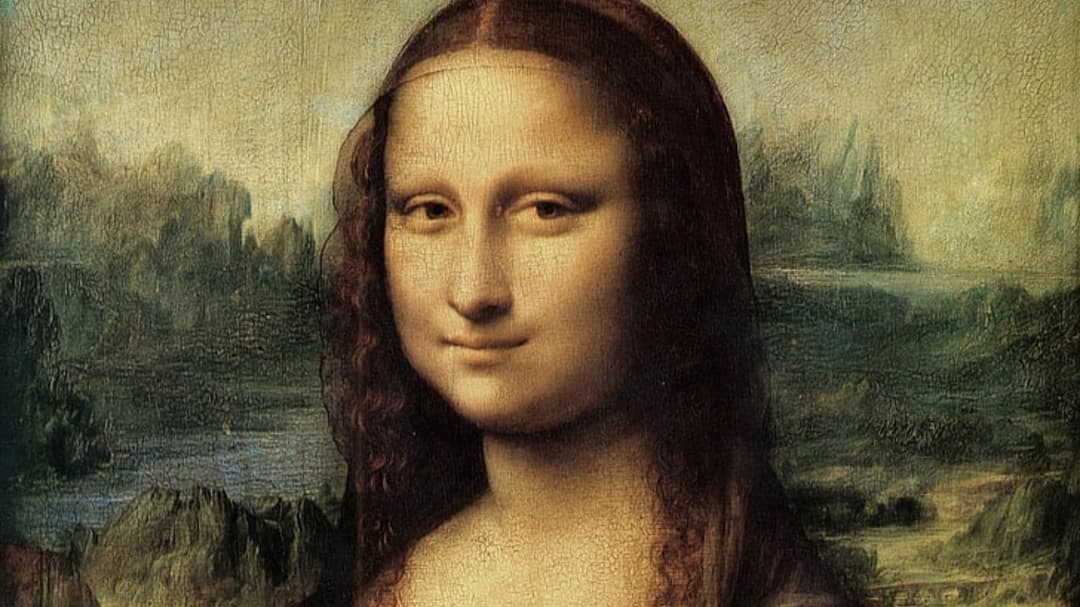
1. Mona Lisa by Leonardo da Vinci - estimated value $870 million
The Mona Lisa sits at the structural top of any conversation about value in art, though the work has never been sold and the figures associated with it are estimates rather than transaction prices. Leonardo (1452 to 1519) painted the work between roughly 1503 and 1519, and it has hung at the Louvre since 1804 after the French Republic acquired it from the royal collection.
The work's value is essentially symbolic at this point; no plausible private buyer or institutional acquirer could realistically purchase it from the French state, and the cultural significance has long since exceeded any transactional framework.
The structural lesson the Mona Lisa offers serious collectors is about the role of museum-anchored cultural value at the top of any category. Works that have entered the museum-anchored canon over centuries become structurally insulated from market dynamics, and the conversation about their value becomes cultural rather than transactional.
2. Salvator Mundi by Leonardo da Vinci - $450.3 million
The Salvator Mundi sale at Christie's New York in November 2017 is the highest publicly recorded auction price for any work of art, with the hammer plus buyer's premium clearing $450.3 million to a buyer reportedly representing Saudi Arabia's Department of Culture. The work's attribution has been the subject of significant scholarly debate both before and since the sale, and the work has not been publicly exhibited since the Christie's pre-sale exhibition.
The structural significance of the result is twofold. First, it set the upper bound that the art market has demonstrated it can support at public auction for a single work. Second, it demonstrated the role of institutional acquirers (national museums and cultural agencies) in setting the very top of the market when great works surface.
3. Interchange by Willem de Kooning - $300 million
Interchange was sold privately in September 2015 in a transaction reportedly engineered by the Chicago dealer David Geffen, with the work moving from Geffen's holdings to the hedge fund manager Kenneth Griffin at a reported $300 million. The transaction was paired with a sale of Jackson Pollock's Number 17A in the same deal.
De Kooning (1904 to 1997) was a central figure of the New York School, and Interchange (1955) belongs to the period when his abstract gestural language reached full maturity.
The structural lesson the sale offered was about the role of private-channel transactions at the very top of the market. Public auction outcomes at this tier are extremely rare; private sales between major collectors handle most of the actual transactional activity at the multi-hundred-million level.
4. The Card Players by Paul Cezanne - $250 million
The Card Players sale was a private transaction completed in 2011 between Greek shipping magnate George Embiricos's estate and Qatar's royal family, with the work reportedly clearing above $250 million. Cézanne (1839 to 1906) painted the Card Players series in the early 1890s, with five versions distributed across museum and private collections. The Embiricos version that traded in 2011 was one of the smaller examples but with exceptional provenance.
The structural lesson the sale offered was about the emergence of Gulf-state institutional buyers as serious participants at the very top tier. Qatar's acquisitions through the early 2010s reshaped the structural geography of where the deepest tier of the market actually transacts.
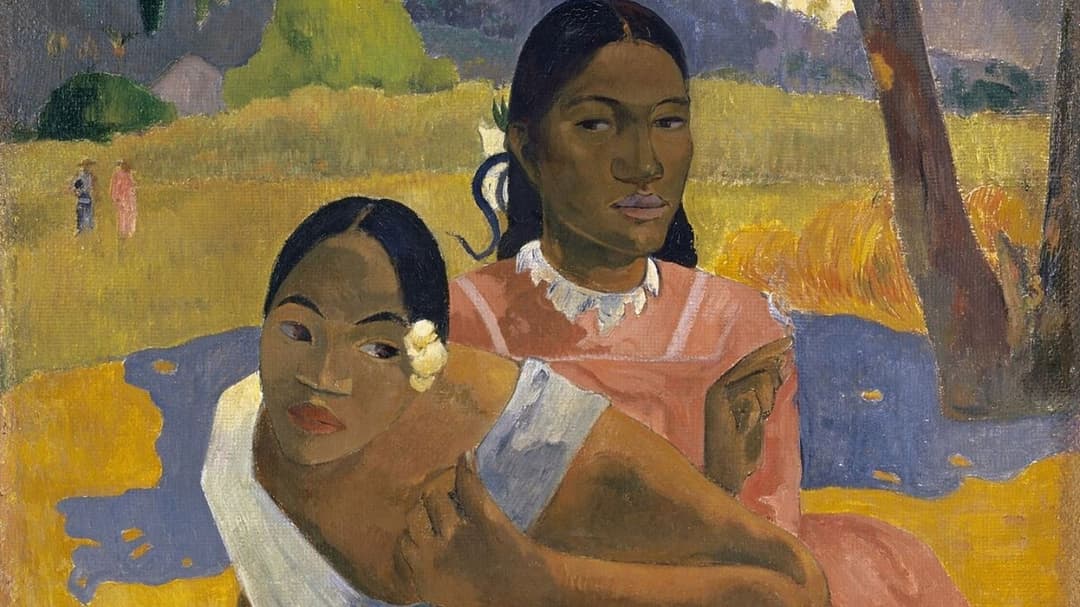
5. Nafea Faa Ipoipo (When Will You Marry?) by Paul Gauguin - $210 million
The Gauguin sale was another private transaction between Swiss collector Rudolf Staechelin and Qatar's royal family, reportedly clearing around $210 million in 2014 and 2015. Gauguin (1848 to 1903) painted Nafea Faa Ipoipo (1892) during his first Tahitian period, when his Post-Impressionist visual language reached its most distinctive Polynesian-themed expression. The work had been held by the Staechelin family for decades.
The continued Qatari accumulation of Post-Impressionist and Impressionist top-tier work through the early 2010s established a structural pattern that the market priced against for years afterward.
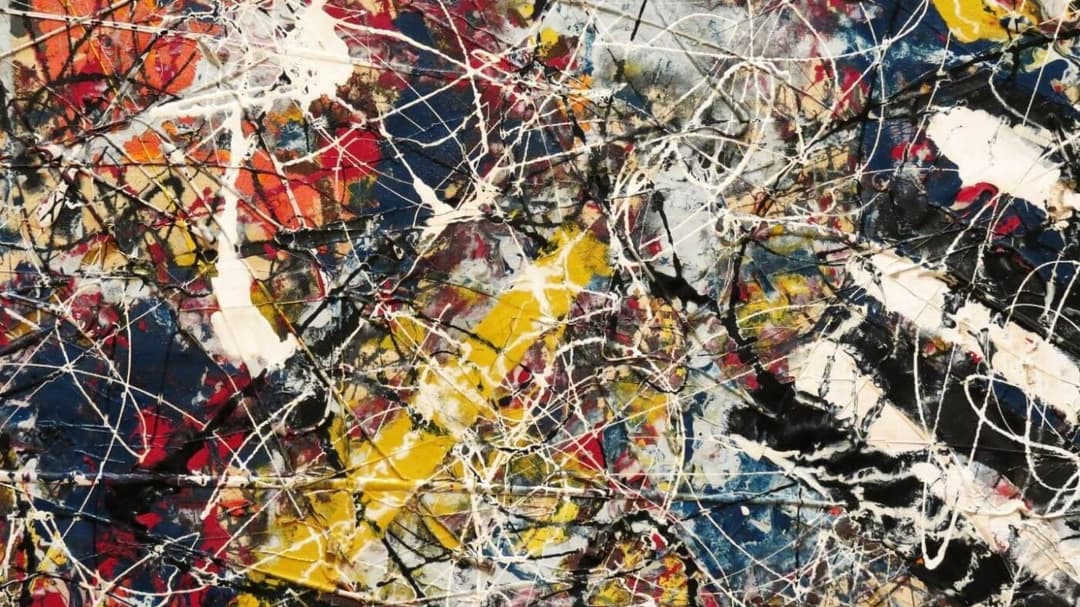
6. Number 17A by Jackson Pollock - $200 million
Number 17A was the second Pollock work in the Geffen-to-Griffin private sale of September 2015, reportedly clearing $200 million alongside the de Kooning Interchange. Pollock (1912 to 1956) painted Number 17A in 1948, at the peak of his drip-painting period that defined the New York School's structural emergence as a serious international movement.
The structural lesson the sale offered was about the depth of demand for the small group of Pollock major works that exist outside museum holdings. The Pollock secondary market depends on a handful of works in private hands, and the prices these works clear when they trade reflect that supply scarcity.
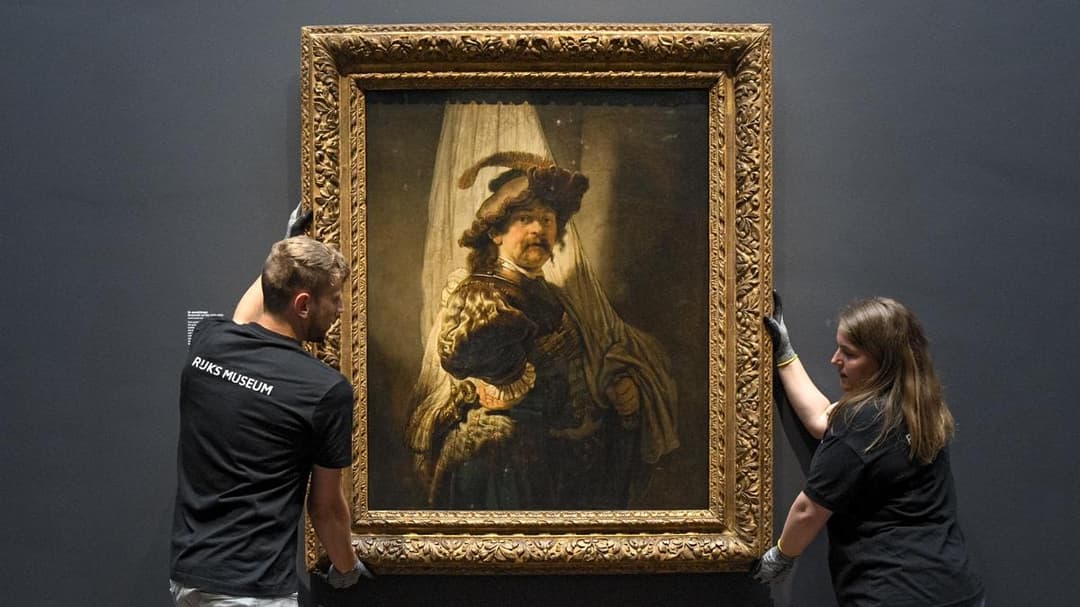
7. The Standard-Bearer by Rembrandt van Rijn - $198 million
The Standard-Bearer was sold privately in 2021 by the Rothschild family to the Rijksmuseum in Amsterdam, with the Dutch state covering the bulk of the cost as part of a programme to repatriate the work to Dutch institutional ownership. The reported figure of approximately $198 million made it the most expensive Old Master ever sold. Rembrandt (1606 to 1669) painted the Standard-Bearer in 1636.
The structural significance of the sale was the demonstration of national-government commitment to repatriating significant works of cultural heritage to their countries of origin. The Dutch state's investment in the Standard-Bearer signalled a structural shift in how Old Masters of national significance can move when the cultural-political will exists.
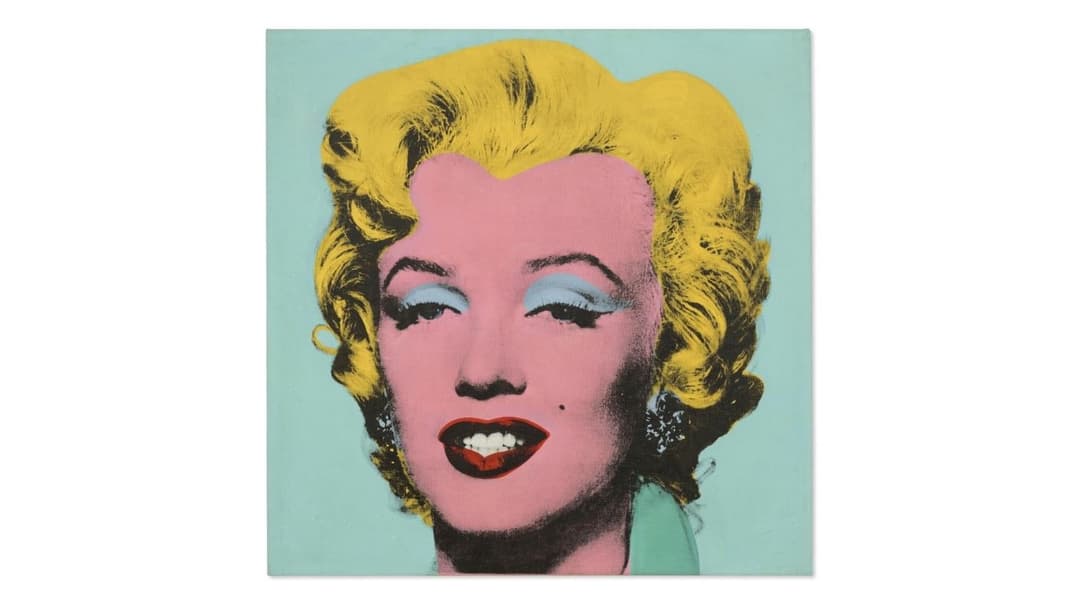
8. Shot Sage Blue Marilyn by Andy Warhol - $195 million
Shot Sage Blue Marilyn sold at Christie's New York in May 2022 for $195 million, the highest auction price ever paid for an American artwork and the highest public auction result for any 20th-century work. The work belongs to a series Warhol (1928 to 1987) produced in 1964, with each painting in the series featuring a different colour background. The Shot Sage Blue version had been held by the Thomas and Doris Ammann Foundation.
The structural significance of the sale was both the price level achieved and the post-pandemic timing that established a new high-water mark for the contemporary canon. The Warhol market continues to be one of the deepest and most active in contemporary collecting, and the Shot Sage Blue result reset the structural ceiling.
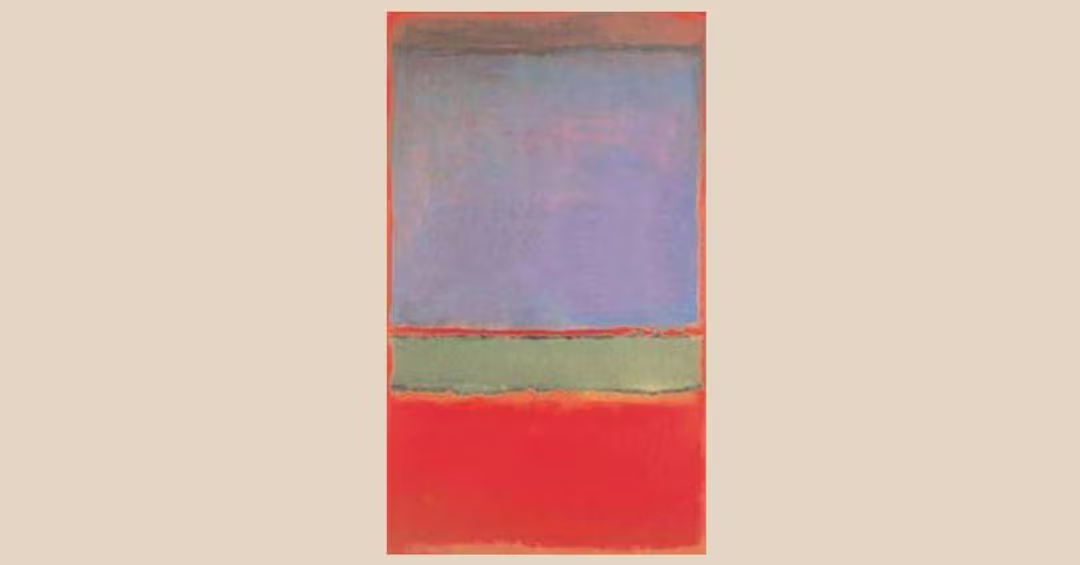
9. No. 6 (Violet, Green, and Red) by Mark Rothko - $186 million
No. 6 (Violet, Green, and Red) was sold privately in 2014 by collector Cherise Moueix and her husband Jean to Russian collector Dmitry Rybolovlev, with the reported figure of approximately $186 million making it one of the highest-priced abstract works ever sold. Rothko (1903 to 1970) painted the work in 1951, in his mature colour-field period that defined his structural place in the New York School.
The structural significance of the sale was its place in the Rybolovlev-Bouvier transactional history, which subsequently became one of the most-discussed legal disputes in the art market over the question of whether Rybolovlev had been overcharged by his adviser Yves Bouvier across a series of major acquisitions.
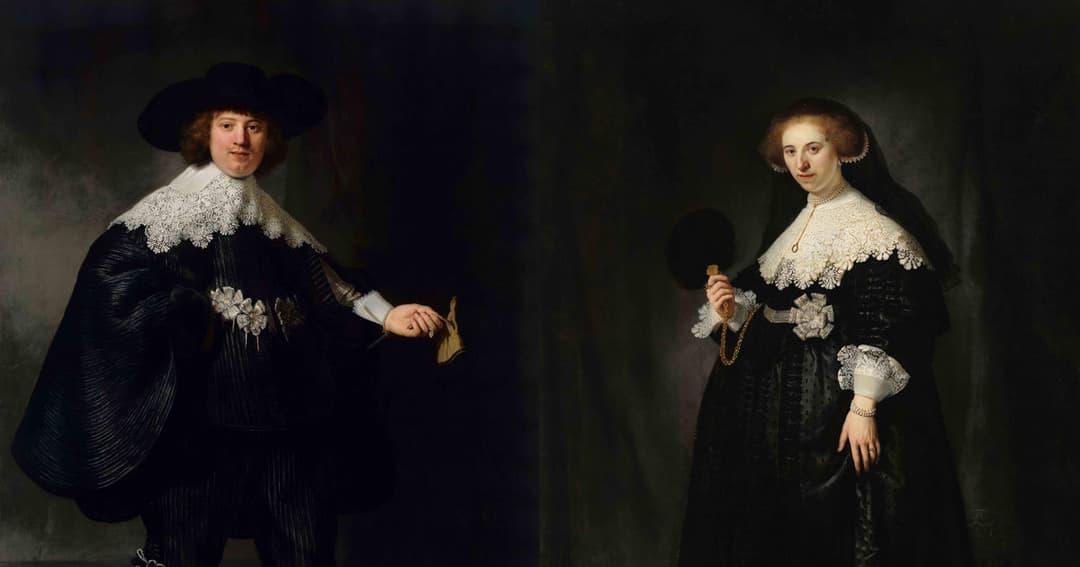
10. Portraits of Maerten Soolmans and Oopjen Coppit by Rembrandt van Rijn - $180 million
The Rembrandt portrait pair was sold in 2015 by the Rothschild family in a joint acquisition by the French Republic (the Louvre) and the Kingdom of the Netherlands (the Rijksmuseum), with the total reported figure of approximately $180 million split between the two states. The two paintings (1634) had been held by the Rothschild family since the early 19th century.
The structural significance was the demonstration that joint state acquisitions of cultural patrimony could function for works whose national-origin claims span multiple jurisdictions. The work alternates between Paris and Amsterdam under the joint-ownership agreement.
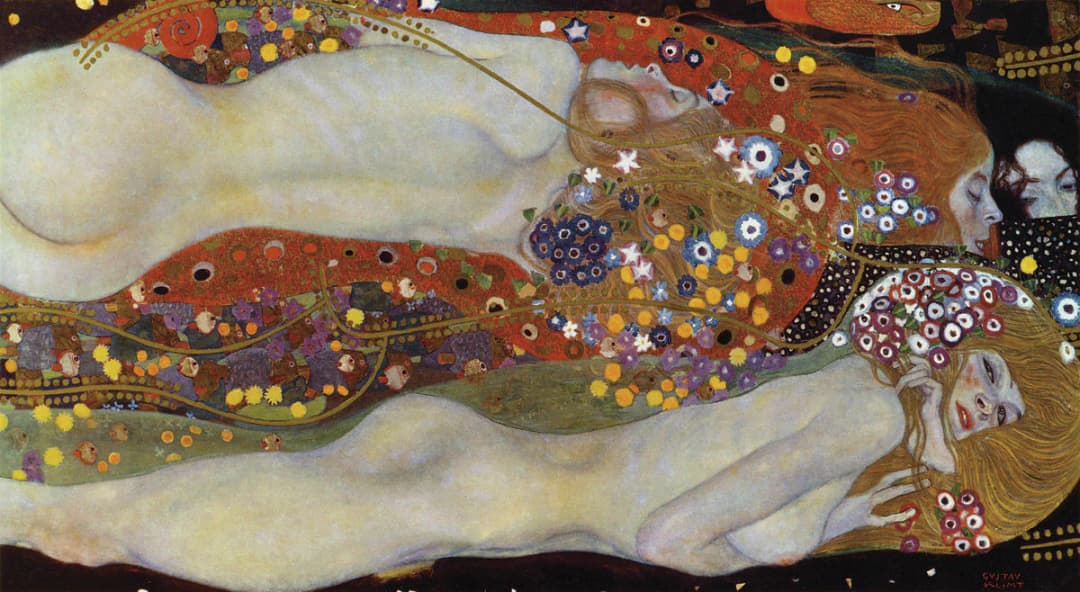
11. Water Serpents II by Gustav Klimt - $170 million
Water Serpents II was sold privately by Yves Bouvier to Russian collector Dmitry Rybolovlev in 2013 for a reported $187 million, with Rybolovlev later asserting that Bouvier had overcharged him substantially. The work (1907) belongs to Klimt's symbolist period when his structural visual vocabulary reached full maturity. Klimt (1862 to 1918) anchors the early-20th-century Austrian tradition, and his auction-market position remains one of the strongest in the modern category.
Honorable Mentions
1. Les Femmes d'Alger (Version O) by Pablo Picasso - $179.4 million
Les Femmes d'Alger (Version O) sold at Christie's New York in May 2015 for $179.4 million, the highest public auction price for any Picasso work and one of the structural reference points for the broader Picasso market. Picasso (1881 to 1973) painted the Femmes d'Alger series in 1954 and 1955, working from Delacroix as a starting point for his own variations.
2. Nu Couche by Amedeo Modigliani - $170.4 million
Nu Couché sold at Christie's New York in November 2015 for $170.4 million to Chinese collector Liu Yiqian, who subsequently displayed the work at his Long Museum in Shanghai. Modigliani (1884 to 1920) painted the work in 1917 and 1918, and the result demonstrated the structural emergence of Chinese collectors as serious buyers at the top tier of the global market.
3. The Scream by Edvard Munch - $119.9 million
The pastel version of The Scream sold at Sotheby's New York in May 2012 for $119.9 million to American financier Leon Black. Munch (1863 to 1944) created four versions of The Scream between 1893 and 1910 in painting and pastel media, with the others held in Norwegian museum collections.
4. Portrait of Adele Bloch-Bauer I by Gustav Klimt - $135 million
The Klimt portrait was sold privately in 2006 by Maria Altmann to Ronald Lauder for the Neue Galerie in New York, where it has been on continuous display since. The acquisition followed a landmark Holocaust restitution case in which the work was returned to the Bloch-Bauer heirs by the Austrian state.
5. The Rothschild Faberge Egg - $9.6 million
The Rothschild Egg sold at Christie's London in November 2007 for $9.6 million. While not a painting, the result is often included in lists of top art-market prices because of its structural place in the decorative-arts and Russian-imperial-art categories.
What makes a painting so expensive?
The structural pattern across the most expensive works ever sold is consistent. Each work sits at the very top of its respective artist's catalogue, by an artist who anchors the broader canon of their period. Each work has clean provenance through major historical collections or institutional holdings.
Each work has the cultural depth that institutional acquirers and serious private collectors require when committing capital at this scale.
The price points reflect the genuine scarcity of works at this tier. The number of works that could plausibly clear $100 million at auction is small (probably in the low hundreds globally), and the number that could clear $200 million is significantly smaller. The supply at this tier is genuinely fixed, the institutional and private demand for the works that do trade is structurally consistent, and the price points reflect the balance of these factors.
For collectors thinking about what these results mean for the broader market, the structural reading is that the top tier sets the reference points but is not the part of the market where most serious collecting actually happens. The named artists at the top of the canon (Leonardo, Cézanne, Picasso, Pollock, Rothko, de Kooning, Warhol, Basquiat) all have deeper bodies of work that trade at lower but still meaningful price points, and serious collections build around these deeper bodies rather than the trophy works themselves. The structural map the trophy results provide is useful, but the actual collecting work happens at the tiers below. The Basquiat works that have set records provide one specific example of how the structural pattern operates within a single artist's catalogue.
We last reviewed this analysis in May 2026.

Stefanos Moschopoulos
Stefanos Moschopoulos founded The Luxury Playbook in Athens and has spent the better part of a decade following the auction calendar, the en primeur releases, and the watchmakers, gallerists, and shipyards the magazine covers. He writes the field guides and listicles that anchor the Connoisseur section — pieces built on Phillips and Christie's results, Liv-ex movements, and conversations with collectors he has met across Geneva, Bordeaux, Basel, and Monaco. His own collecting habits sit closer to watches and wine than art, and it shows in the level of detail in the magazine's coverage of those categories. Under his direction, The Luxury Playbook now publishes long-form field guides, market-defining year-end listicles, and the Voices interview series with the founders behind the houses and the brands.