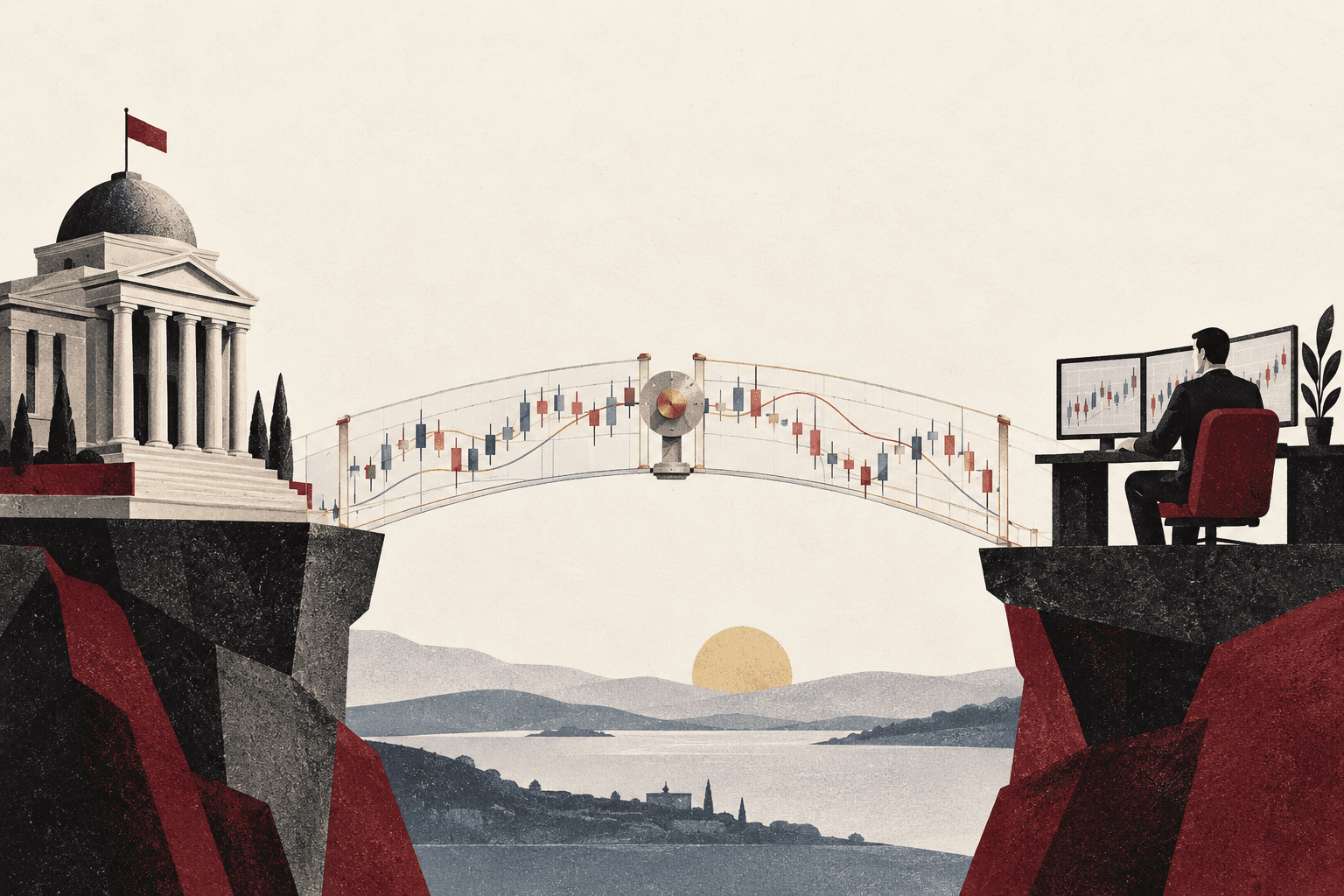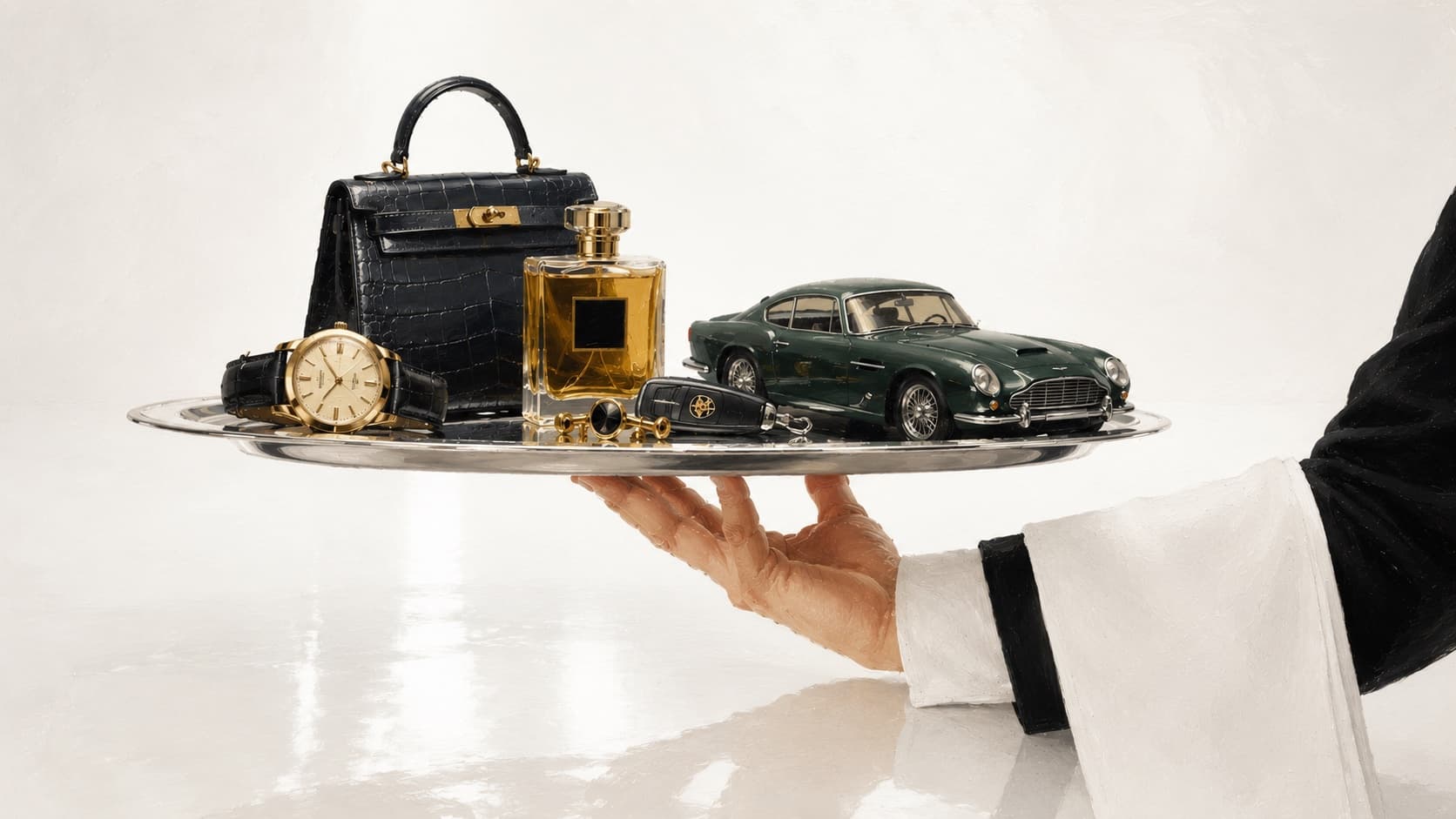
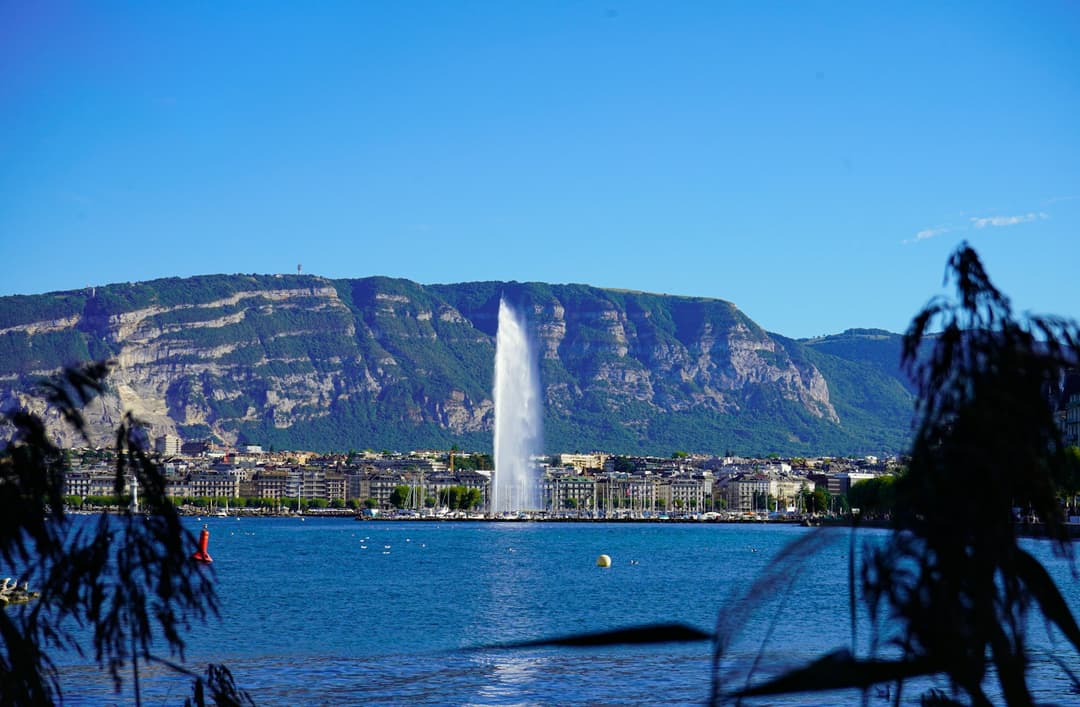
In Geneva last autumn, a collector managing over a hundred million dollars in liquid assets offered the most clarifying definition of luxury I have encountered in two decades of advisory work. He does not buy luxury, he told me. He buys evidence of his own judgment.
There are 713,626 ultra-high-net-worth individuals in the world today. Eighty-nine new ones cross the thirty million dollar threshold every single day. The vast majority of luxury brands cannot reach a single one of them.
The problem is not access. It is recognition.
Key Takeaways
- The ultra wealthy buyer is not a richer version of the aspirational customer. They are a different category of person, and the standard formula of premium product, exclusive channel and aspirational storytelling does not register with them.
- Just 1% of the high-net-worth population holds 34% of its wealth, so this single discreet stratum steers the directional logic of luxury far beyond its visible presence in the market.
- Opacity at this level is philosophy rather than discretion. Above roughly one hundred million dollars, visibility becomes a liability and the performance of wealth starts working against its owner.
- Art is the most honest evidence of how this layer thinks. Collectors above fifty million dollars allocate an average of 28% of their wealth to art and collectibles, and 47% of their transactions happen through private sales.
- Influence is exercised through cultural direction rather than consumption. A single acquisition or commission travels through networks of tastemakers and quietly recalibrates what the market considers significant.
- Raising prices and restricting access cannot reach this stratum. The only quality no product can replicate is being genuinely understood, and a misjudged approach signals that a brand does not know who it is addressing.
- Who: The invisible layer of ultra-high-net-worth individuals, 713,626 people worldwide, and the luxury brands, galleries and advisers trying to reach them.
- What: Why the wealthiest collectors have exited conventional luxury, and how their private decisions still set the direction of the entire market.
- When: Now, as eighty-nine new individuals cross the thirty million dollar threshold every day and UHNW art holdings head toward 3.47 trillion dollars by 2030.
- Where: In Geneva, in private salerooms and inside the discreet networks where cultural value is actually decided, far from boutiques and fairs.
- Why: Because a brand that cannot recognise this layer is not missing a revenue segment. It is missing the source of its own future relevance.
Table of Contents
The Wrong Taxonomy
The UHNWI is not a wealthier version of the aspirational luxury buyer. They are a different category of person entirely, operating on different values, different motivations, and a fundamentally different relationship with the objects, experiences, and cultural assets they choose to acquire.
They represent 1% of the high-net-worth population globally and hold 34% of its wealth across a ninety trillion dollar base, according to Capgemini’s 2025 World Wealth Report. That concentration is not incidental. It is structural. And it means that this single discreet stratum exerts an influence on the directional logic of luxury that is wildly disproportionate to its visible presence in the market.
The mistake brands make consistently is applying the same engagement formula to this layer that works for the consumer beneath them: premium product, exclusive channel, aspirational storytelling. That formula was designed for the buyer who wants to be seen acquiring something rare. This layer has no such desire. It finds the aspiration system, the one it helped create, quietly irrelevant. That is not a positioning problem. That is a category error.
Opacity by Design
Opacity at this level is not discretion. It is philosophy. Some analysts now place the real threshold of this layer at one hundred million dollars, not the thirty million that defines the UHNWI broadly. The distinction matters: at that level, visibility itself becomes a liability. The performance of wealth, the recognisable object, the aspirational signal broadcast outward, begins to work against the very interests of the person performing it.
The conventional luxury ecosystem is built entirely around that performance. The recognisable object. The aspirational signal directed at those who cannot yet afford it. That system depends on the buyer’s desire to participate in a shared choreography of status. This stratum exited that choreography long before brands noticed they were gone.
In advisory conversations at this level, the shift is unmistakable. The question is never what is new. It is never what is trending. It is what is singular. What cannot be replicated, found, or accessed by anyone else through any conventional channel. The brands still answering the first question are no longer in the right conversation.
This is not a buyer who responds to manufactured scarcity. They have been inside the rooms where it is manufactured. They know the mechanics. They have watched the industry perform exclusivity at scale and concluded, quietly, that the performance is not for them.
Art as Autobiography
The most precise evidence of how this stratum actually thinks is not found in their luxury acquisitions. It is found in their art.
UHNWIs with assets over fifty million dollars now allocate an average of 28% of their wealth to art and collectibles, according to the Art Basel and UBS Survey of Global Collecting 2025. Total UHNW art holdings reached 2.56 trillion dollars in 2024 and are projected to reach 3.47 trillion by 2030. These are not decorative figures. They are an autobiography written in capital allocation.
Forty-seven percent of art transactions at this level are conducted through private sales, chosen specifically for privacy, price control, and curated access. Not public auctions. Not major fairs. Private rooms, private relationships, and private decisions made entirely outside the visibility system that governs the rest of the market.
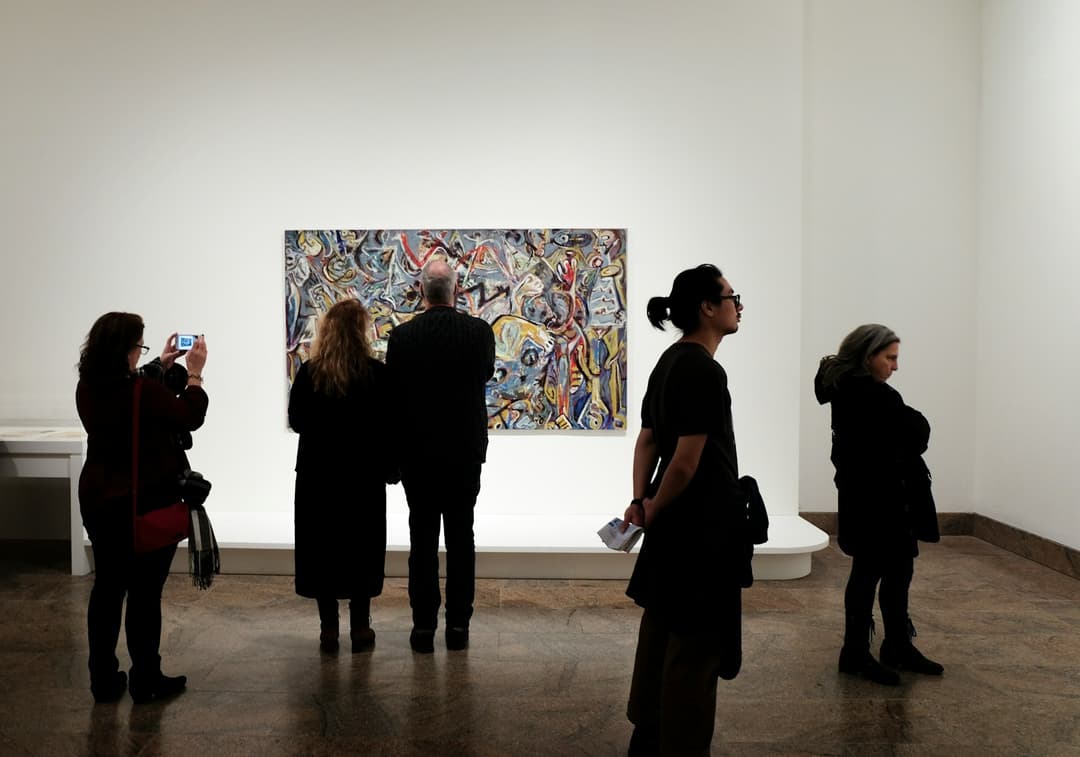
This is not collecting as status signalling. It is collecting as self-expression. The work acquired does not communicate what the owner is worth. It communicates, to those with the literacy to read it, who the owner actually is. Their aesthetic intelligence. Their cultural positioning. Their personal verdict on what carries meaning and what does not.
Art at this level is the most honest language serious wealth possesses. It says what the owner will not say publicly. Most brands have never thought to listen.
For this stratum, the object is never incidental. It is biographical.
The Power of the Unseen
The power this layer holds over global luxury is not exercised through consumption. It is exercised through cultural direction.
When a collector of this standing acquires a specific artist, commissions a specific maker, or chooses a particular house for a bespoke commission, that decision travels through the market in ways that are traceable but rarely acknowledged. Tastemakers, curators, and advisers who operate within this network carry those signals outward. Categories shift. Values recalibrate. What is considered significant changes.
None of it is announced. None of it moves through conventional brand channels. And the marketing systems luxury has spent decades perfecting were not built to find it.
The brand that cannot reach this layer is not simply missing a revenue segment. It is missing the source of its own future relevance.
The Wrong Formula
The luxury industry’s instinct, when it senses this stratum drifting out of reach, is to increase scarcity, raise price, and further restrict access. That response operates entirely within the same visibility logic this layer has already rejected. It is the industry talking to itself.
What no premium product or exclusive experience can replicate is the quality of being genuinely understood. These are individuals who have developed, often over decades, a relationship with art that is deeply private, culturally specific, and biographical in its logic. They know exactly what they value and why. They have built collections that document it.
The brand that approaches this stratum with a formula designed for someone less wealthy is not simply using the wrong tool. It is communicating, without intending to, that it does not know who it is addressing. That communication lands. And it is very difficult to recover from.
The invisible billionaire layer is not hiding from luxury. It has simply moved to a register where most of the industry cannot follow.
The connoisseur always arrives before the market. This layer arrived years ago. The question now is whether luxury has the intelligence to find them.
Related reading on how the industry reached this point can be found in How Luxury Spent Twenty Years Quietly Undermining Itself.
We last reviewed this analysis in July 2026.


Shahzad Haider
Shahzad Haider is a futurist curator shaping discourse at the intersection of art, luxury and connoisseur culture. As President of The Future Connoisseurs and former Chairman of the Board of The Fragrance Foundation Arabia for over 12 years, his work examines the forces redefining desirability, cultural influence and affluent behavior across the United States, Europe, the Middle East and Asia. He is the author of three books, with The Future of Luxury 2025–2050 launching soon. At The Luxury Playbook, he offers analysis on emerging luxury paradigms, cultural capital and the future architecture of global connoisseurship.