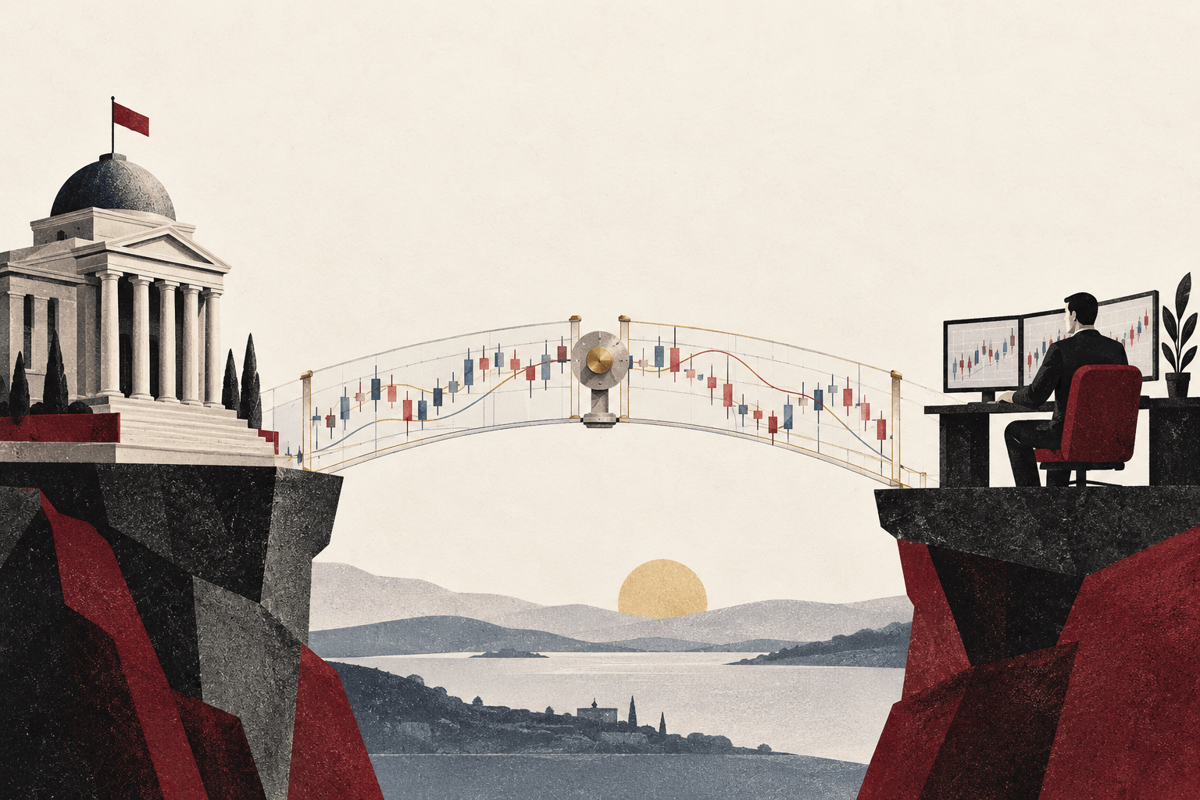

When you start thinking seriously about hotel investments, one thing becomes clear fast. Everyone is chasing that same secret formula that balances revenue with operations and turns a property into something genuinely profitable and enjoyable to run. Strategy, scale, good management, these all come up.
But if you trace every successful hotel back to its roots, one answer keeps showing up above the rest: the Hotel Concept.
Most people hear the word “concept” and think theoretical, something vague and decorative that gets sorted out later. But here is the thing, a well-built hotel concept is far more than a story or a mood board. It is the foundation your entire investment strategy stands on.
It shapes every decision you will make, from the typology of the building and the operational flow to the guest experience and, ultimately, your financial returns.
And yet, the same questions come up every single time. What exactly is a concept? When should you develop it?
And who owns it? They sound straightforward, but the answers tend to surprise people, especially when you look at the lessons drawn from developing more than 140 hotel investment concepts over the past decade.

Key Takeaways
Navigate between overview and detailed analysisKey Takeaways
- A hotel concept is not just design or aesthetics, it is the strategic foundation of the entire investment, guiding architecture, operations, branding, gastronomy, and financial planning.
- Concept development must start at the beginning, shaping typology, direction (wellness, gastronomy, lifestyle, etc.), and narrative to ensure consistency and profitability.
- A hotel concept leader is essential to connect strategy, architecture, operations, and guest experience, ensuring decisions are aligned and the investment vision is preserved.
- Strong concepts reduce operational risks (like staffing shortages) by providing clarity, structure, and efficiency across all departments.
- The industry lacks dedicated hotel concept specialists, and expanding this expertise would elevate hospitality projects globally.
The Five Ws Analysis
- Who:
- Investors, architects, branding experts, F&B teams, and operators, coordinated by a dedicated hotel concept leader or specialist.
- What:
- A hotel concept is a strategic framework that defines the identity, positioning, operations, and guest experience of a hospitality investment.
- When:
- From the very beginning of development, starting with typology decisions, then shaping narrative, design, and operations step by step.
- Where:
- Everywhere in the investment process, from the architectural plan and space alignment to gastronomy, branding, and revenue strategy.
- Why:
- Because a strong, clearly defined hotel concept balances revenue with operations, reduces risk, accelerates decision-making, and transforms a property into a sustainable, profitable asset.
The Real Explanation of a Hotel Concept and Its Role in Investment Success
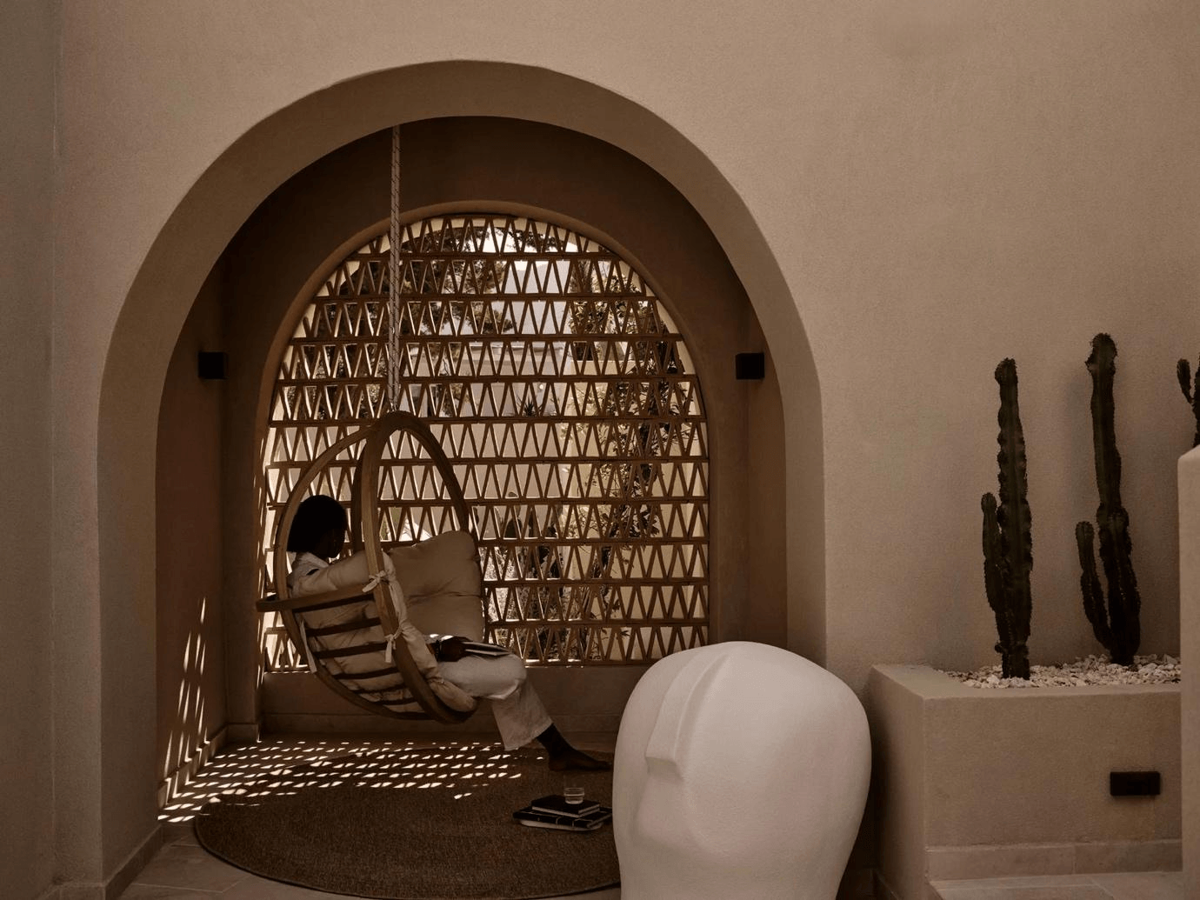
Start with this idea: a hotel concept is not about aesthetics. It is about wholeness. To make that concrete, consider a project developed with Destsetters, where smart hotel design starts with investor strategy.
The project began with a plot in the historic center of Athens. The first real question was not what the building should look like, but what kind of hotel it should become. After analyzing the investor’s profile alongside destination demand and the competitive set, the answer took shape: create the first City Design Retreat, a hotel that would weave together urban lifestyle and genuine wellbeing.
But city hotels are tight on space, so thinking smart was non-negotiable. The solution was a narrative that connected the role of Art in Ancient Athens and its influence on Athenian wellbeing with the way modern Athenians relate to art today.
That narrative opened the door to something bigger than a list of facilities. It created a more mindful retreat experience, elevated through artful design and a clear cultural thread that guests could feel from the moment they arrived.
The result was a concept for a Design City Retreat inspired by the arts of Ancient Athens, a place where “Athens’ Spirit Revives.” That meant a neoclassical revival approach to the architecture, design references drawn from distinct Athenian periods, a lighter and more locally rooted gastronomy philosophy, and wellness spaces shaped around meditation and mindfulness. Both the building and the operation had to follow the central idea. Not the other way around.
This brings you to the real definition. A hotel concept is the strategic idea that goes beyond storytelling to become the reference point for every decision you will face, from architecture, spatial flow, and material choices to operational philosophy, menu direction, brand colors, distribution channels, and revenue potential. Understanding how to calculate ROI in real estate matters far more when your concept is clear enough to make projections meaningful and defensible.
Making the Hotel Concept the Reference Point for All Key Decisions

Once you understand what a concept truly is, the sequencing becomes obvious. The concept is the first thing you define, before any other decision gets made.
You might be thinking: how can I lock in something so specific when all I have is a plot or a building shell waiting for renovation?
Hotel concept development is a structured process that moves through stages, each one narrowing toward a final direction. The first stage is typology definition, meaning the star rating, the room mix, the common-use spaces, the service logic, and other foundational structural decisions. This stage alone is substantial enough to deserve its own deep analysis.
Once a draft typology takes shape, your next move is to set the direction. Will this be a wellness-led hotel or a gastro-led one? Each path layers different characteristics onto the typology.
A wellness direction means investing in wellbeing facilities like a hammam cabin or thermal circuit. A gastro direction means upgraded minibars and a stronger food and beverage program built around ritual and discovery. That directional choice frames everything that follows.
Then comes a structured brainstorming phase around the narrative, the story that will inspire the design and define what guests actually feel during their stay. At this point, the product begins to take shape in a way that is measurable and realistic. So the answer to when you should define your concept is straightforward: from the very beginning, in stages, step by step, always through a strategic lens.
Building a Team that Connects Strategy, Architecture, and Experience
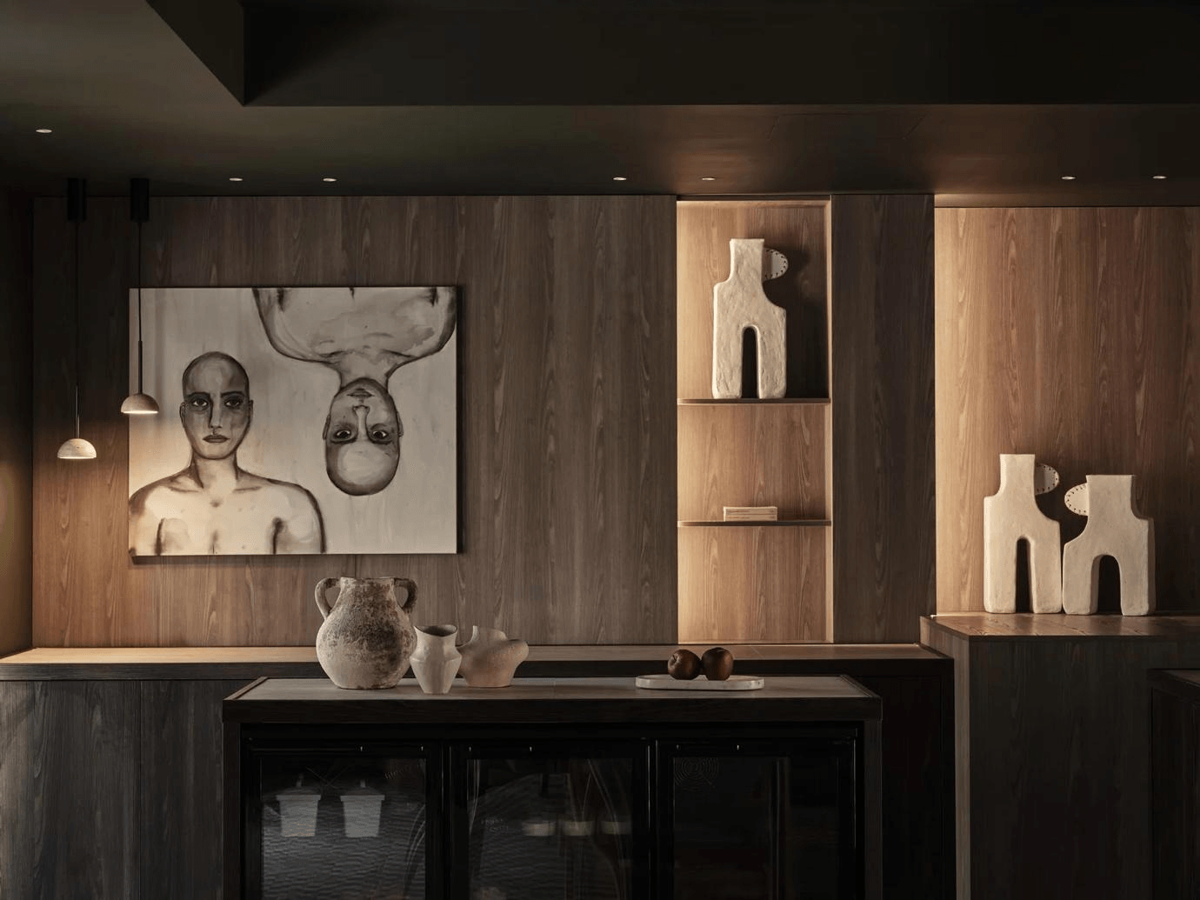
Now comes the question of responsibility. Nearly every professional on a hotel project uses the word “concept.” The architect talks about a design concept. The chef has a menu concept.
The branding expert brings a brand concept. But who is actually responsible for holding all of it together?
A hotel concept is not an individual matter. It is the product of a team, but for that team to produce something coherent, they need a clear shared direction and one person whose job is to connect strategy, architecture, and experience into a single unified vision.
In practice, the projects that consistently perform best are those with a dedicated concept leader in place. That person is often an external advisor or a specialized firm with a full view across the investment, not just one discipline within it.
Their role is not to replace the architect, the chef, or the brand strategist. Their job is to hold the master narrative and make sure that every decision, from spatial alignment and material selection to menu design and revenue modeling, gets filtered through the concept before it gets signed off.
Take a decision about reducing the spa footprint as an example. That is not purely an architectural call. It carries implications for wellness positioning, guest perception, staffing requirements, and revenue streams all at once.
Without a unifying leader, decisions like that become fragmented and the original vision quietly erodes. As Hospitality Net regularly highlights, the breakdown between concept and execution is one of the most common and costly problems in hotel development.
At the same time, a good concept leader creates a framework where every professional can contribute in their own language. The architect translates the narrative into space. The operations manager pressure-tests feasibility.
The branding team takes the story to market. The food and beverage team expresses it through flavors and dining rituals that guests remember long after checkout.
The leader connects those parts, sets the guardrails, and makes sure that every compromise made along the way serves the concept rather than quietly distorting it. That is how a hotel concept stops being a slogan or a vague creative brief and becomes the operating system of the entire project, organizing creativity, protecting investment goals, and ensuring the final result is both inspiring and profitable.
The Need for More Dedicated Hotel Concept Development Specialists
Even setting aside any personal interest in making this point, given that Destsetters is one of the very few brands dedicated entirely to hotel concept development, the industry genuinely needs more professionals and companies focusing exclusively on this work. The Financial Times coverage of global hospitality trends consistently points to a gap between capital being deployed into hotel projects and the strategic thinking applied before the first brick is laid.
The whole industry would be stronger with more players who approach hotel investment with both a holistic and strategic mindset, ensuring that new projects are not just buildings but durable, well-positioned businesses built to last.
And right now, with staffing sitting as one of the biggest challenges across hospitality globally, a well-specified and structured hotel concept directly reduces operational friction. The clearer and more strategic your concept, the easier it becomes for your team to execute it consistently, and the less exposed your operation is when staff shortages hit.
Bloomberg’s hospitality coverage has tracked this staffing pressure closely, and the hotels weathering it best tend to be the ones with the clearest operational identity baked in from the start. If you are weighing the broader real estate investment picture alongside hotel strategy, it is also worth understanding the most common mistakes real estate investors make before committing capital.
The key takeaway is this: a hotel concept is not a decorative addition to your project. It is the invisible structure that drives success at every level. It strengthens your financial plan, accelerates design decisions, creates operational clarity, and defines exactly where your hotel sits in the market.
When you treat it with the seriousness and expertise it deserves, your concept becomes the single most powerful driver that transforms a capital investment into a living, profitable, and sustainable hospitality asset. As Robb Report’s hotel coverage consistently shows, the properties that earn enduring reputations are almost always the ones where concept and execution were never allowed to drift apart.

Questions and Answers
What is a hotel concept?
A hotel concept is not about aesthetics or decoration. It is the strategic idea that becomes the reference point for all decisions, from architecture and design to operations, gastronomy, branding, and revenue.
When should the concept be developed?
From the very beginning. The concept must guide every stage of development, starting with typology definition and moving step by step toward direction, narrative, and experience. If it comes later, decisions are fragmented and harder to align.
Who is responsible for the concept?
The concept is the result of a team effort, but it always requires a leader. This leader connects strategy, architecture, operations, and guest experience, ensuring that every decision aligns with the core vision and investment goals.
Why is the concept so critical for investors?
Because it balances revenue and operations. A well-structured concept reduces uncertainty, accelerates decisions, strengthens positioning, and ensures the hotel becomes a sustainable business rather than just a building with rooms.
What is the industry’s biggest gap in concept development?
There are very few professionals and companies specializing in hotel concept development. More dedicated experts are needed, because a rigorous concept elevates the entire industry, improving financial returns, guest experiences, and even solving operational challenges like staffing.
We last reviewed this analysis in May 2026.