Merlot is one of the most and versatile red wine varietals in the world, celebrated for its approachable profile and its ability to adapt across wildly different terroirs.
Born in the Bordeaux region of France, Merlot has spread its roots across nearly every serious wine-producing corner of the globe, with each region adding its own distinct fingerprint to the grape. That widespread cultivation has given rise to a genuinely diverse range of expressions, from fruit-forward, easy-drinking bottles to complex, age-worthy vintages that reward patience.
In recent years, Merlot has caught the eye of more than just wine lovers. Investors hunting for alternative assets have started paying closer attention, as the wine market has seen real shifts in Merlot’s popularity driven by changing consumer tastes and broader cultural trends.
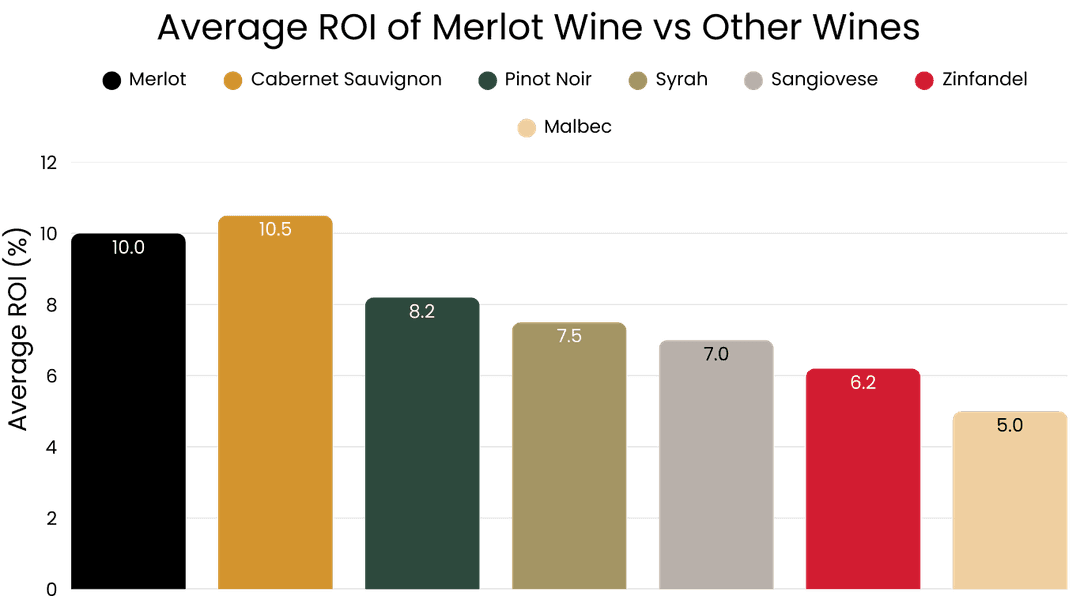
But those fluctuations tell only part of the story. Certain Merlot wines, especially those from prestigious appellations and exceptional vintages, have shown meaningful appreciation in value over time.
Table of Contents
What Is Merlot Wine
Merlot is a red wine grape known for its soft tannins, plush texture, and medium-to-full body. It ranks among the most widely planted red varieties on the planet, prized for how well it performs both as a blending grape and as a standalone varietal.
Merlot wines can range from light and fruit-driven to rich and age-worthy, but the common thread running through all of them is a smoothness and approachability that have powered the grape’s global appeal.
The grape itself is thin-skinned and ripens earlier than most other red varietals, including Cabernet Sauvignon, with which it is frequently blended. That early ripening makes Merlot a natural fit for cooler climates where late-season rains can wreck a harvest. It also explains Merlot’s fruit-forward flavor profile, which typically delivers black cherry, plum, chocolate, and herbal notes depending on where the vines grow and how the wine is made.
Though widely planted and often thought of as an easy drinker, Merlot is far from simple. At its best, particularly across Right Bank Bordeaux in regions like Pomerol and Saint-Émilion, it produces wines of remarkable depth, structure, and aging potential.
In fact, some of the most prestigious bottles in the world, including Château Pétrus, are Merlot-dominant.
Merlot also plays a starring role in Bordeaux blends, where it softens the more tannic and structured Cabernet Sauvignon. Outside France, it has found real footing in California, Italy, Chile, Australia, and beyond, wherever producers want to connect with a broad audience. Its ability to reflect terroir and respond to winemaking choices makes it an enduring favorite among vintners and wine investors alike.
From an investment standpoint, Merlot offers a wide spectrum of opportunities, from affordable, accessible bottles all the way to blue-chip Grand Cru labels that appreciate meaningfully over time. Its reputation for reliability and its presence in historically significant blends only add to its credibility as both a collector’s wine and a serious financial asset.

The History of Merlot Wine
The story of Merlot traces back to the Bordeaux region of France, where it first appeared in official documents in the late 18th century. The name is widely believed to come from the French word merle, meaning blackbird, a nod to the grape’s deep blue-black color.
From its earliest days, Merlot was cultivated for one key reason, its ability to add softness and fruit to Bordeaux blends, helping balance the more tannic and structured Cabernet Sauvignon.
By the 19th century, Merlot had cemented itself as a cornerstone of Bordeaux viticulture, especially on the Right Bank, where the cooler, clay-rich soils of Pomerol and Saint-Émilion allowed it to thrive. The grape’s adaptability and early ripening made it invaluable to vintners navigating the unpredictable climate of southwest France. Over time, its success in the region elevated Merlot from a blending partner to a varietal worthy of its own spotlight.
The 20th century brought Merlot well beyond the borders of France, especially after World War II, as global wine markets opened up and producers in California, Chile, Italy, and Australia began experimenting with the grape. In California, Merlot became a genuine phenomenon through the 1980s and 1990s, driven by its smooth profile and easy drinkability.
By the early 2000s, it had become one of the most recognized red wine varieties across the United States.
But Merlot’s rapid commercial success also bred a problem. Overproduction and quality inconsistency crept into the entry-level tier, and a cultural backlash followed, most famously satirized in the 2004 film Sideways, which triggered a real dip in Merlot’s popularity among American consumers. That said, the fine wine segment, particularly premium Bordeaux labels, was barely touched. Those wines kept commanding prestige and strong market value without missing a beat.
In recent years, Merlot has earned a genuine reappraisal from critics and consumers alike, reclaiming its reputation for elegance, complexity, and ageability when made with real care. The rise of terroir-focused winemaking and a renewed appetite for traditional Bordeaux varieties have fueled something of a Merlot renaissance, especially in regions where precise site selection and viticultural discipline yield exceptional results.
Historically, the arc of Merlot’s story is one of evolution, from blending workhorse to globally significant varietal.
Its long-standing role in producing some of the world’s most revered wines cements its stature, not only as a cultural cornerstone of French winemaking but as a viable, long-term asset in fine wine investment portfolios.
Merlot Wine Regions & Terroir
Merlot’s broad adaptability lets it thrive across wildly different climates and soils, giving rise to a diverse range of stylistic expressions. While its hallmark softness and plush texture follow it everywhere, the grape responds distinctly to terroir, shaped by climate, soil composition, elevation, and geography.
That responsiveness is precisely what has made Merlot a global varietal with both deep consumer appeal and real long-term investment viability.
Right Bank, Bordeaux (France) is where the most iconic expressions of Merlot come from, particularly Pomerol and Saint-Émilion. Clay-rich soils combined with a temperate maritime climate enable early ripening and deep phenolic development. Wines from these appellations are defined by their velvety tannins, refined plum and truffle aromas, and exceptional aging potential.
Flagship labels like Château Pétrus, Château Le Pin, and Château Cheval Blanc regularly outperform market indices. Pétrus vintages alone have delivered annualized returns exceeding 10 to 12% over the past 20 years, positioning Right Bank Merlot among the most secure assets in the fine wine investment space.
In California, Merlot finds a powerful voice across Napa Valley and Sonoma County, where volcanic and alluvial soils combined with abundant sunshine produce bold, fruit-rich wines. Styles from Oakville, Carneros, and Alexander Valley often lead with black cherry, mocha, and sweet spice, backed by higher alcohol and a generous mouthfeel.
While historically overshadowed by Cabernet Sauvignon, premium Napa Merlot producers like Pahlmeyer, Duckhorn, and Pride Mountain have achieved genuine cult status. Certain vintages have appreciated between 6% and 9% annually, with growing demand from collectors seeking softer, cellar-worthy New World options.
Chile’s Colchagua and Maipo Valleys offer an ideal Mediterranean climate with meaningful diurnal temperature shifts. Merlot grown here expresses ripe red fruit, graphite, and herbal complexity, with granitic and clay soils helping maintain freshness and balance even through warm growing seasons.
Though still undervalued in most global wine portfolios, Chilean Merlots from premium producers are gaining real traction for their consistent quality and strong value proposition.
In Bolgheri and coastal Tuscany, Merlot plays a starring role in Super Tuscan blends and as a standalone varietal. Gravel and marine sedimentary soils, along with cooling maritime breezes, create structured wines with savory depth and mineral undertones. Cooler nights preserve acidity, making these wines both age-worthy and genuinely expressive.
Iconic labels like Masseto, Italy’s answer to Pétrus, have become cornerstones of fine wine portfolios, achieving auction prices upwards of $1,000 per bottle and generating 15 to 17% ROI in select vintages.
Washington State Merlot, particularly from Walla Walla and Columbia Valley, is shaped by volcanic soils and a continental climate. Those conditions produce wines with dense fruit, firm tannins, and a savory finish. Top estates like Leonetti Cellar and Northstar have earned serious critical acclaim and are increasingly showing up in U.S.-focused investment allocations.
Washington Merlot may not yet carry the global name recognition of Bordeaux or Napa, but within the American fine wine market it sits firmly in the high-potential category.
Merlot Wine Taste & Smell Characteristics
Merlot’s appeal comes down to three things, an approachable structure, a lush fruit profile, and a velvety mouthfeel that makes it one of the most consumer-friendly red wines on earth. But its sensory character is highly responsive to climate, soil, and winemaking style, ranging from soft and plummy to bold and structured. That range allows Merlot to speak to both novice drinkers and serious collectors hunting for nuance, depth, and age-worthiness.
Flavor-wise, Merlot typically leads with red to black fruit, especially plum, black cherry, raspberry, and blackberry. Warmer climates like California and Chile tend to produce riper, fruit-forward expressions, often accented with chocolate, mocha, or sweet spice from oak aging.
Cooler climate Merlots from Bordeaux or Washington State shift toward earthier territory, dried herbs, tobacco, graphite, and subtle floral or mineral notes that add layers of complexity and make the wine a compelling mirror of its terroir.
The aromatic profile is equally expressive. Young Merlots may show red currants, cocoa, vanilla, and violets, while more mature examples develop truffle, cedar, and dried fig characteristics. Aged Merlot from top Bordeaux estates can achieve remarkable olfactory depth, layering tertiary aromas over a persistent fruit core.
On the palate, Merlot is defined by its supple texture and moderate acidity. Soft, round tannins create a smooth mouthfeel that distinguishes it from firmer varietals like Cabernet Sauvignon. That accessibility is what makes Merlot so immediately enjoyable, though premium versions from Saint-Émilion or Masseto absolutely possess the structure and balance needed for long-term aging.
Alcohol levels typically fall between 13% and 15.5%, depending on region and harvest ripeness. Higher alcohol Merlots from New World regions tend to feel fuller-bodied and plush, while Old World expressions lean toward elegance and restraint.
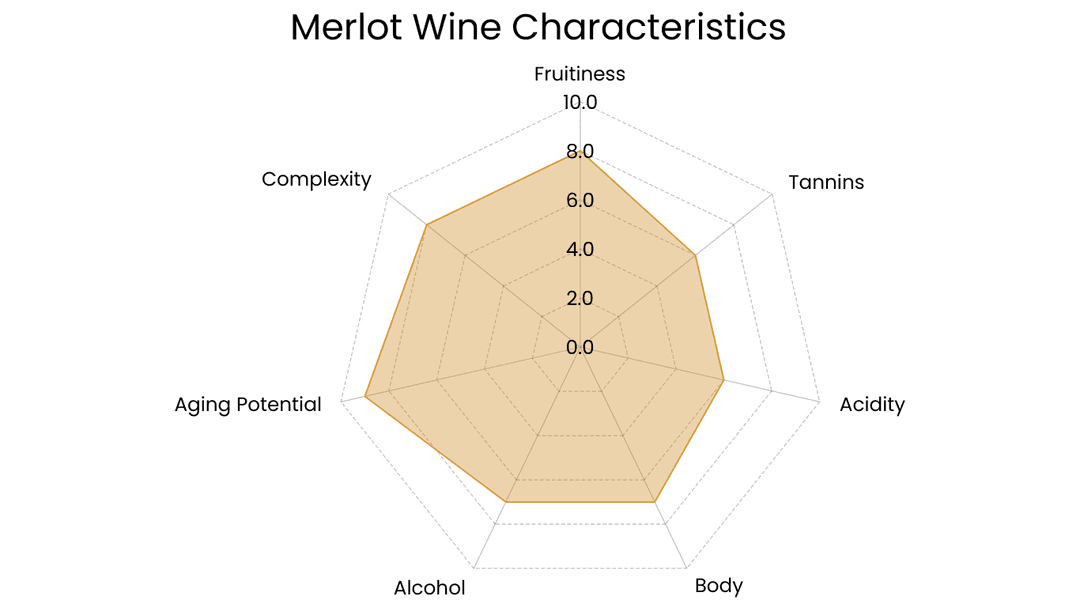
Taken together, Merlot’s broad aromatic range and palate flexibility are core drivers of its international popularity and its growing appeal as an investment-grade wine.
Merlot Wine Storage
Proper storage is non-negotiable for preserving Merlot’s quality and unlocking its full aging potential, especially for investment-grade bottles. Whether you’re holding for near-term enjoyment or a long-term exit, your Merlot needs controlled conditions that eliminate environmental fluctuations and protect against the elements that degrade wine.
The ideal storage temperature sits between 55°F and 58°F (13°C to 14°C). Consistency is everything here, because temperature swings cause premature aging or outright spoilage. When temperatures fluctuate, the wine expands and contracts inside the bottle, compromising the cork’s seal and letting oxygen in, which is one of the primary threats to wine longevity.
Humidity should stay stable around 70%, which keeps corks from drying out. A compromised cork dramatically increases the risk of oxidation, flattening the wine’s aroma, flavor, and complexity.
That said, overly damp conditions encourage mold, which can damage both the cork and the label integrity, and that matters a great deal when resale value is part of the equation.
Merlot bottles should be stored horizontally, just like all fine red wines. This keeps the cork moist and maintains an airtight seal over time. Keep bottles away from direct light, particularly UV exposure, which breaks down compounds in the wine and accelerates premature aging. Older vintages with more delicate aromatic structures are especially vulnerable to light damage.
Vibration is another factor worth taking seriously, particularly for Merlots aged over several years. Vibrations disturb sediment, alter flavor development, and interfere with proper maturation. Long-term storage belongs in a dedicated wine cellar, a high-quality wine fridge, or a professional storage facility built for optimal wine preservation.
How long you store depends on the wine’s structure, origin, and producer. Entry-level Merlots are best consumed within 3 to 5 years. High-end Bordeaux or Super Tuscan Merlots can comfortably age for 15 to 30 years or more, given the right vintage conditions and cellar quality.
Château Pétrus is a prime example, with outstanding aging curves that typically see peak performance reached two to three decades after the vintage.
Merlot Wine Pricing
Merlot offers one of the widest pricing spectrums of any red varietal, reflecting its enormous diversity of expressions, regional origins, and aging potential. Whether you’re a wine enthusiast or an investor, understanding where different bottles sit across the pricing tiers will help you navigate the market with confidence.
Entry-Level Merlot Wines
At the foundational tier, entry-level Merlot wines come primarily from high-yield regions like California’s Central Valley, Chile’s Central Valley, and parts of South Africa. These wines are built around approachable, fruit-forward profiles and designed for immediate drinking.
Bottles in this tier typically land between $10 and $25, keeping them accessible to a wide consumer base. They drive significant global sales volume, but they are not investment-grade due to mass production and limited aging potential.
Mid-Tier Merlot Wines
Moving up the pricing ladder, mid-tier Merlots come from regions with a stronger quality reputation, including Sonoma and Washington State in the U.S., along with Chile’s Maipo Valley and Colchagua. These wines typically show greater complexity, balanced oak integration, and real aging potential.
Priced between $30 and $75 per bottle, select labels in this bracket have shown genuine ability to appreciate over time, especially when they come from reputable producers and strong vintages.
Some mid-tier Merlots have seen resale markups of 15 to 30% within a few years of release, particularly when high critic scores meet limited-production runs. For more on how to evaluate wine investment opportunities at different price points, the OENO Group wine investment review is worth your time.
Premium and Ultra-Premium Merlot Wines
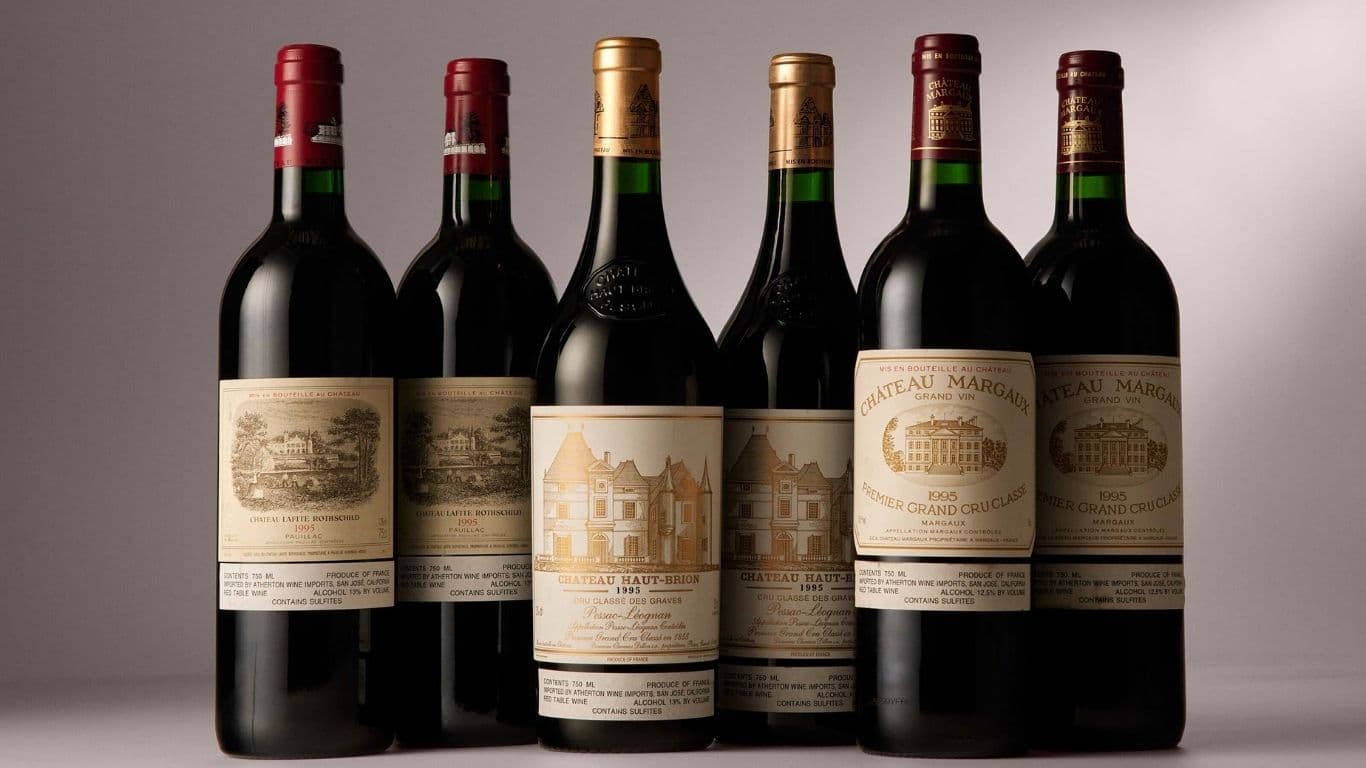
At the top of the Merlot pricing pyramid sit the premium and ultra-premium wines, predominantly from Bordeaux’s Right Bank appellations of Pomerol and Saint-Émilion. Estates like Château Pétrus, Le Pin, and Château Lafleur produce some of the most coveted Merlot-dominant wines anywhere in the world.
Château Pétrus typically commands prices ranging from $2,500 to over $6,000 per bottle depending on vintage quality and provenance. Rare and exceptional vintages have sold at auction for over $50,000, underlining their status as tangible, appreciating assets in the fine wine investment market.
In Tuscany’s Bolgheri region, Masseto, a 100% Merlot Super Tuscan, has earned critical acclaim and serious market demand. Release prices for Masseto frequently exceed $800 per bottle, with older vintages pushing past $1,500 as scarcity and collector appetite keep building.
Factors Influencing Merlot Wine Pricing
Several key factors shape pricing across all Merlot tiers, including vintage quality, producer reputation, appellation prestige, critic scores, production volume, and provenance documentation.
- Vintage Quality: Exceptional vintages, characterized by favorable growing conditions, often result in higher-quality wines that command premium prices.
- Producer Reputation: Established producers with a history of excellence and critical acclaim can set higher price points due to brand prestige.
- Regional Terroir: The unique combination of soil, climate, and topography in renowned regions contributes to distinctive wine profiles that are highly valued.
- Aging Potential: Wines with the structure and balance to age gracefully over decades are more likely to appreciate in value, attracting investment interest.
- Production Volume: Limited production runs and scarcity can drive prices upward, as supply constraints meet high demand.
Understanding these factors is what separates a smart buy from an expensive mistake. Whether you’re investing or collecting, knowing what drives value gives you a real edge in the Merlot market.
When you can read the interplay between quality, reputation, and market dynamics, you start spotting opportunities that align with your investment strategy and your own palate preferences.

Merlot Wine Historical ROI
As Merlot evolves from a globally beloved varietal into a serious investment asset, its historical return on investment offers genuinely valuable insight for collectors and alternative investors. Fine wine as an asset class has drawn growing attention from Bloomberg-tracked investors looking beyond traditional markets.
Merlot has traditionally lived in the shadow of more prominent investment wines like Cabernet Sauvignon or Burgundy’s Pinot Noir. But elite Merlot producers have been quietly delivering strong and consistent long-term value appreciation for those paying attention.
Based on auction house performance records, Merlot-based wines from Bordeaux’s Right Bank, notably Château Pétrus, Le Pin, and Château Lafleur, have delivered 10-year average returns ranging from 9% to 14% annually, depending on vintage quality and provenance.
Top-performing vintages like 2000, 2005, 2009, 2010, and 2016 have appreciated well above their release prices, with some bottles doubling or tripling in value within a decade.
Château Pétrus 2000, originally released at around $1,000 per bottle, now trades consistently above $5,000, with pristine large formats commanding even higher premiums.
Masseto, Tuscany’s leading 100% Merlot wine, has shown annualized growth of 11 to 13% over the past 15 years. Vintages like 2006 and 2010 are now widely recognized as blue-chip holdings in global fine wine portfolios.
Outside the ultra-premium tier, high-quality Merlots from California, such as Duckhorn Three Palms Vineyard and Pride Mountain, and Washington State producers like Leonetti Cellar, are starting to show real secondary market momentum. Returns here are more modest, averaging 4% to 7% annually, but lower entry prices, broader market access, and growing demand from domestic collectors make them worth considering.
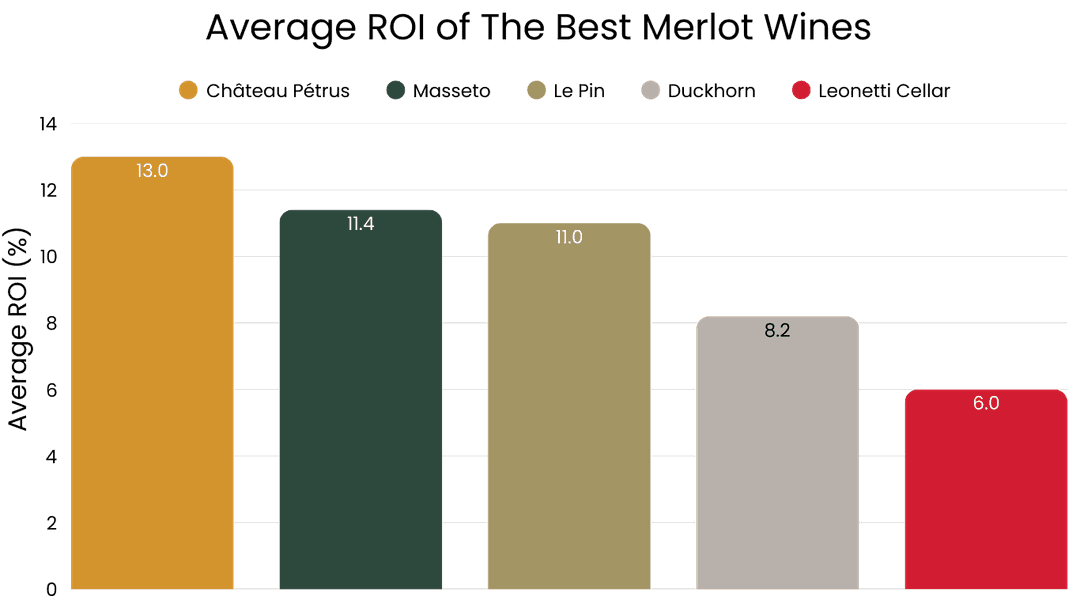
Merlot’s market performance is not purely linear. Cultural influences, critical reviews, and broader macroeconomic factors including inflation, currency shifts, and global demand for tangible assets all shape ROI.
Merlot’s rebound from its early-2000s cultural dip is a useful case study. Sentiment clearly dented short-term value, but quality and scarcity eventually reasserted themselves in pricing, as they almost always do with great wine.
Aging curves also play a defining role in ROI. Merlots from prestigious terroirs with ideal cellaring conditions can peak in value 15 to 30 years post-vintage, opening strategic windows for resale. Bottles reaching the secondary market with perfect provenance, intact OWC (original wooden cases), and documented professional storage typically command a 15 to 25% premium over loosely handled counterparts.
From a portfolio diversification perspective, Merlot offers a compelling case. While Cabernet and Burgundy dominate the fine wine indices, Merlot brings lower correlation to speculative bubbles and benefits from more stable, fundamentals-driven demand, particularly from European, Asian, and Middle Eastern collectors. If you’re thinking about how alternative assets fit into a broader wealth strategy, it’s worth reviewing estate wines versus mass-produced wines before committing capital.
The historical ROI of Merlot wine, especially from elite Bordeaux and Super Tuscan estates, firmly establishes it as a credible and increasingly important component in luxury wine portfolios.
With strong vintage-to-vintage performance, tight supply, and expanding global interest, Merlot delivers both genuine emotional satisfaction and measurable financial return for the investor. And if you want professional guidance on building a fine wine position, an expert wine investment firm review is a smart starting point.
Best Varieties of Merlot Wine
FAQ
Is Merlot good for investment?
Yes. Top-tier Merlots like Château Pétrus and Masseto have delivered strong historical ROI, often outperforming traditional financial assets. Their scarcity and critical acclaim make them reliable long-term investments.
What does Merlot taste like?
Merlot typically tastes of ripe red and black fruits, such as plum and blackberry, with notes of cocoa, herbs, and sometimes vanilla or tobacco, depending on oak use and terroir.
Which countries produce the best Merlot wines?
France (Bordeaux), Italy (Tuscany), the United States (California and Washington), and Chile are top Merlot-producing countries, each offering unique expressions and investment potential.
How long can Merlot age?
Entry-level Merlot is best enjoyed within 3–5 years. Premium Merlots from Bordeaux or Tuscany can age 20–30 years or more under ideal storage conditions.
Is Merlot better as a single varietal or in blends?
Both forms are valuable. Merlot shines solo in wines like Masseto and Pétrus, while it adds softness and richness in Bordeaux blends alongside Cabernet Sauvignon and Cabernet Franc.

Stefanos Moschopoulos
Stefanos Moschopoulos is the Founder and Head of Editorial at The Luxury Playbook, specializing in fine assets and alternative investments. His work focuses on analyzing luxury asset classes such as art, watches, collectibles, and yachting as structured investment vehicles, aligning them with broader wealth-building strategies. He leads the editorial direction of the publication, ensuring all content around alternative assets is data-driven, macro-aware, and investment-focused. His expertise lies in translating niche luxury markets into clear frameworks for portfolio diversification, long-term capital preservation, and asymmetric returns within non-traditional asset classes.