Fine wine has done something quietly unusual across the past two decades. A category that for most of its history sat firmly in the cultural columns of the broadsheets has become one of the more closely watched corners of the wider collecting conversation, and the reasons collectors keep coming back to it are worth setting out plainly. The cellars worth building today are built around a small set of structural facts about the wine market.
- Fine wine has moved quietly from cultural columns to the broader collecting conversation across the past two decades.
- The Liv-ex Fine Wine 1000 now functions as a credible benchmark for the broader fine-wine market, with Bordeaux, Burgundy, and Champagne sub-indices tracked separately.
- The category sits at the intersection of cultural pleasure, structured returns, and tax-advantaged status in most jurisdictions.
- Wine cellars uniquely combine consumable enjoyment with long-haul appreciation, and that dual character is rare in serious collecting.
- Producer-led allocations from named domaines remain the structural way into the category, not opportunistic secondary-market buying.
- For most serious collectors the question is no longer whether to hold wine, but how much weight to give it against the rest of the portfolio.
- Who is this for?
- Serious collectors who have built positions in watches, art, or property and are considering opening or expanding a wine cellar.
- What is happening?
- We make the structural case for fine wine as a cellar position alongside the other major collecting categories, with the variables that distinguish it.
- When did this emerge?
- The piece reads the contemporary post-2018 market, where the Liv-ex Fine Wine 1000 has matured into a broadly trusted benchmark.
- Where is this happening?
- Bordeaux, Burgundy, Champagne, Tuscany, Piedmont, the Rhone, and the Napa apex cluster that together account for nearly all of the structural top of the market.
- Why does it matter?
- Fine wine is the only major collecting category that rewards both consumption and long-haul appreciation, and skipping it leaves a structural gap in the broader collection.
Not forecasts, but the realities of what makes Burgundy, Bordeaux and Champagne behave the way they do at the top of the secondary market. Liv-ex's Fine Wine 100 and the broader Fine Wine 1000 have spent twenty years documenting the pattern, and the structural story is more durable than any single year's headline.
This is our editorial read on why fine wine belongs in every serious cellar in 2026, and what the major wine publications continue to point to as the load-bearing arguments. Wine Spectator, Decanter, the Wine Advocate, Jancis Robinson and Vinous have all returned to the same handful of structural facts year after year, and those are the facts worth setting out here.
Why the supply side matters more than anywhere else
Fine wine production is capped by nature and by regulation in ways most luxury categories aren't. Vineyard size is finite. Vintage conditions vary year to year and can't be manufactured.
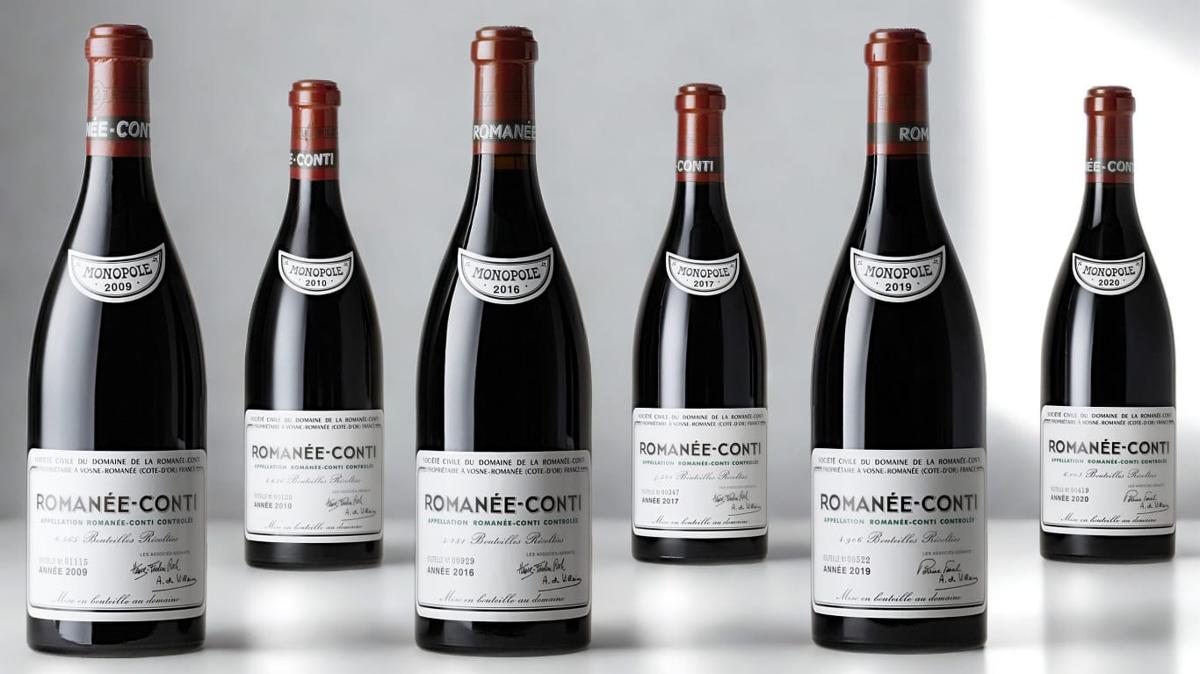
Strict regional appellation rules cap yields by hectare. Domaine de la Romanée-Conti, for example, produces fewer than 8,000 cases annually across its entire range. The Grand Cru vineyards of Burgundy together produce less than 1% of the region's total wine output, and once those bottles leave the cellar, the clock starts ticking on supply because every bottle consumed is a bottle removed from the secondary market permanently.
Liv-ex's Fine Wine 100 Index, which tracks the most-traded fine wines on the secondary market, has reflected this structural scarcity across the past decade. Even through the volatility of 2024, when the index fell 9. 2% year-to-date and Burgundy prices declined 14.
4% in a sharp correction, the most-coveted Grand Crus retained their cultural and pricing position. The market is not immune to broader cycles, but the supply discipline at the top tier creates a floor most luxury categories don't have.
The age dynamic, and why patience is the rule
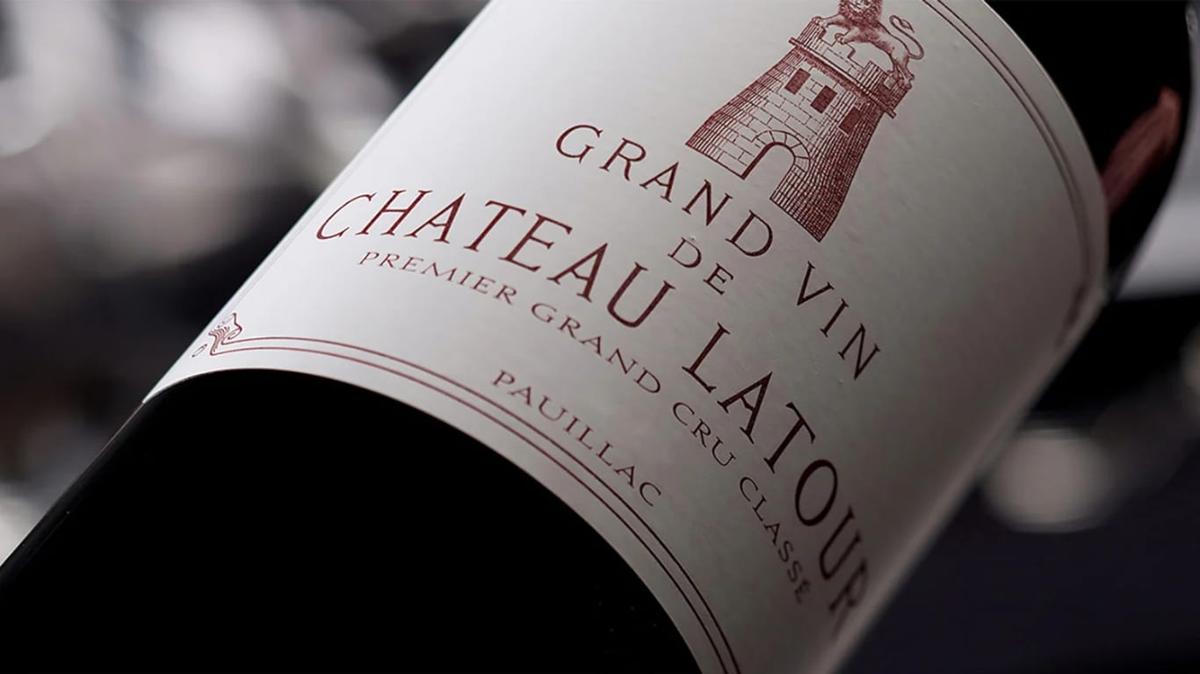
What separates fine wine from most collectible categories is that the underlying object physically improves across the holding period. A bottle of 2000 Château Latour that retailed at around $500 trades today above $2,500, a fivefold step across two decades, driven not by speculation but by the wine itself maturing into its peak drinking window while supply contracted as cellars opened bottles to drink them.
The same arithmetic plays out across the top of Bordeaux, the Grand Crus of Burgundy, and the prestige cuvées from Champagne.
Bordeaux First Growths like Château Lafite Rothschild have historically traded at sustained appreciation across decades, with the most sought-after vintages commanding strong premiums. Lafite 1869 sold for $233,972 at Sotheby's Hong Kong in 2010, the modern auction-record bottle for pre-phylloxera Bordeaux. Romanée-Conti 1945 cleared $558,000 at Sotheby's New York in 2018, the modern record for any single bottle.
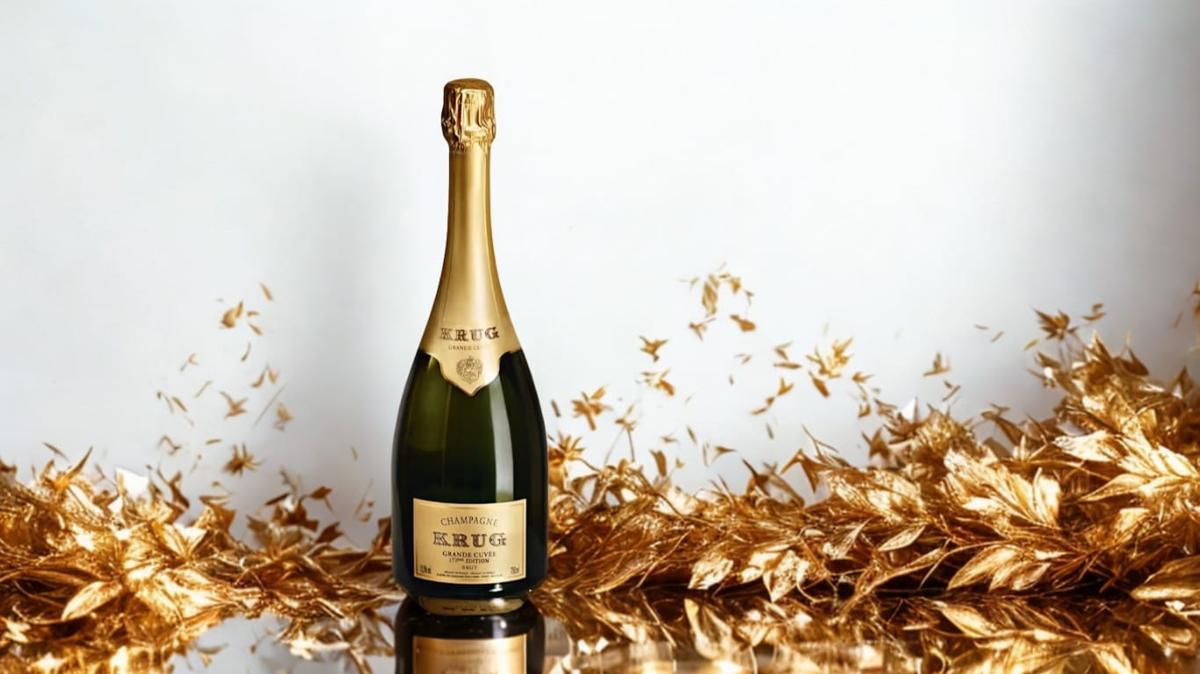
Champagne, particularly Dom Pérignon and Krug at the prestige end, has built a similar collector following. The pattern is consistent: scarcity at source, sustained collector recognition across vintages, decades of cellaring potential, and a market that prices condition and provenance carefully.
Why sustainability has become part of the fine wine conversation
The major Burgundy and Bordeaux estates have been reshaping their farming practices in ways that matter for both the wine itself and the wider conversation around it. Vineyards across both regions increasingly use organic and biodynamic methods, prioritising soil health, biodiversity and minimal chemical intervention. Producers like Domaine Leroy in Burgundy and Château Pontet-Canet in Bordeaux are leading examples of biodynamic viticulture done seriously.
Their commitment to the land translates directly into wines of exceptional quality and exclusivity, which serious collectors recognise. Decanter's coverage of the past five vintages has carried this thread repeatedly.
The shift matters because the next generation of fine wine buyers, and the auction houses that serve them, increasingly weight provenance, farming practice, and the ethical credentials of producers as part of how they evaluate a bottle. Sustainably farmed wines from blue-chip producers carry a premium for both cultural and material reasons, and Sotheby's Wine and Christie's Wine have both started highlighting biodynamic credentials in their lot descriptions.
The regions worth paying attention to
Bordeaux and Burgundy anchor most serious cellars, and for good reason. The First Growth châteaux of Bordeaux (Lafite, Latour, Margaux, Mouton Rothschild, Haut-Brion) have built the deepest secondary market of any wine category, with documented auction histories stretching back generations. The Grand Crus of Burgundy operate at smaller scale but with even more concentrated collector demand: Romanée-Conti, La Tâche, Chambertin, Musigny.
Champagne has built real momentum across the past decade. Vintages from Dom Pérignon and Krug have shown sustained collector demand, particularly for the rarer cuvées and the late-disgorged releases. Tuscany's Super Tuscans (Sassicaia, Tignanello, Ornellaia) have established their own collector following.
Napa Valley's cult Cabernets (Screaming Eagle, Harlan Estate, Bryant Family) have built secondary-market positions that rival some of the better-known European references. The Wine Advocate has tracked the Napa cult-Cabernet category in detail across the past fifteen vintages.
Asia is reshaping the fine wine auction calendar
The geography of fine wine collecting has shifted significantly across the past fifteen years. By 2026, Asia is projected to account for nearly 50% of the global fine wine market by value, powered by rising disposable income and a deepening cultural engagement with premium wine across Hong Kong, Singapore, Shanghai and Tokyo. The Financial Times has tracked this shift closely in its luxury coverage.
The Hong Kong sales calendars at Christie's Wine, Sotheby's Wine and Acker now consistently outperform the historic London and New York calendars for top-tier Burgundy and Bordeaux lots. The Lafite 1869 record bottle changed hands in Hong Kong precisely because that is where the demand sits for the rarest pre-phylloxera Bordeaux.
How collectors actually store and care for fine wine
Storage matters more than almost any other variable in determining what a bottle ends up worth. Bonded warehouses, the professional climate-controlled facilities maintaining 12-14°C temperatures and 70% humidity, are the standard for any serious cellar above a few hundred bottles.
The leading bonded warehouses (Octavian, LCB, Crown Wine Cellars) provide both the storage conditions and the documented provenance chain that auction houses and private buyers expect to see when a bottle eventually changes hands.
The condition variables collectors and buyers scrutinise are well-understood. Fill level (the wine should sit at the base of the neck for younger bottles, with some allowance for older vintages), label condition, capsule integrity, and any documented service history. Bottles with an unbroken provenance chain from the producer or original purchaser command meaningful premiums on the secondary market at Sotheby's Wine, Christie's Wine, Bordeaux Index, and Berry Bros & Rudd.
What this means for collectors
The reason most serious collectors are in fine wine isn't really about the secondary market arithmetic. It is about the wine itself, the connection to centuries of craft, the geography of the great estates, and the ritual of opening a bottle that has been waiting in cellar for two decades. Owning iconic bottles from Bordeaux, Burgundy and Champagne carries a cultural weight that no spreadsheet can quite capture.
The bottles that end up at the top of the secondary market are also, almost without exception, the bottles collectors most want to drink. That is the underlying alignment that has kept the fine wine market what it is: cellars built to be eventually opened, with the best examples appreciating in the meantime because everyone else is opening theirs. The 2026 conversation around fine wine is shaped by exactly that dynamic, and we last reviewed this analysis in May 2026.
We last reviewed this analysis in May 2026.