Asia’s yacht market has transformed from a boutique curiosity into a legitimate global powerhouse, and it’s demanding serious attention from investors who once kept their eyes fixed exclusively on Mediterranean and Caribbean opportunities.
The Marine Industry Council reports that Asia-Pacific had 530 active superyachts over 30 meters in 2024, up from 445 in 2023. That 19% year-over-year jump represents growth rates that European markets haven’t seen in decades.
Billionaires and ultra-high-net-worth individuals are shifting their gaze eastward, and the reasons go well beyond novelty. Asia’s surging wealth, coastal tourism expansion, and relatively untapped cruising zones offer something the Mediterranean simply can’t match: genuine discovery paired with infrastructure development happening in real time, right in front of you.
For you as an investor, that creates a rare window to enter a growth market before valuations and competition hit saturation levels.
Key Takeaways
Navigate between overview and detailed analysis5 Key Takeaways
- Asia’s yacht market has transitioned from a niche luxury to a global growth engine, with the fleet of superyachts over 30m rising 19% year-over-year in 2024.
- Market valuations vary by source, but all agree on rapid expansion: estimates place Asia-Pacific luxury yacht revenues between $1.
8B–$2. 5B in 2024 with double-digit CAGR forecasts through 2030.
- The charter market signals strong underlying demand, reaching $1. 73B in 2024, led by China ($778M), India ($207M), and Southeast Asia ($119M).
- China dominates ownership and revenue, Thailand is building a global hub in Phuket, Singapore acts as the management gateway, and Indonesia and the Maldives offer frontier cruising opportunities.
- Asia now accounts for roughly 21% of the $8.
3B global charter market, gaining share against Europe’s dominance as rising local wealth and new infrastructure reshape demand.
The Five Ws Analysis
- Who:
- Asia’s billionaires and ultra-high-net-worth individuals, plus international charter clients.
- What:
- A luxury yacht market worth $2B+ with growth rates double those of Europe and the U.S.
- When:
- Accelerating since 2023, with 2024 marking a 19% jump in active superyachts and expanding infrastructure.
- Where:
- Core markets include China, Phuket (Thailand), Singapore, Indonesia, and the Maldives.
- Why:
- Rising wealth, government-backed marina development, and untapped cruising grounds offering exclusivity beyond the Mediterranean.
The Growth of Asia’s Yacht Market in Numbers
Market size projections vary depending on methodology, but every credible source points toward substantial expansion. The direction is clear, even when the exact figures differ.
IMARC Group valued the 2024 Asia-Pacific luxury yacht market at approximately $1. 83 billion, with a 7. 88% compound annual growth rate projected through 2033.
Market Data Forecast puts the figure slightly higher, estimating roughly $2.53 billion in 2024 rising to about $2.82 billion in 2026.
Mordor Intelligence forecasts the most aggressive growth trajectory of all, projecting the Asia luxury yacht market will expand from roughly $2. 21 billion in 2026 to approximately $3. 78 billion by 2030, at an 11.
3% annual growth rate. That’s a trajectory that should get your attention.
These divergent estimates reflect different market definitions and geographic scopes, but the directional consistency matters more than any single precise figure. Every major research firm sees Asia-Pacific luxury yachting growing at rates that double or triple those of mature Western markets.
The charter market gives you cleaner investment signals because it tracks actual revenue generation rather than asset appreciation alone. chartering versus owning a yacht is a decision more investors are weighing carefully, and the numbers explain why. Cognitive Market Research shows the 2024 Asia-Pacific charter market reached $1.73 billion, with China accounting for $778 million, India contributing $207 million, and broader Southeast Asia generating $119 million.
Asia-Pacific Luxury Yacht Market Value (2020 to 2030)
Those figures tell you that charter demand exists well beyond yacht ownership, opening up income opportunities for investors who purchase vessels specifically for charter deployment.
The broader recreational boating picture helps frame just how large the opportunity ceiling is. Market Data Forecast estimates the Asia-Pacific recreational boating market at roughly $4. 73 billion in 2024, growing at 7.
27% annually through 2033. The Financial Times has tracked how regional wealth shifts are accelerating leisure spending across Asia, and Grand View Research forecasts the general yacht market alone reaching approximately $2. 76 billion by 2030 at 7. 1% annual growth.
All of that supporting infrastructure, from marinas to marine services to boating culture, builds the foundation that luxury yachting needs to truly flourish.
The Countries Leading Asia’s Yacht Boom
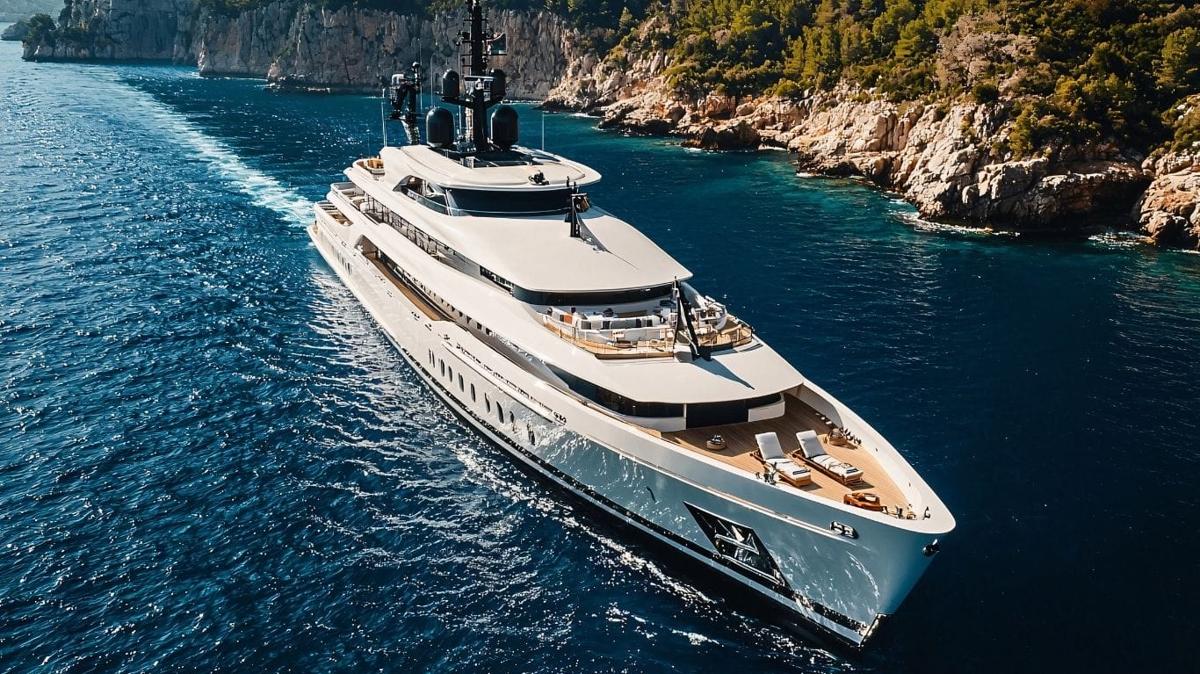
China dominates the regional market in both current revenue and growth potential. Cognitive Market Research identifies China as generating $778 million in charter market revenue in 2024 alone, the single largest country contribution across the entire region.
Multiple reports from Global Market Insights and IMARC Group note China holding over 20% of the Asia-Pacific luxury yacht market share, driven by coastal wealth concentration in cities like Shanghai, Shenzhen, and Sanya.
Thailand, and Phuket in particular, is positioning itself as a luxury yachting destination through deliberate government policy. Global Market Insights reports that Thai authorities announced plans in 2024 to transform Phuket into a global yachting hub by expanding marina infrastructure and easing charter regulations.
That top-down approach to market development creates early mover opportunities for investors who can establish operations before competition intensifies and infrastructure costs climb.
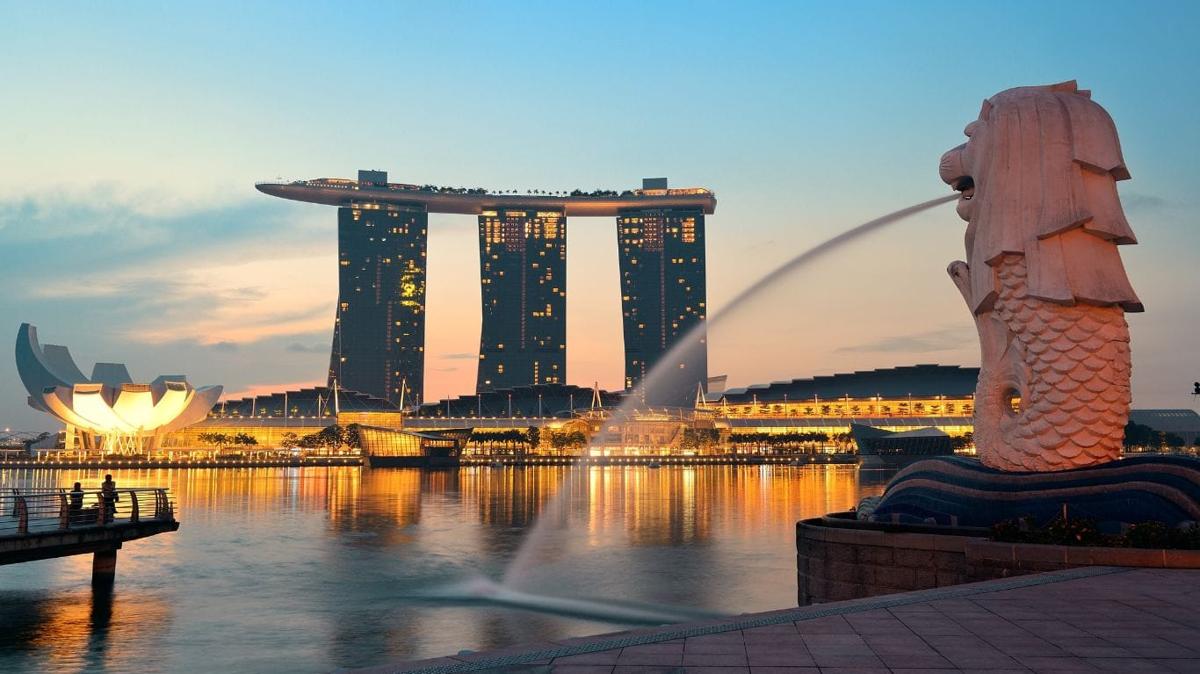
Singapore functions as the region’s established luxury gateway, though its charter market share stays modest compared to China’s scale. The city-state’s regulatory clarity, rule of law, and existing wealth management infrastructure make it attractive for yacht registration and management companies, even if local cruising grounds are limited. If you’re thinking about luxury waterfront investments tied to Asia’s maritime growth, Singapore is a natural anchor point.
Indonesia and the Maldives are your frontier growth markets. Global Market Insights and Cognitive Market Research both identify these destinations as emerging hotspots for cruising and charters, offering unique island ecosystems and tropical waters that simply cannot be replicated in more developed markets.
Southeast Asia’s regional charter revenue of $119 million in 2024 provides baseline context, though growth rates in these emerging markets likely exceed the regional average.
Why Asia Is Becoming a Billionaire Hub
The wealth creation story underpinning Asia’s yacht boom operates at a scale that’s hard to fully grasp. Market Data Forecast notes the Asia-Pacific region now hosts over 30% of global ultra-high-net-worth individuals, a concentration that keeps growing as technology, finance, and manufacturing wealth compounds across the region. Bloomberg’s wealth tracking has documented this shift in detail, and the trajectory shows no sign of reversing.
And this isn’t temporary commodity cycle wealth. It’s sustained value creation across multiple industries and multiple countries, building year after year.
Infrastructure development is accelerating to meet that demand, with marina expansions, regulatory easing, improved coastal security, and marine tourism promotion rolling out across the region. These aren’t organic developments happening by accident. They’re deliberate government and private sector initiatives specifically designed to capture luxury tourism spending.
For investors, this infrastructure build-out reduces operational risks while increasing the addressable market for charter services.
The lifestyle appeal of Asia’s cruising grounds also offers something genuinely different from well-worn Mediterranean routes. Indonesia’s archipelago, the Maldives’ atolls, and Thailand’s Andaman Sea give you diverse islands and unique ecosystems with far less crowding than you’d find navigating between Monaco and Sardinia during peak season. That relative exclusivity appeals directly to ultra-wealthy individuals who want privacy and genuine discovery rather than social display.
Is Asia Set to Overtake Europe as the World’s Yacht Capital?
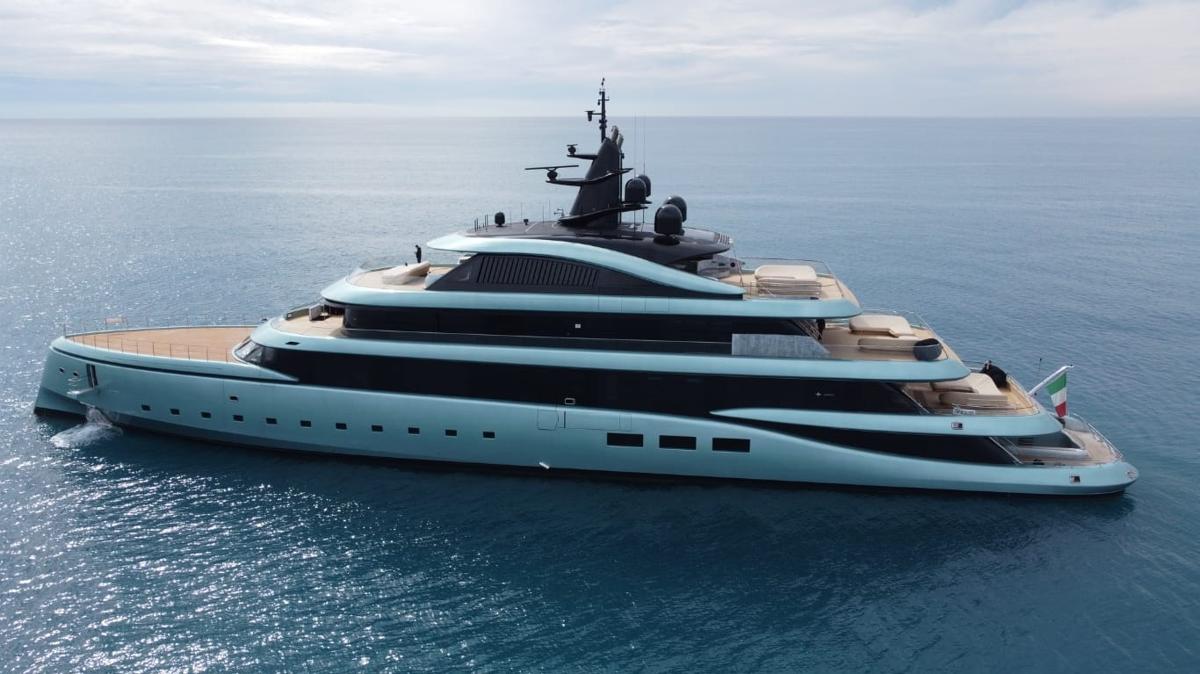
Fleet growth and charter demand numbers suggest Asia is gaining share rapidly, though Europe still holds a dominant global position. Robb Report’s superyacht coverage has tracked this shift closely. Fortune Business Insights data shows the global charter market reached approximately $8.33 billion in 2024, with Europe historically holding around 70% of that share.
Asia-Pacific’s $1.73 billion charter market represents roughly 21% of global total, up from lower shares in previous years but still well behind European concentration.
Asia’s advantages create genuine competitive positioning that could accelerate market share gains. Untapped cruising grounds mean less congestion and more authentic exploration compared to Mediterranean routes that have been sailed for decades by virtually everyone who can afford a superyacht.
Rising local demand also creates a buyer pool that’s far less dependent on European or American wealth migration. And newer infrastructure often incorporates modern environmental and operational standards that older European marinas are struggling to retrofit at scale.
That said, structural challenges could delay any real overtaking of Europe’s dominance. The gap is closing, but it won’t close overnight.
Regulatory fragmentation across Asian countries creates real complexity around customs, import taxes, and operational requirements that simply don’t exist within the European Union’s common market. Infrastructure still falls short in many of the most promising cruising areas, particularly for larger superyachts that need deep-water berths and sophisticated repair facilities.
Distance from main supply and service chains also pushes operational costs higher and limits access to the specialized yacht services that concentrate in Mediterranean hubs. These are solvable problems, but they’re real friction points you need to price in.
Investment Opportunities in Asia’s Yacht Boom
Charter operations give you the most accessible investment entry point if personal yacht ownership isn’t part of your plan. Cognitive Market Research projects the Asia-Pacific charter market growing at roughly 8% annually from its current $1. 73 billion base.
If you want to understand the full financial picture before committing, yacht syndicates are gaining traction as a way to access that revenue stream without full vessel ownership.
The return profile for charter yachts in Asia depends heavily on location and operational sophistication. Established destinations like Phuket and Singapore offer more predictable booking patterns with tighter margins due to competition, while emerging markets like Indonesia and the Maldives bring higher revenue potential but require more hands-on management and genuine tolerance for regulatory uncertainty.
Sustainable and eco-conscious yachts are gaining real traction among Asia-Pacific buyers. Global Market Insights notes rising interest in hybrid and electric propulsion systems, reflecting both environmental awareness and the straightforward recognition that fuel efficiency cuts operating costs during extended cruising. Boat International has reported extensively on how eco-propulsion is reshaping buyer preferences across the region.
For you as an investor, eco-yachts command charter premiums while potentially qualifying for favorable regulatory treatment as governments across Asia push to promote sustainable tourism.
The investment thesis for Asian yachting ultimately rests on whether the region’s wealth creation and infrastructure development can sustain current growth trajectories. The 19% fleet growth recorded in 2024 and double-digit market expansion forecasts point to momentum that traditional yachting markets haven’t demonstrated in years.
For investors willing to navigate regulatory complexity and operational challenges, Asia offers growth exposure that’s becoming increasingly hard to find in mature European and American yacht markets. The window is open. The question is how long it stays that way.
We last reviewed this analysis in May 2026.