From the Omega Speedmaster, famously known as the first watch worn on the moon, to the Seamaster that has graced James Bond’s wrist across decades of film, Omega’s influence on watch culture is impossible to overstate. But beyond the legacy and prestige lies a question every serious collector and investor eventually asks: are Omega watches actually a good investment? And if so, which models give you the best return?
The best Omega watches for investment typically include the Speedmaster (especially the Moonwatch), the Seamaster (particularly the James Bond editions), and limited-edition or vintage models from the Constellation and De Ville lines. The Speedmaster holds its value through sheer historical weight, while the Seamaster draws strength from its deep roots in pop culture and its reputation for durability. Both have earned their place in serious collections around the world.
Limited-edition releases tend to be where the real upside lives. When Omega commemorates a milestone or works with rare materials, those pieces appreciate in ways that standard production models simply don’t. For collectors with a long view, that’s where the smart money goes.
Table of Contents
Overview of Omega Watches
Omega has earned its place as one of the most respected names in luxury watchmaking, with a history stretching back to 1848. The brand has built its reputation on accuracy, durability, and engineering that genuinely pushes the craft forward. What separates Omega from many of its peers is the rare ability to pair timeless design with cutting-edge movement technology, all while staying woven into the fabric of modern history in a way few watch brands can claim.
Buying an Omega watch is more than acquiring a beautifully made timepiece. You’re making a strategic move into a tangible asset with real appreciation potential. Much like entry-level Rolex models, Omega has built a strong reputation in collector and investor circles for producing watches that hold their value and, in many cases, climb well above their original retail price over time.
Several factors drive Omega’s strength as an investment brand. Historical significance sits at the top of that list. The Omega Speedmaster Professional was on the wrist of astronauts during the Apollo 11 moon landing in 1969, and that single moment has fueled collector demand for more than 50 years. That kind of provenance doesn’t fade.
That connection to history doesn’t just add a good story. It creates lasting demand that keeps prices moving upward across decades.
Scarcity is another major driver. Omega regularly drops limited-edition models tied to key milestones or collaborations, and those pieces tend to become highly collectible almost immediately. Lower production numbers combined with unique design details push many of these editions to strong premiums on the secondary market.
Omega’s commitment to craft and innovation also plays a role. The brand uses high-grade materials including stainless steel, titanium, and 18k gold, and was among the first to develop and refine Co-Axial escapement technology, a real breakthrough in mechanical efficiency and long-term movement longevity. Add Master Chronometer certification from METAS, and many modern Omega watches sit at the very top of the industry when it comes to precision and anti-magnetic resistance.

Factors Affecting The Value of The Best Omega Watches
When you’re investing in any luxury watch brand, understanding what actually moves the needle on value is essential. With Omega, a specific set of elements determines whether a watch holds its ground, stagnates, or climbs to something well above its retail price.
- Brand Heritage and Prestige: Omega’s reputation, built over 170 years, is one of its main value drivers. Its associations with NASA, the Olympics, and celebrities like George Clooney and Daniel Craig add prestige to the brand. These connections to monumental events and high-profile ambassadors make Omega watches highly desirable for collectors and investors.
- Material and Craftsmanship: Omega is known for its exceptional craftsmanship and premium materials, including 18k Sedna gold, stainless steel, and titanium. Omega’s Co-Axial movements are designed to reduce friction and wear, ensuring long-term functionality and reliability. These features contribute significantly to the value retention of Omega watches.
- Limited Editions and Rarity: Omega frequently releases limited-edition watches, often to commemorate special events or collaborations. Models like the Speedmaster “Snoopy” Award or the Seamaster 007 Limited Edition are highly coveted due to their limited production. As these models become rarer over time, their secondary market prices tend to increase, making them attractive investment pieces.
- Historical Significance: Omega’s Speedmaster, the first watch worn on the moon, is one of the brand’s most iconic pieces. Omega’s strong ties to major historical events, especially its partnership with NASA, give its watches added allure among collectors, enhancing their potential as long-term investments.
- Condition and Provenance: The condition of an Omega watch is critical in determining its value, especially when accompanied by original packaging, documentation, and a complete service history. Watches with documented provenance, particularly those owned by famous individuals, can see a substantial rise in value at auctions.
Get familiar with these factors and you’ll be in a much stronger position to identify which Omega watches are worth adding to your portfolio heading into 2026.
Omega Speedmaster
The Omega Speedmaster is one of the most iconic watches ever made, and it’s also one of the most dependable for long-term investment. Its historic role as the first watch worn on the moon in 1969 gave it a cultural status that no marketing campaign could manufacture. And with modern reissues and limited editions keeping the story alive, the Speedmaster keeps delivering consistent value growth in the secondary market.
Over the past decade, Speedmaster models have appreciated on average between 25% and 100%, depending on the reference and how rare it is. Special editions and vintage references have outperformed many competing brands sitting in the same price bracket.
Some Snoopy and Apollo 11 editions have more than doubled in value since their release, with average annual growth rates of 8% to 12% for key collector references, according to WatchCharts market data.
Below are the most investment-worthy Speedmaster references, each offering strong appreciation potential based on historical relevance, limited production, and collector demand.
- Omega Speedmaster Professional “Moonwatch” (Price: $5,000–$10,000 (modern) | $15,000–$40,000+ (vintage): The most recognizable model in the lineup. Vintage references like the 145.022-68 have appreciated by 50–80% in the past decade. Modern Moonwatches with the Caliber 3861 also perform well, holding 85–100% of retail value after purchase.
- Speedmaster “Ed White” 105.003 (Price: $30,000–$70,000): Often referred to as the last pre-Professional Speedmaster, it has become a grail piece for collectors. Prices have increased by over 100% in the last 10 years, with auction results consistently hitting the high end of the range.
- Speedmaster Caliber 321 “Ed White” Reissue (Price: $14,000–$20,000): Introduced in 2020, this model resurrected the legendary Caliber 321. Due to limited production and heritage appeal, these watches retain 90–95% of retail and have shown early signs of steady appreciation.
- Apollo 11 50th Anniversary Edition (Price: $10,000–$15,000): With only 6,969 pieces produced, this commemorative model blends historic value with scarcity. Since its 2019 release, secondary prices have climbed by 20–30%, especially for complete sets in mint condition.
- Speedmaster 60th Anniversary “Trilogy” Edition (Price: $7,000–$12,000): A faithful recreation of the 1957 original, limited to 3,557 pieces. These watches are highly regarded by collectors and have seen value retention around 85–95%, with increasing upside as they become harder to find.
- Speedmaster “Snoopy” Editions (Price: $15,000–$50,000+): Among the most lucrative Speedmasters to invest in. The Silver Snoopy Award 2015 edition retailed at $6,100 and now trades for $30,000–$40,000, a 400%+ increase. The 2020 Snoopy edition has also appreciated 25–35% in just a few years.
The Omega Speedmaster has proven itself as a top-tier performer in the luxury watch investment space, especially when you stack it against similarly priced competitors. Its space legacy, rotating cast of limited editions, and consistent collector demand make it a cornerstone of any serious collection.
For investors chasing solid ROI with real historical and cultural weight behind it, the Speedmaster is one of the smartest buys you’ll find under $50,000. If you want to understand how collectors separate genuine value from hype, this breakdown on separating real returns from noise is worth your time.

Omega Seamaster
The Omega Seamaster is one of the most enduring and versatile collections in the entire Omega catalog. It’s built its reputation on technical excellence, a rich diving heritage, and a pop culture presence few watches can match, most notably as the official watch of James Bond since 1995. From its origins as a professional dive tool to its appearances in major blockbusters, the Seamaster attracts both collectors and investors who want functionality and prestige in a single package.
Over the past decade, Seamaster models have appreciated on average between 20% and 50%, with limited editions tied to the James Bond franchise showing the highest growth. Bond-related models like the No Time To Die edition and vintage Seamaster Diver 300M references have consistently outrun entry-level offerings, with some editions climbing 30% or more within just a few years, according to pre-owned market tracking data from Watchfinder.
Below are the most investment-worthy Omega Seamaster references, each offering strong appreciation potential based on historical relevance, limited production, and collector demand.
- Omega Seamaster Diver 300M (Price: $4,000–$8,000): The reference worn by Pierce Brosnan in GoldenEye (1995), this model marked the beginning of Omega’s official partnership with the James Bond franchise. Its enduring design and pop culture status make it one of the most collectible Seamasters.
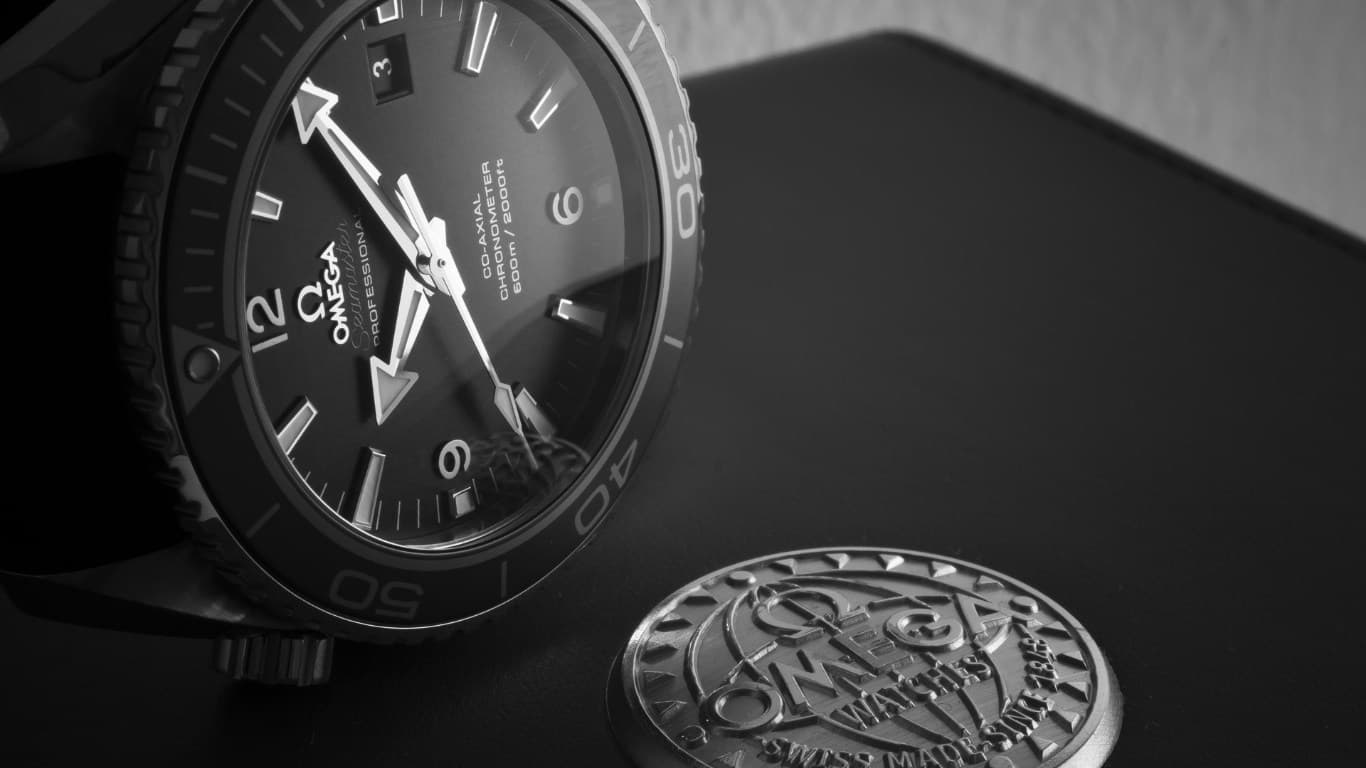
- Omega Seamaster Planet Ocean 600M (Price: $5,000–$10,000): Introduced in 2005, the Planet Ocean became a flagship model in the Seamaster family. Known for its robust build and 600-meter water resistance, it has shown strong resale performance, particularly among tool watch enthusiasts.
- Omega Seamaster 300 Master Co-Axial (Price: $6,000–$12,000): A modern reissue of the original 1957 Seamaster, this model blends vintage aesthetics with modern innovation. Its Master Co-Axial movement and anti-magnetic properties have helped it retain 85–95% of its retail value in recent years.
- Omega Seamaster Diver 300M ‘No Time To Die’ (Price: $8,000–$14,000): Released in 2021 for No Time To Die, Daniel Craig’s final appearance as James Bond, this titanium edition has seen secondary market prices increase by 20–30% since launch, driven by limited production and strong fan appeal.
- Omega Seamaster PloProf 1200M (Price: $7,000–$12,000): The PloProf (Plongeur Professionnel) is one of Omega’s most distinctive dive watches. With its 1200-meter water resistance and unconventional case design, this model has built a cult following, with prices remaining stable and rising gradually.
- Omega Seamaster 1948 Limited Edition (Price: $7,000–$13,000): Released to commemorate the 70th anniversary of the Seamaster, this limited edition is a refined dress diver that blends vintage styling with Master Chronometer technology. Its limited production and classic look have made it a favorite among collectors.
The Omega Seamaster has proven itself one of the most consistent performers in the luxury dive watch market. Appreciation won’t be as aggressive as some Rolex references, but the Seamaster gives you a compelling mix of brand heritage, cinematic history, and genuine mechanical innovation.
For investors who want dependable growth with a touch of Bond-era glamour behind it, the Seamaster is one of the smartest watch investments you’ll find under $15,000.

Omega Constellation
The Omega Constellation is one of the brand’s oldest and most elegant lines, first introduced in 1952 to showcase Omega’s precision credentials. Over the decades it evolved into a symbol of luxury and technical refinement. Its signature details, the star on the dial, the griffes on the bezel, and the Roman numeral styling, have made the Constellation one of the most recognizable and collectible series in Omega’s history.
The collection doesn’t carry the same cultural spotlight as the Speedmaster or Seamaster, but that’s not necessarily a disadvantage. For investors and collectors who prioritize timeless design, mechanical excellence, and steady long-term value, the Constellation makes a compelling case.
In recent years, vintage models and modern limited editions have appreciated between 30% and 50%, with some rare examples commanding strong prices at auction. That kind of quiet, consistent performance is exactly what patient investors look for.
Below are the most investment-worthy Omega Constellation references, each offering strong appreciation potential based on historical relevance, limited production, and collector demand.
- Omega Constellation “Pie Pan” Dial (1950s–1960s) (Price: $3,000–$7,000): One of the most iconic vintage Constellation designs, the “Pie Pan” features a twelve-sided dial that resembles an inverted pie tin. These watches are highly sought-after, especially in original condition and gold cases, and have appreciated steadily over the past decade.
- Omega Constellation Manhattan (1982 Release) (Price: $2,500–$5,000): Introduced in 1982, the Manhattan debuted the now-iconic “Griffes” (claws) at 3 and 9 o’clock. This design quickly became the defining feature of the modern Constellation line. Well-preserved Manhattan models with integrated bracelets are increasingly popular with vintage collectors.
- Omega Constellation Globemaster (Price: $7,000–$12,000): Launched in 2015, the Globemaster became the first Master Chronometer-certified Omega. Featuring a fluted bezel, anti-magnetic Co-Axial movement, and a pie-pan inspired dial, the Globemaster blends modern engineering with vintage styling and has shown stable growth in resale value.
- Omega Constellation Grand Luxe (1950s–1960s) (Price: $10,000–$20,000+): Crafted in solid gold or platinum, the Grand Luxe was the pinnacle of the Constellation line during the mid-20th century. Featuring brick-link bracelets and exceptional finishing, these models are rare and highly coveted. Their prices have remained strong at auction and among serious vintage collectors.
- Omega Constellation Double Eagle (Price: $4,000–$8,000): Released in the early 2000s, the Double Eagle introduced a modern, sportier aesthetic to the collection. Featuring a larger case, integrated bracelet, and Co-Axial movement, this model offers a bold yet refined entry into the Constellation line with good long-term potential.
Appreciation here may be more measured than in the sportier collections, but the Constellation’s timeless design, precision-focused heritage, and growing interest from vintage watch buyers make it a stable and rewarding long-term hold, especially for those who value elegance over spectacle.
Omega De Ville
The Omega De Ville collection is synonymous with refined elegance, precision craftsmanship, and understated luxury. Originally introduced as part of the Seamaster family, it became a standalone line in 1967 with a clear focus on sophisticated dress watches for those who prefer timeless aesthetics over sporty designs.
With its clean lines, slim profiles, and movement innovation, the De Ville has built a loyal following among collectors who want versatility and long-term value in a single package.
The De Ville may not carry the same cultural weight as the Speedmaster or Seamaster, but it offers real investment potential, especially in models featuring Co-Axial or Master Chronometer movements. Over the past decade, select vintage and high-complication De Ville references have appreciated between 20% and 40%, with limited editions and precious metal variants performing well in the pre-owned market.
Below are the most investment-worthy Omega De Ville references, each offering strong appreciation potential based on historical relevance, limited production, and collector demand.
- Omega De Ville Prestige (Price: $3,000–$5,000): A cornerstone of the modern De Ville collection, the Prestige line features minimalist dials, classic case proportions, and time-only or date functions. Its affordability, combined with its elegant appearance and Co-Axial movement, makes it a stable entry point for collectors seeking understated dress watches.
- Omega De Ville Trésor (Price: $6,000–$12,000): The Trésor embodies Omega’s dedication to slim, refined watchmaking. Often featuring manual-wind movements and ultra-thin cases, this line has gained traction for its timeless appeal and mechanical purity. Models with Master Chronometer certification have held 85–95% of their retail value, with precious metal versions showing modest appreciation.
- Omega De Ville Hour Vision (Price: $5,000–$10,000): Introduced with a distinctive sapphire case side design, the Hour Vision showcases Omega’s technical innovation and finishing. With its Co-Axial movement and unique construction, the model has attracted attention from collectors interested in engineering as much as aesthetics.
- Omega De Ville Tourbillon (Price: $25,000–$50,000+): Omega’s De Ville Tourbillon series represents the pinnacle of the brand’s haute horlogerie efforts. These models often feature hand-crafted movements, central tourbillons, and precious metals. Limited in production and commanding high prices at auction, these pieces serve as long-term, high-end investment watches.
- Omega De Ville Co-Axial Chronograph (Price: $7,000–$14,000): Featuring Omega’s Co-Axial chronograph movement and classic dial designs, these models are prized for their functionality and sophistication. Well-maintained references have retained strong resale value, especially in steel-and-gold or full-gold configurations.
The De Ville won’t be the most aggressive performer in Omega’s lineup, but it’s one of the most consistent. For investors and collectors who want a refined dress watch with proven mechanical quality and real value retention, the De Ville delivers, especially in vintage references and models built in limited numbers or featuring advanced complications.

Other Notable Omega Models for Investment
Beyond the Speedmaster, Seamaster, Constellation, and De Ville, Omega produces several other models that have shown genuine investment potential, particularly in the form of limited editions and special releases worth keeping on your radar.
- Omega Planet Ocean: Part of the Seamaster family, the Planet Ocean is a professional dive watch that offers both style and function. With its robust build, advanced water resistance, and connection to the world of ocean exploration, the Planet Ocean is a favorite among collectors looking for high-performance timepieces. Limited-edition Planet Ocean models, particularly those with unique dial colors or case materials, have seen strong appreciation in the secondary market.
- Omega Aqua Terra: Another member of the Seamaster collection, the Aqua Terra is known for its versatility. Equally suited for diving and everyday wear, the Aqua Terra has gained popularity for its sleek design and modern features, such as anti-magnetic movements. Limited-edition models and those with unique configurations tend to hold their value well, making the Aqua Terra a solid investment.
- Omega Railmaster: Originally introduced in 1957 as part of Omega’s trio of professional watches (alongside the Speedmaster and Seamaster), the Railmaster was designed for use in magnetic fields. Vintage Railmaster models, especially from the 1950s and 1960s, are rare and highly sought after by collectors. Reissues of the Railmaster have also performed well, with many limited editions appreciating in value.
The ROI of Omega Watches
Certain Omega models have proven especially reliable when it comes to return on investment. Vintage Speedmaster Moonwatch references from the 1960s and 1970s have increased in value by three to four times their original retail prices depending on condition and rarity. Over the past five years, these references have appreciated at an estimated 15% to 20% annually, according to market data from WatchCharts and major auction houses.
One of the standout performers is the Omega Speedmaster Silver Snoopy Award. Originally retailing for around $6,000, this model now sells for $30,000 to $40,000 on the secondary market, a gain of 400% to 500% within a decade. The limited production run and deep NASA heritage have made it one of the most sought-after modern Speedmasters on the planet.
The Omega Seamaster Diver 300M has also delivered strong investment returns, with certain models appreciating by 20% to 30% over the last few years. Those produced in low quantities or featuring precious metals have led the charge.
Key ROI Drivers
A few core factors consistently drive the investment performance of Omega watches. Understanding these gives you a real edge when deciding where to put your money.
- Rarity and Limited Editions: Models tied to major events (e.g., Apollo missions, James Bond films) or produced in limited runs tend to perform best. Examples include the Speedmaster Apollo 11 50th Anniversary and the Seamaster 300 “Spectre” Limited Edition, both of which have seen strong price appreciation in the secondary market.
- Condition and Originality: Watches in excellent, unmodified condition, especially those with original boxes, papers, and factory components, command higher premiums. Collectors place a significant value on authenticity and provenance.
- Market Sentiment and Economic Trends: Omega prices are influenced by broader trends in the luxury market, auction performance, and brand activity. The release of new high-profile models or reissues often reignites interest in vintage versions, further driving up demand.
Market Trends and Investment Outlook
Despite the economic turbulence of recent years, the luxury watch market has shown real resilience. Omega keeps gaining ground among investors and collectors who once looked exclusively at Rolex or Patek Philippe. The pre-owned Omega market has grown by more than 20% in volume since 2020, with pricing on an upward trajectory, especially for discontinued or historically meaningful pieces. And much like the Cartier Tank’s enduring hold on collectors, Omega’s best references carry a cultural weight that sustains demand well beyond short-term market swings.
Auction results back up that momentum, and the numbers tell a clear story.
- A Speedmaster 2915-1 from 1957 sold for CHF 3.1 million at Phillips in 2021, setting a record for an Omega watch.
- The Speedmaster “Alaska Project” and Snoopy editions have routinely exceeded pre-sale estimates by 50–70% at recent auctions.
Vintage Seamaster references from the 1950s through the 1970s, especially those in solid gold or with rare dial variants, have also seen consistent price growth at auction houses like Christie’s and Sotheby’s.
These models often appreciate 10% to 15% annually depending on condition and how active the market is for that specific reference. For patient investors, that kind of steady compounding adds up fast.

FAQ
Which Omega watch holds its value the best?
The Omega Speedmaster Professional Moonwatch is the top choice for holding value, thanks to its iconic status and connection to the moon landing. Other models like the Seamaster Diver 300M and Seamaster Planet Ocean are also strong contenders, known for their durability and popularity. Limited editions and classic designs from Omega, like the Constellation and Speedmaster ’57, tend to retain or even appreciate in value over time.
Which Omega is the most collectible?
The Omega Speedmaster, especially vintage models like the Speedmaster Professional “Moonwatch,” is the most collectible. Its iconic status as the first watch worn on the moon makes it highly desirable among collectors. Other sought-after Omega pieces include limited-edition Speedmasters and vintage Seamasters, which also have strong demand due to their history and craftsmanship.