Cabernet Sauvignon and Chardonnay are the two most-poured grape varieties in serious cellars worldwide, and they anchor very different parts of the cellar architecture. Cabernet drives the structural red positions: Bordeaux Left Bank First Growths, Napa cult Cabernet, the Bordeaux-style Tuscan Super Tuscans, the better Australian Shiraz Cabernet blends. Chardonnay drives the structural white positions: Burgundy grand crus, the great Champagne blanc de blancs, the Coche-Dury and Leflaive bottlings that anchor any serious white-wine cellar.
- Cabernet Sauvignon and Chardonnay are the two most-poured grape varieties in serious cellars worldwide, anchoring very different parts of the cellar architecture.
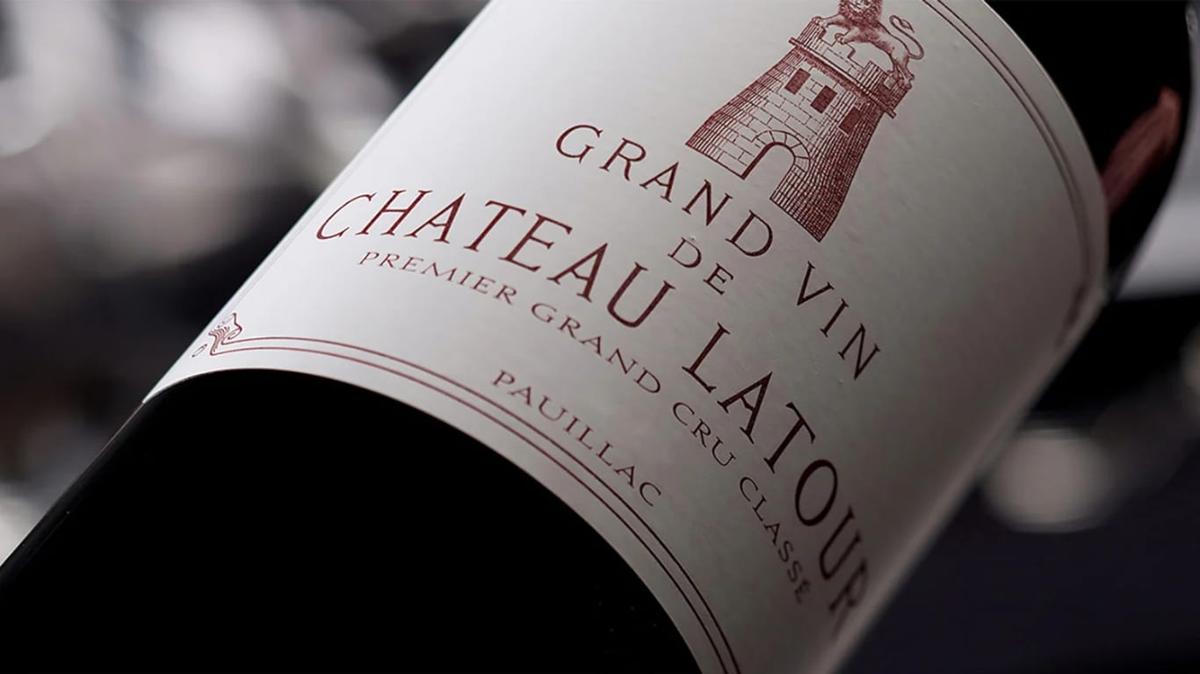
- Cabernet drives the structural red positions, with Bordeaux Left Bank First Growths, Napa cult, and Coonawarra anchoring the international apex tier.
- Chardonnay drives the structural white positions, with Burgundy's grand cru white tier and the apex Champagne blanc de blancs as structural references.
- The two grapes occupy complementary rather than competing roles in serious cellar architecture, with allocations sized to drinking-window and aesthetic preference.
- Both grapes carry meaningful long-haul collectibility, with apex producers in each category routinely supporting multi-decade cellar positions.
- For collectors the structural cellar architecture should typically include meaningful allocations to both, with the relative weight shaped by broader red-versus-white preference.
- Who is this for?
- Cellar builders structuring their broader cellar architecture, and serious collectors weighing the relative weight of apex Cabernet and Chardonnay positions.
- What is happening?
- We compare Cabernet Sauvignon and Chardonnay as structural cellar positions, with the regional, producer, and complementary architectural variables that distinguish each.
- When did this emerge?
- The piece reads the contemporary post-2020 market, with the resilient Bordeaux First Growth tier and the modern Burgundy white apex as live context.
- Where is this happening?
- Bordeaux's Medoc, Napa's apex cluster, and Coonawarra for Cabernet, plus Burgundy's Cote d'Or and the Champagne apex for Chardonnay.
- Why does it matter?
- Sizing Cabernet and Chardonnay correctly within the broader cellar architecture is foundational for serious collecting, and the structural decisions affect cellar character for decades.
Both grapes deserve substantial cellar weight, and neither replaces the other. Liv-ex's Bordeaux 500 and Burgundy 150 track both categories actively, and the auction calendars at Sotheby's, Christie's, and Acker reflect the structural balance most serious cellars build.
This is our editorial comparison of the two grapes for collectors weighing how to balance them in cellar architecture.
Cabernet Sauvignon: profile and serious origins
Cabernet Sauvignon is a thick-skinned, late-ripening, structurally tannic red grape with a long history in Bordeaux and a robust modern presence across Napa, Tuscany, the Margaret River, and Coonawarra. The grape's tannin structure and acidity give it the longest reliable ageing potential of the major red varietals.
Bordeaux Left Bank First Growths from strong vintages comfortably age 30 to 50 years, while Napa cult Cabernet (Screaming Eagle, Harlan, Scarecrow, Schrader) ages 15 to 30 years from named vintages.
The aromatic character anchors on black fruit (blackcurrant, cassis), savoury notes (graphite, cedar, pencil shavings), and the herbal character that defines the grape across regions. Bordeaux Left Bank wines are typically Cabernet Sauvignon-dominant blends with Merlot, Cabernet Franc, and Petit Verdot. Napa cult Cabernet is typically 90%+ Cabernet Sauvignon, sometimes 100%.
Tuscan Super Tuscans (Sassicaia, Tignanello-Solaia in their Cabernet expressions) typically run Cabernet-led blends, often with Merlot and Cabernet Franc support.
Chardonnay: profile and serious origins
Chardonnay is a thinner-skinned, more aromatically delicate, and structurally lifted white grape that expresses terroir more transparently than nearly any other major variety. Burgundy is the spiritual home: the Côte de Beaune grand crus (Le Montrachet, Chevalier-Montrachet, Bâtard-Montrachet, Corton-Charlemagne) and the great premier crus (Meursault, Puligny-Montrachet, Chassagne-Montrachet) anchor the world's most-coveted white wines.
Outside Burgundy, Chardonnay anchors Champagne (the blanc de blancs from grand cru villages including Le Mesnil-sur-Oger, Cramant, Avize), the great Napa and Sonoma whites (Kistler, Aubert, Marcassin, Peter Michael), the Margaret River and Yarra Valley whites (Leeuwin Estate, Giaconda, Bass Phillip), and the better Chablis (Raveneau, Dauvissat, William Fèvre).
The grape ages 15 to 35 years from the named producers in strong vintages, meaningfully longer than the conventional wisdom about white wine suggests.
Drink windows and ageing structure
Cabernet Sauvignon's structural ageing comes from tannins. The thick-skinned, polyphenol-rich profile lets the wines hold for decades, with the tannins gradually integrating into the aromatic complexity that defines mature Bordeaux Left Bank and Napa cult Cabernet. The First Growths from a strong vintage need 20 to 30 years before they begin showing their full complexity; Napa cult Cabernet typically reaches its drink window at 12 to 20 years.
Chardonnay's structural ageing comes primarily from acidity and (in the Burgundy grand cru tradition) from the integration of new oak across long ageing. The great Burgundy whites need 15 to 25 years to show their full mature complexity. Coche-Dury Corton-Charlemagne from a strong vintage hits its peak at 20 to 30 years.
Mosel Riesling can age 50 years and Chenin Blanc Moelleux from Loire producers similarly long. Chardonnay specifically reaches peak in the 15 to 30-year window from named Burgundy producers.
Pricing and secondary market
Cabernet Sauvignon-driven serious cellars span a wide price range. Bordeaux Left Bank First Growths trade $400 to $700 en primeur for current vintages, with mature library releases clearing $1,500 to $5,000+ for the great vintages. The Super-Seconds run $100 to $400 for current vintages.
Napa cult Cabernet (Screaming Eagle, Harlan, Scarecrow) trades $1,500 to $5,000+ for current-release allocations. Screaming Eagle library releases routinely clear five figures at Sotheby's, Christie's, and Hart Davis Hart sales.
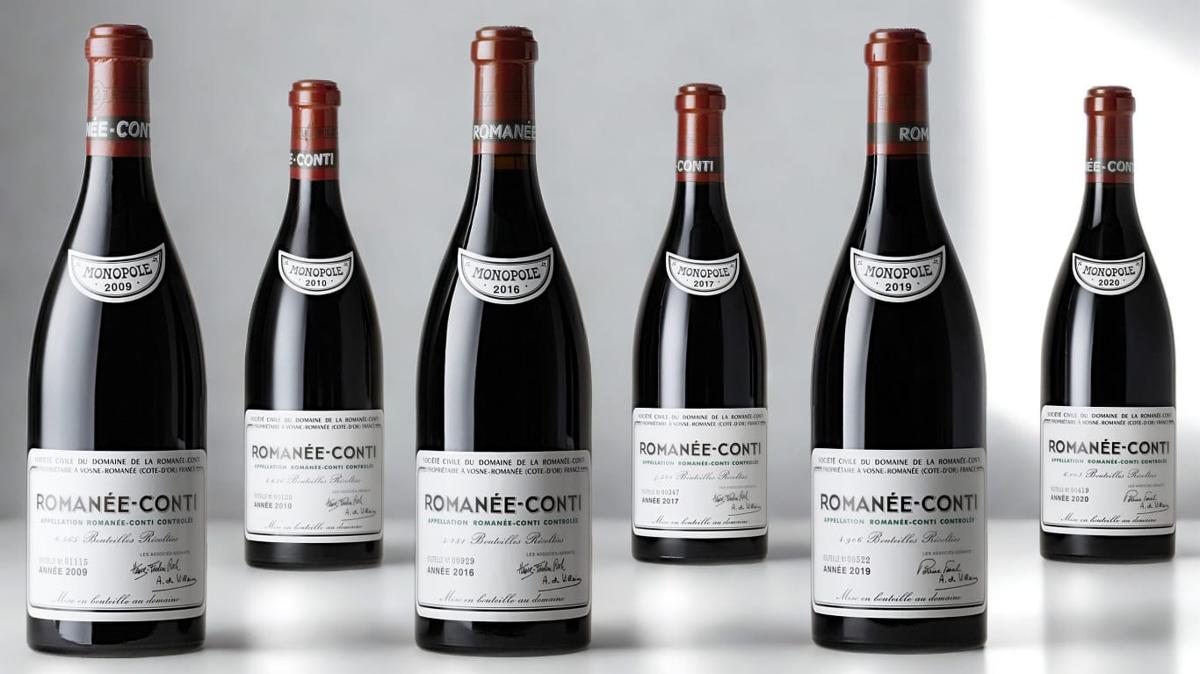
Chardonnay-driven serious cellars also span a wide price range. Burgundy grand cru Chardonnay from named producers (Coche-Dury, Domaine Leflaive, Domaine de la Romanée-Conti's Montrachet) trades $5,000 to $30,000+ at auction for mature library releases. Premier crus from these producers run $500 to $3,000 for current vintages.
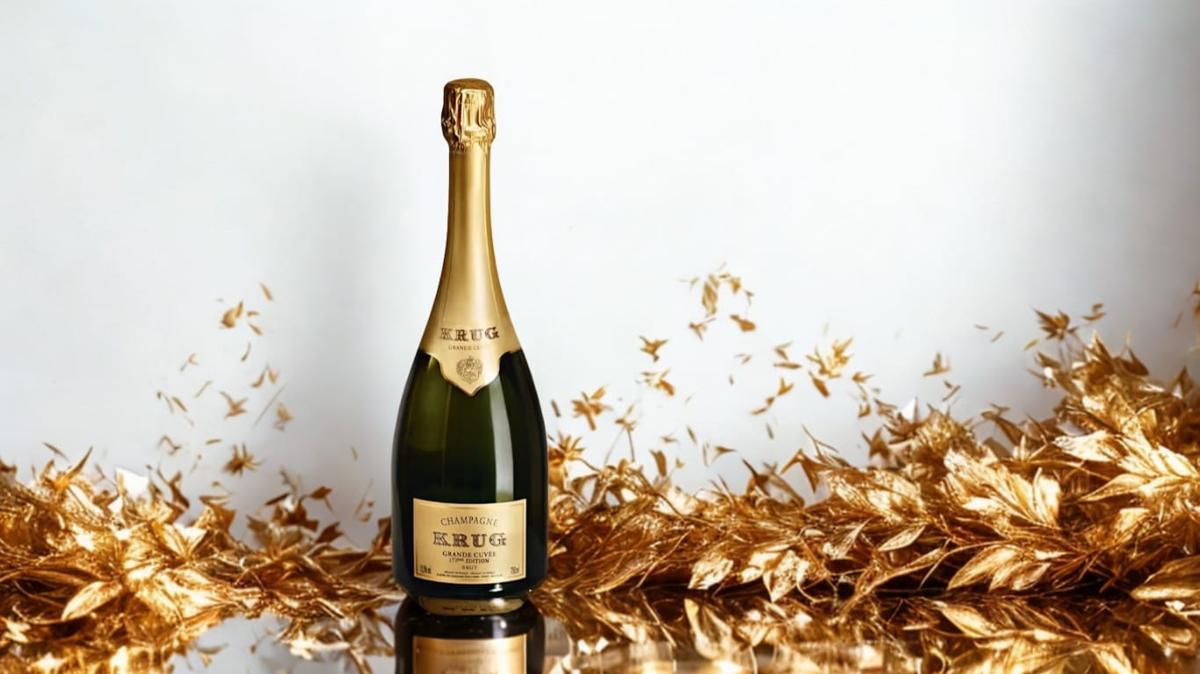
Chablis from Raveneau and Dauvissat trades meaningfully more accessibly at $80 to $300 for current vintages, with older library releases clearing higher. Champagne blanc de blancs from named houses (Salon, Krug Clos du Mesnil, Dom Pérignon P2) trade $500 to $3,000+ for the named bottlings.
The secondary market for both grapes is well-documented through Liv-ex, Christie's, Sotheby's wine sales, and the major regional auction houses. Bordeaux First Growths have the deepest liquidity globally, while Burgundy grand cru Chardonnay has had the more dramatic recent secondary-market trajectory, with the Coche-Dury and Leflaive boom of the past decade becoming one of the standout stories in fine wine.
Where each belongs in the cellar
Cabernet Sauvignon anchors the structural red position in serious cellars. The deeper liquidity, longer drink windows, and broader tier of accessible serious bottlings (Super-Seconds for the Left Bank, the broader Napa Cabernet tier outside the cult labels, the better Tuscan Cabernet-blend Super Tuscans) make Cabernet the workhorse of the cellar's red architecture.
Chardonnay anchors the structural white position. The Burgundy grand crus, the better Chablis from Raveneau and Dauvissat, the great Champagne blanc de blancs, and the better New World Chardonnay (Kistler, Aubert, Leeuwin) provide the structural depth. The cellars without serious Burgundy white positions miss some of the longest-evolving white wines in the world.
Vintage notes
The strong recent vintages worth holding from Cabernet-driven regions: Bordeaux Left Bank in 2009, 2010, 2015, 2016, 2018, 2020, and 2022. Napa Cabernet in 2012, 2013, 2014, 2016, 2018, and 2019. Tuscan Super Tuscans in 2010, 2015, 2016, 2018, and 2019.
The strong recent Chardonnay vintages: Burgundy white in 2014 (universally rated as a benchmark), 2017, 2019, and 2020. Champagne blanc de blancs in 2008, 2012, 2013, and 2018.
What this means for collectors
The Cabernet-versus-Chardonnay question isn't really competitive. The two grapes occupy completely different roles in the cellar's architecture, and serious cellars hold meaningful depth in both. Cabernet drives the structural red holdings, Chardonnay drives the structural white holdings, and the cellar architecture rounds out from there.
The pattern most serious cellars converge on is roughly 50 to 60% reds (with Cabernet-driven wines taking the largest share of the red position) and 25 to 35% whites (with Chardonnay-driven wines taking the largest share of the white position). The remainder distributes across the other regions and styles that round out a serious cellar.
The wines themselves remain the point. Both Cabernet and Chardonnay at the top of their expression are among the most-coveted wines in the world, and the cellars that compound best across decades are the ones built across both, treating them as the two complementary structural pillars of serious wine collecting.
We last reviewed this analysis in May 2026.