Chardonnay is the most-poured serious white grape in the world, and it occupies a structural position in serious cellars that no other white varietal replaces. Burgundy's Côte de Beaune anchors the global conversation. The grand crus of Le Montrachet, Chevalier-Montrachet, Bâtard-Montrachet, and Corton-Charlemagne, plus the great premier crus from Meursault, Puligny-Montrachet, and Chassagne-Montrachet, produce the world's most-coveted white wines from named domaines.
- Chardonnay is the most-poured serious white grape in the world, and it occupies a structural cellar position that no other white varietal replaces.
- Burgundy's Cote de Beaune anchors the global conversation, with Le Montrachet, Chevalier-Montrachet, Batard-Montrachet, and Corton-Charlemagne at the apex.
- The great premier crus from Meursault, Puligny-Montrachet, and Chassagne-Montrachet round out the structural Burgundy tier from named domaines.
- Beyond Burgundy, Chardonnay anchors Champagne's blanc de blancs tradition, with Krug Clos du Mesnil and Salon Le Mesnil as the apex references.
- New World Chardonnay from Sonoma Coast, Napa, the Margaret River, and the Yarra Valley has built credible long-haul cellar positions across the past two decades.
- Liv-ex's Burgundy 150 tracks the broader Cote de Beaune trajectory, with auction calendars at Sotheby's, Christie's, and Acker reflecting Chardonnay's structural depth.
- Who is this for?
- Cellar builders working through their white-wine architecture, and serious collectors building structural Chardonnay positions across Burgundy and the New World.
- What is happening?
- We map Chardonnay as a cellar category, with the Burgundy apex, Champagne blanc de blancs tradition, and New World tier that anchor serious collecting.
- When did this emerge?
- The piece reads the contemporary post-2020 market, with the Liv-ex Burgundy 150 trajectory and the modern New World Chardonnay apex as live context.
- Where is this happening?
- Burgundy's Cote de Beaune and Chablis, the Champagne grand cru villages, plus Sonoma Coast, Napa, the Margaret River, and the Yarra Valley.
- Why does it matter?
- Chardonnay defines the structural top of white-wine collecting, and missing the producer-led depth that Burgundy and apex Champagne demand narrows a serious cellar materially.
Beyond Burgundy, Chardonnay anchors Champagne's blanc de blancs tradition, the great Chablis from named producers, and the structurally serious New World tier from Sonoma Coast, Napa, the Margaret River, and the Yarra Valley. Liv-ex's Burgundy 150 tracks the broader Côte de Beaune trajectory, and the auction calendars at Sotheby's, Christie's, and Acker reflect Chardonnay's structural depth across regions.
This is our editorial field guide to Chardonnay for collectors building structural white-wine depth.
The grape itself
Chardonnay is a thin-skinned, mid-ripening, structurally lifted white grape with origins in Burgundy and a documented genetic identity confirmed through DNA analysis (the variety is a natural cross between Pinot Noir and the now-rare Gouais Blanc). The grape's defining characteristic is terroir transparency.
Chardonnay expresses the specific character of the site it grows on more directly than nearly any other major white varietal, which is why the variety produces such distinct profiles across regions despite its relative aromatic neutrality at base.
The character profile shifts dramatically by region and winemaking approach. Cool-climate, mineral-driven Chablis runs lean, structured, intensely flinty. Burgundy grand cru Côte de Beaune from named producers runs richer, more textural, with the integration of new oak across long barrel ageing producing the world's reference rich whites. Champagne blanc de blancs from named houses runs structurally lifted, mineral, with the autolytic complexity of long lees ageing.
New World Chardonnay from named producers runs across a wide stylistic range, from the lean Chablis-style Sonoma Coast bottlings to the rich, oak-influenced Napa and Margaret River wines.
Burgundy: the structural reference
Burgundy is where the serious Chardonnay conversation starts and (for most cellars) anchors. The Côte de Beaune, the strip running south from Beaune through Meursault, Puligny-Montrachet, Chassagne-Montrachet, with Corton-Charlemagne anchoring the northern end, produces the world's most-coveted white wines from named domaines.
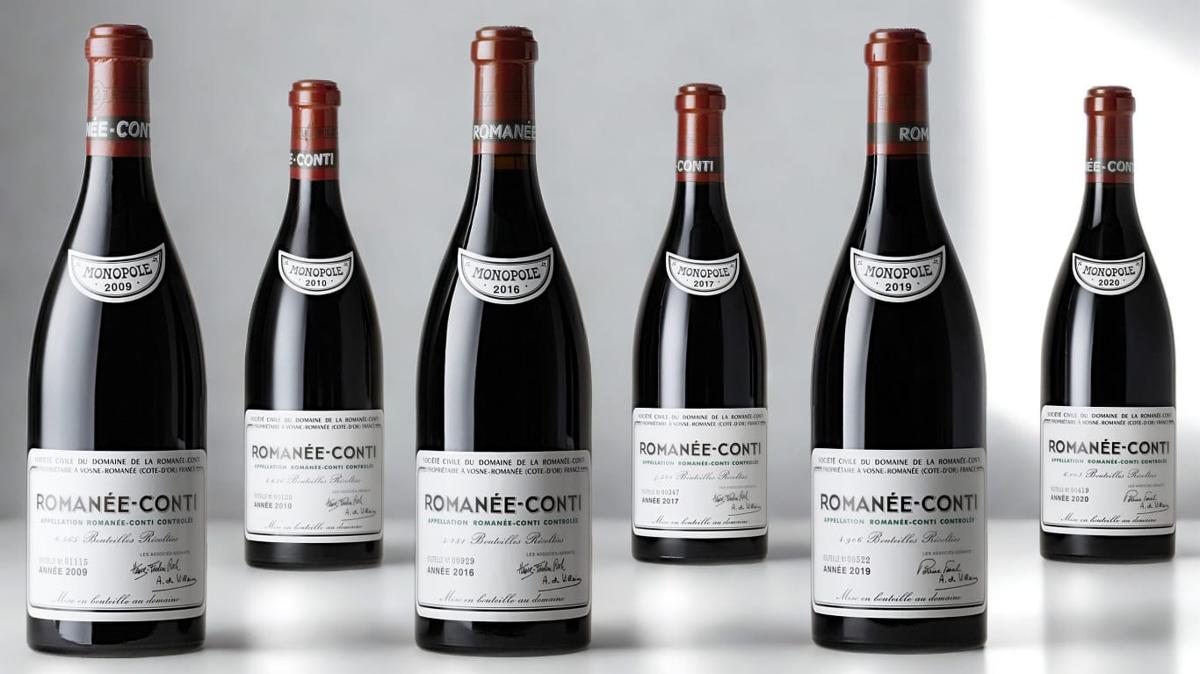
The grand crus that anchor serious cellars: Le Montrachet, Chevalier-Montrachet, Bâtard-Montrachet, Bienvenues-Bâtard-Montrachet, Criots-Bâtard-Montrachet (Puligny and Chassagne), Corton-Charlemagne (Aloxe-Corton). The named producers that anchor the top tier: Domaine de la Romanée-Conti (Montrachet), Domaine Leflaive, Coche-Dury, Domaine Roulot, Comte Lafon, Pierre-Yves Colin-Morey, Vincent Dauvissat, François Raveneau (Chablis), and Domaine d'Auvenay (Lalou Bize-Leroy's white-wine project).
Current-vintage pricing for the named Burgundy grand crus runs $500 to $3,000 per bottle for new releases. The DRC Montrachet clears $5,000 to $15,000+ per bottle. Mature library releases of the great Burgundy white vintages reach significantly higher.
Coche-Dury Corton-Charlemagne from the great vintages routinely clears $5,000 to $15,000+ per bottle at major auctions. Premier crus from named producers run $200 to $800 for current vintages, the most accessible serious-Burgundy white entry tier.
Chablis: the cool-climate reference
Chablis sits to the north of the broader Burgundy region, with cooler-climate, limestone-soil vineyards that produce structurally lifted, mineral-driven Chardonnay distinct from the richer Côte de Beaune style. The grand crus (Les Clos, Vaudésir, Valmur, Bougros, Preuses, Grenouilles, Blanchot) and premier crus (Montée de Tonnerre, Vaillons, Mont de Milieu, Fourchaume) anchor the serious tier.
The named producers: François Raveneau, Vincent Dauvissat (the two reference Chablis producers, with bottlings clearing meaningful prices at major auctions), William Fèvre, Domaine Pinson, and Louis Michel. Current-vintage pricing for Raveneau and Dauvissat grand crus runs $300 to $800 per bottle. Mature library releases trade meaningfully higher.
The broader serious Chablis tier from named producers runs $80 to $300 for current vintages.
Champagne: the blanc de blancs tradition
Champagne's blanc de blancs (100% Chardonnay) tradition produces some of the most-coveted Champagnes in the world. The grand cru villages that anchor the blanc de blancs category (Le Mesnil-sur-Oger, Cramant, Avize, Oger, Chouilly, Oiry) provide the structural sourcing for the named houses' top bottlings.
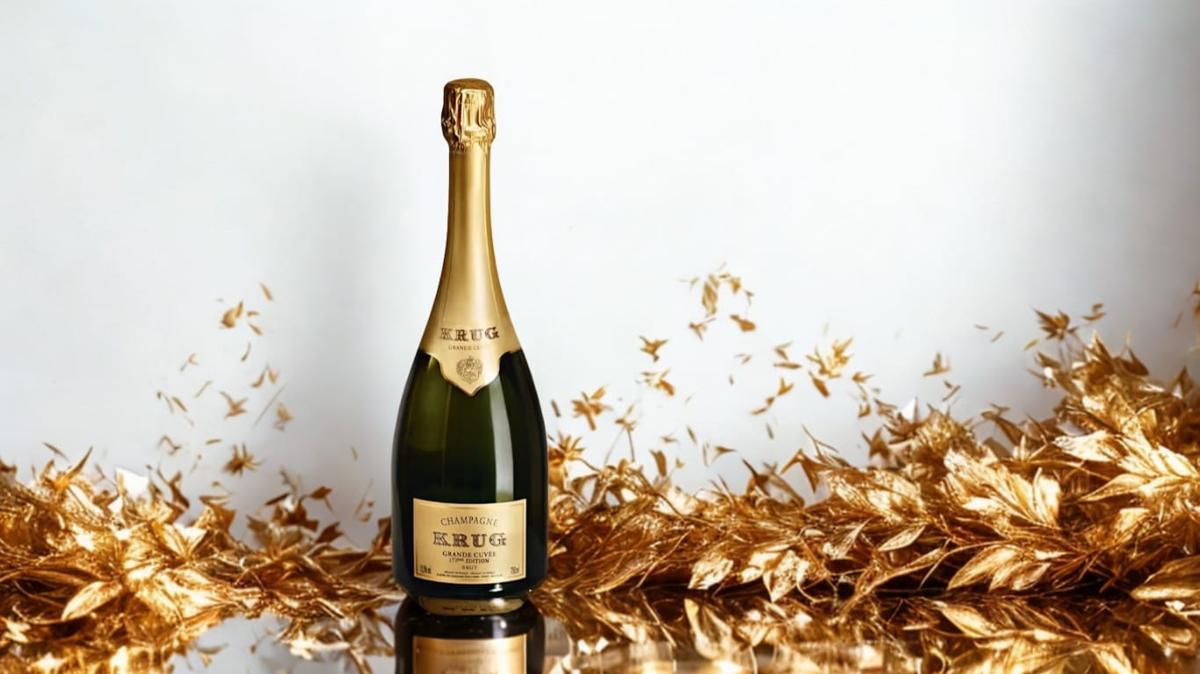
Salon (the rare Le Mesnil-sur-Oger blanc de blancs only released in declared vintages, with current-release pricing $1,000 to $2,000+ per bottle and library releases meaningfully higher), Krug Clos du Mesnil, Dom Pérignon (P2 and P3 mature releases), Cristal, Comtes de Champagne, and Pol Roger Cuvée Sir Winston Churchill all anchor the top tier.
The serious grower-Champagne blanc de blancs producers: Pierre Péters, Jacques Selosse, Larmandier-Bernier, Vouette et Sorbée, and Chartogne-Taillet's Heurtebise. Current-vintage pricing for the named grower-Champagnes runs $80 to $300 per bottle.
New World Chardonnay: the modern serious tier
The serious New World Chardonnay tier has matured substantially. Sonoma Coast producers Aubert, Marcassin, Kistler's Chardonnay bottlings, Peter Michael, and Hirsch produce structurally serious cool-climate Chardonnay at $80 to $400 for current vintages. Napa Valley names Stony Hill (the historic anchor), Heitz, Chateau Montelena, Forman, and Larkmead produce serious Napa Chardonnay at $60 to $200.
Oregon names Eyrie Vineyards, Domaine Drouhin Oregon, and Lavinea produce serious Oregon Chardonnay at $40 to $120.
Australia names Leeuwin Estate Art Series (Margaret River, the cult Australian Chardonnay), Giaconda (Beechworth), Bass Phillip (South Gippsland), and Penfolds Yattarna (the Australian white Grange) produce serious Australian Chardonnay at $50 to $300. New Zealand names Kumeu River, Felton Road, and Pegasus Bay produce serious New Zealand Chardonnay at $40 to $100.
Drink windows and ageing
Chardonnay's structural ageing capacity is meaningfully longer than the conventional wisdom about white wine suggests. Burgundy grand cru Chardonnay from named producers reaches its drink window at 12 to 25 years. The great Coche-Dury Corton-Charlemagne ages 25 to 35 years from a strong vintage.
Mature Chablis grand cru from Raveneau and Dauvissat ages 15 to 25 years.
Champagne blanc de blancs from named houses ages 15 to 35 years from a strong vintage. The great vintages (1996, 2002, 2008, 2012) age 35 to 45+ years.
The strong recent Burgundy white vintages worth holding: 2014 (universally rated as a benchmark for white Burgundy by Wine Advocate and Decanter), 2017, 2019, 2020, and 2022. The strong recent Champagne blanc de blancs vintages: 2008, 2012, 2013, and 2018. The strong recent Sonoma Coast and Napa Chardonnay vintages: 2013, 2016, 2018, 2019, and 2020.
What this means for collectors
Chardonnay rewards collectors who treat it as the structurally serious white-wine category it is. The Burgundy grand crus and the named Côte de Beaune producers anchor any serious white-wine cellar. The Chablis grand crus from Raveneau and Dauvissat provide the cool-climate counterpoint.
The Champagne blanc de blancs from named houses provide the structural occasion-bottle tier. The better New World Chardonnay rounds out the cellar with stylistic depth at meaningfully more accessible price tiers.
The cellars built around serious Chardonnay are typically the cellars that benefit most from the variety's structural longevity and the depth of its named producer tier across regions. Burgundy white anchors, with Chablis, Champagne, and New World adding the variety. The cellars without serious Chardonnay positions miss some of the longest-evolving and most-coveted white wines in fine wine.
Further reading
- Cabernet Sauvignon vs Chardonnay: A Cellar Comparison
- Pinot Grigio vs Chardonnay: A Cellar Comparison
We last reviewed this analysis in May 2026.