When you first start navigating the stock market, the roles of brokers and market makers can feel confusingly similar. Both sit at the heart of how trades get done, yet their responsibilities, objectives, and day-to-day operations are worlds apart. Whether you’re placing your first trade or managing a serious portfolio, understanding who does what gives you a real edge in knowing exactly whose interests are being served at any given moment.
- Brokers act as agents executing trades on behalf of clients, while market makers commit their own capital to provide continuous two-sided quotes in specific securities.
- Brokers earn commissions, advisory fees and order-flow rebates, with their primary fiduciary or best-execution duty owed to the client they represent.
- Market makers earn the bid-ask spread, plus rebates from exchanges, and bear inventory risk as prices move against the positions they accumulate during trading.
- Designated market makers on the NYSE and lead market makers on Nasdaq carry specific obligations to maintain orderly markets in their assigned securities.
- Payment for order flow blurs the traditional separation, with retail brokers routing trades to specific market makers in exchange for compensation per share traded.
- Understanding the broker and market maker distinction helps investors interpret execution quality, spread costs and the incentive structures that shape modern trading.
- Who is this for?
- Self-directed investors and active traders who want to understand the distinct roles of brokers and market makers in modern equity markets and how each affects their execution and trading costs.
- What is happening?
- A clear comparison of brokers and market makers, covering their distinct functions, revenue models, regulatory obligations and the role of payment for order flow in modern retail trading.
- When did this emerge?
- Always relevant for active traders, with particular focus during periods of debate about market structure reform, payment for order flow and the evolution of retail trading platforms.
- Where is this happening?
- Universal across global equity markets, with the most complex broker and market maker relationships seen in US markets where high-frequency trading dominates volume.
- Why does it matter?
- The distinction between brokers and market makers shapes execution quality and trading costs in ways most investors never notice, and understanding it sharpens decisions about platform selection and order routing.
What is a Stock Broker
The broker and market-maker structure is documented in detail by the Financial Industry Regulatory Authority, which oversees the broker-dealer registration regime, and the U.S. Securities and Exchange Commission, which sets the securities-law framework above it.
The exchanges complete the picture. NYSE and Nasdaq both publish the market-maker obligations and designated-market-maker roles in detail, and Bloomberg covers how the modern liquidity provider landscape has shifted toward electronic market making.
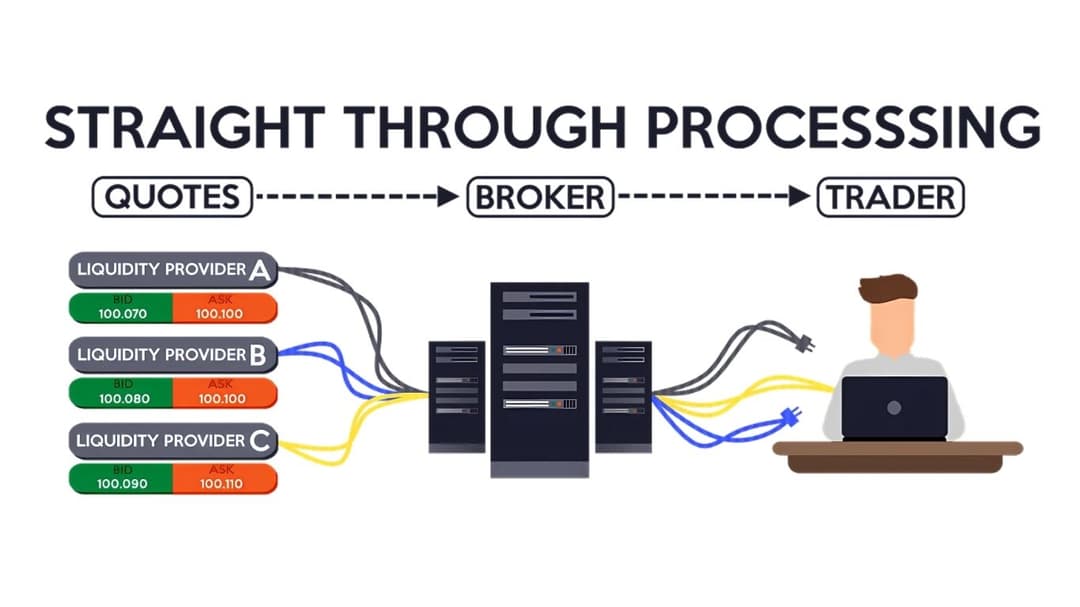
A broker is essentially your gateway to the financial markets. When you decide to buy or sell stocks, you go through a broker to get it done. Brokers are registered individuals or firms authorized to buy and sell securities on your behalf, and their entire job is built around making sure your transactions happen smoothly, accurately, and at the best available price.
Think of them as your trusted intermediary, sitting between you and the wider market.
Key Functions of Brokers
- Order Execution: Brokers execute buy and sell orders for their clients. When you place an order to buy a stock, your broker finds a seller and facilitates the transaction.
- Advisory Services: Many brokers also provide investment advice, helping clients make informed decisions about which securities to buy or sell.
- Custodial Services: Brokers often hold securities on behalf of their clients, maintaining accounts where these assets are stored.
- Access to Markets: Brokers provide clients with access to various markets, including stock exchanges, futures markets, and options markets.
What are Market Makers
For deeper context, the breakdown in how the bid-ask spread sits at the heart of market-maker economics is worth reading alongside this analysis.
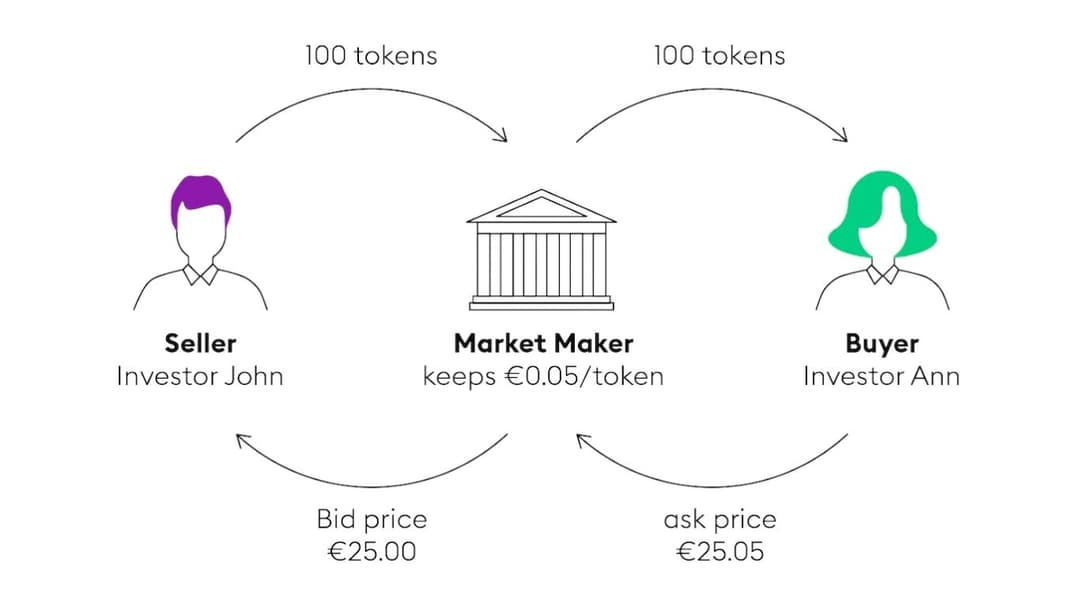
Market makers are a different animal entirely. Their core job is creating liquidity, which means they keep the market moving by continuously posting both buy and sell quotes for specific securities. Without them, you might place an order and wait far too long to find a counterparty. Market makers stand ready to trade at their publicly quoted prices at virtually any moment, and that constant presence is what keeps price discovery running efficiently for everyone in the market.
Key Functions of Market Makers
- Liquidity Provision: By continuously offering buy and sell prices, market makers ensure that there is always a counterparty for traders. This reduces the time it takes to execute a trade and minimizes the impact on the stock’s price.
- Price Stabilization: Market makers help stabilize prices by balancing supply and demand. They adjust their quotes based on market conditions to maintain a fair and orderly market.
- Risk Management: Market makers assume significant risk by holding large inventories of securities. They manage this risk by continuously adjusting prices and hedging their positions.
- Facilitation of Large Trades: Market makers often handle large orders that might otherwise cause significant price movements. By breaking down large trades into smaller ones, they mitigate the impact on the market.
Differences Between Brokers and Market Makers
Now that you have a solid grasp of what each party does, it’s worth zooming in on exactly where brokers and market makers diverge. The differences run deeper than most people realize, and knowing them can change how you think about every trade you make.
1. Primary Role and Objective
- Brokers: The main objective of a broker is to execute client orders as efficiently as possible. They act on behalf of the client, ensuring that the client’s trading needs are met at the best possible price.
- Market Makers: The primary role of a market maker is to ensure liquidity in the market. They are not necessarily acting on behalf of a client but are instead focused on maintaining a balance between buyers and sellers, thereby stabilizing prices.
2. Revenue Generation
- Brokers: Brokers earn revenue primarily through commissions and fees charged for executing trades on behalf of clients. They may also earn money by offering additional services, such as investment advice or account management.
- Market Makers: Market makers earn profits from the bid-ask spread, which is the difference between the buying price (bid) and the selling price (ask) of a security. By buying at a lower price and selling at a higher price, market makers can generate revenue from each transaction.
3. Risk Exposure
- Brokers: Brokers typically do not take on significant risk in the market. They execute trades on behalf of clients but do not usually hold large positions in securities. The primary risk they face is related to operational aspects, such as failing to execute a trade or mismanaging client accounts.
- Market Makers: Market makers take on substantial risk because they hold large inventories of securities to provide liquidity. Market fluctuations can lead to losses if the prices of the securities they hold move against their positions.
4. Impact on Market Dynamics
- Brokers: Brokers facilitate market transactions but do not directly influence market prices. Their role is to match buyers with sellers, and while they may provide market insight, they do not create market prices.
- Market Makers: Market makers have a direct impact on market prices through their bid and ask quotes. By adjusting these quotes based on market demand and supply, they play a crucial role in price discovery and market stability.
5. Regulatory Environment
- Brokers: Brokers are subject to strict regulatory oversight to ensure they act in the best interests of their clients. Regulations typically focus on transparency, disclosure, and the execution of orders at the best possible price.
- Market Makers: Market makers are also heavily regulated, but the focus is on their role in maintaining market liquidity and fairness. They must adhere to rules regarding the spread they can offer and the level of liquidity they must provide.
Intersection of Brokers and Market Makers
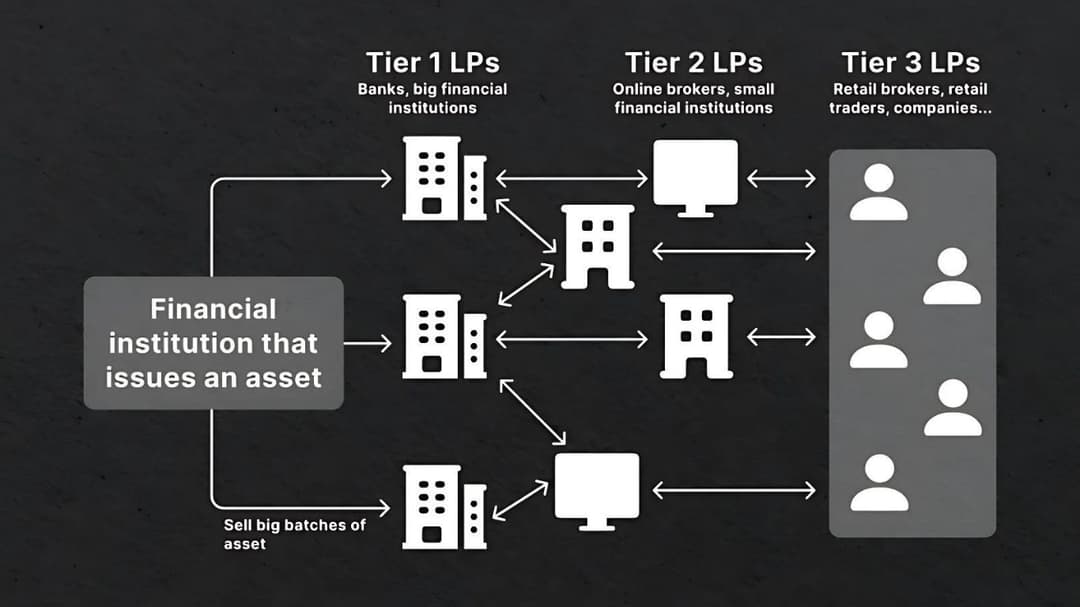
The line between brokers and market makers isn’t always perfectly clean. Some large brokerage firms wear both hats, executing trades for their clients while simultaneously providing liquidity to the broader market. That dual role can work in your favor, bringing faster execution and lower trading costs. But it also opens the door to potential conflicts of interest, especially when a firm’s market-making book pulls in a different direction from what’s best for your portfolio. It’s worth knowing when your broker is also a market maker, because the incentives shift in ways that aren’t always obvious. Understanding how market structures create these tensions is something every serious investor should think about.
The Evolution of Brokers and Market Makers
The digital revolution has fundamentally reshaped what brokers and market makers actually do. Online trading platforms have thrown open the doors of the stock market to retail investors who can now trade directly with minimal fees, something that would have been unthinkable a generation ago. Meanwhile, algorithmic and high-frequency trading have rewritten the rulebook for market makers, bringing both new efficiencies and entirely new categories of risk.
Impact of Technology on Brokers
- Lower Costs: Online brokerage platforms have significantly reduced the cost of trading, with many now offering commission-free trades.
- Increased Access: Retail investors now have access to sophisticated trading tools and real-time market data, empowering them to make informed decisions without relying solely on brokers.
- Automation: Many brokers now use automated systems to execute trades, which has increased efficiency and reduced the likelihood of human error.
Impact of Technology on Market Makers
- Algorithmic Trading: Market makers increasingly rely on algorithms to manage their positions and provide liquidity. These algorithms can process vast amounts of data in real-time, allowing market makers to respond to market changes almost instantaneously.
- High-Frequency Trading (HFT): HFT firms have emerged as significant players in market making, using speed as a competitive advantage to capture the bid-ask spread more efficiently.
- Increased Competition: Technology has lowered the barriers to entry for market making, leading to increased competition and tighter spreads, which can benefit traders but squeeze profit margins for market makers.
Real-World Examples of Brokers vs. Market Makers
Sometimes the clearest way to understand these two roles is to put real names to them. Here are two well-known firms that illustrate exactly how brokers and market makers operate in practice.
Example 1: Robinhood (Broker)
Robinhood built its reputation as a commission-free trading platform for everyday investors. As a broker, it executes your trades but doesn’t take positions in the market on its own account. Instead, it routes your orders to market makers who supply the liquidity you need.
Robinhood’s revenue picture is more nuanced than it first appears, with a significant portion coming from payment for order flow, where market makers compensate Robinhood for sending trades their way. This practice has attracted ongoing regulatory scrutiny in both the US and internationally.
Example 2: Citadel Securities (Market Maker)
Citadel Securities is one of the biggest market makers on the planet. It operates across equities, options, and futures, constantly posting buy and sell prices across a vast range of securities to keep markets liquid and orderly. Its revenue flows primarily from the bid-ask spread, the small gap between what it buys and sells at, combined with sophisticated risk management that lets it operate profitably even as markets move fast.
If you’ve traded a US stock in the last few years, there’s a very good chance Citadel Securities was on the other side of that transaction.
How Brokers and Market Makers Differ in Various Market Scenarios
The contrast between brokers and market makers gets even sharper when you look at how each one behaves as market conditions shift. Bullish runs, sell-offs, and periods of wild volatility each create a different set of pressures and opportunities for these two players.
Bullish Markets
When prices are climbing and investor confidence is high, both brokers and market makers stay busy, but for very different reasons. As a broker’s client, you’re likely placing more buy orders, and the broker’s job is to get those executed quickly and at competitive prices. Market makers, facing heavy demand, have to manage their inventory carefully to avoid being caught on the wrong side of a fast-moving rally.
Brokers in Bullish Markets:
- Increased Trading Activity: Brokers typically see a surge in trading activity as investors are eager to buy into a rising market. This increase in volume can lead to higher commissions and fees for brokers, particularly those who charge per trade.
- Client-Centric Strategies: Brokers often provide clients with strategic advice tailored to capitalize on the upward trend, recommending investments that are likely to benefit from the bullish conditions.
- Order Execution Efficiency: In a fast-moving market, brokers must ensure that they execute orders swiftly to secure the best prices for their clients. Delays can result in clients missing out on potential gains.
Market Makers in Bullish Markets:
- Managing Increased Demand: Market makers must manage the increased demand for securities, ensuring that there is enough liquidity to match the rising number of buy orders. They may need to adjust their inventory strategies to keep up with the demand.
- Wider Spreads: While the bid-ask spread may tighten due to increased competition among market makers, it can also widen during rapid price increases, allowing market makers to capture more profit from each trade.
- Risk Management: As prices rise, market makers must carefully manage their inventories to avoid overexposure to any single asset. They may also use derivatives to hedge against potential downturns.
Bearish Markets
Falling markets tell a different story. Your broker is fielding more sell orders and potentially guiding you through some uncomfortable conversations about portfolio positioning. Market makers face the harder task of absorbing that selling pressure while keeping their books balanced. The bid-ask spread often widens in bearish conditions, which is the market maker’s way of pricing in the additional risk they’re taking on.
Brokers in Bearish Markets:
- Decreased Trading Volume: In a bearish market, trading volume may decrease as investors become cautious. This can result in lower commissions and fees for brokers.
- Client Retention: Brokers must work harder to retain clients by offering sound advice on how to navigate a declining market. They may suggest short selling or other strategies that can benefit from falling prices.
- Protecting Client Portfolios: Brokers may focus on helping clients protect their portfolios through diversification, hedging, or moving assets into safer investments such as bonds or cash.
Market Makers in Bearish Markets:
- Increased Volatility: Bearish markets often bring increased volatility, which can lead to wider bid-ask spreads. This volatility can be profitable for market makers if managed correctly, but it also increases risk.
- Liquidity Provision Under Pressure: Market makers may face challenges in providing liquidity as the number of sellers often outweighs buyers. They must be prepared to absorb significant selling pressure and manage their inventory carefully.
- Inventory Devaluation: As prices fall, the value of a market maker’s inventory decreases. Effective risk management strategies are crucial to prevent significant losses.
Volatile Markets
Volatility is where the pressure really cranks up for everyone. Wild price swings can happen in seconds, and both brokers and market makers need robust systems to stay on top of it. For you as an investor, volatile markets mean your broker’s execution quality matters more than ever. For market makers, the risk of holding inventory in a market that can gap dramatically in either direction demands serious hedging strategies and real-time risk controls.
Brokers in Volatile Markets:
- High Trading Volume: Volatility often leads to increased trading volume as investors react to price swings. This can be lucrative for brokers who earn more from commissions during these periods.
- Advisory Services in High Demand: Clients may seek more frequent advice in volatile markets. Brokers can add value by helping clients navigate the uncertainty and capitalize on short-term opportunities.
- Execution Challenges: Executing trades in a volatile market can be challenging due to rapid price changes. Brokers must act quickly to ensure they meet their clients’ expectations.
Market Makers in Volatile Markets:
- Wider Bid-Ask Spreads: Volatility often leads to wider bid-ask spreads, providing market makers with more opportunities to profit. However, they must also be cautious of the increased risk.
- Rapid Inventory Adjustments: Market makers need to adjust their inventory positions more frequently to manage risk. They may use automated trading systems to keep pace with the fast-moving market.
- Increased Hedging Activity: To manage the heightened risk, market makers may increase their use of hedging strategies, such as options or futures, to protect their positions.

Regulatory Environment for Brokers and Market Makers
Regulation sits at the core of how both brokers and market makers are allowed to operate. Both face strict oversight, but the rules they answer to and the risks those rules are designed to address look quite different depending on which side of the trade you’re sitting on. Regulatory frameworks continue to evolve as trading technology advances, and staying informed matters whether you’re a participant or simply an investor who uses these services.
Regulatory Environment for Brokers
- Client Protection: Regulations for brokers are primarily focused on protecting clients. This includes ensuring that brokers act in the best interests of their clients, providing clear and accurate information, and executing trades at the best possible prices.
- Compliance and Reporting: Brokers must comply with numerous regulations related to client disclosures, trade reporting, and record-keeping. Failure to comply can result in significant fines and legal penalties.
- Capital Requirements: Brokers are often required to maintain a minimum level of capital to ensure they can cover their liabilities. This helps protect clients in the event of a broker’s financial difficulties.
Regulatory Environment for Market Makers
- Market Fairness: Regulations for market makers are designed to ensure they contribute to fair and orderly markets. This includes rules on the maximum bid-ask spread they can offer and requirements to provide continuous quotes for the securities they cover.
- Transparency and Reporting: Market makers must report their trading activities to ensure transparency in the markets. This includes disclosing their inventory positions and the prices at which they are willing to buy and sell securities.
- Capital Adequacy: Like brokers, market makers are subject to capital adequacy requirements. These rules ensure that market makers have sufficient capital to absorb potential losses and continue providing liquidity during market downturns.
The Future of Brokers and Market Makers
The roles of brokers and market makers have shifted dramatically over the past few decades, pushed forward by technology, tightening regulation, and markets that look nothing like they did a generation ago. Looking ahead to the rest of the 2020s, several powerful trends are set to reshape how both types of players operate, and understanding those shifts can help you make smarter decisions about who you trust with your trades and your capital. Artificial intelligence is already disrupting financial services in ways that few people predicted, and its impact on trading infrastructure will only deepen.
Trends Impacting Brokers
- Commission-Free Trading: The rise of commission-free trading platforms is likely to continue, forcing traditional brokers to find new revenue streams. This could include offering premium services, such as advanced analytics or personalized investment advice.
- Artificial Intelligence and Automation: Brokers are increasingly using AI and automation to enhance their services. From robo-advisors to automated trade execution, these technologies can improve efficiency and reduce costs.
- Increased Regulation: As financial markets become more complex, regulatory scrutiny is likely to increase. Brokers will need to navigate this evolving landscape while continuing to provide value to their clients.
Trends Impacting Market Makers
- Algorithmic and High-Frequency Trading: The role of algorithms and high-frequency trading is likely to grow, with market makers leveraging these technologies to maintain a competitive edge. However, this also raises concerns about market stability and fairness.
- Decentralized Finance (DeFi): The rise of DeFi could disrupt traditional market-making roles. Decentralized exchanges and automated market makers (AMMs) are gaining popularity, particularly in the cryptocurrency space, offering a new model for liquidity provision.
- Regulatory Challenges: Market makers will continue to face regulatory challenges, particularly as authorities seek to address concerns about market manipulation and systemic risk. Staying ahead of these challenges will be crucial for long-term success.
We last reviewed this analysis in May 2026.


Alex Tzoulis
Alex Tzoulis is Co-Owner and Markets Analyst at The Luxury Playbook, specializing in equities, crypto, forex, and global financial markets. His work focuses on analyzing macroeconomic trends, geopolitical developments, and monetary policy, translating them into actionable insights across both traditional and digital asset classes. He leads the platform's financial market coverage, providing structured analysis across stock market investing, trading strategies, and cryptocurrency markets. His expertise strengthens the publication's authority in financial markets and capital allocation, bridging traditional finance with emerging digital investment ecosystems.