Fine wine is more than a luxury. It’s an investment, a passion, and often a symbol of sophistication. But safeguarding your collection takes more than just proper storage. Fine wine insurance protects you against risks like theft, natural disasters, and accidental damage that can wipe out years of careful curation overnight. Whether you’re a seasoned collector or just starting to build your portfolio, this guide walks you through why fine wine insurance matters, what it costs, and how to keep your collection secure and valuable for years to come.
Table of Contents
Different Types of Wine Insurance
Before you can protect your fine wine collection properly, you need to understand what your options actually are. Fine wine insurance is purpose-built to address the unique vulnerabilities of wine as an investment asset, and picking the right policy type makes all the difference when something goes wrong.
1. All-Risk Policies
All-risk policies are the most versatile option available to you as a fine wine investor. They’re designed to cover a wide range of potential threats, giving you broad, comprehensive protection across multiple scenarios.
- Coverage Details: All-risk policies typically include protection against theft, accidental breakage, natural disasters (e.g., floods, fires, and earthquakes), and even spoilage due to power outages affecting climate-controlled storage.
- Global Coverage: Many policies extend coverage to wine stored internationally, such as in bonded warehouses or private cellars overseas.
- Limitations: Exclusions may apply for certain risks, such as war or intentional damage. Always review the fine print to understand the scope of coverage.
Best for investors with diverse collections spread across multiple locations, or anyone who frequently transports wine between storage sites and auction houses.
2. Agreed Value Policies
This policy type brings clarity and fairness to the claims process by locking in the value of your collection upfront, before any loss occurs.
- Benefits: Unlike market-based policies, agreed value insurance eliminates disputes over the wine’s worth at the time of loss.
- Appraisals: Insurers typically require an initial professional appraisal of the collection to establish its value. Periodic re-evaluations are recommended to account for market fluctuations or the addition of new bottles.
Best for collectors holding high-value or rare wines whose market value can shift dramatically over time.
3. Transit Insurance
Wine is especially vulnerable the moment it starts moving. Whether you’re shipping from a seller to a bonded warehouse or transferring bottles between storage facilities, transit is where accidents happen.
- What It Covers: Transit insurance protects against risks like breakage, theft, or spoilage during shipping. Many policies also cover delays that might compromise the wine’s condition.
- Third-Party Providers: While many couriers offer basic coverage, specialized transit insurance provides higher-value protection tailored to fine wine.
Best for investors who frequently buy at auction or ship wines internationally.
4. Storage-Specific Insurance
This coverage type is tailored specifically to the risks that come with storing wine in professional facilities, where environmental factors are the primary concern.
- On-Site Risks: Includes protection against temperature or humidity failures, equipment malfunctions, and natural disasters affecting the storage site.
- Facility-Provided Insurance: Many bonded warehouses offer insurance as part of their services, but coverage limits may require supplemental policies for high-value collections.
Best for investors using professional storage facilities who want specialized protection against environmental risks like temperature failure or humidity fluctuations.
5. Homeowner’s Insurance Riders
For more casual collectors, adding a wine collection rider to your existing homeowner’s policy can look like a convenient shortcut. The catch is that this option comes with real limitations that can leave you exposed.
- Limited Coverage: Riders typically exclude risks like spoilage or damage caused by improper storage conditions.
- Cost Efficiency: While riders are more affordable, they are not comprehensive enough for serious investors.
- Additional Verification: Insurers may require itemized lists, appraisals, and storage verification before adding a rider.
Best for small, personal collections kept at home rather than in professional facilities.
Comparison Table
Wine Insurance Comparison
Fine wine is a one-of-a-kind asset that demands specialized coverage. Home insurance might cover smaller collections in a pinch, but if you’re serious about wine as an investment, all-risk or storage-specific policies give you the comprehensive protection your portfolio deserves.

Why You Need Fine Wine Insurance
Fine wine insurance isn’t optional if you’re serious about protecting what you’ve built. Unlike most tangible assets, wine is highly sensitive to environmental conditions, theft, and accidents, which means the risks are both varied and unpredictable. Here’s a clear look at why proper coverage is non-negotiable for any committed collector or investor.
Protecting Against Physical Damage
Fine wine reacts badly to almost everything. Temperature swings, humidity changes, and light exposure can all compromise a bottle’s quality and strip away its value. Even something as mundane as a leaking cork or accidental breakage during handling can turn a prized vintage into a total loss. Comprehensive fine wine insurance covers these scenarios, so you can recover the value of damaged or spoiled bottles rather than absorbing the loss yourself.
Picture a $20,000 Bordeaux vintage stored in a professional cellar. A sudden power outage causes temperature spikes that spoil the wine entirely. Without insurance, that’s a complete financial loss. With the right coverage in place, the financial hit is absorbed by your policy, not your bank account.
Safeguarding Against Theft
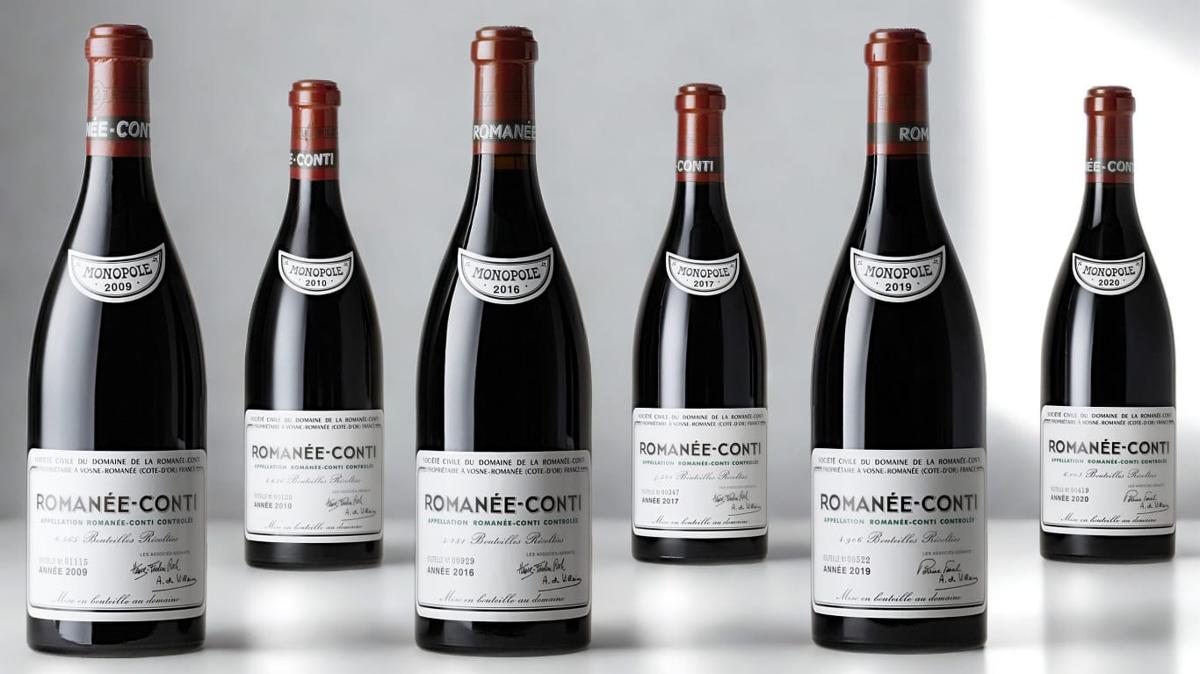
High-value wine collections are increasingly on the radar of sophisticated thieves, whether your bottles are sitting in a home cellar, a professional facility, or moving through transit. Rare bottles from names like Domaine de la Romanée-Conti or Château Lafite Rothschild can fetch hundreds of thousands of dollars on the black market. Insurance keeps a theft from becoming a financial catastrophe. You can also read our art insurance guide to see how similar protection strategies apply across other high-value collectible assets.
In a well-documented 2023 case, burglars targeted a private cellar and walked away with rare vintages worth over $500,000. The bottles were never recovered. But because the collector had a proper insurance policy, a substantial portion of the collection’s value was reimbursed, turning a devastating event into a manageable setback rather than a total loss.
Addressing Natural Disasters
Floods, fires, and earthquakes don’t give you a warning. Even the most advanced bonded warehouses with top-tier safety systems can be overwhelmed by a major natural event. Fine wine insurance protects you from these catastrophic losses, covering damaged or destroyed bottles that no amount of preparation could have saved.
The 2020 Napa Valley wildfires devastated vineyards, cellars, and private collections across the region. Collectors who held proper insurance were able to recover their investments. Those without coverage faced losses they simply couldn’t undo. The Financial Times has covered extensively how natural disaster risk is reshaping the way serious collectors think about protecting their assets.
Mitigating Transit Risks
Your wine is at its most vulnerable the moment it leaves a controlled environment. Fine wines move regularly between auction houses, bonded warehouses, and private cellars, and every journey creates exposure to accidental breakage, theft, and temperature damage. Transit-specific insurance gives you peace of mind every time a valuable shipment is on the move.
In one notable case, a shipment of Burgundy Grand Cru wines worth $250,000 was damaged during international shipping due to improper handling by the courier. The collector had transit insurance in place, which fully compensated for the loss. Without it, that would have been a $250,000 lesson learned the hard way.
Maintaining Financial Value
The fine wine market moves constantly. Prices shift with critic scores, market trends, and consumer demand. Agreed value coverage ensures your compensation reflects what your wine is actually worth at the time of loss, not what you paid years ago. This matters most for wines that appreciate sharply over time, where the gap between purchase price and current market value can be enormous.
A collector who insured a bottle of Screaming Eagle Cabernet Sauvignon at $3,000 in 2020 could claim its appreciated value of $5,000 by 2024 if the bottle were damaged or lost, provided the policy was updated to reflect that growth. Keeping your insured values current is how you make sure your financial investment stays fully protected as it grows. If you’re building a broader alternative investment strategy, it’s worth exploring the best Sauvignon Blanc brands for investment to understand which bottles are gaining the most traction in the market.
Fulfilling Legal and Storage Requirements
Many bonded warehouses and professional storage facilities won’t accept your collection without proof of insurance. This protects their business and ensures you arrive with proper coverage already in place, which is a condition you don’t want to discover you’re missing after the fact.
A London-based collector storing rare vintages in a bonded warehouse was required to provide a valid insurance certificate before the storage agreement could be maintained. Securing the right policy handled the compliance requirement and gave the collector comprehensive protection at the same time.
Providing Peace of Mind
Fine wine collecting isn’t purely about financial returns. For most serious collectors, it’s also a passion. The emotional value attached to a carefully curated cellar can run as deep as its market value. Knowing your collection is protected against the unexpected lets you focus on what you actually enjoy, building, tasting, and sharing your portfolio without carrying the weight of constant worry.
A well-insured collection also signals credibility to future buyers. When you go to sell, buyers are far more willing to purchase wines backed by verified provenance and documented insurance coverage. It signals authenticity, quality, and careful stewardship throughout the bottle’s life.
Fine wine insurance is more than a safety net. It’s a vital part of managing and growing your investment with confidence. By protecting against physical damage, theft, natural disasters, and transit risks, while also keeping you compliant with storage requirements, the right policy preserves both the financial and personal value of everything you’ve built.
Factors to Consider When Choosing Wine Insurance
Choosing the right wine insurance policy is one of the most consequential decisions you’ll make as a collector. Wine comes with vulnerabilities you won’t find in most other asset classes, from temperature sensitivity to the ever-present risk of spoilage. Here’s what you need to think through carefully before signing anything.
Assessing the Value of Your Collection
Every solid wine insurance policy starts with an accurate valuation of your collection. Without it, you’re either overpaying for coverage you don’t need or, far worse, discovering you’re underinsured at the exact moment you need the policy to perform. Start by working with certified wine experts or reputable consultants who can assess your bottles based on market trends, recent auction results, and historical price data.
And don’t let that valuation go stale. The fine wine market moves quickly, and rare or sought-after vintages can appreciate fast. A bottle of Château Margaux valued at $5,000 in 2018 may be worth $7,500 or more by 2024. If your policy hasn’t kept pace with that growth, you’re carrying a gap in coverage that will only show up at the worst possible moment.
Evaluating Storage Conditions
How and where you store your wine matters deeply to any insurer. Professional facilities like bonded warehouses are viewed as lower-risk environments because of their advanced climate control and security systems, and that lower risk tends to translate into lower premiums for you.
If you store wine at home, your cellar needs to maintain a stable temperature between 50 and 59 degrees Fahrenheit and humidity levels between 60 and 70 percent. Many insurers will ask for proof of those conditions, such as documentation of a temperature control system or regular monitoring logs. Fall short of those standards and you may face exclusions or higher costs.
Bonded warehouses also simplify provenance tracking, which is crucial when it comes time to sell. Clean, documented provenance adds real value to your collection and makes future transactions smoother.
Choosing the Right Coverage Type
Fine wine insurance isn’t one-size-fits-all. Comprehensive all-risk policies work best for collectors with high-value holdings spread across multiple locations. They cover theft, breakage, and environmental damage, giving you the widest possible net.
Agreed value policies are another strong option. They lock in the value of your collection at the start of the policy term, which eliminates arguments over fluctuating market prices when a claim arises. For rare vintages or high-demand bottles, that clarity is worth a great deal.
If your wine moves around frequently, whether through auction purchases, facility transfers, or private sales, transit insurance is non-negotiable. It covers the specific risks that come with getting bottles from one place to another, including breakage, theft, and temperature damage in transit.
Understanding Policy Exclusions
Every policy has limits, and the exclusions are where collectors often get caught off guard. Common exclusions include intentional damage, normal wear and tear, and spoilage caused by improper storage. If a bottle deteriorates because your cellar wasn’t properly regulated, many insurers will decline the claim outright.
Some policies also exclude specific categories of wine, such as experimental blends or extremely rare vintages, unless those bottles are explicitly listed in your coverage. Make sure your policy accounts for every bottle in your collection, including anything that might fall outside the standard coverage parameters.
Reviewing Insurance Providers
Not every insurer knows what they’re doing when it comes to fine wine. You want a provider with real expertise in alternative assets and a demonstrated track record in the wine space. Look for client testimonials, industry reputation, and evidence that the company understands the specific risks you’re managing. Providers like AXA XL have built strong reputations in the fine wine insurance world by offering policies genuinely tailored to the needs of serious collectors.
Calculating Premiums and Costs
Annual premiums for fine wine insurance are typically calculated as a percentage of your collection’s total insured value. Most policies fall somewhere between 0.3% and 0.6% per year. On a $100,000 collection, that translates to roughly $300 to $600 annually, though the actual figure will depend on where you store your wine, the composition of your collection, and your location.
Wine held in professional facilities usually qualifies for the lower end of the premium range because the risk of spoilage and theft is considerably reduced. Home-stored collections tend to attract higher premiums, since insurers view them as more exposed.
Evaluating Claim Processes
A policy is only as good as the experience of actually using it. Before committing to a provider, understand how their claims process works. Look for clear guidelines on documenting losses, including what receipts, photographs, and appraisal reports you’ll need to provide.
Check client reviews and speak with industry contacts about how the insurer handles real claims. Fast response times and transparent communication aren’t just nice to have. They’re what separates a reliable provider from one that makes a difficult situation even harder.
The right policy will reflect the specifics of your collection, your storage setup, and your personal risk tolerance. Work with a specialized provider, keep your valuations current, and make sure your coverage evolves as your collection grows. That’s how you stay genuinely protected rather than just technically insured.

How Much Does Wine Insurance Cost?
The cost of insuring your wine collection isn’t fixed. It shifts based on what you own, where you store it, and the type of coverage you choose. Understanding the cost structure lets you make smarter decisions and get real value from your policy rather than simply paying for something you haven’t fully thought through.
Average Premium Rates
Fine wine insurance premiums are calculated as a percentage of your collection’s insured value. Most policies land between 0.3% and 0.6% annually. To put that in practical terms, a collection worth $50,000 might cost you $150 to $300 per year to insure, while a $500,000 portfolio would run $1,500 to $3,000 annually. The exact rate depends on a range of factors that insurers weigh carefully before quoting you a figure.
- A $50,000 wine collection might cost $150–$300 annually to insure.
- A $200,000 collection could incur premiums of $600–$1,200 per year.
Factors That Influence Premium Costs
Your premium isn’t arbitrary. Every insurer looks at a specific set of variables to calculate your risk profile and price accordingly. The total value of your collection is the starting point, but storage conditions, location, how often wine moves between facilities, and the composition of your portfolio all play a role in what you ultimately pay each year.
- Value of the Collection: The higher the appraised value of your collection, the greater the premium. Rare or high-demand wines, such as a Domaine de la Romanée-Conti or Château Lafite Rothschild, will command higher insurance costs due to their elevated market value and limited availability.
- Storage Conditions: Professional storage facilities, like bonded warehouses, typically qualify for lower premiums. These facilities are equipped with advanced temperature and humidity controls, reducing the risk of spoilage or damage. Conversely, collections stored at home may face higher premiums due to increased vulnerability to environmental changes, theft, or accidental damage.
- Location: The geographic location of your storage facility or home cellar impacts costs. Areas prone to natural disasters, such as earthquakes or floods, may lead to higher premiums. For instance, collections stored in California’s Napa Valley may face increased costs due to wildfire risks.
- Policy Type; Comprehensive all-risk policies tend to cost more than basic homeowner’s insurance riders. Specialized policies, like transit insurance, may also add to overall costs but provide essential protection during transportation.
- Claim History: Just like other types of insurance, a history of frequent claims may lead to higher premiums. Insurers assess risk based on past claims and adjust rates accordingly.
Hidden Costs to Consider
The annual premium is only part of the financial picture. You also need to budget for professional appraisals, which are typically required when you first take out a policy and recommended every year or two as your collection evolves. If your collection grows through new purchases or appreciates in value, updating your coverage mid-term may trigger additional costs as well.
- Deductibles: Many policies include a deductible amount, typically ranging from $500 to $2,000, depending on the policy and collection value.
- Appraisal Fees: Professional appraisals are often required to establish the collection’s value. Fees can range from $100 to $500, depending on the size and complexity of your collection.
- Additional Coverage: If you add specific endorsements to cover unique risks, such as international shipping or extremely rare vintages, premiums may increase.
Ways to Lower Insurance Costs
You don’t have to accept the first quote you receive. Storing your collection in a professional bonded warehouse rather than a home cellar is one of the most effective ways to reduce your premium, since it signals lower risk to the insurer. Maintaining detailed, up-to-date inventory records and working with a specialized provider who understands fine wine can also work in your favor when it comes time to negotiate your rate. Robb Report regularly covers how serious collectors approach the cost side of wine investing, including smarter ways to manage insurance overhead.
- Optimize Storage: Use bonded warehouses or professional storage facilities to reduce risks and qualify for lower premiums.
- Bundle Policies: If you have other valuable assets, such as art or antiques, consider bundling them with your wine insurance under a single policy to negotiate a lower overall rate.
- Increase Deductibles: Opting for a higher deductible can lower your annual premium, but be prepared to cover more out-of-pocket costs in the event of a claim.
- Regular Updates: Keep your insurer informed of changes to your collection’s value or storage location. This prevents over-insuring or under-insuring your wines, both of which can result in unnecessary costs.
Take a $100,000 wine collection stored in a professional bonded warehouse in New York. With a well-documented inventory, a reputable storage facility, and a specialized insurer, you could reasonably expect to pay somewhere in the $300 to $500 per year range for comprehensive all-risk coverage.
- Base Premium (0.4%): $400 annually.
- Transit Coverage Add-On: $100 annually for international shipping protection.
- Total Annual Premium: $500.
Contrast that with a $100,000 collection stored in a home cellar in California. The higher perceived risk, combined with natural disaster exposure in that region, could push your annual premium closer to $500 to $700 or above, depending on the insurer and the specifics of your storage setup.
- Base Premium (0.6%): $600 annually due to increased risks.
- Additional Wildfire Coverage: $150 annually.
- Total Annual Premium: $750.
What you spend on wine insurance is genuinely small relative to what it protects. By understanding what drives your premium and taking steps to reduce the risk profile of your collection, you can secure solid coverage at a competitive price while keeping both the financial and personal value of your cellar intact for the long term.
How to Insure a Wine Collection
Getting your wine collection properly insured is a process that rewards precision. From taking stock of what you own to choosing the right provider and policy type, each step builds on the last. Here’s how to work through it methodically so nothing gets missed.
Step 1: Inventory Your Collection
Start by building a thorough inventory of every bottle you own. This is the foundation everything else rests on. Your inventory should include the producer, vintage, appellation, quantity, purchase price, and current estimated value for each bottle. Photographs are a strong addition, as they support claims processing and help establish provenance if a dispute ever arises.
- Catalog Your Wines: Record key details for each bottle, including:
- Producer name (e.g., Château Margaux, Domaine de la Romanée-Conti)
- Vintage year
- Bottle size (e.g., 750 ml, Magnum)
- Purchase price and date
- Current estimated value
- Photographic Evidence: Take high-resolution photographs of each bottle, focusing on unique identifiers such as labels, serial numbers, and seals.
- Storage Location: Document where each bottle is stored, whether in a bonded warehouse, home cellar, or third-party facility.
- Provenance Records: Include receipts, auction invoices, and shipping records to establish the authenticity and history of your wines.
Step 2: Get a Professional Appraisal
Most insurers require a professional appraisal before they’ll quote you a policy, especially for rare or high-value bottles where market values can move considerably. Work with certified wine experts or established consultants who understand current auction prices and market trends. Plan to revisit your appraisal regularly, ideally every one to two years, so your insured value stays aligned with what your collection is actually worth.
- Certified Appraisers: Engage an appraiser with expertise in fine wine valuations. Look for certifications or affiliations with organizations like the Wine & Spirit Education Trust (WSET) or Liv-ex.
- Market Analysis: The appraisal process involves assessing market trends, recent auction prices, and demand for specific vintages or producers.
- Regular Updates: Schedule reappraisals every 2–3 years to account for market appreciation and any additions to your collection.
Step 3: Choose the Right Insurance Provider
Not every insurer is equipped to handle the nuances of a fine wine portfolio. Look for providers who specialize in alternative assets and have a track record with wine collectors specifically. Ask about their claims process, the types of policies they offer, and how they handle valuations for rare or appreciating bottles. A specialist will ask better questions and offer more relevant coverage than a generalist insurer.
- Research Reputable Providers: Companies like AXA XL, Fidentia Insurance Brokers, and Chubb offer tailored wine insurance policies.
- Compare Policies: Evaluate the scope of coverage, exclusions, and premium rates across multiple providers to find the best fit for your needs.
- Industry Expertise: Opt for insurers with a track record in the wine investment market. They will have a deeper understanding of the nuances involved, such as provenance tracking and proper storage conditions.
Step 4: Select the Appropriate Policy
The right policy depends on your collection’s size, value, and how and where your wine is stored. If you hold a large, diverse portfolio across multiple locations, an all-risk policy gives you the broadest protection. If you’re focused on rare, high-value bottles, an agreed value policy removes any ambiguity from the claims process. If wine is regularly in transit, make sure transit coverage is either included or added as a standalone layer.
- All-Risk Policies: Comprehensive coverage for risks like theft, breakage, and natural disasters.
- Agreed Value Policies: Ensures you receive pre-determined payouts based on the appraised value.
- Transit Insurance: Protects wines during shipping or transportation.
- Homeowner’s Riders: Basic coverage added to existing homeowner’s policies for small collections.
Step 5: Verify Storage Conditions
Your insurer will want to know exactly where and how your wine is stored before coverage begins. Professional bonded warehouses are typically straightforward to document and are viewed favorably by insurers. For home cellars, you’ll need to show evidence of proper climate control, including temperature and humidity management. Failing to meet storage standards can result in exclusions that leave you unprotected in the scenarios you’re most likely to face.
- Temperature Control: Ensure a stable environment between 50–59°F.
- Humidity Management: Maintain levels of 60–70% to prevent cork drying or mold growth.
- Professional Storage Facilities: Bonded warehouses and climate-controlled cellars often reduce insurance premiums due to their enhanced security and optimal storage environments.
Step 6: Understand Policy Terms and Exclusions
Read your policy closely before signing. Pay attention to what’s covered and what isn’t. Exclusions for improper storage, intentional damage, and gradual deterioration are standard, but the specifics vary by provider. Make sure every bottle in your collection is explicitly accounted for, especially any rare or unusual bottles that might fall outside standard coverage categories.
- Exclusions: Risks not covered, such as wear and tear or damage caused by improper storage.
- Deductibles: The out-of-pocket amount you must pay before insurance kicks in, typically ranging from $500 to $2,000.
- Coverage Limits: Maximum payout amounts for specific claims or the overall policy.
Step 7: Finalize the Policy
Once you’ve selected your provider and agreed on a policy that meets your needs, complete the paperwork to activate your coverage. Keep copies of all documents in a secure location, both physical and digital. Make sure you understand the renewal process and any requirements to update your policy when the collection changes.
- Submit Documentation: Provide your inventory, appraisal records, and proof of storage conditions to the insurer.
- Set Up Payments: Choose between annual or monthly premium payments based on your budget.
- Review Policy Annually: Update your policy regularly to reflect changes in your collection’s value or storage arrangements.
Step 8: Maintain Accurate Records
Clean, up-to-date records are what make a claims process manageable rather than stressful. Keep your inventory, appraisals, and purchase receipts organized and accessible. Digital tools like dedicated wine management apps or structured spreadsheets make this easier than it used to be, and many insurers look favorably on collectors who can demonstrate rigorous record-keeping.
Example Case Study: Insuring a High-Value Collection
A collector with a $500,000 fine wine portfolio stored in a bonded warehouse worked through each of these steps to secure comprehensive coverage. They began with a detailed digital inventory, commissioned a professional appraisal from a certified consultant, selected an all-risk policy from a specialist insurer, and verified that their storage facility met all requirements. The policy included agreed value coverage for the rarest bottles and transit protection for wines purchased at auction. Understanding how wine performs as a financial asset was part of what led this collector to take the insurance process as seriously as the investment itself.
- Inventory and Appraisal: The collection was professionally appraised, with a detailed inventory submitted to the insurer.
- Policy Selection: The collector chose an all-risk policy with agreed value coverage for high-value bottles.
- Premium Cost: The annual premium was calculated at 0.4%, totaling $2,000.
- Transit Coverage: An additional transit policy was added for $500 annually to protect wines during shipping.
By following those steps carefully, the collector ensured their entire portfolio was protected against theft, spoilage, and unforeseen events, with no gaps in coverage and no ambiguity about valuation in the event of a claim.
Insuring a wine collection properly goes well beyond simply picking a policy. It requires detailed inventory management, accurate and current appraisals, and storage practices that an insurer can stand behind. Take a systematic approach, work with providers who genuinely specialize in this space, and your collection will be protected against virtually any scenario the market or the world might throw at it.

Tips for Filing a Wine Insurance Claim
Filing a claim on your wine insurance doesn’t have to be painful if you go in prepared. Whether you’re dealing with theft, accidental damage, or spoilage, the way you handle the first few hours after discovering a loss will shape how smoothly everything that follows goes. Here’s what to do and how to do it well.
Document the Incident Immediately
The moment you discover a loss or damage, start documenting. Take photographs from multiple angles. Write down exactly what happened, when you discovered it, and any relevant context about storage conditions or recent handling. Timestamped records created immediately after the incident carry far more weight in a claim than notes reconstructed days later.
- Photographic Evidence: Take clear, high-resolution photographs of the damage. For stolen wines, provide images of the missing bottles from your inventory.
- Incident Report: Write a detailed account of the event, including when and how the loss occurred. If applicable, include witness statements.
- Police Report: For cases involving theft, file a police report and include a copy with your claim. Most insurers require this documentation.
Notify Your Insurer Promptly
Contact your insurer as soon as you’ve documented the incident. Most policies include a notification window, and missing it can complicate your claim or give the insurer grounds to reduce your payout. When you make contact, be clear and factual about what occurred. Don’t speculate about causes until you have more information.
- Claim Notification: Provide your policy number and a brief description of the incident.
- Deadlines: Many insurers have strict timelines for reporting claims, often within 24–72 hours of the incident. Check your policy to ensure compliance.
Provide Supporting Documentation
A well-documented claim moves faster and settles more favorably. Pull together your original purchase receipts, your most recent professional appraisal, photographs of the damaged or missing bottles, and any storage facility records that confirm the conditions your wine was kept in. The more organized and thorough your submission, the less room the insurer has to slow things down.
- Inventory List: Submit an updated inventory detailing the affected bottles, including purchase receipts, provenance records, and appraisals.
- Storage Conditions: Provide evidence of proper storage conditions, such as temperature and humidity logs from a bonded warehouse or cellar monitoring system.
- Proof of Ownership: Attach invoices, auction records, or sales receipts for the affected wines.
Work with an Adjuster
Once your claim is submitted, the insurer will assign an adjuster to evaluate the loss. Be cooperative, responsive, and transparent. Provide any additional documentation they request promptly. If you’ve maintained good records throughout your ownership of the collection, this stage should be straightforward rather than contentious.
- Inspection: The adjuster may inspect your storage facility to verify conditions and assess the extent of the damage.
- Market Valuation: For high-value or rare wines, the adjuster may consult market data or appraisers to determine the current value.
Understand the Settlement Process
Your settlement amount depends on the type of policy you hold. With an agreed value policy, you receive the pre-established payout amount without debate. With a market-value policy, the settlement reflects the wine’s current market value at the time of the loss, which is why keeping your appraisals current matters so much. Bloomberg Wealth has noted that mismatches between insured values and actual market values are one of the most common sources of collector dissatisfaction after a claim.
- Partial Losses: If only part of your collection is affected, the settlement will cover the specific bottles lost or damaged.
- Full Losses: In cases of total loss (e.g., due to natural disasters), the settlement will address the full insured value of the collection.
Appeal Denied Claims
If your claim is denied, don’t treat it as final without reviewing both the insurer’s explanation and your policy in detail. Common denial reasons include improper storage or losses that fall under a specific exclusion. If you believe the denial is unjustified, gather additional evidence and consider working with an independent claims consultant or legal advisor who has experience in this area.
- Seek Clarification: Request a detailed explanation of the denial and address any gaps in documentation.
- File an Appeal: If you believe the denial is unjustified, submit an appeal with additional evidence or seek assistance from a claims consultant.
Tips for a Smooth Claims Process
- Keep Records Updated: Regularly update your inventory, appraisals, and provenance records to ensure accurate coverage.
- Be Proactive: Address potential risks, such as storage issues or inadequate coverage, before a loss occurs.
- Choose Reliable Insurers: Work with specialized providers known for their fair and efficient claims processes.
A collector storing wines in a home cellar experienced a flood that damaged several bottles across multiple cases. They had photographs of the cellar from a prior insurance review, purchase receipts organized digitally, and a professional appraisal completed within the past year. They notified their insurer within 24 hours, provided a complete documentation package within a week, and received a settlement offer within 30 days. The preparation they had done long before the flood happened was what made the process fast and fair.
- Documentation: The collector provided an inventory list, photographs of the damaged bottles, and proof of proper storage conditions.
- Timely Notification: The insurer was contacted within 48 hours of the incident.
- Settlement: The agreed value policy paid out $15,000 to cover the loss, reflecting the pre-determined value of the affected bottles.
Filing a fine wine insurance claim doesn’t have to be complicated. Detailed records, proper storage that holds up to scrutiny, and a specialized insurer who understands the asset class will all work in your favor. Get those three things right and the claims process becomes a process rather than a battle.

What Should a Fine Wine Insurance Policy Cover?
A comprehensive wine insurance policy needs to account for the full spectrum of risks that come with owning a serious collection. Understanding exactly what your policy should include, and where the gaps might be, is how you make sure you’re genuinely protected rather than just technically covered.
Physical Damage and Breakage
Fine wine is fragile in ways that most assets aren’t. Your policy should cover accidental breakage during handling or storage, damage caused by falling, impact, or structural failure within your storage facility, and any losses resulting from incidents that happen in the ordinary course of managing your collection. These are the everyday risks that rarely feel urgent until they happen.
- Accidental Breakage: Protection against broken bottles due to mishandling or accidents during storage or transport.
- Label Damage: Coverage for damage to labels, which can significantly affect a bottle’s value, especially for collectible wines.
Spoilage Due to Environmental Factors
Storage conditions are everything in fine wine. A good policy should address spoilage caused by temperature fluctuations, humidity failures, and power outages that compromise your climate control systems. If your professional storage facility experiences a cooling system failure or your home cellar loses climate control during an extended outage, your policy should cover the resulting losses without requiring you to prove negligence on someone else’s part.
- Temperature Fluctuations: Damage caused by excessive heat or cold due to power outages, equipment failure, or natural disasters.
- Humidity Issues: Problems such as cork shrinkage or mold growth resulting from inadequate humidity control.
Theft and Loss
Fine wine collections attract thieves precisely because the value is concentrated and portable. Your policy should cover theft from your home, your storage facility, and during transit, and it should extend to attempted theft that results in damage even when bottles aren’t actually taken. Boat International has reported similar theft-related coverage considerations for high-value asset owners across luxury categories, and the principles apply directly to wine.
- Theft Protection: Coverage for stolen bottles, whether from a home cellar, professional storage facility, or during transit.
- Loss in Transit: Protection against missing or misplaced bottles during shipping or delivery.
Natural Disasters
Floods, fires, earthquakes, and other large-scale events can destroy a collection in minutes. Comprehensive coverage should include protection against losses from these events whether your wine is stored at home or in a professional facility. The 2020 Napa Valley wildfires made clear that even the most carefully managed collections can be lost to forces entirely outside anyone’s control.
- Flood Damage: Coverage for water damage to wine stored in flood-prone areas.
- Fire and Smoke Damage: Protection against fires, whether accidental or caused by natural disasters.
Transit and Shipping Risks
Every time wine moves, it’s exposed to risk. Your policy should cover accidental damage during shipping, breakage caused by courier mishandling, theft during transport, and temperature exposure that occurs while bottles are in transit. If you’re regularly buying at auction or moving wine between locations, this coverage isn’t optional.
- Accidental Damage in Transit: Protection against breakage, spoilage, or theft during shipping.
- International Shipping Coverage: For wines transported across borders, ensure the policy includes global transit protection.
Market Value Protection
The value of fine wine shifts constantly based on critic scores, auction results, and broader market trends. A strong policy should allow for regular reappraisals so your insured value keeps pace with what your collection is actually worth in the current market. Agreed value policies are particularly useful here because they lock in a fair number upfront and eliminate the risk of being undercompensated at the time of a claim.
- Agreed Value Coverage: Guarantees a pre-determined payout based on appraised values, regardless of market conditions at the time of loss.
- Market Value Adjustments: Reflects the current market value of wines, especially for those that have appreciated significantly since purchase.
Specialized Coverage Options
For collections with unique characteristics, standard policies may not go far enough. You might need specific coverage for bottles held in multiple international locations, bespoke valuation arrangements for ultra-rare vintages, or extended transit coverage for wines frequently crossing borders. Talk to your provider about what specialized additions make sense given the specific nature of your portfolio.
- Storage-Specific Coverage: Protection for wines stored in professional facilities, including risks associated with temperature or humidity control failures.
- Rare and High-Value Bottles: Specialized coverage for limited-edition or rare vintages with exceptionally high market value.
- Natural Aging Risks: Coverage for unexpected spoilage that occurs despite proper storage and handling.
Exclusions to Watch For
No policy covers everything, and the exclusions are where many collectors discover they’re not as protected as they thought. Watch for exclusions related to gradual deterioration, damage caused by improper storage, losses from bottles not explicitly listed in your policy, and any intentional damage. Review these sections carefully and ask your provider direct questions about any scenario you’re not sure about.
- Intentional Damage: Losses caused by negligence or intentional harm.
- Wear and Tear: Gradual deterioration or aging that occurs naturally over time.
- Improper Storage: Spoilage or damage due to inadequate storage conditions may be excluded unless explicitly covered.
To make sure your policy closes the gaps, work with a specialist insurer who will walk through each coverage area with you line by line. Update your policy whenever your collection changes in composition or value, and never assume that a bottle is covered simply because it’s in your cellar. Explicit documentation is what gives your coverage teeth.
- Review Policy Details: Work closely with your insurer to understand the scope of coverage and any exclusions.
- Update Coverage Regularly: Adjust your policy as the value of your collection changes or if you move to a new storage location.
- Request Endorsements: Add specific endorsements for unique risks, such as transit coverage or protection for extremely rare wines.
A comprehensive policy for a $250,000 collection held in a bonded warehouse would typically include all-risk coverage for physical damage and breakage, full theft protection including transit, agreed value coverage for the highest-value bottles, natural disaster protection, and regular reappraisal provisions to keep pace with market appreciation. That combination gives you a policy that actually functions as intended when you need it most.
- Breakage and Label Damage: Coverage up to $25,000 per incident.
- Natural Disaster Coverage: Full replacement value for bottles damaged by fire or floods.
- Transit Insurance: Protection for international shipments up to $50,000 per shipment.
- Agreed Value Coverage: Ensures payouts reflect the appraised value of rare bottles.
A fine wine insurance policy should give you holistic protection against every meaningful risk your collection faces. From physical damage and theft to market value shifts and transit exposure, comprehensive coverage means your collection is genuinely safeguarded under any circumstances, not just the easy ones.