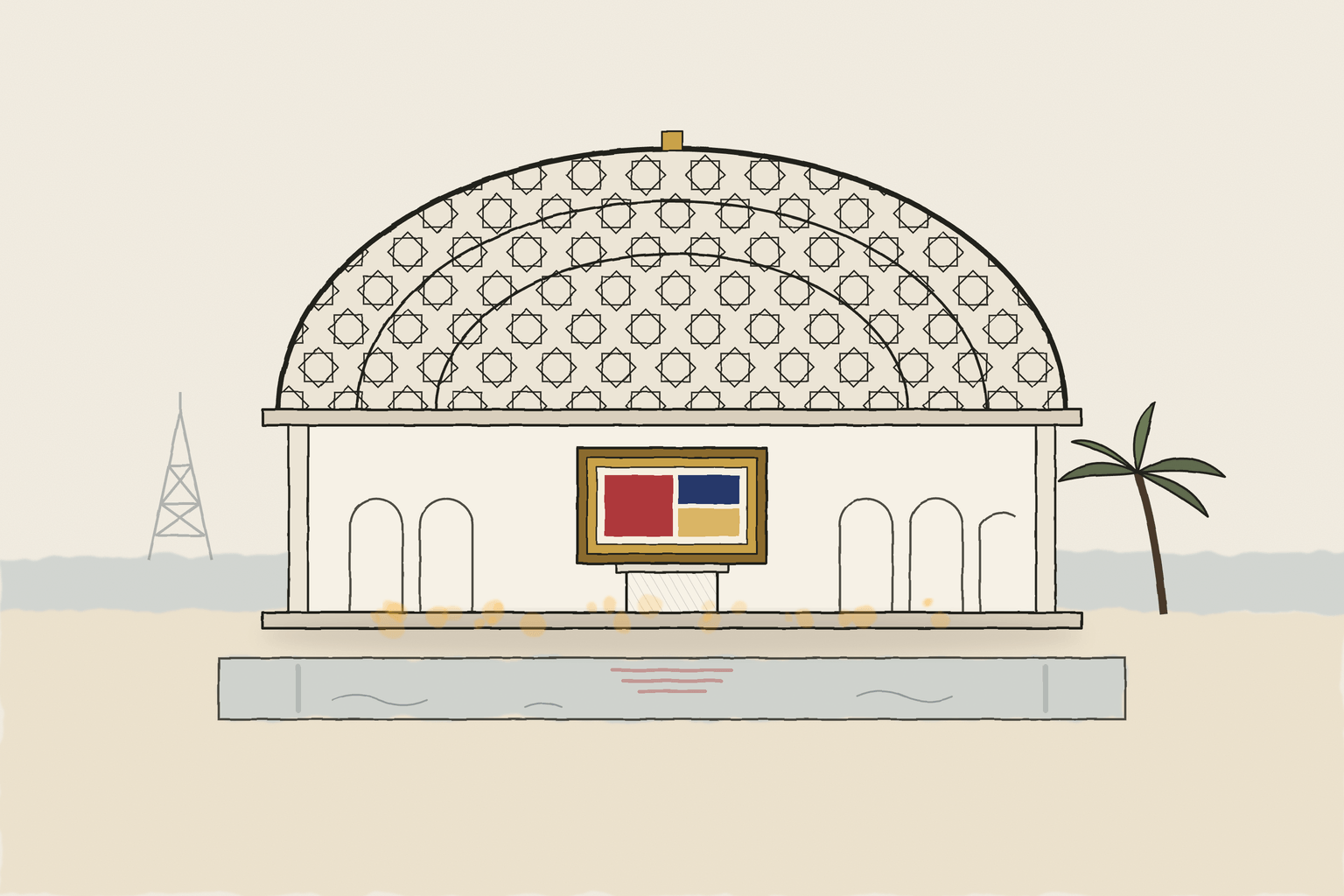
At the end of June 2026, the Dubai International Financial Centre counted 1,409 registered foundations and 1,408 family business entities. Family business entities had risen 36 per cent in a year; foundations had risen 67 per cent. For the first time, the vehicles designed to outlive their founders outnumber the structures designed to run their companies.
A margin of one is a small number to carry a large argument.
It carries it. A company exists to trade, a foundation to endure, and the holdings suited to endurance are those which compound in meaning: collections, commissions, archives, institutions, names. The Gulf has begun to build the legal architecture of permanence, and permanence has always had a preferred currency.
Key Takeaways
- At the end of June 2026 the DIFC counted 1,409 foundations, up 67% in a year, against 1,408 family business entities, up 36%: structures built to endure now outnumber those built to trade.
- Haider calls the shift custodial capital, wealth measured by the authority it confers across generations, and reads the modern foundation as the waqf restated in common law.
- UBS's Global Family Office Report 2026 puts arts and antiques at 1% of family office allocation, but in the Gulf cultural wealth sits in foundations and endowed institutions, outside the investment book.
- With Art Basel Qatar in Doha, Frieze Abu Dhabi and the Guggenheim Abu Dhabi beside the Louvre Abu Dhabi and the Zayed National Museum, the Gulf now holds the collectors, the fairs and the museums.
- Where one family holds both the collection and the institution, value is conferred rather than discovered, and works held in foundations seldom return to market.
- For collectors, the advantage lies in sequence: works bought before Gulf institutions consecrate them, rather than after.
- Who: Gulf family offices and the foundations they establish, and the Western family offices and private collectors who compete with them for culture.
- What: A move from managing energy wealth to building lasting cultural institutions, and what that does to how art and objects are valued.
- When: Now, as foundations overtake family business entities in the DIFC and new institutions open on Saadiyat in 2026.
- Where: Dubai, Abu Dhabi and Doha, set against Basel, London, Paris and New York.
- Why: Because the right to decide what matters in culture is moving, and prices follow that decision years later.
None of this is new to the region. For more than a thousand years the waqf, the perpetual endowment of Islamic law, sustained mosques, madrasas, hospitals and libraries from Córdoba to Samarkand, placing assets beyond the reach of any single heir so that their purpose might outlast every one of them. The modern foundation is the waqf restated in common law, and the Gulf is returning to a discipline it once taught the world.
I call it custodial capital: wealth that measures its return in the authority it confers across generations, and treats the hydrocarbon fortune beneath it as the opening chapter of a far longer text.
The Allocation Table Is Measuring the Wrong Ledger
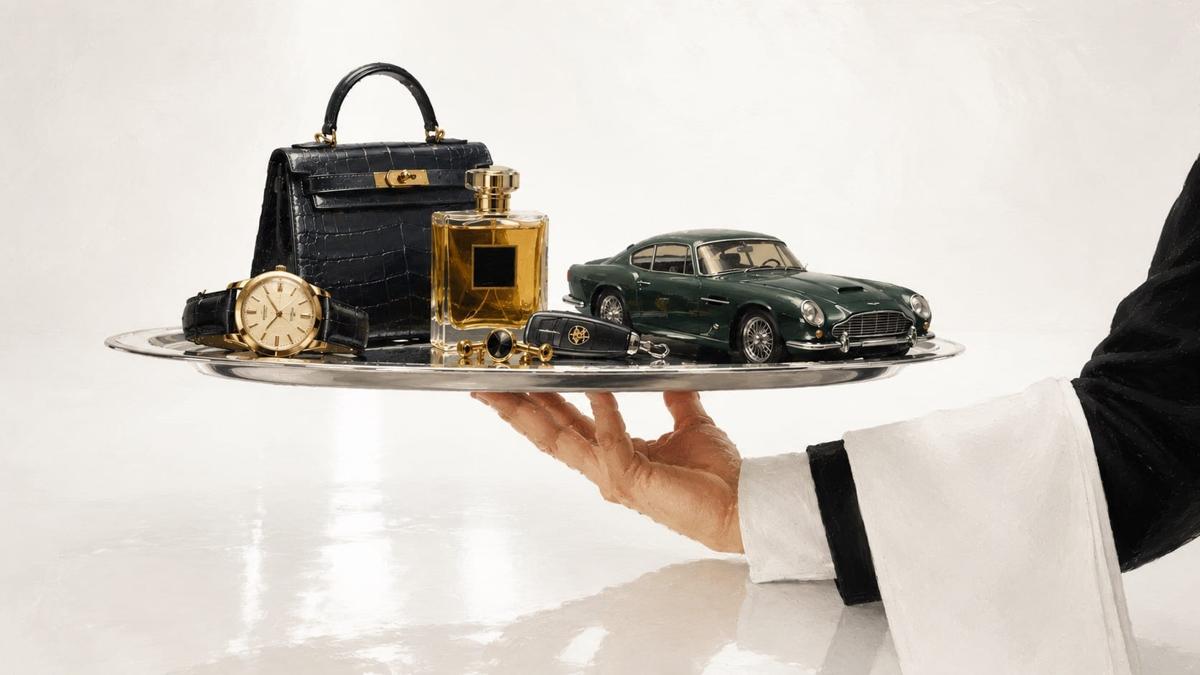
UBS’s Global Family Office Report 2026 places arts and antiques at one per cent of family office allocation, a figure that, read in Zurich or New York, confirms culture as a pleasure asset at the margin of serious portfolios. Read from the Gulf, it describes only the instrument’s blindness. Custodial capital rarely passes through the investment book at all. It sits in foundations, in endowed institutions, in commissions held by entities whose sole purpose is continuity, and so remains invisible to the very reports that claim to measure it.
Western capital studies the table and concludes the Gulf is under allocated to culture.
The Gulf has simply taken culture off the table.
I watched this logic form across twelve years chairing The Fragrance Foundation Arabia, long before it reached any register. The question families brought into the room changed. Value ceased to be the first enquiry; inheritance took its place, and with it a single consideration: what the object would mean in the hands of a grandchild.
The Gulf Is Acquiring the Canon
The Western collector buys within a hierarchy of meaning that others built, where museums, critics, fairs and academies decide which objects matter and capital follows their verdict. The Gulf is building the hierarchy itself. Art Basel staged its fifth global fair in Doha this February, with more than half of its 84 artists drawn from the Middle East, North Africa and South Asia. On 11 December, Guggenheim Abu Dhabi opens on Saadiyat, twenty years after it was first announced, as the largest institution in the Guggenheim network, joining the Louvre Abu Dhabi and the Zayed National Museum in a single district. Frieze Abu Dhabi arrives in November.
A geography that holds the collectors, the fairs and the museums holds the machinery of canonisation.
At the summit of culture, value has always been set by consecration, with price following some distance behind. What the Gulf is acquiring is the right to consecrate. At Sapēre this is the moment we track most closely, since the decision about meaning is always taken years before any market records it.
Custodial Capital Prices What Its Own Institutions Have Canonised
The interlock is visible to anyone who reads the masthead. Sheikha Al Mayassa bint Hamad Al Thani, sister of the Emir, chairs Qatar Museums, the institution at the centre of Doha’s cultural week. The family that commands the nation’s private wealth presides over the body deciding what its public will be shown, and custodial capital moves between the two without ever crossing a border.
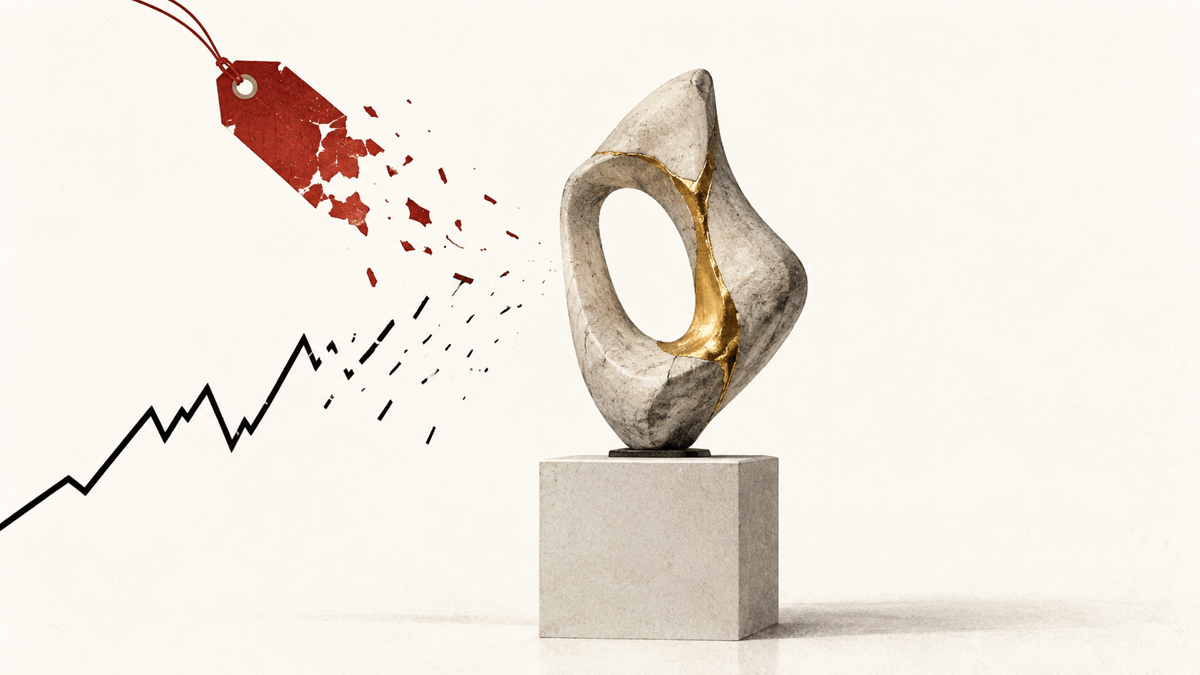
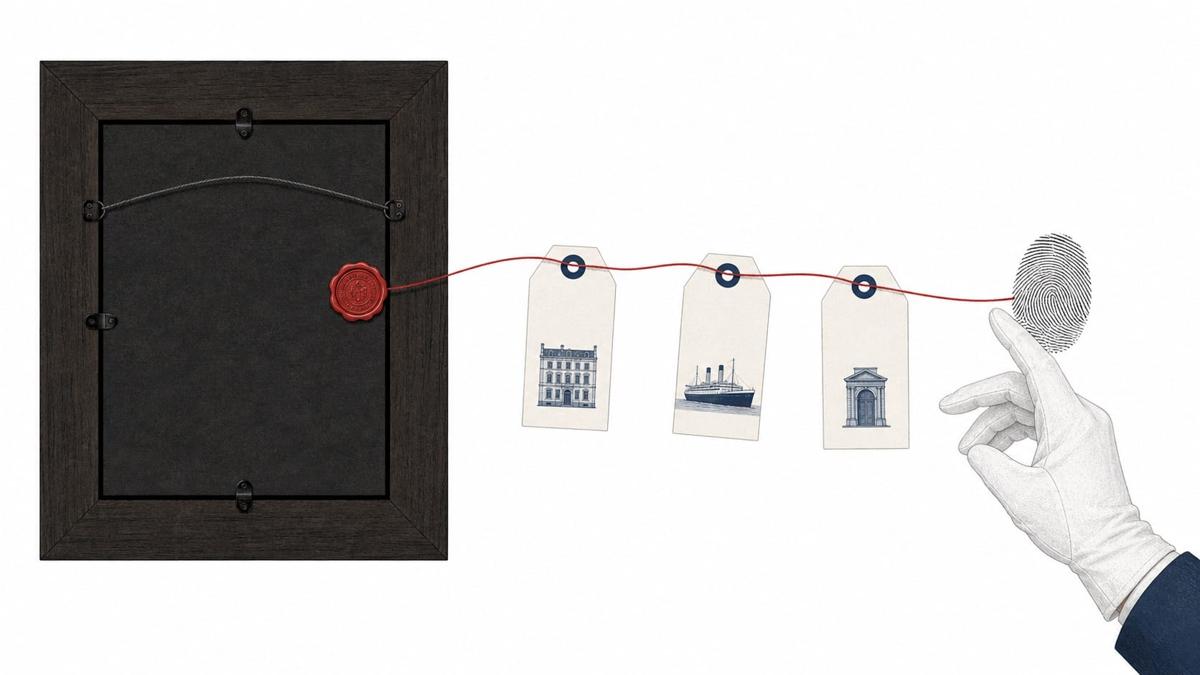
Western markets have yet to price the consequence. Where custody of the collection and authority over the institution sit within one lineage, value is conferred rather than discovered, and provenance acquires a new first line: the place where meaning was decided.
Over the next two decades, artists, designers and makers from the region will enter the global canon through Gulf institutions first and Western auction rooms second. Houses and galleries that waited for London or Paris to validate them will find the validation already issued, and the finest works already held in perpetuity by the foundations that issued it. Objects held in foundations seldom return to market. Scarcity, here, is endowed.
What Western Capital Must Now Learn to Read
A Western family office allocates to culture as it allocates to anything else, as a position sized to a mandate and reviewed against a benchmark. Custodial capital carries no benchmark, since it seeks none; its ambition is authorship of what the next century will regard as significant.
For the private collector, the matter is one of sequence. Works acquired after Gulf consecration will be priced against a canon already settled, whilst those acquired before it carry the rarest advantage in collecting, that of having arrived ahead of the verdict. That interval is where serious positions are made. It narrows with every institution that opens on Saadiyat.
The map of prestige is being redrawn more quietly than any acquisition headline suggests, and the collector who intends to remain relevant in 2050 will need to know where meaning is now decided, and by whom, before the price of that knowledge is set in Doha and Abu Dhabi rather than Basel and New York.
The connoisseur always arrives before the market. In the Gulf, the foundations arrived first.
Related thinking on why the objects that resist valuation are becoming the most prized of all can be found in Objects That Cannot Be Valued Are Becoming the Most Valuable of All.
Sources: Dubai Media Office, “DIFC records industry-leading achievements in H1 2026”, 28 July 2026; UBS, Global Family Office Report 2026; The Peninsula, “Inaugural Art Basel Qatar opens”, 5 February 2026; ArtAsiaPacific, “Guggenheim Abu Dhabi reveals opening date”; WAM, “Frieze Abu Dhabi reveals curated programme for inaugural edition”.
We last reviewed this analysis on 23 October 2026.