A collector stood in front of a bottle at The Scent for a long time without touching it. He had already decided he liked it. What he asked me had nothing to do with the composition. He wanted to know who made it, in what quantity, under whose hand, and how it had reached the shelf he was standing at. Only after that did he pick it up.
I have watched that sequence repeat for years, in fragrance and in art, and it always runs the same way. Judgement first, then lineage, then acquisition. Reverse the order and the acquisition does not happen.
Key Takeaways
- The serious collector’s opening question has moved from what an object is to where it came from, because origin is the only thing an object cannot demonstrate for itself.
- This is not suspicion. It is a more demanding form of attention, and it is the oldest principle in connoisseurship arriving in categories that never thought they needed it.
- Art settled the standard a century ago. A gap in a record is not treated as missing paperwork, it is treated as an unresolved question about the work itself.
- Provenance is still being written. The collector who lends, publishes and keeps the correspondence continues the record; the one who holds in silence for thirty years introduces a gap that will carry their name.
- Fragrance has been least honest with itself here. A great many houses positioned as artisanal are brand identities assembled around outsourced formulations, and a collector misled once on maker identity does not return with the same trust.
- Provenance functions as credential rather than reassurance. An object of uncertain origin cannot take a place in the argument a collection is making, however accomplished it is.
- Who: Serious collectors across art, fragrance and adjacent categories, and the houses, galleries and dealers whose records are now being read rather than assumed.
- What: Why origin has replaced quality and rarity as the first question a collector asks, and what that shift demands of anyone selling into the category.
- When: Over the past decade, as volume, reproduction and marketing quietly removed the assumption that an object is what it claims to be.
- Where: In galleries, ateliers and private rooms, and increasingly in categories such as fragrance that behaved as though the standard did not apply to them.
- Why: Because a collection is a record of judgement exercised over time, and lineage is what makes that judgement legible to anyone else.
Table of Contents
- The Question Changed Before the Market Noticed
- What the Gallery Has Always Understood
- Custodianship Is Participation
- Fragrance Was Never Exempt
- The Object Is Not the Credential
- Frequently Asked Questions
The Question Changed Before the Market Noticed
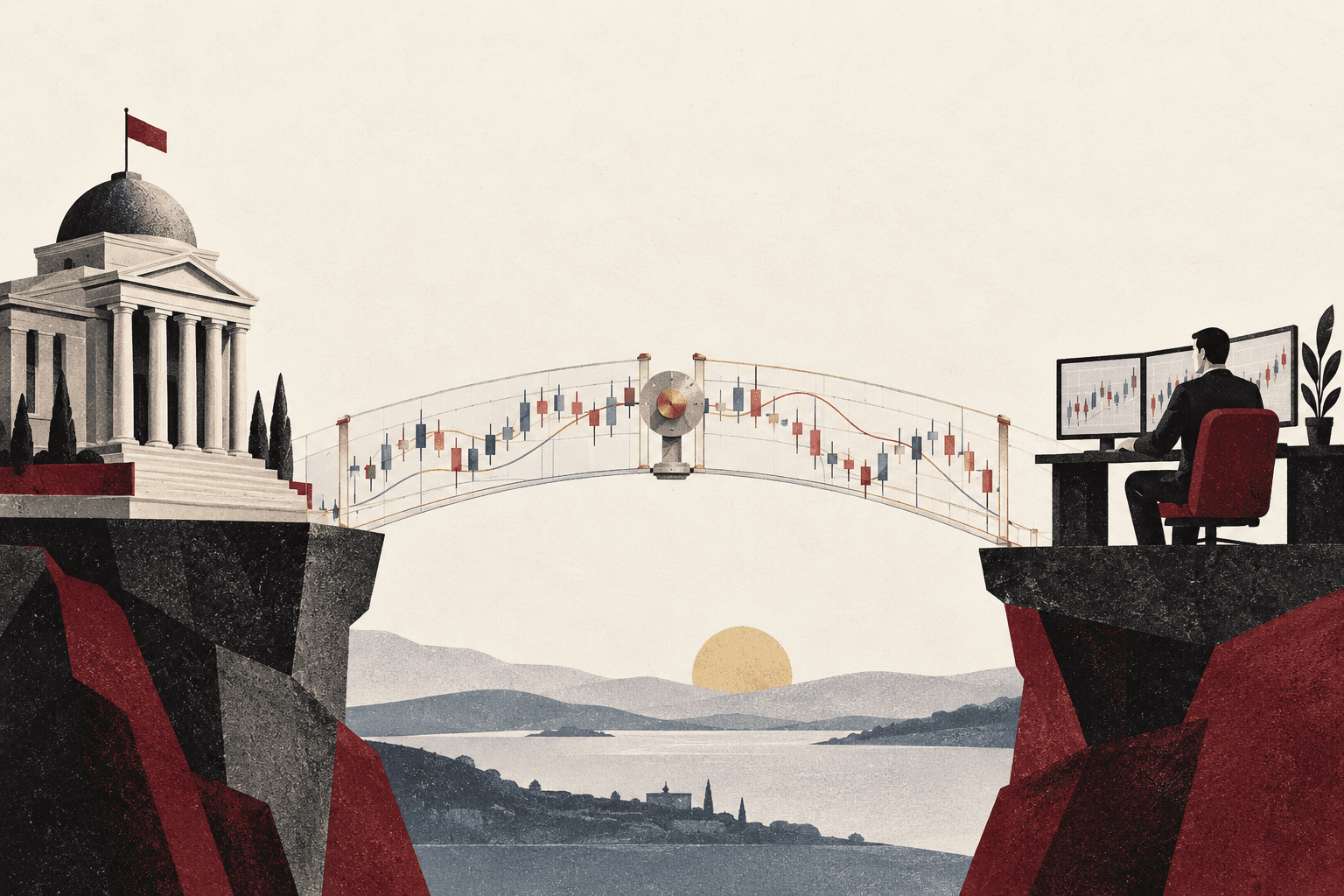
There was a period, not long past, when the first question was about the object itself. What is it, how does it perform, what does it cost. That question belonged to a market where the object was assumed to be what it claimed. Sufficient volume, sufficient reproduction, and sufficient marketing eventually removed that assumption from everyone who was paying attention.
What replaced it is not suspicion. It is a more demanding form of attention. The serious collector now asks where a thing came from because that is the only question the object cannot answer for itself. Everything else is visible in the room. Quality can be assessed by hand and eye. Rarity can be claimed by anyone. Origin cannot be improvised, and the collector knows it.
This is the oldest principle in connoisseurship arriving in categories that never thought they needed it.
What the Gallery Has Always Understood
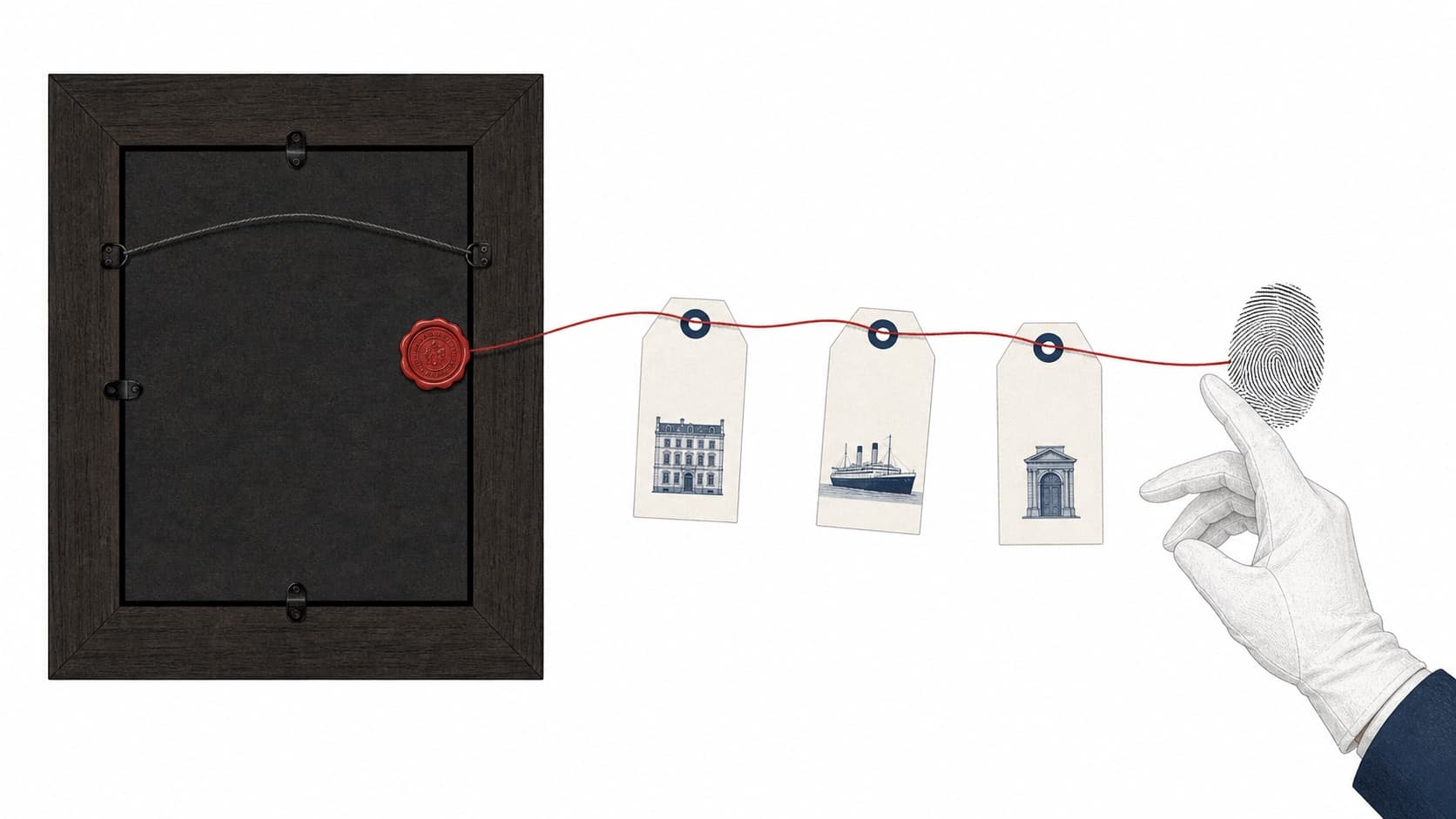
Art has never treated provenance as an administrative burden. Catalogue raisonné, exhibition record, dealer archive, the correspondence and condition reports that accumulate around a work across a century. All of it exists because the discipline decided long ago that an object without a documented past is not a lesser object. It is an unresolved one.
The vocabulary of that discipline is precise. A gap in a record is not called a gap. It is called a question. Curators do not describe an undocumented decade as missing information, they describe the work as requiring further research, which is a courteous way of saying that the object has not yet earned the right to be spoken about with confidence.
The infrastructure built around that standard is substantial. Resources such as the Getty Provenance Index and the Art Loss Register exist because the market decided the question was worth answering formally rather than socially. That is the standard. Everything now moving toward it is moving toward something art established a century ago, and the market has already learned that an incomplete chain is a finding rather than a formality.
Custodianship Is Participation
Provenance is not finished. It is being written now, by whoever holds the object, in the way they hold it.
The collector who lends, who allows publication, who keeps the correspondence and the condition notes, is continuing a record. The one who holds in complete silence for thirty years and documents nothing has not preserved the object, they have introduced a gap into it, and the gap will carry their name.
Discretion and opacity are not the same instinct. The first protects the owner. The second erases them from the object’s history entirely. That distinction matters more at the top of the market, where privacy is a working philosophy rather than a preference, and where the difference between a discreet owner and an absent one is the documentation left behind.
Fragrance Was Never Exempt
In sourcing internationally for The Scent, the first and hardest work is never olfactory. It is establishing who actually made a composition. Not which name appears on the box, which hand held the formula, where the materials originated, whether the house still controls its own production or has quietly outsourced it while retaining the story.
This is where the category has been least honest with itself. A great many houses positioned as artisanal are curatorial fictions, brand identities assembled around outsourced formulations, presented with the language of the atelier and none of its substance. The composition may be perfectly accomplished. The claim around it is not. And a collector who has been misled once on maker identity does not return to the category with the same trust.
The houses that survive collector scrutiny are the ones that can answer the question without hesitation, because they never structured themselves in a way that made the answer inconvenient. Named perfumer, traceable material sourcing, production held rather than licensed. In every case I have seen, the ability to answer preceded the reputation rather than following it.
The Object Is Not the Credential
A collection is not a set of possessions. It is a record of judgement exercised over time, and lineage is what makes that judgement legible to anyone else.
This is why provenance functions as credential rather than reassurance. When a serious collector asks where something came from, they are not protecting themselves from error. They are establishing whether the object belongs in the argument their collection is making. An object of uncertain origin cannot be placed in that argument, not because it might be a forgery, but because nothing can be said about it with the precision the rest of the collection demands. It sits in the room without participating.
I have seen collectors decline objects they loved on those grounds and acquire lesser objects with complete records. Every time, the reasoning was the same. One could be spoken about. The other could only be admired.
That is also why serious collections take so long to assemble. The time is not spent finding objects, it is spent resolving them, and the connoisseur has always arrived before the market for exactly that reason.
Frequently Asked Questions
What is provenance and why does it matter to collectors?
Provenance is the documented history of an object, covering who made it, who has owned it, where it has been exhibited or published, and how it reached its current holder. It matters because it is the only attribute an object cannot demonstrate on its own. Quality is visible and rarity can be asserted by anyone, but origin has to be evidenced, which is why it now leads the conversation.
What happens when there is a gap in an object’s provenance?
In the art world a gap is treated as an open question rather than a missing form. The work is described as requiring further research, which places it outside the group of objects that can be spoken about with confidence. The practical effect is a narrower buyer pool, weaker institutional interest and a discount that persists until the record is resolved.
Does provenance apply to fragrance the way it applies to art?
Increasingly, yes. The relevant questions are who actually composed the formula, whether the named house controls its own production or licenses it out, where the raw materials originate and how the bottle reached the shelf. Many houses marketed as artisanal are brand identities built around outsourced formulation, and collectors have begun asking before purchase rather than after.
How can a collector strengthen provenance while holding an object?
By continuing the record rather than pausing it. Lending to exhibitions, permitting publication, commissioning and retaining condition reports, and keeping correspondence with dealers and specialists all add documented years to an object’s history. Holding in complete silence with no records preserves the object physically while introducing a gap into its history, and that gap is attributed to the owner.
We last reviewed this analysis in July 2026.


Shahzad Haider
Shahzad Haider is a futurist curator shaping discourse at the intersection of art, luxury and connoisseur culture. As President of The Future Connoisseurs and former Chairman of the Board of The Fragrance Foundation Arabia for over 12 years, his work examines the forces redefining desirability, cultural influence and affluent behavior across the United States, Europe, the Middle East and Asia. He is the author of three books, with The Future of Luxury 2025–2050 launching soon. At The Luxury Playbook, he offers analysis on emerging luxury paradigms, cultural capital and the future architecture of global connoisseurship.