Serious collectors use wine auctions to build cellars for one structural reason: the auction market is the only place where back-vintage allocations from sold-out producers consistently surface. Sotheby's, Christie's, Acker, Zachys, and Hart Davis Hart together cleared north of $500 million in fine wine sales across 2025, and that volume is what makes targeted cellar construction possible.
- Serious collectors use wine auctions to build cellars for one structural reason, because the auction market is the only place where back-vintage allocations from sold-out producers consistently surface.
- Sotheby's, Christie's, Acker, Zachys, and Hart Davis Hart together cleared north of 500 million dollars in fine wine sales across 2025.
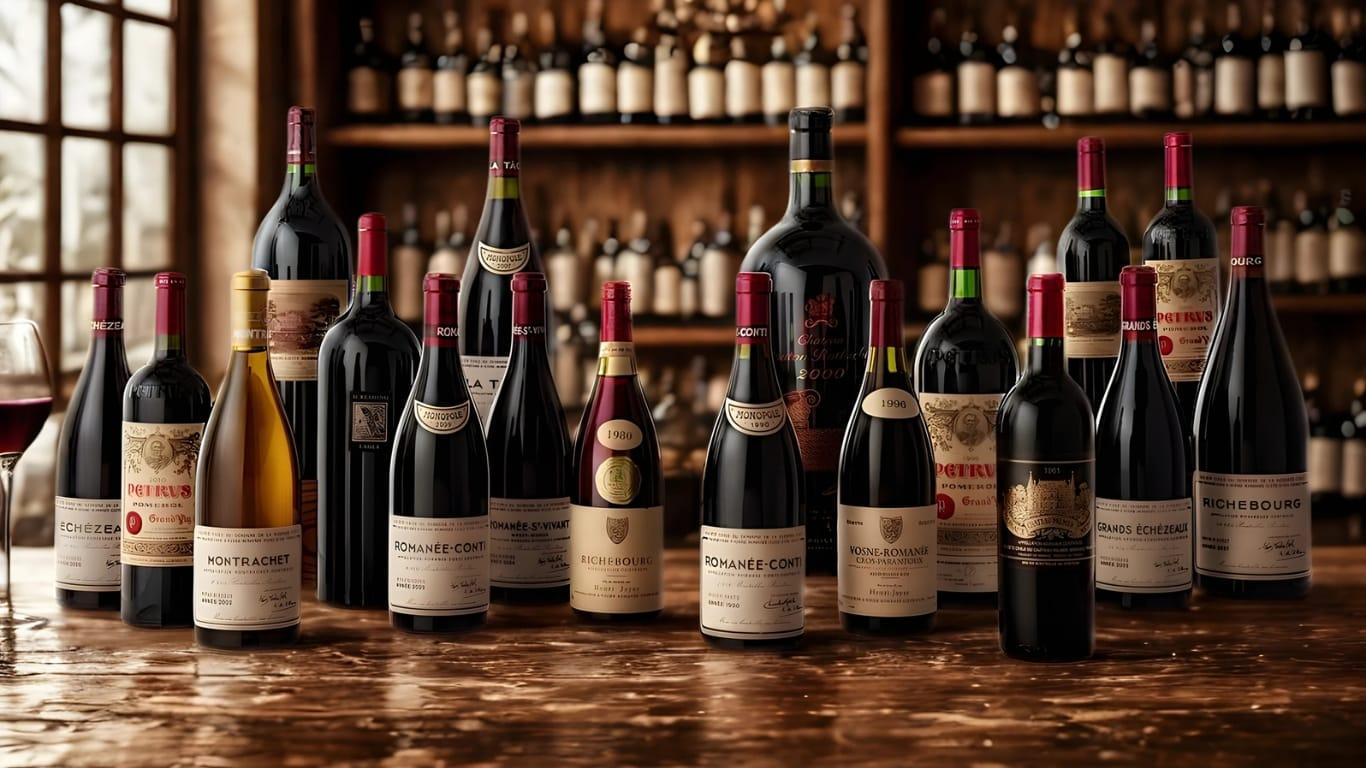
- The fine wine auction market exists structurally to recirculate back-vintage stock from existing cellars, with apex Burgundy and Bordeaux dominating the high-value lots.
- Built well, a cellar shaped by auction acquisition will outperform one built from primary-market allocation alone, both in stylistic depth and long-aging optionality.
- Buyer premium discipline matters, with the standard 20 to 25 percent premium meaningfully altering the effective price for any successful bid.
- For serious cellars auction buying is the structural way to source mature library releases and rare single-bottle lots that no merchant channel can match.
- Who is this for?
- Cellar builders considering auction buying as a structural strategy, and existing collectors looking to widen their auction-channel use.
- What is happening?
- We work through how serious collectors actually use wine auctions to build cellars, with the houses, mechanics, and structural disciplines that anchor the strategy.
- When did this emerge?
- The piece reads the contemporary 2025 and 2026 auction cycles, with the modern post-2020 auction house infrastructure as live context.
- Where is this happening?
- Sotheby's, Christie's, Acker, Zachys, and Hart Davis Hart across London, Geneva, Hong Kong, and New York as the structural auction circuit.
- Why does it matter?
- Auction-built cellars carry depth and long-aging optionality that primary-market allocation alone cannot match, and understanding the structural mechanics is foundational for serious cellar building.
This is our editorial read on how serious cellar builders actually use the auction houses, what disciplines matter, and what the common mistakes look like.
Built well, a cellar shaped by auction acquisition will outperform one built from primary-market allocation alone, both in stylistic depth and in long-aging optionality.
What the auction market exists to do
The fine wine auction market exists, structurally, to recirculate back-vintage stock from existing cellars. Sotheby's Wine in New York, London, and Hong Kong, Christie's Wine across the same three cities, Acker Merrall & Condit in New York and Hong Kong, Zachys in New York, and Hart Davis Hart (HDH) in Chicago are the five houses that move serious volume.
The lots that surface come from three sources. First, single-owner consignments from collectors downsizing or estate-clearing. Second, restaurant cellar consignments, which is how mature back-vintages of Bordeaux, Burgundy, and Champagne keep entering the market.
Third, producer-direct releases, which Sotheby's has run successfully with Bordeaux First Growths and several Burgundian domaines.
The volume across those three channels is what gives serious collectors access to wines that the primary market either never offered them or that they could not yet afford when those wines were first released. For deeper context on the wider cellar management question, our note on that subject sets out the framing.
How serious collectors build the catalog discipline
The structural rule across collectors who use auctions well is the same. They define what they are buying before each sale, and they do not deviate.
That discipline means setting a maximum hammer price for each lot before the sale starts, working from the published estimate range and the most recent comparable lot prices (which Wine-Searcher and the major auction houses' public results pages let you check).
It means reading the lot's provenance narrative carefully, namely where the bottle came from, the storage history declared by the consignor, and whether the level (ullage) is described as "into-neck", "base-neck", "very high shoulder", or lower.
And it means recognising that the headline lots draw the most attention but rarely offer the best value. The serious collectors are working the middle pages of the catalog, where the well-cellared but less-trophy bottles surface.
The catalog reading: what to track lot by lot
Reading an auction catalog is the skill that separates serious collectors from casual bidders. The information that matters sits across five fields per lot.
Producer and vintage define the lot's category. Bottle format matters (magnums age differently from 750ml, and half-bottles age faster). Provenance is the single most important field: a single-owner consignment from a temperature-controlled cellar is structurally different from a "various cellars" lot.
Level and condition come next. A 1970s Bordeaux at "base-neck" level is broadly acceptable; one at "high shoulder" is a discount. Label condition matters more than collectors sometimes realise, because it signals the storage history and the eventual resale presentation.
Finally, the estimate range tells you how the auction house sees the lot. Lots that sell within estimate are the normal trade. Lots that sell well above estimate (twice the high estimate or more) signal a category where demand has shifted, and that signal compounds across multiple sales.
Where the auction houses each have category strength
The five major houses each have a category strength that serious collectors track.
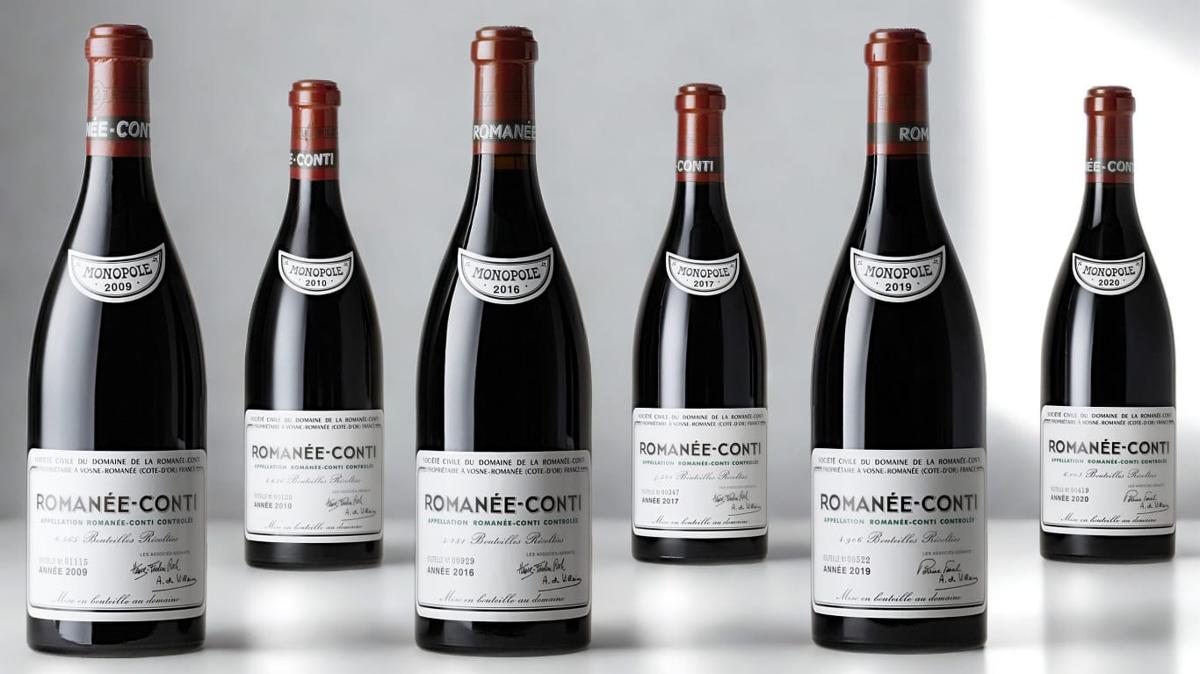
Sotheby's Wine (New York, London, Hong Kong) holds the deepest mature Bordeaux and Burgundy book. The 2018 Sotheby's New York lot of Romanée-Conti 1945 that cleared $558,000 remains the modern benchmark single-bottle auction price. Christie's Wine has built strength in Italian fine wine (Sassicaia, Solaia, Masseto verticals) alongside the canonical French categories.
Both houses are the natural starting point for an English-speaking collector building a serious catalog reading habit.
Acker is the dominant Burgundy-focused house, particularly for cult-domaine consignments. Zachys does serious Champagne and West Coast US work alongside its general fine-wine sales. HDH has built strength in long-cellared Bordeaux and California Cult Cabernet, with consistent representation from collectors clearing 20-year and 30-year holdings.
The collectors who shop across all five build the deepest selective optionality. For wider context on the bigger marketplace map, our The Major Fine Wine Marketplaces: A Collector's Field Guide covers the broader picture.
The provenance question
Provenance discipline is where serious collectors separate themselves from casual bidders. The catalog text matters; the inspection (where the house allows it) matters more.
Acker, Sotheby's, and Christie's all permit pre-sale inspection of lots above a defined value threshold. Serious collectors take that option for lots above a few thousand dollars, particularly for mature Bordeaux and Burgundy where label condition and fill level reveal the storage history.
The 2008 Hardy Rodenstock counterfeit Bordeaux case (the Bill Koch litigation) reset the industry's documentation discipline. The major houses now publish provenance narratives that meaningfully exceed what they did fifteen years ago. Even so, the savvy collector treats the narrative as a starting point and inspects what is inspectable.
For collectors building the broader anti-counterfeiting discipline, our note on How To Avoid Fake Wine – Wine Fraud covers the key signals.
Categories worth chasing in 2026
The auction market reflects category-level demand shifts on a one-to-two-year lag. The categories that are currently undervalued at auction, in our editorial read, sit in three places.
Right Bank Bordeaux outside Pétrus and the top three Saint-Émilions: serious quality from named producers like Vieux Château Certan, Le Pin in older vintages, and several second-tier Pomerol estates trades at fair pricing across the major houses' current catalogues.
California Cabernet outside the Cult tier: producers like Ridge Monte Bello, Dunn Howell Mountain, and Spottswoode build genuine quality with secondary-market pricing that has not yet inflated to match. Screaming Eagle Has Never Been Harder To Acquire covers the apex of that California category in its own context.
Mature Champagne single-vintage bottlings outside Dom Pérignon and Krug: the secondary-market pricing on serious vintage Bollinger, Pol Roger Sir Winston Churchill, and the smaller grower-Champagne tier is still moving up rather than down.
What this means for collectors
The auction route to building a serious cellar is more efficient than waiting for primary-market allocation. The discipline costs more attention. The pay-off is access to the back-vintage breadth that defines a serious cellar.
For a collector starting out: subscribe to Sotheby's, Christie's, Acker, and HDH catalogues, attend (or watch online) two or three sales per year before bidding seriously, and read the post-sale results across at least twelve months before placing the first meaningful bid. The auction houses publish all results publicly. That information is the foundation of every serious bidder's working knowledge.
What we will watch next
Two structural signals. First, whether the move toward online-only sales (which all five major houses now run alongside live sales) continues to draw younger collectors into the auction market, which Bonhams and Christie's have both flagged as a strategic priority. Second, whether the Asia-based auction circuit (Sotheby's Hong Kong, Christie's Hong Kong, Acker Hong Kong) continues to expand or whether the post-2024 macro environment compresses Asian demand.
Either signal will shape what auction-built cellars look like in five years.
We last reviewed this analysis in May 2026.