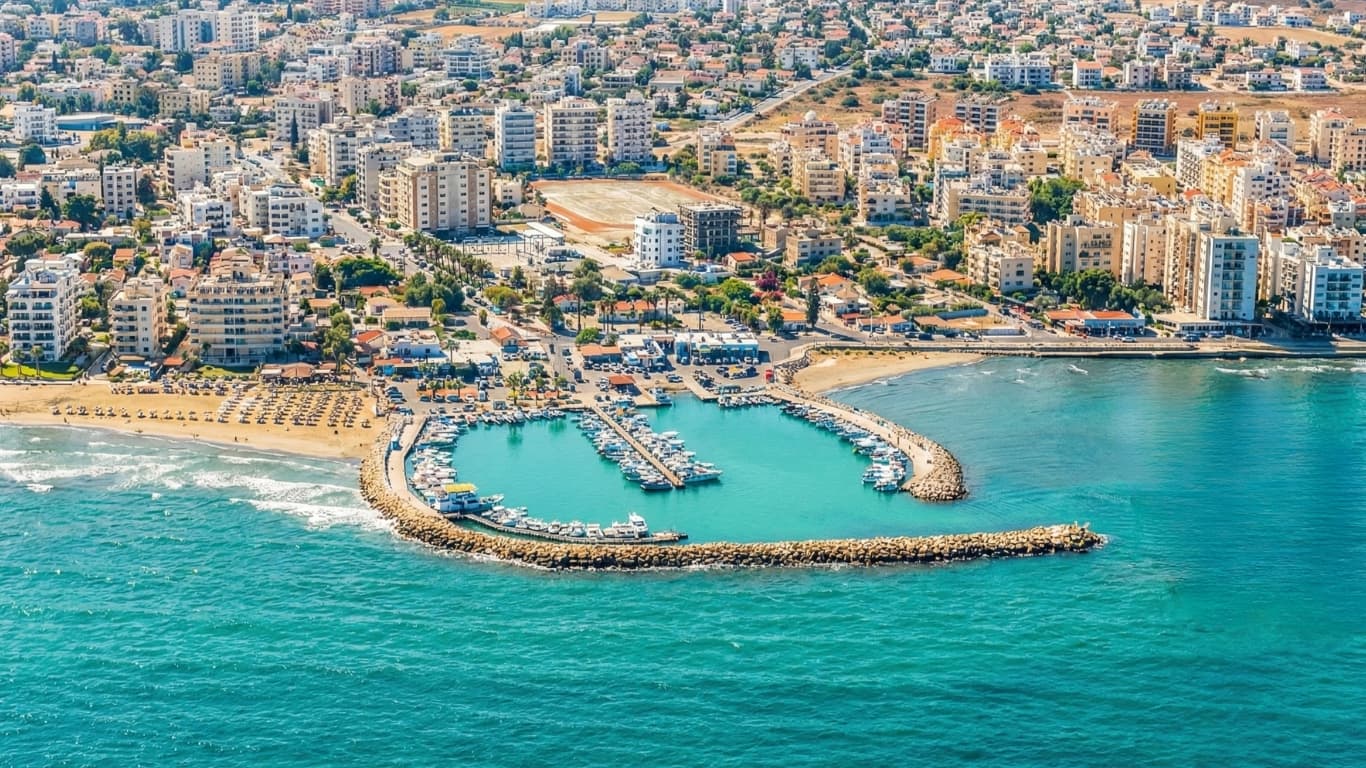

Buying mortgaged property in Cyprus involves several key steps to keep you legally protected and financially sound. First, you’ll need to secure a permit from the Cyprus Council of Ministers, which is a non-negotiable requirement for non-resident buyers. From there, consulting a Cyprus mortgage specialist gives you a real edge when navigating the financing side, where interest rates run from 1.
9% to 7.5% and terms stretch anywhere from 5 to 40 years. Major banks like the Bank of Cyprus offer loans up to €1,000,000.
Get your documents in order early, including proof of income and valid identification, and approach the mortgage application with the same attention to detail you’d give any serious investment.
Down payments depend on what you’re buying. For new properties, expect to put down 10% to 30%, while resales typically require 40% to 50%. Factor in the full cost picture too.
Property transfer tax runs from 3% to 8%, stamp duty from 0% to 0.20%, and annual property insurance starts at around €350. A local solicitor is worth every cent here, helping you clear any pending obligations before you close.
- Buying mortgaged property in Cyprus involves explicit verification of the existing lender position, with title deed status, outstanding debt and discharge mechanics warranting careful attention.
- We see the developer-finance overhang as a particular Cypriot pitfall, with some property historically transferred to buyers without the underlying developer mortgage being properly discharged.
- Independent legal counsel is foundational for mortgaged property purchases, with the lawyer's verification of clean discharge mechanics protecting buyer interests through completion.
- Cypriot banks serving the mortgage market typically require formal discharge confirmation before registering the new buyer ownership, with the process timing affecting completion schedules.
- Title deed availability matters particularly for mortgaged stock, with the Cypriot land registry verification critical to confirming the property can transfer cleanly to the new buyer.
- For most considered Cypriot buyers we view mortgaged property as warranting particular due diligence intensity, with the upside discount sometimes outweighing the additional process complexity.
- Who is this for?
- International and Cypriot buyers considering mortgaged property acquisitions, alongside the lawyers, brokers and family office staff framing those transactions.
- What is happening?
- A practical guide to buying mortgaged property in Cyprus, covering the developer-finance overhang, discharge mechanics, title deed verification and the role of independent counsel.
- When did this emerge?
- The article reflects 2026 transaction practice through the Cypriot land registry, the major banks and the historic developer-finance framework alongside our own observations.
- Where is this happening?
- The piece covers Cyprus broadly, with reference to the variations in mortgaged property dynamics across Limassol, Nicosia, Paphos and Larnaca.
- Why does it matter?
- Mortgaged property in Cyprus carries distinctive risks that catch unprepared buyers, which is why structured awareness pays back across the entire acquisition process.
Understanding Mortgaged Properties in Cyprus
In Cyprus, properties used as loan security can be auctioned off to settle outstanding debts. That category covers foreclosed homes, distressed properties, and auction-listed real estate, all of which can offer genuine investment upside if you know what you’re looking at. The key is understanding the full picture before you move.
There are a few conditions you need to get your head around before making a move. If you’re a foreign buyer, you’ll be required to obtain authorization from the Cyprus Council of Ministers, which adds an extra layer to the process. Non-residents also face certain restrictions on the number and size of properties they can purchase.
Securing financing for these properties is more layered than a standard purchase. Banks including the Bank of Cyprus, Hellenic Bank, and Alpha Bank all offer mortgage solutions, with loan amounts reaching up to €1,000,000 and interest rates sitting between 1.9% and 7.
5%. Terms can run from 5 to 40 years, which gives you real flexibility depending on your financial position and age.
The gap between rates on new versus resale properties is worth knowing upfront. New properties attract rates between 1.9% and 4.
5%, while resale properties carry rates from 5% to 7.5%. Down payment requirements shift accordingly, so making sure you have adequate liquid assets in place before you start is essential.
On the tax side, property transfer rates scale with value. Properties up to €85,000 are taxed at 3%, those up to €170,000 at 5%, and anything above €170,000 at 8%. Cyprus’s standard VAT sits at 19%, though first-time buyers can access a reduced rate of just 5%.
Stamp duty tops out at 0.20% for properties valued above €170,000.
Investing in mortgaged properties in Cyprus is a mix of real opportunity and genuine risk. Buying below market value is possible, and purchasing through a company structure can unlock favorable tax treatment. But none of that matters without thorough research and a solid grasp of how the market actually works.
Get both right and the numbers can look very attractive.

The Benefits of Purchasing Mortgaged Property in Cyprus
Purchasing mortgaged property in Cyprus can put you well ahead of the curve as an investor. The most immediate advantage is the ability to acquire properties at prices well below their market value, lowering your entry point and opening the door to a property sector that has been gaining serious momentum. For the right buyer, this is one of the more compelling entry strategies in European real estate right now.
Cypriot banks have built out mortgage products that work for both residential and commercial buyers. Borrowing up to €1,000,000 is possible, with rates between 1.9% and 7.
5% and terms from 5 to 40 years. Institutions like the Bank of Cyprus and AstroBank compete actively for this business, meaning you can often negotiate competitive conditions covering a strong portion of the property’s value.
Cyprus pulls investors in for reasons that go beyond the numbers. A safe environment, strong healthcare infrastructure, and that Mediterranean lifestyle are all part of the appeal. Property costs compare favorably to most other European markets, which makes the entry point even more attractive.
The legal framework offers solid protection too, especially if your sale contract gets registered at the Land Registry Office under Cap. 232 law, which gives you priority over any later mortgages or charges. If you want a broader view of how Mediterranean luxury real estate is performing right now, the regional picture is worth studying alongside your Cyprus research.
Cyprus also builds in a sensible safeguard on mortgage repayments. Monthly payments cannot exceed 30% of your income, which keeps debt servicing manageable and leaves room for potential rental income. Developer support and strong approval rates for new construction projects make the whole investment process flow more smoothly than you might expect.
| Bank | Maximum Mortgage Amount | Interest Rates | Coverage Ratio | Repayment Duration | Additional Benefits |
|---|---|---|---|---|---|
| Hellenic Bank | €1,000,000 | Fixed for 3.5 or 10 years | Up to 80% | 5 to 40 years | Low-interest rates for new properties |
| Bank of Cyprus | €1,000,000 | Fixed for 3.5 or 10 years | Up to 80% | 5 to 40 years | Flexible payment structures |
| AstroBank | €100,000 | 4.9% | Up to 70% | 20 years | Competitive interest rates |

Introduction to Real Estate Investment in Cyprus
Real estate investment in Cyprus is rich with opportunity, especially across its most desirable coastal cities. Limassol, Paphos, and Larnaca attract the bulk of overseas investor attention, driven by a combination of high-value property stock and genuine growth potential. Geopolitical shifts and sustained demand have only added fuel to that interest.
Opportunities in the Cypriot Market
The Cyprus market is full of momentum right now, and serious investors are taking notice.
Prices have climbed sharply in recent years, pushed up by growing demand across both residential and commercial segments. Projects like the Limassol casino resort have brought additional excitement and development capital into the market.
Government programs have played a real role in supporting the sector’s growth, actively promoting home ownership and student housing beyond the capital. Tech and finance companies, many of them foreign-owned, are absorbing large volumes of office space across Nicosia, Limassol, and Larnaca, which keeps commercial demand steady. For a deeper look at what’s driving Nicosia’s economic rise, the story behind the capital’s transformation is well worth your time.
Tax policy in Cyprus is genuinely one of its strongest selling points. A corporate tax rate of just 12.5% is a strong starting position.
Trading land through legal entities comes with additional benefits, and profits from property sales are income tax-free, though land trading may attract income tax in place of capital gains tax.
Why Cyprus Attracts Foreign Investors
Cyprus draws foreign capital for reasons that go well beyond real estate alone. A high quality of life, excellent healthcare, and a reliably sunny Mediterranean climate make it a place people actually want to be, both personally and professionally.
Investors can enter directly or through legal entities, and foreign nationals can hold shares in Cypriot real estate companies without much friction. VAT reductions for resort investments are another layer of appeal that makes the overall package hard to match in comparable European markets.
Rising interest rates have added some complexity to the financing side, but overseas investors have not pulled back in any meaningful way. The structural advantages built into the Cypriot market and its long-term growth potential keep demand strong.

How to Find Foreclosed Homes in Cyprus
Finding foreclosed homes in Cyprus starts with the right digital tools. Specialized property platforms carry extensive listings complete with photos, sale conditions, and detailed descriptions that make your initial assessment much easier.
When you’re evaluating foreclosed properties, the three things to look at hardest are location, legal status, and the true cost of any renovation work needed. Online listings give you a solid foundation, but connecting with local estate agents and bankers gives you a real edge. They often know about properties that haven’t hit the market yet and can flag upcoming real estate opportunities in Limassol and beyond before they go public.
| Category | Percentage |
|---|---|
| Total Foreclosed Properties Sold | 21% |
| Houses and Apartments | 2.46% |
| Fields and Land | 97.54% |
| Properties Sold to Local Residents | 95% |
An official online auction platform, live since December 2019, has made participating in Cypriot real estate auctions far more straightforward. Buying bank-owned properties before they formally land on a bank’s balance sheet can be a smart financial move, particularly since Cypriot banks are generally reluctant to sell primary residences valued under €350,000.
Get a personalized property consultation >>>
Steps to Buy Mortgaged Property in Cyprus
Buying mortgaged property in Cyprus rewards those who approach it with careful planning and clear thinking. Understanding each step before you take it makes the whole process smoother and gives your investment the best possible foundation.
Preparation and Research
Start with serious preparation and research before anything else. Assess the available properties carefully, looking at their legal status and realistic market potential. Mortgage amounts can reach up to €1,000,000, with rates between 1.
9% and 7.5% and terms from 5 to 40 years. Knowing where you stand financially against those parameters is how you plan with confidence.
Choosing a Reliable Real Estate Agent
A trustworthy local real estate agent is one of your most valuable assets when buying in Cyprus. Good agents bring critical market insights to the table, assist with property valuations starting at €285, and can connect you with notary services from at least €100. Agency fees can reach up to 5% of the transaction value, but the expertise and local knowledge you get in return makes that a sound investment.
Understanding the Auction Process
Going into a Cyprus property auction unprepared is a costly mistake. Auctions move fast and competition can be fierce, so knowing your bidding strategy before the day is non-negotiable. Banks typically require a deposit of 10% to 30% on new properties and 40% to 50% on resales.
Factor in property transfer tax rates of 3% to 8% and stamp duty from 0% to 0.20%, and you’ll have a full picture of the financial commitments involved.
Below is a table with key figures for buying mortgaged property in Cyprus.
| Parameter | Details |
|---|---|
| Mortgage Amounts | Up to €1,000,000 |
| Interest Rates | 1.9% to 7.5% |
| Mortgage Terms | 5 to 40 years |
| Down Payment (New Properties) | 10% to 30% |
| Down Payment (Resale Properties) | 40% to 50% |
| Property Transfer Tax Rates | 3% to 8% |
| Stamp Duty Rates | 0% to 0.20% |
| Real Estate Agent Fees | Up to 5% of transaction value |
Legal Considerations when Buying Distressed Properties in Cyprus
Buying distressed property in Cyprus means stepping into a legally complex space, and the buyers who do it well are the ones who prepare meticulously and bring in the right professionals from the start. Skipping that step is where deals go wrong.
The Role of Local Solicitors
A local solicitor in Cyprus is not optional, it’s essential. They take care of clearing any outstanding financial obligations attached to the property, from unpaid taxes to utility bills, before your purchase completes. Beyond that, they handle the full spectrum of required legal documentation, keeping the process moving and protecting your position at every stage.
Key Legal Documents Required
Buying distressed property in Cyprus means assembling a specific set of legal paperwork. You’ll need title deeds, building permits, and clear proof of your financial capacity. A skilled solicitor will review all of it in detail to make sure everything checks out.
International buyers also need formal approval from the Council of Ministers, a process that typically takes around two months but is designed to smooth out potential legal complications down the line.
Due diligence is your best protection here. Working with a reputable solicitor and making sure every piece of legal documentation is accurate and complete before you proceed keeps your risk low and your investment on solid ground.
Get a personalized property consultation >>>
Financing Options for Expats Looking to Purchase in Cyprus
As an expat looking at property in Cyprus, your financing options are more developed than you might expect. Local institutions including the Bank of Cyprus, Hellenic Bank, and AstroBank have all built mortgage products specifically with the expat market in mind, covering both residential and commercial purchases. Loan terms and interest rates adjust based on your residency status, so the exact offer you receive will depend on where you stand.
The headline numbers on expat mortgages in Cyprus are attractive. Loan limits reach up to €1,000,000, rates float between 1.9% and 7.
5%, and repayment windows run from 5 to 40 years. That said, expats do face some real hurdles. Down payments can be steep, often in the 30% to 40% range, and using mortgage financing can potentially close the door on obtaining a residence permit through the property route.
Worth knowing before you commit. You can also explore the pros and cons of debt-based real estate investing to sharpen your overall strategy.
For most expats, a Cyprus mortgage will typically cover 70% to 80% of the property’s value. Local buyers and European permanent residents may access up to 100% in certain cases. Banks cap monthly repayments at 30% of your income across the board, which keeps the repayment structure sustainable and protects you from overextending.
Below is a comparative summary of major Cyprus banks and their mortgage options.
| Bank | Loan Amount | Interest Rate | Repayment Period |
|---|---|---|---|
| Hellenic Bank | Up to €1,000,000 | Fixed for 3.5 or 10 years | Up to 35 years |
| Bank of Cyprus | Up to 80% of property value | Various options | 10-35 years |
| Alpha Bank | From €100,000 | Starting at 5.5% | Customizable |
| AstroBank | Up to 70% of property value | 4.9% for €100,000 loan | Flexible |
| Ancoria Bank | Up to €300,000 | Base rate of 3.45% | Standard terms |
| Eurobank of Cyprus | Varied | 3.75% 1st two years | Depends on amount |
Each bank brings its own mix of advantages and conditions to the table, which is exactly why comparing them carefully before you commit pays off. The right expat financing structure in Cyprus can deliver strong investment returns and a quality of life upgrade that’s hard to put a number on.
The Mortgage Application Process in Cyprus
Getting a mortgage in Cyprus follows a clear sequence of steps, and knowing them in advance puts you in a much stronger position. Start by selecting a reputable lender such as the Bank of Cyprus or Hellenic Bank. That choice matters more than people often realize.
Once you’ve made your selection, complete the mortgage application forms with care and precision.
Steps to Secure a Mortgage
Your first move is understanding your own eligibility. Non-residents typically need a deposit of 30% to 40%, while residents may only need to put down 10% to 30%. After you submit your application, the bank will commission a property valuation to confirm the loan amount aligns with actual market value.
That step protects both sides of the deal.
Documents Required for Mortgage Approval
Mortgage approval in Cyprus requires a specific set of documents. You’ll need valid identification, proof of residence, income verification, and full details of the property you’re financing. Your monthly repayments must not exceed one-third of your total income, whether you’re applying individually or jointly.
Having everything organized and ready before you approach the bank can meaningfully speed up the approval timeline. For broader context on how European real estate financing compares across markets, the differences are worth understanding before you finalize your approach.
Cyprus interest rates tend to be competitive, often comparing favorably to rates you’d find in the UK. Non-residents may see slightly higher rates than local buyers, so factor that into your calculations. Expats should also budget for the bank fees that come with setting up a local account, which is typically required for loan disbursement.
The Financial Times covers European mortgage market trends closely if you want to benchmark Cyprus rates against the broader picture.
For authoritative data on Cypriot banking and lending conditions, the Central Bank of Cyprus publishes regular updates worth reviewing. Reuters Finance also tracks interest rate movements across the eurozone that directly affect what you’ll pay. And for on-the-ground property intelligence, Knight Frank’s Cyprus research gives you a clear view of where the market is heading.
What this means for buyers reading buying mortgaged property in Cyprus
Buying mortgaged property in Cyprus is workable but the diligence cost is real: the Council of Ministers permit, the Land Registry title check, the lender's valuation and the contract-of-sale lodgement all need to be sequenced cleanly. Buyers should engage a Cyprus-qualified lawyer and a regulated mortgage broker before signing. Knight Frank Cyprus and the Central Bank of Cyprus both publish current rate guidance worth tracking.
We last reviewed this analysis in May 2026.


Savvas Agathangelou
Savvas Agathangelou co-founded The Luxury Playbook and has spent years reporting from the prime postcodes the magazine covers — Mayfair, Knightsbridge, the Athens Riviera, Dubai's Palm crescents, and the southern Mediterranean coastlines where the world's wealthy keep coming back. His background is in international hospitality, and that frame shapes how he writes about property: the developer's choices, the architect's signature, the agency's bench of named brokers, the building's service standard once the buyer moves in. He files developer spotlights, agency profiles, and the seasonal "Properties That Defined" listicles, and he hosts the magazine's founder-and-leadership interviews on the Voices side.