In 2026, more collectors and investors than ever are asking the same question: are Jaeger-LeCoultre watches good for investment?

The answer is increasingly a confident yes, especially for those looking beyond hype-driven sports watches and toward timepieces that combine mechanical artistry, understated luxury, and slow but reliable appreciation.

Jaeger-LeCoultre sits in a unique place within the Swiss watch hierarchy. It doesn’t rely on celebrity ambassadors or flashy marketing to justify its prices. Instead, it leans on nearly two centuries of horological innovation, manufacturing almost every movement component in-house, something only a handful of watchmakers in the world can claim.

For investors, that means the brand’s value story is grounded in substance. Jaeger-LeCoultre pieces might not spike overnight like certain steel Daytonas, but over a 5 to 10 year period, they typically provide stable returns, strong liquidity among serious collectors, and most importantly, the genuine pleasure of wearing something truly refined.

History of Jaeger-LeCoultre

To really understand why Jaeger-LeCoultre watches stand out as an investment in 2026, it helps to look at the brand’s remarkable history. Unlike some brands that market themselves mainly through modern partnerships or limited-edition hype, Jaeger-LeCoultre’s value story is built on deep roots in watchmaking innovation.

Founded in 1833 in Le Sentier, Switzerland, Jaeger-LeCoultre started as a small workshop by Antoine LeCoultre, an inventor who developed the millionometer, the first instrument capable of measuring a micron. That kind of precision set the stage for the brand’s long tradition of technical breakthroughs.

Over nearly two centuries, like fellow investment-grade watch brands, Jaeger-LeCoultre has registered over 400 patents and produced more than 1,200 different calibers. Many top-tier watch houses, including Patek Philippe and Audemars Piguet, have historically relied on JLC for their movements. This reputation as a “watchmaker’s watchmaker” gives Jaeger-LeCoultre unique credibility among connoisseurs.

Some key moments that highlight why JLC watches are respected, and why that respect translates to steady market demand, are worth knowing before you spend a single dollar.

  • 1929: Jaeger-LeCoultre creates the Calibre 101, still the world’s smallest mechanical movement.

  • 1931: The iconic Reverso launches, originally designed for polo players to flip the watch face and protect the crystal.
  • 1953: The Memovox alarm watch becomes a success, showing JLC’s knack for combining practical complications with elegant design.

  • 1992: Jaeger-LeCoultre introduces the Master Control line, with watches rigorously tested for 1,000 hours—setting a new benchmark for quality.

  • 2019: The ultra-complicated Master Grande Tradition Gyrotourbillon Westminster Perpétuel shows JLC still leads in high horology.

For investors, this long record of horological innovation and mechanical integrity is not just trivia. It’s the backbone of Jaeger-LeCoultre’s brand equity, and that’s precisely what protects resale value over decades. Unlike brands that come in and out of style, JLC has built trust with collectors generation after generation.

Jaeger-LeCoultre watches

Which Jaeger-LeCoultre Watches Hold Their Value Best?

Not every luxury watch holds its value equally, and that’s definitely true with Jaeger-LeCoultre. The brand has a diverse lineup, ranging from slim dress watches to complex tourbillons, and some models perform much stronger on the resale market than others.

Right now, collectors and investors are paying close attention to a handful of standout Jaeger-LeCoultre watches. These models consistently deliver better retention of original retail prices and often show steady appreciation, thanks to a mix of heritage design, mechanical sophistication, and limited supply.

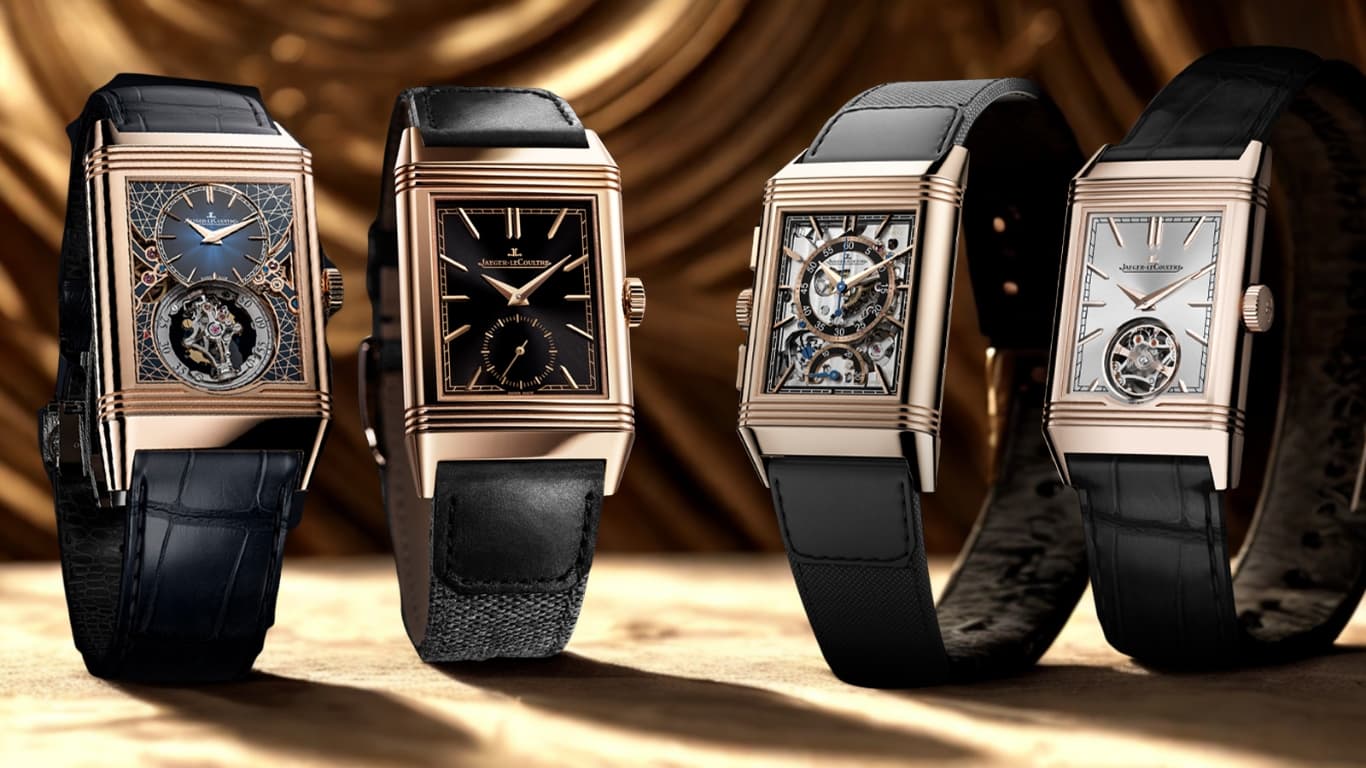
  • Reverso Tribute & Duoface: The Reverso is without question JLC’s icon. Originally designed in the 1930s for polo players, its reversible case is both a conversation piece and a safeguard for the dial. Today, well-kept Reversos often maintain 90–105% of retail value, with rare models like the Reverso Tribute Duoface or those featuring enamel or skeleton dials trading for even more on the secondary market.

  • Master Control Geographic & Calendar: Watches in the Master Control series, especially those with complications like the Geographic or Calendar, are known for their balanced proportions and rigorous 1,000-hour testing. They typically retain 85–95% of retail, with limited editions and sector dial variants seeing mild annual appreciation of 2–4%.

  • Master Ultra Thin Moon & Perpetual: These pieces appeal to investors looking for under-the-radar complications. While the broader watch market chases sports models, JLC’s slim perpetual calendars and moonphases have quietly gained traction. Recent market data shows high-grade Ultra Thin Perpetuals often reselling at $20,000–$25,000, close to or slightly above MSRP for newer references.

  • Memovox Vintage: The alarm function is a distinctive feature that’s increasingly collectible. Clean vintage Memovox references from the 1950s–1970s are now selling for $6,000–$12,000, reflecting significant jumps from values just a decade ago when you could find examples under $4,000.

  • Jaeger-LeCoultre Polaris Date: A sportier addition to the lineup that’s become popular among younger collectors. While it doesn’t appreciate as sharply as Reversos, it maintains 80–90% of retail, which is impressive for a non-dive sports watch in this segment.

Features of Jaeger-LeCoultre Watches

A big reason Jaeger-LeCoultre watches keep standing out in the investment space is that their appeal goes well beyond brand name. When you buy a JLC, you’re not just paying for a logo on the dial. You’re paying for genuine watchmaking expertise refined over nearly two centuries.

First, the importance of in-house movements is hard to overstate. While many luxury brands outsource or lightly modify base calibers, Jaeger-LeCoultre is what watch insiders call a “true manufacture.” They make almost every part themselves, from the tiny escapement to the full movement.

Since 1833, they’ve developed more than 1,200 different calibers. For you as an investor, this means these watches carry a mechanical legitimacy that helps protect long-term value.

Then there’s JLC’s well-known talent for ultra-thin engineering. References like the Master Ultra Thin Moon or the Master Ultra Thin Perpetual pack complex complications into cases that often slip under 10mm thick. That slim profile still surprises many collectors who expect perpetual calendars or moonphases to be chunky. It’s a refined technical feat, and it consistently draws interest from serious enthusiasts.

Of course, you can’t talk about Jaeger-LeCoultre without mentioning the Reverso. This isn’t just a pretty Art Deco design. It was born in 1931 to protect watch crystals during polo matches. The flip case became a mechanical icon, and today’s Reverso Tribute or Duoface models build on that with twin dials, essentially giving you two watches in one. That unique functionality and history make Reversos some of the safest bets in the JLC lineup for resale stability.

Jaeger-LeCoultre is also famous for unusual complications like the Memovox with its mechanical alarm. That charming old-school buzz has turned many vintage Memovox references into collectible staples. Meanwhile, at the very top end, JLC still builds masterpieces like minute repeaters and gyrotourbillons that cement its role as a serious technical leader.

Jaeger-LeCoultre features

Another underappreciated reason these watches hold up so well is the finishing. Even under a loupe, JLC watches reveal Geneva stripes, hand-polished bevels, and delicately blued screws. Dials often blend multiple textures, like sunburst patterns or subtle guilloché, which catch light beautifully.

You’ll notice these details because they’re expensive to produce and not easily faked by mass-market competitors.

Reliability is also a pillar. Many Master Control watches undergo Jaeger-LeCoultre’s rigorous 1000-Hour Control, a testing regime that stretches over 41 days and far exceeds typical COSC chronometer standards. This reputation for durability pays off in the secondary market, where buyers know they’re getting a movement tested to a higher bar.

Finally, design versatility matters. While some brands tie their entire identity to a dive or pilot’s watch, Jaeger-LeCoultre moves comfortably from slim dress pieces to more robust lines like the Polaris. That broad appeal brings a wider range of buyers into the fold, supporting steady demand across styles.

FeatureWhy It Matters for Investment
In-House MovementsEnsures mechanical pedigree, harder to replicate elsewhere
Ultra-Thin ComplicationsElegant engineering that appeals to serious collectors
Iconic Reverso CaseUnique two-dial functionality and design legacy
Rare ComplicationsMemovox alarms, gyrotourbillons stand out in luxury segment
High-Level FinishingHand-done details protect prestige and long-term value
1000-Hour Control TestingDemonstrates reliability well beyond typical standards
Versatile DesignsAttracts both classic dress buyers and sporty watch fans

This blend of mechanical depth, proven craftsmanship, and diverse styles is exactly why Jaeger-LeCoultre watches make sense for investors looking beyond trendy hype.

Jaeger-LeCoultre watches as investment

Jaeger-LeCoultre Watches Pricing

As of 2026, Jaeger-LeCoultre sits firmly in the high-end segment of luxury watchmaking. Many serious buyers view it as offering more complex movements and decorative finishing for the money compared to a lot of its competitors.

JLC may not have the same speculative hype spikes you see with brands like Rolex or Audemars Piguet. But that’s actually the point. Its stable, craft-focused appeal is exactly what’s drawing informed investors right now.

Retail prices for Jaeger-LeCoultre watches have climbed gradually over the last five years, partly due to global inflation, but also because of steady upgrades to calibres and subtle design evolutions.

On the secondary market, many of these watches hold surprisingly close to their retail numbers. And in some standout cases, they exceed them, especially for models that are no longer in production or are boutique-limited.

What’s really encouraging from an investment perspective is that Jaeger-LeCoultre’s market is less volatile. Instead of boom-and-bust cycles tied to sudden social media trends, JLC buyers typically focus on movement architecture, finishing quality, and the brand’s impressive legacy. Those factors create more measured but often more dependable long-term growth.

Current and Recent Production Models

Model & ReferenceProduction YearsRetail Price (2025)Annual Appreciation
Reverso Tribute Duoface Small Seconds2020–Present$12,200~3–5%
Master Ultra Thin Moon (Q1368420 / Q1362520)2018–Present$10,300~2–4%
Master Ultra Thin Perpetual (Q130842J)2019–Present$27,800~2–3%
Polaris Date (Q9068670)2021–Present$9,100~0–2%
Master Control Calendar (Q4148420)2020–Present$13,500~2–3%

Discontinued and Collectible JLC Models

Model & ReferenceProduction YearsOriginal RetailAnnual Appreciation
Reverso Grande Taille (1990s)1990–2000s~$6,000~4–6%
Vintage Memovox (1950s–1970s)1950–1970s~$1,200 (original)~6–8%
Master Control Triple Calendar Moonphase1990s–2000s~$5,500~3–5%
Reverso Skeleton or Enamel Editions2000s–2010s~$12,000 – $18,000~6–9%

In Europe, especially France and Italy, the Reverso line keeps seeing strong interest, often considered the gentleman’s alternative to mainstream sports pieces. Collectors there prize full sets with original straps and service records, which regularly fetch top-end resale values.

In Asia, particularly Japan and Hong Kong, appreciation for complicated JLC pieces like the Master Ultra Thin Perpetual and vintage Memovox models is growing. Many local collectors prioritize dial condition and unpolished cases, pushing prices to the upper band of expected ranges.

In the United States, Polaris models are gaining traction among a younger demographic who want a sportier look with the credibility of a true manufacture. Still, even there, the Reverso stays the brand’s most liquid asset, with auctions showing year-over-year increases of around 3 to 5%, especially for Duoface and boutique editions.

Middle Eastern markets, like Dubai, continue to favor precious metal models. Yellow and pink gold Reversos are especially popular, often commanding 10 to 15% premiums over standard steel variants in private resales.

A key reason Jaeger-LeCoultre pricing behaves differently from brands like Rolex is its emphasis on real mechanical artistry over volume hype.

With consistent, controlled production and a reputation for complex movements ranging from the Memovox alarm to multi-day power reserve tourbillons, JLC avoids flooding the market. That preserves scarcity, which naturally underpins value.

And because these watches don’t rely on sudden influencer-driven demand spikes, prices grow at a steadier clip. That creates more predictable resale patterns, which many long-term investors prefer over highly speculative flips.

Jaeger-LeCoultre Watches Historical ROI and Performance

Jaeger-LeCoultre has always attracted collectors who care more about authentic watchmaking than social media trends. In many ways, that’s exactly why their watches perform well over time. JLC doesn’t usually spark frenzies like a Daytona or Nautilus, but it consistently rewards patient investors who value mechanical pedigree and careful production volumes.

Unlike some brands that rely purely on hype or celebrity endorsements, Jaeger-LeCoultre’s appreciation is built on substance: technical innovation, over a century of uninterrupted production, and watches that earn deep respect across serious collector circles.

Auction houses like Christie’s, Phillips, and Sotheby’s frequently feature JLC models, especially Reversos and rare Memovox pieces, that outperform their estimates and signal strong global demand.

Recent years tell a very clear story. In 2023, a vintage Jaeger-LeCoultre Polaris Memodate from the late 1960s sold at Phillips for just over $68,000, doubling its low auction estimate.

Meanwhile, rare enamel-dial Reversos are now commonly pushing $25,000 to $35,000, well above their typical resale price just five years ago.

What’s more impressive is how consistent JLC’s performance has been in the more approachable segments. Watches like the Master Ultra Thin Moon or Master Control Triple Date regularly sell for 95 to 105% of their original retail, depending on dial color and condition.

That steady price retention is exactly what long-term investors look for, because it shows intrinsic demand beyond passing trends.

Across the board, Jaeger-LeCoultre models have delivered average annual ROI of around 4 to 8%, with vintage pieces and boutique-limited editions exceeding even that.

Historical ROI for Key Jaeger-LeCoultre Models

Model & ReferenceOriginal Retail PriceAnnual ROI
Reverso Tribute Duoface$12,200~5–7%
Master Ultra Thin Moon$10,300~3–5%
Polaris Date$9,100~2–4%
Vintage Memovox Automatic~$600 (original)~8–10%
Master Ultra Thin Perpetual$27,800~4–6%
Rare Reverso Enamel & Skeleton Editions~$15,000 – $20,000~7–10%

Core Modern Models like the Polaris and Master Ultra Thin Moon are often considered safe entry points for collectors moving into Jaeger-LeCoultre. Their short-term flips don’t match steel sports hype watches, but they consistently hold 90 to 100% of retail and slowly appreciate in the 2 to 4% range, especially if well-kept with box and papers.

Collector Favorites like the Reverso Tribute and Master Perpetual are often the first step into more serious JLC collecting. They average 4 to 6% annual growth, with special dial colors or boutique editions commanding premiums.

Vintage Icons and Rare Editions, including the Memovox and Reverso Skeleton, are where performance gets most impressive. Classic Memovox alarms from the 1960s and 1970s are seeing 8 to 10% yearly appreciation, while discontinued Reverso enamel dial and skeleton models routinely break past $30,000 at auction, far outpacing their original market price. If you want to understand how to spot the next model before it becomes scarce, the same principles that apply to Patek Philippe discontinuations are worth studying.

Market Forecast

The big takeaway for 2026 is that Jaeger-LeCoultre keeps solidifying its role as the thinking collector’s brand. With a rising global appreciation for mechanical artistry over mass-market hype, more investors are being drawn to JLC’s blend of technical depth and restrained production.

Demand is especially strong in Europe and Asia, where knowledgeable buyers are increasingly focusing on mechanical finishing, heritage complications, and cases that stay clear of flashy trend chasing. Boutique-only and low-production Reverso variants are expected to see 7 to 10% annual appreciation going forward, provided global auction interest holds steady. You can track broader luxury collectibles market signals via the Financial Times to time your moves more precisely.

For anyone building a diversified watch portfolio, Jaeger-LeCoultre is proving to be a compelling long-term anchor. Its combination of slow, stable growth, deep mechanical credibility, and collector respect make it a safer bet in a market often dominated by speculation. And if you’re thinking about how watches fit alongside other hard assets, seeing how the Audemars Piguet Royal Oak performs as an investment gives you a useful benchmark for comparison.

Jaeger-LeCoultre watches price

Who Should Invest In Jaeger-LeCoultre Watches in 2026?

  • Collectors Moving Beyond Entry-Level Swiss Brands: If you’ve owned a few Omegas or Rolex sports models and you’re itching for something with deeper watchmaking pedigree, Jaeger-LeCoultre is a smart pivot. You’ll get highly finished in-house movements, complications like perpetual calendars and minute repeaters, and watches that other collectors actually respect. Unlike mainstream pieces that shout status, JLC’s value is more discreet — which ironically makes it more rewarding in true collector circles.

  • Investors Wanting Out of the “Flip Game”: If you’re exhausted by chasing hype watches that can drop 20% the moment trends shift, JLC offers a calmer ride. Their watches typically appreciate at a slow, steady 3–8% annually, especially in references like the Reverso Tribute or vintage Memovox. You might not make a viral TikTok, but you’ll avoid panic-selling when the market cools.

  • Buyers Obsessed With Movement Craft: JLC is known in the industry as a watchmaker’s brand. They produce their own movements (and have for almost two centuries), and historically even supplied calibers to Audemars Piguet and Patek Philippe. If you’re the type who peers through the caseback to admire anglage, blued screws, and balance wheels, these watches are built for you. This attention to mechanical quality translates directly into resale stability because serious buyers care about what’s inside.

  • Those Who Prefer Quiet, Under-the-Radar Luxury: If you’d rather own a timepiece that impresses a fellow enthusiast across the dinner table instead of strangers on Instagram, JLC hits the mark. The Reverso, for instance, is iconic among collectors but doesn’t attract the same speculative hordes chasing Daytona or Royal Oak allocations. This keeps demand solid and pricing less volatile.

  • Long-Term Hold Investors With Patience: Jaeger-LeCoultre isn’t the watch to buy, list next month, and hope for a windfall. It’s for the investor who plans to wear it, service it, and watch value grow gradually over 5 to 10 years. This is especially true for rare or discontinued pieces, which compound in worth thanks to restrained production and global collector demand.

FAQ

Are Jaeger-LeCoultre watches a good investment?

Yes. While they don’t always skyrocket like Rolex or Patek hype models, Jaeger-LeCoultre watches appreciate steadily. They’re solid long-term assets if you care about mechanical quality and stable demand.


Which Jaeger-LeCoultre model holds value best?

Typically the Reverso Tribute Duoface, Master Ultra Thin Perpetual, and vintage Memovox pieces show the strongest resale performance. The Reverso is especially consistent because it’s iconic, made in lower volumes, and always in demand among serious collectors.


Do Jaeger-LeCoultre watches go up in value like Rolex?

Not usually in the same “overnight flip” style. JLC watches tend to rise more slowly but steadily — think 4–8% annual appreciation on key references. The difference is they rely on true watchmaking demand, not just social buzz, so they’re less likely to crash if trends change.


How long should I hold a Jaeger-LeCoultre to see real returns?

Ideally 5–10 years. While some rare references (like first-series Memovox or limited enamel Reversos) can appreciate quickly, most JLC models reward patient investors. Holding through multiple market cycles builds the best ROI.


Are Jaeger-LeCoultre watches better than Omega or IWC for investment?

In pure mechanical prestige and finishing, yes — JLC sits a tier above Omega and generally even above IWC. Their resale is also more stable because of lower production and fewer discount-driven sales. But if you want hype flips, Omega’s steel sports watches often run hotter. JLC is for more deliberate, craftsmanship-focused collecting.

Swiss watches price hikes
How Swiss Watch Tariffs Are Affecting Luxury Watch Investing In 2026

How Swiss Watch Tariffs Are Affecting Luxury Watch Investing In 2026

The Swiss watch industry has undergone a dramatic transformation in 2026 following the implementation and…
rolex oyster perpetual
Why Rolex Invented Its Own Steel When No Other Brand Bothered

Why Rolex Invented Its Own Steel When No Other Brand Bothered

Most watchmakers treat steel as a commodity. Rolex treats it as a competitive weapon. While…
Audemars Piguet Watches 2025
Rising Auction Prices Show Why Audemars Piguet Watches Are A Strong Investment

Rising Auction Prices Show Why Audemars Piguet Watches Are A Strong Investment

Audemars Piguet has captured attention at a level few luxury watch brands ever reach, and…