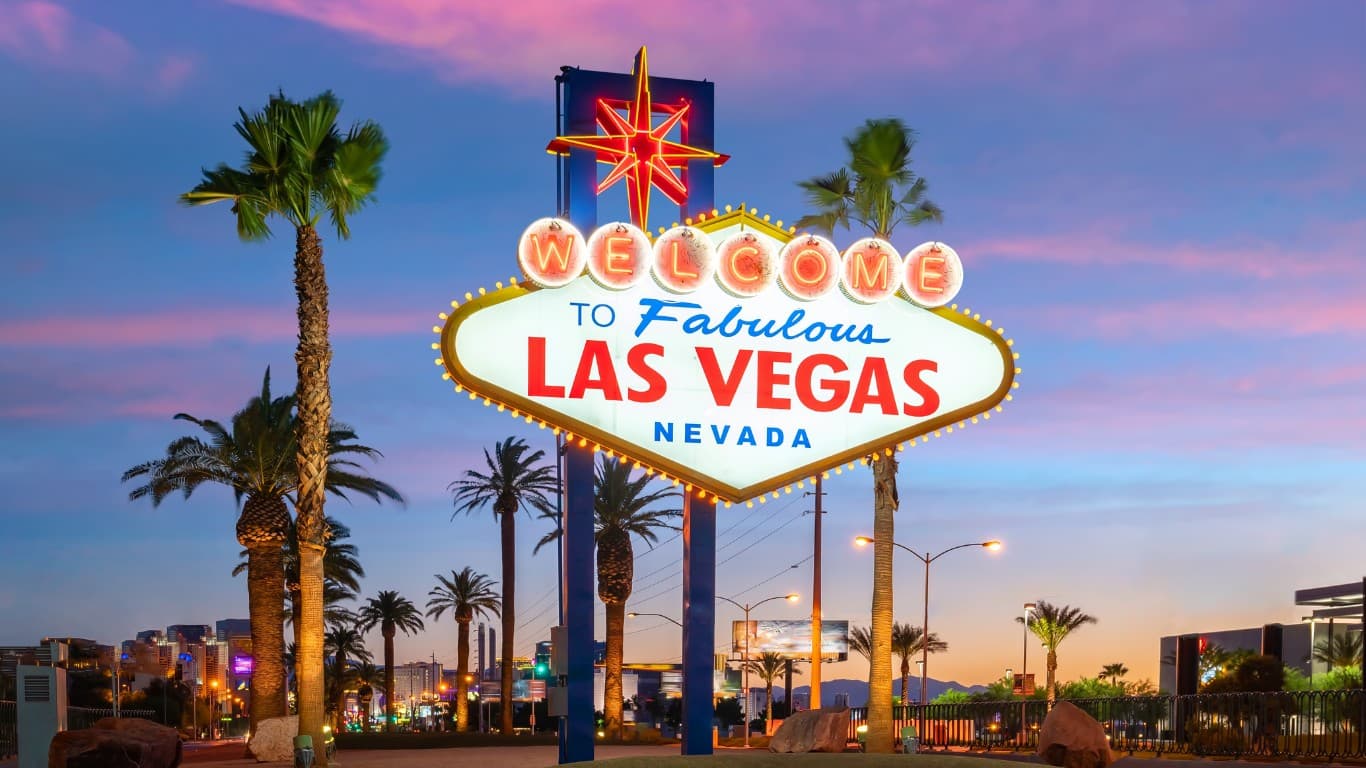
The Las Vegas real estate market is showing compelling characteristics for both residential buyers and investors heading into 2026. Known for its dynamic lifestyle, zero state income tax, and year-round sunshine, Las Vegas keeps pulling in new residents and investment capital at a steady clip.

Amid shifting economic conditions, the market sits at a unique crossroads of elevated interest rates, tight housing inventory, and stubborn demand. That combination creates a nuanced but genuinely opportunity-rich environment for anyone paying close attention.

Price appreciation has moderated compared to the frenzied growth of recent years, but Las Vegas still holds up as a resilient and strategically positioned market. Key drivers include a diversifying employment base, affordability relative to neighboring metros like Los Angeles and San Diego, and a steady wave of inward migration from higher-cost states. If you want to see how Las Vegas stacks up against California, the Los Angeles real estate market overview gives you a useful side-by-side perspective.

Those elements keep the market relatively competitive, even as national housing sentiment faces headwinds from affordability pressures and rate uncertainty.

Investors are drawn here for good reason. Rental income potential is solid, property taxes are low by national standards, and population growth is being fueled by both retirees seeking tax-friendly retirement destinations and working professionals relocating from pricier coastal cities. Developers are eyeing infill opportunities, and out-of-state buyers are treating Las Vegas as the logical alternative to California’s overpriced markets.

Overview of The Las Vegas Real Estate Market

As of Q1 2026, the Las Vegas housing market is showing signs of stable recovery amid broader economic uncertainty. Home prices have seen modest appreciation, supported by limited inventory, steady population inflows, and a rebound in buyer confidence. Affordability is still a concern for entry-level buyers, but conditions favor long-term investors and those seeking relative value compared to pricier Western metros.

The median property price in Las Vegas currently sits at $420,000, reflecting a 2.9% year-over-year increase.

The median sold price runs at approximately $412,000, which tells you the gap between listing and closing prices is razor-thin. That balance points to a relatively neutral market where neither buyers nor sellers hold dominant leverage.

Inventory stays constrained, with roughly 3,246 active listings and only 812 new listings entering the market by the end of Q1 2026. Homes are moving fast, with the average days on market now down to 37 days, noticeably quicker than the pace seen in 2024.

Around 35.1% of homes are selling above list price, which signals strong demand across mid-tier and popular suburban neighborhoods like Henderson, Summerlin, and Spring Valley.

The median price per square foot across Las Vegas sits at $245, though that number shifts depending on where you look. High-demand pockets like The Lakes and Green Valley Ranch regularly exceed that average, while up-and-coming zones such as Whitney and North Las Vegas offer more accessible entry points for buyers and investors who want to get in before the crowd arrives.

Overall, the Las Vegas housing market is defined by a few clear themes worth keeping in mind.

  • Median home prices up 2.9% YoY.
  • Limited inventory with strong competition for listings.
  • Homes selling in approximately 37 days on average.
  • Over 35% of sales closing above list price.
  • Tight margin between listing and sale price, suggesting balanced conditions.

In short, the Las Vegas real estate market in 2026 gives investors a stable and appreciating environment. Buyers benefit from relative affordability and favorable tax conditions, while sellers can move quickly in key neighborhoods where demand stays well ahead of supply.

Las Vegas Real Estate Market 1

Neighborhood Analysis

Las Vegas is made up of a diverse range of communities, each offering distinct price points, demand profiles, and investment returns. From luxury master-planned suburbs to revitalized urban cores, getting to know these submarkets is essential if you want to make smart, strategic decisions in one of the Southwest’s most active real estate markets.

Summerlin

Summerlin stands as Las Vegas’s premier master-planned community, known for its golf courses, upscale retail, and proximity to Red Rock Canyon. The neighborhood pulls in affluent families, retirees, and out-of-state buyers who want a high-quality lifestyle without sacrificing access to amenities.

The median home price in Summerlin sits at approximately $680,000, up 3.1% year-over-year. Homes tend to sell quickly with multiple offers, especially in gated sections and newer developments. Investor interest stays strong thanks to Summerlin’s stability, limited inventory, and higher-than-average rental rates. Both luxury single-family homes and townhouses are showing solid long-term appreciation.

Henderson

Henderson, just southeast of the Strip, has grown into a vibrant suburban hub. With top-rated schools, clean parks, and a strong safety record, the area keeps drawing young families and remote professionals who want space without sacrificing convenience.

The median listing price in Henderson runs around $530,000, reflecting a 2.7% annual increase. Demand is especially high in neighborhoods like Inspirada and MacDonald Highlands, where new builds and custom homes attract both residents and investors. Its proximity to job centers and comparatively lower cost of living than California suburbs keeps relocation-driven purchases flowing steadily.

Green Valley

Green Valley is one of Henderson’s original planned communities and still thrives thanks to its established infrastructure and strong community reputation. It blends affordability with accessibility, making it a reliable option for both homeowners and rental investors.

Median home prices in Green Valley stand at $470,000, up 2.4% from Q1 2025. Inventory moves steadily, especially updated properties with modern interiors and low-maintenance yards. Rental returns are attractive for single-family homes, and vacancy rates stay consistently low due to demand from families and professionals.

Spring Valley

Spring Valley, located west of the Strip, offers an urban-suburban mix with a wide range of property types, from condominiums and multifamily rentals to detached homes. It has become a favored spot for both long-term renters and short-term rental operators looking for flexibility and cash flow.

The median listing price runs at approximately $420,000, up 3.3% year-over-year. The area benefits from strong rental demand and steady investor activity, particularly in neighborhoods close to Spring Mountain and Chinatown. Its flexible zoning and variety of property types make it appealing for value-add investors and landlords focused on cash flow over appreciation.

North Las Vegas

North Las Vegas offers some of the most affordable inventory in the metro, drawing first-time buyers, local families, and investors searching for yield-oriented properties. Development activity stays steady, with new construction communities expanding housing options across the area.

Median home prices in North Las Vegas currently sit at $370,000, up 3.8% year-over-year. Appreciation has been driven by rising interest in affordable housing and expanded infrastructure. Duplexes and entry-level homes often yield solid rental returns, and demand keeps climbing among households priced out of central Las Vegas neighborhoods.

Neighborhood Median Prices and Price per SqFt

Las_Vegas_Neighborhood_Home_Prices_2025.csv

Las Vegas Rental Market Overview

The Las Vegas rental market is robust and getting more competitive by the quarter, supported by population growth, affordability challenges in homeownership, and consistent demand from both local residents and new transplants. As of Q1 2026, rent prices are on the rise, reflecting sustained pressure from constrained inventory, elevated mortgage rates, and continued in-migration from higher-cost regions like California and Arizona.

Average Rent Prices in Las Vegas

Here is a snapshot of current average rent prices across Las Vegas.

  • Studio Apartments: Approximately $1,075 per month

  • One-Bedroom Apartments: Around $1,320 per month

  • Two-Bedroom Apartments: About $1,660 per month

  • Three-Bedroom Apartments: Approximately $2,050 per month

Compared to 2025, these figures reflect an average 4.1% increase year-over-year, with rising demand for multi-bedroom rentals among families and remote workers leading the charge. Rent increases are most pronounced in fast-growing areas like Henderson, Summerlin, and Enterprise.

Las Vegas still comes in more affordable than coastal metros, but the city is feeling upward pressure on rents across nearly all submarkets. High occupancy rates and limited new affordable housing supply are the main culprits.

Rent by Neighborhood

  • Downtown Las Vegas: One-bedroom units average $1,450/month, fueled by interest in urban living and revitalization efforts in the Arts District.

  • Summerlin: Two-bedroom rentals average $1,950/month, driven by premium amenities and consistent tenant demand.

  • Henderson: One-bedroom units average $1,500/month, reflecting strong school districts and suburban appeal.

  • North Las Vegas: Rents remain lower, with one-bedrooms averaging $1,275/month, making it a popular choice for working-class tenants and families.

Vacancy Rates

Vacancy rates across Las Vegas are currently hovering around 3.5%, slightly below the 3.9% recorded in 2025. That decline points to healthy absorption of available inventory and strong renter interest, particularly in neighborhoods offering proximity to major employers and entertainment zones.

Las Vegas continues to struggle with delivering affordable rental inventory. Much of the new construction pipeline is focused on luxury multifamily developments, leaving limited relief for renters in the mid- and entry-level markets.

So competition stays fierce, and landlords are holding firm on rent increases with minimal concessions.

Drivers of Rental Demand

Several key factors are fueling persistent rental demand across Las Vegas right now.

  • Affordability Gap: With median home prices around $385,000, many residents—especially younger households—are unable to afford a down payment or qualify for loans amid high interest rates.

  • High Mortgage Rates: Ongoing rate volatility has kept would-be buyers in the rental market, delaying homeownership plans.

  • Migration Trends: In-migration from more expensive states, particularly California and Oregon, continues to bring renters to Las Vegas seeking lower costs of living and tax advantages.

  • Flexible Living Preferences: The rise of remote work and short-term living arrangements fuels demand for both traditional rentals and high-end furnished units.

Las Vegas gives rental investors a strong blend of cash flow, appreciation potential, and sustained tenant demand. For landlords and institutional investors alike, the city delivers attractive fundamentals for long-term rental income growth. You can dig deeper into what the optimal investment period for real estate looks like before committing your capital.

Las Vegas Real Estate Market 4

Factors Influencing The Las Vegas Housing Market

The Las Vegas housing market in 2026 is shaped by a combination of economic, demographic, and regulatory factors. Understanding these drivers is essential for evaluating investment potential, timing your property purchases, and spotting emerging trends before they become obvious to everyone else.

  1. Elevated Mortgage Rates: Mortgage rates remain relatively high, ranging between 6.3% and 6.9%, which continues to reduce purchasing power for many entry-level buyers. As a result, affordability challenges are pushing a significant portion of demand into the rental sector and delaying ownership transitions.

  2. Supply Constraints: Active listings remain lower than historical averages, with many new developments focusing on luxury homes and high-end condominiums. Meanwhile, mid-tier and entry-level segments remain underbuilt, intensifying competition and supporting upward price pressure across suburban and urban cores alike.

  3. Population Growth and Migration: Las Vegas continues to experience strong population growth, driven by both domestic migration from California, Arizona, and Texas, and an influx of retirees and remote workers. This demographic shift is supporting consistent demand in both rental and ownership markets, especially in suburban areas with strong infrastructure and school access.

  4. Limited New Construction in Affordable Segments: While multifamily construction in luxury brackets is active, the supply of affordable housing remains limited due to land constraints and rising development costs. The approval process for new developments remains lengthy, slowing down the pace of new inventory entering the market.

  5. Strong Rental Demand: With many residents priced out of homeownership, the rental market remains strong. Investors continue to benefit from high occupancy rates and above-average rental yields, particularly in fast-growing areas like Enterprise and North Las Vegas.

  6. Investor Activity: Las Vegas attracts both institutional capital and smaller individual investors. Build-to-rent communities, multifamily value-add properties, and short-term rental units remain in high demand. Out-of-state investors are particularly active, targeting neighborhoods with high cap rates and consistent tenant demand.

  7. Zoning and Land Availability: While zoning is more flexible in Las Vegas than in many major metros, rising land costs and limited availability in core neighborhoods are slowing down the delivery of affordable housing. This imbalance between demand and supply keeps price levels elevated and rental demand strong.

Las Vegas Housing Market Forecast for 2026

Looking ahead through 2026, the Las Vegas housing market is set to maintain steady growth, supported by resilient demand, limited housing supply, and a favorable economic climate. Home price appreciation may moderate slightly due to affordability constraints, but strong fundamentals keep the city squarely on every serious investor’s radar. For a broader comparison, see how Barcelona’s real estate market is forecasting for context on international alternatives.

Las Vegas stays a dynamic market with real upside, but 2026 is shaping up to deliver measured appreciation rather than speculative spikes in value. That is actually good news if you are thinking long-term.

Home prices in Las Vegas are projected to rise by 3.5% to 4.8% over the next 12 months. With the current median sale price sitting around $420,000, values are forecasted to reach between $439,000 and $444,000 by early 2027. Appreciation will be driven primarily by population growth, new household formation, and sustained migration from neighboring states like California and Arizona. Bloomberg’s US housing market analysis offers useful macroeconomic context for where prices are heading nationally.

Inventory levels are expected to stay constrained, particularly in affordable and mid-tier segments. New construction is focused largely on higher-end developments and build-to-rent communities, leaving a supply gap for traditional single-family starter homes. That imbalance will keep applying upward pressure on prices.

Neighborhoods like Spring Valley, Sunrise Manor, and Centennial Hills are expected to outperform due to their relative affordability and proximity to job centers.

The rental market is projected to stay strong through 2026, with rents forecasted to increase between 3.2% and 4.6% depending on location and property type. Studio and one-bedroom units are expected to see the sharpest gains, driven by affordability concerns and demographic demand from younger renters and remote workers.

Vacancy rates are likely to hold below 4%, given the limited availability of rental inventory and ongoing economic expansion. Most new multifamily units being delivered sit in the luxury or mid-luxury segment, offering little relief in the lower-priced rental market. The result is continued strong occupancy and yield performance for investors who got in early.

Las Vegas also benefits from a diverse and growing economic base, spanning logistics, tourism, e-commerce, and professional services. These industries are expected to keep adding jobs through 2026 and beyond, further supporting household formation and housing demand. Forbes Real Estate has been tracking how Sun Belt cities like Las Vegas are outpacing national job growth trends.

Demographic trends are working in the city’s favor. Las Vegas keeps attracting younger buyers, retirees, and investors fleeing high-cost coastal markets, all drawn by lower taxes, accessible entry points, and a quality of life that is genuinely hard to argue with.

Las Vegas Real Estate Market

Is It Worth Buying a Property in Las Vegas?

For long-term buyers and income-focused investors, purchasing property in Las Vegas in 2026 is a sound strategic move. Yes, interest rates are elevated and home values have climbed, but Las Vegas still offers a favorable mix of affordability, population growth, and income-generating potential that coastal markets simply cannot match at this price point.

Median home values in Las Vegas are forecasted to rise by 3.5% to 4.8%, driven by persistent demand and limited inventory. Submarkets like Sunrise Manor and Spring Valley are expected to outperform the metro average, making them attractive to first-time buyers and rental property investors. In more mature neighborhoods like Summerlin or Green Valley, appreciation stays steady with lower volatility, offering the kind of long-term security that wealth preservation strategies rely on.

The rental market adds another compelling layer for potential investors. With vacancy rates under 4% and rents growing consistently year-over-year, landlords in Las Vegas benefit from strong cash flow and solid tenant retention. One-bedroom units are leasing for an average of $1,400 to $1,600 per month, while two-bedrooms in high-demand areas can push past $2,100 per month. That dynamic supports healthy cap rates and steady monthly income, particularly in duplex and small multifamily investments. The Financial Times covers rental yield dynamics across US markets if you want to benchmark those numbers against the wider investment landscape.

Borrowing costs are elevated right now, but mortgage rates are expected to normalize slightly by late 2026, improving purchasing conditions. Buyers who enter the market now may benefit from price appreciation and future refinancing opportunities. And Las Vegas’s lack of state income tax keeps enhancing net returns for out-of-state investors who understand what that really means for their bottom line.

In short, Las Vegas offers a high-opportunity, moderately priced housing market with strong fundamentals and scalable investment potential that rewards patience.

If you are willing to act in 2026 and hold your assets for five to ten years, Las Vegas gives you an optimal combination of long-term price growth, stable rental income, and favorable tax conditions. That makes it one of the most attractive real estate markets in the Sun Belt right now. And if you are weighing how long to hold before optimizing returns, understanding the optimal real estate investment horizon is worth your time before you sign anything. Reuters Finance also tracks the broader economic signals that tend to move Sun Belt housing markets first.

Other Market Forecasts and Overviews


FAQ

Is Las Vegas a good market for rental property investment?

Yes. The city’s strong population growth, low vacancy rates (around 3.8%), and steady rent increases create favorable conditions for rental property investors. One- to three-bedroom units continue to generate attractive monthly income and strong occupancy rates.


Which neighborhoods offer the best ROI for property investment in Las Vegas?

Areas such as Sunrise Manor, Spring Valley, and Centennial Hills offer high rental yields and affordable entry prices, making them ideal for investors seeking cash flow.


How do property taxes and state income tax affect investment returns in Las Vegas?

Las Vegas is located in Nevada, a no-state-income-tax state, which significantly boosts net income for both local and out-of-state investors. Property taxes are also relatively low, averaging 0.53% of assessed value, enhancing ROI for buy-and-hold strategies.

Japanese Giants Spend Billions To Take Over The US Homebuilding Industry
Japanese Giants Spend Billions To Take Over The US Homebuilding IndustrySpotlight

Japanese Giants Spend Billions To Take Over The US Homebuilding Industry

America built roughly 1.4 million new homes in 2023, yet the country still faces a…
Is The US Housing Market Crashing Or Simply Correcting In 2026?

Is The US Housing Market Crashing Or Simply Correcting In 2026?

US home prices shot up more than 47 percent between 2020 and 2023, creating one…
Global Tensions In Iran in 2026 Are Forcing U.S. Home Buyers To Delay Purchases

Global Tensions In Iran in 2026 Are Forcing U.S. Home Buyers To Delay Purchases

Every major geopolitical crisis in modern history has left fingerprints on the American housing market,…